Home Blog Page 44

The truth about oral collagen and vitamin supplements for skin care

0

Collagen and vitamins have long been known to play important roles in maintaining healthy skin. Collagen is a protein that is found throughout the body and is responsible for the strength and elasticity of skin, while vitamins like A, C, and E are powerful antioxidants that protect the skin from damage caused by free radicals. In recent years, there has been a growing trend of using oral collagen and vitamin supplements as part of a daily skincare routine. But is this enough to achieve optimal skin health?

Let’s start by examining the role of collagen in skin health. Collagen is the most abundant protein in the human body, making up about 30% of our total protein content. It is found in the skin, bones, tendons, and muscles, and is responsible for providing strength, structure, and elasticity to these tissues. As we age, our body’s natural production of collagen begins to decline, leading to sagging skin, wrinkles, and other signs of aging.

Many skincare products on the market today claim to contain collagen or promote collagen production, but the truth is that collagen molecules are too large to penetrate the skin when applied topically. This means that the most effective way to boost collagen levels in the skin is to increase the body’s production of collagen from within.

Oral collagen supplements are designed to do just that. These supplements are typically made from hydrolyzed collagen, which is broken down into smaller molecules that are easier for the body to absorb. When ingested, these collagen peptides are thought to stimulate the production of new collagen in the skin, leading to improved skin elasticity, hydration, and overall appearance.

The truth about oral collagen and vitamin supplements for skin care

But do oral collagen supplements really work? The research is mixed. While some studies have shown that oral collagen supplementation can improve skin hydration and elasticity, others have found no significant difference between collagen supplementation and a placebo. It is important to note that most of the studies done on oral collagen supplementation have been small, short-term studies, and more research is needed to determine the long-term effects of these supplements on skin health.

In addition to collagen, many people also turn to oral vitamin supplements as part of their daily skincare routine. Vitamins A, C, and E are all powerful antioxidants that protect the skin from damage caused by free radicals, which are unstable molecules that can damage cells and lead to premature aging. These vitamins are also important for maintaining healthy skin function, with vitamin A being necessary for cell growth and differentiation, vitamin C playing a role in collagen synthesis, and vitamin E helping to protect the skin from UV damage.

While it is certainly beneficial to get these vitamins from your diet, many people choose to take vitamin supplements as well. However, it is important to note that taking high doses of certain vitamins can be harmful, so it is always best to consult with a healthcare provider before starting any new supplement regimen.

So, is taking oral collagen and vitamin supplements enough to achieve optimal skin health? The answer is that it depends on the individual. While these supplements may provide some benefits, they are not a magic bullet for perfect skin. It is important to remember that skincare is a holistic process that involves not just what we put in our bodies, but also how we treat our skin from the outside.

In addition to taking supplements, it is important to maintain a healthy diet that is rich in fruits, vegetables, and other nutrient-dense foods that support skin health. Drinking plenty of water and getting enough sleep are also important factors in maintaining healthy skin.

Another key component of any skincare routine is a good topical skincare regimen. This may include using a gentle cleanser, moisturizer, and sunscreen daily, as well as incorporating other products like serums, exfoliants, and masks as needed. It is important to choose products that are appropriate for your skin type and address any specific concerns you may have, such as acne, dryness, hyperpigmentation, or signs of aging.

It is also important to protect your skin from environmental factors that can damage it, such as sun exposure and pollution. This can be done by wearing sunscreen daily, avoiding prolonged sun exposure, and using products that contain antioxidants to help protect against free radical damage.

To know more about Skincare Devices and Beauty’s latest updates, please Like and Follow our Facebook and Instagram accounts…

Read also: Protecting Your Skin from Pollution: Tips and Tricks to Keep it Healthy and Glowing

The Truth About HIFU Facials: Do They Really Work?

0

As we age, the skin on our face naturally begins to lose its elasticity and firmness. This can lead to wrinkles, sagging skin, and an overall dull and tired appearance. While there are many skincare products and treatments on the market that claim to combat these signs of aging, one relatively new option is the HIFU facial. But what exactly is a HIFU facial, and does it really work? HIFU facials

HIFU, or High-Intensity Focused Ultrasound, is a non-invasive cosmetic treatment that uses ultrasound technology to target the deeper layers of the skin. This technology has been used for decades in medical procedures such as tumor removal, but in recent years it has become increasingly popular as a non-surgical alternative to facelifts and other cosmetic procedures.

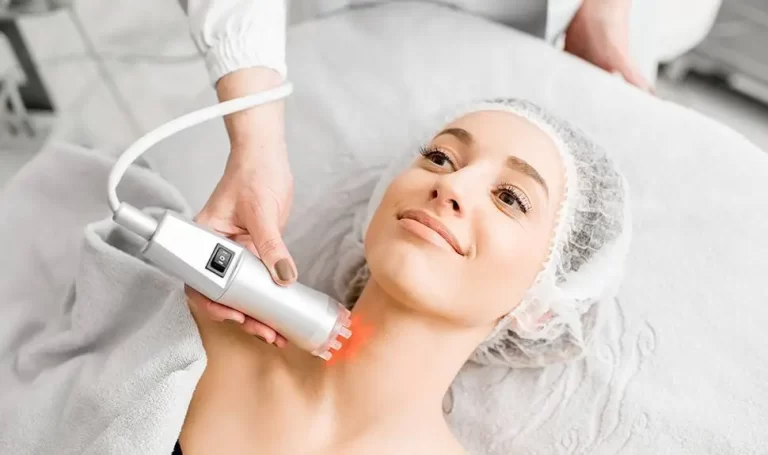
During a HIFU facial, a handheld device is used to deliver focused ultrasound energy to specific areas of the face. This energy heats up the skin tissues, which triggers the production of collagen and elastin. These two proteins are essential for maintaining the firmness and elasticity of the skin, but they naturally begin to break down as we age. By stimulating the production of collagen and elastin, a HIFU facial can help to tighten and lift the skin, reduce the appearance of wrinkles and fine lines, and give the face an overall more youthful and radiant appearance.

So, does a HIFU facial really work?

The answer is yes, but with some caveats. Like any cosmetic treatment, the effectiveness of a HIFU facial will depend on a number of factors, including the age and condition of the skin, the intensity and duration of the treatment, and the skill and experience of the practitioner.

In general, a HIFU facial can be an effective way to improve the appearance of the skin and achieve a more youthful, radiant glow. However, it is important to keep in mind that the results of a HIFU facial are not immediate, and may take several weeks or even months to become fully visible. Additionally, while a HIFU facial can provide noticeable improvements in the appearance of the skin, it is not a replacement for a facelift or other surgical procedure.

If you are considering a HIFU facial, it is important to do your research and choose a reputable and experienced practitioner. While the treatment is generally considered safe, there are some risks associated with any cosmetic procedure, and it is important to fully understand these risks before undergoing treatment.

Benefits of HIFU Facial

There are many benefits to a HIFU facial, including:

  1. Non-invasive: Unlike a facelift or other surgical procedure, a HIFU facial is non-invasive and requires no incisions or injections. This means that there is no downtime or recovery period, and most patients can resume their normal activities immediately after treatment.
  2. Safe: HIFU technology has been used for decades in medical procedures, and is generally considered safe when performed by a qualified and experienced practitioner.
  3. Long-lasting results: While the results of a HIFU facial may take several weeks or even months to become fully visible, they can last for up to two years or more with proper maintenance.
  4. No scarring: Because a HIFU facial is non-invasive, there is no risk of scarring or other visible marks on the skin.
  5. Versatile: HIFU technology can be used to target a wide range of skin concerns, including wrinkles, fine lines, sagging skin, and uneven skin tone or texture. It can also be used to lift and firm specific areas of the face, such as the cheeks, chin, and jawline.
  1. Customizable: A HIFU facial can be tailored to the individual needs and goals of each patient, with different settings and intensities used depending on the condition and age of the skin.
  2. Stimulates collagen production: By stimulating the production of collagen and elastin, a HIFU facial can help to improve the overall health and appearance of the skin, as well as provide long-lasting anti-aging benefits.

The Truth About HIFU Facials: Do They Really Work?

Risks and Side Effects

While a HIFU facial is generally considered safe, there are some risks and side effects that patients should be aware of. These may include:

  1. Discomfort: Some patients may experience mild discomfort or pain during the treatment, as the ultrasound energy heats up the skin tissues.
  2. Redness and swelling: After a HIFU facial, it is common to experience some redness and swelling in the treated area. This should subside within a few days.
  3. Bruising: In rare cases, patients may experience bruising or discoloration in the treated area.
  4. Numbness: Some patients may experience temporary numbness or tingling in the treated area.
  5. Infection: As with any cosmetic treatment, there is a risk of infection if proper sanitation protocols are not followed.

It is important to discuss any potential risks or side effects with your practitioner before undergoing a HIFU facial, and to follow all pre- and post-treatment instructions carefully to minimize the risk of complications.

To know more about Skincare Devices and Beauty’s latest updates, please Like and Follow our Facebook and Instagram accounts…

Read also: Protecting Your Skin from Pollution: Tips and Tricks to Keep it Healthy and Glowing

Facelift vs Thread Lift: Which is Right for You?

0

Facelift and thread lift are two cosmetic procedures aimed at reducing the signs of aging on the face. Both procedures aim to improve the appearance of the face, but there are significant differences between them. In this article, we will explore the differences between facelift and thread lift, including their procedure, results, cost, and recovery time.

Facelift

Facelift, also known as rhytidectomy, is a surgical procedure that aims to remove the sagging skin and wrinkles from the face and neck. Facelift is one of the most popular cosmetic procedures, with more than 123,000 facelift procedures performed in 2020 in the United States alone. The procedure is usually performed under general anesthesia, and it can take anywhere from 2 to 6 hours to complete, depending on the extent of the surgery.

During a facelift, the surgeon will make incisions around the hairline and ears, and then lift the skin and underlying tissues to reposition them. The surgeon will also remove any excess skin and fat, and tighten the remaining skin. The incisions are then closed with sutures, and the patient is given a dressing to wear around the face and neck.

The results of a facelift are usually long-lasting, with patients reporting significant improvements in their appearance. However, the recovery time for a facelift is longer than a thread lift, with patients needing to take at least 2 weeks off work to recover fully. Patients may experience some bruising and swelling, which can take up to a month to subside. They are also advised to avoid any strenuous activities or heavy lifting for at least 4-6 weeks after the procedure.

The cost of a facelift varies depending on the extent of the surgery, the surgeon’s experience, and the location of the clinic. The average cost of a facelift in the United States is around $12,000, but it can range from $7,000 to $20,000.

Thread Lift

Thread lift, also known as a suture lift, is a non-surgical procedure that aims to lift and tighten the skin on the face and neck. Thread lift is a newer procedure than facelift, and it has gained popularity in recent years due to its less invasive nature. Thread lift involves inserting fine threads under the skin, which are then pulled tight to lift the skin and stimulate collagen production.

The procedure is usually performed under local anesthesia, and it can take anywhere from 30 minutes to an hour to complete. The surgeon will make small incisions around the hairline and ears and insert the threads under the skin using a thin needle. The threads are then pulled tight, and any excess threads are trimmed. The incisions are then closed with sutures or adhesive strips.

The results of a thread lift are usually less dramatic than a facelift, but patients can still expect to see some improvement in their appearance. The procedure is also less risky than a facelift, with fewer complications and a shorter recovery time. Patients can usually return to work within a few days of the procedure, and they may experience some bruising and swelling, which can take up to a week to subside.

Facelift vs Thread Lift: Which is Right for You?

The cost of a thread lift is also lower than a facelift, with the average cost in the United States ranging from $1,500 to $5,000. However, the cost can vary depending on the number of threads used, the location of the clinic, and the surgeon’s experience.

Key Differences

Facelift and thread lift are two cosmetic procedures that aim to reduce the signs of aging on the face and neck. However, there are some significant differences between them.

Firstly, facelift is a surgical procedure that involves making incisions and lifting the skin and underlying tissues, while thread lift is a non-surgical procedure that involves inserting threads under the skin to lift and tighten it.

Secondly, facelift is a more invasive procedure that requires general anesthesia and a longer recovery time of at least 2 weeks, while thread lift is less invasive and can be performed under local anesthesia with a shorter recovery time of a few days to a week.

Thirdly, the results of facelift are usually more dramatic and long-lasting than thread lift, but facelift also comes with a higher cost, ranging from $7,000 to $20,000, while the cost of thread lift is usually between $1,500 to $5,000.

Lastly, facelift is suitable for patients with more advanced signs of aging, such as deep wrinkles, sagging skin, and jowls, while thread lift is more suitable for patients with mild to moderate signs of aging, such as slight sagging or drooping in certain areas of the face.

To know more about Skincare Devices and Beauty’s latest updates, please Like and Follow our Facebook and Instagram accounts…

Read also: Protecting Your Skin from Pollution: Tips and Tricks to Keep it Healthy and Glowing
The Ultimate Guide to Laser Treatments for Perfect Skin

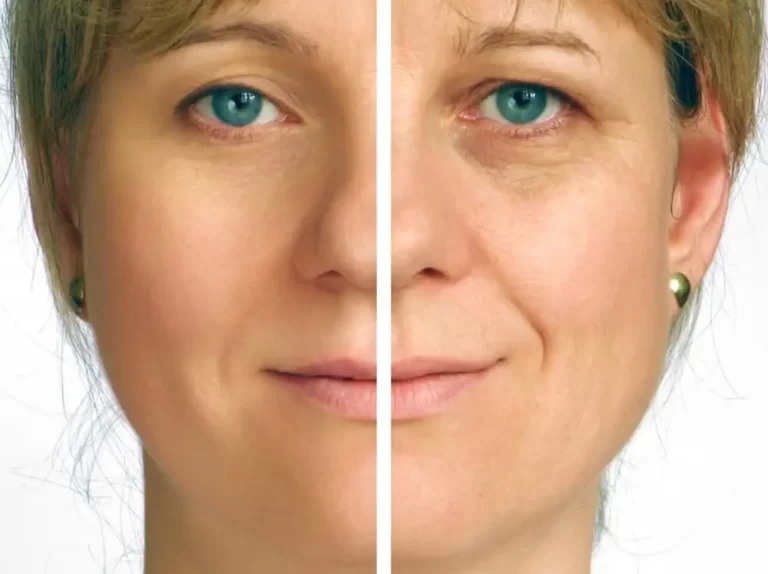
Laser treatments have become increasingly popular in recent years for their ability to treat a wide range of skin concerns. From reducing the appearance of wrinkles to improving the texture and tone of the skin, laser treatments offer numerous benefits for those looking to rejuvenate their skin. In this article, we will explore the five most effective laser treatments for the face and how they can benefit your skin.

  1. Fractional CO2 Laser Resurfacing

Fractional CO2 laser resurfacing is a popular treatment for addressing a range of skin concerns, including fine lines and wrinkles, acne scars, hyperpigmentation, and sun damage. The treatment involves using a laser to create tiny columns of heat within the skin, which stimulates the body’s natural healing response and encourages the production of collagen.

Collagen is a protein that is essential for maintaining the skin’s elasticity and firmness. As we age, our bodies produce less collagen, which can result in sagging skin and the formation of fine lines and wrinkles. Fractional CO2 laser resurfacing helps to restore collagen production, resulting in smoother, more youthful-looking skin.

  1. Intense Pulsed Light (IPL) Therapy

Intense pulsed light therapy uses high-intensity light energy to target specific areas of the skin, such as dark spots and hyperpigmentation. The treatment works by penetrating the skin’s surface and breaking up the pigmented cells, which are then absorbed by the body’s natural processes.

IPL therapy is a safe and effective treatment for reducing the appearance of sun damage, age spots, and other pigmentation issues. The treatment is also effective at reducing the appearance of redness and broken capillaries, making it an excellent option for those with rosacea or other vascular conditions.

  1. Laser Hair Removal

Laser hair removal is a popular treatment for those looking to get rid of unwanted hair. The treatment uses a laser to target the hair follicles, damaging them to prevent further hair growth. Laser hair removal is an effective treatment for removing hair from the face, underarms, legs, and bikini area.

Unlike traditional hair removal methods, such as waxing and shaving, laser hair removal offers a long-term solution to hair removal. After a series of treatments, most patients experience a significant reduction in hair growth, resulting in smoother, hair-free skin.

The Ultimate Guide to Laser Treatments for Perfect Skin

  1. Nd:YAG Laser Therapy

Nd:YAG laser therapy is a versatile treatment that can be used to address a range of skin concerns, including acne, rosacea, and spider veins. The treatment works by targeting the affected area with a high-intensity laser, which penetrates the skin’s surface to break up the damaged blood vessels or acne-causing bacteria.

Nd:YAG laser therapy is a safe and effective treatment that offers long-lasting results. The treatment is non-invasive and requires little to no downtime, making it an excellent option for those with busy schedules.

  1. Erbium Laser Resurfacing

Erbium laser resurfacing is a popular treatment for addressing a range of skin concerns, including fine lines and wrinkles, acne scars, and hyperpigmentation. The treatment works by using a laser to vaporize the outermost layers of the skin, which encourages the production of collagen and elastin.

Erbium laser resurfacing is a safe and effective treatment that offers long-lasting results. The treatment is non-invasive and requires little to no downtime, making it an excellent option for those with busy schedules.

In conclusion, laser treatments offer numerous benefits for those looking to rejuvenate their skin. From reducing the appearance of wrinkles to improving the texture and tone of the skin, laser treatments can help you achieve your desired look.

To know more about Skincare Devices and Beauty’s latest updates, please Like and Follow our Facebook and Instagram accounts…

Read also: Protecting Your Skin from Pollution: Tips and Tricks to Keep it Healthy and Glowing

Protecting Your Skin from Pollution: Tips and Tricks to Keep it Healthy and Glowing
0

Pollution is an ever-increasing problem in today’s world, and its effects on our health and wellbeing are becoming increasingly apparent. One area that is often overlooked is the impact pollution has on our skin. In this article, we will explore how pollution affects the skin and what we can do to prevent it. Protecting Skin from Pollution

How Pollution Affects the Skin

Air pollution is made up of tiny particles that can penetrate the skin and cause a range of problems. One of the most common issues is premature aging, as pollutants can break down collagen and elastin, which are essential for maintaining the skin’s structure and elasticity. This can lead to wrinkles, fine lines, and sagging skin.

Pollution can also cause skin inflammation and irritation. The tiny particles can trigger an immune response, leading to redness, itching, and even eczema. Additionally, air pollution can cause the skin to become dehydrated, making it feel tight and uncomfortable.

Another way that pollution affects the skin is by causing hyperpigmentation. Pollutants can stimulate the production of melanin, causing brown spots and uneven skin tone.

Finally, pollution can also exacerbate existing skin conditions such as acne, rosacea, and psoriasis. The tiny particles can clog pores and cause breakouts, while the inflammation can worsen the symptoms of these conditions.

Preventing Pollution Damage to the Skin

While it is impossible to completely avoid pollution, there are steps we can take to minimize its impact on our skin.

  1. Cleanse the Skin

One of the most important things you can do to prevent pollution damage to the skin is to cleanse it thoroughly. Use a gentle cleanser that can remove dirt, oil, and makeup without stripping the skin of its natural oils. Make sure to cleanse your skin twice a day, in the morning and at night, to keep it clean and free from pollutants.

  1. Use Antioxidants

Antioxidants can help to protect the skin from pollution damage by neutralizing free radicals. Free radicals are unstable molecules that can damage cells, leading to premature aging and other skin problems. Antioxidants such as vitamin C, vitamin E, and green tea extract can help to neutralize free radicals and protect the skin from pollution damage.

  1. Wear Sunscreen

Sunscreen is essential for protecting the skin from UV radiation, but it can also help to prevent pollution damage. Some sunscreens contain antioxidants, which can help to neutralize free radicals, while others contain physical blockers such as zinc oxide and titanium dioxide, which can form a barrier against pollutants.

Protecting Your Skin from Pollution: Tips and Tricks to Keep it Healthy and Glowing

  1. Moisturize

Moisturizing the skin is important for keeping it hydrated and healthy. Pollution can cause the skin to become dehydrated, so it’s essential to use a moisturizer that can help to lock in moisture and prevent water loss. Look for moisturizers that contain ingredients such as hyaluronic acid, glycerin, and ceramides, which can help to hydrate the skin and improve its barrier function.

  1. Use an Air Purifier

Using an air purifier can help to reduce the amount of pollution in your home or office. Air purifiers can remove pollutants such as dust, pollen, and smoke from the air, improving the quality of the air you breathe and reducing the amount of pollution that comes into contact with your skin.

  1. Eat a Healthy Diet

Eating a healthy diet can help to support skin health and reduce the impact of pollution on the skin. Foods that are high in antioxidants, such as berries, leafy greens, and nuts, can help to neutralize free radicals and protect the skin from pollution damage. Additionally, foods that are rich in omega-3 fatty acids, such as fatty fish and flaxseed, can help to reduce inflammation and improve skin health.

  1. Avoid Smoking

Smoking is one of the worst things you can do for your skin, as it not only exposes you to pollutants but also causes additional damage to the skin. Smoking can cause wrinkles, fine lines, and discoloration, and it can also worsen existing skin conditions. Quitting smoking can help to improve skin health and prevent pollution damage.

In conclusion, pollution can have a significant impact on our skin, causing premature aging, inflammation, and other skin problems. However, by taking steps to protect the skin, such as cleansing it regularly, using antioxidants, wearing sunscreen, and moisturizing, we can minimize the impact of pollution and keep our skin healthy and radiant. Additionally, making lifestyle changes such as using an air purifier, eating a healthy diet, and avoiding smoking can also help to reduce the impact of pollution on the skin. By being proactive about protecting our skin from pollution, we can maintain its health and vitality for years to come.

To know more about Skincare Devices and Beauty’s latest updates, please Like and Follow our Facebook and Instagram accounts…

Read also: 10 Incredible Ways Oxygen Facial Can Give You Glowing Skin

All You Need to Know About HydraFacial and Its Benefits

If you’re looking for a facial treatment that can do wonders for your skin, then you may want to consider HydraFacial. This innovative skincare treatment has been making waves in the beauty industry in recent years, and for good reason. It’s a non-invasive and multi-step treatment that can give you brighter, smoother, and more youthful-looking skin. In this article, we’ll delve into what exactly HydraFacial is, how it works, and what you can expect from the treatment.

What is HydraFacial?

HydraFacial is a medical-grade facial treatment that uses a unique vortex-fusion delivery system to cleanse, exfoliate, extract, and hydrate the skin. It’s an all-in-one treatment that can address a variety of skin concerns such as fine lines, wrinkles, sun damage, hyperpigmentation, oily and congested skin, and uneven skin tone.

The treatment is done by a trained aesthetician or dermatologist, and it typically takes around 30-45 minutes to complete. Unlike other facial treatments that can be painful or uncomfortable, HydraFacial is painless and relaxing, and most people describe it as a gentle massage for the face.

How does HydraFacial work?

HydraFacial works by combining several different steps into one treatment, each of which has a specific purpose and benefit for the skin. Here are the steps involved in a typical HydraFacial treatment:

  1. Cleansing and exfoliation: The first step in HydraFacial is to cleanse the skin and remove any impurities or dead skin cells. This is done using a gentle, but effective, exfoliating tool that helps to loosen and remove dirt, oil, and debris from the skin’s surface.
  2. Acid peel: After the skin is cleansed and exfoliated, an acid peel solution is applied to the face. This solution contains a blend of gentle acids, such as glycolic and salicylic acid, which help to loosen and remove any remaining impurities and dead skin cells.
  3. Extractions: Once the acid peel has been applied and allowed to sit for a few minutes, the aesthetician will use a small tool to extract any blackheads, whiteheads, or other impurities that are clogging the pores. This process is painless and gentle, but it can be incredibly effective at removing stubborn impurities.
  4. Hydration: After the skin has been thoroughly cleansed and exfoliated, it’s time to hydrate and nourish the skin. This is done using a special serum that contains antioxidants, peptides, and hyaluronic acid. This serum is delivered to the skin using a unique vortex-fusion system that penetrates deep into the skin’s layers, providing hydration and nourishment where it’s needed most.
  5. Protection: The final step in HydraFacial is to protect the skin from further damage. This is done using a special moisturizer that contains SPF, which helps to protect the skin from harmful UV rays and other environmental pollutants.

All You Need to Know About HydraFacial and Its Benefits

What are the benefits of HydraFacial?

HydraFacial has become increasingly popular in recent years, and for good reason. There are numerous benefits to this treatment, including:

  1. Improved skin texture: HydraFacial can help to improve the texture of your skin by removing dead skin cells and stimulating cell turnover.
  2. Brighter, more even skin tone: The exfoliation and acid peel steps in HydraFacial can help to brighten and even out your skin tone, reducing the appearance of hyperpigmentation and other discolorations.
  3. Reduced appearance of fine lines and wrinkles: The hydration and nourishment steps in HydraFacial can help to plump up the skin and reduce the appearance of fine lines and wrinkles.
  4. Smoother, more supple skin: By removing impurities and hydrating the skin, HydraFacial can leave your skin feeling smoother, softer, and more supple.
  1. Reduced pore size: The extraction step in HydraFacial can help to unclog and minimize the appearance of pores, giving your skin a more refined and polished look.
  2. Non-invasive: Unlike some other facial treatments, HydraFacial is non-invasive and doesn’t require any downtime, making it a great option for busy people who want to improve their skin’s appearance without any major disruptions to their schedule.
  3. Customizable: HydraFacial can be customized to address specific skin concerns, such as acne or sun damage, making it a versatile treatment that can be tailored to your unique needs.

In conclusion, HydraFacial is a highly effective and versatile facial treatment that can improve the appearance and health of your skin in a non-invasive and relaxing way. By combining cleansing, exfoliation, extraction, hydration, and protection into one treatment, HydraFacial can address a variety of skin concerns and leave you with brighter, smoother, and more youthful-looking skin. If you’re looking for a facial treatment that can give you instant and long-lasting results, then HydraFacial may be just what you need.

To know more about Skincare Devices and Beauty’s latest updates, please Like and Follow our Facebook and Instagram accounts…

Read also: 10 Incredible Ways Oxygen Facial Can Give You Glowing Skin

Save Time and Money with a 3-Product Skincare Routine that Really Works

0

In a world of endless beauty products and elaborate skincare routines, the idea of a minimalist skincare routine may seem daunting to some. However, there is something to be said about simplicity when it comes to skincare. A minimalist skincare routine can be effective and affordable, not to mention easy to maintain. In this article, we will explore what a minimalist skincare routine might look like, and which three products you should consider incorporating into your daily routine.

The first product you should consider using in a minimalist skincare routine is a gentle cleanser. A gentle cleanser is essential for removing dirt, oil, and makeup from the skin without stripping it of its natural oils. Over-cleansing can actually be harmful to your skin, as it can disrupt the skin’s natural moisture barrier and lead to dryness and irritation. Look for a cleanser that is free of harsh chemicals, fragrances, and sulfates. One popular option is Cetaphil Gentle Skin Cleanser, which is affordable and gentle enough for even the most sensitive skin types.

The second product you should consider using is a moisturizer. Moisturizing is important for keeping the skin hydrated and healthy. When the skin is dry, it can become tight and uncomfortable, and may even start to flake or crack. A good moisturizer will help to lock in moisture and prevent water loss from the skin. Look for a moisturizer that is lightweight and non-greasy, as heavy moisturizers can clog pores and lead to breakouts. A popular option is Neutrogena Hydro Boost Gel-Cream, which is formulated with hyaluronic acid to provide intense hydration without feeling heavy on the skin.

Save Time and Money with a 3-Product Skincare Routine that Really Works

The third product you should consider using is a sunscreen. Sunscreen is one of the most important products you can use in your skincare routine, as it helps to protect your skin from the harmful effects of the sun’s UV rays. Sun damage can lead to premature aging, hyperpigmentation, and even skin cancer, so it’s important to use sunscreen every day, even when it’s cloudy or overcast outside. Look for a sunscreen that is broad-spectrum and has an SPF of at least 30. One popular option is EltaMD UV Clear Facial Sunscreen, which is lightweight and non-greasy, and formulated with niacinamide to help soothe and calm the skin.

By using these three products in a minimalist skincare routine, you can keep your skin clean, hydrated, and protected from the sun. Of course, there are other products you may choose to incorporate into your routine, such as an exfoliant or a serum, but these three products are the essentials that you shouldn’t skip.

It’s also important to note that a minimalist skincare routine doesn’t mean that you have to sacrifice quality for simplicity. There are plenty of high-quality, affordable skincare products on the market that can deliver great results without breaking the bank. By sticking to a few key products, you can simplify your routine and save time and money in the process.

Another benefit of a minimalist skincare routine is that it can be easier to maintain. When you have a long and complicated skincare routine, it can be tempting to skip steps or rush through the process. With a minimalist routine, you can complete your skincare routine quickly and efficiently, making it more likely that you will stick to it on a daily basis.

Of course, everyone’s skin is different, so it’s important to choose products that work well for your skin type and concerns. If you have oily or acne-prone skin, you may want to look for a cleanser that contains salicylic acid or benzoyl peroxide, which can help to unclog pores and prevent breakouts. If you have dry or sensitive skin, you may want to look for a moisturizer that is formulated with ceramides are a type of lipid that naturally occurs in the skin’s barrier. They help to keep the skin hydrated and protected, and are particularly beneficial for those with dry or sensitive skin. Look for a moisturizer that contains ceramides, such as CeraVe Moisturizing Cream, which is formulated with three essential ceramides to help restore and maintain the skin’s barrier. By incorporating a ceramide-rich moisturizer into your minimalist skincare routine, you can help to improve the overall health and appearance of your skin.

To know more about Skincare Devices and Beauty’s latest updates, please Like and Follow our Facebook and Instagram accounts…

Read also: 10 Incredible Ways Oxygen Facial Can Give You Glowing Skin

Electrifying Results: High Frequency Therapy for Hair Loss

Hair loss can be a devastating experience for both men and women. It can damage self-confidence and self-esteem and lead to feelings of insecurity and anxiety. Fortunately, with modern technology and advances in hair restoration therapies, hair loss can be treated effectively. One of the most promising and effective therapies for hair loss is High-Frequency Therapy.

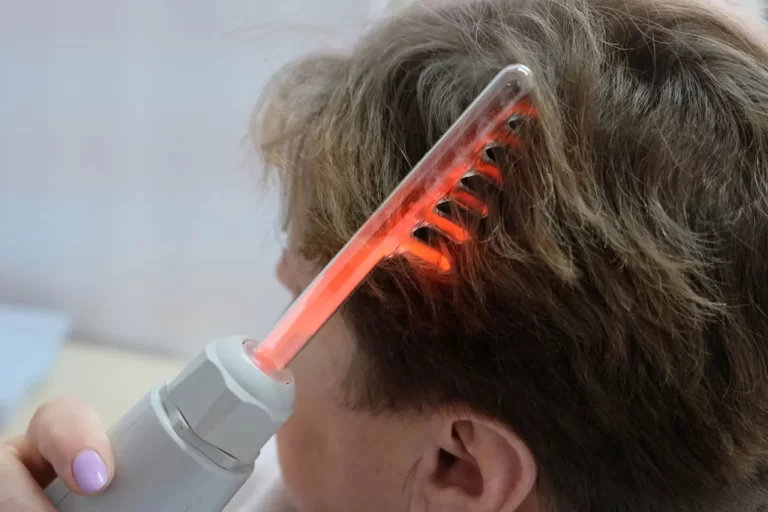
High-frequency therapy is a non-invasive hair restoration therapy that utilizes high-frequency waves to stimulate hair growth. The therapy is performed using a specialized device that emits high-frequency waves. The device is equipped with electrodes that are placed on the scalp to stimulate hair follicles. The waves penetrate the scalp and stimulate blood flow, promoting the growth of new hair.

The therapy is painless and does not require any downtime, making it a popular choice for those seeking hair restoration treatments. It is also safe and effective, making it an ideal treatment for individuals who are not suitable candidates for other hair restoration procedures.

The therapy works by stimulating the hair follicles and increasing blood flow to the scalp. This increased blood flow delivers vital nutrients and oxygen to the hair follicles, promoting their growth and strengthening the hair shafts. As a result, the therapy helps to improve the overall health and appearance of the hair.

Electrifying Results: High Frequency Therapy for Hair Loss

High-frequency therapy is also effective in treating hair loss caused by hormonal imbalances, stress, and other environmental factors. The therapy helps to restore the balance of hormones in the body, reducing the production of the hormone DHT, which is responsible for causing hair loss in men and women.

High-frequency therapy is a relatively new hair restoration therapy, but it has already shown impressive results in treating hair loss. Many patients who have undergone the therapy have reported significant improvements in the thickness and quality of their hair.

The therapy is also beneficial for individuals with thinning hair or a receding hairline. The therapy helps to stimulate the growth of new hair, increasing the density and thickness of the hair. It also helps to promote the growth of hair in areas of the scalp where hair growth has slowed down or stopped.

High-frequency therapy is a safe and effective hair restoration therapy that can help to reverse the effects of hair loss. The therapy is non-invasive and does not require any downtime, making it a popular choice for individuals seeking hair restoration treatments. It is also effective in treating hair loss caused by hormonal imbalances, stress, and other environmental factors.

In conclusion, High-frequency therapy is an excellent choice for individuals seeking hair restoration treatments. The therapy is safe, non-invasive, and does not require any downtime, making it a popular choice for individuals with busy schedules. It is also effective in treating hair loss caused by hormonal imbalances, stress, and other environmental factors. If you are struggling with hair loss, High-frequency therapy may be the perfect solution for you.

To know more about Skincare Devices and Beauty’s latest updates, please Like and Follow our Facebook and Instagram accounts…

Read also: 10 Incredible Ways Oxygen Facial Can Give You Glowing Skin

The Ultimate Guide to Preventing Inner Thigh Chafing

0

Inner thigh chafing, also known as chub rub, is a common issue experienced by many people, particularly during the hot and humid months of the year. It can be uncomfortable and even painful, but fortunately, there are several ways to prevent it. In this article, we will discuss some of the most effective ways to prevent inner thigh chafing.

  1. Wear the Right Clothes

One of the most important things you can do to prevent inner thigh chafing is to wear the right clothes. Tight-fitting clothes can increase friction between your thighs, leading to chafing. Loose-fitting clothing, on the other hand, can help to reduce friction and prevent chafing. Look for lightweight, breathable fabrics like cotton or moisture-wicking synthetic materials. Avoid clothes that are too tight or restrictive.

  1. Use Anti-Chafing Products

Another way to prevent inner thigh chafing is to use anti-chafing products. There are many different products on the market designed specifically to prevent chafing, such as powders, gels, and balms. These products create a protective barrier between your thighs, reducing friction and preventing chafing. Look for products that are made with natural ingredients and are free from irritants like alcohol and fragrances.

  1. Stay Dry

Moisture can exacerbate chafing, so it’s important to stay dry. If you’re prone to sweating, choose clothes that are designed to wick moisture away from your skin. You can also use talcum powder or cornstarch to help absorb excess moisture. If you’re going to be spending a lot of time outdoors in the heat, consider taking breaks to cool down and dry off.

  1. Keep Your Skin Moisturized

Dry skin can increase friction and make chafing worse. To prevent this, it’s important to keep your skin moisturized. Use a moisturizer that’s designed for sensitive skin and free from fragrances and other irritants. Apply the moisturizer regularly, especially after showering or bathing.

  1. Avoid Certain Fabrics

Some fabrics can make chafing worse. Avoid wearing clothes made from rough or scratchy materials, as these can irritate your skin and increase friction. Synthetic fabrics like polyester and nylon can also make chafing worse, so it’s best to stick with natural fibers like cotton.

  1. Take Breaks

If you’re going to be doing a lot of walking or other physical activity, it’s important to take breaks. Sitting down and resting for a few minutes can help to reduce friction and prevent chafing. If you’re going to be spending a lot of time outdoors, consider taking a break in the shade to cool down and dry off.

The Ultimate Guide to Preventing Inner Thigh Chafing

  1. Stay Hydrated

Drinking plenty of water can also help to prevent chafing. When you’re dehydrated, your skin can become dry and more prone to chafing. Make sure you drink plenty of water throughout the day to keep your skin hydrated.

  1. Lose Weight

Carrying extra weight can increase friction between your thighs, leading to chafing. Losing weight can help to reduce friction and prevent chafing. If you’re overweight, consider working with a healthcare professional or a registered dietitian to develop a weight loss plan that’s right for you.

  1. Exercise Regularly

Regular exercise can also help to prevent chafing. When you exercise, you strengthen your muscles, which can help to reduce friction between your thighs. Make sure you wear the right clothes when you exercise, and stay hydrated to keep your skin moisturized.

  1. Practice Good Hygiene

Finally, practicing good hygiene is essential to prevent chafing. Shower or bathe regularly, especially after sweating or physical activity. Using a gentle soap is an important part of preventing inner thigh chafing. Harsh soaps can strip your skin of its natural oils, making it dry and more prone to chafing. Look for soaps that are mild and free from irritants like fragrances and dyes.

When showering or bathing, use warm water instead of hot water, as hot water can also dry out your skin. Gently pat your skin dry with a clean towel after bathing, rather than rubbing vigorously.

It’s also important to keep your underwear clean to prevent bacteria buildup that can exacerbate chafing. Make sure to change your underwear regularly and wash them in hot water with a mild detergent.

In addition to using a gentle soap, consider using a moisturizing body wash or lotion after showering or bathing to keep your skin hydrated and prevent dryness.

In conclusion, preventing inner thigh chafing requires a combination of lifestyle changes, such as wearing the right clothes and exercising regularly, and personal hygiene habits, such as using a gentle soap and keeping your skin moisturized. By following these tips, you can help reduce friction and prevent inner thigh chafing, allowing you to enjoy your daily activities without discomfort or pain.

To know more about Skincare Devices and Beauty’s latest updates, please Like and Follow our Facebook and Instagram accounts…

Read also: 10 Incredible Ways Oxygen Facial Can Give You Glowing Skin

The Truth About Waist Trainers: What You Need to Know

Waist trainers have become increasingly popular in recent years, with many people using them as a way to achieve a smaller waist and hourglass figure. While waist trainers can be effective in temporarily altering the shape of the body, there are important things to consider before using one. In this article, we will explore what you need to know about waist trainers.

What is a Waist Trainer?

A waist trainer is a garment that is worn around the waist to help shape the body. It is typically made of a combination of latex, nylon, and spandex, and is designed to be tight-fitting. Some waist trainers are also designed to be worn during exercise, as they claim to increase sweating and promote weight loss.

How Does a Waist Trainer Work?

Waist trainers work by compressing the waist and abdomen, which can temporarily reduce the size of the waist. They also promote perspiration in the midsection, which can lead to temporary water weight loss. However, it is important to note that waist trainers do not actually help you lose fat or permanently alter your body shape.

The Truth About Waist Trainers: What You Need to Know

Are There Any Risks Associated with Waist Trainers?

While waist trainers can be effective in temporarily shaping the body, there are risks associated with using them. One of the main risks is that they can cause discomfort and restrict breathing. The tight compression can make it difficult to take deep breaths, which can be dangerous during exercise or other physical activities.

Waist trainers can also cause skin irritation, chafing, and even bruising. This is because the constant pressure and friction can irritate the skin and cause damage. Additionally, some waist trainers can cause digestive issues by compressing the stomach and intestines.

Another risk of using a waist trainer is that it can lead to muscle weakness and poor posture. When you wear a waist trainer for extended periods of time, it can weaken the muscles in your core, which can make it more difficult to maintain proper posture. This can lead to back pain, muscle strains, and other issues.

Is It Safe to Wear a Waist Trainer During Exercise?

While some waist trainers are marketed as being safe to wear during exercise, it is generally not recommended. Exercising with a waist trainer can restrict breathing and increase the risk of injury. Additionally, the increased perspiration can lead to dehydration and electrolyte imbalances, which can be dangerous.

If you want to shape your waist while exercising, there are safer options available, such as waist trimmer belts or high-waisted compression leggings. These garments provide support and compression without restricting breathing or causing discomfort.

What Are the Benefits of Using a Waist Trainer?

While there are risks associated with using a waist trainer, there are also some benefits. The most obvious benefit is that waist trainers can temporarily alter the shape of your body, giving you a smaller waist and hourglass figure. This can be especially appealing for special occasions, such as weddings or other formal events.

Another benefit of using a waist trainer is that it can provide back support and improve posture. The compression can help you maintain proper alignment, which can reduce the risk of back pain and other issues. Additionally, some people find that wearing a waist trainer can help them feel more confident and motivated to maintain a healthy lifestyle.

How to Safely Use a Waist Trainer

If you decide to use a waist trainer, it is important to do so safely. Here are some tips for using a waist trainer:

  • Choose the right size: Make sure to choose a waist trainer that fits properly. If it is too tight, it can cause discomfort and restrict breathing. If it is too loose, it will not provide the desired effect.
  • Start slowly: If you are new to waist training, start slowly by wearing the trainer for short periods of time. Gradually increase the amount of time you wear it until you can comfortably wear it for several hours at a time.
  • Listen to your body: If you experience any discomfort or difficulty breathing while wearing a waist trainer, remove it immediately.
  • Do not wear a waist trainer during exercise: Avoid wearing a waist trainer while exercising to prevent breathing difficulties and injury.
  • Take breaks: It is important to take breaks from wearing a waist trainer throughout the day to allow your body to relax and breathe.
  • Stay hydrated: Drinking plenty of water while wearing a waist trainer can help prevent dehydration and electrolyte imbalances.
  • Practice good posture: While wearing a waist trainer, make sure to maintain good posture to prevent muscle weakness and strain.

To know more about Skincare Devices and Beauty’s latest updates, please Like and Follow our Facebook and Instagram accounts…

Read also: 10 Incredible Ways Oxygen Facial Can Give You Glowing Skin