Home Blog

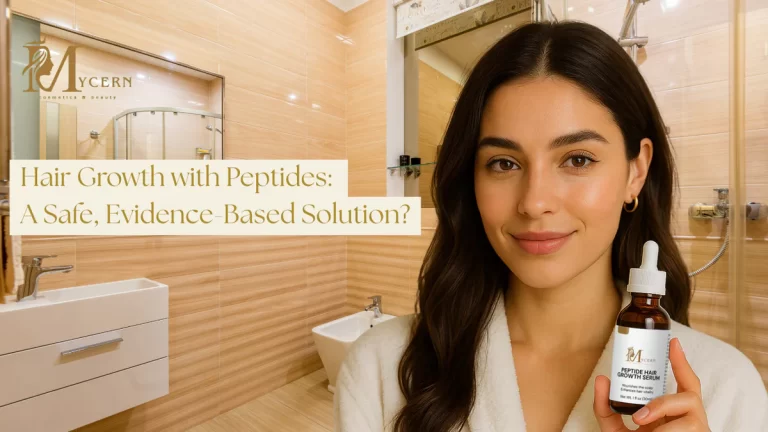
Hair Growth with Peptides: A Safe, Evidence-Based Solution?

Hair follicles, made up of dermal papilla cells and epithelial cells, develop and differentiate during hair growth [1]. The life cycle of hair follicles is divided into three stages: anagen (growth), catagen (regression), and telogen (resting). Encouraging telogen-to-anagen transition and anagen elongation are essential for preserving healthy hair [23]. Although minoxidil has long been a well-liked option, peptides are becoming increasingly strong substitutes that could change the course of hair regeneration in the future [4]. However, what is the evidence to support the claim that peptides are a safe treatment for hair loss?

Hair Growth with Peptides: A Safe, Evidence-Based Solution?

What are Peptides?

Short sequences of amino acids called peptides serve as building blocks for proteins. The use of certain peptides to target and affect biological processes is known as peptide therapy. Peptide therapy targets hair follicle stimulation and healthy hair growth to promote hair restoration [5].

How Do Peptides Promote Hair Growth? Evidence from Research

Peptides are increasingly valued for their low toxicity, minimal inflammatory effects, excellent absorption owing to their small molecular size, and reduced ethical and regulatory hurdles [3]. In hair growth serums:

Peptides mimic natural growth factors: They communicate with hair follicle cells, particularly dermal papilla cells, to prolong their time in the anagen phase or growth phase. Consequently, more hair follicles remain active and continue to produce hair [4].

Peptides stimulate keratin production: Certain peptides stimulate keratinocytes, which are responsible for the production of keratin, to increase their activity. More keratin = thicker, stronger hair strands [6].

Peptides improve follicle health: By enhancing cell communication and circulation, these peptides aid in the rejuvenation of weakened or shrunken follicles, which are often associated with hair thinning [47].

Peptides in Action: What’s Inside Mycern’s Formula

Advanced bioengineered peptides that imitate the body’s natural growth factors, such as sh‑Polypeptide‑1, sh‑Polypeptide‑9, sh‑Polypeptide‑11, sh‑Oligopeptide‑2, and sh‑Oligopeptide‑10, are present in serum. Together, these peptides create a perfect environment for thicker, healthier hair by increasing keratin production, improving blood flow to the scalp, stimulating follicle activity, and assisting hair to remain in its growth phase for longer.

Conclusion

Peptides present a promising pathway for promoting hair growth by enhancing scalp health, stimulating hair follicles, and strengthening hair. With Mycern Peptide Hair Growth Serum, you can enjoy the advantages of a scientifically supported, peptide-based approach for achieving safe and effective outcomes.

References

  1. Park, S. and J. Lee, Modulation of hair growth promoting effect by natural products. Pharmaceutics, 2021. 13(12): p. 2163.
  2. Wei, G. and D. Martirosyan, Hair loss: A review of the role of food bioactive compounds. Bioactive Compounds in Health Disease-Online, 2019. 2(5): p. 94-125.
  3. Hwang, S.B., H.J. Park, and B.-H. Lee, Hair-growth-promoting effects of the fish collagen peptide in human dermal papilla cells and C57BL/6 mice modulating Wnt/β-catenin and BMP signaling pathways. International journal of molecular sciences, 2022. 23(19): p. 11904.
  4. Lee, J.O., et al., AP collagen peptides (APCPs) promote hair growth by activating the GSK‐3β/β‐catenin pathway and improve hair condition. Experimental dermatology, 2024. 33(7): p. e15137.
  5. Madaan, A., et al., Review of hair follicle dermal papilla cells as in vitro screening model for hair growth. International journal of cosmetic science, 2018. 40(5): p. 429-450.
  6. Shim, D., et al., AP collagen peptides improve hair growth and quality by promoting human hair cell proliferation and keratin synthesis. Archives of Biological Sciences, 2024. 76(2): p. 125-134.
  7. Bassino, E., et al., Effects Of The Biomimetic Peptide Sh-Polipeptide 9 (CG-VEGF) On Cocultures Of Human Hair Follicle Dermal Papilla Cells And Microvascular Endothelial Cells. Experimental Dermatology, 2016. 25(3): p. 237-239.

 About the Author
Dr. Hina Manzoor, Ph.D. in Biochemistry, is a nutraceutical specialist with over four years of experience as a Quality Control Manager in the supplement industry. She is passionate about bridging the gap between science and wellness, providing evidence-based insights to help readers make smarter health decisions.

Read also: Acai Berry—Your Natural Path to Detox and Vitality

Maca Root: Nature’s Ancient Energy Booster Backed by Modern Science

0

Meet Maca

The maca, scientifically named Lepidium meyenii Walpers, grows naturally above 4,000 m and is indigenous to Peru’s Central Andes [1].

The health-promoting properties of maca are supported by a number of proteins, amino acids, lipids, and vitamins [2], as well as a range of bioactive compounds such as polyphenols, glucosinolates, and alkaloids [3].

Iron, calcium, copper, zinc, potassium, and other micro- and macroelements are also abundant in it. To enhance physical immunity, energy, alertness, mental focus, mood, and sexual function, locals have employed maca as a culinary element in traditional folk medicine [4]. Currently, macas are being sold in Asia, Europe, and North America.

maca-plus

Types of Maca 

The three main varieties of maca root—yellow, red, and black— have distinctive qualities. Mycern Maca Plus is a well-rounded maca supplement that blends red, black, and yellow maca. Macas are well known for their nutrient-rich profile and are frequently used to promote an active and healthy lifestyle.

Maca A Energy Booster

The ability of maca roots to increase energy consumption and endurance has been widely documented. It is widely used by athletes and anyone searching for a natural method to boost endurance and enhance their physical performance.

A special blend of vitamins, minerals, and amino acids found in maca helps the body produce energy and is nourished. After adding maca to their regular routine, many users said they felt less exhausted and more energized.

Research indicates that maca consumption may have a positive impact on mood and energy levels. Maca helped control exercise-induced tiredness in rats, according to a 2021 study [5].

According to another 2022 study, maca compounds are potential options for treating exercise-induced exhaustion. This may be especially crucial for manual laborers or populations with a lower level of health [6].

A 2022 trial in young female adults also suggested that maca extract could reduce fatigue [3].

According to previous studies, maca balances NAD⁺/NADH levels, which helps strengthen muscle fibers and lessen stress from exercise. It enhances energy metabolism and shields muscle cells from oxidative injury by promoting mitochondrial biogenesis and activity [3].

Other Notable Benefits of Maca

Maca root is regarded as a “adaptogen” because it enhances mental clarity, increases endurance, and helps the body cope with stress [7].

One of the most well-known properties of maca roots is their ability to boost libido. Numerous studies involving both male and female participants have reported this effect [1].

Additionally, there is evidence that maca can help women adjust their hormone levels by strengthening the hypothalamus-pituitary organs rather than using phytoestrogenic methods [2].

Compounds found in maca may aid in maintaining bone density, which is essential for durability and mobility over the course of a person’s lifetime [2].

Mercern Maca Plus: Ancient Roots, Modern Vitality

By combining ancient tradition and contemporary science, MyCern Maca Plus harnesses the proven advantages of black, red, and yellow maca. Developed for modern lifestyles, it supports mood, boosts energy, fortifies bones, and enhances general wellness, making it a wise addition to the daily regimen.

References

  1. Ulloa del Carpio, N., et al., Exploring the chemical and pharmacological variability of Lepidium meyenii: a comprehensive review of the effects of maca. Frontiers in Pharmacology, 2024. 15: p. 1360422.
  2. Kasprzak, D., et al., Lepidium meyenii (Maca)–multidirectional health effects–review. Current Issues in Pharmacy Medical Sciences, 2018. 31(3): p. 107-112.
  3. Honma, A., et al., The improvement of daily fatigue in women following the intake of maca (Lepidium meyenii) extract containing benzyl glucosinolate. Functional Foods in Health Disease, 2022. 12(4): p. 175-187.
  4. Huerta Ojeda, Á., et al., Effects of Maca (Lepidium meyenii Walp.) on Physical Performance in Animals and Humans: A systematic review and meta-analysis. Nutrients, 2024. 17(1): p. 107.
  5. Zhu, H., et al., Anti-fatigue effect of Lepidium meyenii Walp.(Maca) on preventing mitochondria-mediated muscle damage and oxidative stress in vivo and vitro. Food Function, 2021. 12(7): p. 3132-3141.
  6. Zhu, H., et al., Deciphering the potential role of Maca compounds prescription influencing gut microbiota in the management of exercise-induced fatigue by integrative genomic analysis. Frontiers in Nutrition, 2022. 9: p. 1004174.
  7. Guo, S.-S., et al., Preservation of cognitive function by Lepidium meyenii (Maca) is associated with improvement of mitochondrial activity and upregulation of autophagy‐related proteins in middle‐aged mouse cortex. Evidence‐Based Complementary Alternative Medicine, 2016. 2016(1): p. 4394261.

 About the Author
Dr. Hina Manzoor, Ph.D. in Biochemistry, is a nutraceutical specialist with over four years of experience as a Quality Control Manager in the supplement industry. She is passionate about bridging the gap between science and wellness, providing evidence-based insights to help readers make smarter health decisions.

Read also: Lavender, Ylang Ylang & Chamomile: Nature’s Calmness & Care Trio

Berberine: Nature’s Metabolic Booster for Balanced Blood Sugar & Heart Health

0

Global concerns are being raised by the increasing prevalence of obesity, diabetes, heart disease, and insulin resistance. Thus, people are beginning to consider more natural methods and remedies. Although not all “natural” products are safe or effective, berberine functions similarly to medicine in many respects.

Introduction—the Berberine

Berberine is a bioactive alkaloid found in pharmacology and medicine [1]. Among the many plants that contain berberine are Oregon grapes, barberries, goldenseals, and others. Berberine-containing plants have long been used in Chinese and Ayurvedic medicines. Infections, skin concerns, digestive issues, and other ailments have been treated with herbs containing berberine in recent times. The effects of berberine on heart disease risk factors and diabetes are currently under investigation. It has recently gained popularity as a possible weight loss tool [2].

How Does It Work?

Activation of AMPK, a vital enzyme that controls metabolism, is one of the main goals of berberine administration. The primary mechanism of action of berberine is thought to involve AMPK activation. Nearly all eukaryotes have AMPK, a highly conserved sensor of the cellular energy status. Thr-172 phosphorylation is a biomarker of AMPK activation, which is boosted by berberine. When AMPK is activated, it inhibits anabolic pathways (such as glycolysis, cholesterol, and protein synthesis) and stimulates catabolic pathways (such as fatty acid oxidation and glycolysis). Therefore, one of the most crucial berberine targets for metabolic regulation is the AMPK pathway [3].

The Role of Berberine in Cardioprotective

Berberine improves cardiac function, lowers heart stress signs, and reduces damage following a heart attack, all of which contribute to heart protection [1].

The Role of Berberine in Glucose Metabolism

Berberine can successfully control blood sugar and cholesterol levels, reduce insulin resistance, and lower the level of inflammation in people with metabolic syndrome [4].

The better your glucose is controlled, the better chances you have of losing weight.

Mycern Berberine

MyCern provides a 97% standardized high-potency extract of berberine hydrochloride, which has been carefully designed to assist in heart health, weight management, and healthy glucose metabolism. Including it in the daily regimen guarantees steady support for long-term vigor and fitness.

References

  1. Neag, M.A., et al., Berberine: Botanical occurrence, traditional uses, extraction methods, and relevance in cardiovascular, metabolic, hepatic, and renal disorders. Frontiers in pharmacology, 2018. 9: p. 557.
  2. Li, Z., et al., Berberine and health outcomes: An umbrella review. Phytotherapy Research, 2023. 37(5): p. 2051-2066.
  3. Alma Simmons, R., LD, CDCES, Does berberine really help with weight loss?, O.S.H. Discovery, Editor. 2025.
  4. Sugar, H.B.S.H.B. and L. Naturally, Berberine Hydrochloride: A Natural Solution for Improving Metabolic Health.

 About the Author
Dr. Hina Manzoor, Ph.D. in Biochemistry, is a nutraceutical specialist with over four years of experience as a Quality Control Manager in the supplement industry. She is passionate about bridging the gap between science and wellness, providing evidence-based insights to help readers make smarter health decisions.

Read also:The Ultimate Guide to Anti-Aging Supplements: What Your Skin Really Needs to Stay Youthful

Lavender, Ylang Ylang & Chamomile: Nature’s Calmness & Care Trio

Our bodies and minds need balance, relaxation, and soothing nutrients after days filled with activity. They did not simply want to sleep. Nature has provided restful herbs that fight stress, call in relaxants, and prime the body to fix sleep. The three most potent among these timeless herbs possess scientific health value. These are lavender, ylang, and chamomile, respectively.

Lavender: The Classic Calmer

Lavender oil is the most extensively researched essential oil owing to its soothing nature. Lavenders have come to form a core part of aromatherapy because of their capacity to decrease stress levels, improve sleeping patterns, and relax their muscles. Its soft floral aroma calms the mind, whereas when used in topical form, it possesses skin soothing abilities that relax the body as well as the soul [1].

Ylang Ylang: The Emotional Balancer

The oil from the flowers of Cananga odorata has a beautiful, exotic aroma, and has historically been employed to uplift mood and reduce anxiety. Studies have shown that it can supposedly relax the body to a relaxed state through a decrease in heart rate and blood pressure. Aside from helping in skin hydration and brightness, when applied topically, it is a perfect accessory to any relaxation regime [2].

Chamomile: Soothing Calmness to Body & Skin

A nighttime favorite drink, chamomile, also functions topically. Chamomile oil, which has anti-inflammatory and antioxidant properties, calms restlessness, promotes healing of the skin, and suppresses redness. Its soothing character also makes it especially helpful in calming restlessness and readjusting the body to sleep peacefully [3].

MyCern Sleep Body Balm: Something Bigger than Sleep Aid

Utilizing this natural trio, the MyCern Sleep Body Balm became more than the average sleep aid. Melting into the skin, the calming botanicals chamomile, ylang ylang, and lavender are released while maintaining moisture because of the rich nutrient base of shea butter, cocoa butter, and almond oil. The result? A great supplement to your nighttime self-care practice, this all-in-one balm soothes tension, relaxes sore muscles, calms your body, and cares for your skin.

Conclusion: Calm in a push-up tube

Real rest is now deemed luxury in a busy world. The MyCern Sleep Body Balm makes it easy to combine modern wellness science with ancient herbs. The balm offers relaxation, care, and serenity for every use, whether unwinding for bed or in need have a bit of calm in the day.

References

  1. Fasanghari, M., et al., The Effect of Aromatherapy Massage with Lavender Oil on the Severity of Primary Dysmenorrhea among University Students: A Randomized Clinical Trial. Journal of Midwifery Reproductive Health, 2023. 11(1).
  2. Carlson, R. and J. von Fraunhofer, Aromatherapy and Mood-Elevation. EC Psychology Psychiatry, 2022. 11: p. 01-11.
  3. Gonçalves, S., et al., Soothing the itch: The role of medicinal plants in alleviating pruritus in palliative care. 2024. 13(24): p. 3515.


About the Author
Dr. Hina Manzoor, Ph.D. in Biochemistry, is a nutraceutical specialist with over four years of experience as a Quality Control Manager in the supplement industry. She is passionate about bridging the gap between science and wellness, providing evidence-based insights to help readers make smarter health decisions.

Read also:From Roots to Ends: The Science behind Moisturizing & Strengthening Hair Oil

Acai Berry—Your Natural Path to Detox and Vitality

Eating shapes who you are. Have you ever considered the meaning of these words, despite how frequently you hear them? Every time you eat, you make a decision regarding your body, mind, and soul. Food has the amazing power to influence every cell and system in the body, for better or worse. Your dietary choices can either leave you feeling light and invigorated or exhausted and bloated. They can either keep you clear and composed or make you feel hazy and frantic. They can either lead to weight gain and breakouts or assist in maintaining a trim body and bright skin [1].

Including superfoods in your diet is one of the easiest ways to improve your health. Superfoods are the most nutrient-dense foods in the world.

The Berry Fruit Açai

Açaí, a common fruit in the Brazilian Amazon region, is one of the first superfoods and yields a spherical, dark purple berry [2]. Antioxidants, such as anthocyanins and proanthocyanidins, are abundant in acai berries, similar to blueberries. The phytochemical composition of açaí fruit includes carotenoids, procyanidin oligomers, flavonoids, lignans, polyphenols, and phenolic acids [3].

How can we benefit from acai berries in our skincare then?

Those with acne or irritation should stock up on them because they contain vitamin C, which has a strong anti-inflammatory effect. Acai has been shown to help reduce inflammation; therefore, you may notice a noticeable improvement in red, irritated skin, whether you use it topically or eat it. In addition, vitamin C naturally protects the skin from UV rays. This reduces the production of free radicals and lessens skin damage. This reduces the production of free radicals and lessens skin damage [4].

Cognitive and Mood Effects

Over time, conditions such as chronic inflammation and oxidative stress can significantly impair mood and memory. However, what about the anthocyanins in acai? They are similar to bodyguards of the brain. They can improve blood flow and protect brain cells [5].

Acai Berry and Weight Management

According to research, acai supplements may help overweight individuals maintain their weight by enhancing lipid and glucose metabolism [6].

Acai and Digestive Health

It is not just the abundance of antioxidants that makes the acai berry special. It also improves digestive health. It is abundant in dietary fiber. This promotes regularity and improves the intestinal function. Including acai in your meals is a good idea if you value eating whole fruits and high-fiber foods [7].

The Detox Power of Acai

Native to the Amazon rainforest, the acai berry (Euterpe oleracea) is renowned for its exceptional antioxidant content, including flavonoids and anthocyanins, which protect cells from free radical damage and oxidative stress [7]. These substances improve the body’s natural detoxification mechanisms and boost liver function.

 Why Choose MyCern Acai Berry Complex?

MyCern Acai Berry Complex, which is made from pure acai extract and complementary botanicals, offers all-encompassing support for immune system function, metabolism, and detoxification. Your body can function at its peak with the support of this daily vitamin, making you feel lighter, more rested, and naturally invigorated.

References

  1. Boone, L., Powerful Plant-Based Superfoods: The Best Way to Eat for Maximum Health, Energy, and Weight Loss. 2013: Fair Winds Press (MA).
  2. de Liz, S., et al., Açaí (Euterpe oleracea Mart.) and juçara (Euterpe edulis Mart.) juices improved HDL-c levels and antioxidant defense of healthy adults in a 4-week randomized cross-over study. Clinical Nutrition, 2020. 39(12): p. 3629-3636.
  3. Laurindo, L.F., et al., Açaí (Euterpe oleracea Mart.) in health and disease: A critical review. Nutrients, 2023. 15(4): p. 989.
  4. Menaa, F., The berry fruit açai (Euterpe oleracea Mart): bringing health benefits and exotism to the modern table. Advances in Food Nutrition Research, 2014. 1: p. 1-4.
  5. ALNasser, M.N. and I.R. Mellor, Neuroprotective activities of acai berries (Euterpe sp.): A review. Journal of Herbmed Pharmacology, 2022. 11(2): p. 166-181.
  6. Udani, J.K., et al., Effects of Açai (Euterpe oleracea Mart.) berry preparation on metabolic parameters in a healthy overweight population: A pilot study. Nutrition journal, 2011. 10(1): p. 45.
  7. https://www.tropicalacai.com/can-acai-help-detoxify-the-body/

  About the Author
Dr. Hina Manzoor, Ph.D. in Biochemistry, is a nutraceutical specialist with over four years of experience as a Quality Control Manager in the supplement industry. She is passionate about bridging the gap between science and wellness, providing evidence-based insights to help readers make smarter health decisions.

Read also: The Future of Skin Health: An Overview of Regenerative Dermatology

From Roots to Ends: The Science behind Moisturizing & Strengthening Hair Oil

0

Hair care is an important part of personal grooming because it has a significant impact on people’s appearance and self-confidence. Many people suffer from hair damage caused by increased exposure to environmental stressors, heat styling, and chemical treatments, which can lead to dryness, frizz, and brittleness. Consequently, there is an increasing demand for effective hair care solutions that can replenish hair vitality and health [1].

Hair oil is an oil-based cosmetic product used to improve hair condition. Hair oil products can contain various oils. These products frequently claim to help with hair growth, dryness, and damage [2].

Benefits of using Hair Oils

Natural oils are rich in vitamins, antioxidants, and fatty acids, all of which are beneficial for scalp and hair health. Hair oils can be beneficial for everyone if chosen according to specific hair type and texture [2].

  • They moisturized the scalp.
  • Providing adequate nutrition to hair follicles promotes healthy development.
  • Oils strengthen and protect hair from external harm, including harsh chemicals and pollution.
  • Additionally, they protect the hair from damage.
  • Regularly oiling hair can enhance its shine and glow.
  • Hair oil prevents premature greying by addressing vitamin deficiencies.
  • Environmental factors may cause dry scalp and hair loss. Hair oils are beneficial in this regard.

Hair Oil Formulation-Choosing the Right Oil for Your Hair 

Hair oils, especially those infused with herbs, profoundly hydrate, strengthen, and revitalize each hair strand with a unique blend of high-quality ingredients such as sweet almond, avocado, olive fruit, and carrot seed oils.


Sweet Almond Oil: Prunus amygdalus fruits are a source of oil [3]. It protects against ultraviolet (UV) damage: Owing to its high double-bond content, almond oil has been proven to provide protects against structural damage caused by UV radiation [4]. It has been reported that it fills the space between cuticle cells, increasing hair flexibility [5].

Avocado Oil: The fruit, known as avocado (Persea americana Mill.) is native to Central America [6]. Fatty acids, including oleic and linolenic acids, are abundant in avocado oil for hair [7]. This implies that when applied to the hair, it will nourish the strands, leaving them soft, moisturized, lustrous, and styleable. The antioxidant activity of avocado oil is comparable to that of olive oil [8].

Olive Oil: It is obtained from the pericarp of Olea europoea  fruits[5]. Olive oil has an emollient effect because it seals the cuticle and retains moisture within the hair. Recent research has examined the effects of hydroxytyrosol, one of the main polyphenolic components of olive oil, on UV-A-induced cell damage and demonstrated that it can counteract reactive oxygen species (ROS) induced by UV light [9].

Carrot Seed Oil: Steam distillation is used to obtain carrot seed oil from the dried seeds of wild carrot plants [10]. Vitamin A and beta-carotene, which are abundant in carrot seed oil (CSO), affect hair quality. Vitamins and β-carotene help prevent dandruff by removing dead scalp follicles. Carotol, an antifungal compound used to treat dandruff, is also present in CSO. The oil contains 40% carotol, which is a great cell regenerator and produces more sebum, which hydrates the scalp and hair [11].

mycern hair oil

Why MyCern Moisturizing & Strengthening Hair Oil?

Sweet almond oil, avocado oil, olive fruit oil, and carrot seed oil are just a few of the premium components that make up MyCern Hair Oil, a special blend that profoundly hydrates, strengthens, and improves the vitality of every hair strand. This product, which contains keratin and squalane, helps make hair softer and easier to manage, giving it a vibrant and healthy appearance.

Conclusion

Hair oils are essential for preserving scalp health, fortifying hair follicles, and restoring hair suppleness and sheen. In addition to revitalizing dry and damaged hair, a scientifically balanced blend, such as MyCern Moisturizing & Strengthening Hair Oil, promotes long-term hair resilience, leaving hair smoother, stronger, and more naturally luminous.

References

  1. Banerjee, S., International Research Journal of Modernization in Engineering Technology and Science.
  2. Dhanesh, M.S., B.R. Santosh, and N.D. Naikawadi, Revolutionizing Hair Care with Cosmetic Products. Asian Journal of Pharmaceutical Research Development, 2024. 12(3): p. 157-158.
  3. De Canha, M.N., et al., Book review: herbal principles in cosmetics: properties and mechanisms of action. 2020, Frontiers Media SA.
  4. Sultana, Y., et al., Effect of pre‐treatment of almond oil on ultraviolet B–induced cutaneous photoaging in mice. Journal of cosmetic dermatology, 2007. 6(1): p. 14-19.
  5. Sarkar, R., et al., Use of vegetable oils in dermatology: an overview. International journal of dermatology, 2017. 56(11): p. 1080-1086.
  6. Flores, M., et al., Avocado oil: Characteristics, properties, and applications. Molecules, 2019. 24(11): p. 2172.
  7. Prajapati, K., et al., Pharmaceutical industry visit: a mesmerizing reflection of academic knowledge towards the industrial playground of applications. World Journal of Pharmaceutical Sciences, 2015: p. 1934-1943.
  8. Bora, P.S., et al., Characterization of the oils from the pulp and seeds of avocado (cultivar: Fuerte) fruits. Grasas y aceites, 2001. 52(3-4): p. 171-174.
  9. Baumann, L. and E. Weisberg, Olive oil in botanical cosmeceuticals, in Olives and olive oil in health and disease prevention. 2010, Elsevier. p. 1117-1124.
  10. Lawrence, B.M., Progress in essential oils. 2006.
  11. Andriyanto, A., et al., Effectivity of Carrot (Daucus carota) Seed Oil as Hair Growth Promoter on Rats (Rattus novergicus). 2024.

  About the Author
Dr. Hina Manzoor, Ph.D. in Biochemistry, is a nutraceutical specialist with over four years of experience as a Quality Control Manager in the supplement industry. She is passionate about bridging the gap between science and wellness, providing evidence-based insights to help readers make smarter health decisions.

Read also:The Future of Skin Health: An Overview of Regenerative Dermatology

The Ultimate Guide to Anti-Aging Supplements: What Your Skin Really Needs to Stay Youthful

0

Aging is a natural process that affects every organ system in the body, including the skin. While biological aging cannot be stopped, scientific evidence supports the idea that targeted nutritional support, healthy lifestyle habits, and evidence-backed supplements can help maintain skin health, elasticity, hydration, and overall appearance with age.

This guide explores:
– The science behind skin aging
– How supplements can support skin health
– The most effective anti-aging supplements backed by research
– Tips for choosing quality products
– Lifestyle habits to amplify results

Why Skin Ages: Understanding the Science

Skin aging begins as early as the mid-20s and continues progressively throughout life. Key structural components such as collagen, elastin, and hyaluronic acid decline with age, contributing to loss of firmness, wrinkles, and dryness.

Factors Driving Skin Aging

Intrinsic Aging: Natural decline in cellular function, collagen production, and dermal thickness.
Extrinsic Aging:
Environmental exposures like UV radiation and pollution accelerate aging via oxidative stress.
Lifestyle Factors:
Inadequate sleep, poor nutrition, stress, and smoking can aggravate aging signs.

How Anti-Aging Supplements Help

Supplements cannot stop time or reverse aging, but certain nutrients support the biological processes that maintain skin structure and protect against damage:

  • Support collagen formation
    • Enhance hydration
    • Protect against oxidative damage
    • Strengthen the skin barrier
    • Promote cellular energy and repair

Top 7 Anti-Aging Supplements Backed by Science

Collagen: The Foundation of Firm, Plump Skin

Benefits: Improved skin elasticity, reduced wrinkle depth, enhanced hydration

Research: Hydrolyzed collagen peptides show positive effects in as little as 8–12 weeks.

Hyaluronic Acid: Deep Hydration From Within

Benefits: Increased skin hydration, improved elasticity, reduced dryness

Research: Daily intake improves skin moisture and texture.

Antioxidants: Defending Skin From Accelerated Aging

Benefits: Neutralize free radicals, support collagen synthesis, protect against environmental stress.

Research: Key antioxidants include Vitamin C, Vitamin E, Resveratrol, and Polyphenols.

Omega-3 Fatty Acids: Strengthening the Skin Barrier

Benefits: Reduce inflammation, support skin texture and hydration.

Research: Found in fish oil, chia seeds, and flaxseed.

Coenzyme Q10 (CoQ10): Boosting Cellular Energy

Benefits: Reduced wrinkle appearance, support for cellular metabolism, protection against UV-induced aging.

Research: Research suggests improved skin smoothness and resilience.

Zinc: Supporting Skin Repair

Benefits: Promotes cell turnover, wound healing, and inflammation control.

Research: Essential trace mineral for healthy dermal function.

NAD+ Precursors (NMN/NR): Supporting Longevity at a Cellular Level

Benefits: Boost NAD+ availability, support energy metabolism and DNA repair.

Research: Supplements like NMN and NR aim to support aging processes at the cellular level.

How to Choose the Right Anti-Aging Supplement

When selecting supplements:

  • Choose clinically studied forms (e.g., hydrolyzed collagen)
    • Look for transparent ingredient lists
    • Prefer products without artificial colors, fillers, or sugars
    • Consider third-party tested products for quality assurance

Lifestyle Habits That Amplify Supplement Results

References

  • Gupta, M., et al. (2014). Zinc Therapy in Dermatology: A Review. *Dermatology Research and Practice*, 2014, 709152.
  • Hoppe, U., et al. (1999). Coenzyme Q10, a cutaneous antioxidant and energizer. *BioFactors*, 9(2-4), 371-378.
  • Imai, S., & Guarente, L. (2016). NAD+ and sirtuins in aging and disease. *Cell Metabolism*, 24(4), 521-530.
  • Minwalla, L. (2014). Hyaluronic Acid: A Key Molecule in Skin Aging. *Clinical Interventions in Aging*, 9, 1027-1048.
  • Pilkington, S. M., et al. (2019). The Role of Omega-3 Fatty Acids in Skin Health. *Journal of Clinical Medicine*, 8(7), 1069.
  • Proksch, E., et al. (2014). Oral supplementation of specific collagen peptides has beneficial effects on human skin physiology: a double-blind, placebo-controlled study. *Journal of Cosmetic Dermatology*, 13(1), 27-37.
  • Pullar, J. M., et al. (2017). The Roles of Vitamin C in Skin Health. *Nutrients*, 9(8), 866.

Conclusion

There is no single supplement that magically reverses aging. However, using targeted nutrients backed by clinical evidence—alongside a healthy lifestyle—can help support skin structure, hydration, defense against oxidative stress, and overall appearance.

A thoughtful, evidence-based approach to supplementation and skincare is the best strategy for aging gracefully and maintaining skin health at any age.


The Future of Skin Health: An Overview of Regenerative Dermatology

Regenerative dermatology is at the forefront of medical and aesthetic advancements, moving beyond temporary fixes to fundamentally restore the function and structure of the skin.2 It utilizes principles from regenerative medicine—such as tissue engineering, cell-based treatments, and growth factor therapies—to address a variety of long-standing diseases, scars, and signs of aging.3

What is Regenerative Dermatology?

Unlike traditional dermatology, which often manages symptoms, regenerative dermatology seeks to activate the body’s own repair processes at the cellular level.4 The goal is to replace impaired tissue with new, healthy tissue, leading to more natural, sustained, and long-lasting results.5

Key Techniques and Therapies

The field is built upon several innovative, often minimally invasive, approaches:6

  • 1. Platelet-Rich Plasma (PRP) Therapy:

    • Mechanism: PRP involves drawing a small sample of the patient’s blood, concentrating the platelets via centrifugation, and injecting the resulting plasma back into the skin or scalp.7

    • Benefit: The concentrated platelets release a high volume of growth factors (like PDGF, TGF-β, and VEGF) that stimulate cell proliferation, collagen and elastin production, and new blood vessel formation (angiogenesis).8

    • Applications: Widely used for hair restoration (alopecia), facial rejuvenation, improving skin texture, and accelerating wound healing/scar reduction.9

  • 2. Stem Cell-Based Therapies:

    • Mechanism: Stem cells, particularly Mesenchymal Stem Cells (MSCs) often derived from adipose (fat) tissue, possess the ability to differentiate into various cell types (like fibroblasts) and secrete pro-regenerative cytokines and growth factors.10

    • Benefit: These therapies promote tissue repair, reduce inflammation, and enhance the skin’s natural regeneration cycle.11

    • Applications: Promising for chronic wounds, burns, and advanced anti-aging procedures.

  • 3. Exosome Therapy:

    • Mechanism: Exosomes are tiny, cell-secreted vesicles that act as crucial messengers, transferring proteins, lipids, and genetic material between cells.12 They are often derived from stem cells.

    • Benefit: They signal surrounding cells to engage in repair and regeneration, offering potent anti-inflammatory and wound-healing properties without introducing whole cells.

    • Applications: A cutting-edge treatment for skin rejuvenation and enhancing the healing process.13

  • 4. Bio-Stimulatory Agents (e.g., PLLA, CaHA):14

    • Mechanism: Injectable fillers made from materials like Poly-L-lactic Acid (PLLA) or Calcium Hydroxylapatite (CaHA) work by creating a scaffold that gradually stimulates the body to produce its own new collagen over time.

    • Benefit: They restore lost volume and improve skin density and laxity through natural collagen production.15

Applications Across Dermatology

Regenerative therapies are revolutionizing the treatment of both medical and aesthetic conditions:16

Application AreaConditions Targeted
Aesthetic MedicinePhotoaging, fine lines, wrinkles, skin laxity, volume loss, texture improvement.
ScarringAcne scars, surgical scars, stretch marks.
Hair RestorationAndrogenetic alopecia (male/female pattern baldness).
Wound ManagementChronic non-healing wounds, burns, diabetic ulcers.
Chronic Skin ConditionsExploring potential for conditions like psoriasis and vitiligo by modulating the immune response.

The Road Ahead

Regenerative dermatology is a highly active area of research.17 While established treatments like PRP are widely used, newer approaches like exosomes and personalized 3D bioprinting of skin constructs are under active development.18

The field is continuously striving for standardization of protocols (especially for PRP and stem cell products) to ensure consistent, predictable results and widespread patient benefit.

Read also:Adaptogens: Nature’s Stress Managers

Probiotic Skincare: The Science of a Balanced Microbiome

0

Probiotic skincare is a rapidly growing trend based on the idea of harnessing beneficial microorganisms to support the health and appearance of the skin.1 This approach centers on the skin microbiome, the delicate ecosystem of bacteria, fungi, and other microbes that live on your skin’s surface.2

What is Probiotic Skincare?

Just like the gut, your skin has a complex and unique microbiome.3 A balanced microbiome acts as a shield, helping to:4

  • Strengthen the skin barrier against environmental aggressors, pollutants, and pathogens.5

  • Maintain a healthy, slightly acidic pH (around 5.0), which inhibits the growth of harmful bacteria.6

  • Support the immune system and fend off infections.7

When this balance is disrupted—often by over-cleansing, harsh ingredients, pollution, or stress—harmful bacteria can dominate, leading to issues like acne, redness, sensitivity, and dryness.8

Probiotic skincare products are designed to help restore this delicate balance by introducing or supporting the growth of “good bacteria.”9

The “Biotics” Breakdown: Pro-, Pre-, and Post-

While the term “probiotic” is widely used, most skincare products actually utilize related ingredients due to the instability of live organisms in typical cosmetic formulas:10

TermWhat it isHow it Works in SkincareExamples
ProbioticsLive beneficial microorganisms.Help balance the microbiome by fighting off “bad” bacteria. Note: Products with live probiotics are rare due to the need for preservatives, which kill bacteria.Lactobacillus, Bifidobacterium (in select, specialty formulations).
PrebioticsNon-living compounds that act as food for beneficial bacteria.Nurture and stimulate the growth of the beneficial microbes already on your skin.Xylitol, Rhamnose, Oligosaccharides, Inulin.
PostbioticsByproducts of bacterial fermentation, such as cell fragments, enzymes, and organic acids.Work similarly to probiotics by strengthening the skin barrier, reducing inflammation, and producing beneficial substances.Bifida Ferment Lysate, Lactobacillus Ferment Lysate, Hyaluronic Acid, Ceramides, Peptides.

The most effective skincare often combines prebiotics, probiotics (or their derivatives), and postbiotics for a synergistic effect.

✨ Key Benefits of Probiotic Skincare

Probiotic and microbiome-friendly ingredients offer a wide range of benefits for many skin types:11

  1. Reduced Inflammation and Redness: They can modulate the skin’s immune response, helping to soothe symptoms of conditions like acne, eczema, and rosacea.12

  2. Stronger Skin Barrier: They support the production of essential lipids, like ceramides, which helps the skin retain moisture and protect against irritants.13

  3. Improved Hydration: By strengthening the barrier and potentially increasing ceramide production, the skin is better able to lock in moisture, leading to a plumper, smoother appearance.14

  4. Acne Management: Certain strains can help reduce the amount of C. acnes (acne-causing bacteria) and regulate sebum production.15

  5. Anti-Aging Effects: By reducing oxidative stress and damage from environmental stressors (like UV light and pollution), they can help diminish the visible signs of aging.16

📝 Tips for Incorporating Probiotic Skincare

  • Choose Leave-On Products: Serums, moisturizers, and masks allow the beneficial ingredients more time to interact with your skin’s microbiome, making them generally more effective than cleansers.

  • Look for “Biotics” Together: Seek out formulas that contain a combination of prebiotics and probiotic/postbiotic ingredients for the best results.17

  • Be Mindful of Other Ingredients:

    • Avoid using strong exfoliants (high concentrations of AHAs/BHAs) or Benzoyl Peroxide simultaneously with your probiotic products, as these can potentially deactivate the beneficial ingredients.18 Apply them at different times of the day (e.g., acid in the morning, probiotic at night) or on alternating days.

    • Pair them with gentle, fragrance-free cleansers to maintain a healthy pH and not strip the skin.19

Read also: Adaptogens: Nature’s Stress Managers

The Regenerative Beauty Revolution: Healing Skin and Planet

0

The concept of “Regenerative Beauty” is emerging as a transformative movement in the cosmetics and skincare industry, signaling a shift from merely sustainable practices to ones that actively restore and improve both the body and the environment. It encompasses a dual philosophy: regenerating skin health from within and regenerating the Earth’s ecosystems through responsible sourcing.

1. Regenerating the Skin: A Holistic Approach

Regenerative skincare moves beyond surface-level treatments to focus on stimulating the body’s natural healing and repair mechanisms.4 This approach is all about achieving long-term health, resilience, and vitality for the skin.5

Core Principles of Regenerative Skincare:

  • Cellular Renewal: The focus is on boosting the skin’s own ability to repair and renew cells, leading to sustained improvements rather than temporary fixes.6
  • Barrier Support: Prioritizing the health of the skin barrier to reduce sensitivity, inflammation, and loss of hydration.7
  • Natural-Looking Results: Treatments work by enhancing the skin’s natural function and structure, leading to gradual, subtle, and age-appropriate rejuvenation.8

Key Ingredients and Treatments:

CategoryFunctionExamples
Bioactive ActivesStimulate natural repair and collagen production.Peptides, Growth Factors, Exosomes (tiny messengers from stem cells), Retinoids
TreatmentsLeverage the body’s own healing response.PRP (Platelet-Rich Plasma) Therapy, Microneedling (often with regenerative serums), Biostimulators
Earth-Derived ActivesFortify the skin’s natural resilience.Silica (supports collagen), Volcanic Minerals (like Zinc and Magnesium for anti-inflammation)


Benefits for the Consumer:

  • Long-Lasting Results: Improvements are often sustained for longer periods (12-24 months for some treatments) as they address the root cause of aging and damage.9
  • Reduced Side Effects: Treatments using a patient’s own biological materials (autologous treatments like PRP) minimize the risk of allergic reactions common with synthetic alternatives.10
  • Improved Skin Function: The goal is to enhance overall skin health—circulation, hydration, and defense—leading to a more radiant and youthful complexion.

2. Regenerating the Planet: From Sourcing to Supply Chain

The second, and arguably more profound, aspect of regenerative beauty is its commitment to environmental restoration.11 This is largely inspired by regenerative agriculture.12

Core Environmental Commitment:

Regenerative beauty brands aim to leave the world more beautiful and biodiverse than they found it.13 This means moving past “doing less harm” (sustainability) to actively doing good (regeneration).14

  • Regenerative Farming: Sourcing ingredients from farms that practice methods that actively improve soil health, increase organic matter, sequester carbon, and boost biodiversity.15
    • Examples of practices: minimum soil disturbance, cover crops, and crop rotation.16
  • Holistic Supply Chain: Considering the entire product life cycle, from ethical sourcing and water-wise production to waste reduction and community engagement.17
  • Circular Systems: Innovations in packaging, such as using post-consumer recycled (PCR) content, biodegradable, or even plantable packaging, to ensure materials benefit the soil at the end of their life.18

What to Look for in Regenerative Brands:

  • Ingredient Traceability: Transparency about where ingredients come from and the farming practices used.
  • Biodiversity Focus: A commitment to promoting indigenous species and plant diversification in their sourcing areas.
  • Minimalist & Multi-Purpose Products: A move toward high-value, multi-tasking formulas to encourage buying less and reducing overall product and packaging waste.19
  • Accreditations and Impact Reports: Seeking out verifiable claims and demonstrable efforts to improve ecosystems and communities.

🚀 Conclusion: A Transformative Movement

Regenerative beauty is not just a trend but a fundamental re-evaluation of the relationship between beauty products, personal health, and planetary well-being.20 By integrating advanced biotechnologies with earth-first agricultural practices, it promises a future where a radiant complexion and a healthier planet are mutually achievable.

Read also:Unlocking the Secrets to Healthy Hair Growth