Home Blog Page 43

Opus Plasma Skin Rejuvenation: The Revolutionary Skin Resurfacing Treatment

Opus Plasma Skin Rejuvenation is a revolutionary technology that is rapidly gaining popularity in the field of aesthetic medicine. It is a non-invasive skin resurfacing treatment that uses plasma energy to improve the appearance of the skin, reducing wrinkles, fine lines, scars, and other skin imperfections. If you are considering Opus Plasma Skin Rejuvenation, this article will provide you with everything you need to know about this cutting-edge treatment.

What is Opus Plasma Skin Rejuvenation?

Opus Plasma Skin Rejuvenation is a minimally invasive skin resurfacing treatment that uses plasma energy to rejuvenate the skin. It is a unique technology that combines radiofrequency (RF) energy and plasma technology to create tiny plasma sparks that heat the skin’s surface. This process stimulates collagen production, which leads to a firmer, smoother, and younger-looking complexion.

How does it work?

Opus Plasma Skin Rejuvenation works by creating small, controlled injuries on the skin’s surface using plasma energy. These injuries stimulate the body’s natural healing process, which triggers collagen production and cell turnover. Collagen is a protein that gives the skin its structure and elasticity. As we age, our bodies produce less collagen, which leads to wrinkles, fine lines, and sagging skin. Opus Plasma Skin Rejuvenation helps to stimulate collagen production, which results in firmer, smoother, and more youthful-looking skin.

Opus Plasma Skin Rejuvenation: The Revolutionary Skin Resurfacing Treatment


The treatment process

The treatment process begins with a consultation with a qualified aesthetician or dermatologist who will assess your skin and determine if you are a good candidate for the treatment. If you are a suitable candidate, the practitioner will apply a numbing cream to your face to minimize discomfort during the treatment.

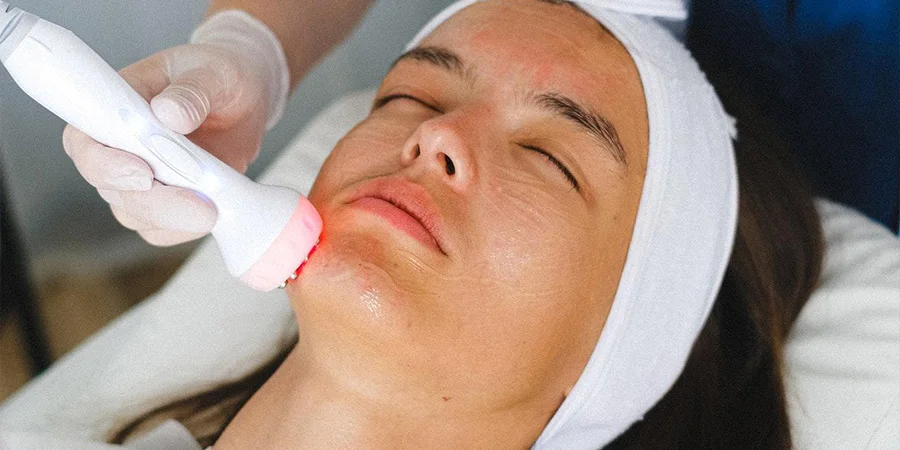
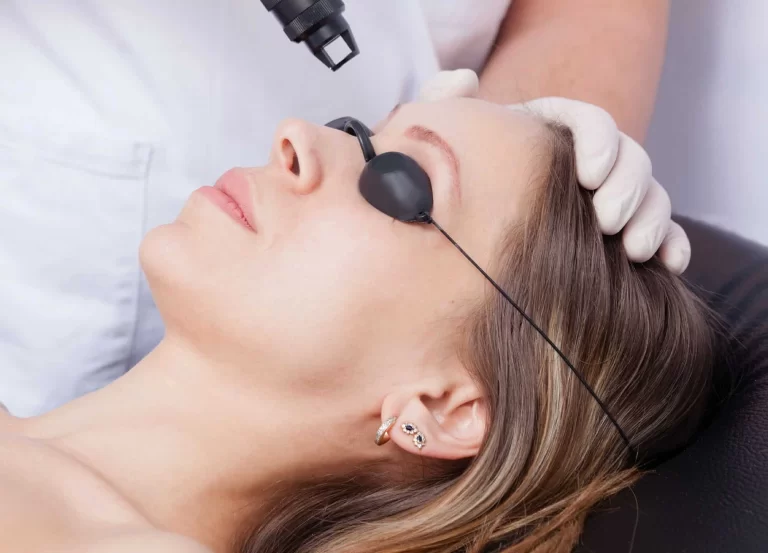
During the treatment, the practitioner will use a small handheld device to deliver plasma energy to the skin. The device emits small, controlled sparks of plasma energy that create tiny injuries on the skin’s surface. The treatment usually takes around 30 minutes to an hour, depending on the size of the treatment area.

After the treatment, you may experience some redness, swelling, and mild discomfort, which should subside within a few days. You should avoid sun exposure and wear sunscreen to protect your skin during the healing process. You can resume your regular activities within a few days, although you may need to avoid strenuous exercise for a week or two.

Benefits of Opus Plasma Skin Rejuvenation

Opus Plasma Skin Rejuvenation offers several benefits over traditional skin resurfacing treatments. Here are some of the benefits of Opus Plasma Skin Rejuvenation:

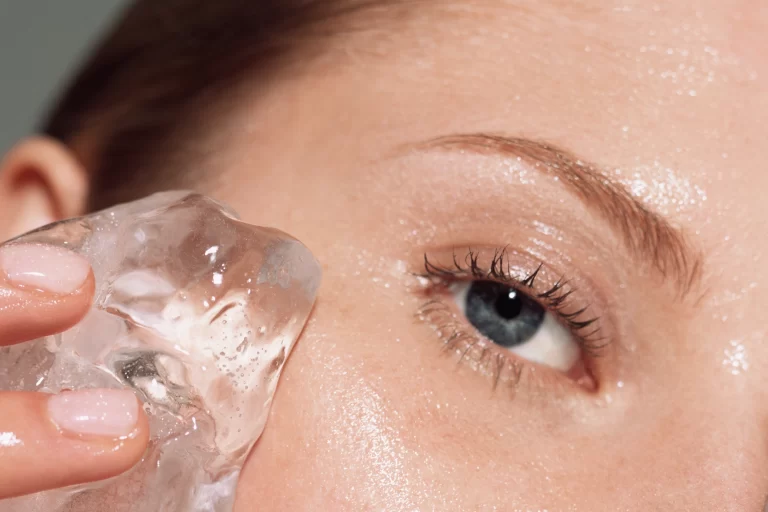
  1. Non-invasive: Opus Plasma Skin Rejuvenation is a non-invasive treatment, which means it does not require incisions or injections. This makes it a safer and less painful alternative to surgical procedures such as facelifts.
  2. Minimal downtime: Unlike surgical procedures that require weeks of downtime, Opus Plasma Skin Rejuvenation requires minimal downtime. You can resume your regular activities within a few days.
  3. Long-lasting results: Opus Plasma Skin Rejuvenation stimulates collagen production, which leads to long-lasting results. You can expect to see a significant improvement in the appearance of your skin for up to 12 months after the treatment.
  4. Versatile: Opus Plasma Skin Rejuvenation can be used to treat a variety of skin concerns, including wrinkles, fine lines, scars, and hyperpigmentation.
  5. Safe: Opus Plasma Skin Rejuvenation is a safe and effective treatment that has been approved by the FDA for use in the United States.

To know more about Skincare Devices and Beauty’s latest updates, please Like and Follow our Facebook and Instagram accounts…

Read also: The Ultimate Guide to Properly Clean Your Facial Brush

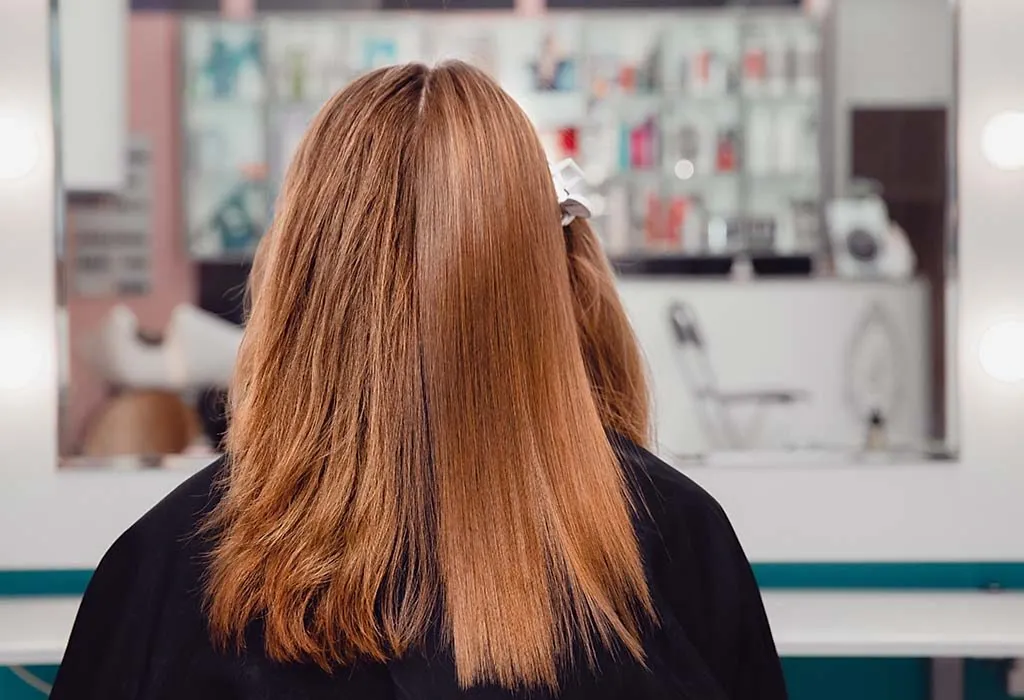
Is a Keratin Treatment Right for You? Weighing the Pros and Cons

0

Keratin treatments are a popular hair treatment that has been around for years. It is a process that helps to straighten the hair and reduce frizz. Keratin treatments work by adding a protein to the hair that helps to smooth out the strands. While this treatment can be beneficial, it is important to understand both the pros and cons before deciding if this treatment is right for you.

Pros:

  1. Smooth, Frizz-Free Hair

Keratin treatments can provide a smooth, frizz-free finish to your hair that can last for months. This is especially beneficial for people who struggle with frizzy hair that is difficult to manage.

  1. Saves Time

Keratin treatments can cut down on styling time, as the hair is easier to manage and style. This can be a big time saver for people who have busy schedules or just want to spend less time on their hair.

  1. Reduces Breakage

Keratin treatments can help to reduce breakage by strengthening the hair. This is especially important for people with damaged hair, as it can help to prevent further damage.

  1. Can Help with Styling

Keratin treatments can make it easier to style your hair in a variety of ways, from straight and sleek to curly and voluminous. This versatility is one of the biggest benefits of keratin treatments.

  1. Adds Shine

Keratin treatments can add shine to your hair, giving it a healthy and vibrant look. This can be especially beneficial for people with dull or damaged hair.

Is a Keratin Treatment Right for You? Weighing the Pros and Cons

Cons:

  1. Expensive

Keratin treatments can be expensive, especially if you get them done at a salon. The cost can be prohibitive for some people, making it difficult to justify the expense.

  1. Requires Maintenance

Keratin treatments require maintenance to keep your hair looking its best. This includes using specific shampoos and conditioners and avoiding certain styling products. This can be time-consuming and expensive over time.

  1. May Damage Hair

Keratin treatments can be damaging to the hair if not done properly. Overuse or incorrect application can cause breakage and damage to the hair, which can be difficult to repair.

  1. Not Suitable for Everyone

Keratin treatments are not suitable for everyone. People with certain hair types or conditions, such as fine or thin hair or hair that has been chemically treated, may not be able to get keratin treatments.

  1. Can Be Time-Consuming

Keratin treatments can be time-consuming, with some treatments taking several hours to complete. This can be a problem for people with busy schedules or limited time.

Conclusion:

Keratin treatments can be a great way to achieve smooth, frizz-free hair that is easy to manage and style. However, it is important to consider both the pros and cons before deciding if this treatment is right for you. While keratin treatments can be expensive and require maintenance, they can also provide many benefits, including reducing breakage and adding shine. Ultimately, the decision to get a keratin treatment is a personal one and should be made after careful consideration of all the factors involved.

To know more about Skincare Devices and Beauty’s latest updates, please Like and Follow our Facebook and Instagram accounts…

Read also: The Ultimate Guide to Properly Clean Your Facial Brush
Electric vs. Manual Toothbrush: Which One Should You Choose?

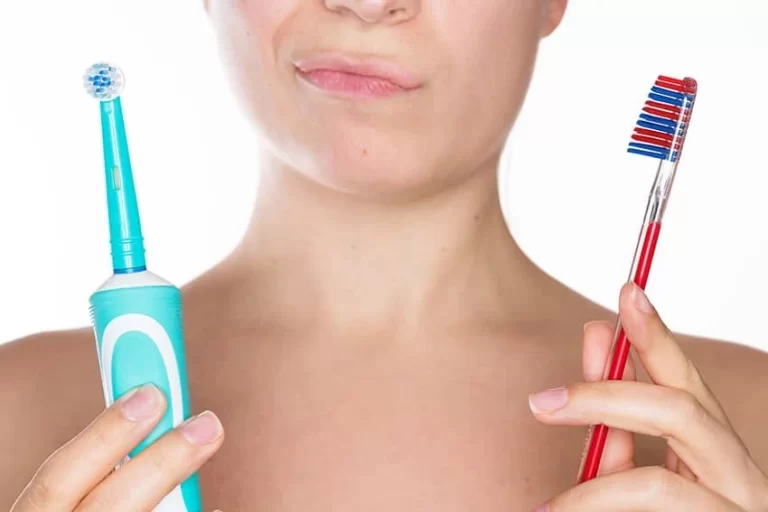
Oral hygiene is an essential part of our daily routine. Maintaining healthy teeth and gums not only helps prevent cavities and gum disease but also plays a significant role in overall health. One of the most common debates in the world of oral hygiene is whether an electric toothbrush or a manual toothbrush is better. In this article, we will explore the pros and cons of each type to help you make an informed decision about which is better for you.

Manual Toothbrushes

Manual toothbrushes have been around for centuries, and they are the most common type of toothbrush used today. They are affordable, easy to find, and come in various shapes, sizes, and bristle firmness. They are also simple to use, and most people are familiar with the brushing technique required.

Pros:

  1. Cost-effective: Manual toothbrushes are the cheapest option available in the market, and you can buy them at any grocery store or pharmacy.
  2. Portability: They are easy to carry around, and you can take them with you wherever you go. They are also lightweight and do not require a power source.
  3. Good for gum health: Manual toothbrushes are gentler on your gums, which makes them an ideal choice for people who have sensitive teeth or gums.

Cons:

  1. Manual labor: Manual toothbrushes require more effort to brush your teeth properly. This can lead to less consistent brushing and not reaching all areas of your mouth, which can result in plaque buildup.
  2. Ineffective for people with limited dexterity: Manual toothbrushes can be difficult for people with limited mobility, such as those with arthritis or other disabilities.

Electric vs. Manual Toothbrush: Which One Should You Choose?

Electric Toothbrushes

Electric toothbrushes were first introduced in the 1950s, and they have become increasingly popular over the years. They use a motor to move the bristles in a circular or back-and-forth motion, which makes brushing easier and more efficient.

Pros:

  1. More effective: Electric toothbrushes are more effective than manual toothbrushes at removing plaque and debris from your teeth. They can also reach areas that are difficult to clean with a manual toothbrush, such as the back molars.
  2. Easy to use: Electric toothbrushes require less effort to brush your teeth properly, which can result in a more consistent brushing routine.
  3. Good for people with limited dexterity: Electric toothbrushes are easier to use for people with limited mobility, such as those with arthritis or other disabilities.

Cons:

  1. Expensive: Electric toothbrushes are more expensive than manual toothbrushes. They also require replacement brush heads, which can add to the cost over time.
  2. Require a power source: Electric toothbrushes require a power source to operate, which means you cannot use them if the battery runs out, or if you do not have access to electricity.
  3. Can be harsh on gums: Electric toothbrushes can be too harsh on your gums if used improperly, which can cause damage and discomfort.

Which is Better?

The question of whether an electric toothbrush or a manual toothbrush is better ultimately comes down to personal preference and lifestyle. Here are some factors to consider when deciding which type of toothbrush is best for you:

  1. Cost: If you are on a tight budget, a manual toothbrush is a more cost-effective option.
  2. Convenience: If you travel frequently or have limited bathroom counter space, a manual toothbrush may be more convenient.
  3. Effectiveness: If you have trouble cleaning hard-to-reach areas or removing stubborn plaque, an electric toothbrush may be more effective.
  4. Mobility: If you have limited mobility or dexterity, an electric toothbrush may be easier to use.
  5. Preference: Ultimately, the decision comes down to personal preference. Some people prefer the simplicity and familiarity of a manual toothbrush, while others prefer the ease and efficiency of an electric toothbrush.

It is important to note that the most important factor in maintaining good oral hygiene is not the type of toothbrush you use but rather the technique and consistency with which you brush. Whether you choose an electric or manual toothbrush, make sure to brush for at least two minutes, twice a day, and use a fluoride toothpaste.

In conclusion, both electric and manual toothbrushes have their pros and cons, and the choice ultimately comes down to personal preference and lifestyle. Consider your budget, convenience, effectiveness, mobility, and personal preference when deciding which type of toothbrush is best for you. Regardless of the type of toothbrush you choose, remember that proper brushing technique and consistency are the keys to maintaining good oral hygiene.

To know more about Skincare Devices and Beauty’s latest updates, please Like and Follow our Facebook and Instagram accounts…

Read also: Maximizing the Benefits of Cryo Freeze Tools: Tips for Effective Use

Maximizing the Benefits of Your Sheet Masks: Timing Matters

0

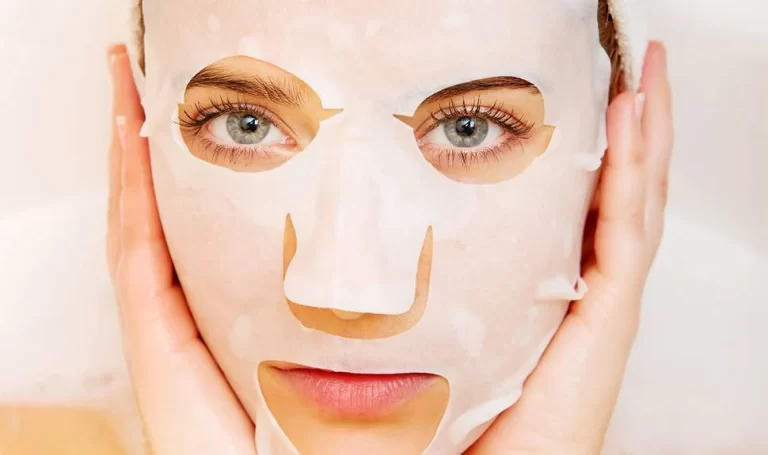
Sheet masks have become a popular skincare trend in recent years, thanks to their convenience and ease of use. These masks come in a variety of formulations, each promising to deliver a range of benefits to the skin. However, one question that many people have when it comes to sheet masks is how long they should be left on the face. In this article, we’ll explore the ideal duration for sheet mask use and why it’s important to follow these guidelines.

What Is a Sheet Mask?

Before we delve into the topic of how long to wear a sheet mask, let’s first understand what a sheet mask is. A sheet mask is a pre-cut sheet made of cotton, paper, or other materials that’s soaked in a concentrated serum or essence. This sheet is then placed on the face, allowing the ingredients to penetrate the skin and deliver various benefits such as hydration, brightening, or anti-aging.

How Long Should You Leave a Sheet Mask On?

The ideal duration for wearing a sheet mask depends on the specific product you’re using. Generally, most sheet masks should be left on for around 15-20 minutes. However, some masks may be designed to be worn for longer periods, such as overnight masks.

It’s important to always check the instructions on the packaging of your sheet mask, as the recommended time can vary depending on the formulation. Some masks may advise leaving them on for only 10 minutes, while others may suggest wearing them for up to 30 minutes.

Why Is It Important to Follow the Recommended Time?

Following the recommended time for your sheet mask is crucial for a few reasons. Firstly, leaving the mask on for too long can actually have the opposite effect of what you’re trying to achieve. The serum or essence in the mask may begin to dry out, which can lead to the sheet mask pulling moisture away from your skin instead of adding it.

Moreover, leaving the sheet mask on for too long can cause the ingredients to penetrate too deeply into the skin, leading to irritation or inflammation. This can be especially true for masks that contain potent active ingredients, such as retinol or acids.

On the other hand, not leaving the sheet mask on for the recommended duration may mean that the ingredients in the serum or essence haven’t had enough time to fully penetrate the skin and deliver their benefits. This can be a waste of product, as well as not providing the desired results.

Maximizing the Benefits of Your Sheet Masks: Timing Matters

Tips for Maximizing the Benefits of Your Sheet Mask

To ensure that you’re getting the most out of your sheet mask, there are a few tips you can follow:

  1. Cleanse your skin before using the mask to ensure that it’s free of any makeup or dirt that could block the absorption of the mask’s ingredients.
  2. Make sure the mask is fully adhered to your skin, with no air bubbles or areas that are not in contact with the skin. This will ensure that the ingredients are evenly distributed.
  3. Take the time to relax while wearing your sheet mask. Find a comfortable position, close your eyes, and take a few deep breaths. This will not only help you de-stress but will also allow the ingredients to penetrate the skin more effectively.
  4. Once you remove the mask, gently massage any remaining serum or essence into your skin. This will help to further enhance the benefits of the mask and ensure that the ingredients are fully absorbed.

Conclusion

Sheet masks are a convenient and effective way to give your skin a boost of hydration and other benefits. However, it’s important to follow the recommended duration for wearing the mask to ensure that you’re getting the best results. Always check the instructions on the packaging of your sheet mask and make sure to fully adhere to them. By doing so, you’ll be able to enjoy all the benefits of this popular skincare trend.

To know more about Skincare Devices and Beauty’s latest updates, please Like and Follow our Facebook and Instagram accounts…

Read also: The Ultimate Guide to Properly Clean Your Facial Brush
The Ultimate Guide to Properly Clean Your Facial Brush

0

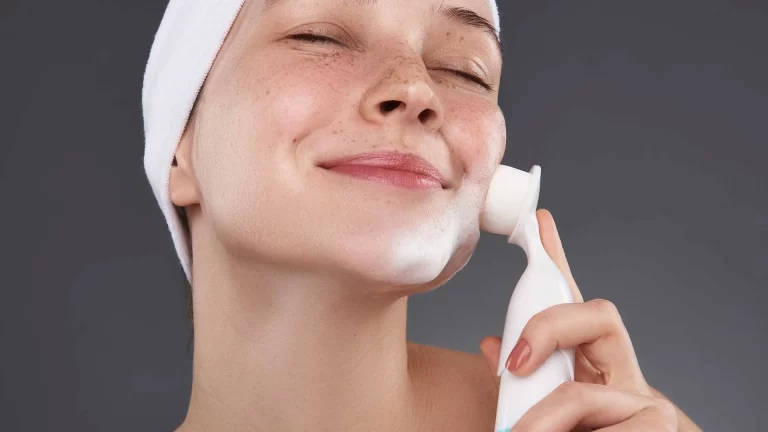
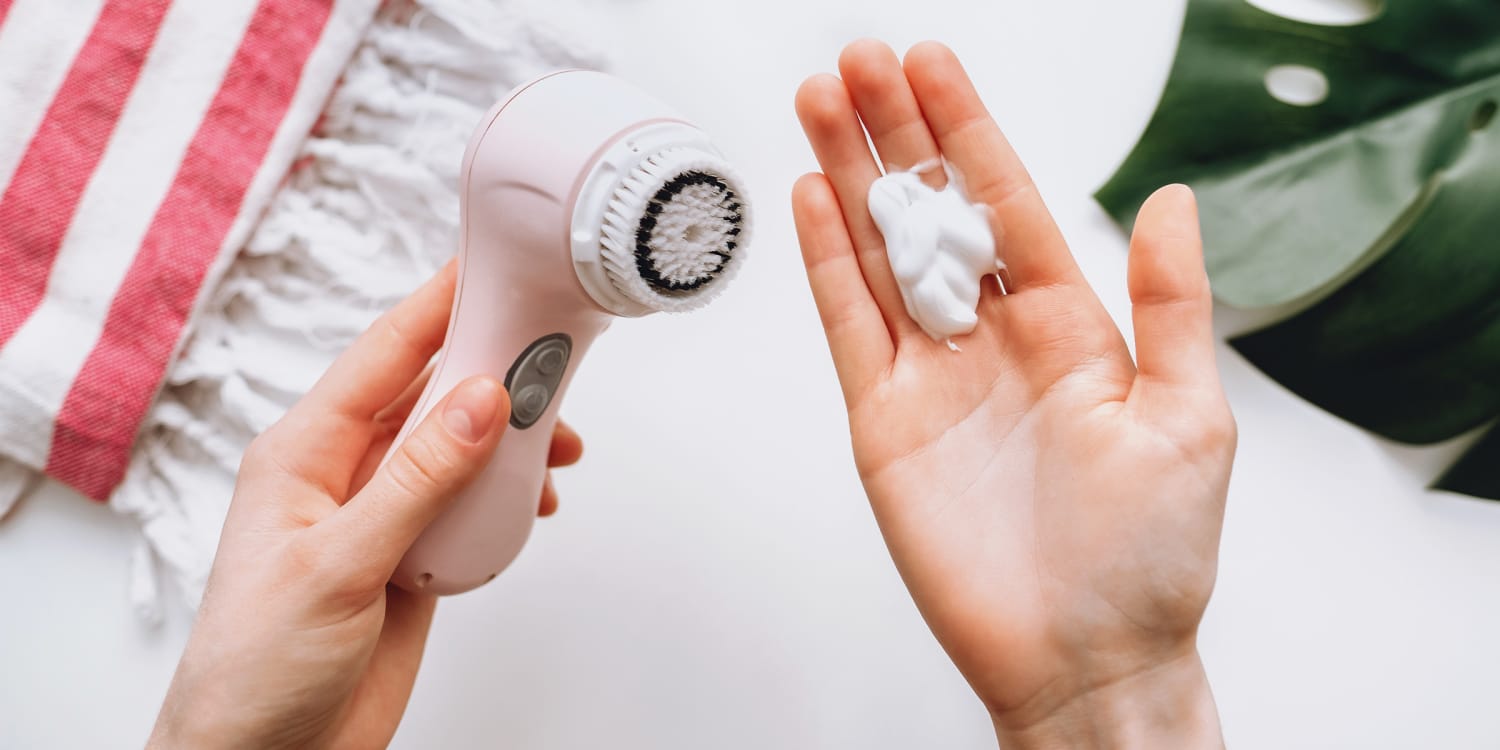
Facial brushes are an excellent tool for achieving a deep cleanse and keeping your skin smooth and glowing. However, like all skincare tools, it’s important to properly clean and maintain them to ensure they remain effective and hygienic. Facial Brush

Here are some tips on how to properly clean your facial brush:

  1. Rinse the brush thoroughly after each use After using your facial brush, rinse it thoroughly under running water to remove any leftover dirt, oil, and makeup residue. Make sure to remove any debris trapped in the bristles to prevent bacteria buildup.
  2. Use a mild soap or cleanser To keep your facial brush clean, use a gentle soap or cleanser specifically designed for the bristles. Be sure to lather the soap into the bristles and rinse it thoroughly with warm water. Avoid using harsh detergents, as they can damage the bristles and cause them to fall out.
  3. Disinfect the brush regularly It’s essential to disinfect your facial brush at least once a week to prevent bacteria from building up. You can do this by soaking the brush in a mixture of warm water and vinegar or using an antibacterial solution. Follow the manufacturer’s instructions for proper disinfecting.
  4. Store the brush properly After cleaning your facial brush, make sure to store it in a dry and well-ventilated area. Avoid storing it in a closed container or damp area, as this can promote bacteria growth. You can also place the brush in a protective case to keep it clean and prevent damage.  The Ultimate Guide to Properly Clean Your Facial Brush
  5. Replace the brush head regularly Facial brush heads need to be replaced every three to four months, depending on how often you use them. If you notice any signs of wear or damage to the bristles, it’s time to replace the head. Using a worn-out brush head can cause irritation and damage to your skin.
  6. Clean the handle While cleaning the brush head is essential, it’s also essential to clean the handle of the facial brush. Use a gentle soap or cleanser and a soft cloth to wipe down the handle to remove any dirt or oil buildup.
  7. Avoid sharing your brush Sharing your facial brush with others can spread bacteria and cause breakouts. It’s best to keep your brush for personal use only and avoid sharing it with others.

In conclusion, facial brushes are a great addition to your skincare routine, but it’s important to take care of them properly to maintain their effectiveness and hygiene. Follow these simple tips to clean and maintain your facial brush, and you’ll be rewarded with healthy, glowing skin.

To know more about Skincare Devices and Beauty’s latest updates, please Like and Follow our Facebook and Instagram accounts…

Read also: Maximizing the Benefits of Cryo Freeze Tools: Tips for Effective Use

The Ultimate Guide to Choosing the Best Anti-Aging Device

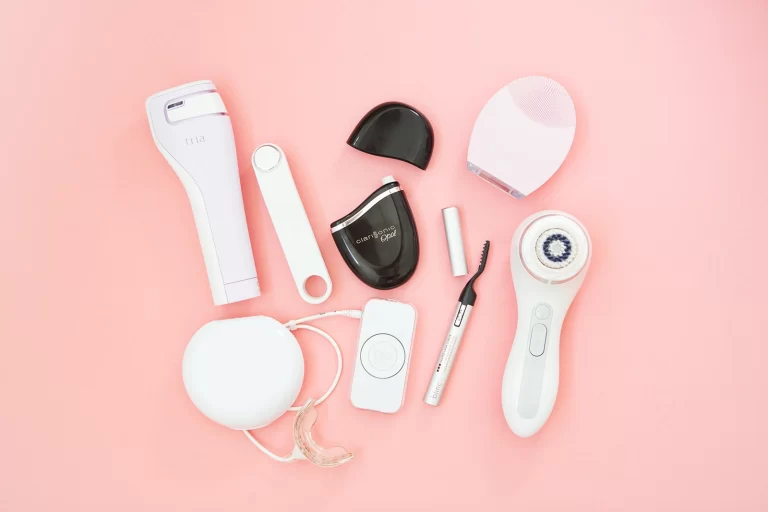
As we age, we all want to maintain our youthful appearance as much as possible. While there are numerous anti-aging creams and serums available in the market, the latest advancements in technology have made it possible to combat aging with the help of various devices. These devices use cutting-edge technology to stimulate collagen production, improve skin texture, reduce fine lines and wrinkles, and promote overall skin health.

If you are looking to invest in an anti-aging device, there are several options available. Let’s take a look at some of the most popular anti-aging devices and which one might be the best fit for you.

  1. Microdermabrasion Devices

Microdermabrasion devices use small crystals or diamond tips to exfoliate the skin and remove dead skin cells. This treatment helps to promote the growth of new, healthy skin cells, making your skin appear smoother and more radiant. Microdermabrasion devices are particularly useful for treating fine lines, sun damage, and hyperpigmentation. These devices are typically handheld, making them easy to use at home. However, they may not be suitable for individuals with sensitive skin, as they can cause redness and irritation.

  1. LED Light Therapy Devices

LED light therapy devices use different colored lights to penetrate the skin and stimulate collagen production. Red light is particularly effective at reducing the appearance of fine lines and wrinkles, while blue light helps to kill acne-causing bacteria. LED light therapy devices are also effective at reducing inflammation and promoting overall skin health. They are typically small and handheld, making them easy to use at home.

  1. Radio Frequency Devices

Radio frequency devices use high-frequency energy to stimulate collagen production and tighten the skin. This treatment can be particularly effective at reducing the appearance of sagging skin and wrinkles. Radio frequency devices are typically larger and more expensive than other anti-aging devices, and they may require several treatments to achieve optimal results.

  1. Microcurrent Devices

Microcurrent devices use a low-level electrical current to stimulate facial muscles, promoting circulation and improving skin texture. This treatment can be particularly effective at reducing the appearance of fine lines and wrinkles. Microcurrent devices are typically small and handheld, making them easy to use at home. However, they may not be suitable for individuals with certain medical conditions, such as pacemakers.

The Ultimate Guide to Choosing the Best Anti-Aging Device

  1. Derma Roller Devices

Derma roller devices use a roller with tiny needles to create micro-injuries in the skin, stimulating collagen production and improving skin texture. This treatment can be particularly effective at reducing the appearance of fine lines, wrinkles, and acne scars. Derma roller devices are typically small and handheld, making them easy to use at home. However, they may cause redness and irritation, and they should not be used on sensitive skin.

When choosing an anti-aging device, it’s important to consider your skin type, budget, and desired results. While some devices may be more effective than others, there is no one-size-fits-all solution to anti-aging. It’s also important to note that while these devices can be effective, they may not provide the same results as professional treatments performed by a licensed skincare professional.

Before using any anti-aging device, it’s important to read the instructions carefully and follow all safety precautions. If you have any medical conditions or concerns, it’s always best to consult with your healthcare provider before using any new skincare device.

To know more about Skincare Devices and Beauty’s latest updates, please Like and Follow our Facebook and Instagram accounts…

Read also: Cold Laser Therapy: Understanding the Benefits and Risks

Maximizing the Benefits of Cryo Freeze Tools: Tips for Effective Use

Cryotherapy is a popular method for reducing inflammation, relieving pain, and improving recovery time for athletes and those with chronic pain. Cryo freeze tools are the latest innovation in this field, allowing people to access the benefits of cryotherapy in the comfort of their own homes. However, like any tool, it’s important to use freeze tools correctly to maximize their effectiveness. Here are some tips for making the most of your cryo freeze tools:

  1. Understand the science behind cryotherapy

Before using any cryo freeze tool, it’s important to understand how cryotherapy works. Cryotherapy involves exposing the body to extremely cold temperatures, usually through ice or liquid nitrogen, in order to reduce inflammation and promote healing. It work by creating a localized area of cold, which can help reduce pain and inflammation in specific areas of the body. By understanding the science behind cryotherapy, you can better understand how to use your freeze tools effectively.

  1. Use cryo freeze tools for targeted relief

It is most effective when used to target specific areas of the body that are experiencing pain or inflammation. For example, if you have knee pain, you can use a freeze tool to apply cold therapy directly to your knee joint. This can help reduce inflammation and pain in that area, while also promoting healing.

  1. Use cryo freeze tools after exercise or injury

This tools are most effective when used after exercise or injury, when the body is already experiencing inflammation and pain. By using a cryo freeze tool after exercise, you can help reduce muscle soreness and speed up recovery time. If you have an injury, using a cryo freeze tool can help reduce swelling and pain, while also promoting healing.

  1. Use cryo freeze tools consistently

Consistency is key when it comes to using cryo freeze tools. While using a freeze tool once may provide temporary relief, using it consistently over time can help reduce inflammation and pain in a more long-term way. Try to use your freeze tool every day or every other day, especially if you are using it to manage chronic pain or inflammation.

Maximizing the Benefits of Cryo Freeze Tools: Tips for Effective Use

  1. Follow the instructions for your specific cryo freeze tool

Different cryo freeze tools may have different instructions for use. Some may need to be frozen for a certain amount of time before use, while others may require a specific application time. Make sure to follow the instructions for your specific cryo freeze tool to ensure that you are using it correctly and getting the most out of it.

  1. Be mindful of the temperature

It can be extremely cold, and it’s important to be mindful of the temperature when using them. Make sure to check the temperature of your cryo freeze tool before using it, and use it for the recommended amount of time. If you experience any discomfort or pain while using your cryo freeze tool, stop using it immediately.

  1. Combine cryo freeze tools with other recovery methods

While cryo freeze tools can be effective on their own, they can also be combined with other recovery methods for even greater benefits. For example, you may want to use a cryo freeze tool in combination with foam rolling or stretching to help reduce muscle soreness and improve recovery time.

  1. Don’t overuse cryo freeze tools

While freeze tools can be effective for reducing pain and inflammation, it’s important not to overuse them. Using cryo freeze tools too frequently or for too long can actually have the opposite effect, causing increased inflammation and tissue damage. Make sure to follow the instructions for your specific cryo freeze tool and use it only as recommended.

To know more about Skincare Devices and Beauty’s latest updates, please Like and Follow our Facebook and Instagram accounts…

Read also: Cold Laser Therapy: Understanding the Benefits and Risks

Cold Laser Therapy: Understanding the Benefits and Risks

Cold laser therapy, also known as low-level laser therapy (LLLT), is a non-invasive treatment that uses low-level lasers or light-emitting diodes (LEDs) to stimulate healing in damaged tissues. This type of therapy has been used for decades to relieve pain, reduce inflammation, and promote tissue regeneration. However, before deciding whether it is right for you, it’s essential to understand what it is, how it works, and what conditions it can effectively treat.

What is Cold Laser Therapy?

Cold laser therapy is a type of phototherapy that uses low-intensity light to stimulate healing in damaged tissues. The therapy uses a device that emits a low level of light in a specific wavelength range, usually between 600 and 1000 nanometers. This wavelength range is believed to penetrate the skin and stimulate the production of adenosine triphosphate (ATP), which is the energy source for cells.

The low-level laser or LED devices used in this therapy are also believed to promote the production of collagen, reduce inflammation, and increase blood flow to the treated area. The treatment is called “cold” laser therapy because the light emitted by the device does not produce heat and is not felt by the patient.

How Does Cold Laser Therapy Work?

It is believed to work by stimulating cellular repair mechanisms in the body. The low-level light used in the therapy is absorbed by the mitochondria, which are the energy-producing structures within cells. This absorption of light is thought to trigger a cascade of biological reactions that lead to increased ATP production, improved cellular metabolism, and enhanced tissue repair.

The therapy is also believed to stimulate the production of nitric oxide, a molecule that helps to dilate blood vessels and improve blood flow. This increased blood flow can help to reduce inflammation, relieve pain, and promote tissue regeneration.

Cold Laser Therapy: Understanding the Benefits and Risks

What Conditions Can Cold Laser Therapy Treat?

This therapy has been used to treat a wide range of conditions, including musculoskeletal pain, neuropathic pain, wound healing, and skin conditions. Some of the most common conditions that cold laser therapy is used to treat include:

  1. Arthritis: It has been shown to be effective in reducing pain and inflammation associated with arthritis.
  2. Back Pain: It can be used to treat both acute and chronic back pain, including herniated discs and sciatica.
  3. Carpal Tunnel Syndrome: It can help to reduce pain and inflammation associated with carpal tunnel syndrome.
  4. Sports Injuries: This therapy is often used to treat sports injuries, such as sprains, strains, and muscle tears.
  5. Wound Healing: It has been shown to promote tissue regeneration and wound healing, making it a useful treatment for chronic wounds.
  6. Skin Conditions: This therapy can be used to treat a range of skin conditions, including acne, rosacea, and psoriasis.

Is Cold Laser Therapy Right for You?

It is generally considered safe and well-tolerated, with few side effects. However, like any medical treatment, it may not be suitable for everyone. Before undergoing cold laser therapy, it’s essential to speak with a healthcare provider to determine whether it is the right treatment for your condition.

Some factors to consider when deciding whether cold laser therapy is right for you include:

  1. Medical History: Your medical history can help determine whether this therapy is safe for you. If you have a history of certain medical conditions or are taking certain medications, it may not be appropriate.
  2. Severity of Condition: The severity of your condition will also play a role in determining whether this therapy is right for you. If you have a severe or advanced condition, other treatments may be more appropriate.
  3. Treatment Goals: The goals of your treatment will also influence whether it is right for you. If you are looking for a non-invasive, drug-free treatment that can relieve pain and promote healing, cold laser therapy may be a good option. However, if you are looking for a quick fix or a cure for your condition, it may not be sufficient.
  1. Cost and Availability: Cold laser therapy may not be covered by insurance and can be costly. It’s essential to consider the cost and availability of the therapy when deciding whether it is right for you.

To know more about Skincare Devices and Beauty’s latest updates, please Like and Follow our Facebook and Instagram accounts…

Read also: Get the Fuller, Firmer Breasts You Desire with Vacuum Breast Lift

Get the Fuller, Firmer Breasts You Desire with Vacuum Breast Lift

Breast enlargement is one of the most common cosmetic procedures for women. While traditional breast augmentation surgeries involve inserting implants, there is a newer, non-invasive method called vacuum breast lift that has been gaining popularity in recent years. This technique is considered safe and effective and has been shown to provide long-lasting results.

What is Vacuum Breast Lift?

Vacuum breast lift, also known as vacuum therapy, is a non-surgical and non-invasive procedure that uses suction cups to lift and firm the breasts. It is a natural and safe way to enhance the size and shape of the breasts without the use of implants or surgery.

How Does Vacuum Breast Lift Work?

During a vacuum breast lift procedure, the breasts are placed in a special suction cup device that applies negative pressure to the breast tissue. The suction cups are then moved around the breast to create a massage-like effect, which helps to increase blood flow and stimulate the production of collagen and elastin.

This increased blood flow and collagen production leads to the growth of new breast tissue, resulting in firmer, larger breasts. The procedure is painless and can be done in less than an hour, making it a convenient option for women who do not want to undergo surgery.

Benefits of Vacuum Breast Lift

One of the primary benefits of vacuum breast lift is that it is a non-surgical and non-invasive procedure, meaning that there is no cutting, anesthesia, or scarring involved. This makes it a safer option for women who may not be comfortable with the risks associated with traditional breast augmentation surgery.

Another benefit is that breast lift is a natural way to enhance the size and shape of the breasts. The procedure does not involve the use of implants, which means that there is no risk of implant rupture, leakage, or other complications that may arise with implant surgery.

Get the Fuller, Firmer Breasts You Desire with Vacuum Breast Lift

In addition, breast lift is a more affordable option than traditional breast augmentation surgery. The procedure can be performed in less than an hour and does not require any downtime, which means that women can return to their daily activities immediately after the procedure.

Lastly, vacuum breast lift provides long-lasting results. While the results may vary depending on the individual, most women who undergo the procedure see an increase in breast size and firmness that lasts for several months.

Is Vacuum Breast Lift Safe?

Vacuum breast lift is a safe procedure when performed by a trained and experienced professional. The suction cups used in the procedure are designed to be gentle and do not cause any damage to the breast tissue or skin.

However, as with any cosmetic procedure, there are some risks involved. Some women may experience mild discomfort or bruising after the procedure, but these symptoms usually subside within a few days.

It is important to note that breast lift is not suitable for everyone. Women who are pregnant, breastfeeding, or have a history of breast cancer or other breast-related conditions should not undergo the procedure.

Consultation with a professional is necessary before the procedure to ensure that the candidate is a suitable candidate and to discuss any potential risks or complications.

Conclusion

Breast lift is a safe and effective way to enhance the size and shape of the breasts without the need for surgery or implants. It is a natural and affordable option that provides long-lasting results. While there are some risks involved, these can be minimized by choosing a trained and experienced professional.

If you are interested in breast lift, it is important to do your research and find a qualified professional who can provide you with the information and guidance you need to make an informed decision. With the right care and attention, vacuum breast lift can help you achieve the fuller, firmer breasts you desire.

To know more about Skincare Devices and Beauty’s latest updates, please Like and Follow our Facebook and Instagram accounts…

Read also: Blackhead Extractors: Is the Risk Worth the Reward?

Blackhead Extractors: Is the Risk Worth the Reward?

Blackheads are a common skin problem that affects many people, especially those with oily or combination skin. While they are not harmful, blackheads can be unsightly and affect a person’s confidence. Blackhead extractors are tools that have been designed to help remove blackheads and other types of acne. While they can be effective, there are pros and cons to using a blackhead extractor.

Pros of Using a Blackhead Extractor

  1. Removes Blackheads Quickly and Efficiently

Blackhead extractors are designed to remove blackheads quickly and efficiently. The tool is designed to apply pressure to the skin around the blackhead, which causes the plug to come out of the pore. This method is much more effective than simply squeezing or picking at a blackhead, which can cause damage to the skin.

  1. Helps Prevent Future Breakouts

By removing blackheads with a blackhead extractor, you are also helping to prevent future breakouts. Blackheads can clog pores and lead to the formation of pimples and other types of acne. By removing the blackheads, you are helping to keep the pores clear, which can prevent future breakouts.

  1. Can Be Used on Different Skin Types

Blackhead extractors can be used on different skin types, including oily, combination, and dry skin. However, it’s important to use the tool correctly to avoid damaging the skin.

  1. Saves Money

Blackhead extractors are relatively inexpensive and can save you money in the long run. Instead of spending money on expensive skincare products, you can use a blackhead extractor to remove blackheads at home.

Cons of Using a Blackhead Extractor

  1. Can Damage the Skin

Using a blackhead extractor incorrectly can cause damage to the skin. Applying too much pressure or using the tool too aggressively can cause redness, swelling, and even scarring. It’s important to use the tool gently and to stop if you feel any pain or discomfort.

  1. May Not Work on Deep or Stubborn Blackheads

Blackhead extractors may not be effective on deep or stubborn blackheads. If a blackhead is too deep, the tool may not be able to apply enough pressure to remove it. In these cases, it’s best to see a dermatologist or esthetician for professional extraction.

  1. Can Spread Bacteria

If the blackhead extractor is not sanitized properly, it can spread bacteria and lead to infection. It’s important to clean the tool thoroughly after each use and to avoid sharing it with others.

Blackhead Extractors: Is the Risk Worth the Reward?

  1. Can Cause Broken Capillaries

Using a blackhead extractor too aggressively or on delicate skin can cause broken capillaries. These are small, red lines that appear on the skin and can be difficult to treat. It’s important to use the tool gently and to avoid using it on areas with thin or delicate skin.

Tips for Using a Blackhead Extractor

If you decide to use a blackhead extractor, there are some tips that can help you use the tool safely and effectively:

  1. Cleanse your skin thoroughly before using the tool. This will help to remove any dirt, oil, or makeup that may be clogging the pores.
  2. Steam your face or use a warm compress to open up the pores before using the tool. This will make it easier to remove the blackheads.
  3. Use the tool gently and apply light pressure. Avoid using too much pressure or pressing down too hard, as this can cause damage to the skin.
  4. Clean the tool thoroughly after each use. Use an alcohol swab or soak the tool in hot water to sanitize it.
  5. Avoid using the tool on areas with thin or delicate skin, such as around the eyes or on the lips.

Conclusion

Blackhead extractors can be a useful tool for removing blackheads, but they do come with some pros and cons. While they can be an efficient way to remove blackheads and prevent future breakouts, they can also damage the skin if not used correctly. It’s important to use the tool gently, sanitize it properly, and avoid using it on delicate areas of the skin. If you’re unsure about using a blackhead extractor, it’s best to consult with a dermatologist or esthetician for professional extraction. Overall, a blackhead extractor can be a helpful addition to your skincare routine if used responsibly.

To know more about Skincare Devices and Beauty’s latest updates, please Like and Follow our Facebook and Instagram accounts…

Read also: Protecting Your Skin from Pollution: Tips and Tricks to Keep it Healthy and Glowing