Home Blog Page 39

Say Goodbye to Dull Skin: The Benefits of Microdermabrasion

0

Microdermabrasion is a popular cosmetic procedure that can help to rejuvenate the skin by removing dead skin cells and stimulating the growth of new, healthy skin. This non-invasive treatment is a great way to improve the appearance of fine lines, wrinkles, acne scars, sun damage, and other skin imperfections. In this article, we will explore everything you need to know about microdermabrasion, from how it works to its benefits and risks.

What is Microdermabrasion?

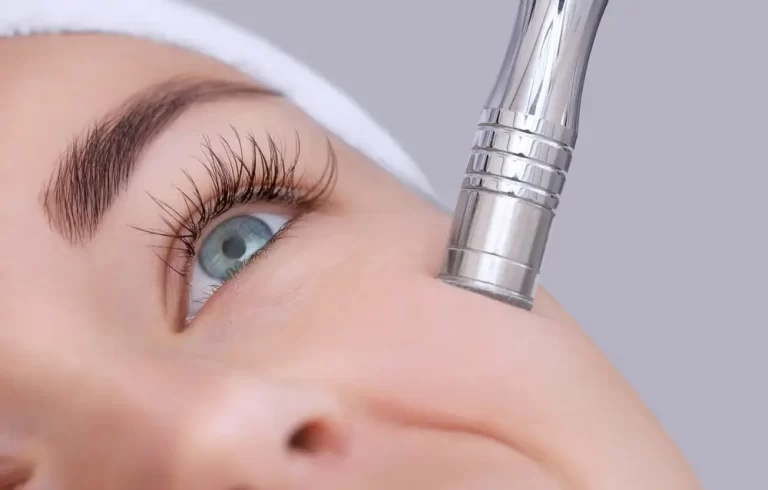
Microdermabrasion is a cosmetic procedure that involves the use of a special device that uses tiny crystals or diamond-tipped wands to gently exfoliate the skin. The process removes the outer layer of dead skin cells, revealing fresher, smoother, and younger-looking skin underneath. Microdermabrasion can be performed on various parts of the body, including the face, neck, chest, arms, and hands.

How Does Microdermabrasion Work?

It works by using a special device that exfoliates the skin using either tiny crystals or diamond-tipped wands. The device works by creating a vacuum that gently pulls the skin towards it, which then exfoliates the top layer of dead skin cells. The entire process is painless and takes around 30-45 minutes to complete.

Benefits of Microdermabrasion

It offers several benefits for those looking to improve the appearance of their skin. Here are some of the most significant benefits of microdermabrasion:

  1. Improves Skin Texture and Tone

One of the primary benefits of microdermabrasion is that it helps to improve the texture and tone of the skin. By removing the outer layer of dead skin cells, microdermabrasion can leave the skin looking smoother, softer, and more even in tone.

  1. Reduces Fine Lines and Wrinkles

It can help to reduce the appearance of fine lines and wrinkles by promoting the growth of new, healthy skin cells. The procedure can also stimulate collagen production, which can help to improve the elasticity and firmness of the skin.

  1. Minimizes the Appearance of Acne Scars

It can be an effective treatment for minimizing the appearance of acne scars. By removing the outer layer of dead skin cells, microdermabrasion can help to reduce the appearance of acne scars, making the skin look smoother and more even in tone.

Say Goodbye to Dull Skin: The Benefits of Microdermabrasion

  1. Improves Skin Discoloration

It can help to improve skin discoloration, including age spots, sun damage, and hyperpigmentation. By exfoliating the top layer of dead skin cells, microdermabrasion can help to reduce the appearance of dark spots, leaving the skin looking brighter and more even in tone.

  1. Quick and Painless Procedure

It is a quick and painless procedure that can be performed in as little as 30 minutes. Unlike other cosmetic procedures, there is no downtime required after the treatment, which means you can resume your normal activities right away.

Risks and Side Effects of Microdermabrasion

While microdermabrasion is generally a safe procedure, there are some risks and side effects to be aware of. These include:

  1. Skin Irritation

Some people may experience skin irritation following microdermabrasion, including redness, swelling, and itching. These side effects are usually temporary and should subside within a few hours to a few days.

  1. Sensitivity to Sunlight

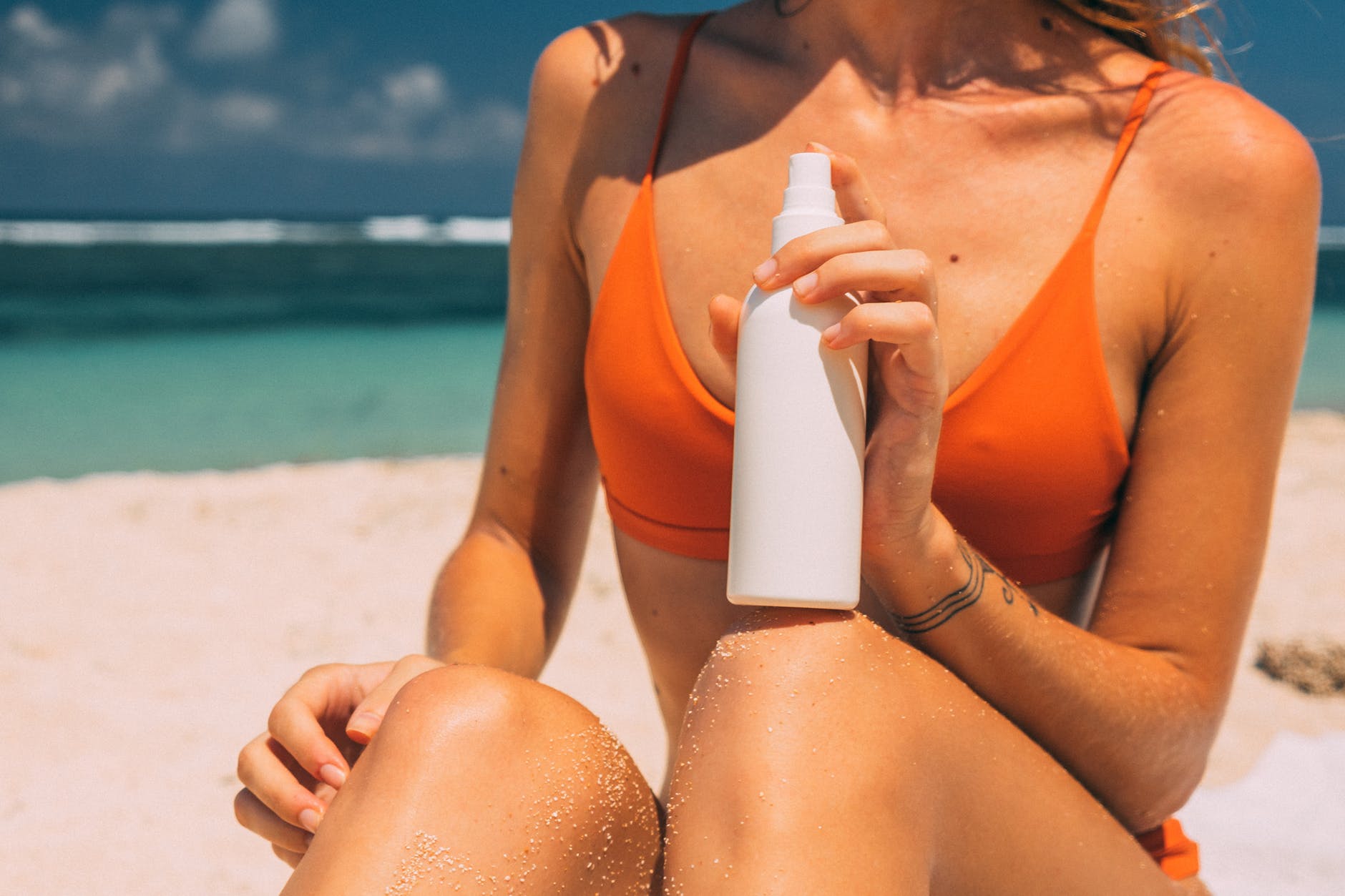
Microdermabrasion can make the skin more sensitive to sunlight, which means it is important to avoid direct sun exposure and wear a broad-spectrum sunscreen with an SPF of at least 30.

For more Skincare news and Beauty latest updates please Like and Follow our Facebook Page and Instagram account…

Read Also: The Dos and Don’ts of Selecting Sunscreen for Your Skin Type

The Dos and Don’ts of Selecting Sunscreen for Your Skin Type
0

Sunscreen is a crucial element in any skincare routine, regardless of skin type or complexion. It is essential to protect the skin from the harmful UV rays of the sun to avoid the risk of skin cancer, premature aging, and other skin-related problems. However, with so many options available in the market, it can be challenging to determine which sunscreen is best suited for your skin type. In this article, we will discuss some tips on how to select the appropriate sunscreen for your skin type.

  1. Identify your skin type

The first step to choosing the right sunscreen is to identify your skin type. Different skin types have different needs and require different types of sunscreen. If you have oily or acne-prone skin, you should look for a sunscreen that is oil-free and non-comedogenic. If you have dry or sensitive skin, you should opt for a sunscreen that is hydrating and gentle.

  1. Look for a broad-spectrum sunscreen

When selecting a sunscreen, it is crucial to look for one that provides broad-spectrum protection. This means that it protects against both UVA and UVB rays. UVA rays penetrate deep into the skin and can cause premature aging, while UVB rays are responsible for sunburns. Both types of rays can cause skin cancer, so it is essential to choose a sunscreen that protects against both.

  1. Consider the SPF

The SPF, or Sun Protection Factor, is a measure of how much protection a sunscreen provides against UVB rays. The higher the SPF, the more protection it provides. However, it is essential to note that SPF only measures protection against UVB rays and not UVA rays. It is recommended to choose a sunscreen with an SPF of at least 30.

  1. Choose a sunscreen that suits your lifestyle

When selecting a sunscreen, it is essential to consider your lifestyle. If you spend a lot of time outdoors or participate in outdoor activities, you should choose a water-resistant sunscreen that can withstand sweat and water. If you work indoors and do not spend much time outside, a regular sunscreen would suffice.

The Dos and Don'ts of Selecting Sunscreen for Your Skin Type
  1. Pay attention to the ingredients

It is crucial to pay attention to the ingredients in your sunscreen, especially if you have sensitive skin. Look for a sunscreen that is free of fragrances, alcohol, and other potential irritants. If you have acne prone skin, look for a sunscreen that contains salicylic acid or benzoyl peroxide to help prevent breakouts.

  1. Test the sunscreen before use

Before using a new sunscreen, it is essential to test it on a small area of skin to ensure that you do not have an allergic reaction. Apply a small amount of the sunscreen to the inside of your wrist and wait 24 hours. If you do not experience any adverse reactions, the sunscreen is safe to use.

  1. Consider the texture

The texture of the sunscreen is also an essential factor to consider. If you have oily skin, look for a lightweight, matte-finish sunscreen that will not clog your pores. If you have dry skin, look for a hydrating sunscreen that will provide moisture and nourishment to your skin.

  1. Reapply frequently

Regardless of which sunscreen you choose, it is essential to reapply it frequently throughout the day, especially if you are outdoors or sweating. Most sunscreens need to be reapplied every two hours to maintain their effectiveness.

In conclusion, selecting the appropriate sunscreen for your skin type is essential for maintaining healthy skin and preventing skin-related problems. By identifying your skin type, looking for a broad-spectrum sunscreen with an appropriate SPF, considering your lifestyle, paying attention to the ingredients, testing the sunscreen before use, and choosing a sunscreen with a suitable texture, you can find the perfect sunscreen for your skin type. Remember to reapply frequently to ensure maximum protection.

For more Skincare news and Beauty latest updates please Like and Follow our Facebook Page and Instagram account…

Read Also: The Power of Vitamin C: A Guide to Using it for healthy Skin

Age-Defying Habits: 5 Everyday Behaviors for Youthful Skin and Body

0

As we age, our bodies undergo various changes that can affect our skin and overall appearance. While aging is an inevitable part of life, there are certain everyday behaviors that we can adopt to maintain youthful skin and a healthy body. In this article, we will discuss five such behaviors that can help you stay young and vibrant for years to come.

  1. Protect Your Skin from the Sun

One of the most important things you can do to maintain youthful skin is to protect it from the sun. Exposure to the sun’s harmful UV rays can cause damage to the skin cells, leading to wrinkles, age spots, and even skin cancer. To protect your skin, make sure to wear sunscreen with an SPF of at least 30 every day, even on cloudy days. You should also wear protective clothing, such as hats and long-sleeved shirts, when you’re out in the sun for extended periods.

  1. Stay Hydrated

Drinking enough water is crucial for maintaining youthful skin and a healthy body. Water helps to flush out toxins from the body and keep the skin hydrated and supple. It also helps to regulate body temperature, which is essential for overall health. Experts recommend drinking at least eight glasses of water a day, but the exact amount you need may vary depending on your activity level and other factors.

  1. Exercise Regularly

Regular exercise is another key component of maintaining youthful skin and a healthy body. Exercise helps to improve circulation, which can increase the flow of oxygen and nutrients to the skin, making it look more radiant and youthful. It also helps to reduce stress, which can have a negative impact on the skin and body. Aim to get at least 30 minutes of moderate exercise most days of the week, such as brisk walking, cycling, or swimming.

  1. Get Enough Sleep

Getting enough sleep is essential for maintaining youthful skin and a healthy body. When you’re sleep-deprived, your body produces more of the stress hormone cortisol, which can lead to inflammation and damage to the skin cells. Lack of sleep can also cause dark circles under the eyes and make the skin look dull and tired. Experts recommend getting at least 7-9 hours of sleep a night, although the exact amount you need may vary depending on your individual needs.

Age-Defying Habits: 5 Everyday Behaviors for Youthful Skin and Body

  1. Eat a Healthy Diet

Eating a healthy, balanced diet is essential for maintaining youthful skin and a healthy body. Foods that are high in antioxidants, such as fruits, vegetables, and whole grains, can help to protect the skin from damage and keep it looking youthful. Foods that are high in healthy fats, such as nuts, seeds, and fatty fish, can also help to keep the skin supple and hydrated. On the other hand, a diet high in processed foods, sugar, and unhealthy fats can have a negative impact on the skin and overall health.

In conclusion, maintaining youthful skin and a healthy body requires a combination of everyday behaviors, including protecting your skin from the sun, staying hydrated, exercising regularly, getting enough sleep, and eating a healthy diet. By adopting these habits, you can help to slow down the aging process and maintain your youthful appearance for years to come. Remember that it’s never too late to start taking care of your skin and body, so start making these changes today and enjoy the benefits of a healthy, youthful lifestyle.

For more Skincare news and Beauty latest updates please Like and Follow our Facebook Page and Instagram account…

Read Also: The Power of Vitamin C: A Guide to Using it for healthy Skin

How to Get Glowing Skin with a Laser Carbon Peel

The laser carbon peel, also known as the “China Doll” or “Hollywood Peel,” is a non-invasive skin rejuvenation treatment that has gained popularity in recent years. This procedure uses a combination of laser energy and medical-grade carbon to improve the texture and tone of the skin, while reducing the appearance of fine lines, wrinkles, and acne scars. In this article, we will explore everything you need to know about a laser carbon peel, including how it works, the benefits and risks, and what to expect during and after the treatment.

What is a Laser Carbon Peel?

A laser carbon peel is a type of facial treatment that uses a specialized laser machine and a carbon-based lotion to exfoliate the skin and stimulate collagen production. During the procedure, a thin layer of carbon lotion is applied to the skin, which is then heated using a laser. The laser energy heats the carbon particles, which then vaporize and take away dead skin cells, excess oil, and impurities from the skin’s surface. The carbon particles also help to stimulate collagen production, which improves the overall texture and tone of the skin.

Benefits of a Laser Carbon Peel

One of the main benefits of a laser carbon peel is that it can improve the appearance of fine lines, wrinkles, and acne scars. The heat from the laser energy stimulates collagen production, which helps to plump up the skin and reduce the appearance of wrinkles and fine lines. The treatment also helps to reduce the appearance of acne scars by exfoliating the skin and promoting the growth of new, healthy skin cells.

Another benefit of a laser carbon peel is that it can help to reduce the size of pores and improve the overall texture and tone of the skin. The exfoliating action of the carbon lotion and laser energy removes dead skin cells and unclogs pores, which can lead to a smoother and more even skin tone. The treatment can also help to reduce the appearance of age spots, sun damage, and other types of skin discoloration.

A laser carbon peel is a non-invasive procedure that requires no downtime, so patients can return to their normal activities immediately after the treatment. The procedure is relatively painless, with most patients reporting only a mild warming sensation during the treatment. The treatment is also safe for all skin types and can be customized to meet the specific needs of each patient.

How to Get Glowing Skin with a Laser Carbon Peel

Risks of a Laser Carbon Peel

Like any cosmetic procedure, a laser carbon peel does come with some risks. Some patients may experience redness, swelling, or minor irritation after the treatment, but these side effects usually subside within a few hours or days. In rare cases, patients may experience more severe side effects, such as blistering or scarring, but these complications are extremely rare and can usually be avoided by choosing an experienced and qualified provider.

It is also important to note that a laser carbon peel is not a one-time solution for skin rejuvenation. While the treatment can provide immediate benefits, such as improved texture and tone, patients will need to undergo multiple treatments to achieve long-term results. Most providers recommend a series of four to six treatments spaced four weeks apart for optimal results.

What to Expect During and After the Treatment

Before the treatment, patients will need to undergo a consultation with their provider to discuss their skin concerns, medical history, and treatment goals. During the treatment, patients will need to wear protective goggles to shield their eyes from the laser energy. The provider will then apply a thin layer of carbon lotion to the skin and allow it to dry for several minutes. Once the lotion has dried, the provider will use the laser to heat the carbon particles and exfoliate the skin.

After the treatment, patients may experience some redness or minor irritation, but this typically subsides within a few hours or days. Patients can return to their normal activities immediately after the treatment, as there is no downtime required. However, patients should avoid direct sun exposure and wear a broad-spectrum sunscreen with an SPF of 30 or higher to protect the skin from further damage. It is also recommended to avoid using any harsh skincare products or exfoliants for at least a week after the treatment, as the skin may be more sensitive than usual.

Patients can typically see immediate results after the first treatment, with continued improvement after each subsequent treatment. However, it is important to remember that a laser carbon peel is not a one-time solution and that multiple treatments are required to achieve optimal results. Patients should also maintain a healthy skincare routine and lifestyle habits, such as drinking plenty of water, getting enough sleep, and eating a balanced diet, to help maintain their results.

For more Skincare news and Beauty latest updates please Like and Follow our Facebook Page and Instagram account…

Read Also: The Power of Vitamin C: A Guide to Using it for healthy Skin

The Power of Vitamin C: A Guide to Using it for healthy Skin

0

Vitamin C is a powerhouse antioxidant that is essential for maintaining healthy skin. It plays a vital role in collagen production, which helps to keep the skin firm and youthful-looking. In recent years, vitamin C has become a popular ingredient in skincare products, with many claiming that it can help to brighten and even out skin tone, reduce inflammation, and protect the skin from environmental damage. In this article, we’ll take a closer look at the benefits of using vitamin C for your skin, as well as how to incorporate it into your skincare routine.

What is Vitamin C?

Vitamin C, also known as ascorbic acid, is a water-soluble vitamin that is essential for maintaining good health. It is not produced by the body, so it must be obtained through diet or supplements. Vitamin C is found in many foods, including citrus fruits, broccoli, strawberries, and peppers.

How Does Vitamin C Benefit the Skin?

Vitamin C has several benefits for the skin. Firstly, it is a potent antioxidant that can help to protect the skin from environmental stressors such as pollution and UV radiation. This is important because environmental damage can cause premature aging, hyperpigmentation, and other skin problems.

Secondly, vitamin C plays a vital role in collagen production. Collagen is a protein that gives the skin its elasticity and firmness. As we age, collagen production decreases, leading to wrinkles and sagging skin. Vitamin C can help to stimulate collagen production, which can help to keep the skin looking youthful and plump.

Finally, vitamin C has anti-inflammatory properties that can help to calm irritated or inflamed skin. This makes it an excellent ingredient for those with sensitive or acne-prone skin.

How to Incorporate Vitamin C into Your Skincare Routine

There are several ways to incorporate vitamin C into your skincare routine. The most common way is through the use of topical skincare products, such as serums, creams, and masks. Vitamin C serums are particularly popular, as they are highly concentrated and can be easily absorbed by the skin.

When choosing a vitamin C product, it’s important to look for a stable form of vitamin C, such as ascorbic acid or sodium ascorbyl phosphate. These forms of vitamin C are less likely to oxidize and lose their effectiveness over time. It’s also important to choose a product with a high enough concentration of vitamin C to be effective – around 10-20% is considered ideal.

The Power of Vitamin C: A Guide to Using it for healthy Skin

In addition to using topical products, you can also increase your intake of vitamin C through your diet. Eating a diet rich in vitamin C can help to support overall skin health and may provide additional benefits beyond what topical products can offer. Foods high in vitamin C include citrus fruits, kiwi, papaya, berries, and peppers.

Tips for Using Vitamin C Products

When using vitamin C products, it’s important to follow a few key tips to ensure maximum effectiveness and minimize the risk of irritation:

  • Start slowly: If you’re new to using vitamin C products, start with a lower concentration and gradually work your way up. This can help to minimize the risk of irritation or sensitivity.
  • Use in the morning: Vitamin C is best used in the morning, as it can help to protect the skin from environmental stressors throughout the day.
  • Store properly: Vitamin C products should be stored in a cool, dry place away from direct sunlight. This will help to prevent oxidation and maintain their effectiveness.
  • Use sunscreen: While vitamin C can help to protect the skin from environmental stressors, it’s still important to use sunscreen to provide additional protection against UV radiation.

Potential Side Effects of Vitamin C Products

While vitamin C is generally considered safe for most people, there are a few potential side effects to be aware of. These include:

  • Irritation: Some people may experience irritation or sensitivity when using vitamin C products, particularly if they have sensitive skin. This can manifest as redness, itching, or stinging. If you experience any of these symptoms, it’s important to stop using the product and speak with a dermatologist.
  • Breakouts: In rare cases, vitamin C products can cause breakouts or acne. This may be due to the concentration of the product or other ingredients in the formula. If you notice an increase in breakouts after using a vitamin C product, it’s important to discontinue use and speak with a dermatologist.
  • Oxidation: Vitamin C is sensitive to air and light, which can cause it to oxidize and lose its effectiveness. To prevent oxidation, it’s important to choose a stable form of vitamin C and store the product properly.

For more Skincare news and Beauty latest updates please Like and Follow our Facebook Page and Instagram account…

Read Also: The Ultimate Guide to Lightening Dark Underarms: 5 Effective Methods

Unlocking the Beauty Benefits of Flaxseeds for Your Skin

0

Flaxseeds are tiny seeds that have been used for centuries for their health benefits. They are a rich source of omega-3 fatty acids, lignans, and other nutrients that have been shown to improve heart health, aid in weight loss, and reduce inflammation. But did you know that flaxseeds also have beauty and anti-aging benefits for your skin? In this article, we will explore how flaxseeds can help you achieve healthy, youthful-looking and glowing skin.

Flaxseeds are a great source of antioxidants that can protect your skin from damage caused by free radicals. Free radicals are unstable molecules that can damage cells and lead to premature aging. Antioxidants help neutralize these free radicals, preventing them from causing harm. Flaxseeds contain lignans, which are a type of antioxidant that has been shown to have anti-inflammatory and anti-cancer properties. Studies have found that lignans can protect the skin from UV damage, reduce the appearance of fine lines and wrinkles, and improve skin elasticity.

Another benefit of flaxseeds for your skin is their high content of omega-3 fatty acids. Omega-3 fatty acids are essential fats that your body cannot produce on its own. They play a crucial role in maintaining healthy skin by reducing inflammation and keeping skin cells hydrated. When your skin is well-hydrated, it appears plump and radiant. Omega-3 fatty acids also help to regulate oil production in the skin, which can reduce the occurrence of acne and breakouts.

Flaxseeds can also help improve skin texture and tone. They are a good source of alpha-linolenic acid (ALA), which is a type of omega-3 fatty acid that has been shown to improve skin barrier function. The skin barrier is the outermost layer of the skin, which acts as a protective barrier against environmental pollutants and other irritants. When the skin barrier is compromised, it can lead to dryness, flakiness, and irritation. ALA helps to strengthen the skin barrier, which can improve skin texture and tone.

Unlocking the Beauty Benefits of Flaxseeds for Your Skin

In addition to their beauty benefits, flaxseeds can also help slow down the aging process. As we age, our skin loses collagen and elastin, which are the proteins responsible for keeping skin firm and elastic. This can lead to sagging skin, fine lines, and wrinkles. Flaxseeds contain lignans, which have been shown to increase collagen production and improve skin elasticity. They also contain vitamin E, which is a powerful antioxidant that helps protect the skin from oxidative stress and premature aging.

There are several ways to incorporate flaxseeds into your skin care routine. One easy way is to add ground flaxseeds to your daily diet. You can sprinkle them on your oatmeal, yogurt, or smoothie, or use them as a substitute for breadcrumbs in recipes. Flaxseed oil is also a great option for cooking or dressing salads. However, it is important to note that flaxseed oil should not be used as a substitute for sunscreen. While it does contain antioxidants that can help protect the skin from UV damage, it does not provide enough protection on its own.

Another way to use flaxseeds for your skin is to create a DIY face mask. To make a flaxseed face mask, mix 2 tablespoons of ground flaxseeds with 1 tablespoon of honey and enough water to create a paste. Apply the mask to your face and let it sit for 15-20 minutes before rinsing off with warm water. This mask will help soothe and hydrate your skin, leaving it feeling soft and supple.

For more Skincare news and Beauty latest updates please Like and Follow our Facebook Page and Instagram account…

Read Also: The Ultimate Guide to Lightening Dark Underarms: 5 Effective Methods

Unlocking the Secret Beauty Benefits of Green Coffee

0

When you think of coffee, you probably think of the warm, comforting beverage that helps wake you up in the morning. But did you know that coffee, specifically green coffee, has beauty benefits too? Green coffee, which is simply unroasted coffee beans, has become a popular ingredient in beauty products due to its rich antioxidant content and other beneficial properties. Here are some of the top beauty benefits of green coffee.

  1. Antioxidant Powerhouse

It is packed with antioxidants, which are compounds that help protect the skin from damage caused by free radicals. Free radicals are unstable molecules that can cause oxidative stress, leading to premature aging, inflammation, and even skin cancer. By neutralizing free radicals, antioxidants help keep the skin healthy and youthful-looking.

One of the most powerful antioxidants found in it is chlorogenic acid. Studies have shown that chlorogenic acid can help reduce inflammation and protect against UV damage, which can lead to wrinkles, dark spots, and other signs of aging. Additionally, chlorogenic acid has been shown to help regulate melanin production, which can help improve uneven skin tone and reduce the appearance of hyperpigmentation.

  1. Boosts Collagen Production

Collagen is a protein that gives the skin its structure, elasticity, and firmness. As we age, our bodies produce less collagen, which can lead to sagging, wrinkles, and fine lines. Fortunately, it contains compounds that can help boost collagen production.

One of these compounds is caffeine, which has been shown to stimulate collagen synthesis in the skin. Additionally, it contains enzymes that can help break down old collagen fibers and stimulate the production of new ones. This can help improve skin texture and firmness, making it look more youthful and radiant.

  1. Reduces Puffiness and Dark Circles

Do you struggle with puffy eyes or dark circles under your eyes? It may be able to help. The caffeine in coffee has vasoconstrictive properties, which means it can help reduce blood flow to the skin and decrease inflammation. This can help reduce puffiness and dark circles, giving the eyes a more refreshed appearance.

Unlocking the Secret Beauty Benefits of Green Coffee

  1. Exfoliates and Brightens

It can also help exfoliate and brighten the skin. The enzymes in green coffee can help break down dead skin cells and remove impurities, leaving the skin smoother and brighter. Additionally, the caffeine in coffee can help improve blood flow to the skin, which can help reduce the appearance of dullness and give the skin a healthy glow.

  1. Fights Acne

Acne is a common skin concern that can be frustrating and difficult to treat. It may be able to help. The chlorogenic acid in coffee has been shown to have antibacterial properties, which means it can help fight the bacteria that cause acne. Additionally, the caffeine in green coffee can help reduce inflammation and redness associated with acne.

How to Incorporate Green Coffee into Your Beauty Routine

Now that you know about the many beauty benefits of green coffee, you may be wondering how to incorporate it into your beauty routine. Fortunately, there are many ways to use green coffee for your skin and hair.

  1. Use a Green Coffee Face Mask

One of the easiest ways to reap the benefits of it is by using a face mask. To make a green coffee face mask, simply mix ground coffee beans with water or another liquid of your choice, such as honey or yogurt. Apply the mask to your face and let it sit for 10-15 minutes before rinsing it off with warm water. You can use this mask once a week to exfoliate, brighten, and improve the overall appearance of your skin.

  1. Try a Green Coffee Eye Cream

If you struggle with puffiness, dark circles or fine lines around your eyes, a green coffee eye cream may be just what you need. Look for a cream that contains caffeine and other beneficial ingredients, such as antioxidants and peptides. Apply the cream to the under-eye area in the morning and at night to help reduce puffiness, brighten dark circles, and improve the appearance of fine lines.

  1. Use a Green Coffee Body Scrub

Not only is green coffee great for your face, but it can also be used on your body. Try a green coffee body scrub to exfoliate, brighten, and improve the texture of your skin. Look for a scrub that contains ground coffee beans, as well as other nourishing ingredients like shea butter, coconut oil, and vitamin E.

  1. Drink Green Coffee

Finally, you can also drink green coffee to reap its many benefits. it is available in supplement form or as a brewed beverage. Drinking coffee can help boost your metabolism, increase energy levels, and improve cognitive function. Additionally, the antioxidants in green coffee can help protect your cells from damage and promote overall health and well-being.

In conclusion, it is a powerful ingredient that can help improve the health and appearance of your skin and hair. Whether you choose to use it in a face mask, eye cream, body scrub, or beverage, green coffee is sure to provide a variety of beauty benefits. Give it a try and see how it can transform your beauty routine.

For more Skincare news and Beauty latest updates please Like and Follow our Facebook Page and Instagram account…

Read Also: The Ultimate Guide to Lightening Dark Underarms: 5 Effective Methods

The Ultimate Guide to Lightening Dark Underarms: 5 Effective Methods

0

Dark underarms can be a source of embarrassment for many people, especially during the summer months when sleeveless tops and swimsuits are a staple. However, there are several ways to reduce the appearance of dark underarms and feel confident in your skin. In this article, we will discuss five effective ways to lighten and brighten your underarms.

  1. Exfoliate Regularly

One of the main causes of dark underarms is the buildup of dead skin cells. Exfoliating regularly can help to remove this dead skin and reveal brighter, smoother skin underneath. You can exfoliate your underarms using a gentle scrub or an exfoliating glove.

When choosing a scrub, look for one that contains natural exfoliants, such as sugar or salt. Avoid using harsh scrubs that contain chemicals or artificial fragrances, as these can irritate the delicate skin of your underarms.

To use an exfoliating glove, simply wet the glove and gently rub it over your underarms in circular motions. Be sure to use light pressure and avoid scrubbing too hard, as this can cause irritation.

Exfoliate your underarms once or twice a week to see the best results. With regular exfoliation, you should notice that your underarms appear smoother and brighter over time.

  1. Try Natural Remedies

There are several natural remedies that can help to lighten dark underarms. These remedies are often gentler on the skin than chemical treatments and can be just as effective.

Lemon juice is a popular natural remedy for dark underarms. The citric acid in lemon juice can help to lighten the skin and reduce the appearance of dark patches. To use lemon juice on your underarms, simply cut a lemon in half and rub the juice onto your skin. Leave the juice on for 10-15 minutes, then rinse it off with warm water. Repeat this process once a day for best results.

Another natural remedy for dark underarms is apple cider vinegar. Like lemon juice, apple cider vinegar contains acids that can help to lighten the skin. To use apple cider vinegar on your underarms, mix equal parts of vinegar and water and apply the mixture to your skin using a cotton ball. Leave the mixture on for 10-15 minutes, then rinse it off with warm water. Repeat this process once a day for best results.

  1. Use a Brightening Cream

If natural remedies don’t work for you, you may want to consider using a brightening cream. These creams contain ingredients that can help to reduce the appearance of dark patches and even out skin tone.

Look for a brightening cream that contains natural ingredients, such as vitamin C, kojic acid, or licorice extract. These ingredients can help to lighten the skin and reduce the production of melanin, the pigment that gives skin its color.

When using a brightening cream, be sure to follow the instructions carefully. Apply the cream to your underarms once or twice a day, depending on the instructions. Overuse of these creams can cause irritation, so it’s important to use them as directed.

  1. Wear Loose-Fitting Clothing

Tight-fitting clothing can cause friction and irritation, which can lead to dark underarms. To reduce the risk of dark patches, try wearing loose-fitting clothing that allows your skin to breathe.

Opt for natural fabrics, such as cotton or linen, which are breathable and lightweight. Avoid synthetic fabrics, such as polyester, which can trap sweat and bacteria against your skin.

If you do need to wear tight-fitting clothing, such as for exercise, be sure to wear breathable fabrics and change out of your sweaty clothes as soon as possible.

  1. Practice Good Hygiene

Finally, practicing good hygiene can help to prevent dark underarms. When you sweat, bacteria can build up on your skin and cause odor and discoloration. To keep your underarms clean and fresh, follow these tips:

  • Wash your underarms daily with a gentle cleanser and warm water.
  • Use an antibacterial soap to kill bacteria and prevent odor.
  • Dry your underarms thoroughly after washing, as bacteria thrive in moist environments.
  • Apply an antiperspirant or deodorant to your underarms to reduce sweating and prevent odor.

By following these tips and incorporating them into your daily routine, you can reduce the appearance of dark underarms and feel confident in your skin. Remember that everyone’s skin is different, so it may take some trial and error to find the best methods for you. However, with patience and persistence, you can achieve brighter, smoother underarms and feel your best all year round.

For more Skincare news and Beauty latest updates please Like and Follow our Facebook Page and Instagram account…

Read Also: Facial Shaving 101: Tips and Tricks for Maintaining Soft Skin

The Power of Pedicure Oils: Why Your Feet Deserve Some TLC

0

Pedicure oils are a must-have in any beauty routine, especially for those who want to keep their feet healthy and looking their best. There are several benefits to using pedicure oils on your feet, and in this article, we will explore some of these benefits in more detail.

Moisturizing and Hydrating Properties

One of the primary benefits of pedicure oils is their moisturizing and hydrating properties. The skin on our feet is often subjected to a lot of wear and tear, which can cause dryness and cracking. It work to moisturize the skin on the feet, which helps to keep them soft and smooth. This is particularly important during the winter months when the cold weather can cause the skin on the feet to become even drier.

The hydrating properties of pedicure oils also help to prevent the formation of calluses on the feet. Calluses are thickened areas of skin that form in response to repeated friction or pressure. They can be uncomfortable and unsightly, but regular use of pedicure oils can help to keep them at bay.

Improved Nail Health

Another benefit of using pedicure oils is improved nail health. Our toenails can often become brittle and prone to breakage, especially if they are exposed to harsh chemicals or if we wear tight shoes for extended periods. Pedicure oils can help to strengthen the nails, making them less likely to break or split.

Regular use of pedicure oils can also help to prevent the development of nail fungus. Nail fungus is a common condition that can cause discoloration, thickening, and cracking of the toenails. The antifungal properties of some pedicure oils can help to keep the nails healthy and fungus-free.

Relaxation and Stress Relief

Getting a pedicure is not just about making your feet look good – it can also be a relaxing and stress-relieving experience. Many pedicure oils contain essential oils such as lavender, peppermint, or eucalyptus, which have been shown to have calming and soothing effects on the mind and body.

Applying this oils to the feet and massaging them in can help to reduce tension and promote relaxation. This is particularly beneficial for those who spend a lot of time on their feet or who suffer from foot-related conditions such as plantar fasciitis or arthritis.

The Power of Pedicure Oils: Why Your Feet Deserve Some TLC

Improved Circulation

It can also help to improve circulation in the feet. Massaging the oils into the skin stimulates blood flow, which can help to reduce swelling and inflammation. Improved circulation can also help to prevent the formation of varicose veins, a condition that affects many people, particularly women.

Reduced Foot Odor

Foot odor is a common problem that can be embarrassing and unpleasant. The use of it can help to reduce foot odor by keeping the skin on the feet moisturized and healthy. Many pedicure oils contain antibacterial and antifungal ingredients that help to eliminate the bacteria that cause foot odor.

Improved Overall Foot Health

Finally, regular use of this oils can help to improve overall foot health. By keeping the skin on the feet moisturized and healthy, and by strengthening the nails and improving circulation, pedicure oils can help to prevent a range of foot-related conditions and issues. This can lead to happier, healthier feet, and a greater sense of overall wellbeing.

For more Skincare news and Beauty latest updates please Like and Follow our Facebook Page and Instagram account…

Read Also: Facial Shaving 101: Tips and Tricks for Maintaining Soft Skin

Skincare Ingredients 101: The Good, The Bad, and The Ugly

Taking care of your skin is an essential part of maintaining your overall health and beauty. Your skin is your body’s largest organ, and it plays a crucial role in protecting your body from external threats such as UV rays, pollutants, and bacteria. Using the right skincare ingredients can help keep your skin healthy and radiant.

When it comes to skincare ingredients, the ingredients used can make a significant difference in the effectiveness of the product and how it affects your skin. Some ingredients are beneficial, while others can be harmful and should be avoided. In this article, we will discuss the ingredients to use in skincare and those to avoid.

Ingredients to Use in Skincare

  1. Hyaluronic Acid: Hyaluronic acid is a naturally occurring substance in the skin that helps retain moisture. It is an excellent ingredient to use in skincare products because it helps hydrate the skin, reduce fine lines and wrinkles, and improve the overall texture of the skin. Hyaluronic acid is suitable for all skin types, including oily skin.
  2. Vitamin C: Vitamin C is a potent antioxidant that helps protect the skin from environmental damage. It also helps brighten the skin, reduce dark spots and hyperpigmentation, and improve skin elasticity. Vitamin C is suitable for all skin types, but it is especially beneficial for those with dull, uneven skin.
  3. Retinoids: Retinoids are a type of vitamin A that helps reduce the signs of aging, such as fine lines, wrinkles, and age spots. They also help unclog pores and improve the overall texture of the skin. Retinoids are suitable for all skin types, but they can be irritating to sensitive skin.
  4. Niacinamide: Niacinamide is a form of vitamin B3 that helps reduce inflammation, improve skin elasticity, and reduce the appearance of fine lines and wrinkles. It is also an excellent ingredient for those with acne-prone skin as it helps reduce oil production and minimize the appearance of pores.
  5. Ceramides: Ceramides are lipids that help maintain the skin’s barrier function, which is essential for healthy skin. They help prevent moisture loss, reduce inflammation, and improve the overall texture of the skin. Ceramides are suitable for all skin types, especially those with dry or sensitive skin.

Skincare Ingredients 101: The Good, The Bad, and The Ugly

Ingredients to Avoid in Skincare

  1. Fragrances: Fragrances are often added to skincare products to make them more appealing to consumers, but they can be irritating to the skin, especially for those with sensitive skin. Fragrances can cause redness, itching, and even allergic reactions. If you have sensitive skin, it is best to avoid products with added fragrances.
  2. Alcohol: Alcohol is often used in skincare products as a preservative or to help other ingredients penetrate the skin. However, alcohol can be drying and irritating to the skin, especially if used in high concentrations. Look for products that contain lower concentrations of alcohol or avoid products with alcohol altogether.
  3. Sulfates: Sulfates are often added to skincare products to create a lather and remove dirt and oil from the skin. However, sulfates can be harsh and drying to the skin, especially for those with sensitive skin. Look for products that are sulfate-free or contain gentler surfactants.
  4. Parabens: Parabens are preservatives that are added to skincare products to prevent the growth of bacteria and mold. However, they have been linked to hormonal disruptions and can be irritating to the skin. Look for products that are paraben-free or contain natural preservatives.
  5. Mineral Oil: Mineral oil is a byproduct of petroleum that is often used in skincare products as a moisturizer. However, it can be comedogenic, meaning it can clog pores and lead to breakouts and acne. Mineral oil can also create a barrier on the skin, preventing it from absorbing beneficial ingredients. Look for products that use natural oils, such as jojoba oil, coconut oil, or argan oil, as a moisturizer.
  1. Synthetic Colors: Synthetic colors are often added to skincare products to make them more visually appealing. However, they can be irritating to the skin, especially for those with sensitive skin. Synthetic colors have also been linked to cancer and other health issues. Look for products that are free of synthetic colors or use natural colors derived from plants.

Conclusion

Choosing the right skincare products can be a daunting task, but knowing which ingredients to use and which to avoid can make it easier. Look for products that contain beneficial ingredients such as hyaluronic acid, vitamin C, retinoids, niacinamide, and ceramides. Avoid products that contain fragrances, alcohol, sulfates, parabens, mineral oil, and synthetic colors. By using the right ingredients in your skincare routine, you can help keep your skin healthy, radiant, and beautiful.

For more Skincare news and Beauty latest updates please Like and Follow our Facebook Page and Instagram account…

Read Also: Facial Shaving 101: Tips and Tricks for Maintaining Soft Skin