Home Blog Page 40

Facial Shaving 101: Tips and Tricks for Maintaining Soft Skin

0

When it comes to facial shaving, hair removal has long been considered a taboo for women. But in recent years, it has become more and more popular, thanks to celebrities and beauty influencers who have openly discussed the benefits of this technique. If you’re considering shaving your face but don’t know where to start, don’t worry. Here’s how to shave your face while maintaining soft, smooth skin.

Firstly, it’s important to understand why shaving your face can be beneficial. Contrary to popular belief, shaving does not make your hair grow back thicker or darker. This is because hair grows from the root, not from the surface of the skin. When you shave, you’re only removing the hair shaft, not the root, so it won’t affect the growth of your hair. Shaving your face can actually provide a variety of benefits, such as exfoliating the skin, removing dead skin cells, and improving the appearance of makeup.

Before you start shaving, make sure your skin is clean and dry. It’s best to shave after a shower or after using a warm towel on your face, as this will soften the hair and make it easier to remove. You should also use a shaving cream or gel to lubricate the skin and prevent irritation. Avoid using soap or body wash as they can be too harsh for your face.

Facial Shaving 101: Tips and Tricks for Maintaining Soft Skin

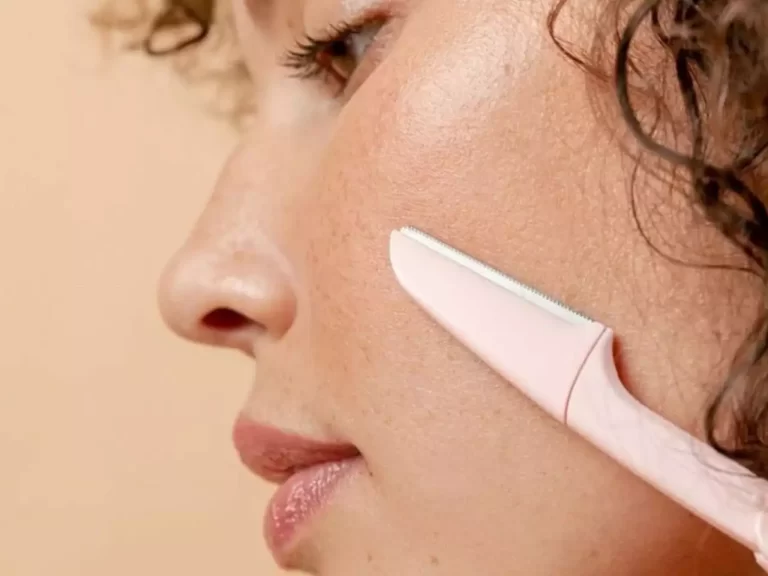
Next, choose the right tool. It’s best to use a facial razor or a disposable razor with multiple blades, as they are designed to be gentle on the skin and provide a close shave. You can also use an eyebrow razor, which is smaller and more precise. Make sure the blade is sharp and clean, as a dull or dirty blade can cause irritation and infection.

When shaving your face, it’s important to go slow and be gentle. Start by shaving in the direction of hair growth, using light strokes and minimal pressure. Do not pull or tug at the skin, as this can cause cuts and razor burn. Rinse the blade often with warm water to remove hair and shaving cream. After you’ve finished shaving, rinse your face with cool water to close the pores and pat dry with a clean towel.

After shaving, it’s important to take care of your skin to maintain its softness and smoothness. Apply a gentle moisturizer to soothe and hydrate the skin, and avoid using any products with alcohol or fragrance, as they can be too harsh. You should also avoid sun exposure for at least 24 hours after shaving, as your skin will be more sensitive to UV rays.

If you have sensitive skin or are prone to acne, it’s important to be cautious when shaving your face. Make sure to test a small area first and wait 24 hours to see if you experience any irritation or redness. If you do, avoid shaving your face or try using a different tool or shaving cream.

In conclusion, shaving your face can be a great way to exfoliate and improve the appearance of your skin. By following these tips, you can maintain soft, smooth skin and avoid irritation or injury. Remember to take it slow, be gentle, and take care of your skin afterwards. With a little practice and patience, you can achieve the perfect shave and enjoy the benefits of this technique.

For more Skincare news and Beauty latest updates please Like and Follow our Facebook Page and Instagram account…

Read Also: Uncovering the Causes of Dark Knuckles and How to Treat Them
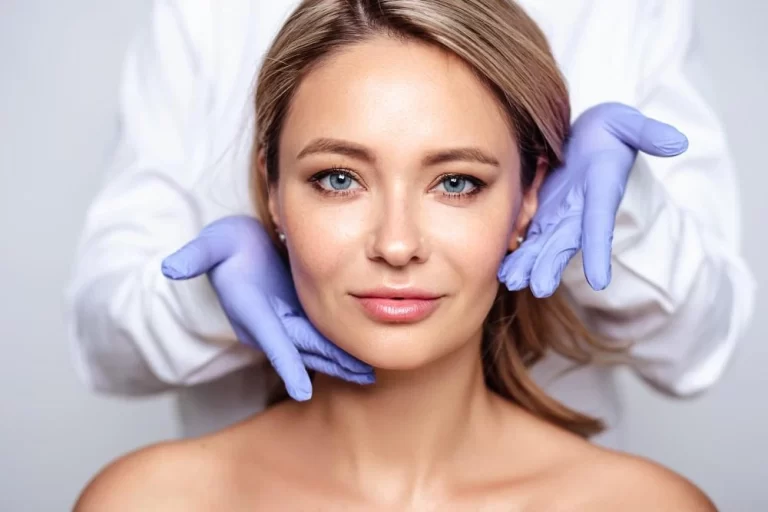
Get Youthful Skin with Ultherapy: The Non-Surgical Facelift

Ultherapy is a non-invasive medical treatment that uses ultrasound technology to lift and tighten skin on the face, neck, and chest. It is a popular option for those who are looking for a non-surgical alternative to facelifts and other more invasive procedures. In this article, we will discuss how Ultherapy works, what you can expect during the preparation and procedure, and the potential benefits and risks.

How Ultherapy Works:

Ultherapy uses focused ultrasound waves to stimulate collagen production in the skin. Collagen is a protein that is naturally found in the body and is responsible for maintaining the skin’s elasticity and firmness. As we age, our bodies produce less collagen, which can lead to sagging and wrinkles.

During the procedure, a trained medical professional will use a handheld device to deliver the ultrasound waves to the targeted area of the skin. The waves penetrate deep into the tissue, heating up the skin to a specific temperature that stimulates collagen production. This process is called neocollagenesis, which means the formation of new collagen.

The ultrasound waves also help to tighten existing collagen fibers, leading to an immediate improvement in skin firmness and elasticity. The results of Ultherapy can continue to improve for several months as the new collagen continues to form, leading to a more youthful and refreshed appearance.

Preparation for Ultherapy:

Before the procedure, you will have a consultation with a medical professional to determine if Ultherapy is the right treatment for you. They will examine your skin, discuss your medical history and any medications you are taking, and answer any questions you may have about the procedure.

There is no special preparation needed for Ultherapy, but it is recommended that you avoid taking aspirin, ibuprofen, or other blood-thinning medications for a week prior to the procedure. This is to reduce the risk of bruising or bleeding during the treatment.

Procedure:

During the Ultherapy procedure, you will be seated in a comfortable chair or lying down on a treatment table. The medical professional will apply a gel to your skin to help the ultrasound waves penetrate deep into the tissue.

The handheld device will then be placed on the targeted area of your skin, and the medical professional will use it to deliver the ultrasound waves. You may feel a slight tingling or warmth as the waves penetrate your skin, but the procedure is generally painless. If you do experience any discomfort, the medical professional can adjust the intensity of the ultrasound waves.

Get Youthful Skin with Ultherapy: The Non-Surgical Facelift

The length of the procedure will depend on the size of the treatment area, but most sessions last between 30 minutes to 1 hour. There is no downtime required after the procedure, and you can return to your normal activities immediately.

Benefits of Ultherapy:

The primary benefit of Ultherapy is the improvement in skin firmness and elasticity, leading to a more youthful and refreshed appearance. Unlike surgical procedures like facelifts, Ultherapy is non-invasive and does not require any incisions or sutures.

Ultherapy can also be used to target specific areas of the face and neck, such as the brow, chin, and décolletage. This allows for a more customized treatment plan that can address your specific concerns.

The results of Ultherapy are gradual and natural-looking, with most patients seeing improvement within 2-3 months after the procedure. The results can last for up to 2 years, depending on your individual skin condition and aging process.

Risks of Ultherapy:

Ultherapy is generally considered a safe procedure, but like any medical treatment, there are some risks involved. The most common side effects of Ultherapy include redness, swelling, and tenderness in the treated area. These symptoms usually resolve within a few days to a week after the procedure.

In rare cases, patients may experience more serious side effects, such as nerve damage or skin burns. These complications are extremely rare and are usually the result of improper technique or inexperienced practitioners. It is important to choose a qualified and experienced medical professional who has received proper training in Ultherapy.

In some cases, patients may not see the desired results from Ultherapy, or the results may not last as long as expected. This can occur if the patient’s skin condition or aging process continues to deteriorate after the treatment.

Overall, Ultherapy is a popular option for those who are looking to improve the firmness and elasticity of their skin without undergoing surgery. If you are interested in Ultherapy, be sure to do your research and choose a qualified and experienced medical professional to ensure the best possible results.

For more Skincare news and Beauty latest updates please Like and Follow our Facebook Page and Instagram account…

Read Also: Uncovering the Causes of Dark Knuckles and How to Treat Them

From Flaky to Fabulous: How to Restore Dry, Cracked Skin

0

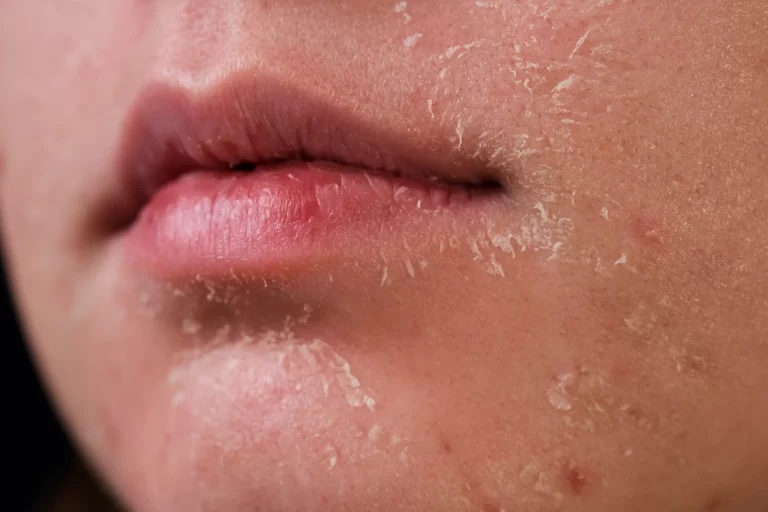
Dry, cracked skin can be a painful and frustrating problem, especially during the colder months when the air is dry and the wind is harsh. It can occur on any part of the body but is most common on the hands, feet, and face. This condition can be caused by a variety of factors, including genetics, harsh weather conditions, and certain medical conditions. Fortunately, there are many ways to restore dry, cracked skin and alleviate discomfort.

First, it’s important to identify the underlying cause of your dry, cracked skin. If you have a medical condition such as eczema or psoriasis, it’s important to consult with a dermatologist to determine the best course of treatment. In some cases, prescription creams or ointments may be necessary to alleviate symptoms.

If your dry, cracked skin is caused by external factors such as cold weather or harsh soaps, there are several steps you can take to restore your skin:

  1. Moisturize regularly

One of the most effective ways to restore dry, cracked skin is to moisturize regularly. Choose a high-quality moisturizer that is designed for your skin type and apply it liberally after showering or washing your hands. Look for moisturizers that contain ingredients like shea butter, glycerin, or ceramides, which help to hydrate and repair the skin.

  1. Avoid hot water and harsh soaps

Hot water and harsh soaps can strip the skin of its natural oils, leading to dryness and cracking. Instead, use lukewarm water and gentle, fragrance-free soaps or cleansers. Be sure to rinse thoroughly and pat dry with a soft towel.

  1. Use a humidifier

During the colder months, the air inside your home can become dry and arid, exacerbating dry skin. Consider using a humidifier to add moisture to the air and help hydrate your skin. Place the humidifier in the room where you spend the most time, such as your bedroom or living room.

  1. Drink plenty of water

Staying hydrated is important for overall health and can help keep your skin looking and feeling healthy. Aim to drink at least 8 glasses of water per day, and consider adding hydrating foods like fruits and vegetables to your diet.

From Flaky to Fabulous: How to Restore Dry, Cracked Skin

  1. Exfoliate gently

Exfoliating can help to remove dead skin cells and improve the appearance of dry, cracked skin. However, it’s important to be gentle when exfoliating and avoid using abrasive scrubs that can further damage the skin. Look for gentle exfoliating products that contain ingredients like alpha-hydroxy acids or enzymes.

  1. Use a barrier cream

If your skin is particularly dry and cracked, a barrier cream can help to protect and moisturize the skin. Look for creams that contain ingredients like petrolatum or dimethicone, which help to create a protective barrier on the skin and prevent moisture loss.

  1. Wear gloves

If your hands are particularly dry and cracked, wearing gloves can help to protect them from harsh environmental factors. Consider wearing gloves when washing dishes, cleaning, or spending time outside in cold weather.

  1. Avoid irritants

Certain substances can irritate dry, cracked skin and make symptoms worse. Avoid contact with harsh chemicals, such as cleaning products or solvents, and wear protective clothing if you must come into contact with them.

In conclusion, dry, cracked skin can be a painful and frustrating problem, but there are many ways to restore and alleviate symptoms. By identifying the underlying cause of your dry skin and taking steps to protect and moisturize your skin, you can help to improve its overall health and appearance. If symptoms persist or worsen, be sure to consult with a dermatologist to determine the best course of treatment.

For more Skincare news and Beauty latest updates please Like and Follow our Facebook Page and Instagram account…

Read Also: Uncovering the Causes of Dark Knuckles and How to Treat Them
Uncovering the Causes of Dark Knuckles and How to Treat Them

Dark knuckles, also known as hyperpigmentation or melasma, is a common skin condition that causes discoloration and darkening of the skin on the knuckles, fingers, and even the toes. It can be embarrassing for some people, leading them to feel self-conscious and avoiding wearing clothes that expose the affected areas. In this article, we’ll explore the causes of dark knuckles and various ways to treat them.

Causes of Dark Knuckles:

  1. Genetics: In some cases, darker knuckles may be inherited, and they may run in the family.
  2. Hormonal Imbalance: Hormonal imbalances, such as those that occur during pregnancy or menopause, can cause darker knuckles.
  3. Sun Exposure: Excessive exposure to sunlight can cause dark knuckles, especially for people with darker skin.
  4. Poor Diet: A diet that lacks nutrients such as vitamin C, vitamin E, and folic acid can lead to dark knuckles.
  5. Eczema: Eczema is a skin condition that can cause inflammation and discoloration of the skin, including the knuckles.
  6. Age: As people age, their skin becomes thinner and more susceptible to darkening.

How to Treat Dark Knuckles:

  1. Use Sunscreen: The first and most important step in treating dark knuckles is to protect your skin from sun exposure. Always use a broad-spectrum sunscreen with an SPF of 30 or higher on your hands and other exposed areas when going out in the sun.
  2. Exfoliate: Exfoliation helps to remove dead skin cells and stimulate the growth of new, healthy skin. You can use a gentle exfoliating scrub once or twice a week to help lighten darker knuckles.
  3. Moisturize: Moisturizing your skin can help to keep it hydrated and healthy. Use a moisturizer that contains skin-lightening ingredients, such as kojic acid, vitamin C, and alpha-hydroxy acids.Uncovering the Causes of Dark Knuckles and How to Treat Them
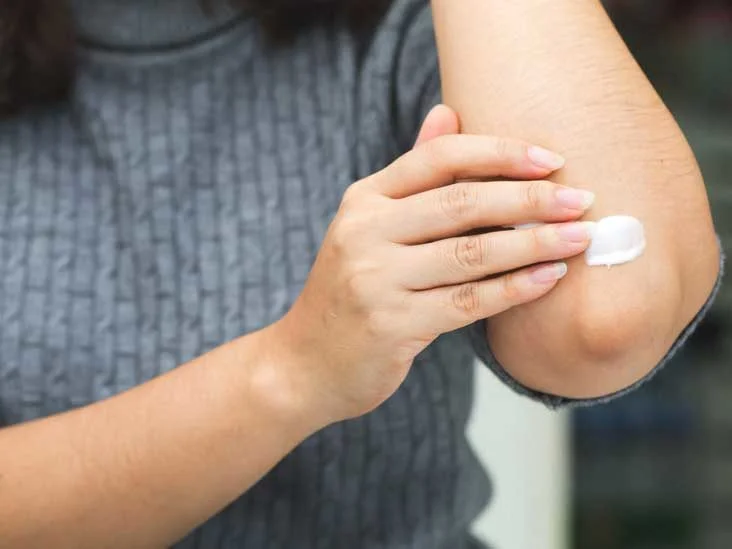
  4. Topical Creams: There are several topical creams available that can help to lighten darker knuckles. These creams usually contain ingredients such as hydroquinone, glycolic acid, or retinoids.
  5. Chemical Peels: Chemical peels are a more aggressive treatment option for dark knuckles. They involve the application of a chemical solution to the affected area, which causes the top layer of skin to peel off, revealing new, lighter skin underneath.
  6. Laser Therapy: Laser therapy is a non-invasive treatment option that uses intense pulsed light to target the pigmentation in the skin. It is a safe and effective treatment option for knuckles.
  7. Home Remedies: There are several home remedies that can help to lighten dark knuckles. These include applying lemon juice, potato juice, or a mixture of honey and almond oil to the affected area.

Prevention:

Preventing dark knuckles is much easier than treating them. Here are some tips to prevent dark knuckles:

  1. Use sunscreen with an SPF of 30 or higher.
  2. Avoid excessive sun exposure.
  3. Eat a healthy diet that includes plenty of fruits and vegetables.
  4. Stay hydrated by drinking plenty of water.
  5. Wear gloves when working with harsh chemicals or cleaning products.
  6. Use gentle, moisturizing soaps and avoid harsh scrubbing.
  7. Keep your skin moisturized.

In conclusion, dark knuckles are a common skin condition that can be embarrassing for some people. The causes of it include genetics, hormonal imbalances, sun exposure, poor diet, eczema, and aging. Treatment options include using sunscreen, exfoliating, moisturizing, using topical creams, chemical peels, laser therapy, and home remedies.

To know more about Skincare Devices and Beauty’s latest updates, please Like and Follow our Facebook and Instagram accounts…

Read also: Revitalize Your Skin with These 6 Benefits of Face Serum

Revitalize Your Skin with These 6 Benefits of Face Serum

0

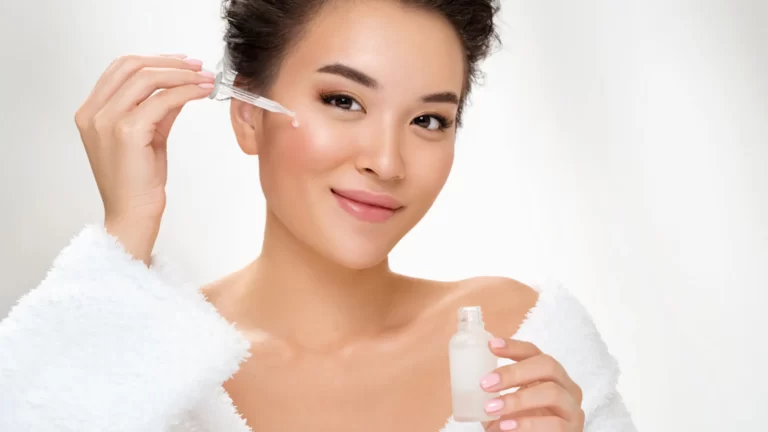
If you’re looking for a way to improve your skincare routine, you may want to consider incorporating a face serum into your daily regimen. A face serum is a lightweight, fast-absorbing formula that is typically applied after cleansing and before moisturizing. Here are six ways that a face serum can benefit your skin and leave it better than ever.

  1. Hydration

One of the primary benefits of a face serum is that it provides hydration to the skin. Many serums contain hyaluronic acid, a powerful humectant that can hold up to 1,000 times its weight in water. This means that it can help to boost skin hydration and leave it feeling plump and smooth.

  1. Brightening

If you’re looking to brighten your skin and improve its overall appearance, a face serum can help. Many serums contain vitamin C, a powerful antioxidant that can help to brighten skin and reduce the appearance of dark spots and hyperpigmentation. Vitamin C can also help to stimulate collagen production, which can improve skin firmness and elasticity.

  1. Anti-Aging

Another benefit of a face serum is its anti-aging properties. Many serums contain ingredients such as retinol, a form of vitamin A that can help to reduce the appearance of fine lines and wrinkles. Retinol can also help to stimulate collagen production, which can improve skin texture and tone over time.

  1. Acne-Fighting

If you struggle with acne-prone skin, a face serum may be able to help. Many serums contain salicylic acid, an exfoliating ingredient that can help to unclog pores and prevent breakouts. Salicylic acid can also help to reduce inflammation and redness associated with acne.

  1. Soothing

If you have sensitive or irritated skin, a face serum can help to soothe and calm it. Many serums contain ingredients such as chamomile and aloe vera, which can help to reduce inflammation and redness. These ingredients can also help to moisturize and hydrate the skin, leaving it feeling soft and supple.

  1. Enhances Absorption

Finally, a face serum can help to enhance the absorption of other skincare products. Serums are typically lightweight and fast-absorbing, which means they can help to prep the skin for other products. By applying a serum before your moisturizer or other skincare products, you can help to maximize their effectiveness and ensure that they penetrate the skin more deeply.

Revitalize Your Skin with These 6 Benefits of Face Serum

How to Choose the Right Face Serum

With so many different face serums on the market, it can be challenging to know which one to choose. Here are a few tips to help you select the right serum for your skin:

  • Consider your skin type: If you have oily skin, you may want to choose a serum that is oil-free and lightweight. If you have dry skin, you may want to choose a serum that is more hydrating.
  • Look for active ingredients: Different serums contain different active ingredients, so it’s important to look for one that targets your specific skin concerns. For example, if you’re looking to brighten your skin, look for a serum that contains vitamin C.
  • Read reviews: Before purchasing a serum, be sure to read reviews from other users. This can help you get a sense of how the serum works and whether it’s right for your skin.

How to Use a Face Serum

To get the most out of your face serum, it’s essential to use it correctly. Here’s how to incorporate a serum into your skincare routine:

  1. Cleanse your skin: Start by cleansing your skin with your favorite cleanser.
  2. Apply the serum: Next, apply a small amount of serum to your fingertips and gently massage it into your skin, focusing on areas of concern such as fine lines, dark spots, or acne-prone areas. Be sure to avoid the eye area.
  1. Wait for absorption: Allow the serum to fully absorb into your skin before applying any other skincare products.
  2. Apply moisturizer: After the serum has fully absorbed, apply your favorite moisturizer to lock in hydration and further nourish your skin.

Conclusion

Incorporating a face serum into your daily skincare routine can provide numerous benefits for your skin, from hydration and brightening to anti-aging and acne-fighting properties. By selecting the right serum for your skin type and concerns and using it correctly, you can achieve a healthier, more radiant complexion that leaves you feeling confident and beautiful.

To know more about Skincare Devices and Beauty’s latest updates, please Like and Follow our Facebook and Instagram accounts…

Read also: Unlocking the Benefits of Vitamin Infusion Therapy for Health and Radiant Skin

The Science of Plasma Skin Tightening: A Guide to Its Effects

Plasma skin tightening, also known as plasma fibroblast therapy or plasma lift, is a non-invasive cosmetic procedure that can help reduce the signs of aging and improve the appearance of loose, sagging skin. The treatment uses a device that generates plasma, a gas made up of charged particles, to create a controlled injury to the skin that triggers the body’s natural healing process. In this article, we’ll explore how plasma skin tightening works and its effects on the skin.

How does plasma skin tightening work?

The plasma device used in the treatment works by converting nitrogen gas in the air into plasma. The device emits a small electrical arc, which ionizes the nitrogen particles and creates a controlled injury to the skin. This injury triggers the body’s natural healing process, which includes the production of collagen and elastin, two proteins that are essential for skin health and elasticity.

During the treatment, the plasma device is held close to the skin, but does not actually touch it. The device emits a small electrical arc that creates a tiny dot on the skin. These dots are placed close together to form a grid pattern. This creates a controlled injury to the skin that stimulates the body’s natural healing process.

As the skin heals, it produces new collagen and elastin fibers, which help to tighten and firm the skin. The treatment also helps to improve skin texture, reduce the appearance of fine lines and wrinkles, and improve the overall tone and appearance of the skin.

What are the effects of plasma skin tightening?

It can have a number of positive effects on the skin, including:

  1. Tightening and firming the skin

The main benefit of it is that it can tighten and firm the skin, reducing the appearance of loose, sagging skin. This is especially beneficial for areas such as the neck, jawline, and eyelids, which are prone to sagging as we age.

  1. Improving skin texture

It can also help to improve skin texture by smoothing out rough, uneven skin. This can be especially beneficial for those with acne scars or other types of scarring.

  1. Reducing the appearance of fine lines and wrinkles

It can help to reduce the appearance of fine lines and wrinkles by stimulating the production of collagen and elastin fibers. This can help to plump up the skin and make it look more youthful.

  1. Improving skin tone

It can also help to improve the overall tone and appearance of the skin. The treatment can help to reduce the appearance of age spots, sun damage, and other types of discoloration.

The Science of Plasma Skin Tightening: A Guide to Its Effects

What areas can be treated with plasma skin tightening?

Plasma skin tightening can be used to treat a variety of areas on the face and body, including:

  1. Eyelids

Plasma skin tightening can be used to tighten and firm the skin around the eyes, reducing the appearance of sagging and wrinkles.

  1. Neck

It can be used to tighten and firm the skin on the neck, reducing the appearance of sagging and wrinkles.

  1. Jawline

Plasma skin tightening can be used to tighten and firm the skin on the jawline, reducing the appearance of sagging and jowls.

  1. Décolletage

Plasma skin tightening can be used to tighten and firm the skin on the décolletage, reducing the appearance of wrinkles and sun damage.

  1. Hands

Plasma skin tightening can be used to tighten and firm the skin on the hands, reducing the appearance of age spots and other types of discoloration.

Is plasma skin tightening safe?

Plasma skin tightening is generally considered safe when performed by a trained and experienced professional. However, like any cosmetic procedure, there are some risks and potential side effects to be aware of.

Some of the potential side effects of plasma skin tightening include:

  1. Swelling: After the treatment, it is normal to experience some swelling in the treated area. This should subside within a few days.
  2. Redness: The treated area may be red or pink for a few days after the treatment. This is a normal side effect and should subside within a few days.
  3. Crusting: The tiny dots created by the plasma device may scab over and form small crusts. These should be left to fall off naturally and should not be picked at.
  4. Scarring: While rare, there is a risk of scarring with plasma skin tightening. This is more likely to occur if the treated area is not properly cared for after the treatment.
  5. Infection: As with any cosmetic procedure, there is a risk of infection. This can be minimized by following proper aftercare instructions.

It is important to choose a trained and experienced professional to perform the treatment and to follow all aftercare instructions carefully to minimize the risk of complications.

To know more about Skincare Devices and Beauty’s latest updates, please Like and Follow our Facebook and Instagram accounts…

Read also: Unlocking the Benefits of Vitamin Infusion Therapy for Health and Radiant Skin

Glowing from Within: How Goji Berries Can Give You Radiant Skin

0

Goji berries, also known as wolfberries, have been used in traditional Chinese medicine for centuries to promote overall health and wellness. These small red berries are a rich source of antioxidants, vitamins, and minerals, which make them a popular ingredient in health and beauty products. In recent years, goji berries have gained popularity as a superfood for maintaining radiant skin. Here’s everything you need to know about how consuming goji berries can help you achieve healthy, glowing skin.

What Are Goji Berries?

Goji berries are a small red fruit that grows on the Lycium barbarum and Lycium chinense plants. These plants are native to Asia and have been used in traditional Chinese medicine for centuries to treat a variety of ailments, including poor circulation, inflammation, and vision problems. Goji berries are typically consumed raw, dried, or in supplement form, and are used in a variety of health and beauty products.

How Do Goji Berries Benefit Your Skin?

Goji berries are packed with nutrients that are essential for maintaining healthy skin. Here are some of the ways that consuming goji berries can benefit your skin:

  1. Rich in Antioxidants

Goji berries are a rich source of antioxidants, which protect your skin from free radical damage. Free radicals are unstable molecules that are produced by your body in response to environmental stressors such as pollution, UV radiation, and smoking. These molecules can cause oxidative stress, which can lead to premature aging and skin damage. Antioxidants neutralize free radicals and help protect your skin from oxidative stress.

  1. Boost Collagen Production

Collagen is a protein that is essential for maintaining healthy skin. It gives your skin elasticity and helps it maintain its firmness and smoothness. As you age, your body produces less collagen, which can lead to wrinkles, fine lines, and sagging skin. Goji berries contain a high level of vitamin C, which is essential for collagen production. Consuming goji berries can help boost your collagen levels and keep your skin looking youthful and radiant.

Glowing from Within: How Goji Berries Can Give You Radiant Skin

  1. Protect Your Skin from UV Damage

UV radiation from the sun can cause significant damage to your skin. It can cause sunburn, premature aging, and increase your risk of skin cancer. Goji berries contain carotenoids, which are plant pigments that have been shown to protect your skin from UV radiation. Consuming goji berries can help protect your skin from sun damage and reduce your risk of skin cancer.

  1. Promote Skin Hydration

Hydrated skin is healthy skin. Goji berries contain polysaccharides, which are long chains of sugar molecules that help your skin retain moisture. Consuming goji berries can help keep your skin hydrated and prevent dryness, which can lead to skin irritation and inflammation.

How to Consume Goji Berries

Goji berries are available in a variety of forms, including dried berries, juice, and supplements. Here are some tips for incorporating goji berries into your diet:

  1. Add Dried Goji Berries to Your Snacks

Dried goji berries make a delicious and healthy snack. You can add them to your trail mix, granola, or smoothie bowl for a boost of antioxidants and nutrients.

  1. Brew Goji Berry Tea

Goji berry tea is a tasty and refreshing way to consume this superfood. Simply steep dried goji berries in hot water for several minutes, strain, and enjoy.

  1. Take Goji Berry Supplements

If you’re not a fan of the taste of goji berries, you can still reap their benefits by taking supplements. Goji berry supplements are available in pill or powder form and can be found at most health food stores.

Precautions

While goji berries are generally safe for most people, there are some precautions to keep in mind when consuming goji berries.

  1. Allergic Reactions: Some people may be allergic to goji berries. If you experience any symptoms of an allergic reaction such as itching, swelling, or difficulty breathing, stop consuming goji berries and seek medical attention immediately.
  2. Interaction with Medications: Goji berries may interact with certain medications such as blood thinners, diabetes medications, and blood pressure medications. If you are taking any medication, it’s important to speak with your doctor before adding goji berries to your diet.
  3. High in Sugar: Dried goji berries can be high in sugar, which can contribute to weight gain and other health issues if consumed in excess. It’s important to consume goji berries in moderation and as part of a balanced diet.

To know more about Skincare Devices and Beauty’s latest updates, please Like and Follow our Facebook and Instagram accounts…

Read also: Unlocking the Benefits of Vitamin Infusion Therapy for Health and Radiant Skin

The Power of Stretching: Enhancing Performance and Preventing Injury

0

Stretching is an important part of any physical activity, from casual walks to intense workouts. Many of us may have been told that stretching is necessary to prevent injury or that it helps us perform better, but what is the purpose of stretching and why do we do it?

The main purpose of stretching is to improve flexibility and range of motion in the joints and muscles. When we stretch, we lengthen the muscles and increase blood flow to the targeted areas, which can help reduce stiffness and soreness after a workout. Stretching can also help prevent injury by reducing the risk of muscle strains and sprains.

Stretching can be divided into two types: dynamic and static. Dynamic stretching involves moving the muscles and joints through a range of motion, such as lunges or leg swings. This type of stretching is typically done before a workout to help warm up the body and prepare it for physical activity.

Static stretching, on the other hand, involves holding a stretch for a certain amount of time, usually around 20-30 seconds. This type of stretching is often done after a workout to help cool down the body and prevent stiffness.

The Power of Stretching: Enhancing Performance and Preventing Injury

While stretching is beneficial for the body, it is important to note that over-stretching or stretching improperly can actually do more harm than good. It is important to listen to your body and only stretch to the point of mild discomfort, never pain. It is also important to avoid bouncing or jerking movements during stretching, as this can lead to injury.

So, why do we stretch? The benefits of stretching go beyond just physical improvements. Stretching can also help reduce stress and promote relaxation. When we stretch, we focus on our breath and can enter a meditative state, which can help calm the mind and reduce anxiety.

Additionally, stretching can improve posture by lengthening tight muscles that may be pulling the body out of alignment. Poor posture can lead to a variety of physical issues, such as back pain and headaches, so stretching can be an important tool in promoting overall health and well-being.

Stretching can also improve athletic performance by increasing flexibility and range of motion. This can lead to improved form and technique during physical activity, which can help prevent injury and improve overall performance.

One of the most important benefits of stretching is its ability to improve circulation. When we stretch, we increase blood flow to the muscles and joints, which can help reduce inflammation and promote healing. This can be especially beneficial for individuals with chronic pain or injuries.

In addition to these physical benefits, stretching can also have mental and emotional benefits. As mentioned before, stretching can help reduce stress and promote relaxation. It can also help improve mood by releasing endorphins, which are the body’s natural feel-good chemicals. This can lead to a greater sense of well-being and happiness.

Stretching can also be a form of self-care. Taking the time to stretch can be a way to show yourself some love and appreciation. It can be a way to tune in to your body and give it what it needs, whether that is increased flexibility or a moment of calm.

In conclusion, stretching is an important part of any physical activity and can have a variety of benefits for the body and mind. Whether you are an athlete or simply looking to improve your overall health and well-being, incorporating stretching into your routine can be a simple yet effective way to promote physical and mental wellness. Remember to always listen to your body and stretch safely and appropriately.

To know more about Skincare Devices and Beauty’s latest updates, please Like and Follow our Facebook and Instagram accounts…

Read also: Unlocking the Benefits of Vitamin Infusion Therapy for Health and Radiant Skin

The Ultimate Guide to an Anti-Stress Skincare Routine

0

Stress can have a profound effect on our skin, leading to a host of problems such as breakouts, dullness, fine lines, and wrinkles. An anti-stress skincare routine can help you combat these issues and maintain healthy, glowing skin.

Here’s all you need to know regarding an anti-stress skincare routine.

  1. Cleanse your skin regularly

Cleansing your skin is an essential part of any skincare routine. It removes dirt, oil, and impurities that can clog pores and lead to breakouts. Use a gentle cleanser that is suitable for your skin type and cleanses your skin without stripping it of its natural oils. If you have oily skin, look for a cleanser that contains salicylic acid to help reduce oil production.

  1. Exfoliate

Exfoliating your skin helps to remove dead skin cells and unclog pores, which can lead to brighter, smoother skin. Use a gentle exfoliator once or twice a week, depending on your skin’s sensitivity. Avoid using harsh scrubs that can cause irritation and damage to the skin.

  1. Moisturize

Moisturizing your skin is essential to keep it hydrated and healthy. Use a moisturizer that is suitable for your skin type and contains hydrating ingredients such as hyaluronic acid or glycerin. If you have oily skin, look for a lightweight, oil-free moisturizer. If you have dry skin, look for a rich, hydrating moisturizer.

  1. Use a serum

Serums are a great way to add extra nutrients and hydration to your skin. Look for serums that contain antioxidants such as vitamin C or E, which can help protect your skin from environmental stressors such as pollution and UV rays.

The Ultimate Guide to an Anti-Stress Skincare Routine

  1. Use a face mask

Face masks are a great way to give your skin an extra boost of hydration and nutrients. Look for face masks that contain ingredients such as aloe vera, honey, or oatmeal, which can help soothe and calm stressed-out skin.

  1. Protect your skin from the sun

The sun’s UV rays can cause damage to your skin and accelerate the aging process. Use a sunscreen with an SPF of at least 30 every day, even on cloudy days. Look for a sunscreen that is suitable for your skin type and is non-comedogenic, meaning it won’t clog your pores.

  1. Get enough sleep

Getting enough sleep is essential for healthy skin. Lack of sleep can lead to dark circles, puffiness, and dullness. Aim for 7-8 hours of sleep each night to give your skin time to repair and regenerate.

  1. Practice stress-reducing techniques

Stress can have a profound effect on your skin, leading to breakouts, dullness, and premature aging. Practicing stress-reducing techniques such as meditation, yoga, or deep breathing can help reduce stress levels and promote healthy, glowing skin.

  1. Eat a healthy diet

A healthy diet can help promote healthy skin from the inside out. Eating a diet rich in fruits, vegetables, and whole grains can provide your skin with the nutrients it needs to look its best. Avoid foods that are high in sugar and processed foods, which can lead to inflammation and breakouts.

  1. Stay hydrated

Drinking enough water is essential for healthy skin. Water helps to flush toxins from the body and keeps your skin hydrated and plump. Aim for at least 8 glasses of water per day, and more if you are exercising or spending time in the sun.

In conclusion, an anti-stress skincare routine can help you combat the effects of stress on your skin and maintain healthy, glowing skin. By following these tips, you can reduce stress levels, protect your skin from environmental stressors, and promote healthy skin from the inside out. Remember to cleanse and moisturize your skin regularly, use a serum and face mask to give it an extra boost of hydration and nutrients, protect it from the sun with sunscreen, and practice stress-reducing techniques such as meditation and deep breathing. Eating a healthy diet and staying hydrated are also important factors in maintaining healthy skin.

By incorporating these tips into your skincare routine, you can reduce the effects of stress on your skin and promote a healthy, glowing complexion. Don’t forget to also listen to your skin and adjust your routine as needed to cater to its unique needs. With consistent effort and dedication, you can achieve the healthy, radiant skin you deserve.

To know more about Skincare Devices and Beauty’s latest updates, please Like and Follow our Facebook and Instagram accounts…

Read also: Unlocking the Benefits of Vitamin Infusion Therapy for Health and Radiant Skin

Unlocking the Benefits of Vitamin Infusion Therapy for Health and Radiant Skin

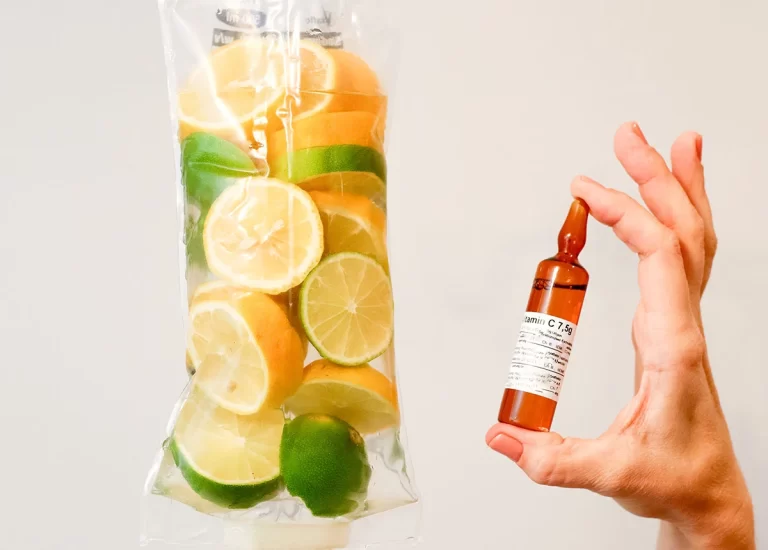
Vitamin infusion therapy, also known as IV vitamin therapy, has become increasingly popular in recent years as a way to boost overall health and achieve glowing skin. This type of therapy involves the administration of vitamins and minerals directly into the bloodstream through an IV drip. In this article, we will discuss everything you need to know about vitamin infusion therapy, its benefits, and its potential risks.

What is Vitamin Infusion Therapy?

Vitamin infusion therapy involves the intravenous administration of a solution containing vitamins and minerals, such as vitamin C, vitamin B12, magnesium, and calcium. The solution is delivered directly into the bloodstream, bypassing the digestive system, which can result in higher levels of nutrient absorption and faster results.

Benefits of Vitamin Infusion Therapy

One of the main benefits of IV vitamin therapy is improved overall health. This type of therapy can help boost the immune system, increase energy levels, and improve mental clarity. Additionally, IV vitamin therapy can also improve skin health by reducing inflammation, improving hydration, and increasing collagen production. Some people also report that IV vitamin therapy helps with anxiety and depression.

Vitamin Infusion Therapy for Glowing Skin

It can be particularly beneficial for achieving glowing skin. Vitamins and minerals such as vitamin C, vitamin E, and zinc are essential for skin health and can help reduce inflammation, promote collagen production, and protect against sun damage.

Vitamin C is a powerful antioxidant that can help reduce the appearance of fine lines and wrinkles, brighten the skin, and improve skin texture. Vitamin E is also an antioxidant that can help protect the skin from sun damage, reduce inflammation, and improve hydration. Zinc is important for wound healing and can help reduce inflammation and acne.

Unlocking the Benefits of Vitamin Infusion Therapy for Health and Radiant Skin

Potential Risks of Vitamin Infusion Therapy

While it is generally considered safe, there are some potential risks and side effects to be aware of. These include:

  1. Infection: There is a risk of infection any time a needle is inserted into the skin. To reduce the risk of infection, it is important to ensure that the IV infusion is administered in a sterile environment by a licensed healthcare professional.
  2. Allergic reaction: Some people may have an allergic reaction to the vitamins or minerals in the IV infusion. Symptoms of an allergic reaction can include itching, hives, and difficulty breathing. If you experience any of these symptoms, seek medical attention immediately.
  3. Overdose: It is possible to overdose on certain vitamins and minerals, which can lead to serious health complications. To avoid an overdose, it is important to receive IV vitamin therapy only from a licensed healthcare professional who can ensure that the proper dosage is administered.
  4. Blood clots: In rare cases, it can cause blood clots. This is more likely to occur in people with a history of blood clots or other blood disorders. If you experience any symptoms of a blood clot, such as pain or swelling in the legs, seek medical attention immediately.

Conclusion

IV vitamin therapy can be a safe and effective way to boost overall health and achieve glowing skin. However, it is important to receive this type of therapy only from a licensed healthcare professional who can ensure that the proper dosage is administered and that the IV infusion is administered in a sterile environment. If you are interested in vitamin infusion therapy, talk to your healthcare provider to determine if it is right for you. With the proper precautions, vitamin infusion therapy can be a valuable tool in achieving optimal health and radiant skin.

To know more about Skincare Devices and Beauty’s latest updates, please Like and Follow our Facebook and Instagram accounts…

Read also: From Fine Lines to Firm Skin: All About Radio-Frequency Skin Treatments