Home Blog Page 36

Keep Cool: 6 Beauty Products That Belong in the Refrigerator

0

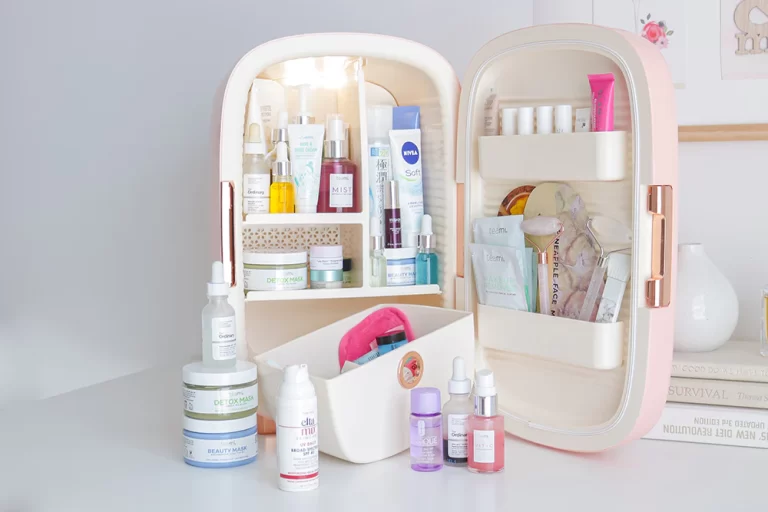
When it comes to our beauty products, we often keep them in our bathroom or on our vanity, but have you ever considered storing them in the refrigerator? Keeping certain beauty products chilled can not only prolong their shelf life, but it can also provide additional benefits for your skin and hair. Here are six beauty products that belong in the refrigerator:

  1. Eye Creams

Eye creams can be an expensive investment, so it’s important to make them last as long as possible. Storing your eye cream in the refrigerator can help prolong its shelf life and also provide additional benefits for the delicate skin around your eyes. The cool temperature can help reduce puffiness and inflammation, which is particularly helpful in the morning when you may wake up with tired-looking eyes. Applying a chilled eye cream can also help soothe and refresh the skin, making it feel more rejuvenated.

  1. Face Mists

Facial mists are a great way to refresh your skin throughout the day, especially during the hot summer months. Storing your facial mist in the refrigerator can not only help cool your skin, but it can also provide additional benefits. The cool mist can help soothe any redness or inflammation, and it can also help tighten and shrink pores. Plus, the chilled mist can provide a refreshing sensation on a hot day, leaving your skin feeling revitalized and hydrated.

  1. Sheet Masks

Sheet masks have become increasingly popular over the past few years, and for good reason. They provide a quick and easy way to pamper your skin and give it an extra boost of hydration and nutrients. But did you know that storing your sheet masks in the refrigerator can enhance their benefits? The cool temperature can help soothe and calm your skin, especially if you have any irritation or redness. Plus, the chilled mask can provide a refreshing sensation and help tighten and tone your skin.

  1. Nail Polish

If you’ve ever noticed your nail polish getting thick and clumpy, storing it in the refrigerator may be the solution. The cool temperature can help prevent the polish from drying out and becoming thick and difficult to apply. Plus, the chilled polish can feel soothing and refreshing when applied to your nails, making it a great way to pamper yourself during your at-home manicure.

Keep Cool: 6 Beauty Products That Belong in the Refrigerator

  1. Lip Balms

Lip balms are a must-have for keeping your lips soft and hydrated, especially during the dry winter months. Storing your lip balms in the refrigerator can help prolong their shelf life and also provide additional benefits. The cool temperature can help soothe any inflammation or irritation on your lips, and it can also provide a refreshing sensation when applied. Plus, if you’ve ever had a lip balm melt in your purse or car, storing it in the refrigerator can help prevent it from melting and becoming a sticky mess.

  1. Aloe Vera Gel

Aloe vera gel is a versatile beauty product that can be used for a variety of purposes, including soothing sunburns, moisturizing dry skin, and even as a hair mask. Storing your aloe vera gel in the refrigerator can enhance its benefits, particularly when used to soothe sunburned skin. The cool temperature can help reduce inflammation and provide a soothing sensation, making it a great way to calm and hydrate your skin after spending time in the sun.

In conclusion, storing certain beauty products in the refrigerator can provide additional benefits for your skin and hair, as well as help prolong their shelf life. Whether you’re looking to soothe tired-looking eyes, refresh your skin on a hot day, or prevent your nail polish from drying out, there are many beauty products that belong in the refrigerator. So the next time you’re looking to pamper yourself, consider reaching for one of these chilled beauty products and experience the refreshing benefits for yourself.

For more Skincare news and Beauty latest updates please Like and Follow our Facebook Page and Instagram account…
Nose Strips for Pores: The Good, the Bad, and the Ugly

Nose strips for blackheads and pores have become a popular skincare product in recent years. These strips claim to remove blackheads, unclog pores, and leave your skin looking smooth and clear. However, the question arises, are these strips really good for your skin or bad? Let’s explore the topic in detail.

What are nose strips?

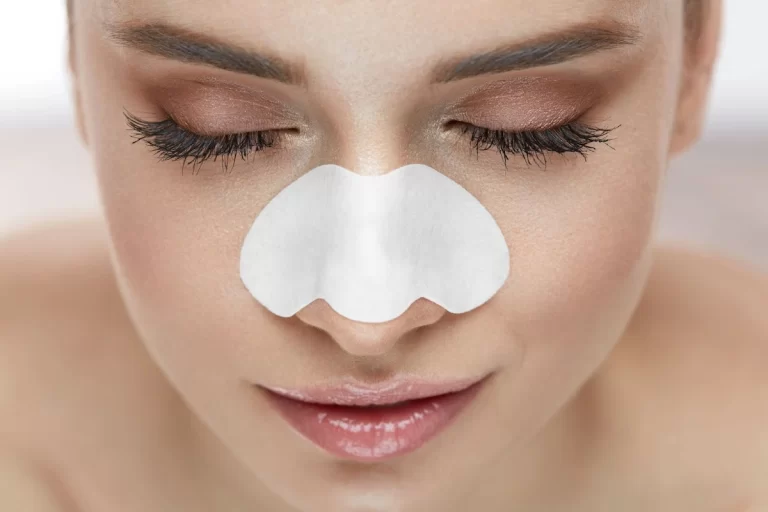
These strips are adhesive strips made of a special material that sticks to the skin on your nose. These strips contain an active ingredient, usually charcoal or clay, which is designed to pull out dirt and impurities from the pores on your nose. The strips are left on the nose for a specified period, after which they are removed, taking the blackheads and dirt with them.

Pros of nose strips

One of the main advantages of strips is that they are a quick and easy way to remove blackheads and unclog pores. They are also very affordable and widely available, making them accessible to everyone. It can also provide instant gratification as you can see the results immediately after use.

Moreover, it is relatively safe to use and do not require any special skills or expertise. They are an excellent option for people who do not have the time or resources to visit a professional for a more intensive treatment. Additionally, the strips can be used at home, making them a convenient and practical option.

Cons of nose strips

While nose strip has many benefits, they also have some potential drawbacks. For example, some people may experience skin irritation or redness after using nose strips, particularly if they have sensitive skin. The adhesive on the strip can cause irritation and damage to the skin’s surface, resulting in redness and inflammation.

Moreover, nose strip is  not a long-term solution for blackheads and clogged pores. While they may provide temporary relief, the problem will recur if the underlying cause is not addressed. Overuse of strips can also damage the skin’s natural barrier, leading to dryness, flakiness, and other skin problems.

Nose Strips for Pores: The Good, the Bad, and the Ugly

Lastly, some these strips may contain harmful ingredients that can do more harm than good. It is essential to read the ingredients list carefully and avoid strips with harsh chemicals and artificial fragrances.

Tips for using nose strips

If you decide to use nose strips, here are some tips to ensure that you use them safely and effectively:

  1. Do not overuse: Use nose strip sparingly, as excessive use can damage the skin’s natural barrier and cause irritation.
  2. Follow instructions carefully: Always follow the instructions provided with the strips carefully. Leaving the strip on for too long or not wetting the nose enough can result in skin damage.
  3. Avoid sensitive areas: Avoid using strips on sensitive areas of the face, such as the cheeks and chin, as the skin in these areas is thinner and more delicate.
  4. Moisturize after use: After using these strips, be sure to moisturize the skin to prevent dryness and flakiness.
  5. Check the ingredients: Always read the ingredients list carefully and avoid strips that contain harmful chemicals or artificial fragrances.

Conclusion

In conclusion, nose strips can be a useful tool for removing blackheads and unclogging pores. However, they should be used with caution and not overused to avoid damaging the skin’s natural barrier. It is also essential to choose nose strips carefully and avoid products with harmful chemicals and artificial fragrances. Ultimately, the best way to maintain healthy, clear skin is through a comprehensive skincare routine that includes gentle cleansing, exfoliation, and moisturization. If you have persistent blackheads or clogged pores, it is best to consult a skincare professional who can provide more personalized treatment options.

For more Skincare news and Beauty latest updates please Like and Follow our Facebook Page and Instagram account…

The Complete Guide to Hair Transplant Surgery

0

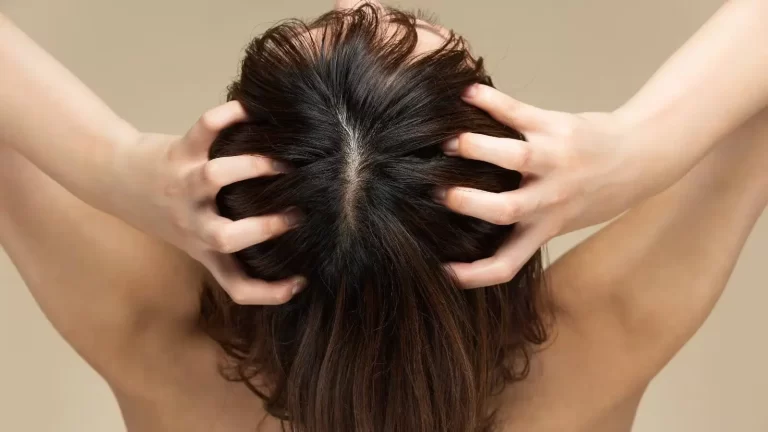
Hair transplant is a surgical procedure that involves transferring hair follicles from one area of the body (usually the back of the scalp) to another area where hair growth is sparse or absent. It is a popular solution for hair loss or balding and has been performed for over 60 years. In this article, we’ll cover everything you need to know about hair transplant, from the types of procedures to the recovery process and potential risks.

Types of Hair Transplant Procedures

There are two main types of hair transplant procedures: follicular unit transplantation (FUT) and follicular unit extraction (FUE). Both procedures involve the removal of hair follicles from the donor area (the area of the scalp with healthy hair growth) and their transplantation to the recipient area (the balding or thinning area).

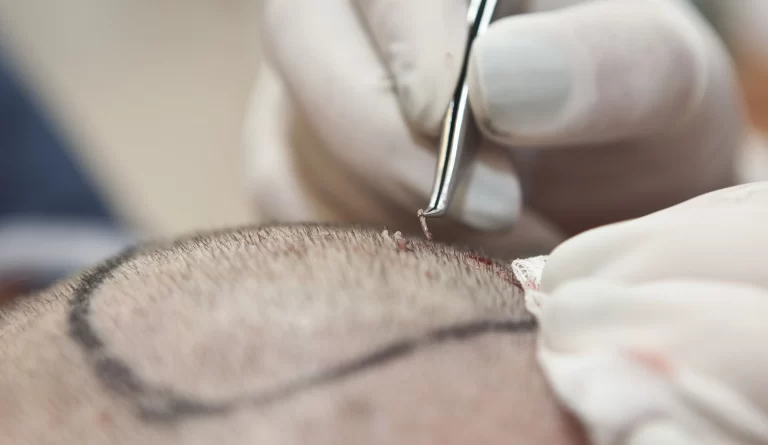
FUT involves removing a strip of skin with hair follicles from the donor area and dissecting it into individual follicular units for transplantation. This procedure leaves a linear scar in the donor area that can be concealed with longer hair. FUE, on the other hand, involves removing individual hair follicles directly from the scalp using a small, circular punch tool. This procedure results in tiny, circular scars that are less noticeable than the linear scar left by FUT.

Recovery Process

The recovery process after a hair transplant procedure varies depending on the type of procedure performed, the extent of the transplant, and the individual patient’s healing process. However, most patients can expect some level of discomfort, swelling, and redness in the transplanted area for a few days after the procedure.

In the case of FUT, patients may also experience pain and tightness in the donor area, where the skin has been removed. This discomfort can be managed with pain medication and by following post-operative care instructions provided by the surgeon.

Most patients can return to work within a week to ten days after the procedure, but strenuous exercise and heavy lifting should be avoided for at least a few weeks to allow the transplanted hair to settle in and heal properly.

Results and Maintenance

Hair transplant procedures can produce significant improvements in the appearance of the patient’s hairline and scalp. However, it’s important to note that the results of a hair transplant are not immediate. Patients can expect to see new hair growth in the transplanted area after about three to four months, with full results visible within a year after the procedure.

In order to maintain the results of a hair transplant, patients may need to take steps to prevent further hair loss. This can include using topical treatments like minoxidil or taking prescription medications like finasteride. Lifestyle changes like eating a healthy diet, reducing stress, and avoiding harsh hair treatments can also help to maintain the health of the patient’s hair.

The Complete Guide to Hair Transplant Surgery

Risks and Potential Complications

Like any surgical procedure, hair transplant carries some risks and potential complications. These can include bleeding, infection, scarring, and poor hair growth in the transplanted area.

To minimize these risks, patients should choose a qualified and experienced surgeon and carefully follow all pre-operative and post-operative instructions. Patients should also disclose any medical conditions, medications, or allergies they have to the surgeon prior to the procedure.

Cost of Hair Transplant

The cost of a hair transplant can vary widely depending on the extent of the procedure, the type of procedure performed, and the location of the clinic. In general, FUT is typically less expensive than FUE, and the cost can range from a few thousand dollars to tens of thousands of dollars.

In some cases, insurance may cover the cost of a hair transplant if it is deemed medically necessary due to a medical condition like alopecia areata. However, most insurance companies consider hair transplant to be a cosmetic procedure and do not provide coverage.

For more Skincare news and Beauty latest updates please Like and Follow our Facebook Page and Instagram account…
Say Goodbye to Back Pain: 5 Expert Tips from a Physiotherapist

0

Back pain is one of the most common health issues that affect millions of people worldwide. Whether you have a sedentary lifestyle or an active one, back pain can strike anyone, anytime. It can be debilitating, leading to missed workdays, decreased productivity, and reduced quality of life. However, there are ways to prevent back pain from occurring. In this article, we will share 5 tips from a physiotherapist to prevent back pain.

  1. Maintain a Good Posture

Maintaining a good posture is essential for preventing back pain. A good posture keeps your spine aligned, reduces stress on your back muscles, and prevents your spine from getting twisted or bent in awkward positions. Whether you are sitting, standing, or lying down, always keep your spine in a neutral position. When you are sitting, make sure your feet are flat on the ground, and your hips and knees are at a 90-degree angle. Your shoulders should be relaxed and in line with your ears. When you are standing, keep your feet shoulder-width apart, and distribute your weight evenly on both feet. Your shoulders should be relaxed and pulled back, and your chin should be tucked in.

  1. Exercise Regularly

Regular exercise is one of the best ways to prevent back pain. Exercise helps strengthen your back muscles, improves flexibility, and increases blood flow to your spine. It also helps you maintain a healthy weight, which reduces the stress on your back. However, not all exercises are good for your back. Avoid high-impact activities that can strain your back muscles, such as running or jumping. Instead, focus on low-impact exercises that are gentle on your back, such as walking, swimming, or yoga. A physiotherapist can recommend specific exercises tailored to your needs and help you develop a fitness plan that suits your lifestyle.

  1. Lift Properly

Lifting heavy objects improperly is a common cause of back pain. When you lift something heavy, always use proper lifting techniques to avoid straining your back muscles. First, stand close to the object you want to lift, with your feet shoulder-width apart. Squat down, bending at the knees, and keeping your back straight. Keep your head up and look forward. Grasp the object firmly with both hands, and lift it by straightening your legs, not your back. Hold the object close to your body, and avoid twisting or turning while lifting. If the object is too heavy to lift on your own, ask for help.

Say Goodbye to Back Pain: 5 Expert Tips from a Physiotherapist

  1. Take Breaks from Sitting

Sitting for prolonged periods can lead to back pain, especially if you have a desk job. When you sit for a long time, your back muscles can become stiff and strained. To prevent this, take frequent breaks from sitting. Stand up and stretch every 30 minutes or so. Take a short walk around the office or do some light stretching exercises to loosen up your muscles. If possible, use a standing desk or an ergonomic chair that supports your back and promotes good posture.

  1. Get Enough Sleep

Getting enough sleep is crucial for maintaining a healthy back. During sleep, your back muscles and joints have a chance to rest and recover. Lack of sleep can lead to muscle tension and stiffness, making you more susceptible to back pain. Aim for 7-8 hours of sleep every night, and try to maintain a regular sleep schedule. Avoid using electronic devices before bedtime, as the blue light can interfere with your sleep. If you have trouble sleeping, talk to your doctor or a physiotherapist for advice.

For more Skincare news and Beauty latest updates please Like and Follow our Facebook Page and Instagram account…

Revitalize Your Skin with Thread Lifts: Benefits and Results

Thread lifts are a minimally invasive cosmetic procedure that has gained popularity in recent years. The procedure involves inserting small threads into the skin to lift and tighten sagging skin. Thread lifts are a non-surgical alternative to traditional facelifts and can provide a number of benefits to those who choose to undergo the procedure.

One of the primary benefits of thread lift is their minimally invasive nature. Traditional facelifts require incisions and general anesthesia, which can result in extended downtime and recovery. In contrast, thread lifts can be performed with local anesthesia, and patients can usually resume their normal activities within a day or two. This makes thread lifts an attractive option for individuals who want to improve their appearance but cannot afford the extended downtime associated with a traditional facelift.

Another benefit of thread lift is that they are customizable. Thread lift can be tailored to meet the unique needs of each patient, whether they want to target sagging skin in the jowls, neck, or cheeks. The threads used in the procedure can also be adjusted to provide the desired amount of lift, ensuring that patients achieve the results they want.

Thread lifts are also a cost-effective alternative to traditional facelifts. The procedure is less expensive than a traditional facelift, and the results can last up to two years. This makes thread lifts an ideal option for individuals who want to improve their appearance without breaking the bank.

Revitalize Your Skin with Thread Lifts: Benefits and Results

One of the most significant benefits of thread lift is that they stimulate collagen production in the skin. Collagen is a protein that gives skin its structure and elasticity. As we age, our bodies produce less collagen, which can result in sagging skin and wrinkles. Thread lifts work by inserting small threads into the skin, which stimulates collagen production. Over time, this can improve the overall quality and appearance of the skin.

Thread lifts are also a low-risk procedure. While all cosmetic procedures carry some risk, thread lifts have a relatively low risk of complications. The most common side effects of thread lift include swelling, bruising, and redness at the injection site. These side effects are typically mild and resolve within a few days. More severe complications, such as infection or nerve damage, are rare.

Finally, thread lifts can provide long-lasting results. While the procedure is not permanent, the results can last up to two years. This makes thread lifts an attractive option for individuals who want to improve their appearance but do not want to undergo frequent cosmetic procedures.

While thread lift offers a number of benefits, it is essential to choose a qualified and experienced cosmetic surgeon to perform the procedure. Like all cosmetic procedures, thread lift carry some risk, and it is important to choose a surgeon who has the necessary training and expertise to perform the procedure safely and effectively.

In conclusion, thread lifts are a minimally invasive cosmetic procedure that offers a number of benefits to individuals who want to improve their appearance. The procedure is customizable, cost-effective, and stimulates collagen production in the skin. They are also a low-risk procedure that provides long-lasting results. However, it is important to choose a qualified and experienced cosmetic surgeon to perform the procedure to ensure the best possible results.

For more Skincare news and Beauty latest updates please Like and Follow our Facebook Page and Instagram account…

Say Goodbye to Oily Skin: 10 Must-Do Skincare Habits

0

Having oily skin can be a real hassle. It can make you feel self-conscious, cause breakouts and make your makeup slide off your face. But don’t worry, there are things you can do to help manage your oily skin and keep it looking fresh and healthy. Here are some tips to help you take care of your oily skin.

  1. Wash your face regularly

Washing your face regularly is important if you have oily skin. This will help to remove excess oil and dirt from your skin. Use a gentle cleanser and avoid harsh scrubs as they can irritate your skin and make your oily skin worse. Wash your face twice a day, once in the morning and once before bed.

  1. Use a toner

Using a toner can help to remove any excess oil and dirt that your cleanser may have missed. Look for a toner that contains salicylic acid or alpha-hydroxy acids as they can help to unclog pores and reduce oiliness. Apply the toner after cleansing and before moisturizing.

  1. Moisturize

Even if you have oily skin, it’s important to moisturize. Using a moisturizer will help to keep your skin hydrated and prevent it from producing more oil. Look for a lightweight, oil-free moisturizer that won’t clog your pores. Apply the moisturizer after cleansing and toning.

  1. Use oil-absorbing products

There are a variety of oil-absorbing products on the market that can help to keep your skin looking matte. Look for products that contain ingredients like clay or charcoal as they can help to absorb excess oil. You can use these products as a primer under your makeup or throughout the day to touch up any oily areas.

  1. Avoid touching your face

Touching your face can transfer dirt and bacteria to your skin, which can cause breakouts. Try to avoid touching your face throughout the day, especially if your hands are dirty or greasy.

  1. Use blotting papers

Blotting papers are a quick and easy way to absorb excess oil throughout the day. Simply blot the paper on any oily areas of your skin to remove the excess oil. You can carry blotting papers with you in your purse or backpack for easy touch-ups throughout the day.

  1. Choose the right makeup

Choosing the right makeup is important if you have oily skin. Look for products that are oil-free and non-comedogenic, which means they won’t clog your pores. Avoid heavy, creamy products as they can make your oily skin worse. Look for lightweight, mattifying products that will help to control oil and keep your skin looking fresh.

Say Goodbye to Oily Skin: 10 Must-Do Skincare Habits

  1. Exfoliate regularly

Exfoliating can help to remove dead skin cells and unclog pores, which can help to reduce oiliness. However, it’s important to use a gentle exfoliator and not overdo it as this can irritate your skin and make your oily skin worse. Aim to exfoliate once or twice a week.

  1. Use a clay mask

Using a clay mask once a week can help to absorb excess oil and unclog pores. Look for a clay mask that contains ingredients like kaolin or bentonite clay as they can help to absorb oil and impurities. Apply the mask to your face and leave it on for 10-15 minutes before rinsing off.

  1. Eat a healthy diet

Eating a healthy diet can help to improve the health of your skin. Avoid foods that are high in sugar and fat as these can contribute to oily skin and breakouts. Instead, focus on eating a diet rich in fruits, vegetables, lean protein, and whole grains.

For more Skincare news and Beauty latest updates please Like and Follow our Facebook Page and Instagram account…

Say Goodbye to Skin Discoloration with Body Peels

0

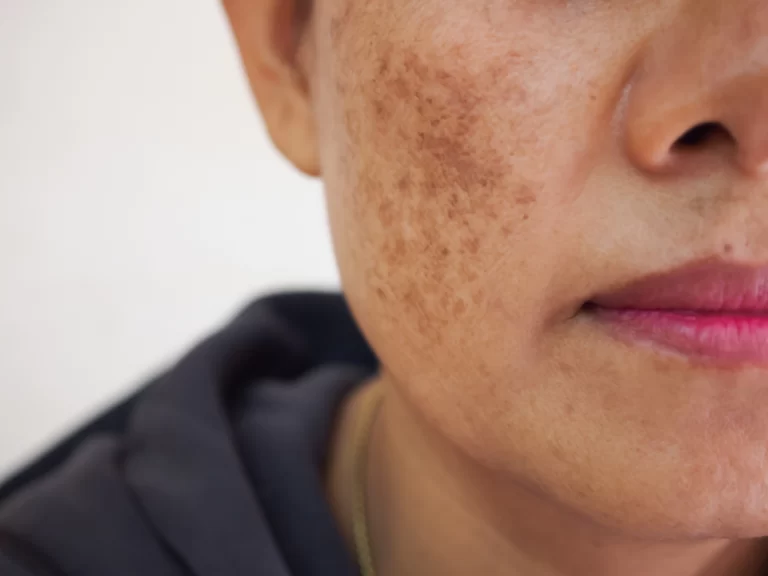
Skin discoloration is a common skin condition that affects people of all ages and skin types. It can be caused by a variety of factors, including sun damage, aging, hormonal changes, and certain medical conditions. While there are many treatments available for skin discoloration, one treatment that has gained popularity in recent years is body peels.

Body peels are a type of exfoliating treatment that removes the outer layer of dead skin cells, revealing smoother, brighter, and more even-toned skin. Body peels can be performed on various parts of the body, including the face, neck, chest, arms, legs, and back. They are typically done in a spa or clinic by a trained esthetician or dermatologist.

There are several types of body peels available, each with its own unique benefits and ingredients. Some popular types of body peels include chemical peels, fruit enzyme peels, and microdermabrasion.

Chemical peels are a type of body peel that uses a chemical solution to remove the outer layer of skin. They can be done in various strengths, from mild to deep, depending on the severity of the skin discoloration. Chemical peels can be effective for treating a wide range of skin conditions, including hyperpigmentation, melasma, and sun damage.

Fruit enzyme peels are a gentler alternative to chemical peels. They use natural enzymes found in fruits such as papaya, pineapple, and pumpkin to exfoliate the skin. Fruit enzyme peels are ideal for people with sensitive skin or those who prefer a more natural approach to skin care.

Microdermabrasion is a non-invasive form of exfoliation that uses a special tool to gently remove the outer layer of skin. It is a popular choice for people who want to improve the appearance of fine lines, wrinkles, and sun damage. Microdermabrasion can also be effective for treating mild cases of skin discoloration.

Regardless of the type of body peel you choose, the benefits of this treatment are numerous. Body peels can improve the texture and tone of your skin, reduce the appearance of fine lines and wrinkles, and help to fade skin discoloration.

One of the biggest advantages of body peels is that they are a non-invasive treatment option. Unlike more aggressive treatments like laser resurfacing or surgery, body peels do not require any downtime or recovery period. You can return to your normal activities immediately after the treatment.

Say Goodbye to Skin Discoloration with Body Peels

Body peels are also a safe and effective treatment option when performed by a trained professional. While there is always a risk of side effects with any skin care treatment, the risks associated with body peels are minimal. Most people experience some redness and mild irritation after the treatment, but these side effects usually subside within a few hours.

Before you undergo a body peel treatment, it is important to discuss your medical history and any skin care concerns with your esthetician or dermatologist. They can help you choose the right type of peel for your skin type and customize the treatment to address your specific concerns.

In addition to undergoing body peel treatments, there are several things you can do to prevent skin discoloration and maintain healthy, glowing skin. One of the most important things you can do is protect your skin from the sun. This means wearing sunscreen every day, avoiding prolonged sun exposure, and wearing protective clothing when you are outside.

You can also maintain healthy skin by eating a balanced diet rich in vitamins and antioxidants, staying hydrated, and avoiding smoking and excessive alcohol consumption. Getting plenty of rest and managing stress can also have a positive impact on your skin health.

For more Skincare news and Beauty latest updates please Like and Follow our Facebook Page and Instagram account…
Unlock the Benefits of Coconut Oil for Healthy Hair

0

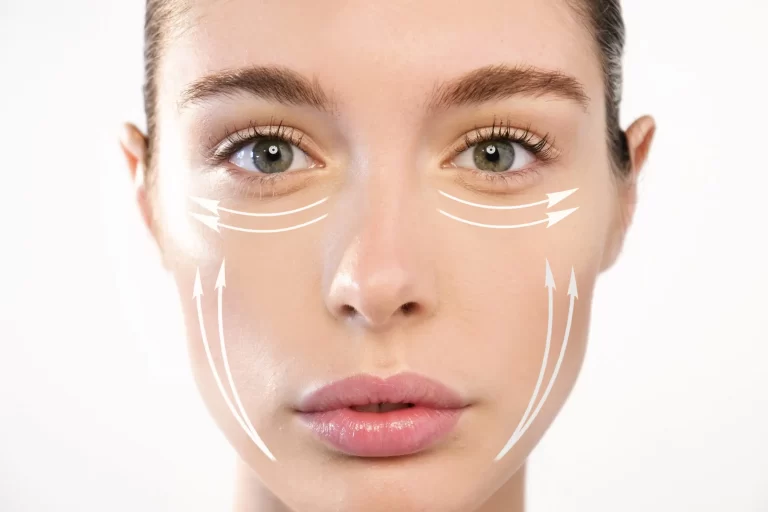
Coconut oil has been a staple in many households for centuries, and for good reason. Not only is it versatile in cooking, but it also has many benefits for your hair. In this article, we’ll dive into the nourishing benefits, uses, and tips for using coconut oil for your healthy hair.

Firstly, coconut oil is rich in medium-chain fatty acids that can penetrate the hair shaft and provide deep hydration. This is because these fatty acids are able to bind to the hair protein, preventing protein loss and damage. Additionally, coconut oil has a high concentration of lauric acid, which has antimicrobial properties that can help prevent scalp infections and promote healthy hair growth.

One of the main benefits of using coconut oil for your hair is its ability to moisturize and nourish dry, brittle hair. This is especially important for those with curly or coarse hair, as these hair types tend to be more prone to dryness and breakage. To use coconut oil as a hair moisturizer, simply apply a small amount to your hair and scalp, massage it in, and leave it on for at least 30 minutes before washing it out.

Coconut oil can also be used as a pre-shampoo treatment to help prevent damage from harsh shampoos and styling products. To use it as a pre-shampoo treatment, apply a generous amount to your hair and scalp, focusing on the ends. Leave it on for at least an hour (or overnight for maximum benefits), and then wash it out with a gentle shampoo.

Unlock the Benefits of Coconut Oil for Healthy Hair

Another benefit of using coconut oil for your hair is that it can help prevent and treat dandruff. Dandruff is often caused by a buildup of dead skin cells and bacteria on the scalp, which can lead to itchiness, flakiness, and irritation. Coconut oil’s antimicrobial properties can help reduce the buildup of bacteria on the scalp, while its moisturizing properties can help soothe and hydrate the skin. To use coconut oil for dandruff, massage a small amount onto your scalp and leave it on for at least 30 minutes before washing it out with a gentle shampoo.

Coconut oil can also be used as a detangler and frizz reducer. This is especially helpful for those with curly or wavy hair, as these hair types tend to be more prone to tangles and frizz. To use coconut oil as a detangler, apply a small amount to your hair and comb through it with a wide-toothed comb. This will help distribute the oil evenly and loosen any tangles. To use it as a frizz reducer, apply a small amount to the ends of your hair and scrunch it in. This will help tame any flyaways and add shine to your hair.

When it comes to using coconut oil for your hair, there are a few tips to keep in mind. Firstly, make sure to use high-quality, cold-pressed coconut oil, as this will contain the most beneficial nutrients and fatty acids. Additionally, be sure to apply the oil evenly throughout your hair, focusing on the ends and avoiding the roots if you have fine or oily hair. Finally, make sure to rinse out the oil thoroughly with warm water and a gentle shampoo, as leaving it on for too long can lead to buildup and greasiness.

In conclusion, coconut oil is a versatile and nourishing ingredient that can benefit your healthy hair in many ways. Whether you’re looking to moisturize and nourish dry hair, prevent and treat dandruff, or reduce frizz and tangles, coconut oil can help. Just be sure to use high-quality, cold-pressed coconut oil and apply it evenly throughout your hair for maximum benefits. With these tips and tricks, you can enjoy healthy, beautiful hair with the help of this natural wonder.

For more Skincare news and Beauty latest updates please Like and Follow our Facebook Page and Instagram account…

Gemstones in Beauty Products: The Secret to Radiant Skin

0

Natural gemstones have long been used for their spiritual and healing properties, and now they are becoming a star ingredient in the beauty industry. From facial tools to skincare products, gemstones are being incorporated into beauty products for their unique properties and benefits.

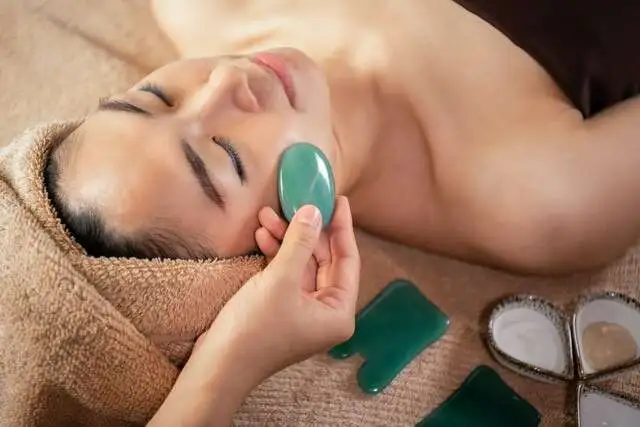
One of the most popular gemstones used in beauty tools is jade. Jade rollers are a common tool used in facial massage and are believed to help boost circulation, reduce puffiness, and improve skin tone. Jade is also said to have calming properties and can help relieve tension and stress in the face and neck.

Another gemstone that has gained popularity in recent years is rose quartz. Rose quartz is known as the stone of love and is believed to have a calming effect on the mind and body. When used in facial massage tools, it can help to reduce inflammation, increase circulation, and promote lymphatic drainage. The coolness of the rose quartz can also help to reduce puffiness and dark circles around the eyes.

Amethyst is another gemstone that is commonly used in facial tools such as gua sha tools and facial rollers. Amethyst is believed to have a soothing and calming effect on the mind and body, making it an excellent choice for facial massage. It is also said to help promote cell regeneration and reduce inflammation, making it a great choice for those with acne-prone or sensitive skin.

Tourmaline is a gemstone that has gained popularity in recent years due to its ability to generate negative ions. Negative ions are believed to help neutralize the positive ions that are produced by electronic devices, such as smartphones and computers, which can contribute to skin damage and inflammation. Tourmaline is believed to help reduce the effects of these harmful ions, leading to healthier and more radiant skin.

Gemstones in Beauty Products: The Secret to Radiant Skin

Sapphire is a gemstone that is commonly used in skincare products due to its high concentration of minerals like magnesium, iron, and copper. These minerals are believed to help nourish the skin and improve its overall health. Sapphire is also said to help boost collagen production, which can help to maintain firm and youthful-looking skin.

Amber is another gemstone that is commonly used in skincare products due to its high concentration of antioxidants. Antioxidants are essential for protecting the skin from free radical damage, which can contribute to premature aging and skin cancer. Amber is also believed to have anti-inflammatory properties, making it an excellent choice for calming irritated skin and reducing redness.

In addition to their physical benefits, gemstones also have a positive effect on the mind and spirit. Many gemstones are associated with different emotions and energies, and incorporating them into your beauty routine can help to promote a sense of calm and well-being. For example, rose quartz is associated with love and compassion, while amethyst is associated with peace and tranquility.

Overall, natural gemstones are a star ingredient in beauty products due to their unique properties and benefits. From promoting lymphatic drainage and reducing inflammation to boosting collagen production and promoting a sense of well-being, gemstones offer a wide range of benefits for the skin and mind. If you are interested in incorporating gemstones into your beauty routine, consider trying a facial roller or gua sha tool, or look for skincare products that contain gemstone extracts.

For more Skincare news and Beauty latest updates please Like and Follow our Facebook Page and Instagram account…
Get Rid of Razor Bumps with These 6 Easy Remedies

0

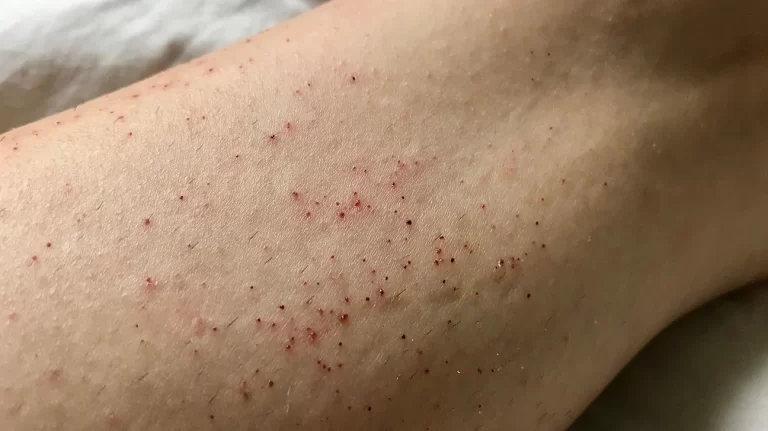
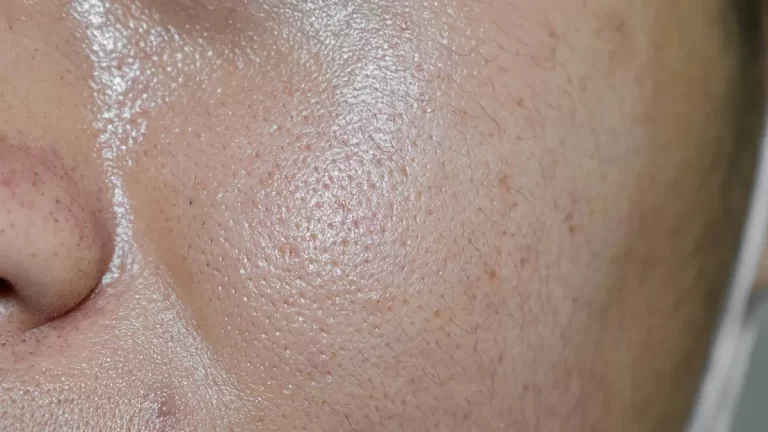
Razor bumps, also known as ingrown hairs, are a common problem for people who shave regularly. These bumps can be unsightly, itchy, and even painful. Fortunately, there are several ways to treat razor bumps quickly and effectively.

1. Exfoliate Regularly

Exfoliation is the process of removing dead skin cells from the surface of your skin. This is important because dead skin cells can clog your pores and lead to ingrown hairs. By exfoliating regularly, you can help prevent razor bumps from forming in the first place.

There are several ways to exfoliate your skin. One of the most effective methods is to use a physical exfoliant, such as a scrub or brush. You can also use a chemical exfoliant, such as salicylic acid or glycolic acid. These products dissolve dead skin cells and unclog pores.

It’s important to be gentle when exfoliating your skin, as aggressive scrubbing can actually make razor bumps worse. Use a gentle circular motion, and don’t apply too much pressure.

2. Apply Aloe Vera

Aloe vera is a natural anti-inflammatory that can help soothe razor bumps and reduce redness and inflammation. Simply apply a small amount of aloe vera gel to the affected area, and let it sit for 10-15 minutes before rinsing off with cool water.

You can also use aloe vera as a preventative measure by applying it to your skin before shaving. This will help to moisturize your skin and reduce the likelihood of razor bumps forming.

3. Use Tea Tree Oil

Tea tree oil is a natural antiseptic that can help prevent infection and reduce inflammation. To use tea tree oil for razor bumps, mix a few drops with a carrier oil, such as coconut oil or olive oil, and apply to the affected area. Let it sit for 10-15 minutes before rinsing off with cool water.

It’s important to dilute tea tree oil before applying it to your skin, as it can be quite strong and may cause irritation if used in its pure form.

Get Rid of Razor Bumps with These 6 Easy Remedies

4. Apply Witch Hazel

Witch hazel is a natural astringent that can help reduce inflammation and soothe irritated skin. To use witch hazel for razor bumps, simply apply a small amount to the affected area with a cotton ball or pad. Let it sit for a few minutes before rinsing off with cool water.

Witch hazel can be drying, so it’s important to follow up with a moisturizer after using it.

5. Avoid Tight Clothing

Tight clothing can rub against your skin and irritate razor bumps, making them worse. To avoid this, wear loose-fitting clothing that won’t rub against your skin. This is especially important in the first few days after shaving, when your skin is most vulnerable.

6. Don’t Pick At Razor Bumps

Picking at razor bumps can cause them to become infected and lead to scarring. It’s important to resist the urge to pick at them, even if they’re itchy or unsightly.

If you must touch the affected area, use a clean cotton ball or pad to apply any treatments, and avoid rubbing or scratching the area.

In conclusion, it can be a frustrating and uncomfortable problem, but there are several ways to treat them quickly and effectively. By exfoliating regularly, using natural remedies such as aloe vera and tea tree oil, and avoiding tight clothing and picking at the bumps, you can help prevent and reduce razor bumps. If your razor bumps are severe or don’t improve with at-home treatments, be sure to consult with a dermatologist for further treatment options.

For more Skincare news and Beauty latest updates please Like and Follow our Facebook Page and Instagram account…