


Overview
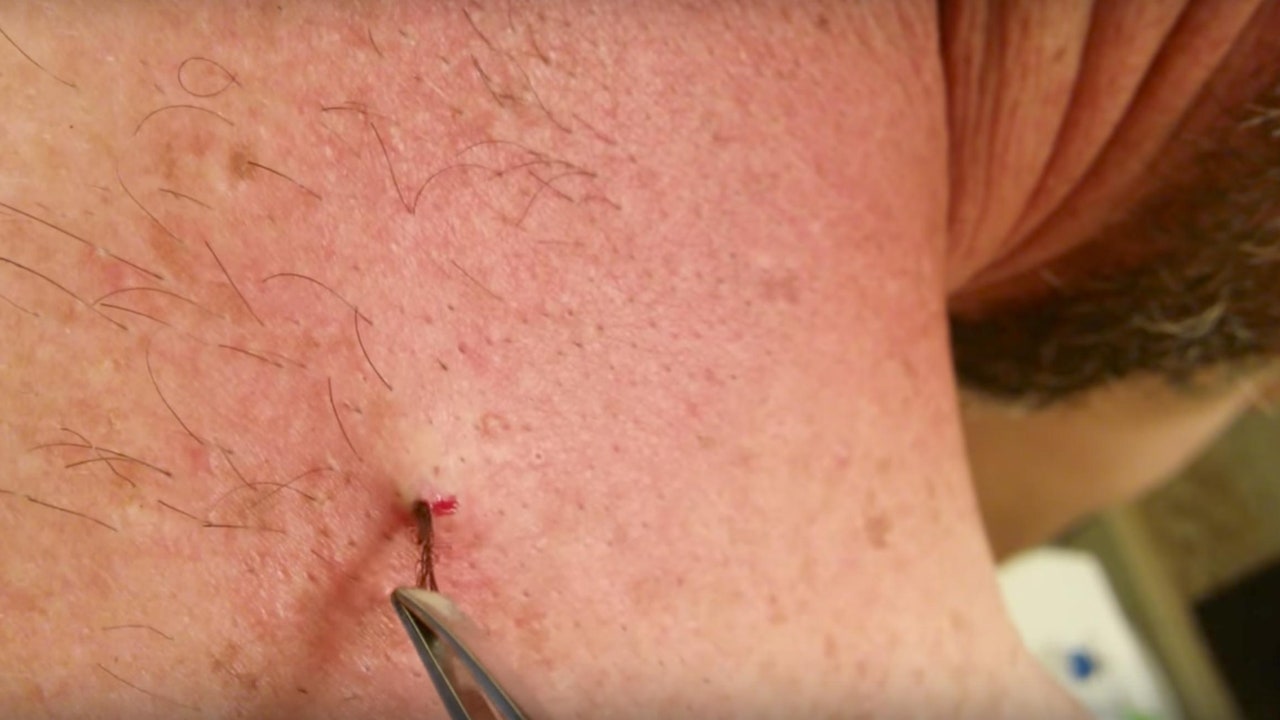
Ingrown hairs occur when a shaved or tweezed hair grows back into the skin. It can cause inflammation, pain and tiny bumps in the area where the hair was removed.
Ingrown hair is a common condition that results from hair removal. It’s most prevalent in black men who shave facial hair. But ingrown hair can affect anyone who removes hair by shaving, tweezing or waxing.
Symptoms of Ingrown Hairs
Ingrown hairs most commonly appear in the beard area, including the chin and cheeks and, especially, the neck. They can appear on the scalp in those who shave their heads. Other common areas for ingrown hairs are the armpits, pubic area and legs.
Signs and symptoms include:
- Small, solid, rounded bumps (papules)
- Small, pus-filled, blister-like lesions (pustules)
- Skin darkening (hyper-pigmentation)
- Pain
- Itching
- Embedded hairs
When to see a doctor
An occasional ingrown hair isn’t cause for alarm. See your doctor if your ingrown hairs are a chronic condition.
Causes
Hair structure and direction of growth play a role in ingrown hairs. A curved hair follicle, which produces tightly curled hair, is believed to encourage the hair to re-enter the skin once the hair is cut and starts to grow back. Shaving creates sharp edges in this type of hair, especially if the hair is dry when shaved.
You might also get an ingrown hair if you:
- Pull your skin taut during shaving — which allows the cut hair to draw back into the skin and re-enter the skin without first growing out
- Tweeze — which also can leave a hair fragment under the skin surface
When a hair penetrates your skin, your skin reacts as it would to a foreign body — it becomes inflamed.
Risk factors
Having tightly curled hair is the main risk factor for ingrown hairs.
Read Complete Article at Ingrown Hair
Also Read: Hair Dryers for Hair of All types