Home Blog Page 47

Pearl Fractional Laser Treatment: The Key to Radiant, Youthful Skin

Pearl fractional laser treatment is a type of laser skin resurfacing procedure that uses laser beams to target small areas of damaged skin. The procedure is designed to stimulate the production of collagen in the skin, which helps to tighten and smooth out wrinkles, fine lines, and other signs of aging.

The Pearl fractional laser is a popular treatment option for people looking to improve the appearance of their skin without undergoing invasive surgery. In this article, we’ll discuss everything you need to know about Pearl fractional laser treatment, including how it works, what to expect during the procedure, and the benefits and risks associated with this type of treatment.

How Does Pearl Fractional Laser Treatment Work?

Pearl fractional laser treatment works by targeting small areas of the skin with laser beams. The laser energy penetrates the skin’s surface, creating tiny microthermal zones that trigger the body’s natural healing response. As a result, new collagen is produced, which helps to tighten and smooth out the skin.

The procedure can be used to treat a variety of skin conditions, including:

  • Fine lines and wrinkles
  • Sun damage
  • Age spots
  • Acne scars
  • Uneven skin texture and tone

The Pearl fractional laser is also effective at treating stretch marks and improving the overall appearance of the skin.

What to Expect During the Procedure

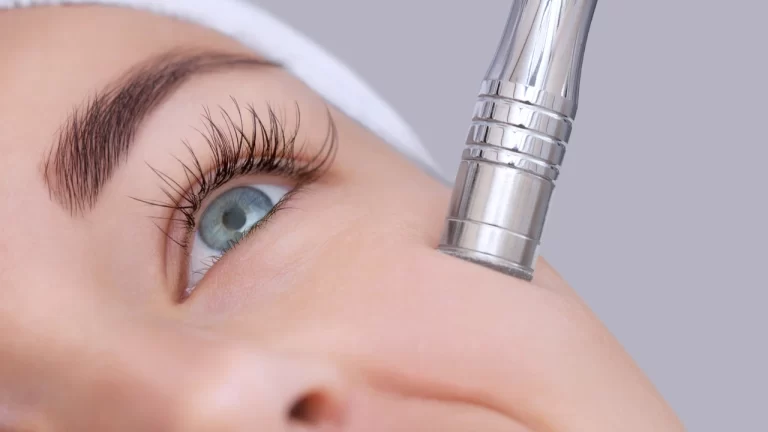
Before the procedure, you will be given a local anesthetic to numb the treatment area. Once the anesthetic has taken effect, the doctor will use the Pearl fractional laser to target the areas of the skin that need to be treated. The laser emits short pulses of light that penetrate the skin, creating tiny columns of heat. These columns of heat stimulate the body’s natural healing process, which leads to the production of new collagen.

The procedure typically takes between 30 minutes to an hour to complete, depending on the size of the treatment area. After the procedure, you may experience some redness and swelling, but these side effects usually subside within a few days.

Pearl Fractional Laser Treatment: The Key to Radiant, Youthful Skin

Benefits of Pearl Fractional Laser Treatment

There are several benefits associated with Pearl fractional laser treatment, including:

  • Improved skin texture and tone: The procedure stimulates the production of collagen, which helps to smooth out fine lines and wrinkles, as well as improve the overall texture and tone of the skin.
  • Minimal downtime: Unlike more invasive procedures like surgery, Pearl fractional laser treatment typically requires minimal downtime. Most patients are able to return to their normal activities within a few days of the procedure.
  • Quick results: Many patients see improvements in their skin’s appearance immediately after the procedure, with further improvements occurring over the following weeks and months.
  • Long-lasting results: The results of Pearl fractional laser treatment can last for several years, making it a cost-effective treatment option.

Risks and Side Effects

While Pearl fractional laser treatment is generally safe, there are some risks and side effects associated with the procedure. These include:

  • Redness and swelling: It’s common to experience redness and swelling after the procedure. These side effects typically subside within a few days.
  • Peeling and flaking: As the skin heals, it may peel and flake. This is a normal part of the healing process and should subside within a few days.
  • Infection: In rare cases, the treatment area may become infected. It’s important to keep the area clean and follow the doctor’s instructions to reduce the risk of infection.
  • Changes in skin color: In some cases, the treatment may cause changes in skin color. These changes are usually temporary and will fade over time.

It’s important to discuss the risks and side effects associated with Pearl fractional laser treatment with your doctor before undergoing the procedure.

To know more about Skincare Devices and Beauty’s latest updates, please Like and Follow our Facebook and Instagram accounts…

Read also: Skin Tags 101: Causes, Diagnosis, and Safe Removal Methods
What to Know About the Hydralips Perk Lip Treatment

0

If you’re looking for a way to give your lips a quick and easy boost of hydration, the Hydralips Perk Lip Treatment might just be the solution you’ve been searching for. This innovative treatment is designed to exfoliate, hydrate, and nourish the lips, leaving them looking and feeling plump, soft, and rejuvenated. But what exactly is the Hydralips Perk Lip Treatment, and how does it work? In this article, we’ll explore everything you need to know about this unique lip treatment.

What Is the Hydralips Perk Lip Treatment?

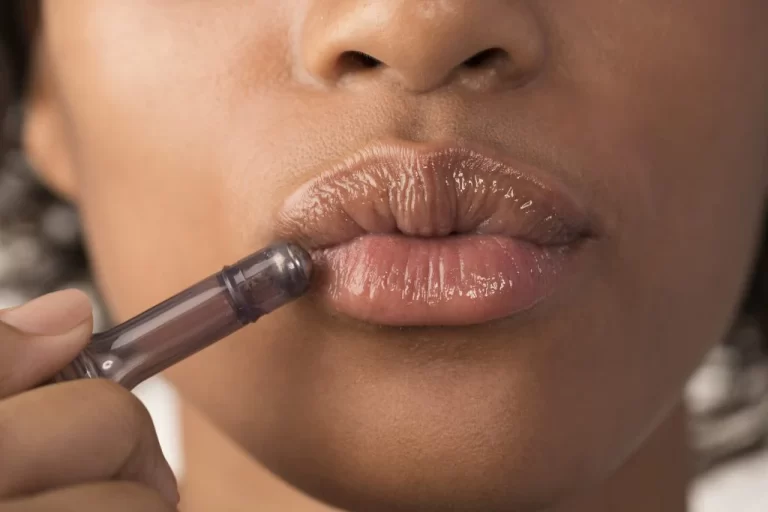
The Hydralips Perk Lip Treatment is a non-invasive lip treatment that uses a patented roller-flex technology to gently exfoliate and hydrate the lips. The treatment is performed in a spa or clinic by a licensed skincare professional, and typically takes less than 30 minutes to complete.

What to Know About the Hydralips Perk Lip Treatment

During the treatment, the professional will use a handheld device to exfoliate the lips using a special serum that contains a blend of lactic acid and papain enzymes. This helps to remove dead skin cells and impurities from the surface of the lips, revealing smoother, softer skin underneath.

Next, the same handheld device will be used to deliver a hydrating serum to the lips. This serum contains a blend of nourishing ingredients, including hyaluronic acid, which helps to plump and hydrate the lips, leaving them looking fuller and more youthful.

Finally, the professional will apply a tinted balm to the lips to provide a subtle pop of color and further enhance their appearance. The balm contains a blend of moisturizing ingredients, including shea butter and beeswax, which help to lock in moisture and keep the lips soft and supple.

How Does the Hydralips Perk Lip Treatment Work?

The Hydralips Perk Lip Treatment works by combining the exfoliating power of lactic acid and papain enzymes with the hydrating benefits of hyaluronic acid and other nourishing ingredients. Here’s a closer look at how each of these ingredients works to improve the appearance and feel of the lips:

Lactic acid: Lactic acid is an alpha-hydroxy acid that is known for its exfoliating properties. It works by breaking down the bonds that hold dead skin cells together, allowing them to be easily removed from the surface of the skin. This helps to reveal smoother, softer, and more youthful-looking skin underneath.

Papain enzymes: Papain enzymes are derived from papayas and are known for their exfoliating and brightening properties. They work by breaking down dead skin cells and impurities, leaving the skin looking brighter and more even-toned.

Hyaluronic acid: Hyaluronic acid is a powerful humectant that is able to hold up to 1,000 times its weight in water. When applied to the lips, it helps to attract and retain moisture, leaving them looking plump, hydrated, and youthful.

Shea butter: Shea butter is a natural emollient that is rich in fatty acids and vitamins. When applied to the lips, it helps to lock in moisture and prevent dryness, leaving them feeling soft and supple.

Beeswax: Beeswax is a natural wax that is derived from honeybees. When applied to the lips, it helps to lock in moisture and create a protective barrier, preventing moisture loss and keeping the lips hydrated.

What Are the Benefits of the Hydralips Perk Lip Treatment?

The Hydralips Perk Lip Treatment offers a number of benefits for those looking to improve the appearance and feel of their lips. Here are just a few of the key benefits:

  1. Exfoliation: The exfoliating power of lactic acid and papain enzymes helps to remove dead skin cells and impurities from the surface of the lips, leaving them looking smoother and more even-toned.
  1. Hydration: The hydrating power of hyaluronic acid and other nourishing ingredients helps to attract and retain moisture in the lips, leaving them looking plumper and more hydrated.
  2. Softness: The moisturizing power of shea butter and beeswax helps to keep the lips feeling soft and supple, preventing dryness and roughness.
  3. Youthful appearance: By exfoliating and hydrating the lips, the Hydralips Perk Lip Treatment can help to give them a more youthful and rejuvenated appearance.
  4. Subtle tint: The tinted balm used in the treatment provides a subtle pop of color to the lips, enhancing their natural beauty.
  5. Non-invasive: The Hydralips Perk Lip Treatment is a non-invasive procedure, which means that it doesn’t require any needles, incisions, or downtime.
  6. Quick and easy: The treatment typically takes less than 30 minutes to complete, making it a quick and easy way to give your lips a boost.
  7. Long-lasting results: The results of the treatment can last for several weeks, depending on your individual skin type and lifestyle habits.

To know more about Skincare Devices and Beauty’s latest updates, please Like and Follow our Facebook and Instagram accounts…

Read also: Skin Tags 101: Causes, Diagnosis, and Safe Removal Methods

SPF Tracker: Never Miss a Beat with Your Sunscreen

0

As we all know, protecting our skin from the sun’s harmful rays is important for our health and well-being. While we may be aware of the need for sunscreen and other sun protection measures, it can sometimes be challenging to remember to apply them consistently. Fortunately, there are several apps available that can help us develop and maintain good sun protection habits. In this article, we will discuss some of the best apps for enhancing your sun protection habits.

  1. Sunscreen Reminder

One of the most important aspects of sun protection is remembering to apply sunscreen. The Sunscreen Reminder app helps you do just that by sending reminders to your phone throughout the day. You can set the frequency of the reminders and choose the type of sunscreen you are using, so the app can calculate how often you need to reapply. This app is a great way to stay on top of your sunscreen application and ensure that you are protected throughout the day.

  1. UVLens

Knowing the UV index for your location can help you determine how much sun protection you need. UVLens is an app that provides real-time UV index readings for your current location, as well as personalized recommendations for sun protection based on your skin type and activity level. You can also set up alerts to remind you when the UV index is high, so you can take extra precautions to protect your skin.

  1. SkinVision

Skin cancer is a serious concern, and early detection is key to successful treatment. SkinVision is an app that uses artificial intelligence to analyze photos of your skin and detect any potential signs of skin cancer. You can take photos of any moles or other skin irregularities and get an instant risk assessment. If the app detects a high risk of skin cancer, it will recommend that you seek medical attention. SkinVision is not a substitute for professional medical advice, but it can help you stay vigilant and catch any potential skin cancer early.

  1. Wolfram Sun Exposure Reference App

The Wolfram Sun Exposure Reference App is a comprehensive resource for sun protection information. The app provides detailed information about the UV index, sun protection factors, and how long you can safely stay in the sun based on your skin type. You can also input your location and the time of day to get personalized recommendations for sun protection. This app is a great way to learn more about sun protection and ensure that you are taking the right precautions for your skin type.

  1. mySkin

mySkin is an app that helps you track your skin health and monitor any changes over time. You can input information about your skin type and any skin concerns you may have, and the app will provide personalized recommendations for products and treatments. You can also track any changes to your skin over time and get reminders to schedule regular skin checkups with a dermatologist. This app is a great way to stay on top of your skin health and catch any potential problems early.

SPF Tracker: Never Miss a Beat with Your Sunscreen

  1. SunZapp

SunZapp is an app designed to help you stay safe in the sun while enjoying outdoor activities. The app provides real-time information about the UV index and personalized recommendations for sun protection based on your location and activity level. You can also track your sun exposure over time and get reminders to reapply sunscreen or take other sun protection measures. This app is a great way to stay active while still protecting your skin from the sun’s harmful rays.

  1. UVLens Wear

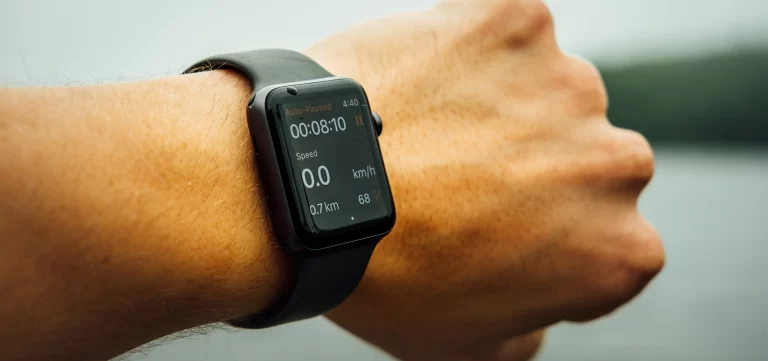
UVLens Wear is a companion app to the UVLens app mentioned earlier. This app is designed specifically for wearable devices like smartwatches and provides real-time UV index readings and sun protection recommendations right on your wrist. This app is a great way to stay on top of your sun protection measures without having to constantly check your phone.

In conclusion, there are several apps available that can help enhance your sun protection habits.

To know more about Skincare Devices and Beauty’s latest updates, please Like and Follow our Facebook and Instagram accounts…

Read also: Skin Tags 101: Causes, Diagnosis, and Safe Removal Methods

Skin Tags 101: Causes, Diagnosis, and Safe Removal Methods

0

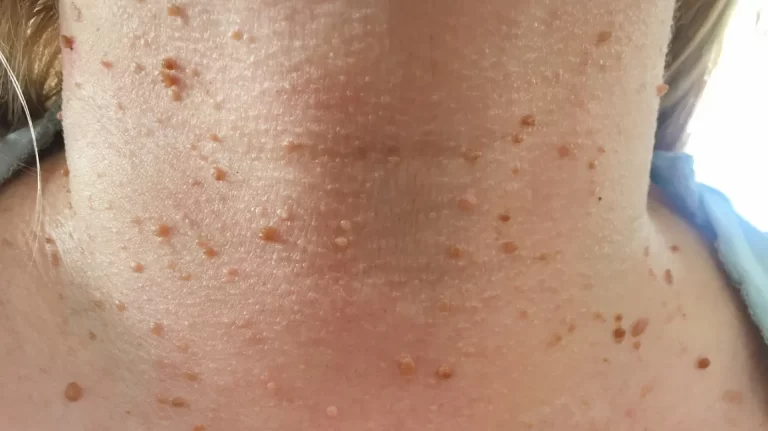
Skin tags, also known as acrochordons, are small, harmless growths that typically appear on the neck, armpits, groin, or other areas where skin rubs against skin. While they are not a cause for concern, many people choose to have them removed for cosmetic reasons or because they are irritated by clothing or jewelry rubbing against them. In this article, we will discuss the causes and diagnosis of skin tags, as well as the various methods used to remove them.

Causes and Diagnosis

The exact cause of skin tags is unknown, but they are believed to develop as a result of friction between skin surfaces. They are more common in people who are overweight or obese, pregnant women, and people with type 2 diabetes. In addition, skin tags tend to run in families, so genetics may play a role in their development.

Skin tags are typically diagnosed through a physical examination by a healthcare professional. They are generally small, soft, and flesh-colored or slightly darker than surrounding skin. In some cases, a biopsy may be performed to confirm the diagnosis or rule out other skin conditions.

Methods for Removing Skin Tags

There are several methods for removing skin tags, ranging from simple home remedies to more invasive medical procedures. It is important to note that skin tag removal is generally considered a cosmetic procedure and may not be covered by insurance.

  1. Snipping

Snipping involves cutting the skin tag off at the base with sterile scissors or a scalpel. This method is typically performed by a healthcare professional and is relatively quick and painless. The area may be numbed with a local anesthetic before the procedure to minimize discomfort. After the skin tag is removed, the area may be covered with a bandage or left to heal on its own.

Skin Tags 101: Causes, Diagnosis, and Safe Removal Methods
  1. Cryotherapy

Cryotherapy involves freezing the skin tag with liquid nitrogen, which causes it to fall off within a few days. This method is also typically performed by a healthcare professional and is relatively quick and painless. The area may be numbed with a local anesthetic before the procedure to minimize discomfort. After the skin tag is removed, the area may blister or scab over as it heals.

  1. Cauterization

Cauterization involves burning the skin tag off with an electrical current. This method is typically performed by a healthcare professional and is relatively quick and painless. The area may be numbed with a local anesthetic before the procedure to minimize discomfort. After the skin tag is removed, the area may be covered with a bandage or left to heal on its own.

  1. Tying

Tying involves tying a string or piece of dental floss tightly around the base of the skin tag to cut off the blood supply. This method is typically performed at home and may take several days or weeks for the skin tag to fall off. It is important to ensure that the string or floss is sterile and to monitor the area for signs of infection.

  1. Home Remedies

There are several home remedies that may be used to remove skin tags, although their effectiveness is not scientifically proven. These include applying tea tree oil, apple cider vinegar, or baking soda to the skin tag. It is important to use caution when attempting to remove skin tags at home, as some remedies may cause skin irritation or damage.

Prevention

While there is no guaranteed way to prevent skin tags from developing, there are several steps you can take to minimize your risk. These include maintaining a healthy weight, avoiding tight-fitting clothing, and practicing good hygiene to prevent friction between skin surfaces. In addition, it is important to monitor any existing skin tags for changes in size, shape, or color, as these may be signs of a more serious skin condition.

In conclusion, skin tags are a common, harmless skin growth that can be easily removed if desired. While the exact cause of skin tags is unknown, they are believed to develop as a result of friction between skin surfaces, and may be more common in people who are overweight, pregnant, or have type 2 diabetes. Skin tags are typically diagnosed through a physical examination by a healthcare professional, and there are several methods for removing them, including snipping, cryotherapy, cautery, tying, and home remedies. While skin tag removal is generally considered a cosmetic procedure, it may not be covered by insurance.

To know more about Skincare Devices and Beauty’s latest updates, please Like and Follow our Facebook and Instagram accounts…

Read also: Say Goodbye to Makeup with BB Glow

7 Essential Health Devices to Keep at Home for Monitoring Your Health

Keeping a healthy lifestyle is an essential aspect of our lives, and one way to ensure that we stay healthy is by monitoring our health on a regular basis. With the rise of health technology, there are now numerous health devices that can help you do just that. In this article, we will look at some essential health devices that you should have at home.

  1. Blood Pressure: Monitor High blood pressure or hypertension is a significant risk factor for heart disease, stroke, and kidney disease. One way to keep track of your blood pressure is by investing in a blood pressure monitor. These devices are easy to use and can provide accurate readings that you can share with your doctor. There are two types of blood pressure monitors: manual and digital. Manual monitors require you to pump a bulb to inflate the cuff, while digital monitors automatically inflate and display your blood pressure readings.
  2. Glucometer: If you or someone in your family has diabetes, then a glucometer is an essential device to have at home. This device helps you monitor your blood sugar levels, which is crucial in managing diabetes. A glucometer works by pricking your finger to draw blood, which is then placed on a test strip that is inserted into the device. The glucometer then measures your blood sugar level, which you can use to adjust your insulin dosage or dietary habits.
  3. Pulse Oximeter: A pulse oximeter is a small device that measures the oxygen saturation in your blood. This device is particularly useful for people with respiratory conditions such as asthma, chronic obstructive pulmonary disease (COPD), or COVID-19. The device clips onto your fingertip and measures your heart rate and oxygen saturation levels, which are then displayed on the screen. If your oxygen saturation levels are low, then you may need to seek medical attention immediately.  7 Essential Health Devices to Keep at Home for Monitoring Your Health
  4. Thermometer: A thermometer is a must-have device in any household, especially if you have children. It helps you monitor your body temperature, which is a key indicator of your overall health. There are several types of thermometers available, including oral, ear, forehead, and rectal thermometers. Oral thermometers are the most common type and are easy to use. Simply place the thermometer under your tongue and wait for the beep to get an accurate reading.
  5. Fitness Tracker: Staying active is an essential part of staying healthy, and a fitness tracker can help you monitor your physical activity. These devices can track your steps, calories burned, heart rate, and sleep patterns. By monitoring your activity levels, you can set fitness goals and track your progress over time. There are many different types of fitness trackers available, from basic models to more advanced ones that offer features like GPS tracking and personalized coaching.
  6. Air Purifier: The air we breathe can have a significant impact on our health, especially if we live in areas with high levels of pollution or allergens. An air purifier can help improve the air quality in your home by removing pollutants, allergens, and other particles from the air. This is particularly important for people with respiratory conditions like asthma or allergies.
  7. Water Filter: Drinking enough water is essential for maintaining good health, but the quality of the water we drink can also impact our health. A water filter can help remove impurities from your drinking water, such as lead, chlorine, and bacteria. This can help improve the taste and quality of your water and reduce the risk of waterborne illnesses.

In conclusion, having these essential health devices at home can help you monitor your health and take proactive steps to stay healthy. While some of these devices may be more expensive than others, they are worth the investment in the long run. By keeping track of your health on a regular basis, you can catch potential health problems early and take action to prevent or manage them. For example, if you notice that your blood pressure readings are consistently high, you can work with your doctor to develop a plan to lower your blood pressure through lifestyle changes, medication, or both. If you have diabetes, monitoring your blood sugar levels with a glucometer can help you adjust your insulin dosage or dietary habits to keep your blood sugar levels under control.

To know more about Skincare Devices and Beauty’s latest updates, please Like and Follow our Facebook and Instagram accounts…

Read also: Say Goodbye to Makeup with BB Glow

Is At-home Microdermabrasion Worth the Investment?

Microdermabrasion is a popular cosmetic procedure that involves exfoliating the top layer of skin to remove dead skin cells, revealing smoother and brighter skin. While it was once only available at a dermatologist’s office, there are now at-home microdermabrasion devices that claim to provide similar results. But are they worth the investment?

What is microdermabrasion?

Before diving into whether at-home microdermabrasion devices are worth the investment, it’s essential to understand what microdermabrasion is. Microdermabrasion is a cosmetic procedure that involves using a handheld device to exfoliate the top layer of skin, typically using tiny crystals or a diamond-tipped wand. This exfoliation helps remove dead skin cells, unclog pores, and improve skin texture and tone.

The benefits of microdermabrasion:

There are several benefits to microdermabrasion, which is why it has become such a popular cosmetic procedure. Some of the benefits include:

  1. Exfoliates the skin: Microdermabrasion helps remove the top layer of dead skin cells, which can clog pores and make skin look dull.
  2. Improves skin texture: By removing dead skin cells, microdermabrasion can improve skin texture and tone.
  3. Reduces the appearance of fine lines and wrinkles: By promoting cell turnover, microdermabrasion can help reduce the appearance of fine lines and wrinkles.
  4. Helps with acne: Microdermabrasion can help unclog pores and reduce the appearance of acne.

At-home microdermabrasion devices:

With the popularity of microdermabrasion, there are now several at-home devices available on the market. These devices claim to provide similar results to in-office treatments at a fraction of the cost. But are they worth the investment?

The pros of at-home microdermabrasion devices:

There are several pros to at-home microdermabrasion devices, including:

  1. Cost-effective: At-home microdermabrasion devices are much more cost-effective than in-office treatments. While in-office treatments can cost hundreds of dollars, at-home devices typically cost between $50-$200.
  2. Convenience: At-home devices are much more convenient than in-office treatments. You can use them whenever and wherever you want, without having to schedule an appointment or leave your house.
  3. Similar results: While at-home devices may not provide the same level of exfoliation as in-office treatments, they can still provide similar results. Many at-home devices come with different suction levels and exfoliation settings, so you can adjust them to your needs.

Is At-home Microdermabrasion Worth the Investment?

The cons of at-home microdermabrasion devices:

While there are several pros to at-home microdermabrasion devices, there are also some cons to consider, including:

  1. Risk of injury: While at-home devices are generally safe when used correctly, there is still a risk of injury. Over-exfoliation can damage the skin and cause redness, irritation, and even scarring.
  2. Limited results: While at-home devices can provide similar results to in-office treatments, they may not be as effective. In-office treatments can penetrate deeper into the skin and provide more significant results.
  3. Requires maintenance: At-home devices require regular maintenance, including cleaning and replacing the exfoliation heads. This can be time-consuming and add to the overall cost.

To know more about Skincare Devices and Beauty’s latest updates, please Like and Follow our Facebook and Instagram accounts…

Read also: Say Goodbye to Makeup with BB Glow

Say Goodbye to Makeup with BB Glow

0

In recent years, the BB Glow treatment has become one of the most popular beauty treatments for those who are looking for a flawless and radiant complexion. BB Glow is a semi-permanent makeup treatment that uses a micro-needling device to infuse a specially formulated serum into the skin. The serum contains pigments that blend with the natural skin tone to create a flawless, glowing complexion that lasts for several months. In this article, we will discuss the BB Glow treatment, its benefits, and why you should consider it.

What is BB Glow?

BB Glow is a cosmetic treatment that originated in Korea and has now become popular all around the world. The treatment involves using a micro-needling device to infuse a serum into the skin. The serum contains natural ingredients, vitamins, and plant extracts that nourish and brighten the skin. It also contains pigments that blend with the natural skin tone to create a natural-looking, glowing complexion.

The treatment is similar to microneedling but with the addition of a pigmented serum. The micro-needling device creates tiny punctures in the skin that allow the serum to penetrate deep into the skin layers. This process also stimulates the production of collagen and elastin, which helps to firm and tighten the skin.

Say Goodbye to Makeup with BB Glow

The Benefits of BB Glow:

  1. Flawless, Glowing Complexion: The most obvious benefit of the BB Glow treatment is the flawless, glowing complexion it creates. The pigments in the serum blend with the natural skin tone to create a smooth, even complexion that looks natural and healthy.
  2. Long-Lasting Results: Unlike traditional makeup, which needs to be reapplied every day, the BB Glow treatment lasts for several months. This means you can enjoy a flawless complexion without having to worry about touch-ups.
  3. Anti-Aging Effects: It treatment also has anti-aging effects. The micro-needling process stimulates the production of collagen and elastin, which helps to firm and tighten the skin. This can reduce the appearance of fine lines and wrinkles and improve the overall texture and tone of the skin.
  4. Skin Nourishment: The serum used in the BB Glow treatment contains natural ingredients, vitamins, and plant extracts that nourish and brighten the skin. This can improve the overall health and appearance of the skin.
  5. Minimal Downtime: This treatment has minimal downtime. You may experience some redness and mild swelling after the treatment, but this should subside within a few hours.

Why You Should Consider BB Glow

If you are looking for a quick and easy way to achieve a flawless, glowing complexion, then BB Glow is definitely worth considering. Here are some reasons why:

  1. Time-Saving: With BB Glow, you can save time on your daily beauty routine. You won’t need to apply foundation or concealer every day, as the BB Glow treatment creates a flawless complexion that lasts for several months.
  2. Confidence-Boosting: A flawless complexion can help to boost your confidence and self-esteem. With BB Glow, you can achieve a natural-looking, glowing complexion that will make you feel great about yourself.
  3. Safe and Effective: This treatment is safe and effective. The micro-needling device used in the treatment is FDA-approved and the serum used is made from natural ingredients that are safe for the skin.
  4. Customizable: It is customizable. You can choose the level of coverage you want, from a natural-looking tint to a full coverage foundation-like finish.
  5. Suitable for All Skin Types: This treatment is suitable for all skin types. Whether you have dry, oily, or combination skin, the treatment can help to improve the texture and tone of your skin. It is also suitable for people of all ages and skin colors.

How to Prepare for BB Glow

  1. Avoid Exfoliating: Avoid exfoliating or using any harsh skin care products for at least a week before the treatment.
  2. Avoid Sun Exposure: Avoid direct sun exposure for at least a week before the treatment. Sun exposure can make your skin more sensitive, which can lead to irritation during the treatment.
  3. Avoid Alcohol and Caffeine: Avoid consuming alcohol and caffeine for at least 24 hours before the treatment. These substances can dehydrate the skin, which can make the treatment less effective.
  4. Consult with a Professional: It is important to consult with a professional before undergoing the BB Glow treatment. They will be able to assess your skin and determine if the treatment is right for you.

To know more about Skincare Devices and Beauty’s latest updates, please Like and Follow our Facebook and Instagram accounts…

Read also: Brushing Up on the Benefits and Risks of Dry Brushing

Brushing Up on the Benefits and Risks of Dry Brushing

0

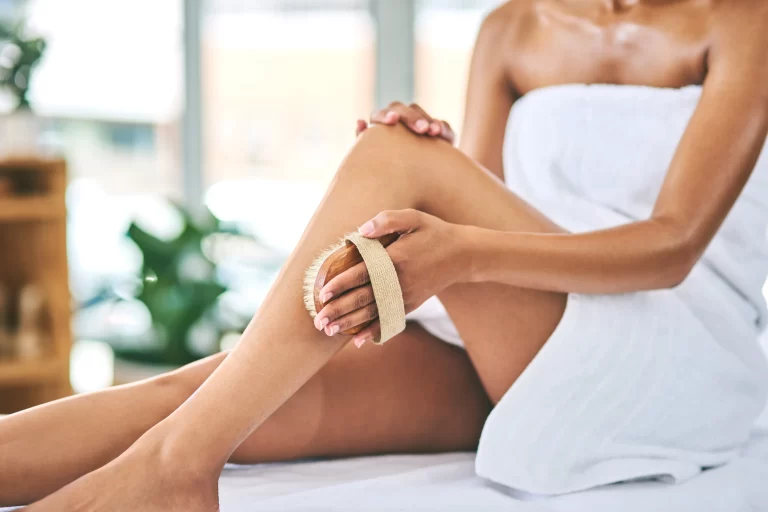
Dry brushing, a wellness practice that involves using a natural bristle brush to rub the skin in a specific pattern, has gained popularity in recent years. Advocates of this practice believe that it can offer a variety of benefits, including exfoliation, improved circulation, and lymphatic drainage. However, there are also risks associated with dry brushing that people should be aware of before they start.

Benefits of Dry Brushing

  1. Exfoliation: It can help to exfoliate the skin by removing dead skin cells and promoting cell turnover. This can lead to smoother, softer skin and can help to unclog pores, which can reduce the risk of acne.
  2. Improved Circulation: It can help to stimulate blood flow to the skin, which can improve the delivery of oxygen and nutrients to the cells. This can help to promote healthy skin and can also help to reduce inflammation.
  3. Lymphatic Drainage: This brushing can help to stimulate the lymphatic system, which is responsible for removing waste and toxins from the body. This can help to improve the immune system and can also help to reduce swelling and inflammation.
  4. Relaxation: Many people find that dry brushing can be a relaxing practice that helps to reduce stress and promote relaxation. The act of brushing the skin can be soothing, and the practice can also help to promote mindfulness and a sense of connection to the body.

Brushing Up on the Benefits and Risks of Dry Brushing

Risks of Dry Brushing

  1. Skin Irritation: Dry brushing can be harsh on the skin, especially if it is done too aggressively or with a brush that is too stiff. This can lead to skin irritation, redness, and even broken blood vessels. People with sensitive skin or certain skin conditions, such as eczema, should be especially cautious.
  2. Infection: If a person uses a dry brush that is not properly cleaned or if they dry brush over open wounds or areas of infection, they may be at risk for developing an infection. It is important to clean the brush after each use and to avoid dry brushing over any areas of the skin that are broken or irritated.
  3. Damage to the Skin Barrier: Dry brushing can disrupt the skin barrier, which is the protective layer that keeps moisture in and bacteria out. If the skin barrier is damaged, the skin may become more susceptible to infection and inflammation.
  4. Overstimulation: Dry brushing can be stimulating to the skin, and some people may find that it is too intense for their skin. This can lead to overstimulation, which can cause the skin to become more sensitive and reactive.

Tips for Safe Dry Brushing

  1. Choose the Right Brush: It is important to choose a brush that is appropriate for your skin type and needs. A brush that is too stiff can be too harsh on the skin, while a brush that is too soft may not provide enough exfoliation.
  2. Start Slowly: If you are new to dry brushing, start slowly and gently. Build up to more intense brushing over time, and pay attention to how your skin reacts.
  3. Avoid Irritated or Broken Skin: Do not dry brush over areas of the skin that are irritated, broken, or infected. This can lead to further irritation and may increase the risk of infection.
  4. Clean Your Brush: Clean your brush after each use to avoid the buildup of bacteria and other microorganisms.
  5. Moisturize: After dry brushing, be sure to moisturize your skin to help restore the skin barrier and prevent moisture loss.

Conclusion

Dry brushing can be a beneficial practice for many people, but it is important to be aware of the risks and to take steps to ensure safe and effective use. By choosing the right brush, starting slowly, avoiding irritated or broken skin, and taking other precautions, people can enjoy the benefits of dry brushing without putting their skin at risk. However, it is important to note that dry brushing should not be relied on as a sole solution for any specific health concerns, and it should be used in conjunction with other healthy practices, such as a balanced diet and regular exercise.

To know more about Skincare Devices and Beauty’s latest updates, please Like and Follow our Facebook and Instagram accounts…

Read also: Microblading: The Secret to Effortlessly Perfect Brows

Microblading: The Secret to Effortlessly Perfect Brows

0

If you’re someone who spends a lot of time in front of the mirror filling in your brows, you’re not alone. Many people struggle to achieve the perfect, symmetrical eyebrow look on a daily basis. However, there is a solution that can help you achieve Instagram-worthy brows that require little to no maintenance. It’s called microblading.

What is Microblading?

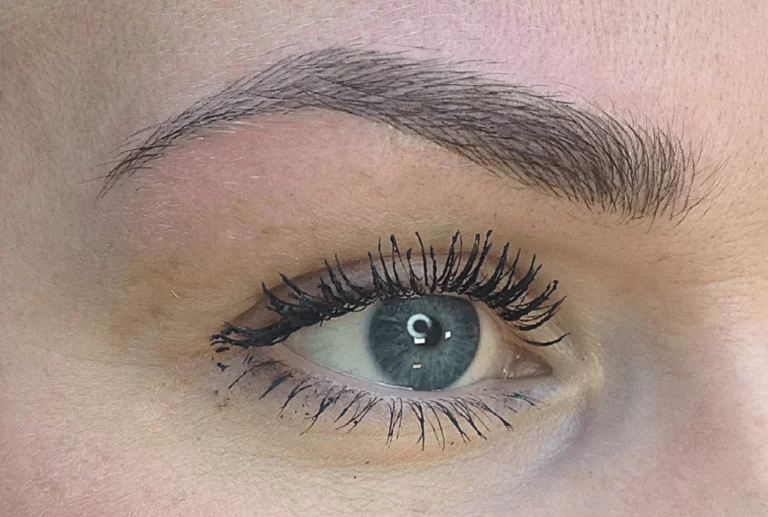
Microblading is a semi-permanent makeup technique that involves using a handheld tool to create small, hair-like strokes on the skin that mimic natural eyebrow hairs. The pigment used in the procedure is carefully selected to match your natural brow color, and the technique can be used to fill in sparse areas, create a more defined shape, or even completely reconstruct missing brows.

The procedure typically takes about two hours, and involves a consultation with your microblading technician to discuss your desired shape and color. Before the procedure begins, a numbing cream is applied to the brow area to minimize any discomfort. The technician will then use a small blade to create the hair-like strokes, depositing pigment into the skin. The results can last anywhere from one to three years, depending on the individual’s skin type and aftercare.

Benefits of Microblading

One of the biggest benefits of microblading is the convenience it offers. Once the procedure is done, you won’t have to spend any time filling in your brows each morning, and you can feel confident that they will look great all day long. This can be especially beneficial for people with busy lifestyles, as it frees up extra time that would have been spent on brow maintenance.

Microblading: The Secret to Effortlessly Perfect Brows

Another benefit is the natural-looking results that can be achieved. Unlike traditional eyebrow tattoos, which can often look harsh and blocky, microblading creates a more subtle, realistic effect that mimics natural brow hairs. This means that even up close, your brows will look like the real thing.

The procedure is also relatively low-risk, as long as you choose a reputable technician who follows proper sanitation and safety protocols. However, as with any cosmetic procedure, there is a risk of infection, so it’s important to follow the aftercare instructions provided by your technician.

Aftercare for Microblading

After the procedure, it’s important to take good care of your brows to ensure the best possible results. Your technician will provide you with specific aftercare instructions, but some general tips include:

  • Avoid getting your brows wet for at least 24 hours after the procedure
  • Avoid touching or rubbing your brows, as this can cause the pigment to shift or fade
  • Apply a healing ointment as directed by your technician to keep the area moisturized
  • Avoid wearing makeup on or around your brows until they are fully healed
  • Avoid activities that may cause excessive sweating, such as exercise or sauna use, for at least a week after the procedure

It’s also important to keep in mind that the pigment will appear much darker immediately after the procedure, and will gradually lighten as your skin heals. This is normal, and your final results will be visible after about four weeks.

Choosing a Microblading Technician

When it comes to choosing a microblading technician, it’s important to do your research and choose someone who is experienced and reputable. Look for technicians who are licensed and certified, and who have plenty of before and after photos of their work. You can also ask for referrals from friends or read online reviews to get an idea of the technician’s reputation.

It’s also a good idea to schedule a consultation with the technician before the procedure to discuss your desired shape and color, as well as any concerns or questions you may have.

In conclusion, microblading is a popular semi-permanent makeup technique that can help you achieve the perfect, natural-looking eyebrows. The procedure involves using a handheld tool to create small, hair-like strokes that mimic natural brow hairs. The benefits of microblading include convenience, natural-looking results, and low-risk. However, it’s important to choose a reputable technician and follow proper aftercare instructions to ensure the best possible results. With the right technician and aftercare, microblading can help you achieve the Instagram-perfect brows you’ve always wanted, without the need for daily maintenance.

To know more about Skincare Devices and Beauty’s latest updates, please Like and Follow our Facebook and Instagram accounts…

Read also: 6 Reasons You Need a Smartwatch with Medical Functions

6 Reasons You Need a Smartwatch with Medical Functions

0

The rise of smartwatches has been a game-changer in the world of wearable technology. Smartwatches have come a long way from being just a device to tell time, receive notifications and track fitness to being equipped with advanced medical functions. The incorporation of medical functions in smartwatches has been a significant breakthrough, providing users with a plethora of benefits.

In this article, we will discuss why you should have a smartwatch with medical functions.

  1. Health Monitoring: One of the primary reasons for having a smartwatch with medical functions is health monitoring. Smartwatches with medical functions come equipped with sensors that can monitor your heart rate, blood oxygen levels, and even ECG readings. These functions can be useful for people who have heart conditions or for those who are looking to monitor their health proactively. By monitoring these health parameters, the smartwatch can provide early warnings of potential health problems, allowing the user to seek medical attention promptly. Additionally, smartwatches can track sleep patterns, which can help identify problems and provide suggestions for better sleep hygiene.
  2. Emergency Assistance: Smartwatches with medical functions can also be beneficial in emergency situations. These devices come equipped with features such as fall detection and emergency SOS. The fall detection feature can automatically detect if the user has taken a hard fall and is unable to move. In such situations, the smartwatch can send out an emergency SOS signal to emergency contacts, along with the user’s location. This feature can be a lifesaver for elderly people, who are at a higher risk of falls and may have difficulty calling for help.
  3. Reminders and Alerts: Smartwatches with medical functions can also be helpful in reminding users to take medication and attend doctor’s appointments. These devices can send reminders for medication and appointments, ensuring that the user stays on top of their medical needs. Additionally, these devices can be used to set reminders for daily tasks such as drinking water, getting up to stretch, and taking breaks. Such reminders can be especially useful for people who have desk jobs and tend to forget to move around. 6 Reasons You Need a Smartwatch with Medical Functions
  4. Stress Management: Stress is a prevalent issue in modern-day society, and managing stress can be a challenge. Smartwatches with medical functions can come equipped with features that can help users manage stress levels. These devices can monitor heart rate variability, which is a measure of the variation in time between successive heartbeats. A higher heart rate variability is associated with lower stress levels. By monitoring heart rate variability, smartwatches can provide users with insights into their stress levels and provide suggestions for stress management techniques.
  5. Fitness Tracking: While fitness tracking is not a medical function per se, it is still an essential aspect of smartwatches with medical functions. These devices can track a range of fitness metrics such as steps taken, distance traveled, calories burned, and even workout routines. Such tracking can help users set fitness goals and track their progress towards achieving them. Additionally, fitness tracking can be helpful in identifying areas of improvement, allowing users to tweak their workout routines accordingly.
  6. Cost-Effective: Lastly, smartwatches with medical functions can be cost-effective compared to traditional medical devices. Medical devices such as heart rate monitors, blood oxygen monitors, and ECG machines can be expensive and may require a visit to a medical professional to use them. In contrast, a smartwatch with medical functions can provide all of these functions in a single device, making it a cost-effective option. Additionally, these devices can be used on a daily basis, allowing users to monitor their health continuously.

In conclusion, smartwatches with medical functions can provide a range of benefits to users. From health monitoring to emergency assistance, these devices can be a game-changer in the world of wearable technology.

To know more about Skincare Devices and Beauty’s latest updates, please Like and Follow our Facebook and Instagram accounts…

Read also: Reversing the Effects of Aging: The Rise of HIFU Face Lifting Procedures