Home Blog Page 159

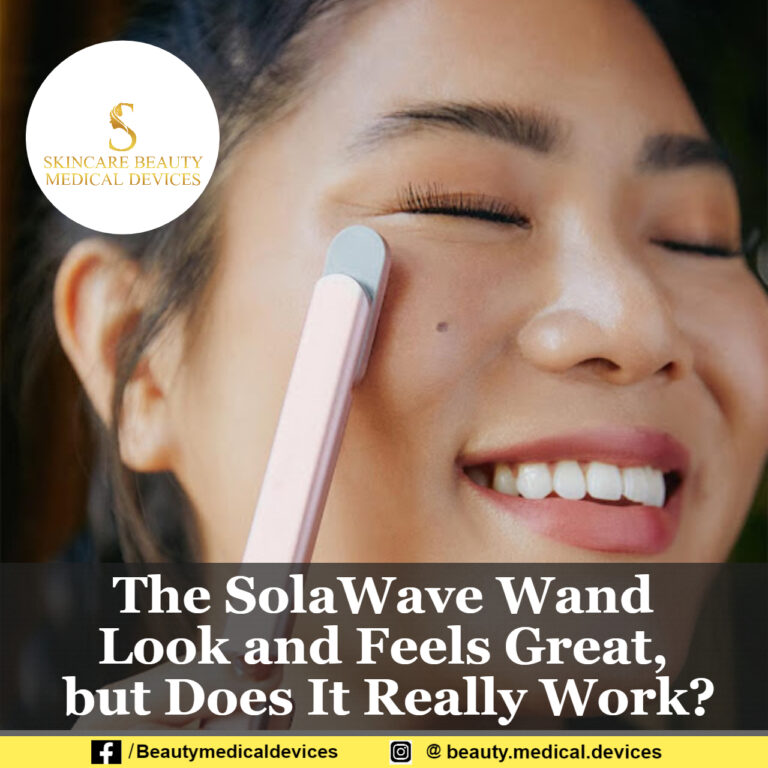
The SolaWave Wand Look and Feels Great, but Does It Really Work?

SolaWave Wand Review

My main skin concern is acne! I am in my early thirties and I still have acne concerns. I get them mainly on my chin and jawline. They are hormonal acne. I only get them during that time of the month. I also have seen issue with bumps on my cheeks. So I was excited when I had the opportunity to try the SolaWave Wand device. I did notice that they don’t appear as prominent.
I have been into using face devices for skin to help improve my skin. I have become obsessed with these different tool! I love this skincare booster it’s easy to use and I feel like it has speed up the healing process of my acne. The serum helps make the device more effective as well as boost hydration and glides easily. I have noticed that my texture was softer and my acne has been reduced.
The main key is consistency. You have to implement it into your skincare regimen and use it for five minutes everyday to see results. I can easily add something to my routine and consistently stay with this commitment. Skincare is my strength. I find it easy if I put the device next to my toothbrush to be able to remember to use it!

There are four main benefits to the Solawave Device

  • Boost Collagen and elasticity with its micro current and vibration. The micro-currents will help tone, tighten and lift your skin.
  • Reduce acne and hyper-pigmentation
  • Fade Wrinkles and lines with consistent use with five minute a day
  • Amplify Serums and Moisturizers – your serums and moisturizers will be able to penetrate deeper into the skin so that it can work better with the help of the soothing warmth of the of the device.

Read Complete Article at Solawave Beauty

Also Read: Facial Exercise for Double Chin
MDCalc Medical Calculator: A Must-Have App for Every Medical Professional

0

Join the millions of medical professionals who rely on MDCalc on a daily basis to assist them in making clinical decisions at the bedside. MDCalc has been the leading medical reference for the most current, relevant, and widely used clinical calculators that support evidence-based patient care since 2005. Registration is completely free and takes less than 30 seconds.

After that, you’ll have full, unrestricted access. MDCalc clinical decision support is developed by board-certified physicians exclusively for physicians, physician assistants, nurse practitioners, pharmacists, and medical students. The straightforward yet elegant app gives users access to more than 550 simple-to-use clinical decision tools, including risk scores, algorithms, equations, formulas, classifications, and dosing calculators.

Unique features that make it ideal for the busy clinician on the go:

  • Operates without an internet connection or with a limited connection. (Tracking CMEs requires an internet connection.)
  • Easily search for and filter new calculators.
  • Lists that can be customized for quick access: favorites, recently used, and your specialty.
  • Automatic synchronization between the website and the app.
  • Easily switch between US and metric units.

• Error messages and default values to assist in avoiding errors and improper inputs.


Calculators that include CME content
» Creatinine Clearance (Cockcroft-Gault Equation)
» CHA2DS2-VASc Score for Atrial Fibrillation Stroke Risk
» Calcium Correction for Hypoalbuminemia
» MELD Score (Model For End-Stage Liver Disease) (12 and older)

» HAS-BLED Score for Major Bleeding Risk
» CHADS2 Score for Atrial Fibrillation Stroke Risk
» HEART Score for Major Cardiac Events
» SIRS, Sepsis, and Septic Shock Criteria
» Fractional Excretion of Sodium (FENa)
» Mean Arterial Pressure (MAP)
» Wells’ Criteria for Pulmonary Embolism
» Wells’ Criteria for DVT


About the Author:

Germie Alderite is a Registered Medical Technologist in the Philippines. She is currently studying Doctor of Medicine in the said country. Germie worked in an Adventist Wellness Center for a year before entering Medical School. She believes that many transgress the laws of health through ignorance, thus, people need instruction. They need to be impressed with the importance of making their knowledge a guide of life. Physician has many opportunities both of imparting a knowledge of health principles and of showing the importance of putting them into practice.

To know more about Skincare Devices and Beauty’s latest updates, please Like and Follow our Facebook and Instagram accounts…

Read Also 6 Beauty Products That Belong in the Refrigerator

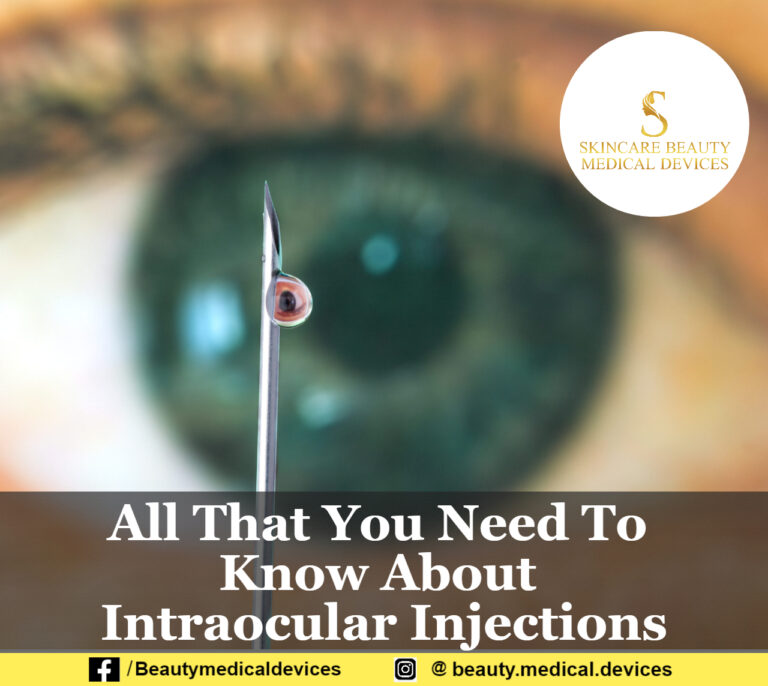
All That You Need To Know About Intraocular Injections

WHAT ARE INTRAOCULAR INJECTIONS? 

Over the last 10 years, Intraocular injections (also known as “intravitreal injections” and “eye injections”) have become the mainstay of treatment for many retinal diseases.

An intravitreal injection is a procedure performed to introduce medicine directly into the gel-filled center of your eye. It sounds quite scary, but in reality, it is very simple, it takes less than 10 seconds, and is virtually painless.

This procedure is performed by a retinal specialist during a regular office visit. Intraocular injections are typically needed to treat many serious retinal conditions that can lead to vision loss. Because of this, they should be performed in a timely manner to help patients preserve their existing vision and keep future vision loss to a minimum.

WHAT MEDICATIONS ARE GIVEN VIA EYE INJECTIONS?

Intravitreal injections are used to treat a variety of retinal conditions associated with vision loss, including wet macular degeneration, diabetic retinopathy, and retinal vein occlusion, among others.

Because the retina is the tissue lining the inside of the back of the eye, eye drops placed on the eye surface cannot reach this area effectively. That’s why injections are used to place the medicine directly at the site of the problem.

Medications administered within the eye include:

  • Anti-VEGF (anti-vascular endothelial growth factor) medicines are used to inhibit the growth of abnormal blood vessels prone to bleeding and leakage. These are characteristic of diabetic retinopathy, macular degeneration, and retinal vein occlusions.
  • Steroids may be administered to treat inflammatory conditions within your eye.
  • Anti-bacterial, anti-viral, and anti-fungal medications may be delivered directly into your eye to treat infections.

How are eye injections performed? Are they painful?

Although the thought of getting a needle stuck in your eye sounds terrifying to most people, it’s a nearly painless procedure that takes less than 10 seconds. These injections are so common that they are performed numerous times every day in our clinics.

Read Complete Article at About Intraocular Injection

Also Read: Ways to get Fuller Lips


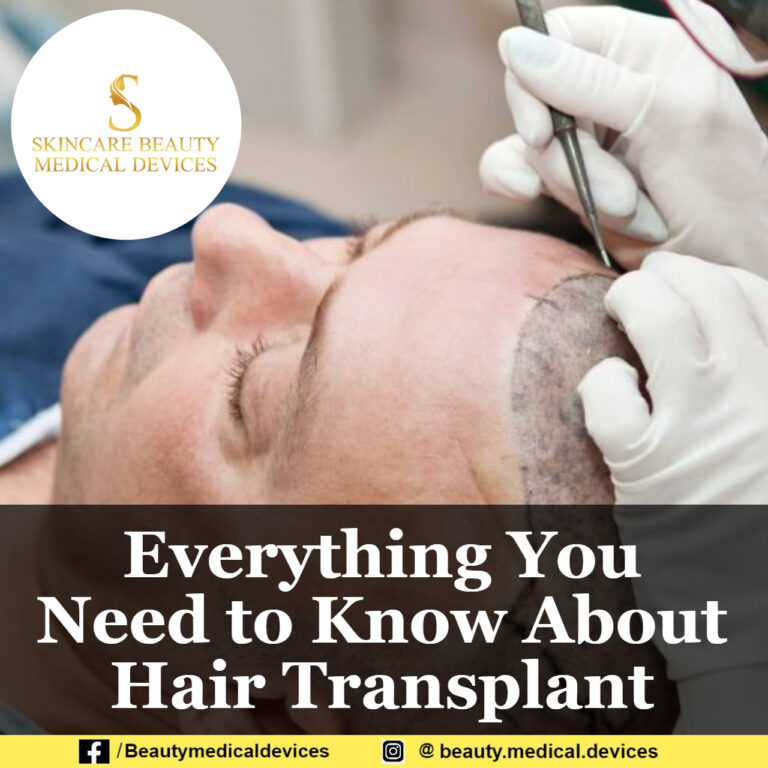
Everything You Need to Know About Hair Transplant

0

A hair transplant is a procedure in which a plastic or dermatological surgeon moves hair to a bald area of the head. The surgeon usually moves hair from the back or side of the head to the front or top of the head.

Hair transplants typically occur in a medical office under local anesthesia.

Pattern baldness is responsible for the majority of hair loss. This comes down to genetics. The remaining cases are due to a variety of factors, including:

  • diet
  • stress
  • illness
  • hormonal imbalance
  • medications

Are there different types of hair transplants?

There are two types of transplant procedures: slit grafts and micrografts.

Slit grafts contain 4 to 10 hairs per graft. Micrografts contain 1 to 2 hairs per graft, depending on the amount of coverage needed.

Who might benefit from a hair transplant?

Receiving a hair transplant can improve your appearance and self-confidence. Good candidates for a hair transplant include:

  • men with male pattern baldness
  • women with thinning hair
  • anyone who has lost some hair from a burn or scalp injury

Hair replacement isn’t a good option for:

  • women with a widespread pattern of hair loss throughout the scalp
  • people who don’t have enough “donor” hair sites from which to remove hair for transplant
  • people who form keloid scars (thick, fibrous scars) after injury or surgery
  • people whose hair loss is due to medication such as chemotherapy

What happens during a hair transplant?

After thoroughly cleaning your scalp, a surgeon uses a small needle to numb an area of your head with local anesthesia.

Two main techniques are used to obtain follicles for transplantation: FUT and FUE.

In follicular unit transplantation (FUT):

  1. The surgeon will use a scalpel to cut out a strip of scalp skin from the back of the head. The incision is typically several inches long.
  2. This is then closed with stitches.
  3. The surgeon next separates the removed portion of scalp into small sections using a magnifying lens and sharp surgical knife. When implanted, these sections will help achieve natural-looking hair growth.

Read more about: Everything You Need to Know About Hair Transplant 

To know more about Skincare Devices and Beauty’s latest updates, please Like and Follow our Facebook and Instagram accounts…

Read also: Why Cetyl Alcohol Is in Your Favorite Moisturizers and Lotions

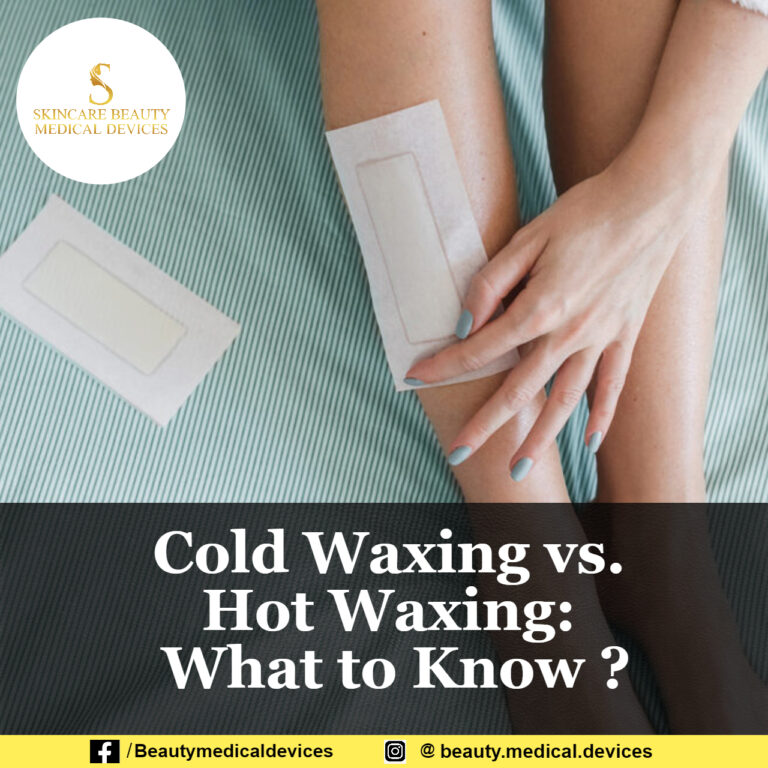
Cold Waxing vs. Hot Waxing: What to Know ?

0

When you think of waxing off unwanted body hair, you probably picture a steaming vat of wax in a salon, but waxing can also be done with cold or room temperature wax.

Cold waxing” typically involves wax applied to strips that do not need to be heated up, though you will likely need to rub the strip between your palms to warm it up. The strips are cut to fit various parts of the body like the underarmsbikini area, or shins.

Cold waxing can be done at home easily, so it works well for people who want to wax themselves, especially on areas where the hair is fine or for those who are sensitive to hot wax.

Cold vs. hot waxing

Wax is pre-applied to cold wax strips, which is convenient in that the portion is already measured, but it could be a drawback if the amount of wax on a strip is not enough for your body. In that case, you’ll just have to use more than one strip.

Hot wax is heated in a wax warmer or at home in the microwave, typically to around 130°F (54°C). It’s applied evenly in a thin layer over the area of the body where you want to remove hair.

If the hot wax is what’s known as a soft wax, the technician will put a strip down over the wax; if it’s hard wax, it will harden in place without a strip needed.

Benefits of cold waxing
  • No burns: One benefit of cold wax over hot wax is that you do not run the risk of severe burns, which can happen with hot wax. Cold wax is applied at lukewarm or room temperature.
  • More user-friendly: Cold wax strips are also easier for beginners to use because the strips are pre-cut and shaped to fit. Just make sure the hair is between ¼ to ¾ inches long for optimal results.


Read Full story on healthline.com


Also read:  6 Beauty Products That Belong in the Refrigerator

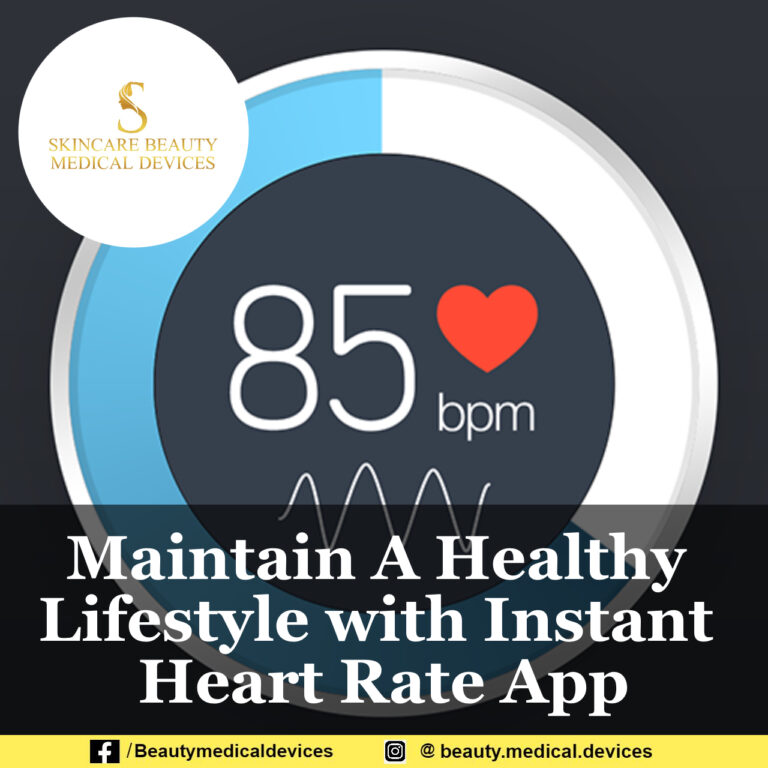
Maintain A Healthy Lifestyle with Instant Heart Rate App

0

The Instant Heart Rate App is the world’s first, fastest, and most accurate heart rate monitor for mobile devices. For its accuracy, it is trusted by leading research institutions such as UCSF for cardiology research training and is used in the UCSF Health eHeart Study. After sleeping or during workouts & training, use your heart rate & health monitor to accurately determine your pulse and heart beat zone. Instant Heart Rate is non-invasive and does not require the use of heart rate straps. With an accurate heart health monitor, you can monitor blood circulation (similar to an ECG or EKG). Similar to pulse oximeters, this device detects changes in your fingers to provide accurate heart rate readings.

Maintain A Healthy Lifestyle with the "Instant Heart Rate" App
Maintain A Healthy Lifestyle with the “Instant Heart Rate” App

Advantages of the Instant Heart Rate App

  • In ten seconds, accurately determine your heartbeat, BPM, or pulse zone.
  • The PPG graph (which is similar to an ECG / EKG / Cardiograph) displays each heartbeat and BPM.
  • Cardio workout monitoring helps you to get the most out of your workout and to keep track of your progress pre- and post-workout. Utilize the heart rate as cardiovascular measurement.
  • Zones for heart rate training (Rest, Fat Burn, Cardio, and Peak)
  • Support for Google Fit (heart rate and heartbeat data)
  • There are no straps to monitor your heart rate or heartbeat.

How to use Instant Heart Rate to accurately record your heartbeat?

  • If you press firmly on the camera lens, the blood circulation to your fingertips may be disrupted.

How frequently should Instant Heart Rate be used?

Instant Heart Rate should be used daily to accurately measure the heartbeat or pulse. It is recommended to wear a heart rate monitor after sleeping or during workouts to distinguish between resting and workout heart rates.

What is considered a normal heartbeat or heart rate?

A normal resting heart rate, according to the American Heart Association (AHA) and the Mayo Clinic, is between 60 and 100 beats per minute (BPM). Stress, anxiety, depression, emotions, activity level, fitness level, body composition, and medication use can all affect the heart rate. Knowing your heart rate is critical as a gauge of your heart’s health and a cardiovascular metric. Heart rate variability is critical for determining the level of stress in your body.

DISCLAIMER: The Instant Heart Rate feature is provided for entertainment purposes only. Consult your doctor or primary care physician if you require first aid, or experiencing a medical emergency or a cardiac event (when CPR is required).

About the Author:

Germie Alderite is a Registered Medical Technologist in the Philippines. She is currently studying Doctor of Medicine in the said country. Germie worked in an Adventist Wellness Center for a year before entering Medical School. She believes that many transgress the laws of health through ignorance, thus, people need instruction. They need to be impressed with the importance of making their knowledge a guide of life. Physician has many opportunities both of imparting a knowledge of health principles and of showing the importance of putting them into practice.

To know more about Skincare Devices and Beauty’s latest updates, please Like and Follow our Facebook and Instagram accounts…

Read Also 6 Beauty Products That Belong in the Refrigerator

Master Your ECG Skills with Electrocardiogram Master Quiz & Practice App!

0

Do you wish to improve your ability to read electrocardiograms? Then this is the app for you! “ECG Master: Electrocardiogram Quiz & Practice” is a one-of-a-kind smartphone application designed to assist health professionals, medical students, general practitioners, interns, residents, and medical specialists in mastering an ever-complicated medical subject!

“Master: Electrocardiogram Quiz & Practice” includes all of its materials for free. All pictures are from Wikimedia Commons and have been appropriately acknowledged. By upgrading to the pro edition, you will gain access to the quiz interpretation tool, as well as the statistic feature and will be able to delete any advertisements.


The App’s primary features include the following:

  1. ECG / EKG Quiz: The database includes more than 200 ECG / EKG quizzes covering a variety of topics, including atrial and ventricular anomalies
  2. EKG Photos: Each ECG / EKG quiz includes pertinent ECG / EKG images. The majority of ECG images provided are 12-lead ECGs. Appropriate Interpretation: Each question in the ECG / EKG quiz has a unique interpretation. The explanation is succinct, accurate, and pertinent to the case, which makes it easier to remember.
  3. Statistical Feature: All records created while taking examinations or quizzes are immediately saved. This feature periodically displays a progression visual of the quiz score for each ECG / EKG quiz category.
    Install now and get on your path to ECG mastery!


About the Author:

Germie Alderite is a Registered Medical Technologist in the Philippines. She is currently studying Doctor of Medicine in the said country. Germie worked in an Adventist Wellness Center for a year before entering Medical School. She believes that many transgress the laws of health through ignorance, thus, people need instruction. They need to be impressed with the importance of making their knowledge a guide of life. Physician has many opportunities both of imparting a knowledge of health principles and of showing the importance of putting them into practice.

To know more about Skincare Devices and Beauty’s latest updates, please Like and Follow our Facebook and Instagram accounts…

Also Read: Eyelash Extensions

Nose Strips for Blackheads and Pores: Good or Bad?

0

Without a doubt, acne comes in all shapes, sizes, and colors. One common type you may have noticed from time to time is a blackhead. This noninflammatory acne, also known as an open comedone, is usually removed through any combination of exfoliation and extraction. You might know about nose strips to remove them. But are those nose strips doing more harm than good? Before you apply your strip, let’s take a closer look.

Do Nose strips really damage your skin?

Unfortunately, there’s not a lot of research on the efficacy of nose strips. That’s why you might see a lot of conflicting information about whether they’re good or bad.

Generally, those who claim that nose strips are bad say the strips can remove more than just the blackhead, clearing pores entirely of sebaceous filaments.

These sebaceous filaments (a fancy term for a collection of sebum and dead skin cells) line pores and maintain healthy oil balance in the skin, so they’re not entirely bad.

When they get removed, your pores could become exposed to irritating dirt and oils.

Can they remove blackheads?

They certainly can. An older study found that strips effectively remove blackheads.

However, these effects were only temporary. The blackheads likely refill within a few weeks.

The removal process also requires proper application. To make sure the strips remove blackheads, the adhesive has to be activated with water.

What about minimizing pores?

First of all, it’s important to know that there’s no real way to get rid of your pores.

And anyway, pores serve a very important function on the skin: They hold hair follicles, collect oils, and release sweat.

By removing blackheads, the strips clear out the black- or brown-colored blockage. This can make pores appear as if they’re smaller or gone.

As we said before, though, this effect is only temporary. Your pores will likely refill within a few weeks.

Read Complete Article at Nose Strips for Blackheads

Also Read: Tooth Scaling


Learn To Do Microneedling at Home: A Step-by-Step Guide

Patients who are consistent with home treatments of microneedling over a four to six month period can definitely see improvements. As far as office-based microneedling treatment, the potential benefits include: improvement of acne scars and discoloration. reduced wrinkles and stretch marks.

Guide to Do Microneedling at Home

Step 1: Cleanse and prepare your skin

First, let us consider the following: Use a cleansing wipe to cleanse and swab your skin. Make it a regular part of your evening routine. Remove all makeup from your face and eyes, then prep by swiping a Prep Pad across targeted treatment areas. Some of the pads included with the microneedling roller, are alcohol-free, and contain antibacterial ingredients that eliminate germs on your skin.

Step 2: Divide your face into four quadrants and roll each side of your face for 15 seconds.

Each area should be rolled for 15 seconds. Begin with your chin, work your way up to your cheeks and then finish with your forehead. Each location is supposed to be rolled over in a pattern. Carry an asterisk across the area: up and down, side to side diagonally left to right, and diagonally right to left.

Step 3: Apply your serums to your face.

The microneedling itself is painless. Experts recommend avoiding chemical exfoliants (such as glycolic and lactic acids) and brightening ingredients such as vitamin C after microneedling because they can irritate your skin. Retinol can be irritating to the skin. When you are done with the needling, apply an antioxidant serum and a light moisturizer. Dermatologists recommend EGFs (or epidermal growth factors, which aid in cell regeneration), peptides (which aid in the formation of collagen and elastin), and hyaluronic acid for post-dermarolling use (which boosts hydration).

About the Author:

Germie Alderite is a Registered Medical Technologist in the Philippines. She is currently studying Doctor of Medicine in the said country. Germie worked in an Adventist Wellness Center for a year before entering Medical School. She believes that many transgress the laws of health through ignorance, thus, people need instruction. They need to be impressed with the importance of making their knowledge a guide of life. Physician has many opportunities both of imparting a knowledge of health principles and of showing the importance of putting them into practice.

To know more about Skincare Devices and Beauty’s latest updates, please Like and Follow our Facebook and Instagram accounts…

Also Read: Eyelash Extensions

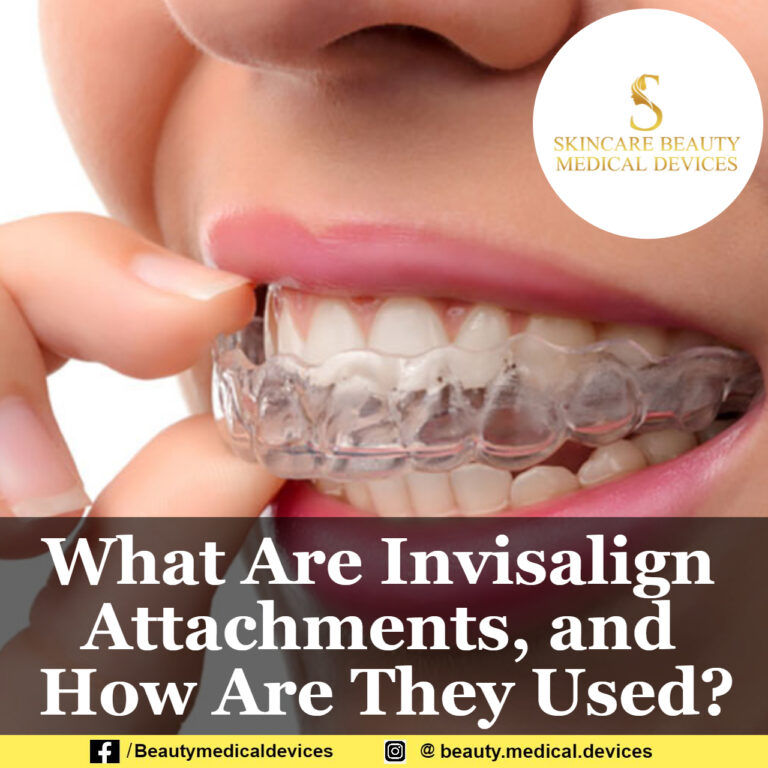
What Are Invisalign Attachments, and How Are They Used?

0

Invisalign can help straighten your teeth and correct a misaligned bite. Invisalign is an appliance that’s used for orthodontic treatment. It is a brand name, and this general type of appliance is called a “clear aligner.”

These aligners place pressure on your teeth to move them into their new positions. You typically wear an aligner for 1 to 2 weeks before switching to the next aligner in the sequence.

Sometimes, dentists recommend attachments with aligners like Invisalign. These attachments are small, button-like structures connected directly to your teeth.

Below, we’ll dig deeper into what Invisalign attachments do, who may need them, and more.

What do Invisalign attachments do?

With Invisalign, the shape of the aligner differs from the shape of your teeth — and this forces your teeth to move into their new position.

In some cases, the aligner may need a little help to produce the desired movement. This is where attachments come in. They may be necessary if your treatment requires more complex tooth movement.

Attachments are small, tooth-colored structures that attach to your teeth. They’re made from a type of material called composite resin, the same material used for dental fillings.

Each attachment has a very specific shape that promotes a certain type of movement. Your aligner then pushes on the attachment to help achieve this movement.

Attachments can also anchor your aligner, helping it stay in place over your teeth.

How are Invisalign attachments attached?

Your dentist can apply Invisalign attachments to your teeth using these steps:

  1. They treat your teeth with a special type of gel that helps the attachment stick.
  2. After a short wait, they remove the gel and rinse your teeth.
  3. They use a small brush to apply a bonding agent, which helps secure the attachments to your teeth.
  4. The dentist then uses a template aligner, an appliance with little spaces where the attachments will go. They load the attachment material (composite resin) into the spaces.
  5. They place the template aligner, which now contains the attachment material, over your teeth. Then, the dentist applies gentle pressure to help the attachments properly adhere.
  6. Next, they use a special light to cure and harden the attachment material.
  7. Finally, they remove the template aligner and any extra bonding agent or composite resin.

Read more about: What Are Invisalign Attachments, and How Are They Used?

To know more about Skincare Devices and Beauty’s latest updates, please Like and Follow our Facebook and Instagram accounts…


Read also: 3 EFFECTIVE METHODS OF APPLYING SUNSCREEN!