


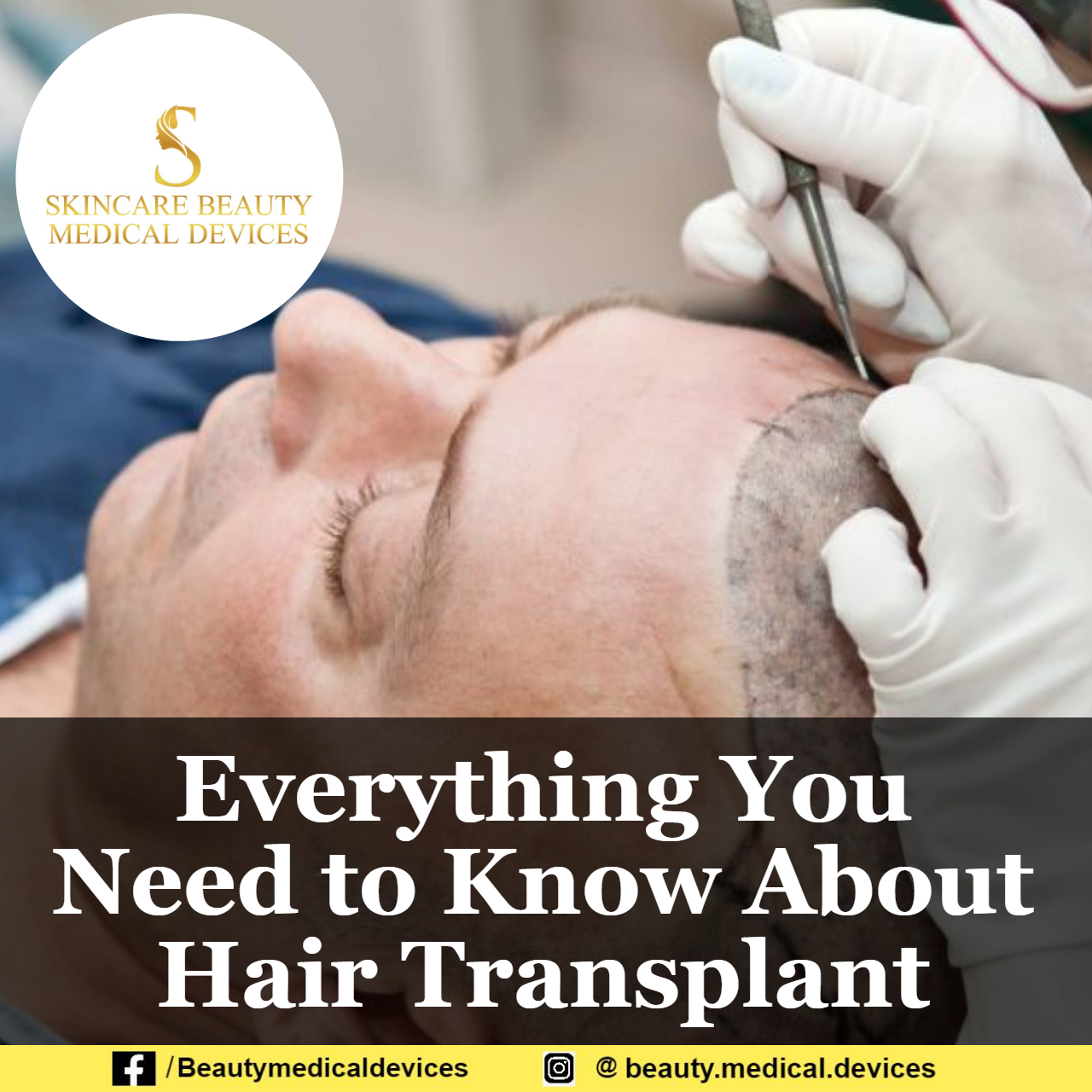
A hair transplant is a procedure in which a plastic or dermatological surgeon moves hair to a bald area of the head. The surgeon usually moves hair from the back or side of the head to the front or top of the head.
Hair transplants typically occur in a medical office under local anesthesia.
Pattern baldness is responsible for the majority of hair loss. This comes down to genetics. The remaining cases are due to a variety of factors, including:
- diet
- stress
- illness
- hormonal imbalance
- medications
Are there different types of hair transplants?
There are two types of transplant procedures: slit grafts and micrografts.
Slit grafts contain 4 to 10 hairs per graft. Micrografts contain 1 to 2 hairs per graft, depending on the amount of coverage needed.
Who might benefit from a hair transplant?
Receiving a hair transplant can improve your appearance and self-confidence. Good candidates for a hair transplant include:
- men with male pattern baldness
- women with thinning hair
- anyone who has lost some hair from a burn or scalp injury
Hair replacement isn’t a good option for:
- women with a widespread pattern of hair loss throughout the scalp
- people who don’t have enough “donor” hair sites from which to remove hair for transplant
- people who form keloid scars (thick, fibrous scars) after injury or surgery
- people whose hair loss is due to medication such as chemotherapy
What happens during a hair transplant?
After thoroughly cleaning your scalp, a surgeon uses a small needle to numb an area of your head with local anesthesia.
Two main techniques are used to obtain follicles for transplantation: FUT and FUE.
In follicular unit transplantation (FUT):
- The surgeon will use a scalpel to cut out a strip of scalp skin from the back of the head. The incision is typically several inches long.
- This is then closed with stitches.
- The surgeon next separates the removed portion of scalp into small sections using a magnifying lens and sharp surgical knife. When implanted, these sections will help achieve natural-looking hair growth.
Read more about: Everything You Need to Know About Hair Transplant
To know more about Skincare Devices and Beauty’s latest updates, please Like and Follow our Facebook and Instagram accounts…
Read also: Why Cetyl Alcohol Is in Your Favorite Moisturizers and Lotions