
Home Blog Page 146

Is Whey Protein Beneficial To One’s Health?

0

Several significant benefits of whey protein include the following: 

  1. Muscle strength development 

Whey protein is known to stimulate the release of anabolic hormones that aid in muscle strength development and enhance repair function to aid in muscle growth. Additionally, it aids in fat storage inhibition and increases stamina, assisting you in toning your body and achieving your fitness goal.

  1. Assisting in the weight loss process 

Consumption of a high protein diet aids in appetite suppression, increases metabolism for faster digestion, and preserves muscle mass for a lean and fit appearance. 


  1. Cholesterol reduction 

Whey protein has been shown in studies to have a beneficial effect on lipid and insulin levels. Regular consumption in the recommended amounts can result in a decrease in your body’s total cholesterol level

  1. Inflammation reduction in the body 

Inflammation symptoms such as redness and bleeding are your body’s natural response to injury or damage. Whey protein has demonstrated in some studies that it can effectively manage and reduce both short- and long-term inflammation in the body. 

  1. Blood pressure control  

Dairy products are high in bioactive peptides, which act as ACE inhibitors and can help adults with hypertension. Lactokinesis is also an ACE inhibitor found in whey protein and can aid in blood pressure control to a large extent.

About the Author:

Germie Alderite is a Registered Medical Technologist in the Philippines. She is currently studying Doctor of Medicine in the said country. Germie worked in an Adventist Wellness Center for a year before entering Medical School. She believes that many transgress the laws of health through ignorance, thus, people need instruction. They need to be impressed with the importance of making their knowledge a guide of life. Physician has many opportunities both of imparting a knowledge of health principles and of showing the importance of putting them into practice.

To know more about Skincare Devices and Beauty’s latest updates, please Like and Follow our Facebook and Instagram accounts…

Read Also: About Facial Tools
Know The Various Types Of Ultraviolet Radiation At A Glance

0

What is Ultraviolet Radiation?

Ultraviolet (UV) radiation is an electromagnetic form of energy that is emitted by sunlight, lasers, and black lights. The sun is the primary source of ultraviolet radiation that a normal human being is exposed to. Radiation is generated at the sun’s core as a result of a nuclear reaction and travels to the earth via the sun’s rays. The following are the major types of UV rays and their effects on your skin.

Types of UV Rays 

The ultraviolet radiation in sunlight is composed of a broad spectrum of rays. UV radiation damages the skin in a variety of ways. UV radiation is classified according to its wavelength. UVA wavelengths are the longest, UVB wavelengths are the medium, and UVC wavelengths are the shortest. 

Because the longest wavelength has the least energy, UVA only affects the top layer of your skin. Inner cells are also affected to a degree, resulting in immediate tanning, sunburn, and so on. By contrast, UVB exposure results in delayed tanning, excessive sunburn, and blistering. These effects are wavelength-dependent, with UVA and UVB being the most concerning. UVC rays are completely absorbed by the atmosphere and pose little risk to humans. However, UVC radiation can be absorbed via UVC sanitizing lights, arc welding torches, and mercury lamps.

About the Author:

Germie Alderite is a Registered Medical Technologist in the Philippines. She is currently studying Doctor of Medicine in the said country. Germie worked in an Adventist Wellness Center for a year before entering Medical School. She believes that many transgress the laws of health through ignorance, thus, people need instruction. They need to be impressed with the importance of making their knowledge a guide of life. Physician has many opportunities both of imparting a knowledge of health principles and of showing the importance of putting them into practice.

To know more about Skincare Devices and Beauty’s latest updates, please Like and Follow our Facebook and Instagram accounts…

Read Also: About Facial Tools

Everything That You Should Know About Foam Roller

Foam rolling is technique of self-myofascial release (SMR), a form of massage with foam roller. It is especially popular for athletes and therapists who use it against pain and muscle ache, for stretching or for a short warm-up before or after workout.

Foam roller is an effective equipment that has positive effects. You feel comfortable exercising with it. Besides this, it improves your body flexibility, range of movement and reduces muscle pain.

What is self-myofascial muscle release?

The concept of self-myofascial release (SMR) is a technique that was developed by Mark F. Barnes. This aims to reduce the effects of barriers between the layers of fascial tissue. It is a hard connective tissue that surrounds and connects muscles, organs, bones, tendons, ligaments and other body structures. The role is very important for the human body because it holds our muscles in place and that is why we are able to move.

Incorrect exercise habits, stress-induced muscle tension, injuries or dehydration can cause that tissue forms in the connective muscle that will limit the proper ability to perform muscle function. Healthy fascial tissue is maintained by movement and hydration.

If we have been through an injury or acquired improper movement habits and poor movement patterns throughout life, the fascial tissue will contract. Externally, this will show up for example as shortening and stiffening of muscles or pain. This is when exercises with Foam roller can help you.

What are the benefits of exercises with foam roller?

Exercise with foam roller has very good effect on our flexibility. In addition, it improves blood and oxygen flow, performance, removes muscle tension and lower the stress. It can also help to eliminate cellulite because it restore tissue elasticity.

A number of potentially effective pain relief effects have been observed. These pain relieving effects could lead to an increase of tolerance in stretching immediately after the application of therapy.

Read Complete Article at Foam Roller

Also Read: Roller Massager

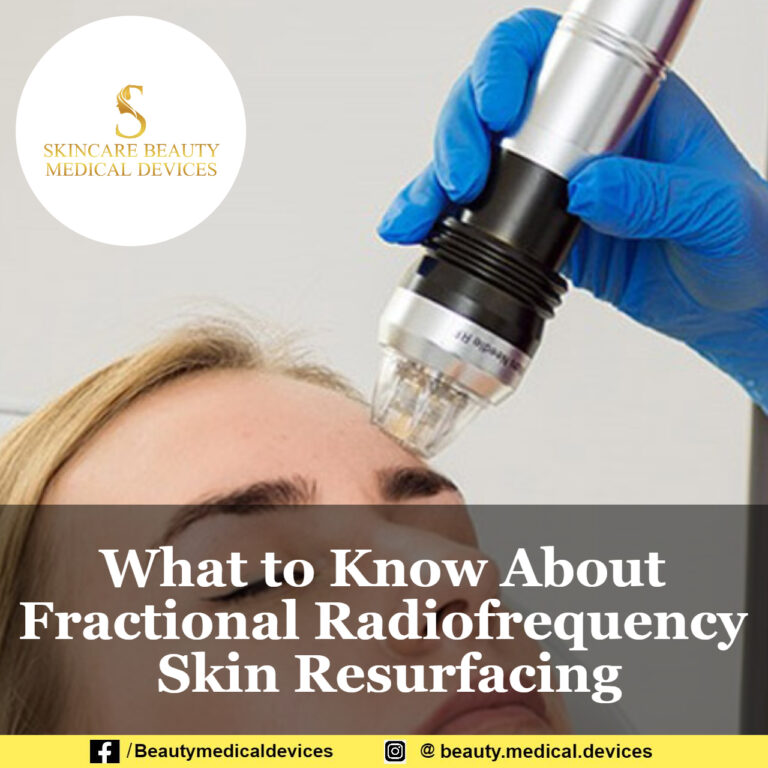
What to Know About Fractional Radiofrequency Skin Resurfacing

0

Fractional Radiofrequency Skin Resurfacing provides an effective treatment to repair and rejuvenate damaged skin and appearance of wrinkles. This treatment can diminish the appearance of scars, visible pores, stretch marks, and uneven skin texture and pigmentation, creating noticeably smoother, healthier skin.

Beautiful skin is what you want, and what you deserve! Fractional Radiofrequency Skin Resurfacing treats undesirable skin imperfections on your face and body. It’s now easier than ever to improve the way your skin looks and feels, without surgery or lengthy recovery times.

FR Skin Resurfacing can improve the appearance of:

Advantages of this treatment:

  • Safe and effective for all skin tones
  • Flexible treatments for several skin conditions
  • More comfortable than traditional skin resurfacing treatments
  • Quick treatment sessions
  • Minimal downtime
  • Excellent treatment outcomes

What Conditions Does FR Skin Resurfacing Treat?

This treatment is useful in eliminating or diminishing the appearance of wrinkles, stretch marks, scars, age spots, enlarged pores, and sun-damaged skin.

What is FR Skin Resurfacing?

Fractional Radiofrequency Skin Resurfacing is an innovative, non-surgical skin resurfacing treatment that allows us to offer our patients rejuvenated, more youthful looking skin with minimal down time. The treatment uses tiny pins that safely deliver energy through the skin’s surface. This creates tiny wounds which initiates a natural healing process and accelerates the formation of new, healthy tissue.

The result is an improved skin tone and texture, and lessening of fine lines, wrinkles and acne scars. Since the wounds are so small, there is significantly less downtime and the treatments are much more comfortable when compared to traditional ablative laser resurfacing treatments.

What does the Treatment feel like?

You will feel tiny pins on your skin followed by a little zap. Your skin will then feel warm, like a sunburn.

Will it be painful?

The treatment may be slightly uncomfortable, but not painful. You will feel intense heat, similar to the feeling of a sunburn and your skin will look red right after the treatment. For more aggressive treatments, a topical numbing cream may be applied to reduce any discomfort.

Read more: What to Know About Fractional Radiofrequency Skin Resurfacing

To know more about Skincare Devices and Beauty’s latest updates, please Like and Follow our Facebook and Instagram accounts…

 Read also: Stellar M22: Everything You Need to Know About This Treatment

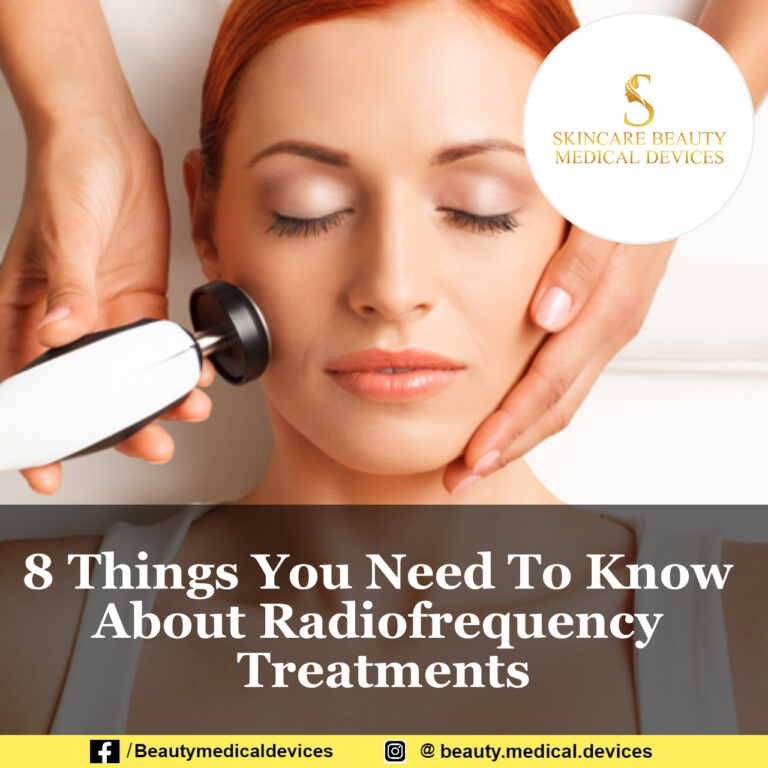
8 Things You Need To Know About Radiofrequency Treatments

0

Radiofrequency: as facials go, it doesn’t exactly sound the most thrilling, but radiofrequency treatments have form where tightening and firming skin is concerned. Like laser and LED treatments, the radiofrequency treatment uses energy to stimulate collagen and elastin production, but the heat energy is electrical rather than light based. Here’s your rough guide to radiofrequency, what it’s good for and what it’s not.

IT TARGETS SAGGING SKIN

Specialist dermatologist and founder and medical director of Eudelo Dr Stefanie Williams explains that radiofrequency is appealing because it’s a non-invasive and relatively gentle way to tighten skin:

“Radiofrequency (RF) is a treatment that has become increasingly popular in recent years and uses RF energy to heat the dermis and tighten the skin without damaging the top layer.”

Not all radiofrequency machines work in exactly the same way (the most common devices are Thermage and Pellevé), but they fundamentally all use radiofrequency energy “to tighten the underlying skin structure and contour the face to create firm, toned and youthful looking skin” according to facial plastic surgeon Dr Maryam Zamani. It’s this tightening, firming action, brought about by boosting collagen and elastin synthesis, that makes radiofrequency especially suitable for targeting loose skin and the neck and chin, wrinkles and lines that develop between the nose and mouth.

IT DOESN’T TAKE LONG

Your average radiofrequency treatment takes anywhere between 20 and 45 minutes according to Dr Zamani and there’s very little downtime – you’re likely to experience a bit of redness for up to 24 hours afterwards but that’s about it. During the treatment a machine will heat skin to a bearable 38-40 degrees (our editorial director Victoria reported zero discomfort although some people are more sensitive to the deep heat sensation than others).

Read more about 8 Things You Need To Know About Radiofrequency Treatments

To know more about Skincare Devices and Beauty’s latest updates, please Like and Follow our Facebook and Instagram accounts…

Read also Stellar M22: Everything You Need to Know About This Treatment

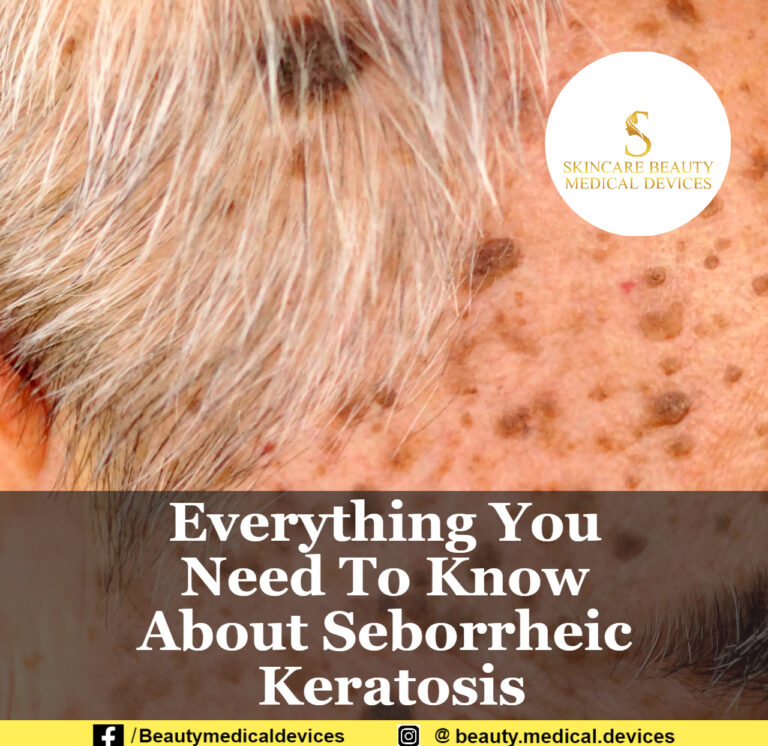
All You Need To Know About Skin Lesion called Seborrheic Keratosis

What Is Seborrheic Keratosis?

Seborrheic keratosis is a waxy or scaly growth or skin lesion that can be black, brown, or tan in color. These growths tend to be thick and slightly elevated, resembling drops of dark candle wax on the skin.

The lesions can appear anywhere on the body except for the palms and the soles of the feet. However, they commonly grow on the face, neck, shoulders, chest, and back.

Some lesions itch, but they generally do not ache. Also, seborrheic keratoses are benign despite looking like atypical moles or melanomas.

Risk Factors For Developing Seborrheic Keratosis

Seborrheic keratosis can appear in virtually any individual. Some people are still more susceptible to seborrheic keratosis than others. Some factors that affect one’s chances of developing seborrheic keratosis:

  • Age. 30% of individuals will have grown at least one lesion by the time they reach 40 years of age. That figure rises to 75% for individuals aged 70 or older.

  • Heredity. People with a family history of seborrheic keratosis are more likely to develop the condition themselves.

Seborrheic Keratosis Vs. Skin Cancer

Seborrheic keratoses can be mistaken for either melanomas(pre-cancerous growths), causing anxiety in individuals with these harmless lesions. Key differences to help you differentiate seborrheic keratoses and melanomas:

  • Shape. Seborrheic keratoses are usually round or oval in shape. Melanomas tend to be asymmetrical with irregular borders.

  • Growth. Seborrheic keratoses grow slowly. Melanomas evolve quickly enough for the change to be noticeable.

Actinic keratosis is slightly harder to differentiate from seborrheic keratosis. However, it is linked to sun exposure, and its lesions may be surrounded by sun-damaged skin.

What To Do If You Have Seborrheic Keratosis

  • Don’t scratch your lesions or pick at them too much. They aren’t contagious, but they can bleed or become inflamed.

  • You may protect seborrheic keratoses from catching on your clothes by covering lesions with an adhesive bandage.

  • Do not remove lesions yourself, no matter what size they are. If you really want to get rid of it, a visit to your dermatologist is your safest bet.

Read Complete Article at Seborrheic Keratosis

Also Read: Activ5 Fitness Device

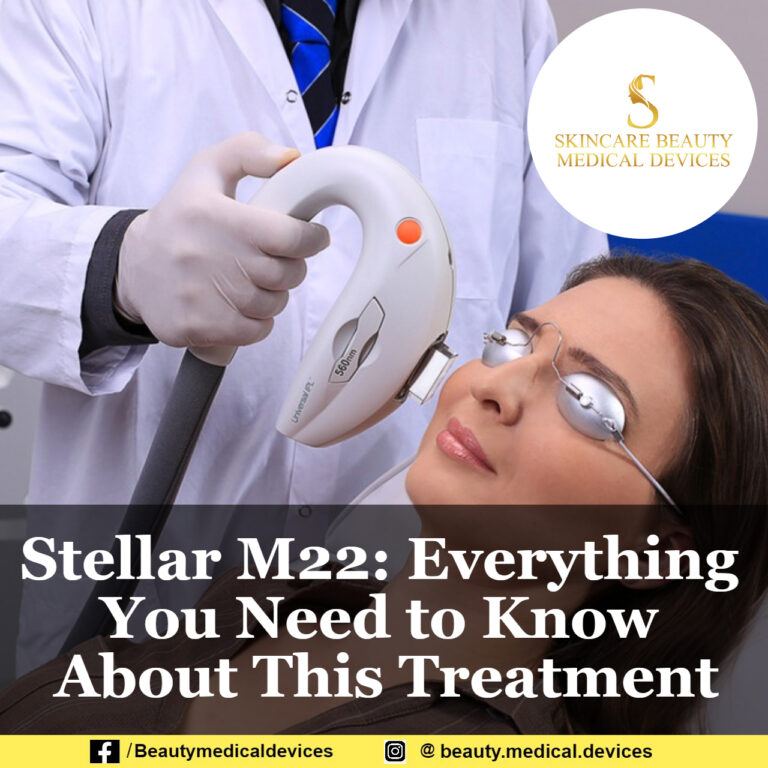
Stellar M22: Everything You Need to Know About This Treatment

0

Stellar M22 is an FDA-cleared system with four light-based technologies that treat a broad range of skin concerns, from lines and wrinkles to age spots and freckles, broken blood vessels, and acne. It also offers both hair removal and tattoo removal.

For patients, this means that more than 30 skin concerns can be conveniently, effectively treated in a single office visit.

Developed by Lumenis, the Stellar M22 device offers these treatment technologies:

  • Intense pulsed light (IPL), often referred to as a photofacial, treats a variety of skin concerns, including excess pigmentation—like age spots, sunspots, freckles, and melasma—and redness from broken capillaries and rosacea
  • ResurFX, a non-ablative fractional laser commonly used to treat hyperpigmentation, wrinkles, stretch marks, and mild acne scars
  • Multi-Spot Nd:YAG, a non-ablative laser used to treat vascular lesions (like broken capillaries) and varicose veins in the legs
  • Q-switched Nd:YAG, a non-ablative laser used to remove pigmented lesions and dark tattoos

Let’s dive into how each technology works to address cosmetic concerns.

Stellar IPL photofacial treatment targets brown and red pigment in the skin. They can also target the bacteria that causes acne, reducing its severity, along with stimulating collagen production, to help firm skin and reduce the look of fine lines and wrinkles.

Stellar IPL treatments can be done on the face, neck, chest, arms, and the backs of hands. Additionally, it can be used to remove unwanted hair on the bikini area, legs, and underarms as well as elsewhere on the body.

It’s an incredibly versatile treatment for more than 30 skin concerns, including:

  • Rosacea
  • Freckles
  • Hyperpigmentation
  • Photodamage
  • Melasma
  • Port-wine stains and other pigmented birthmarks
  • Broken capillaries
  • Leg veins
  • Acne
  • Unwanted hair

The Stellar IPL has multiple settings to address brown and red discoloration. It’s safe to use on a variety of skin tones, including tanned, brown, and deep skin.

Each treatment takes 15–30 minutes, depending on the concern being treated and size of the area.

The device cools the skin between pulses, reducing the risk of skin damage. You may experience a stinging sensation like a rubber band snapping, but it shouldn’t be painful.

Most providers recommend a series of treatments, typically spaced between four and six weeks apart, for optimal results.

ResurFX is a non-ablative fractional skin resurfacing laser that uses heat to stimulate the production of collagen, to rejuvenate skin. It’s used to treat textural issues and signs of aging like:

  • Enlarged pores
  • Fine lines and wrinkles, such as vertical lip lines around the mouth and crow’s-feet
  • Sun-damaged skin, including brown spots related to sun exposure
  • Mild acne scarring

Read more: Stellar M22: Everything You Need to Know About This Treatment

To know more about Skincare Devices and Beauty’s latest updates, please Like and Follow our Facebook and Instagram accounts…

 Read also: Isolaz: Everything to Know About This Painless Acne Treatment

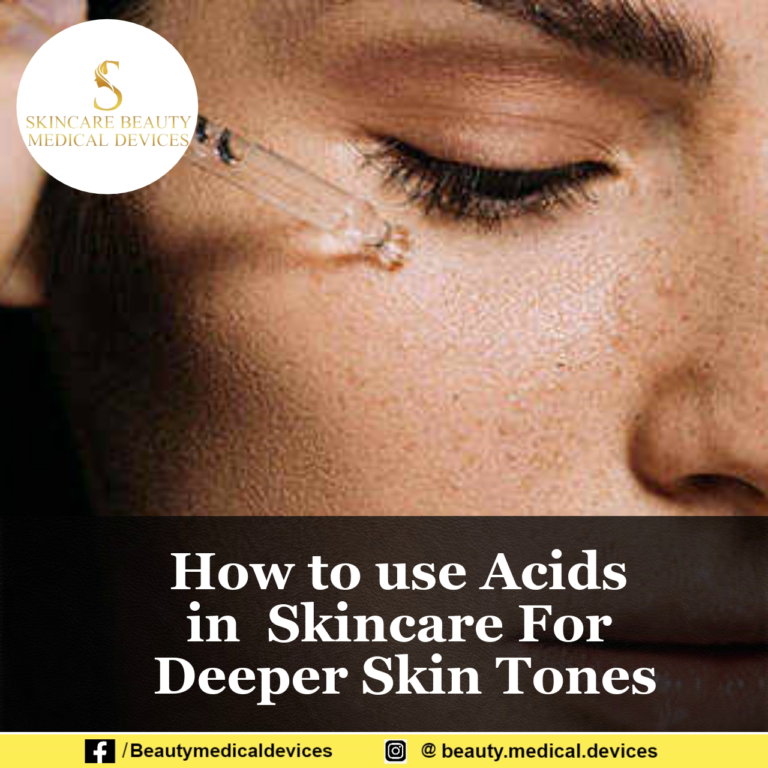
How to use Acids in Skincare For Deeper Skin Tones

0

Deeper skin tones are rich in melanin and can respond in different ways as compared to lighter or wheatish skin tones. This is especially true when you are dealing with potent acids that penetrate deep into your skin and work on transforming its texture and look. You have to be careful while using acids for melanin-rich skin; improper use can lead to hyperpigmentation and irritation. Here is a guide on using 5 of the trendiest skincare acids for deeper skin tones…

01. Salicylic acid

Salicylic is a safe to use acid for acne-prone and oily skin types. The ingredient functions as an anti-inflammatory and antibacterial agent to keep breakouts under control. It is also an excellent exfoliator and sebum balancer that can be used in multiple stages of your routine – cleanser, serum or even moisturiser. Products with 2% salicylic acid strength are ideal for deeper skin tones.

02.  Glycolic acid

A potent exfoliating agent, glycolic acid is an AHA (alpha hydroxy acid) that is used in chemical peels, toners and cleansers to slight off dead skin cells from your skin. This acid has the lowest molecular weight among all of AHAs and is thus highly penetrative in nature. This can sometimes lead to post-inflammatory hyperpigmentation issues for deeper skin types. Which is why it is recommended to use the much gentler mandelic acid in order to avoid such instances.

Read Full Story on bebeautiful.in       


Also read :  Coffee Skincare Benefits

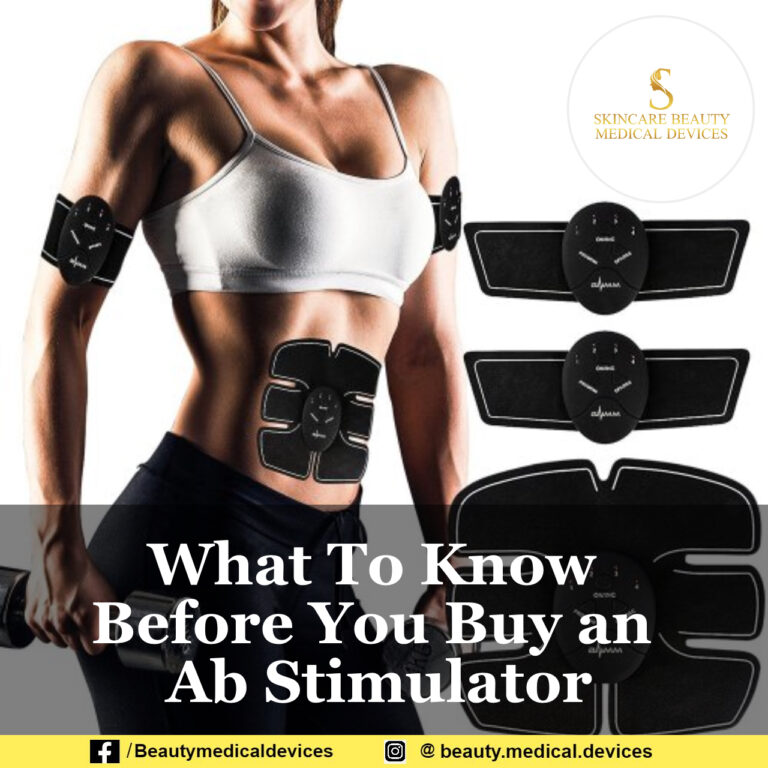
What To Know Before You Consider To Buy An Ab Stimulator

0

Each year millions of people research and buy fitness and weight loss gadgets to get closer to the body they want. One of the more popular products on the market claiming to strengthen and tone your abdominal muscles is an ab stimulator, which is an electrical muscle stimulator.

What do ab stimulators do?

Activate muscles

The benefits of using an ab stimulator are a result of the electrical currents that pass through the body, which is why these are also known as electrical muscle stimulation (EMS) devices.

An ab stimulator belt contains small electrodes that send electrical pulses through your skin when you secure the device around your midsection.

Tone existing muscles

Dr. Manish Shah, MD, a board-certified plastic surgeon, says ab stimulators can help tone muscles in the midsection by helping contract the muscles and activating with vibration.

However, he points out that there’s a misconception that ab stimulators will burn fat or be a primary tool for losing weight, and this isn’t the case.

“A regimen consisting of no significant nutritional and fitness goals other than the use of an ab stimulator will not help you achieve chiseled abs,” he explains.

Help in physical therapy

Since electrical muscle stimulators (EMS) are considered devices under the Federal Food, Drug, and Cosmetic Act, the FDA is required to regulate them Trusted Source.

With that in mind, the FDA states that most EMS devices they review are intended for use in physical therapy and rehab environments, not for aiding in fat loss.

While a Google search can produce countless consumer reviews and anecdotal stories about inches lost using an ab stimulator, according to the FDA, no EMS device is currently cleared for weight loss, girth reduction, or chiseling a six-pack.

Do ab stimulators work?

Determining whether or not ab belts work depends on your overall goals for using the product.

If you’re after continuous muscle activation and stimulation while you go about your day, then there’s a good chance you’ll be happy with the results.se

If you’re hoping to drop inches off your midsection, you might be left feeling a little disappointed.

Read more about Ab Stimulators

To know more about Skincare Devices and Beauty’s latest updates, please Like and Follow our Facebook and Instagram accounts…

Read also All You Need To Know Regarding Anti-Stress Skincare Routine

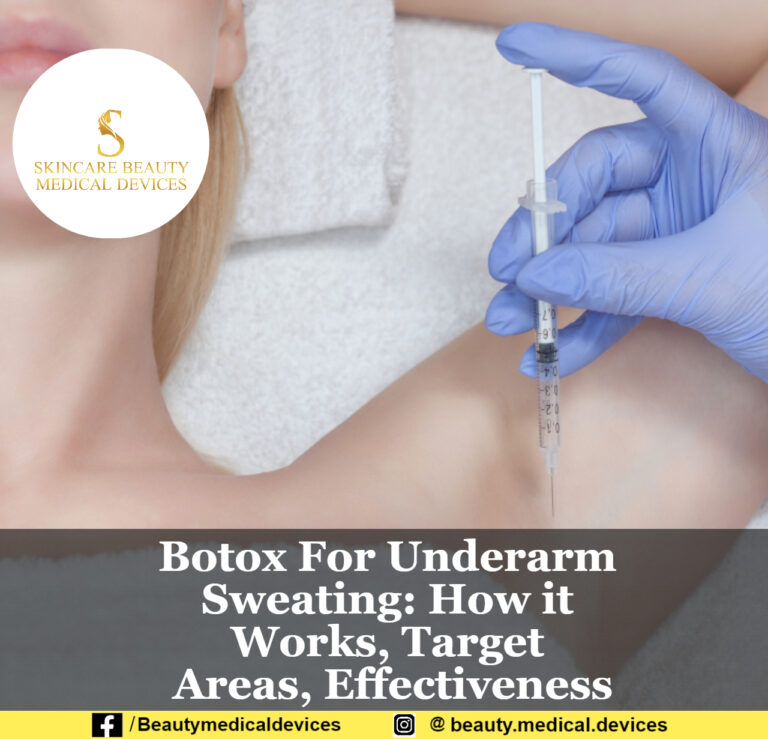
Botox For Sweating: How it Works, Target Areas And Effectiveness

Botox is a treatment that involves the injection of a toxin into the skin. It has both medical and cosmetic uses, and some people find it effective in reducing excessive sweating.

Does it work?

The United States Food and Drug Administration (FDA) have approved Botox injections to treat excessive underarm sweating. It works by blocking a chemical in the body that activates the sweat glands.

Underarm Botox injections can reduce underarm sweating by 82–87%. The effects can typically last 4–12 months, or up to 14 months in some cases.

People who receive underarm Botox injections tend to see results 2–4 days after treatment. The full effects are usually noticeable within 2 weeks.

To date, the FDA have approved Botox injections for underarm use only. However, a doctor may prescribe the treatment for excessive sweating elsewhere on the body, such as the hands, feet, head, or face.

How does it work?

Botulinum toxin is a neurotoxin made by the bacteria Clostridium botulinum. Neurotoxins are substances that affect the structure or function of the nervous system.

Botox alters the function of certain neurotransmitters. These are chemicals in the body that instruct the body to react in a certain way. Botox blocks the neurotransmitter that tells the sweat glands to activate, to control sweating in the injection area.

Cost

Botox injections can be expensive. An approximate cost for both underarms is $1,000, and a person needs to repeat the treatment every 7–16 months, so the expenses can add up.

Health insurance providers may cover the cost of Botox for excessive sweating. However, some may do so if a person can show other treatments do not work.

Use on other parts of the body

Doctors may prescribe Botox to treat excessive sweating on other areas of the body prone to excessive sweating. These include:

  • hands
  • feet
  • back
  • chest and under the breasts
  • groin
  • head
  • face
  • nose

Read Complete Article at Botox for Underarm Sweating

Also Read: Coffee Skincare Benefits