Home Blog Page 135

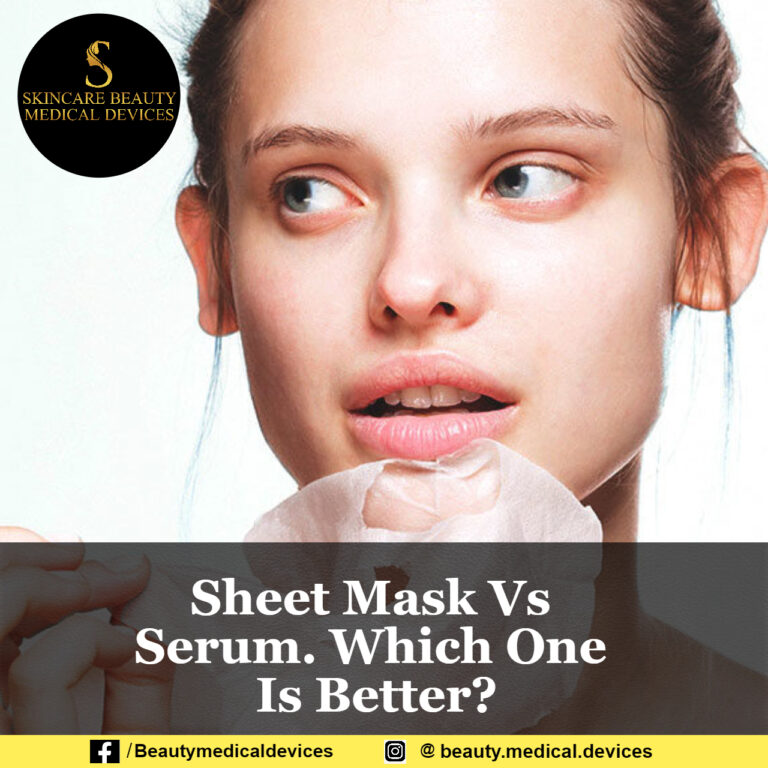
Sheet Mask Vs Serum. Which One Is Better?

0

Sheet Mask : It is never too old to age elegantly. And there is nothing on this planet that doesn’t age. So, instead of worrying about it ( which is going to make you more sick); it is better to embrace it. Though it requires a little concentrated effort.
Your skin is the most delicate part of your body. So naturally, you have to be most conscious and cautious in taking care Sheet Mask of it. DO NOT follow every beauty trend blindly. Find, Read, and then finally, Apply.

The most trending ones as of now are face masks and serums. Let’s dig in deep, to know why.
Sheet Masks
What is it- Peel offs, sheet, clay; face masks are available in many textures. And are supposed to be used after you have cleansed your face properly, with face wash or soap.
Qualities-
Each masks targets a specific skin concerns
Helps your skin to rejuvenate, and relax
Locks the active ingredients in your skin to heal

Serums
What is it: After cleansing- nourishes, hydrates, protects your skin. Contains larger amounts of active molecules in higher concentration. That potentially helps in quick and effective results.
Qualities:
Has a light texture
Works effectively on fine lines and wrinkles
Convenient and easy to use

Read Full Story on Skincare Products 


Also read: The Best Ingredients To Look For In Your Eye Cream
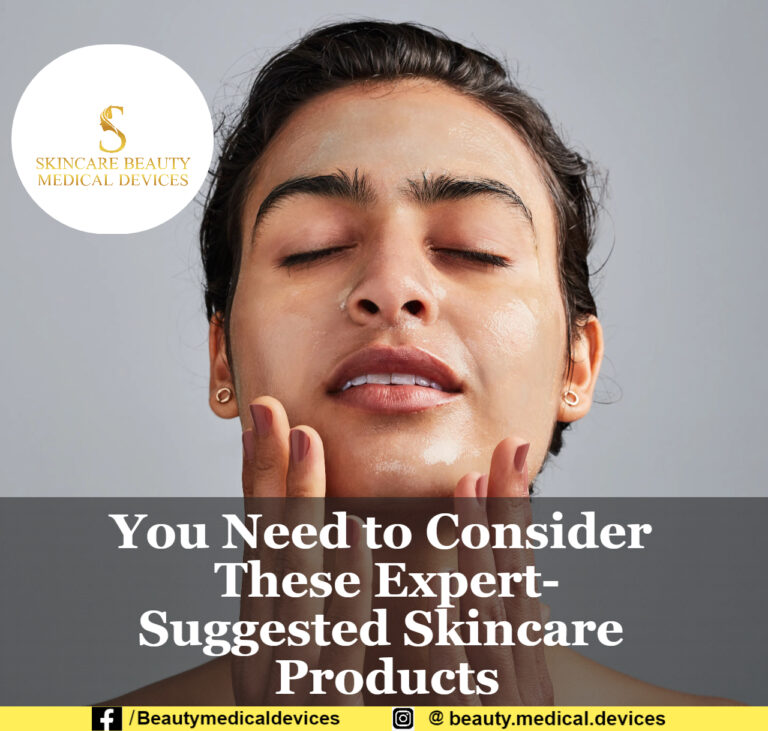
You Need to Consider These Expert-Suggested Skincare Products

0

We spoke with dermatologists and top beauty experts to put together a list of some of the best skincare products and tips. From choosing the right cleanser for your skin type to the importance of cleaning your makeup brushes, these easy tricks will help guide you to glowing skin ASAP.

Suggested Skincare Tips from Experts

  1. Cleansers are extremely effective in removing makeup, excess oil, dead skin cells, and pollutants from the face. When selecting a suitable cleanser, it is critical to consider the pH of the skin. Avoid acidic cleansers in favor of those with a pH of around 5.5, which is good for skin health. 

2. Throughout the years, dermatologists have presented both pro and con arguments for and against toner. This is because some include alcohol, which is effective at killing bacteria but dehydrates the skin. Toners can be good for nurturing and purifying the skin, but only if they are free of alcohol and astringents. If you’re looking for a toner, it’s worth investigating products that contain alternative substances such as propolis or chamomile, both of which are antibacterial and safer to use than alcohol. 

3. Combining a face serum and moisturizer can significantly improve the way your skin is nourished, hydrated, and protected. There are numerous serums available. The key is to understand your skin and which ones contain the chemicals or provide the advantages it requires. 

4. Dermatologists advocate applying a decent moisturizer immediately after administering the serum. As with serums, there are various varieties to choose from depending on your skin type. Identifying your skin type enables you to get the most out of your moisturizer.

About the Author:

Germie Alderite is a Registered Medical Technologist in the Philippines. She is currently studying Doctor of Medicine in the said country. Germie worked in an Adventist Wellness Center for a year before entering Medical School. She believes that many transgress the laws of health through ignorance, thus, people need instruction. They need to be impressed with the importance of making their knowledge a guide of life. Physician has many opportunities both of imparting a knowledge of health principles and of showing the importance of putting them into practice.

To know more about Skincare Devices and Beauty’s latest updates, please Like and Follow our Facebook and Instagram accounts…

Also Read: PiQo4 Laser Benefits

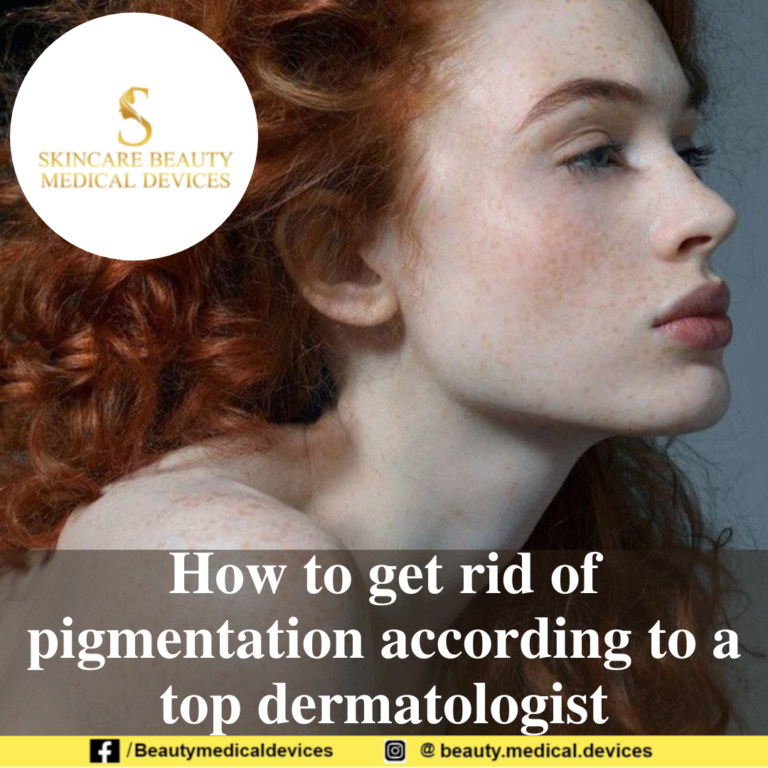
How to get rid of pigmentation according to a top dermatologist

If you pay meticulous attention to your skin, it’s likely you’ll have noticed small areas of discolouration and darkening. Yes, freckles are cute, but we’re not talking freckles, these are larger, uneven dark patches that seem to persist on your face, neck, shoulders and hands.

Pigmentation – or brown spots as they’re more commonly known – are caused by your skin’s arch nemesis, aka the sun. If you’ve read any of our informative articles regarding the damaging effects of sun exposure, you’re probably already pretty up to date with the ways that UVA rays can wreck your skin.

However, we wanted to really get to the bottom of the causes, the cures, and every other pigmentation related problem/question we’ve ever had. So, we turned to top Consultant Dermatologist, Justine Kluk to shed some light on what we’re really up against.

SO, WHAT CAUSES PIGMENTATION?

“Also known as hyper-pigmentation, pigmentation occurs due to an increase in the number of pigment-producing cells in the skin, or the pigmented substance they produce (melanin),” says Justine.

Still with us? Great. Let’s continue. Melasma is the most common form of facial pigmentation, and you’re likely to get it between the ages of 20 and 40. All you lucky people blessed with naturally tanned and darker skin are unfortunately more likely to be affected.

Interestingly, it’s not always brought on by sun exposure, as Justine explains: “Ninety percent of sufferers are female and, in most cases, melasma is thought to be triggered by pregnancy, hormonal medication e.g. the contraceptive pill and medical conditions that cause altered hormone levels.”

“Post-inflammatory pigmentation follows injury or inflammation of the skin, for example following a flare-up of acne or eczema. Whilst often considered a temporary phenomenon, it can be more intense and longer lasting in skin of colour.”

Read more cosmopolitan.com

To know more about Skincare Devices and Beauty’s latest updates, please Like and Follow our Facebook and Instagram accounts…

Read also: The Best Ingredients To Look For In Your Eye Cream
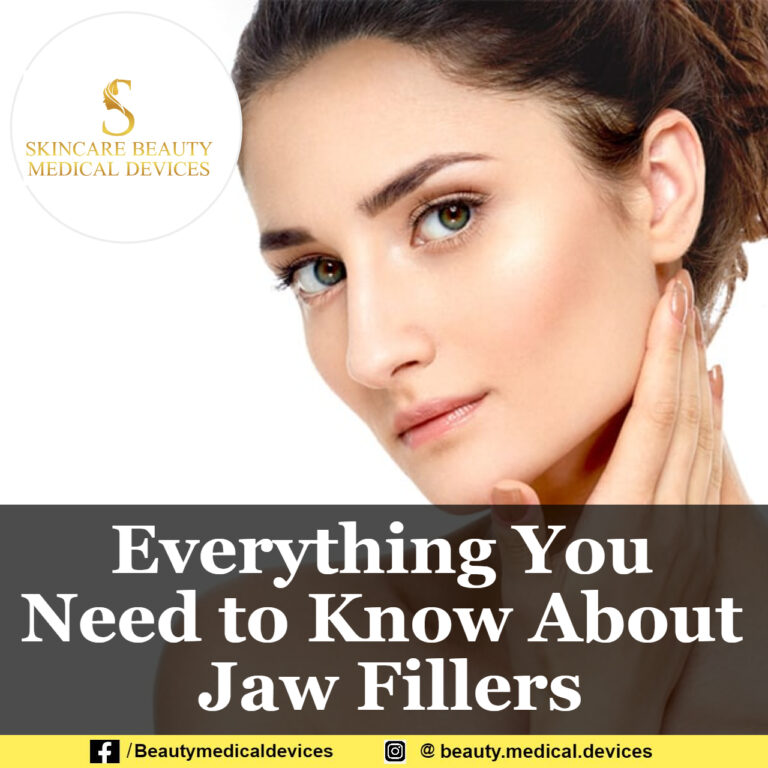
Everything You Need to Know About Jaw Fillers

0

Jaw fillers are gels that get injected into the skin. They provide volume and stimulate hyaluronic acid or collagen production. This can lessen the appearance of sagging, baggy skin, and bone loss around the jaw.

Jaw filler can be used to:

  • reduce the effects of age-related volume loss in the lower face
  • create a more oval-looking jawline
  • reduce the appearance of jowls
  • contour the jawline, giving it a sharper appearance
  • balance an asymmetrical jawline
  • strengthen or add proportion to the chin
  • provide a strong foundation and frame for the face

The jaw filler procedure is also referred to as nonsurgical jawline contouring. It’s a minimally invasive cosmetic procedure that should only be done by an experienced, licensed professional, such as a:

  • plastic surgeon
  • dermatologist
  • nurse practitioner
  • physician’s assistant

When strategically injected along the mandible (lower jaw), jaw fillers create a more defined separation between the jawline and neck.

“Jaw filler gives the face a sharper angle, which makes you look skinnier,” says dermatologist Dr. Barry D. Goldman. “It provides a subtle change, which never looks overdone or over the top.”

Not every type has been approved by the Food and Drug Administration (FDA) for this area of the face. But many doctors use fillers off-label for chin augmentation and for defining the jawline. The most common jaw fillers your doctor may use include:

  • hyaluronic acid (Restylane Lyft and Juvederm Voluma or Volux)
  • calcium hydroxylapatite (CaHA) (Radiesse)

There are several types of dermal filler your doctor might recommend for the jaw and chin. But currently, the only FDA-approved filler for jaw and chin augmentation is Juvederm Volux.

According to Dr. Goldman, thicker fillers are best for the chin and jawline because they aren’t malleable and stay where they’re strategically placed.

Jaw filler alone isn’t usually recommended for eliminating a double chin. But it may be beneficial for this condition when combined with other procedures, such as Kybella.

Read more: Everything You Need to Know About Jaw Fillers

To know more about Skincare Devices and Beauty’s latest updates, please Like and Follow our Facebook and Instagram accounts…

 Read also: You Can Do Beauty Treatments While Watching Netflix

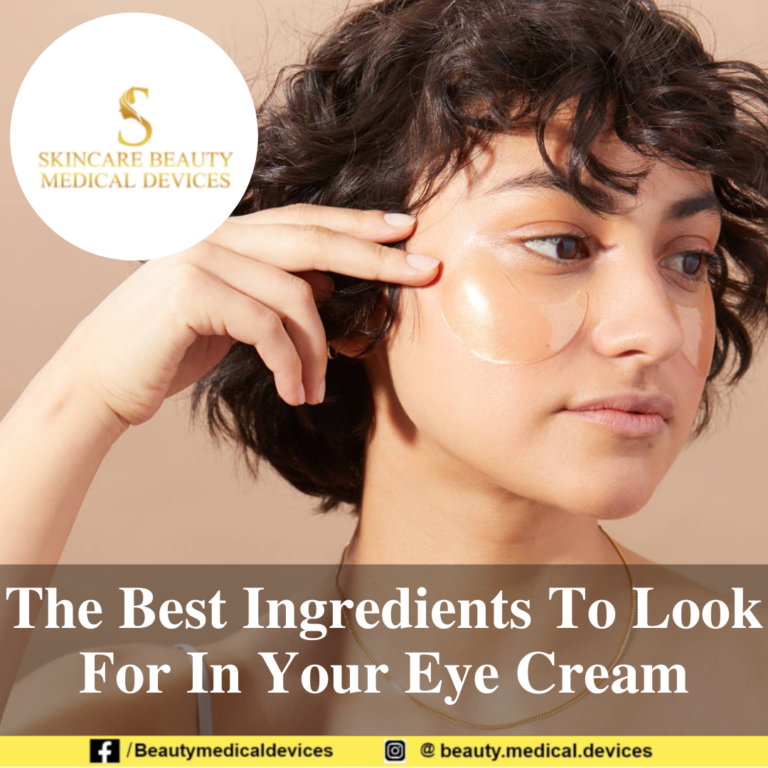
The Best Ingredients To Look For In Your Eye Cream
0

Under eye bags, dark circles and fine lines are prominent skin concerns that have been around us for as long as you can recollect. Endless products are launched year after year that claim to revolutionize the way your under eyes look and eliminate all the unwanted boo-boos. But take a pause and ask yourself, have these products really stood up to their claims? Chances are no. This is mostly because of their substandard ingredient mix that is not crafted with effective and well-researched ingredients or is maybe not just potent enough.

Today, we break down the best ingredients to look for in an eye cream that can make it work for real.

  1. Hyaluronic Acid: Isn’t the logic behind this listing too obvious? Hyaluronic acid serums and creams are the hottest things now and for all the right reasons. The ingredient helps your under eyes exactly like the rest of your face – by making it plump, adding moisture and eliminating stubborn dryness in the area.
  2. Retinol: Retinol is an A1 anti-ageing ingredient and we all know this by now. While a potent retinol serum may be too strong for your under eyes (and could cause irritation), a retinol-infused product specially crafted for the eye area would be ideal. Retinol firms the skin, erasing the appearance of fine lines and wrinkles while reducing dark circles. Win-win!
  3. Caffeine: When you think of eye creams, you think of caffeine. And why not? It’s a hero ingredient to combat all your under eye concerns. Starting from puffiness and minimizing pigmentation to tightening the skin and cutting down on the dark circles, this antioxidant-rich ingredient can do it all.
  4. Vitamin C: You know how badly your under eye skin is on a hunt for some brightening and radiance which is why vitamin C is its best friend. Known for its genius brightening properties, vitamin C also fades hyperpigmentation and aids with collagen production for healthy and youthful under eyes.

Read more femina.in

To know more about Skincare Devices and Beauty’s latest updates, please Like and Follow our Facebook and Instagram accounts…

Read also: Under-Eye Filler: A Sure-Fire Way to Get Rid of Pesky Under-Eye Bags

Busting 5 Myths About Oily Skin For Good

Oily skin is one of the most common skin types in a tropical and humid country like ours. Add the excessive heat in most months of the year, overpowering pollution and unmatched UV damage, it damages your skin a lot more than you think. Oily skin refers to the production of excess sebum time and again on the uppermost layer (epidermis) of your skin, resulting in a shiny film of oil all day long. If you can spot sebum sitting on your skin within an hour of cleansing your skin, you have oily skin. Since oily skin may invite many unwanted guests like acne, blackheads, melting makeup and more, it is always subjected to a list of advice and tips. But, are they really worth following? In most cases no, which is why we’re debunking 5 myths about oily skin that you must stop believing.

Myth 1: Oily skin doesn’t require to moisturise

This is one of the most commonly believed myths that you need to stop following RN. Every skin needs to moisturise, no matter what. Read that again. Oily skin can get dehydrated too, which is why using a moisturiser crafted particularly for this skin type will be ideal. “The key to dealing with oily skin is to hydrate it without adding extra oil from other products. Your skin would become dehydrated if there was no moisture and would begin to overcompensate by producing more oil. Choose a moisturiser that is light and won’t clog your pores,” explains Dr Niketa Sonavane, Celebrity Dermatologist and founder of Ambrosia Aesthetics, Mumbai. Pick a lightweight, oil-free and non-comedogenic moisturiser.

Myth 2: Oily skin is a reflection of an unhealthy (oily) diet

While what we eat plays a pivotal role in determining our overall health, the emergence of oily skin isn’t spurred by an oily, unhealthy diet. Yes, it may worsen the situation but there are other things like genetics and environmental conditions that have to be factored in too. “Many factors can contribute to your oily skin, from your genes to your hormones to your environment; many things can have an impact on your skin condition. Poor dietary choices can aggravate your skin condition too,” says Dr Sonavane.

Myth 3: Regular exfoliation helps to control the sebum production

You wanna unclog your pores and get all that gunk out of it? We get it. But nothing is good when overdone. Oily skin types are believed to require more exfoliation than the other skin types, but this doesn’t mean every day. You may damage your sebaceous glands resulting in more oil production than before. Similarly, you can limit washing your face with a cleanser to twice a day, to avoid stripping off natural oils and making the skin dry. “Exfoliating oily skin can help keep pimples, blackheads, and clogged pores at bay. But keep in mind that even oily skin can become red and irritated if you use too much of an exfoliating product, which can cause an increase in oiliness,” warns Dr Sonavane.

Read Full Story on femina.in

To know more about Skincare Devices and Beauty’s latest updates, please Like and Follow our Facebook and Instagram accounts…

Also Read: Choosing The Right Chemical Exfoliant For Your Skin Type

Choosing The Right Chemical Exfoliant For Your Skin Type

0

Skin Type: From choosing harsh scrubs which was the standard practice to exfoliate the skin to choosing the right chemical serums according to your skin concerns, the skincare industry has come a long way. There are two different types of exfoliants – physical and chemical. While the physical exfoliators have been there for the longest time, the chemical ones are now going mainstream.

Chemical exfoliants are a great addition to our skincare regime. The skincare industry and beauty bloggers are all going gaga over chemical exfoliants. So you must have heard about it and if not let us have a look at what these are, how they work and which ones should you go for.

What Exactly Is A Chemical exfoliant?
Chemical exfoliants are acids that are used to remove the built-up of dead skin cells to give us new, healthy and radiant skin. They unclog your pores and even reduce signs of aging. It protects the skin against free radical damage and even helps dealing with acne scars, dull skin, dark spots, pigmentation. Chemical exfoliation removes the top layer of skin and gives way to a fresher new skin. Chemical exfoliation is gentler than physical exfoliation.

They come in various concentrations. The two of the most common types of chemical exfoliants are:

AHA (ALPHA-HYDROXY ACIDS)
AHAs include ingredients like glycolic acid, lactic acid, malic acid and mandelic acid that are water soluble. AHA’s help with enlarged pores, pigmentation, fine lines, texture and dark spots.

BHA (BETA-HYDROXY ACIDS)
BHAs essentially consist of Salicylic acid which is commonly used in skincare. BHAs are oil soluble and they dive deep into the skin to unclog pores and remove the excess sebum. BHAs are for normal to oily and acne-prone skin. BHAs are ideal to get rid of blackheads/whiteheads and acne.

Read Full Story on femina.in


Also Read: PiQo4 Laser Benefits

Three Conditions You Didn’t Realize Laser Could Treat

0

When you hear the word ‘laser,’ the term ‘hair removal’ may immediately come to mind. While can certainly assist in obtaining silky-smooth pins, they also have a variety of other applications. Laser therapy can be used to treat a variety of skin conditions and concerns, including pigmentation, facial veins, redness, and even fine lines and sun damage. These are three skin concerns that you may not be aware can be treated with laser! 

Pigmentation Laser 

It treatment for pigmentation is especially beneficial if you wish to reverse the effects of sun damage. Treatments target the pigmentation in the skin and stimulate the body’s natural healing process to correct the problem area, with the pigmentation eventually fading to the skin’s natural color. 

Laser Treatment for Rosacea 

While using lasers to treat pinkness or redness may seem counter-intuitive, laser treatments are an excellent way to eliminate visible veins, broken capillaries, or visible blood vessels on your skin. This is for facial redness and veins are quick, effective, and completely safe! 

Fraxel Laser for Anti-Aging Dual Laser treatments result in smoother, more youthful-looking skin with improved skin tone, texture, and pore size, as well as the softening of wrinkles and fine lines and the reduction of the appearance of sun damage. The groundbreaking treatments regenerate your own natural collagen, eradicating years from your appearance and rejuvenating aged and tired skin.

About the Author:

Germie Alderite is a Registered Medical Technologist in the Philippines. She is currently studying Doctor of Medicine in the said country. Germie worked in an Adventist Wellness Center for a year before entering Medical School. She believes that many transgress the laws of health through ignorance, thus, people need instruction. They need to be impressed with the importance of making their knowledge a guide of life. Physician has many opportunities both of imparting a knowledge of health principles and of showing the importance of putting them into practice.

To know more about Skincare Devices and Beauty’s latest updates, please Like and Follow our Facebook and Instagram accounts…

Also Read: PiQo4 Laser Benefits

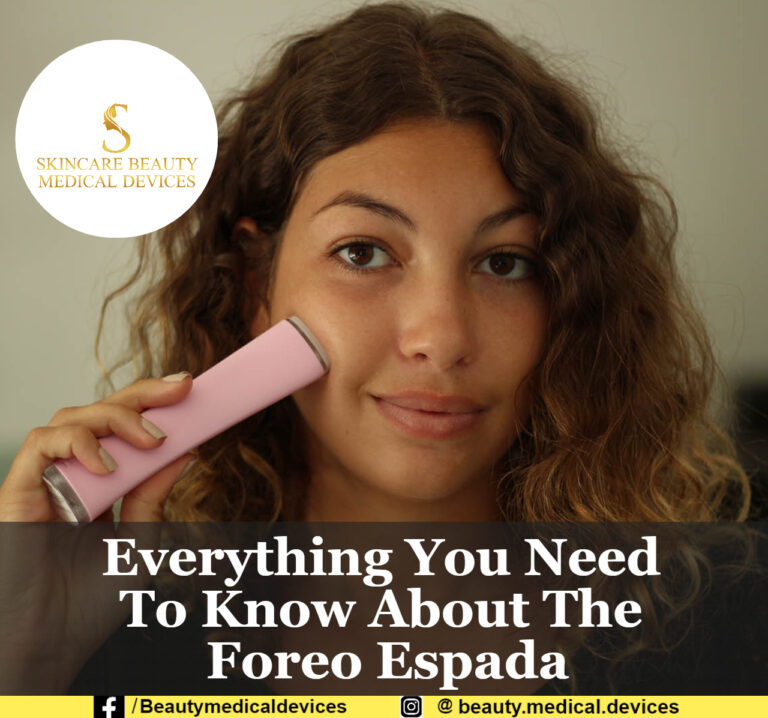
Everything You Need To Know About The Foreo Espada

One of my greatest woes in life is my acne-prone skin. I’ve invested many hours and dollars over the years to find the perfect treatment to clear my complexion. The Foreo Espada is a gentle, painless, at-home acne treatment that promises to “blast blemishes out of existence”.

Packaging and Design

Available in three colors, the Foreo Espada is a long and sleek triangular prism-shaped device. Included in the box are a storage bag, a USB charger, and an instructional manual. The device is wrapped with a layer of anti-bacterial silicone so it is 100% waterproof. There is only one button to turn on and off the device and to clean the treatment surface. Simply wash and rinse with warm water and soap. The device is rechargeable and each full charge yields 240 treatments (120 minutes).

Who Is It For?

Designed to treat “mild to moderate inflammatory acne on the facial area”, the Foreo Espada can be used over whiteheads, blackheads, papules, and pus-filled inflammatory acne. Foreo advises against using the device on “severe, nodular, or cystic acne” and areas with moles, warts, and ingrown hair should be avoided. Temporary warmth, discoloration, and redness may occur with use. I personally only experienced some warmth during treatment but aside from that, the device resulted in no additional side effects.

How Does It Work?

With a laser-focused blue LED light that penetrates pores to kill acne-causing bacteria, the Foreo Espada is a painless and non-invasive acne treatment. Once it’s turned on, the head of the device emits a small red target light that helps aim and place the treatment surface directly over the intended area. When the treatment window makes contact with skin, the LED light automatically turns on. The device also vibrates with a “unique T-Sonic pulsation”, which helps “propel the blue light wavelength deeper” into the skin surface. The light and vibration automatically turn off after 30 seconds and you may repeat the treatment up to four times on the same area.

Read Complete Article at About Foreo Espada

Also Read: High Intensity Ultrasound Treatment

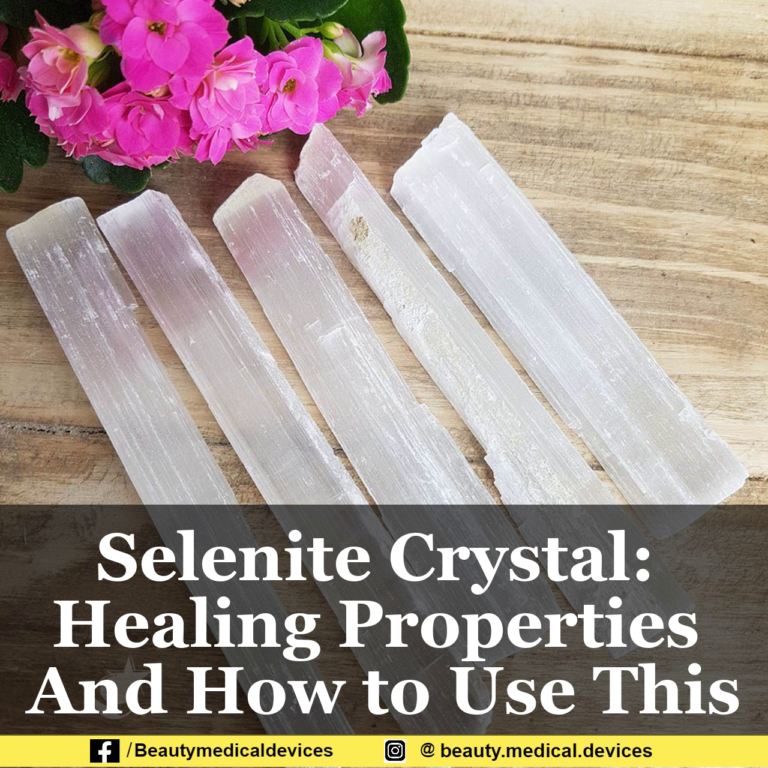
Selenite Crystal: Healing Properties And How to Use This

0

Selenite is a crystallized form of gypsum that’s mostly commonly found in the form of a translucent, multifaceted stone. It’s formed when sulfate and calcium-rich saltwater evaporates, and it has a hardness of 2 on the Mohs scale.

Many people believe selenite is a powerful healer with multiple benefits, though there’s no scientific evidence to support this.

However, there is evidence that selenium — which is selenite’s trace element form — has multiple health benefits. A trace element is a chemical element found in a very small amount in living things.

Here are a some of the main purported healing benefits of a selenite crystal:

  • promotes peace and calm
  • provides clarity
  • clears blocked energy
  • elevates the spirit
  • helps you access your intuition
  • is an effective space cleanser
  • vibrates at a very high frequency
  • promotes connection and camaraderie
  • enhances powers of manifestation

Promotes peace and calm

“Selenite is a crystal that vibrates at a very fine vibration level,” says crystal healer Samantha Jayne. Because of this high frequency, “it’s one of the most powerful crystals in the universe.”

Jayne says that selenite carries an energy of peace and calm. This makes it an ideal crystal for any situation where peace needs to be restored.

Clears blocked energy

Crystal healer Charlotte Grace agrees.

“Selenite vibrates at a super-high frequency, meaning it’s a very powerful healer,” she says.

Grace also notes that selenite is effective at clearing heavy, blocked energy. This allows energy to flow at a high vibration, she says, elevating the spirit.

Grace recommends using selenite to cleanse:

  • your energy
  • your home
  • your belongings
  • other crystals

Provides clarity

Some people believe selenite can boost mental clarity and open the door to your intuition. Jayne agrees.

“From a healing perspective, it has the capacity to calm the mind, to bring the soul to peace, and to bring clarity to those who need it,” she says.