Home Blog Page 148

Laser Resurfacing for Better Skin: Things You Must Know

0

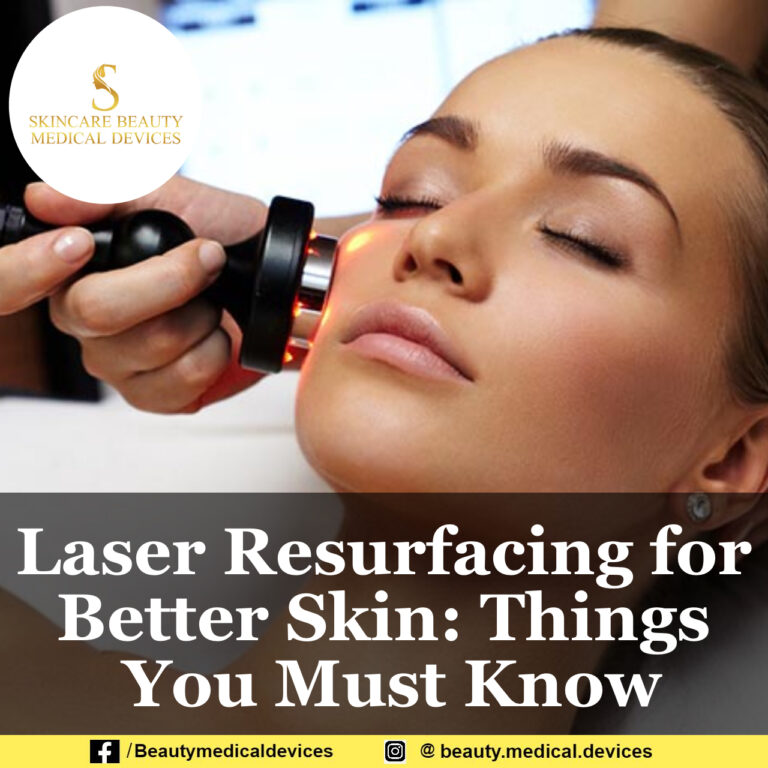
Laser resurfacing is a treatment to reduce facial wrinkles and skin irregularities, such as blemishes or acne scars.

The technique directs short, concentrated pulsating beams of light at irregular skin, precisely removing skin layer by layer. This popular procedure is also called lasabrasion, laser peel, or laser vaporization.

Who Is a Good Candidate For The Treatment?

If you have fine lines or wrinkles around your eyes or mouth or on your forehead, shallow scars from acne, or non-responsive skin after a facelift, then you may be a good candidate for this treatment.

If you have acne or if you have very dark skin, you may not be a candidate. This technique is also not recommended for stretch marks. You should discuss whether this is right for you by consulting with the doctor before having the procedure done.

How Does Laser Skin Resurfacing Work?

The two types of lasers most commonly used in this treatment are carbon dioxide (CO2) and erbium. Each laser vaporizes skin cells damaged at the surface level.

CO2 Laser Resurfacing

This method has been used for years to treat different skin issues, including wrinkles, scars, warts, enlarged oil glands on the nose, and other conditions.

The newest version of this method (fractionated CO2) uses very short pulsed light energy (known as ultra pulse) or continuous light beams that are delivered in a scanning pattern to remove thin layers of skin with minimal heat damage. Recovery takes up to two weeks.

Erbium Laser Resurfacing

This is designed to remove surface-level and moderately deep lines and wrinkles on the face, hands, neck, or chest. One of the benefits of erbium laser resurfacing is minimal burning of surrounding tissue. This laser causes fewer side effects — such as swelling, bruising, and redness — so your recovery time should be faster than with CO2 laser resurfacing. In some cases, recovery may only take one week. Ask your doctor how long recovery is likely to take for you.

Read more: Laser Resurfacing for Better Skin: Things You Must Know

To know more about Skincare Devices and Beauty’s latest updates, please Like and Follow our Facebook and Instagram accounts…

 Read also: Everything You Need to Know About the Benefits of DermaStamp

 

Deincrustation: Perfect Way To Prepare Skin For Easy Extractions

What does desincrustation mean?

Desincrustation is a deep cleansing treatment that softens and emulsifies sebum and keratin in the follicle. It is an ideal treatment for pores in oily or congested skin to prepare for extractions. It can be used by itself after cleansing or if appropriate, incorporated with steaming.

The ideal way to perform desincrustation:

Using a combination of low voltage negative galvanic current and desincrustation gel, which provides a deep cleansing treatment.

Here’s a little bit of science:

Galvanic current is a low-level, continuous current that flows in one direction known as direct current (DC) just like the electricity from battery. “Galvanic treatments employ this low-level, medium amperage direct current to achieve a multiple skin benefits like stimulating cells, moving tissue fluid, softening up blackheads and driving ingredients deep into the epidermis.”

How and where to perform desincrustation during the facial?

After finishing the cleanse portion of the facial, a desincrustation solution is applied to both the skin and the gauze/cotton covering the active electrode which is then moved over the affected area. Apply the desincrustation for 5-8 minutes, depending if it’s incorporated with a steamer or not. When choosing both the steamer and desincrustation together, use the steamer first then use desincrustation. This is then followed by manual extraction and the application of a purifying and calming disinfecting lotion, solution or serum with an acidic pH to make sure the pH of the skin is balanced. After completed, return back to the protocol of the treatment chosen by the client.

What are the benefit of performing desincrustation?

· Helps eliminate accumulation of oil that causes acne

· Works on deep cleansing seborrheic and congested skin

· Stimulates grey, sluggish skin

· Dilates the follicle

· Increase blood and lymphatic circulation

· Attracts negative ions

What are the contraindications to desincrustation?

· Metal implants such as pacemakers, metal plates in the face, metal fillers

· Facial piercings

· Heart conditions

· Pregnancy

· Epilepsy

· Diabetes

· Skin infection and/or irritation

Read Complete Article at Deincrustation

Also Read: SleepCycle App

How I Learned That Skincare Is A Privilege And That’s A Problem

0

The pandemic changed the course of my life, and I know for a fact that I am not alone in this. While we struggled with social isolation, and dealt with grief and crippling mental health, we all found something that helped to save our sanity. For me – and I am sure for many of us – beauty, especially skincare, became a way of unwinding after an unexpectedly long day spent sitting (with terrible posture) in front of the screen.

I, single-handedly, am perhaps the reason why beauty e-comm platforms made profits during that time! Okay, while that would be an exaggeration, it’s also a confession: I did spend A LOT on skincare during the lockdown, and so did many others. It seemed an easy and inexpensive way (I’m coming to that!) to escape the madness we found in the monotony of staying indoors. Let me also mention that brands launching their new skincare lines one after another didn’t help the urge to splurge either.

It brought me instant gratification; it was easy. And, though it sounds justified, it took me 18 months to realise that skincare, often defined as self-care, is a financial privilege, and that privilege is something we don’t talk about.

How many of you spent on skincare in the last one year?  If you did, how many of those products are still a part of your skincare routine? Building a skincare routine doesn’t come easy. I realised that when I saw a line of bottles sitting in my cabinet, some half used, some nearing their expiration date, and (sadly) some not used yet. It’s a cycle: you buy a product, use it, and move on to another if it doesn’t work for your skin or if you find a better alternative. Believe it or not, experimenting with and testing products is something only people with money can afford.


Read Full Story on skincare 


Also read: The Following Is a step-by-step Instruction for Performing An All-natural Facial at Home

Skin Matters: Your on-the-go Skincare Mobile Application

0

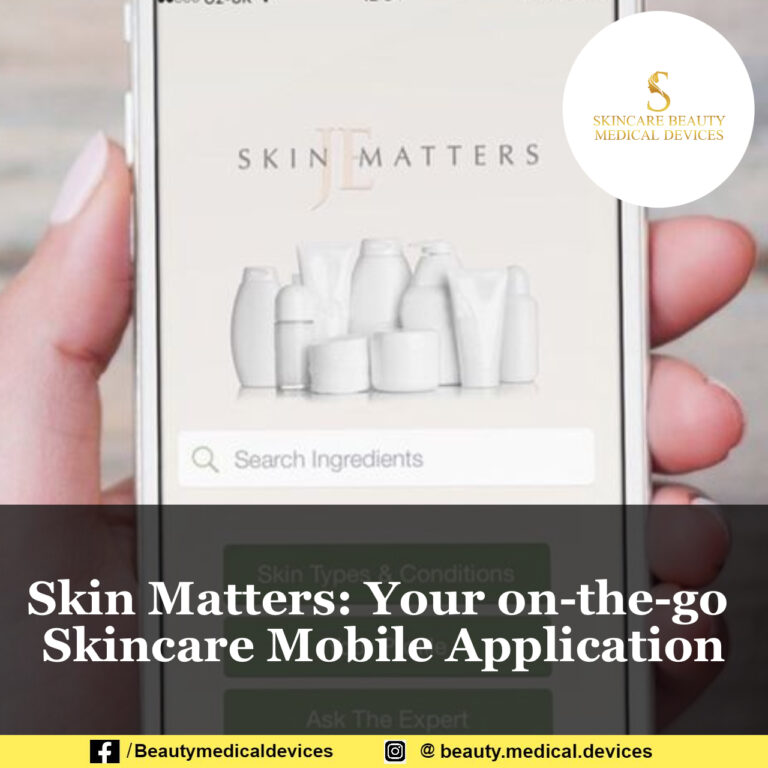
Our professional and personal lives are becoming increasingly technology-dependent. It’s natural for us to incorporate new technologies into other aspects of our lives, particularly the beauty and skincare industries. Skin Matters is a life-saving mobile application

Skin Matters: Your on-the-go Guide to Skincare

Do you require immediate access to a skin expert? The Skin Matters app provides explanations for over 2000 of the most commonly used skincare ingredients and almost 20 ingredients that we should avoid entirely due to their known toxicity to the skin and lack of safety! Skincare does not have to be a minefield, as The Skin Matters App clarifies and allows you to double-check that you are using the right skincare for you. Ideal for the savvy beauty enthusiast or anyone who has struggled to get their skincare routine just right! 

Perks of the app

  • Create a profile and determine your skin type 
  • Examine skin conditions 
  • Look up/search/browse an ingredient 
  • Learn about the ingredient’s benefits, which skin types it is suitable for, who to avoid, what other ingredients it is similar to, and whether it should be avoided. 

Are you prepared to use your phone to assist you in achieving your best skin yet? Skin Matters’ most recent version is now available for download!

About the Author:

Germie Alderite is a Registered Medical Technologist in the Philippines. She is currently studying Doctor of Medicine in the said country. Germie worked in an Adventist Wellness Center for a year before entering Medical School. She believes that many transgress the laws of health through ignorance, thus, people need instruction. They need to be impressed with the importance of making their knowledge a guide of life. Physician has many opportunities both of imparting a knowledge of health principles and of showing the importance of putting them into practice.

To know more about Skincare Devices and Beauty’s latest updates, please Like and Follow our Facebook and Instagram accounts…

Read Also 3 Dairy-free Sources of Rich Calcium for Lactose Intolerant People

Everything You Need to Know Before Microblading Your Eyebrows

0

Permanent tattooing is not an ideal option—especially for those who don’t want the life-long commitment. This is the reason microblading, with its low-maintenance and semi-permanent appeal, has quickly become a go-to beauty treatment for women looking to obtain perfectly shaped (and filled in) eyebrows with little to no effort.

1. It uses the same technique as a traditional tattoo, but they’re not the same.

Similar to getting a tattoo, microblading uses small needles to deposit pigments on your skin. “Microblading is a manual tattoo technique designed to create natural hair-like strokes,” says Liz Carey, Esthetician. “We use a series of small needles which look like a blade to deposit pigment into the upper dermis of the skin, making it a semi-permanent procedure,” she adds.

2. It’s a two-part process.

The initial appointment is generally two to two-and-a-half hours long from start to finish. The microblading process itself takes about 45 minutes to one hour. “I create a template based on my client’s facial structure and features,” she notes. “At this point, my client and I will make any adjustments and they will ‘OK’ the shape,” she adds.

Following the initial appointment, Carey asks her clients to come back six to eight weeks later to see how the skin healed. “At that point, we can make any adjustments needed such as color and density,” she explains. The [follow-up] appointment is generally one to one-and-a-half hours long.

3. Expect a little bit of pain. 

Generally speaking, you will have little to no discomfort but may have some redness and mild swelling after your microblading appointment. Most artists use a topical numbing cream before the procedure, so you shouldn’t feel any pain.”

Carey uses a formula that is 5% Lidocaine, which is used to temporarily numb and relieve pain. She allows the cream to work its magic for about 15–30 minutes before she begins to microblade. “If you experience excessive swelling, redness or discomfort, definitely contact your artist and see a physician,” she advises.

Read Complete Article at About Microblading

Also Read: Facial Microneedle Roller System

Everything You Need to Know About the Benefits of DermaStamp
0

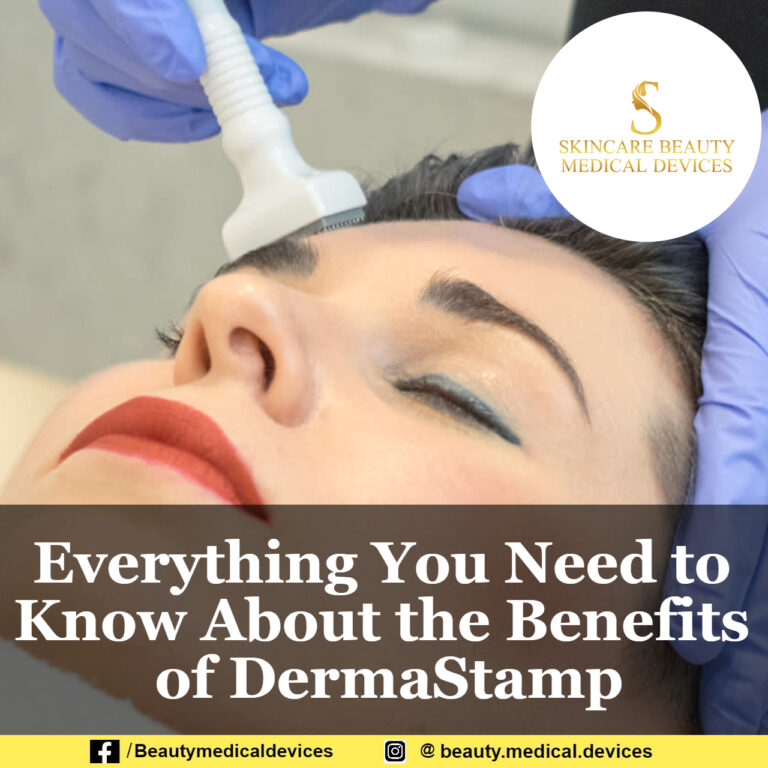
DermaStamp is a clinically proven system which works using a handheld stamping device to penetrate the skin to create vertical channels. This stimulates the skin’s healing responses, but also allows direct delivery of active ingredients e.g. hyaluronic acid and vitamins, according to the patient’s needs, to the deeper layers of the skin.

As the procedure involves no heat, injections or lasers; it is considered a very safe procedure which adopts a very natural approach to work in harmony with the body’s own processes.

As the DermaStamp is flat it penetrates evenly through the skin, making the treatment safer and more effective.

What problems can DermaStamp treat?

  • SCARRING – treatment can help to reduce the appearance of scarring and acne scarring
  • ANTI-AGEING – DermaStamp can stimulate rejuvenating tissue regeneration, improving the appearance of fine lines, wrinkles, deep lines and creases
  • SKIN TIGHTENING – the skin stimulation process triggers skin tightening – treating age-related skin laxity. It can improve the appearance of enlarged pores or even stretch marks
  • HYPER PIGMENTATION – in the weeks after treatment, skin can develop a clearer and more even tone and complexion with pigmentation reduced
  • HAIR LOSS – stimulating the scalp tissue is potentially very beneficial for fighting hair loss, by encouraging a healthier skin and better hair retention
  • PRP THERAPY – DermaStamp can be used to prepare the skin to receive PRP – Platelet Rich Plasma – which releases powerful healing agents from the patient’s own purified blood sample.

    How Long does Treatment Take?

    A full session of DermaStamp treatment usually takes around 30-60 minutes, although this does depend on the area treated.

    What preparation is involved?

    Firstly, the skin is cleaned and sterilised. Usually it is numbed using emla cream to ensure comfort. Pain killers are also available on request. The Dermapen device will glide over the skin creating stimulating channels. Then the appropriate preparation is applied to the skin where it is readily absorbed and delivered i.e. hyaluronic acid, serum, PRP or whichever is being used.


    Read more: Everything You Need to Know About Benefits of DermaStamp 

    To know more about Skincare Devices and Beauty’s latest updates, please Like and Follow our Facebook and Instagram accounts…

     Read also: The Following Is a step-by-step Instruction for Performing An All-natural Facial at Home

The Ordinary Skincare Products To Make Up Your Beauty Routine In 2021

0

Developing a skincare routine is non-negotiable in today’s day and age. The potential environmental damage that can affect your skin, and the lifestyle you live, play a role in determining how your skin will look. You will need to make sure you stock up on the ordinary products that are essential to protecting your skin from damage and repairing the damage that already may have occurred.

The ordinary skincare routine that you may have been following all your life might need an upgrade. Because the basics of skincare that involve ordinary skincare products like turmeric powder, milk, honey and aloe vera gel, will not be enough to treat modern-day concerns.

You need to have some OTC products too that can comprise your new basic kit of the ordinary skincare products you use in daily life. Check out the absolute must-haves in skincare to build your basic and highly skincare routine.

Cleanse The Skin On Your Face With A Face Wash

Don’t just use regular soap. If you want clear and healthy skin, always use a cleanser that is specifically designed for the skin on your face. It is more hygienic than a bar of soap that you use for your entire body which may cause infections. Identify your skin type and find a face wash that comes in a tube, bottle or tub to wash your face.

Exfoliate Skin With A Scrub

Be it your face or body, you need to exfoliate your skin once a week. This will ensure deep-rooted impurities in your skin come to the surface and are eventually removed from your skin. Exfoliation helps healthy skin cell turnover. It will remove dead skin cells and prevent them from clogging your pores so that you are free from future breakouts.


Read Full Story on skincare products 


Also read: Kareo Medical Software


3 Dairy-free Sources of Rich Calcium for Lactose Intolerant People

0

Calcium is a vital mineral for our health, and milk is one of the best sources. Since childhood, we are compelled to drink a glass of milk daily because it is high in calcium, which helps to strengthen our bones and teeth. Additionally, it is necessary for muscle function and nerve signaling. However, what if you dislike milk or are lactose intolerant? Do not be concerned. You can still get your daily calcium requirement by including calcium-rich seeds and vegetables in your diet. 

3 Dairy-free Sources of Rich Calcium for People Who Are Intolerant to Lactose
  1. Chia seeds: Daily consumption of 45 grams of chia seeds provides the same amount of calcium as a glass of milk. This can help maintain the health of your bones, teeth, and nails. 
  2. Sesame seeds: Contains 300 mg of calcium in 30 grams. By incorporating it into your salad or smoothie on a daily basis, you can help reduce your risk of developing knee osteoarthritis. 
  3. Leafy green vegetables: Additionally, dark, leafy greens are an excellent source of calcium. Only 150 to 200 grams of these green leaves contain an adequate amount of calcium.

Additionally, kidney beans, dried moringa, almonds, figs, tofu, broccoli, sweet potato, sunflower seeds, ladyfingers, and oranges are excellent sources of calcium. Fill your plate with vibrant foods to ensure that you are meeting your daily nutrient requirements.

About the Author:

Germie Alderite is a Registered Medical Technologist in the Philippines. She is currently studying Doctor of Medicine in the said country. Germie worked in an Adventist Wellness Center for a year before entering Medical School. She believes that many transgress the laws of health through ignorance, thus, people need instruction. They need to be impressed with the importance of making their knowledge a guide of life. Physician has many opportunities both of imparting a knowledge of health principles and of showing the importance of putting them into practice.

To know more about Skincare Devices and Beauty’s latest updates, please Like and Follow our Facebook and Instagram accounts…

Read Also Create Flawless Skin By Treating Sebaceous Hyperplasia

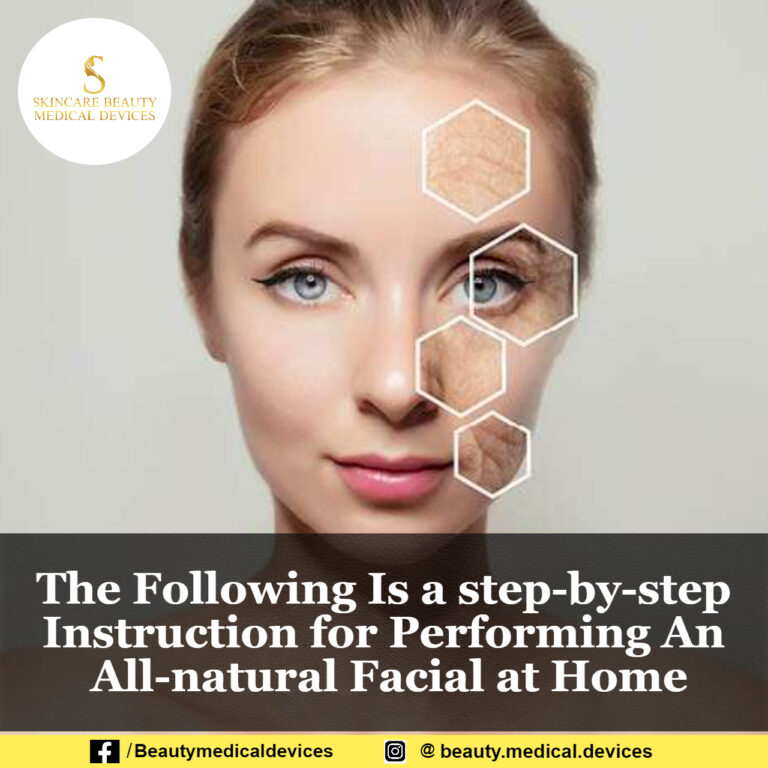
The Following Is a step-by-step Instruction for Performing An All-natural Facial at Home

0

Throughout the epidemic, we relied on homemade cures to maintain our skin and hair. However, treatments such as facials were difficult to perform at home. You need a variety of items to perform facials at home, but what if we told you that we have a guide that will show you how to perform a facial at home using only natural fruits and kitchen ingredients?

Thus, here is an at-home facial instruction that requires only fruits and other kitchen supplies.

Cleansing is the first stage in every facial, and you can use raw milk for this. Simply take a small amount of raw milk and soak a cotton pad in it, then use it to thoroughly cleanse your face as the first stage of the facial. After cleaning, gently cleanse your face with lukewarm water.

Exfoliation is the following step. This step will require oats and milk. Combine the two and gently apply to your face, beginning with a circular motion. Take care to use gentle hands and avoid being hard on your skin. Maintain this for at least 10 minutes. Wash your face with lukewarm water after ten minutes and go to the next procedure.

After exfoliation, thoroughly steam your face before massaging it.

Your next step should be to arrange for an excellent massage. This can be accomplished with a variety of ingredients. Apply honey to your face and gently massage it for at least ten minutes. If you do not have honey, you can substitute mashed bananas or natural aloe vera gel for this step.

Now is the time to apply a quality face pack. Cucumber is ideal for this since it calms the skin. Make a paste with a cucumber and apply it evenly all over your face. Allow 15 minutes before rinsing with water.

After the facial, you can apply a moisturizing moisturizer and refrain from using a face wash for the next 24 hours.


About the Author:

Germie Alderite is a Registered Medical Technologist in the Philippines. She is currently studying Doctor of Medicine in the said country. Germie worked in an Adventist Wellness Center for a year before entering Medical School. She believes that many transgress the laws of health through ignorance, thus, people need instruction. They need to be impressed with the importance of making their knowledge a guide of life. Physician has many opportunities both of imparting a knowledge of health principles and of showing the importance of putting them into practice.

To know more about Skincare Devices and Beauty’s latest updates, please Like and Follow our Facebook and Instagram accounts…

Also Read: Select Appropriate Sunscreen

Create Flawless Skin By Treating Sebaceous Hyperplasia

What Is Sebaceous Hyperplasia?

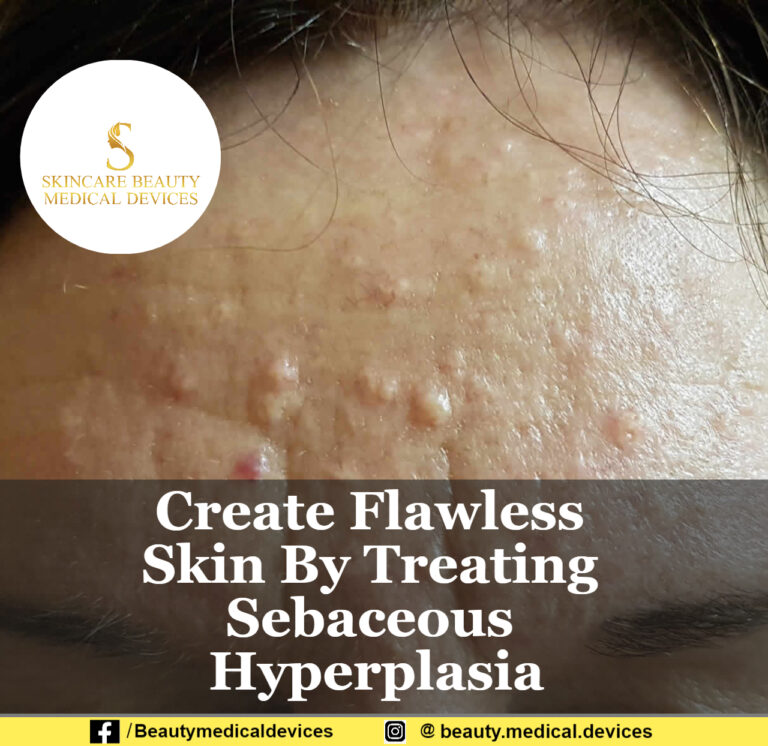
Sebaceous hyperplasia is a common and benign condition of the sebaceous glands.  You can identify this condition most often when examining your middle aged and mature clientele.

Microscopic sebaceous glands on the skin are made up of cells called sebocytes. These cells secrete the waxy, oily substance known as sebum. Sebum acts as a lubricant which softens the skin and hair, while also serving as a waterproof shield.

Sebaceous hyperplasia develops when these glands become enlarged due to sebum clogging their ducts, causing gland growth.

What do Sebaceous Hyperplasia look like and where do they occur?

Sebaceous hyperplasia appear as tiny bumps (papules) which range in colour from flesh-coloured to a yellowish tint. These papules can either be solitary or could appear in clusters. They have a soft texture and are slightly yellow in color.

Papules are generally about 2-5 cm in size and do not grow in size over time. They often have an indented center, giving them their distinct “donut style” appearance.

You will mostly frequently find sebaceous hyperplasia on your clients’ cheeks and foreheads. As these are noticeably visible areas, their appearance can be upsetting to your clients who can deem them unattractive. Besides these common regions, sebaceous hyperplasia can also often occur on the chest, areola, neck, oral mucosa, as well as in the genital areas.

Causes of sebaceous hyperplasia

Aging

One of the reasons why the condition develops more commonly in older people is because of decreased levels of androgens.

Androgens are hormones that play a crucial role in male reproductivity and masculine traits.  However, although androgens, dubbed ‘the male hormones’, they are found in both males and females. With advancing age, the level of androgens in our body decreases.

When androgen levels in the body are lower than normal, there is build-up of sebocytes and sebum over time which blocks the glands. Due to the blockage, the glands enlarge in size resulting in sebaceous hyperplasia. This is why clients over 40 years of age are at an increased risk of having decreased androgen levels.

Read Complete Article at Sebaceous Hyperplasia

Also Read: Cystic Acne