

The pandemic changed the course of my life, and I know for a fact that I am not alone in this. While we struggled with social isolation, and dealt with grief and crippling mental health, we all found something that helped to save our sanity. For me – and I am sure for many of us – beauty, especially skincare, became a way of unwinding after an unexpectedly long day spent sitting (with terrible posture) in front of the screen.
I, single-handedly, am perhaps the reason why beauty e-comm platforms made profits during that time! Okay, while that would be an exaggeration, it’s also a confession: I did spend A LOT on skincare during the lockdown, and so did many others. It seemed an easy and inexpensive way (I’m coming to that!) to escape the madness we found in the monotony of staying indoors. Let me also mention that brands launching their new skincare lines one after another didn’t help the urge to splurge either.
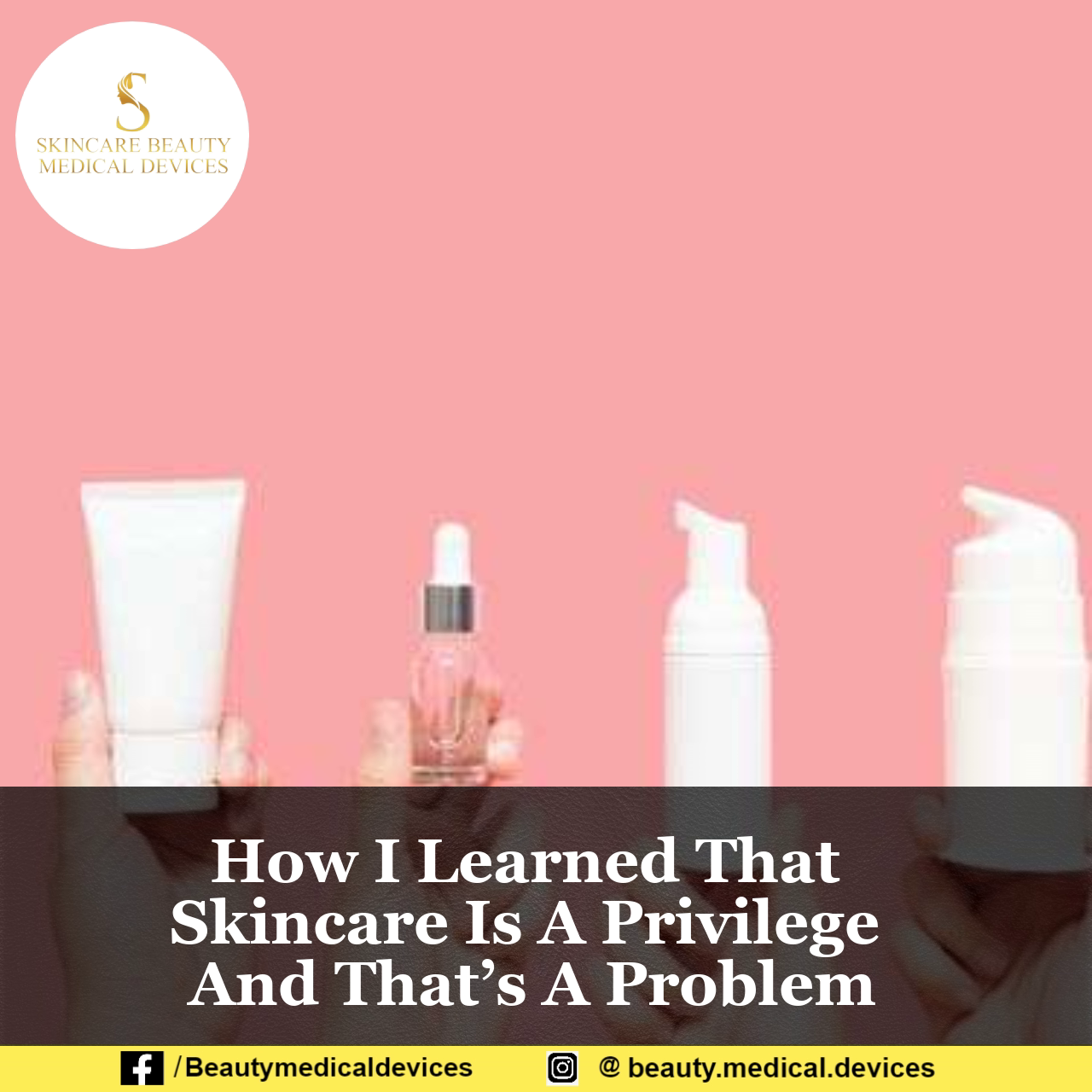
It brought me instant gratification; it was easy. And, though it sounds justified, it took me 18 months to realise that skincare, often defined as self-care, is a financial privilege, and that privilege is something we don’t talk about.
How many of you spent on skincare in the last one year? If you did, how many of those products are still a part of your skincare routine? Building a skincare routine doesn’t come easy. I realised that when I saw a line of bottles sitting in my cabinet, some half used, some nearing their expiration date, and (sadly) some not used yet. It’s a cycle: you buy a product, use it, and move on to another if it doesn’t work for your skin or if you find a better alternative. Believe it or not, experimenting with and testing products is something only people with money can afford.
Read Full Story on skincare
Also read: The Following Is a step-by-step Instruction for Performing An All-natural Facial at Home