Home Blog Page 209

Is an Injectable Cosmetic Treatment Right for You?

0

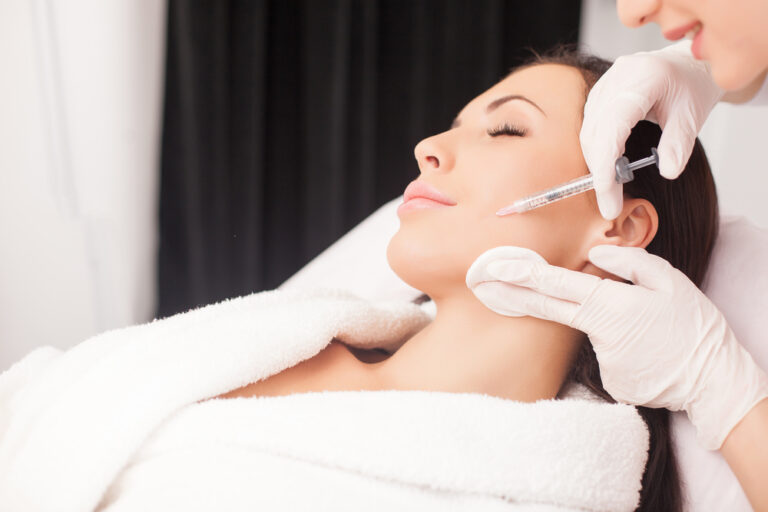
Treatment: Dermal fillers are gel-like substances that are injected beneath the skin to restore lost volume, smooth lines and soften creases, or enhance facial contours. More than 1 million men and women annually have choose this popular facial rejuvenation treatment, which can be a cost-effective way to look younger without surgery or downtime.

How Can Dermal Fillers Enhance My Appearance?

While dermal fillers are casually known as “wrinkle fillers,” they can do much more than just smooth out wrinkles, although they are excellent at this too! Here are a few of the common issues dermal fillers can help address:

  • Smooth out lines around nose and mouth (a.k.a. marionette lines, smile lines, and parentheses)
  • Enhance & restore volume to sunken cheeks or temples
  • Diminish vertical lip lines
  • Plump & enhance the lips
  • Smooth out a chin crease
  • Improve symmetry among facial features

What are Fillers Made With?

There are a variety of FDA approved filler products that cosmetic surgeons use. In general, fillers are categorized by the substance they are made from. A note for your safety: always make sure that you are receiving FDA approved, brand name fillers, which are only available through a licensed physician, such as a board certified cosmetic surgeon.

Hyaluronic Acid (HA)

Hyaluronic acid is a naturally occurring substance that is already found in your skin. It helps keep skin plump and hydrated. HA fillers are typically soft and gel-like. The results are temporary, lasting 6 to 12 months or longer before the body gradually and naturally absorbs the particles. Most HA fillers are infused with lidocaine to help minimize discomfort during and after treatment. FDA approved HA fillers include:

  • Juvéderm products: Juvéderm XC, VOLUMA, VOLBELLA, VOLLURE
  • Restylane products: Restylane, Restylane Silk, Restylane Lyft, Restylane Refyne, and Restylane Defyne
  • Belotero Balance

Read Full Story on americanboardcosmeticsurgery.org


Also read: Cystic Acne: Treatments and Causes Explained by Top Dermatologists
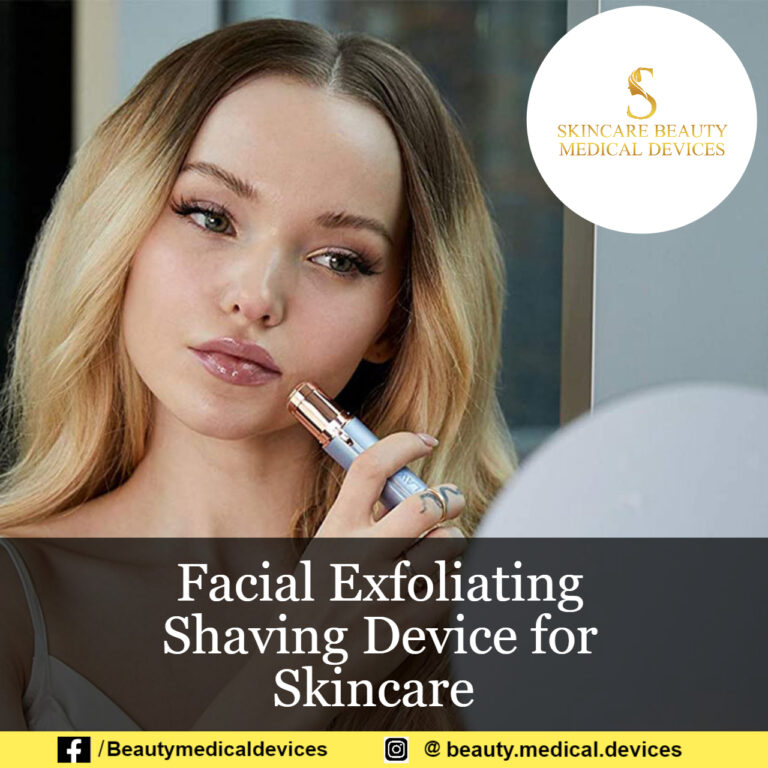
Facial Exfoliating Shaving Device for Skincare : Beauty Devices

If you have unnecessary hair on your skin, you need to adapt a plan through which you can simply come up with the complete set of ideas through which you can come up with the right results in no time. You should use a modern device to end all the hair on your skin and come up with a solution that you can apply any time in your home

FACIAL EXFOLIATING DEVICE

We have a pack of gateway pack for single blade razors. You need to use toe face-shaving device in order to use the device to make the hair disappear from your skin as compared of razors. It will also make your skin perfectly better through making it soft. 

FACIAL EXFOLIATING SHAVING DEVICE FOR SKINCARE
If you have unnecessary hair on your skin, you need to adapt a plan through which you can simply come up with the complete set

GETTING OFF DEAD SKIN CELLS

This device does not only take away the hair but also the dead skin cells from your skin. It will make you look good again with zero effort utilized on your skin for delivering the perfect results. 

In conclusions, this device is perfect for you so that you can come up with solutions to remove all the unnecessary hair from your skin. Also, come up with solutions to get off all the dead skin cells in no time.  Shaving Device 

FACIAL EXFOLIATING SHAVING DEVICE FOR SKINCARE
You should use a modern device to end all the hair on your skin and come up with a solution that you can apply any time in your home

Also read: Microblading 101: Everything You Need to Know Before Your Appointment

About the Author:

Dr. Adeeba Kiran is a Ph.D in English with nine great years of writing experience. Dr. Kiran has also earned degrees in beauty and cosmetics. She possesses excellent knowledge about skincare and its treatments. Let her experience begin to work for you.

How To Deal With Skin Abscess: Everything You Need To Know

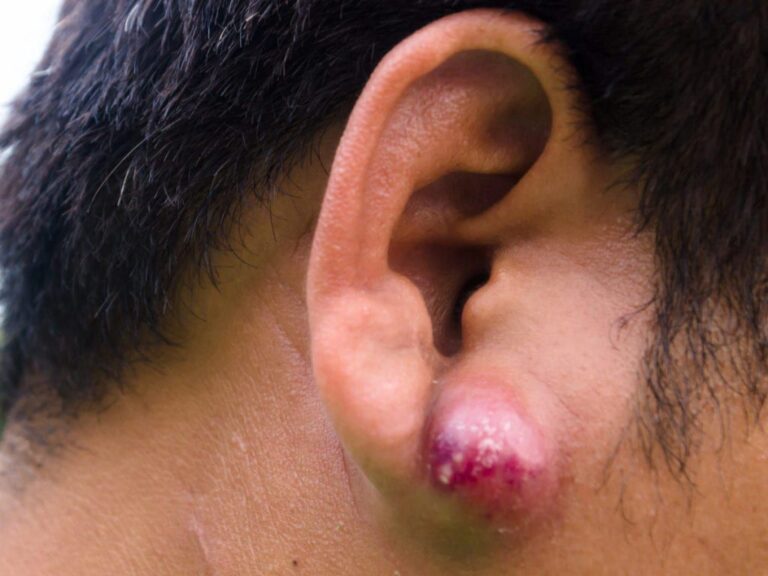
A skin abscess is a pocket of pus.

It is similar to a pimple, but larger and deeper under the skin. It forms when the body tries to protect itself from an infection by creating a wall around it. The pus contains bacteria, white blood cells, and dead skin. The most common bacteria are Staphylococcus aureus (known as “staph”) and methicillin-resistant Staphylococcus aureus (known as MRSA). Most people carry these bacteria on their skin yet never develop an infection. However, when the bacteria penetrate the skin (through a cut, along a hair follicle, or under the edges of a wound), they may lead to an abscess.

Signs and Symptoms

A skin abscess is round and feels firm and squishy due to the thick membrane around it and the liquid pus inside. It is usually painful, and the overlying skin is often red. Sometimes there is a pinpoint opening in the center (a punctum). This is the weakest part of the wall and pus might spontaneously drain through it.

How to Treat It

The only certain way to treat an abscess is to open the pocket and drain the pus. This is known as an “incision and drainage.” It is a simple procedure that can be done with local anesthesia.

Sometimes the doctor will pack the wound or leave a wick, which means stuffing the empty pocket with a ribbon of gauze. This allows the pus to continue draining and prevents the abscess from returning. Eventually, the entire gauze will be removed and the wound will heal from inside out. If the cavity is large, you may be asked to come back to the office so the gauze can be replaced entirely. Warm, moist compresses or baths are also recommended to keep the wound open and draining.

Read Complete Article at Skin Abscess

Also Read: Simple Ways to fight Pimples

What you need to know about breast Augmentation ?

0
 Augmentation : Women can get breast implants to make their breasts bigger and fuller. That can be done for reconstructive purposes, such as after mastectomy for breast cancer, or for cosmetic reasons.

This article covers cosmetic breast augmentation only. It discusses the types of breast implants available, the procedures used, and possible complications.

Saline and Silicone Breast Implants

There are two basic types of breast implants: saline and silicone gel.

Saline-filled implants are silicone shells filled with sterile salt water (saline).  Some are pre-filled and others are filled during the implant operation.

Silicone gel-filled implants are silicone shells filled with a plastic gel (silicone). Although many women say that silicone gel implants feel more like real breasts than saline, they pose more of a risk if they leak.

Both saline and silicone come in different sizes and have either smooth or textured shells. Each has its own pros and cons, so it is a matter of preference.

Costs

How much breast implants cost depends on the location, doctor, and type of implant used.

Typically, the surgery ranges from $5,000 to $10,000. Because it is a cosmetic procedure, health insurance usually doesn’t cover breast augmentation.

How the Breast Implant Procedure Is Done

Because breasts can continue to develop until women reach their late teens or early 20s, the FDA requires that women be at least 18 years old to get breast augmentation with saline-filled implants and at least 22 years old to receive silicone implants.

Read Full Story on webmd.com


Also read: Cystic Acne: Treatments and Causes Explained by Top Dermatologists

Microblading 101: Everything You Need to Know Before Your Appointment

0

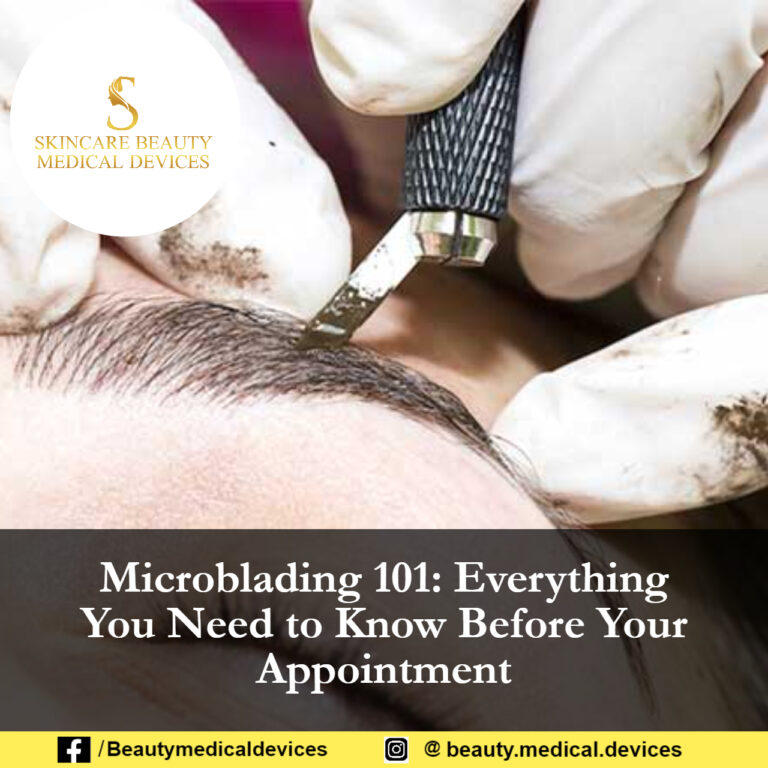
If I had to guess, you clicked on this story because you’re over filling in your eyebrows every damn day. We’ve all been there—spending so much time (and $$$) loading up your brows with gels and pencils only to have them slide off your face a few hours later. And now that you want off the struggle bus, you’re considering microblading, the semi-permanent form of brow tattooing. But if the idea of microblading scares you too much to try it (there’s something about permanent makeup that feels so…permanent), don’t psych yourself out. Not only does the process hurt way less than you think, but the results don’t actually last forever—which is great news if you’re still weighing your options.

You’ve probably got a lot of questions about microblading, and thankfully for you, I’ve got all the answers. I turned to makeup artist, certified esthetician, and cosmetic tattoo specialist Piret Aava, aka the eyebrow doctor, for alll the info. P.S. I even tried out the treatment myself, so keep reading for my before-and-after pics.

What is brow microblading?

Instead of using a traditional tattoo gun, microblading requires the use of a small tool with teeny, tiny needles. These needles are used to manually draw delicate hair strokes while also depositing pigment under your skin. The result? Realistic-looking brow hairs that don’t wash off.

Is microblading a tattoo?

Yes, but also, like, no. Tattoos last forever, and microblading is a form of semi-permanent tattooing (keep reading if you wanna know how long it lasts) because the hairlike strokes aren’t as deeply ingrained into the skin (compared to, say, hairlike strokes created by a tattoo gun). The pigment used in microlading is also different from what you’d get with a tattoo, because your body eventually ends up metabolizing it and it fades away. Plus, the dye particles are less concentrated in microblading ink, which gives your brows a softer, more-realistic look.

Read Complete Article at cosmopolitan.com

Also read: Do Pore Vacuums Really Work? A Derm Weighs In


Cystic Acne: Treatments and Causes Explained by Top Dermatologists

0

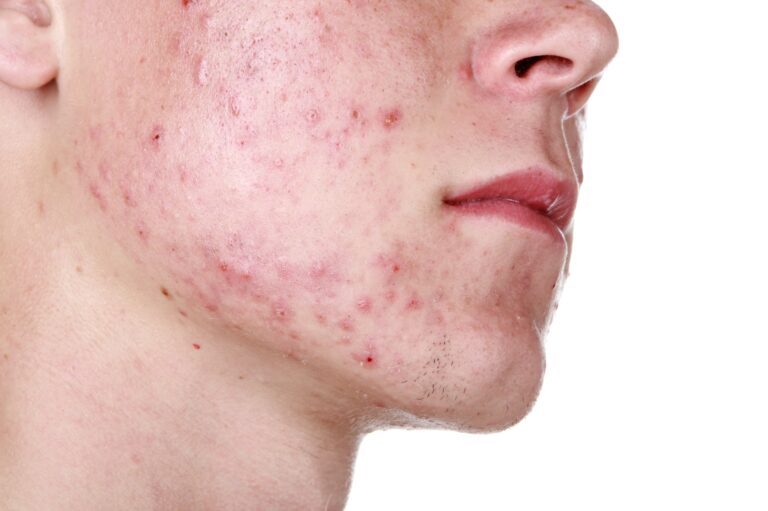
The treatment of severe, cystic acne requires the help of a specialist doctor and some self-care measures. Drug treatment can be effective at preventing cysts and scarring.

Mild or moderate acne can be managed with the help of a doctor. However, severe acne characterized by nodules and cysts may need referral to a specialist, as it might leave scars or already show signs of scarring. This is partly because the main drugs used to treat cystic acne are tightly controlled.

Benzoyl peroxide

Benzoyl peroxide is a treatment available to people with acne of any severity. It is also a treatment option for people with severe acne who are awaiting specialist treatment.

Benzoyl peroxide is available directly from pharmacies over the counter in a number of formulations that may be applied to the skin. It has been a mainstay in the treatment of acne for over 50 years, and works by killing bacteria, particularly Propionibacterium acnes (P. acnes). Some benzoyl peroxide treatments are also available to purchase online.

It also breaks up comedones. These include whiteheads and blackheads.

Water-based and alcohol-based formulations of benzoyl peroxide are available, and the most appropriate form depends on skin type. Alcohol-based preparations have a drying effect, making these more suitable for people with oily skin.

Benzoyl peroxide products, which include cleansing liquids and bars, lotions, creams, and gels, are used once or twice a day. The most common side-effect is skin irritation. Allergies do not commonly occur.

Read Full Story on medicalnewstoday.com


Also read: Laser Treatment for Varicose Veins

Do Pore Vacuums Really Work? A Derm Weighs In

If there are two things the YouTube community can’t get enough of, it’s removing blackheads and testing out trendy skincare gadgets. Pore vacuums—which are exactly what they sound like—combine both of these things for a can’t-look-away tool that will leave you asking both “does that really work?” and “Do I need one?” In addition to compiling some of the most-viewed review videos the internet has to offer, we called on Dr. Anetta Reszko, a New York City-based board-certified dermatologist and Mohs surgeon to help understand what exactly pore vacuums are, if they accomplish what they claim, and if you really need one in your skincare routine.

Are Pore Vacuums Effective at Clearing Pores and Blackheads?

“Pore vacuums certainly can be an effective tool in helping to regularly clear pore congestion, however they’re not essential component to a skincare routine,” says Dr. Reszko. Because pores will naturally clog again, she adds that they’re are “a temporary solution” and “should be used occasionally in conjunction with a proper skin care routine.”

How Do Pore Vacuums Work?

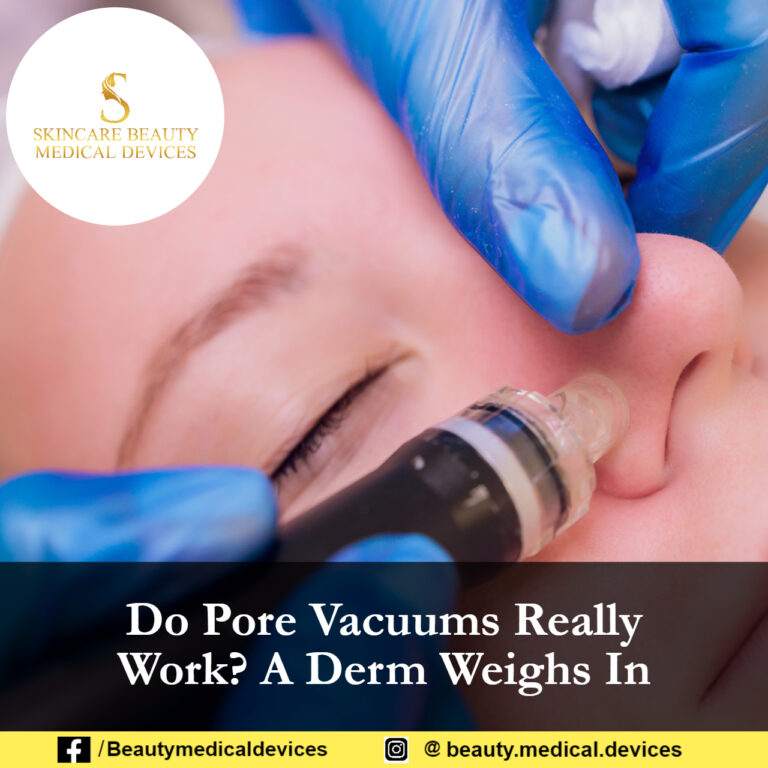
Unlike topical skincare products that exfoliate or dissolve the sebum, dead skin, dirt, and other impurities, pore vacuums use suction to physically extract the gunk before your eyes. (If you want to see one in action, the YouTube videos in this story are up close and personal but not overly graphic )

Before using the pore vacuum, you’ll want to gently steam your skin either with a warm, damp towel or in the shower. (Although pores don’t technically open, this step helps loosen the sebum.) Then, place the pore vacuum on an area of the skin with congested pores—the nose, for example—starting on the lowest setting.

Are There Possible Side Effects of Using a Pore Vacuum?

If you watched the YouTube videos, you probably saw that some users saw redness instantly. Pore vacuums are generally safe to use, but be sure to use appropriate settings depending on your skin,” says Dr. Reszko. In other words, cranking the vacuum up to the highest setting won’t necessarily extract more blackheads—but it may just leave you with your first hickey since high school.

Read Complete Article at harpersbazaar.com

Also read: Laser Treatment for Varicose Veins

How Your Bad Habits Affect Your Health

0

None of us are perfect. Everyone has faults and all of us are prone to bad habits. We often ignore them to an extent that they become the very part of us and start defining us. A lot has been spoken about good habits for better health. Learning better ways of inculcating healthy habits is indeed good. But what about the bad habits you already practice?

Have you thought about how your bad habits affect your health?

Yes, your bad habits can have a great impact on your health – so it is important to know the affects of bad habits. Controlling your bad habits will not only help you live healthy but will make you a better person as well. Here is a list of common bad habits that you must consider revising for better health:

Too much of phone use

How often do you check your phone? Did you know that using too much of your mobile can affect your health adversely?

Technology has indeed made our life really easy and has made world a small place as we can connect with whomever we want whenever we want. It is impossible to imagine our life without our mobiles but it is also true that we have become slaves of modern day gadgets. We are so accustomed to our mobile phones that it has become a necessity for our survival. For most of us, our phones are the first thing we check in the morning and also the last before going to sleep.

Do you suffer from sleep problems, increased stress levels, reduce attention span and poor posture? Your dear phone might be the culprit. Your phones, laptops and other gadgets are for your convenience, do not let them rule you. Try avoiding too much of phone use, rather get involved in conversations with your family and friends or try reading a book.

Biting your nails

Do you bite or chew your nails as a habit? It might seem harmless but is really bad for your health. Nail biting is a very common habit which can invite plenty of germs.

Your nails often carry germs, which when put into the mouth can bring on various infections like flu, jaundice, typhoid etc, which spreads through the oral route and can make you sick. Besides, it can also damage your teeth and  lovely nails. Avoid nail biting to maintain good health. Also, if you have this habit due to stress, you need to find better ways of coping with stress.

Read Full Story on webmd.com 


Also read: Is Brow Lamination a Safe and Effective Alternative to Microblading?

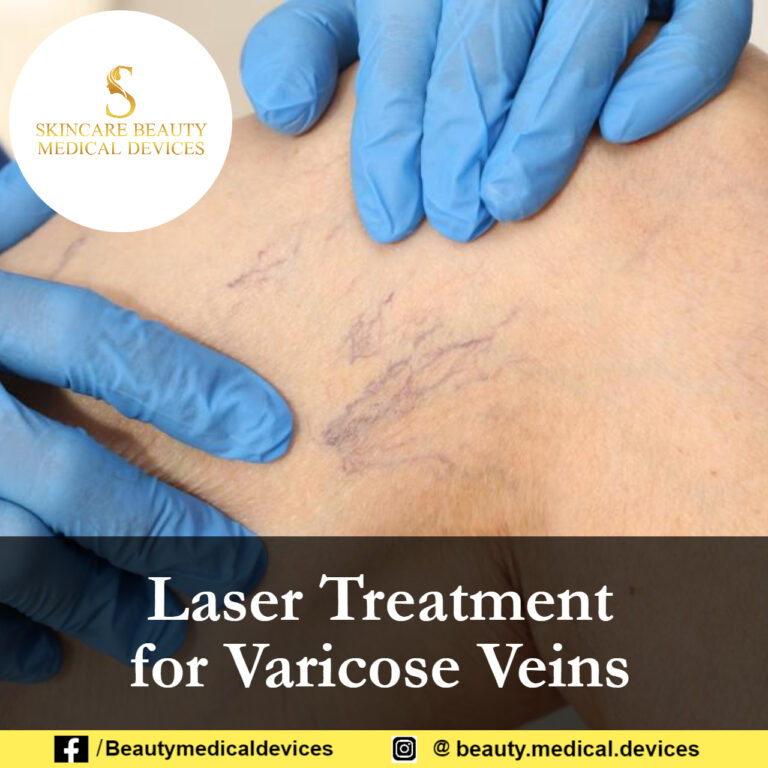
Laser Treatment for Varicose Veins

laser is a highly focused beam of light. A doctor can use a laser to treat varicose veins. Laser heat damages a vein, which makes scar tissue form. This scar tissue closes the vein. A closed vein loses its source of blood and dies. After a year or two, the vein is likely to disappear.

Simple laser treatment. Simple laser vein treatment is done on the outside of your skin. It can treat spider veins and tiny varicose veins just under the skin’s surface. Usually, more than one laser session is needed. They are scheduled every 6 to 12 weeks, as prescribed by your doctor. (If you have poor blood circulation feeding these tiny veins, the larger “feeder” vein must first be treated with surgery, endovenous laser or radiofrequency treatment, or sclerotherapy.)

Endovenous laser treatment. Endovenous laser treatment can treat larger varicose veins in the legs. A laser fiber is passed through a thin tube (catheter) into the vein. While doing this, the doctor watches the vein on a duplex ultrasound screen. Laser is less painful than vein ligation and stripping, and it has a shorter recovery time. Only local anesthesia or a light sedative is needed for laser treatment. (For ligation and stripping, general anesthesia is used to put you to sleep.)

What To Expect After Treatment

You will be able to walk following the treatment, and recovery typically is short. You are likely to be able to return to your normal daily routine after simple laser treatment.

After endovenous laser treatment, you will wear compression stockings for 1 week or more. To follow up, your doctor will use duplex ultrasound to make sure that the vein is closed.

Why It Is Done

Simple laser treatment is done for small spider veins and tiny varicose veins. This is sometimes a second treatment step, after a larger varicose vein has been treated with surgery, endovenous laser or radiofrequency treatment, or sclerotherapy.

Endovenous laser treatment is used to close off a larger varicose vein, instead of using surgery to remove it.

How Well It Works

Simple laser treatment. Over the past 20 years, this type of laser treatment has become quite safe and effective.

Endovenous laser treatment. Endovenous laser treatment closes veins about 94 out of 100 times. It doesn’t work about 6 out of 100 times.

If endovenous laser treatment does not close a vein, you will need a second treatment. Depending on what is available in your area, you may have choices between another laser treatment, radiofrequency treatment, or sclerotherapy. In some cases, vein surgery is recommended.

For the best chance of success, be sure to have a doctor with a lot of endovenous laser experience.

Read Complete Article at uofmhealth.org

Also read: Is Brow Lamination a Safe and Effective Alternative to Microblading? 

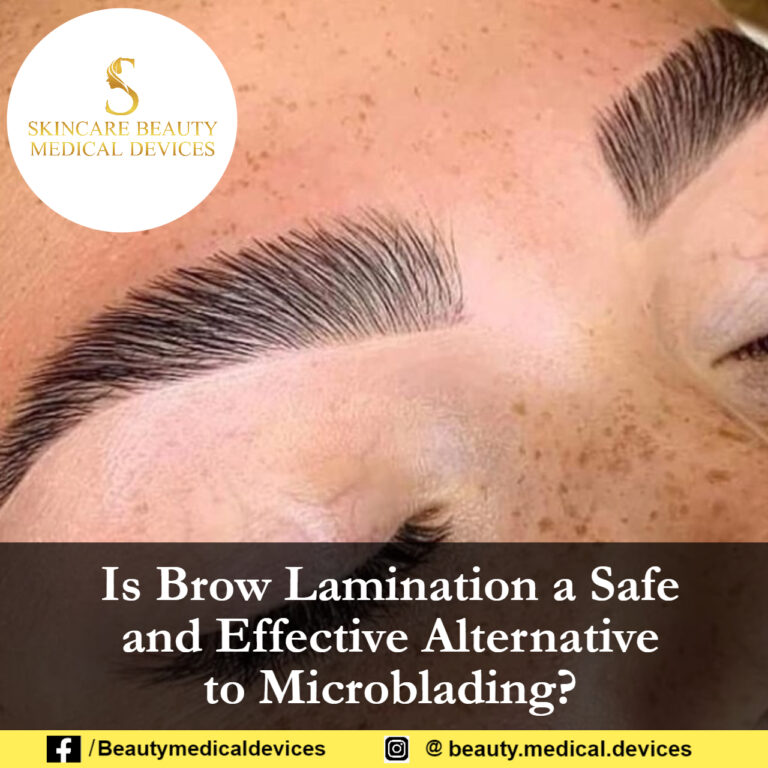
Is Brow Lamination a Safe and Effective Alternative to Microblading?

What is eyebrow lamination? 

Eyebrow lamination is a relatively new procedure that focuses on creating shiny, smooth brows. Also sometimes called an “eyebrow perm,” the high-shine effects tend to be sought after by those who may be experiencing thinning or unruly brows. Unlike microblading, needles and coloring are not involved.

As a semi-permanent procedure, eyebrow lamination may also be a good fit if you want to keep your brows styled a certain way but are tired of using eyebrow gel every day. You will need to repeat the process at some point in the future to maintain your results, and there are risks involved. Read on to learn everything else you need to know about this trend.

Brow lamination how-to

Brow lamination involves the “perming” of your eyebrow hairs to provide a fuller, more even look. It can also help keep them in place after washing off any cosmetics you may wear.

Here’s what’s involved in the procedure:

  1. First, your provider will apply a cream to your brows that aims to “lift” up your hairs.
  2. Next, your brow hairs are brushed upward to help pull them in a uniform vertical direction.
  3. Then your provider will apply a neutralizer to help seal your brows into place.
  4. The last step is a nourishing oil to help prevent skin irritation and hair dryness that may be caused by the chemicals used during the perm.

In total, brow lamination takes 1 hour or less to complete. Optional add-ons to the procedure may include:

  • tweezing excess hairs
  • waxing to create your desired arch
  • tinting for color enhancement or changes

Read Complete Article at healthline.com

Also read: What to Know About Dermaplaning, the Exfoliation Treatment Instagram Is Obsessed With