Home Blog Page 208

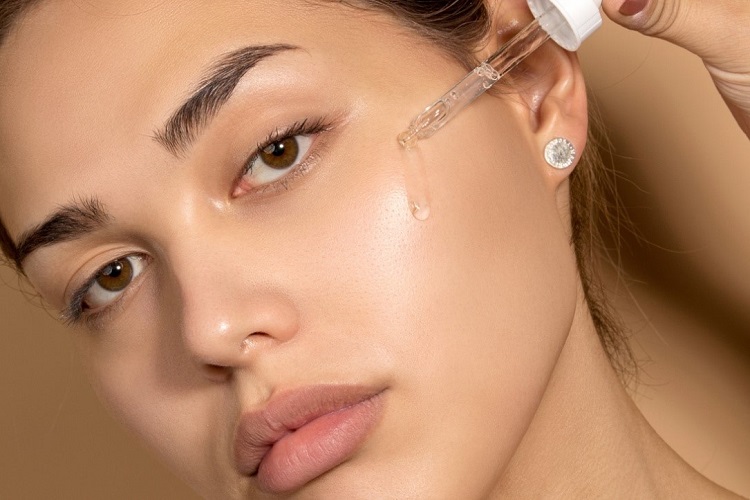
Is Glycolic Acid a Good Acne Treatment?

0

Treatment: Glycolic acid is an example of an acne-fighting acid. This alpha hydroxy acid that’s derived from sugarcane can help those with frequent breakouts and a number of other skincare concerns.

Don’t go scavenging the aisles for glycolic acid just yet. There’s a lot to consider about glycolic acid, including how much to use and if it’s right for your skin. Keep reading to find out more

Benefits

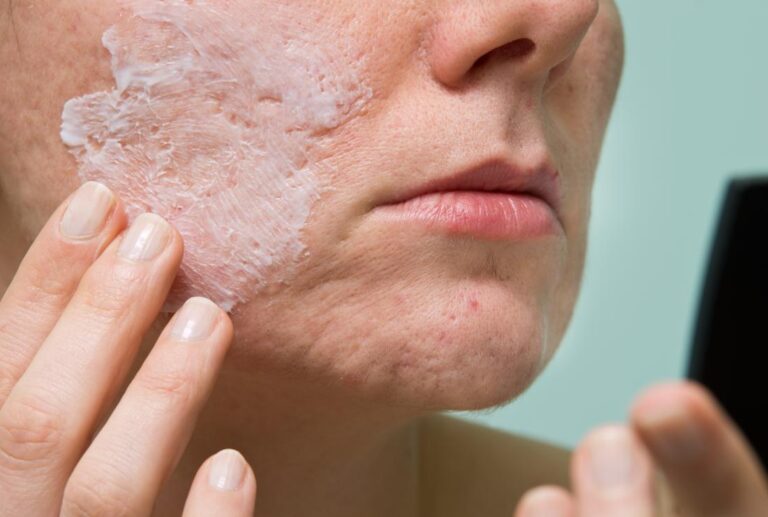
When applied to the skin, glycolic acid works to break the bonds between the outer layer of skin cells, including dead skin cells, and the next skin cell layer. This creates a peeling effect that can make the skin appear smoother and more even.

For people with acne, the benefit of glycolic acid is that the peeling effects results in less “gunk” that clogs the pores. This includes dead skin cells and oil. With less to clog the pores, the skin clears and you usually have fewer breakouts.

Also, Treatment glycolic acid can affect the outer skin barrier, helping it retain moisture instead of drying your skin out. This is an advantage for acne-prone people because many other topical anti-acne agents, like salicylic acid and benzoyl peroxide, are drying.

It has found that glycolic acid has antibacterial and antioxidant activity, which can also help improve your skin’s appearance when you have acne. Glycolic acid can also thicken skin by stimulating collagen growth.

How to use it

Glycolic acid is available in several forms, including over-the-counter and prescription treatments. These include:

  • face washes
  • lotions
  • peels
  • serums
  • skin care pads

Read Full Story on healthline.com


Also read: FOREO LUNA Smart Facial Cleansing Brush
Vela Shape and Venus Freeze: When Diet and Exercise are no longer enough

WHAT IS VELASHAPE

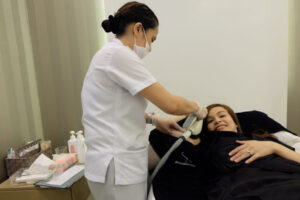
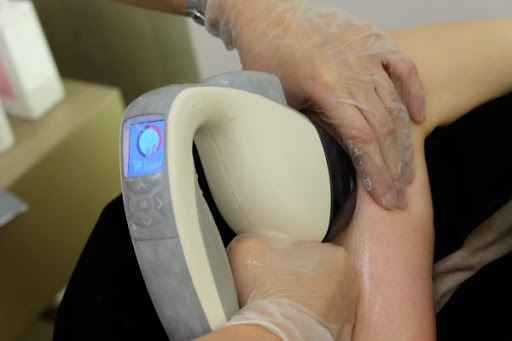
VelaShape is a non-invasive body contouring treatment for circumferential and cellulite reduction. VelaShape enables us to safely achieve a toned, contoured and well shaped body in typically 3 treatment sessions. It provides dramatic results without downtime or significant discomfort.

Meanwhile, Venus Freeze uses the power of radio frequency technology to boost collagen production by heating the deeper layer of tissue under the skin. This triggers the natural production of collagen and elastin, the key building blocks of healthy, youthful skin. The result is effortlessly tighter, smoother, and younger-looking skin.

VelaShape is a non-invasive body contouring treatment for circumferential and cellulite reduction.

I already wrote about VelaShape here on the blog before (click the link here) when I used to do it for my arms. But lately, I’ve been doing VelaShape for my tummy, back and thighs too. Meanwhile, for my arms (since it has a smaller amount of fat compared to the other body parts), I am now doing the latest Venus Freeze treatment.

So I know you are asking, why am I doing this? To be honest, it is because I feel that age is slowly creeping up on me! Yes that’s right — I am turning the big 4-0 this year (I can’t believe I’m even saying it out loud here!), and though I try to eat healthy (and sometimes even go on a strict diet) and go to the gym regularly, I know these are no longer enough!

It provides dramatic results without downtime or significant discomfort.

Let’s admit it that sagging skin can be hard to deal with. Wherever you find it—over the cheekbones, around your chin, under your arms, or along your waistline—loose skin is a struggle. In the past, surgical procedures or injectables have been the go-to solution for skin tightening.

Read Complete Article at thespoiledmummy.com

Also read: How to Treat and Get Rid of an Ingrown Toenail

FOREO LUNA Smart Facial Cleansing Brush

0

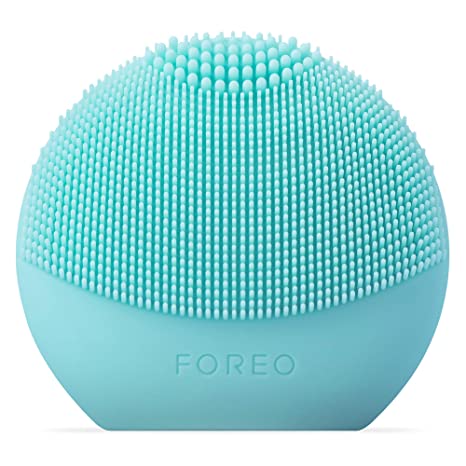
Experience next generation cleansing with the FOREO LUNA fofo Smart Facial Cleansing Brush, the world’s first 2-in-1 smart cleansing device that analyses skin for a bespoke cleansing routine, every time.

What is it?
The FOREO LUNA fofo is a fully waterproof, 2-in-1 smart facial cleansing device that pairs with a specially designed app to deliver you a tailored skincare routine that’s personal to you and your unique skin profile. It is made from bacteria-resistant silicone and has delicate silicone bristles which deliver high frequency T-Sonic pulsations to gently dislodge dirt, makeup and grime. A two-zone cleansing surface makes it perfect for all skin types; use the finer touch-points for larger areas like the cheeks and forehead, and the thicker touch points for oil-prone areas like the T-zone and chin.

What Makes it Unique?
The device is embedded with two 24K gold-plated, hypoallergenic skin sensors which intelligently analyse hydration levels and real skin age. After each skin analysis, a sophisticated algorithm processes the feedback and creates a tailor-made cleansing routine in the FOREO app, which then syncs with your LUNA fofo device to deliver a bespoke cleanse. Make sure to analyse your skin regularly for the most optimized cleansing routine. Skin can change due to a number of internal and external factors, including climate, diet and water intake.

FOREO LUNA solution

  • 2-in-1 smart cleansing device
  • Analyses skin to create a bespoke cleansing routine
  • Pairs with FOREO For You app
  • Made from silicone
  • Up to 35x more hygienic than nylon bristles
  • Two cleansing zones for all skin types
  • Fully waterproof
  • Takes 2 replaceable AAA batteries
  • Up to 400 uses for each fresh change of batteries

Read Full Story on skinstore.com


Also read: The Facts About Chemical Peels


The Facts About Chemical Peels

0

Do you ever wish you could start all over and take better care of your skin? A chemical peel could give you that chance. Peels can dramatically reduce lines, wrinklesacne scars, dark spots, and roughness caused by years of sun.

“Everyday sun exposure affects skin quality. So almost anyone can benefit from a chemical peel, as they improve skin’s color and texture. The stronger the solution, the deeper the skin de-surfacing, and the more improvement we attain,” says David Green, MD, a dermatologist based in Bethesda, Md.

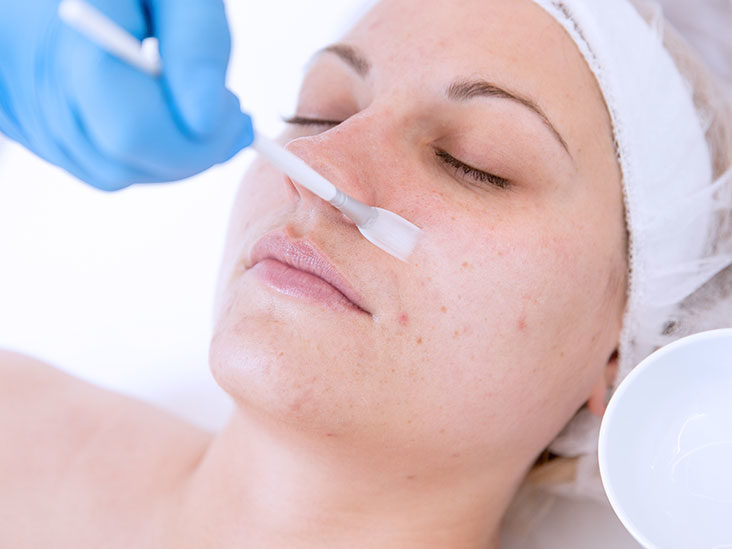
A chemical peel is an acid solution applied to the face to remove the outermost layer or layers of skin. The skin crusts, scales, and peels over several days. The new skin that grows in its place is softer, smoother, and has fewer imperfections.

Doctors or other health care providers in doctors’ offices do medium peels. Deep peels, which can require local anesthesia and a sedative, are the purview of a physician.

Medium peels use a solution that can soak in deep enough to improve skin in one peel, and mild versions are safe for use on the neck, hands, and other areas. You can repeat milder peels if your doctor says it’s OK.

Deep peels use a solution that removes several layers of skin to address deep wrinkles, creases, uneven color, and some precancerous skin growths. You can only have one deep peel in your life.

Medium and deep peels require a lot of recovery time, during which you take antiviral medication and stay indoors. After a medium peel, skin will be red and swollen for several days. The skin will then turn brownish and peel off in 7 to 14 days. After deep peels, the face is bandaged and takes up to 3 weeks to heal. During recovery, you soak your face several times a day. At all other times, the face is covered with ointment to prevent scabs and scars. Medium peels can range from $500 to $1,500. Deep peels can cost $5,000.

Read Full Story on webmd.com


Also read:  Placental Allografts for Diabetic Foot Ulcers

How to Treat and Get Rid of an Ingrown Toenail

Ingrown Toenail Home Remedies

Most ingrown nail problems can be prevented with proper grooming of the toes and by wearing better-fitting shoes.

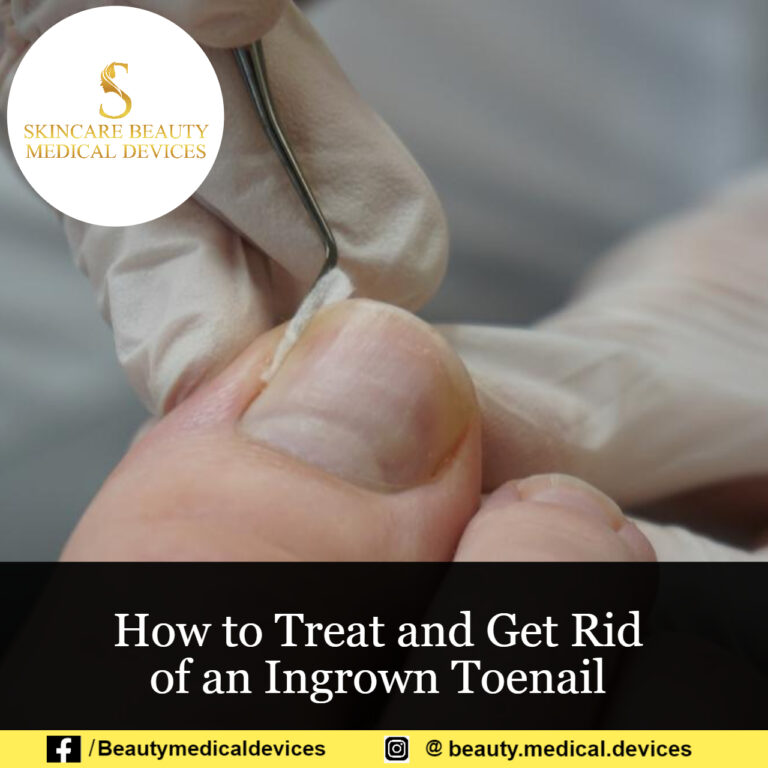
In fact, if you have an ingrown toenail, chances are you can treat it at home, too. Here are some home remedies to try:

  • Soak your feet in warm water. Leave them in there for about 15-20 minutes. You can do this three or four times a day. It’ll make your toe feel less tender and can help with swelling.
  • Put dental floss or a cotton swab under your toenail. Once you’re done soaking your feet, put floss or cotton under the ingrown part of the nail. This will encourage it to grow above the skin.
  • Put on some antibiotic cream. Apply some antibiotic to your toe and wrap it up in a bandage.
  • Pay attention to your shoes. Think about what kind of shoes you’re wearing. If you can, stick with sandals, flip-flops, or other open-toed shoes until your toe heals.
  • Take pain medications. Over-the-counter options like acetaminophen, ibuprofen, or naproxen sodium can ease the pain.

If these home remedies don’t help with your ingrown toenail or you’re worried about it, it’s time to see a doctor. If you notice signs of an infection, like fever or red streaks on your skin leading away from the nail area, let your doctor know. They can prescribe an antibiotic.

If you have diabetes, there’s a higher chance an infected nail won’t heal properly.

Cutting an ingrown toenail

If the steps above don’t help, you shouldn’t try to remove an ingrown nail at home. Let your doctor look at it.

Read Complete Article at webmd.com

Also read: How effective Sclerotherapy for Varicose and Spider Veins

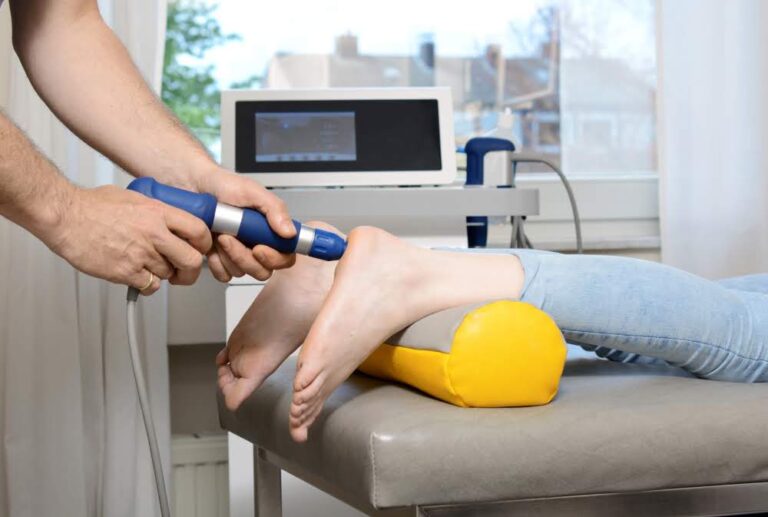
Heal Plantar Fasciitis Pain With SHOCKWAVE Therapy

Have you noticed a sharp, stabbing pain at the bottom of your heel as you get up in the morning? If so, you might have plantar fasciitis.

Plantar fasciitis is a very common cause of heel pain in the United States.

What is Plantar Fasciitis?

Plantar fasciitis occurs when the fan-shaped tissue located in the bottom of the foot — or the plantar fascia, becomes inflamed. This thick belt of connective tissue connects your heel bone to your toes and also helps maintain the shape of your foot arch. So, when it becomes strained due to plantar fasciitis, it leads to a sharp, stabbing pain that is worse first thing in the morning when you take your first steps. Since the condition tends to ease as the day goes on, many people ignore the pain. However, the longer that this condition goes untreated, the more likely the pain is to become chronic. Plus, this can lead to weakness, which can eventually impact your walking.

What Causes Plantar Fasciitis?

Sometimes, plantar fasciitis develops for no identifiable reason. There are many things that likely contribute to the condition. Some of the things that increase the risk of developing plantar fasciitis include:

  • Being overweight or obese
  • Regularly wearing unsupportive shoes
  • Frequent running
  • Overuse from high-impact exercise
  • Having a job that requires a lot of walking
  • Standing on hard surfaces for long periods of time
  • Having a naturally high arch

Why Is It So Hard To Get Relief?

You may have already tried some of the typical recommendations for plantar fasciitis, such as icing the area or performing stretches. These treatments often do not work for the condition, which is not really surprising when you think about how much time you spend on your feet each day.

Read Complete Article at Plantar Fasciitis

Also Read: Electric Foot Grinder

How to Safely Remove Nose Hair: Methods To Try & Methods To Avoid

Nose hair is a natural part of the human body that serves as a defense system. Nasal hair keeps harmful debris out of the body system and maintains moisture in the air we breathe.

Blood vessels in the nose and face are extra dense. In the nose, they support hair growth.

Following are ways to remove nose hair as well as the potential risks.

1. Nose trimmers

Trimming nose hair is the safest and most accessible option for most people. Tiny scissors made just for this job are often included in grooming kits. These scissors should have rounded tips to prevent you from poking your skin and bleeding.

Trimming nose hair allows you to slowly remove or shorten just the most visible nose hair without removing too much or hurting the delicate skin inside your nose.

To trim nose hair:

  • Stand in front of a mirror with good light.
  • Blow your nose first and clean out any hardened mucous that might get in your way.
  • Hold the scissors firmly and tip your head back.
  • Trim hair down to the skin.
  • Blow your nose a few times after trimming to get extra little hairs out. Don’t rinse your nose with water.
  • Don’t try to remove all nasal hair. Instead, focus on the thickest and most visible strands.

2. Waxing or plucking

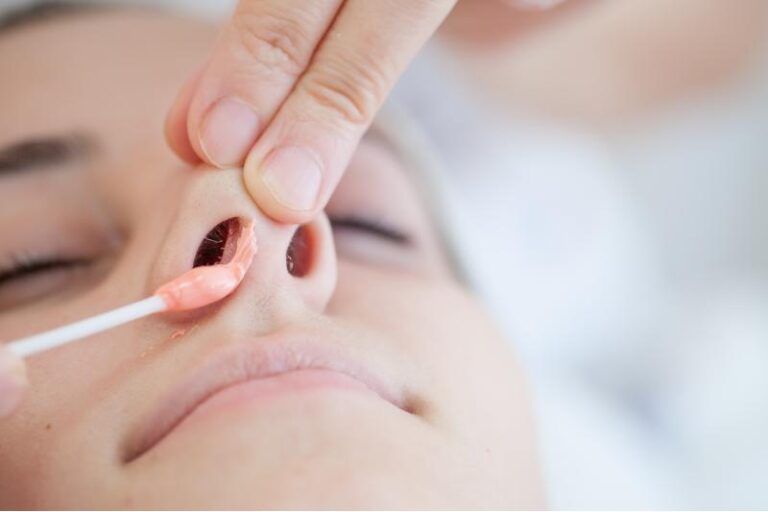
In most cases, waxing or plucking nasal hair is not recommended. Pulling out individual hairs can lead to ingrown hairs and infection. Waxing, especially, could hurt the skin deep inside your nose.

However, there is a nasal wax product on the market that has been designed to remove only the hair inside the edge of the nostril. Results can last up to four weeks.

This lasts longer than trimming because waxing doesn’t just cut the hair shorter. Instead, it removes the whole hair shaft from below the skin line.

Read Complete Article at Nose Hair Removal

Also Read: Electric Nose Hair Trimmer

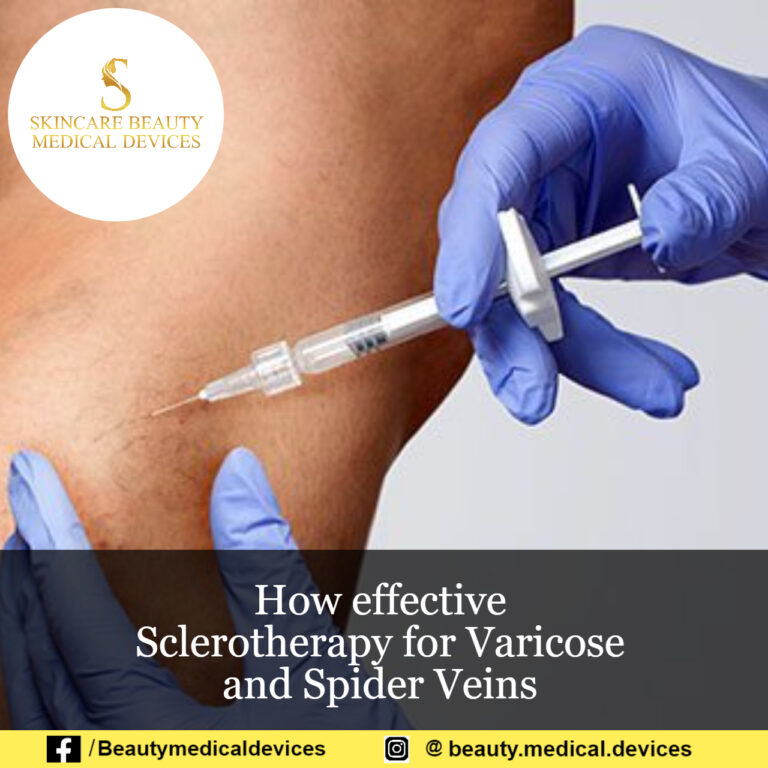
How effective Sclerotherapy for Varicose and Spider Veins

Sclerotherapy is a medical procedure used to eliminate varicose veins and spider veins. It involves an injection of a solution (generally a salt solution) directly into the vein. The solution irritates the lining of the blood vessel, causing it to collapse and stick together and the blood to clot. Over time, the vessel turns into scar tissue that fades from view.

Sclerotherapy is a proven procedure that has been in use since the 1930s.

"<yoastmark
Sclerotherapy is a proven procedure that has been in use since the 1930s.

Candidates for Sclerotherapy

Prior to sclerotherapy, you will have an initial consultation with a dermatologist or vascular medicine specialist who will decide if you’re a good candidate for the procedure.

You are not eligible if you are pregnant. You can have sclerotherapy if you take birth control pills. If you have had a blood clot in the past, your eligibility will be decided on an individual basis, and will depend on the overall health of the area needing treatment as well as the reason for the clot.

Veins that are potentially usable for future heart bypass surgery will generally not be considered for sclerotherapy, unless they are already deemed unusable.

"<yoastmark
Veins that are potentially usable for future heart bypass surgery will generally not be considered for sclerotherapy

How It Is Done

The salt solution is injected through a very fine needle directly into the vein. At this point, you may experience mild discomfort and cramping for one to two minutes, especially when larger veins are injected. The procedure itself takes approximately 15 to 30 minutes.

The number of veins injected in one session depends on the size and location of the veins, as well as the general medical condition of the patient.

Sclerotherapy is performed in the doctor’s office by a dermatologist or a surgeon and requires that you do not do any aerobic activity for a few days after the procedure.

What to Do Before Sclerotherapy

Prior to sclerotherapy, you should avoid certain medications. Talk to your doctor about all medicines (including over-the-counter drugs, herbs, and dietary supplements) you are taking. If you need to take an antibiotic before the therapy, contact your doctor. No lotion should be applied to the legs before the procedure.

Read Complete Article at webmd.com

Also read: Facial Exfoliating Shaving Device for Skincare : Beauty Devices

HOW NIACINAMIDE HELPS SKIN ?

0

Niacinamide is a skin care ingredient worthy of your attention and your skin will love you for using it. Among a handful of other amazing skin care ingredients such as retinol and vitamin C, niacinamide is a standout because of its versatility for almost any skin care concern and skin type.

As many of you know about us, but for those who don’t, the conclusions we make about any ingredient are always based on what the published research has shown to be true—and the research about unanimously demonstrates how special it is. New research keeps showing it’s one of the most exciting skin care ingredients around.

What is Niacinamide?

Also known as vitamin B3 and nicotinamide, niacinamide is a water-soluble vitamin that works with the natural substances in your skin to help visibly minimize enlarged pores, tighten lax pores, improve uneven skin tone, soften fine lines and wrinkles, diminish dullness, and strengthen a weakened surface.

Why You Should Use Niacinamide

As you might have gathered, we’re very impressed with all that niacinamide can do for skin when applied via skin care products like toners, serums, and highly concentrated leave-on treatments. Niacinamide is uniquely compatible with any of the products in your skin care routine, including those that contain retinol, peptides, hyaluronic acid, AHAs, BHA, vitamin C, and all types of antioxidants.

You can use multiple niacinamide-containing products in your routine, and it will still be non-sensitizing as this ingenious B vitamin is well tolerated by all skin types. It’s even suitable for use by those with sensitive or rosacea-prone skin.

Other helpful benefits of niacinamide are that it helps renew and restore the surface of skin against moisture loss and dehydration by helping skin improve its natural production of skin-strengthening ceramides. When ceramides become depleted over time, skin is left vulnerable to all sorts of problems, from persistent patches of dry, flaky skin to increasingly becoming extra-sensitive.

Read Full Story on paulaschoice.com


Also read: How to use The New GHD Rise Volumising Hot Brush In 3 ways

How to use The New GHD Rise Volumising Hot Brush In 3 ways

Here to make home hair styling even easier, the new ghd Rise Volumising Hot Brush is the brands latest breakthrough styler that will create a high volume crown worthy of a Queen!

About the ghd Rise Volumising Hot Brush

Whether you’re fed up of flat roots, need all over volume or want to create bouncy curls, the brush creates 2x more volume than naturally dried hair and gives an unmatchable lift that will stay put all day long. The brush is designed with close root contact, using 5mm cool touch bristles, which allow you to add volume right at your crown for a salon-quality finish. The Ultra-zone predictive technology keeps the brush at an optimum styling temperature of 185° constantly to prevent damage and ensuring an effective result that will last. Other benefits include:

  • Ultra-zone with predictive technology: constant 185° temperature across the whole 32mm barrel to ensure consistent results.
  • 5mm smooth touch bristles: allow you to style close to the scalp without burning or damage.
  • 25-second heat-up time: so that you can style quickly and easily without the wait.
  • Sleep mode: Automatically switches off after 30 minutes to help prevent accidents.

How to use the ghd Rise Volumising Hot Brush

Root volume

  1. Section: take a section of your hair across your parting.
  2. Place: position your ghd Rise behind the section at the root of your hair.
  3. Wrap: wrap your hair around the ghd Rise, keeping it held close to your roots.
  4. Hold: for 5-8 seconds depending on how thick your hair is.
  5. Release: move the ghd Rise up and back against the root in a ‘C’ motion as you release the hair.
  6. Repeat: on all sections of your roots along the crown of your head.
  7. Set: lock your style in place with the ghd Final Fix Hairspray to ensure your roots stay raised for even longer.

Read Complete Article at Ghd Hot Brush

Also Read: Me Chic Compact Hair Reduction Device