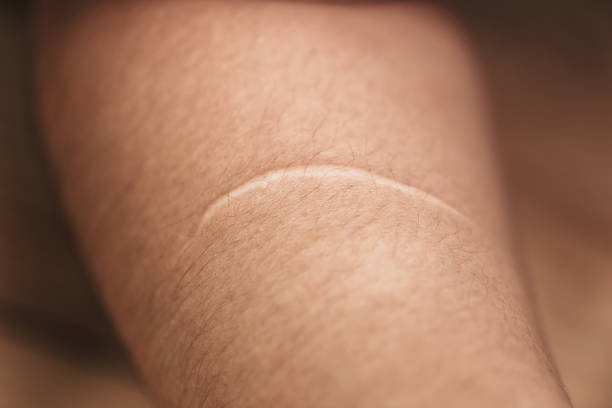

Home Blog Page 25

Dealing with Autumn Acne: Tips for a Clearer Complexion

0

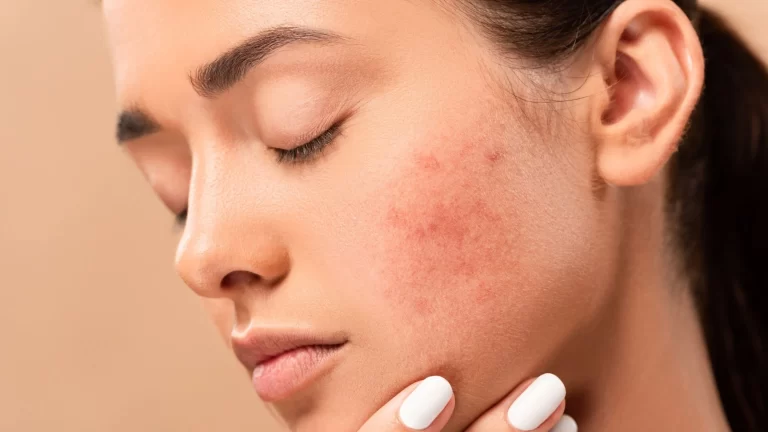
As the leaves change colors and the air turns crisp, autumn brings with it a host of seasonal delights. Unfortunately, for some, this beautiful time of year also heralds the onset of acne or worsening skin issues. The transition from summer to fall can disrupt our skincare routines, leading to breakouts and blemishes. In this article, we’ll explore why acne can be more prevalent in the autumn months and offer practical tips to help you maintain a clear complexion. Dealing with Autumn Acne: Tips for a Clearer Complexion
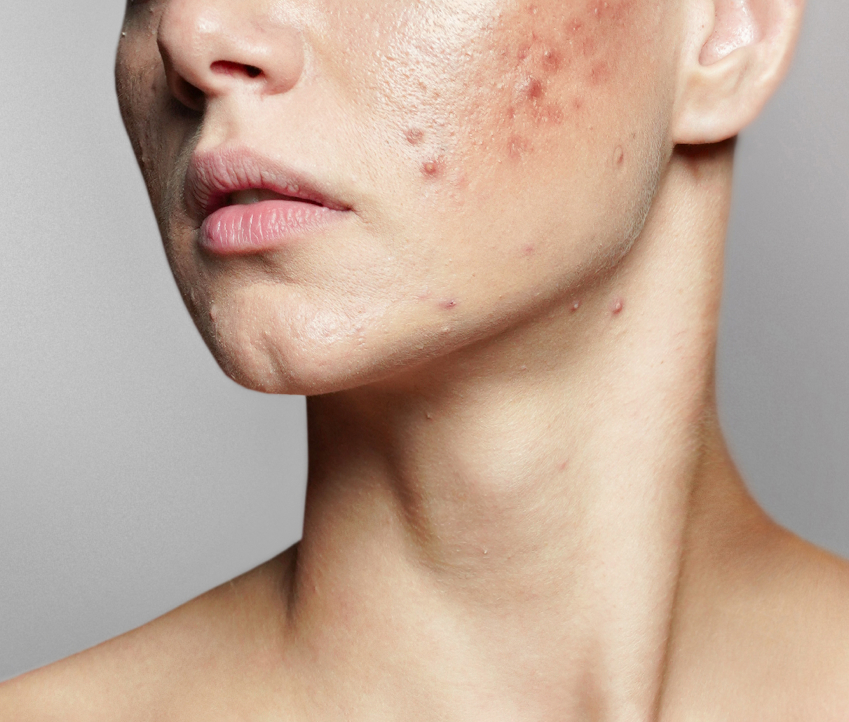
1. Weather Changes and Skin Sensitivity

The shift in weather from warm and humid to cooler and drier conditions can be a significant trigger for acne. Dry, cool air can strip your skin of its natural moisture, leading to increased oil production. This excess oil, combined with dead skin cells, can clog pores and result in breakouts. To combat this, consider switching to a gentler, hydrating cleanser and using a good moisturizer to maintain the skin’s moisture balance.

2. Seasonal Diet Shifts

Autumn often brings a change in our eating habits. Hearty comfort foods, sugary treats, and holiday indulgences can contribute to acne flare-ups. Pay attention to your diet and try to maintain a balanced intake of fruits, vegetables, and whole grains. Reducing your consumption of sugary and greasy foods can help keep acne at bay.

3. Stress and Back-to-School Pressure

For students and parents alike, the start of the school year can be a stressful time. Increased stress levels can trigger hormonal changes that lead to breakouts. To manage stress, incorporate relaxation techniques like meditation, yoga, or deep breathing exercises into your daily routine. Adequate sleep and regular exercise also play crucial roles in stress reduction and clear skin.

4. Sweater Weather and Skin Irritation

As temperatures drop, we tend to wear more layers, including sweaters and scarves. Unfortunately, these can trap heat and sweat against your skin, leading to irritation and acne mechanica, a type of acne caused by friction and pressure. Choose breathable fabrics and avoid tight clothing whenever possible to minimize skin irritation.

5. Adjusting Your Skincare Routine

Transitioning your skincare routine from summer to fall is essential for maintaining clear skin. Consider incorporating products that contain ingredients like salicylic acid or benzoyl peroxide to prevent and treat breakouts. Be cautious not to over-exfoliate, as this can lead to skin dryness and sensitivity. A dermatologist can help you develop a personalized skincare routine tailored to your specific needs.

6. Staying Hydrated

Don’t forget to drink plenty of water, even as the weather cools down. Proper hydration keeps your skin healthy, helps flush toxins from your body, and supports overall skin function. Herbal teas and warm water with lemon can be excellent choices for staying hydrated during the autumn months.

Conclusion

Acne during autumn can be frustrating, but with the right care and adjustments to your skincare routine and lifestyle, you can maintain clearer skin throughout the season. Remember to be patient and consistent in your efforts. If your acne persists or worsens, consult a dermatologist for professional guidance and treatment options. By taking proactive steps to address the unique challenges of autumn, you can enjoy this beautiful season while keeping your complexion radiant and blemish-free.

For more Skincare news and the latest updates please Like and Follow our Facebook Page and Instagram account…

Read Also: SkinPen Microneedling: The Innovative Solution to Combat Facial Acne Scars
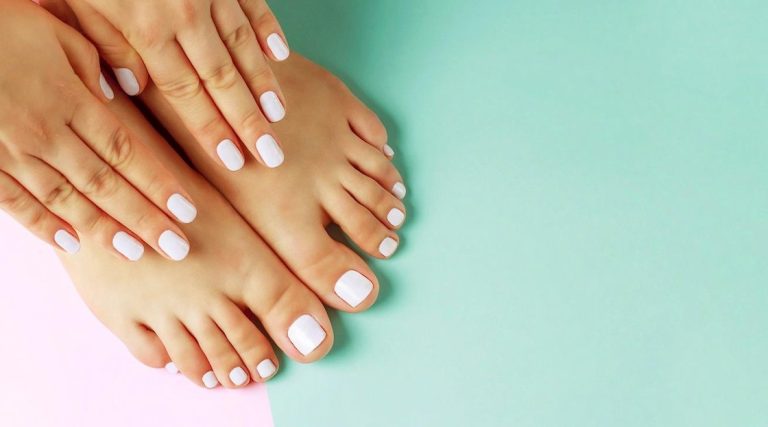
Winter Pedicure Break: Why It’s Okay to Give Your Feet a Rest

0

As the warm summer days start to fade, so does the temptation to wear open-toed sandals and show off perfectly polished toenails. While pedicures are a fantastic way to keep your feet looking and feeling their best during the summer months, there comes a time when it’s entirely acceptable to give your feet a break. In this article, we’ll discuss why it’s okay to stop getting pedicures during the winter season and how to care for your feet during this time. Winter Pedicure Break: Why It's Okay to Give Your Feet a Rest

  1. Let Your Nails Breathe

During the summer, our feet are on display more often, and it’s natural to want them looking their best. However, constantly applying nail polish and subjecting your toenails to the chemicals in nail products can cause them to become brittle and discolored over time. Taking a break from pedicures in the winter allows your nails to breathe and recover from any potential damage.

  1. Prevent Dryness and Cracking

Winter weather can be harsh on your skin, particularly your feet. Cold temperatures and dry indoor heating can lead to dry, cracked skin. Getting pedicures less frequently in the winter gives your skin a chance to recover and maintain its natural moisture, reducing the risk of painful cracks and calluses.

  1. Focus on Moisturization

Instead of spending time and money on pedicures during the winter, redirect your efforts toward proper foot care. Invest in a good-quality foot moisturizer and use it regularly to keep your skin hydrated. Thick socks and cozy slippers will help lock in the moisture, ensuring your feet stay soft and comfortable.

  1. Nail Health Matters

Taking a break from pedicures allows you to pay more attention to the health of your toenails. Check for any signs of infection or irregularities. Keep your toenails clean and trimmed to prevent ingrown nails or fungal issues. This proactive approach to nail health can prevent more significant problems down the road.

  1. Save Time and Money

Let’s face it; pedicures can be time-consuming and costly. By giving your feet a break during the winter months, you’ll not only save time but also money. You can use these savings for other self-care activities or to pamper yourself in different ways.

  1. Maintain a Seasonal Routine

Just as your wardrobe changes with the seasons, your beauty routine should adapt too. Embrace the cozy, self-care aspect of winter by focusing on warm baths, foot massages, and home treatments that nourish and relax your feet. This seasonal shift can be a refreshing change of pace.

Conclusion

While regular pedicures are a fantastic way to keep your feet in great shape during the summer, it’s entirely reasonable to take a break during the winter months. This pause allows your nails to recover, prevents dryness and cracking, and lets you focus on essential foot care. So, embrace the idea of a winter pedicure hiatus, and give your feet the rest they deserve. Remember, your feet will thank you when it’s time to slip back into those open-toed shoes next summer.

For more Skincare news and the latest updates please Like and Follow our Facebook Page and Instagram account…

Read Also: Unlocking the Magic of Eye Patches: Your Journey to Brighter, Refreshed Eyes

Cutting Hair by the Moon: A Guide to Lunar Hair Care

0

Hair has always held a special place in human culture, symbolizing beauty, identity, and even spirituality. Throughout history, different cultures have recognized the moon’s influence on various aspects of life, including agriculture, fertility, and, yes, even hair. The idea of cutting hair based on the phases of the moon, known as lunar hair care, is a practice that continues to intrigue many. In this article, we’ll explore the concept of cutting hair in alignment with the moon’s phases and how it might influence your hair’s health and growth. Cutting Hair by the Moon: A Guide to Lunar Hair Care

Understanding the Lunar Phases

The lunar calendar is divided into eight phases, with each phase having its unique energy and symbolism. Here’s a brief overview:

  1. New Moon: A time of new beginnings and intentions, often associated with setting goals.
  2. Waxing Crescent: A period of growth and expansion, ideal for initiating projects.
  3. First Quarter: A time for action and overcoming challenges.
  4. Waxing Gibbous: A phase for refining and adjusting plans.
  5. Full Moon: A period of abundance, culmination, and heightened emotions.
  6. Waning Gibbous: A time for releasing, letting go, and forgiveness.
  7. Third Quarter: A phase for introspection and reassessment.
  8. Waning Crescent: A period for rest, healing, and preparation for the next cycle.

The Connection between Lunar Phases and Hair Cutting

Lunar hair care suggests that cutting your hair during specific lunar phases can influence its growth, thickness, and overall health. Here’s a breakdown of the common beliefs associated with each phase:

  1. New Moon: Cutting hair during the New Moon is believed to promote new growth and encourage faster hair growth. It’s a time for setting intentions for your hair, such as achieving longer locks.
  2. Waxing Crescent: As the moon begins to wax, this phase is ideal for those looking to add volume and thickness to their hair. Trimming or cutting during this time is thought to promote fuller, healthier strands.
  3. First Quarter: This phase is associated with strength and overcoming challenges. Cutting your hair during the First Quarter may help you shed any hair-related problems, such as split ends or damaged strands.
  4. Full Moon: The Full Moon is a powerful time for cleansing and releasing. Some people believe that cutting your hair during this phase can remove negative energy and emotional baggage associated with your hair.
  5. Waning Phases: The waning phases (Gibbous, Third Quarter, and Waning Crescent) are best for maintenance trims. Trimming during these phases is thought to slow down hair growth while promoting strength and thickness.

Should You Try Lunar Hair Care?

While the concept of lunar hair care is intriguing, it’s essential to approach it with an open mind and a healthy dose of skepticism. Scientific evidence supporting the idea that moon phases directly impact hair growth and health is limited. Many factors, including genetics, diet, and hair care practices, play a more substantial role in hair growth and appearance.

If you’re interested in lunar hair care, consider it as an additional practice that can complement your existing hair care routine. Ultimately, the best approach to maintaining beautiful and healthy hair involves a balanced diet, proper hair care, and regular trims to prevent split ends and maintain shape. Whether you decide to align your haircuts with the moon’s phases or not, the key to beautiful hair lies in consistent care and a healthy lifestyle.

To know more about Skincare Devices and Beauty’s latest updates, please Like and Follow our Facebook and Instagram accounts…

Read also: Nail Care: How to Prevent and Treat Brittle Nails Due to Household Chores

Hormones and Beautiful Skin: Unlocking the Secrets

0

The quest for beautiful, glowing skin is a universal desire. While skincare products and routines play a crucial role, it’s important to recognize that our hormones also have a significant impact on the health and appearance of our skin. Understanding the intricate relationship between hormones and beautiful skin is key to achieving that radiant complexion you’ve always dreamed of.

The Hormonal Influence on Skin

  1. Estrogen: Estrogen is often called the “youth hormone” because of its role in maintaining skin elasticity, hydration, and thickness. When estrogen levels drop, typically during menopause, women may notice a reduction in skin firmness and the appearance of fine lines and wrinkles.
  2. Progesterone: Progesterone, another female hormone, can affect oil production in the skin. Fluctuations in progesterone levels, such as during the menstrual cycle, can lead to changes in skin texture and acne flare-ups.
  3. Testosterone: Testosterone, primarily considered a male hormone, is also present in women, albeit in smaller amounts. An excess of testosterone can lead to increased oil production, which can result in acne and oily skin.
  4. Cortisol: Often referred to as the “stress hormone,” cortisol levels rise during times of stress. Elevated cortisol levels can lead to inflammation, which can exacerbate skin conditions such as acne, eczema, and psoriasis.  Hormones and Beautiful Skin: Unlocking the Secrets

Achieving Beautiful Skin Through Hormonal Balance

  1. Healthy Lifestyle Choices: A balanced diet, regular exercise, and sufficient sleep play a significant role in hormonal balance. Eating foods rich in antioxidants, vitamins, and minerals can help support skin health. Staying well-hydrated is also essential for maintaining skin’s moisture and radiance.
  2. Skincare Routine: A consistent skincare routine tailored to your skin type and concerns is crucial. Products containing ingredients like retinoids, hyaluronic acid, and antioxidants can help combat the signs of aging and promote a youthful complexion.
  3. Consult a Dermatologist: If you’re experiencing skin issues related to hormonal imbalances, such as persistent acne or dryness, consider consulting a dermatologist. They can provide personalized recommendations and treatments to address your specific needs.
  4. Hormone Replacement Therapy (HRT): For menopausal women experiencing significant hormonal changes, hormone replacement therapy may be an option. HRT can help mitigate the effects of decreased estrogen on the skin, but it should only be considered after consulting with a healthcare professional.
  5. Stress Management: Managing stress through practices like meditation, yoga, or deep breathing exercises can help regulate cortisol levels and reduce the impact of stress on your skin.

Conclusion

Hormones play a vital role in the health and appearance of our skin. Achieving beautiful skin isn’t just about using the right skincare products; it’s also about maintaining hormonal balance through lifestyle choices and, when necessary, seeking medical guidance. By understanding how hormones affect your skin and taking proactive steps to support hormonal balance, you can unlock the secrets to radiant, youthful, and beautiful skin.

Say Goodbye to Unwanted Hair with Laser Hair Removal

0

Unwanted body hair can be a source of frustration and discomfort for many individuals. Traditional methods of hair removal, such as shaving, waxing, or using depilatory creams, are often temporary and can lead to skin irritation, ingrown hairs, and a never-ending cycle of maintenance. Fortunately, modern technology offers a more effective and long-lasting solution: laser hair removal.

What is Laser Hair Removal?

Laser hair removal is a popular cosmetic procedure that uses concentrated beams of light, or lasers, to remove unwanted hair. It has gained immense popularity due to its precision, effectiveness, and relatively minimal discomfort compared to traditional hair removal methods.

How Does it Work?

During a laser hair removal session, a trained technician or dermatologist will use a handheld laser device that emits a specific wavelength of light. This light is absorbed by the pigment (melanin) in the hair follicles, which then heats up and damages the follicles. This damage inhibits future hair growth without harming the surrounding skin. Say Goodbye to Unwanted Hair with Laser Hair Removal

Benefits of Laser Hair Removal

  1. Permanent Hair Reduction: Laser hair removal offers long-lasting results. While it may not permanently remove every single hair, it can significantly reduce hair growth, making it much finer and less noticeable.
  2. Precision: The laser can selectively target dark, coarse hairs while leaving the surrounding skin undamaged. This precision makes it suitable for use on various body areas, including the face, legs, arms, bikini line, and underarms.
  3. Speed: Each laser pulse takes only a fraction of a second and can treat multiple hairs at once. Small areas, like the upper lip, can be treated in a matter of minutes, while larger areas may take an hour or more.
  4. Minimal Discomfort: Most people describe the sensation during laser hair removal as a mild discomfort, often likened to the snap of a rubber band against the skin. Many newer laser technologies incorporate cooling mechanisms to minimize any discomfort.
  5. No Ingrown Hairs: Unlike traditional methods like waxing or shaving, laser hair removal reduces the risk of ingrown hairs, redness, and skin irritation.
  6. Saves Time and Money: Over time, laser hair removal can be more cost-effective than constantly buying razors or waxing treatments. Plus, you’ll save the time and hassle of frequent hair removal sessions.

Who is a Good Candidate?

Laser hair removal works best on individuals with fair skin and dark hair, as the contrast makes it easier for the laser to target the hair follicles. However, advancements in technology have made it more suitable for people with various skin and hair types, including those with lighter hair and darker skin tones.

It’s essential to have realistic expectations and understand that multiple sessions are usually required for the best results since hair grows in different cycles. A consultation with a qualified practitioner can help determine whether you are a good candidate for the procedure.

Conclusion

Laser hair removal is a safe and effective way to achieve long-term hair reduction and smoother, hair-free skin. While it may require multiple sessions, the results are well worth the investment in terms of time, money, and confidence. If you’re tired of dealing with unwanted hair and want to enjoy the convenience of a hair-free lifestyle, consider consulting a dermatologist or licensed technician to explore the possibilities of laser hair removal. Say goodbye to the hassle of traditional hair removal methods and hello to a more comfortable, long-lasting solution.

To know more about Skincare Devices and Beauty’s latest updates, please Like and Follow our Facebook and Instagram accounts…

Also Read: Oily Skincare Routine

Autumn’s Nourishing Sip: The Power of Drinking Vitamins

0

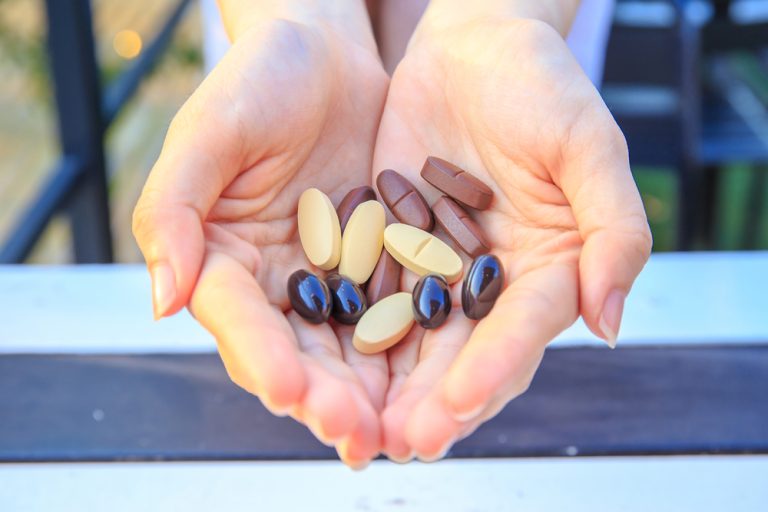
As the vibrant hues of autumn sweep across the landscape, our bodies, too, undergo shifts in response to changing seasons. As the days grow cooler, the importance of fortifying our immune systems and overall well-being becomes paramount. Enter the practice of drinking vitamins—a delightful and effective way to embrace the autumn season while nourishing our bodies. Let’s explore the benefits of sipping on vitamins during this time of transition.

Autumn’s Call to Strengthen Immunity

Autumn marks the transition from the warmth of summer to the crisp coolness of fall. With this shift, our bodies may become more susceptible to seasonal illnesses. The combination of fluctuating temperatures and reduced sunlight can weaken our immune systems, making it essential to give our bodies an extra boost.

Vitamins: Nature’s Elixir

Vitamins are essential nutrients that our bodies require to function optimally. While a balanced diet rich in fruits, vegetables, whole grains, and lean proteins is the cornerstone of good health, certain vitamins can play a vital role in fortifying our immunity and supporting our well-being.

Vitamin C: The Immune Ally

Vitamin C, often associated with citrus fruits, is a powerful antioxidant that helps protect our cells from damage and supports our immune system. Drinking beverages rich in vitamin C, like freshly squeezed orange juice or a hot cup of herbal tea with lemon, can be a delightful way to boost your immunity during autumn.

Vitamin D: Capturing Sunshine’s Essence

As the days become shorter, our exposure to sunlight—our primary source of vitamin D—may diminish. Vitamin D is crucial for bone health and plays a role in supporting our immune system. To bridge the gap, consider enjoying vitamin D-fortified beverages, such as fortified milk or plant-based milk alternatives. Autumn's Nourishing Sip: The Power of Drinking Vitamins

Warm and Nutrient-Rich: Autumn Beverages

  1. Herbal Teas: Sipping on herbal teas infused with immune-boosting herbs like echinacea, elderberry, and ginger can provide comfort and support during autumn. These teas not only keep you warm but also provide a gentle dose of vitamins and antioxidants.
  2. Smoothies: Autumn is a perfect time to whip up nutrient-packed smoothies using seasonal ingredients like pumpkin, apples, and pears. Incorporate ingredients rich in vitamins A, C, and E for a nourishing treat.
  3. Spiced Lattes: Enjoy the aromatic richness of spiced lattes made with almond milk or coconut milk. Adding a dash of warming spices like cinnamon and nutmeg not only enhances the flavor but also contributes to your overall well-being.

Balancing Act: The Right Approach

While incorporating vitamin-rich beverages into your routine is beneficial, it’s important to strike a balance. Remember that vitamins are best consumed as part of a diverse and balanced diet. Focus on whole foods and a variety of nutrients to support your body’s overall health.

Embrace Autumn’s Bounty

Autumn is a season of transformation—a time to prepare our bodies for the colder months ahead. By sipping on vitamin-rich beverages, we can embrace the spirit of the season while nourishing our bodies from within. As the leaves fall and the air grows crisp, let your sips be a reminder of the beauty of nature and the nurturing power of the vitamins that sustain us.

To know more about Skincare Devices and Beauty’s latest updates, please Like and Follow our Facebook and Instagram accounts…

Also Read: Oily Skincare Routine

Nurturing Radiance: Understanding and Treating Dry Skin

0

Our skin, a delicate yet resilient shield, is a canvas that reflects our overall well-being. Among the various skin types, dry skin stands out for its unique needs and challenges. Let’s explore the world of dry skin, understanding its causes, its impact on our daily lives, and effective strategies to restore its natural radiance.

The Basics of Dry Skin: Understanding the Puzzle

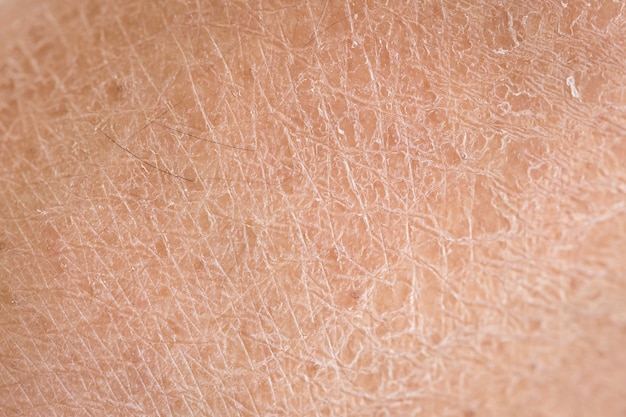
Dry skin, medically known as xerosis, is a common skin type characterized by a lack of moisture and lipid content. While it can affect anyone, some individuals are more predisposed due to genetics, environment, or lifestyle factors. Nurturing Radiance: Understanding and Treating Dry Skin

The Causes Behind the Drought

Several factors contribute to dry skin:

  1. Weather Conditions: Harsh climates, low humidity levels, and cold winds can strip the skin of its natural oils, leading to dryness.
  2. Hot Showers: Prolonged exposure to hot water can break down the skin’s protective barrier, leading to moisture loss.
  3. Harsh Cleansers: Certain soaps and cleansers can strip away the skin’s natural oils, exacerbating dryness.
  4. Aging: As we age, our skin produces fewer natural oils, making it more susceptible to dryness.
  5. Underlying Health Conditions: Certain medical conditions like eczema and psoriasis can cause or worsen dry skin.
  6. Genetics: Our genetic makeup plays a role in our skin type, including its tendency to become dry.

The Telltale Signs of Dry Skin

Identifying dry skin is relatively straightforward:

  1. Flakiness: Dry skin often appears flaky, with small, white, or grayish scales.
  2. Tightness: If your skin feels tight, especially after cleansing, it might be an indication of dryness.
  3. Rough Texture: Dry skin can feel rough and uneven to the touch.
  4. Itching: Dry skin is prone to itching, which can worsen if left untreated.

Soothing the Parched Skin: Effective Solutions

  1. Hydration is Key: Drink plenty of water to keep your skin hydrated from within.
  2. Gentle Cleansing: Opt for mild, fragrance-free cleansers that won’t strip away natural oils.
  3. Lukewarm Showers: Use lukewarm water instead of hot water to prevent excessive moisture loss.
  4. Moisturize: Apply a rich, emollient moisturizer immediately after bathing to lock in moisture.
  5. Humidifiers: Use humidifiers to add moisture to the air in your living spaces, especially during dry seasons.
  6. Avoid Harsh Products: Steer clear of products containing alcohol or harsh chemicals that can worsen dryness.

Choosing the Right Products for Your Skin

When selecting products for dry skin, look for those with the following qualities:

  1. Hypoallergenic: Products labeled as hypoallergenic are less likely to cause irritation.
  2. Fragrance-Free: Fragrances can sometimes exacerbate dryness or cause allergic reactions.
  3. Occlusive Ingredients: Look for ingredients like shea butter, glycerin, or oils, that help seal in moisture.

Caring for Your Skin: A Daily Ritual

Embracing a daily skincare routine that caters to your dry skin is essential. Consider the following steps:

  1. Cleansing: Cleanse your skin with a gentle, hydrating cleanser.
  2. Exfoliation: Exfoliate periodically to remove dead skin cells, but avoid overdoing it, as it can exacerbate dryness.
  3. Moisturize: Apply a nourishing moisturizer in the morning and before bed.
  4. Sun Protection: Use sunscreen with at least SPF 30 to protect your skin from the sun’s harsh rays.

Embracing Your Skin’s Beauty

Dry skin may have its challenges, but with proper care and attention, you can restore its natural radiance and enjoy healthy, glowing skin. By understanding the factors that contribute to dryness and incorporating targeted skincare practices into your daily routine, you’ll be on your way to nurturing and embracing the unique beauty of your skin.

For more Skincare news and the latest updates please Like and Follow our Facebook Page and Instagram account…

Read Also: Unlocking the Magic of Eye Patches: Your Journey to Brighter, Refreshed Eyes

Unlocking Strength: Exploring Muscle Stimulation for Enhanced Fitness

0

The pursuit of a strong and toned physique often leads us down various paths, each promising a way to maximize our fitness potential. One such path involves muscle stimulation, a technique that aims to activate and engage muscles through external electrical impulses. Let’s delve into the world of muscle stimulation, understanding its benefits, how it works, and its role in achieving fitness goals.

The Power of Electric Impulses: Muscle Stimulation Unveiled

Muscle stimulation, also known as neuromuscular electrical stimulation (NMES) or electric muscle stimulation (EMS), is a method that uses controlled electrical impulses to prompt muscle contractions. These contractions mimic the natural process that occurs when our brain sends signals to our muscles during exercise.

The Benefits of Muscle Stimulation

  1. Efficiency: Muscle stimulation allows for targeted muscle engagement, working muscles in a precise and controlled manner. This can be especially useful for individuals with limited time for traditional workouts.
  2. Muscle Activation: For those recovering from injuries or surgeries, muscle stimulation can assist in rebuilding muscle strength without putting excessive strain on injured areas.
  3. Strength Building: Electric impulses can trigger muscle fibers that might not be effectively engaged during regular workouts, leading to more comprehensive muscle development.
  4. Endurance Enhancement: Muscle stimulation can improve muscle endurance by training fibers to contract repeatedly, preparing them for longer-lasting activities.
  5. Recovery Aid: Some studies suggest that muscle stimulation might help reduce muscle soreness and aid in post-workout recovery. Unlocking Strength: Exploring Muscle Stimulation for Enhanced Fitness

Understanding the Science Behind Muscle Stimulation

During traditional exercise, our brain sends electrical signals to our muscles through nerves, causing them to contract. Muscle stimulation replicates this process by sending external electrical impulses through electrodes placed on the skin’s surface. These impulses stimulate motor neurons, leading to muscle contractions.

Types of Muscle Stimulation

  1. Functional Electrical Stimulation (FES): Used primarily for medical purposes, FES stimulates paralyzed or weakened muscles to restore functional movement.
  2. Electrical Muscle Stimulation (EMS): This type of stimulation is commonly used for fitness and sports training. It targets muscles to enhance strength and endurance.

Incorporating Muscle Stimulation into Your Fitness Routine

Before embarking on a muscle stimulation journey, consider the following:

  1. Consult a Professional: If you have pre-existing medical conditions, consult a healthcare provider before using muscle stimulation devices.
  2. Device Selection: Choose a reputable muscle stimulation device that suits your goals. These devices can vary in terms of features, intensity levels, and programs.
  3. Balanced Approach: While muscle stimulation can be a valuable addition to your fitness routine, it’s essential to pair it with a well-rounded approach that includes cardiovascular exercise, strength training, and proper nutrition.
  4. Proper Use: Follow the manufacturer’s guidelines for the correct placement of electrodes and appropriate intensity levels to ensure safety and effectiveness.

Maximizing Your Potential

Muscle stimulation adds an innovative layer to the world of fitness, offering an efficient and targeted way to enhance muscle strength and endurance. By understanding the science behind this technique and using it wisely in conjunction with a balanced fitness regimen, you can unlock your body’s full potential and embark on a journey of improved fitness and overall well-being.

For more Skincare news and the latest updates please Like and Follow our Facebook Page and Instagram account…

Read Also: Unlocking the Magic of Eye Patches: Your Journey to Brighter, Refreshed Eyes

Soothing Steps: The Art of Relaxation with Foot Massagers

0

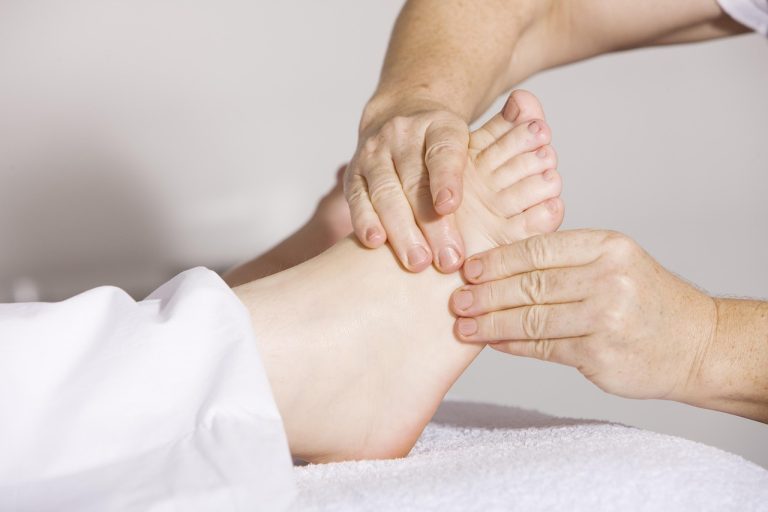
In the hustle and bustle of modern life, finding moments of tranquility and relaxation is essential for our overall well-being. Enter foot massagers – innovative devices designed to bring a slice of serenity to our busy days. Let’s step into the world of foot massagers, exploring their benefits, types, and how they can become your trusted relaxation companion.

Unwinding the Stress Knots: The Benefits of Foot Massagers

Our feet are a wonderland of nerve endings and pressure points, making them a prime candidate for relaxation and rejuvenation. Foot massagers offer a range of benefits:

  1. Relief from Stress and Tension: Long hours on our feet or a hectic schedule can leave us feeling drained. Foot massagers work their magic by targeting pressure points, releasing tension, and promoting relaxation.
  2. Improved Circulation: A good foot massage can enhance blood circulation, helping to deliver oxygen and nutrients to the cells while removing toxins.
  3. Pain Alleviation: Whether from standing, walking, or wearing uncomfortable shoes, foot pain can be a real downer. Foot massagers can help soothe pain and discomfort through their kneading and rolling motions.
  4. Stress Reduction: Foot massages trigger the release of endorphins – those wonderful “feel-good” hormones – leading to reduced stress and an uplifted mood.
  5. Enhanced Sleep: Regular foot massages can contribute to better sleep quality, helping you drift off into dreamland more easily. Soothing Steps: The Art of Relaxation with Foot Massagers

Types of Foot Massagers: Finding Your Perfect Fit

  1. Manual Massagers: These simple devices require no power source and are operated by hand. They come in various forms, from wooden rollers to spiky massage balls. While they provide direct control, they might require more effort on your part.
  2. Electric Massagers: These are the powerhouses of foot relaxation. Electric foot massagers come in different styles:
    • Foot Spa Massagers: These devices offer a spa-like experience with features like water jets, heat therapy, and built-in rollers to knead your feet.
    • Shiatsu Massagers: These mimic the finger-pressure technique of traditional Japanese massage. They use rotating nodes to target pressure points and knead muscles.
    • Compression Massagers: Using airbags, these massagers apply gentle pressure and release, promoting circulation and relaxation.

Creating Your Relaxation Ritual

Incorporating foot massages into your routine can be a delightful self-care ritual:

  1. Choose Your Setting: Find a comfortable spot where you can unwind. You can enhance the experience by playing calming music or lighting scented candles.
  2. Prepare Your Feet: Clean your feet and remove any jewelry or accessories. Make sure your feet are dry before beginning the massage.
  3. Apply Gentle Pressure: If you’re using a manual massager, apply gentle pressure to your feet as you roll or knead. With an electric massager, follow the device’s instructions for pressure and settings.
  4. Breathe and Relax: As you enjoy the massage, take slow, deep breaths. Focus on the sensation and let go of any tension.
  5. Time for Each Foot: Spend an equal amount of time on each foot to ensure balanced relaxation.

Your Oasis of Relaxation

Incorporating foot massagers into your routine is a small investment in your well-being that can yield significant rewards. Whether you opt for a manual roller or a high-tech electric massager, the path to relaxation is just a step away. So, slip off your shoes, indulge in a foot massage, and let the soothing sensations transport you to a realm of calm and tranquility.

For more Skincare news and the latest updates please Like and Follow our Facebook Page and Instagram account…

Read Also: SkinPen Microneedling: The Innovative Solution to Combat Facial Acne Scars
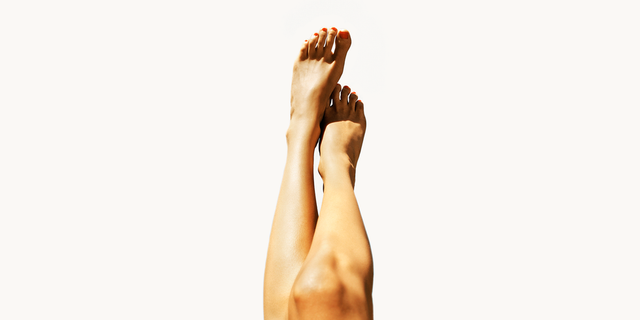
Healing Beyond Skin: Embracing Rehabilitation Scars on the Body

0

Scars tell stories, and rehabilitation scars on the body are a testament to strength, resilience, and the remarkable journey of healing. Whether from surgeries, accidents, or medical procedures, these scars are more than just physical marks; they symbolize the process of overcoming challenges and regaining control. Let’s explore the significance of rehabilitation scars and the journey they represent.

The Journey of Healing

Rehabilitation scars are the visible marks of a remarkable journey—one that often involves physical and emotional challenges. These scars can result from a variety of circumstances, such as surgeries to repair injuries, treat medical conditions, or regain functionality. They can also emerge from accidents that lead to unexpected changes in one’s life. Healing Beyond Skin: Embracing Rehabilitation Scars on the Body

Physical and Emotional Healing

Rehabilitation scars often carry both physical and emotional weight. On the physical side, they remind us of the body’s incredible capacity to heal and adapt. Scar tissue forms as part of the body’s natural healing process, creating a protective layer over wounded areas. While these scars might appear different from the surrounding skin, they serve as a sign of the body’s resilience.

Emotionally, rehabilitation scars can be a source of empowerment or challenge. They can evoke memories of the events that led to their formation, triggering a range of emotions. For some, these scars might be a source of pride, symbolizing triumph over adversity. For others, they might be a reminder of vulnerability or loss. Each individual’s emotional journey is unique and deserves respect and understanding.

A Mark of Identity

Rehabilitation scars are a part of one’s identity, a reflection of experiences that have shaped who we are. They can serve as a powerful reminder of what has been overcome, offering a renewed perspective on life’s challenges. These scars highlight our capacity to adapt, grow, and thrive, even in the face of adversity.

Shifting Perspectives

In recent years, there has been a growing movement to shift the way society views scars, especially those resulting from rehabilitation journeys. Campaigns like “Scar Stories” and “Embrace Your Scars” encourage embracing scars as badges of honor, rather than something to be hidden. The goal is to promote self-acceptance and inspire others to embrace their own scars, whatever their origins.

Caring for Rehabilitation Scars

While rehabilitation scars are a natural part of the healing process, there are steps individuals can take to care for and manage their scars:

  1. Sun Protection: UV rays can cause scars to darken and become more noticeable. Protect scars from sun exposure by applying sunscreen or covering them with clothing.
  2. Moisturizing: Keeping scars moisturized helps promote healing and reduces the risk of excessive scarring.
  3. Massage: Gentle scar massage can improve blood circulation and tissue flexibility, potentially reducing scar appearance over time.
  4. Consult a Professional: If you’re concerned about the appearance or discomfort of a rehabilitation scar, consult a healthcare professional or dermatologist. They can recommend treatments or interventions based on your unique situation.

Embracing the Journey

Rehabilitation scars on the body carry stories of triumph, courage, and personal growth. They remind us that life’s challenges, though difficult, can shape us into stronger individuals. Embracing these scars is a testament to self-acceptance and an acknowledgment of the unique journey each of us undertakes in our quest for healing and wholeness.

For more Skincare news and the latest updates please Like and Follow our Facebook Page and Instagram account…

Read Also: SkinPen Microneedling: The Innovative Solution to Combat Facial Acne Scars