



Scars tell stories, and rehabilitation scars on the body are a testament to strength, resilience, and the remarkable journey of healing. Whether from surgeries, accidents, or medical procedures, these scars are more than just physical marks; they symbolize the process of overcoming challenges and regaining control. Let’s explore the significance of rehabilitation scars and the journey they represent.
The Journey of Healing
Rehabilitation scars are the visible marks of a remarkable journey—one that often involves physical and emotional challenges. These scars can result from a variety of circumstances, such as surgeries to repair injuries, treat medical conditions, or regain functionality. They can also emerge from accidents that lead to unexpected changes in one’s life. 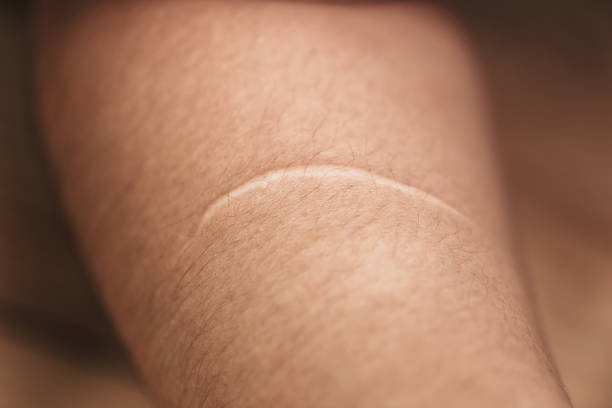
Physical and Emotional Healing
Rehabilitation scars often carry both physical and emotional weight. On the physical side, they remind us of the body’s incredible capacity to heal and adapt. Scar tissue forms as part of the body’s natural healing process, creating a protective layer over wounded areas. While these scars might appear different from the surrounding skin, they serve as a sign of the body’s resilience.
Emotionally, rehabilitation scars can be a source of empowerment or challenge. They can evoke memories of the events that led to their formation, triggering a range of emotions. For some, these scars might be a source of pride, symbolizing triumph over adversity. For others, they might be a reminder of vulnerability or loss. Each individual’s emotional journey is unique and deserves respect and understanding.
A Mark of Identity
Rehabilitation scars are a part of one’s identity, a reflection of experiences that have shaped who we are. They can serve as a powerful reminder of what has been overcome, offering a renewed perspective on life’s challenges. These scars highlight our capacity to adapt, grow, and thrive, even in the face of adversity.
Shifting Perspectives
In recent years, there has been a growing movement to shift the way society views scars, especially those resulting from rehabilitation journeys. Campaigns like “Scar Stories” and “Embrace Your Scars” encourage embracing scars as badges of honor, rather than something to be hidden. The goal is to promote self-acceptance and inspire others to embrace their own scars, whatever their origins.
Caring for Rehabilitation Scars
While rehabilitation scars are a natural part of the healing process, there are steps individuals can take to care for and manage their scars:
- Sun Protection: UV rays can cause scars to darken and become more noticeable. Protect scars from sun exposure by applying sunscreen or covering them with clothing.
- Moisturizing: Keeping scars moisturized helps promote healing and reduces the risk of excessive scarring.
- Massage: Gentle scar massage can improve blood circulation and tissue flexibility, potentially reducing scar appearance over time.
- Consult a Professional: If you’re concerned about the appearance or discomfort of a rehabilitation scar, consult a healthcare professional or dermatologist. They can recommend treatments or interventions based on your unique situation.
Embracing the Journey
Rehabilitation scars on the body carry stories of triumph, courage, and personal growth. They remind us that life’s challenges, though difficult, can shape us into stronger individuals. Embracing these scars is a testament to self-acceptance and an acknowledgment of the unique journey each of us undertakes in our quest for healing and wholeness.
For more Skincare news and the latest updates please Like and Follow our Facebook Page and Instagram account…
Read Also: SkinPen Microneedling: The Innovative Solution to Combat Facial Acne Scars