Home Blog Page 19

Embracing Innovation: Apps to Enhance Your Sun Protection Habits

0

In the era of smartphones and constant connectivity, technology has become an integral part of our daily lives. While we often associate technology with productivity, entertainment, and social networking, it can also play a crucial role in promoting health and well-being. Sun protection is a vital aspect of maintaining skin health, and there are now innovative apps designed to enhance our sun protection habits. These apps go beyond the traditional use of sunscreen, offering personalized solutions, reminders, and valuable information to help users safeguard their skin from the harmful effects of the sun.

  1. UV Index Apps

Understanding the intensity of the sun’s ultraviolet (UV) rays is fundamental to effective sun protection. UV index apps provide real-time information about the UV levels in your location. They consider factors such as time of day, geographic location, and weather conditions to calculate the UV index. Users can receive alerts when UV levels are high, prompting them to take appropriate precautions, such as applying sunscreen, wearing protective clothing, or seeking shade.

  1. Sunscreen Reminder Apps

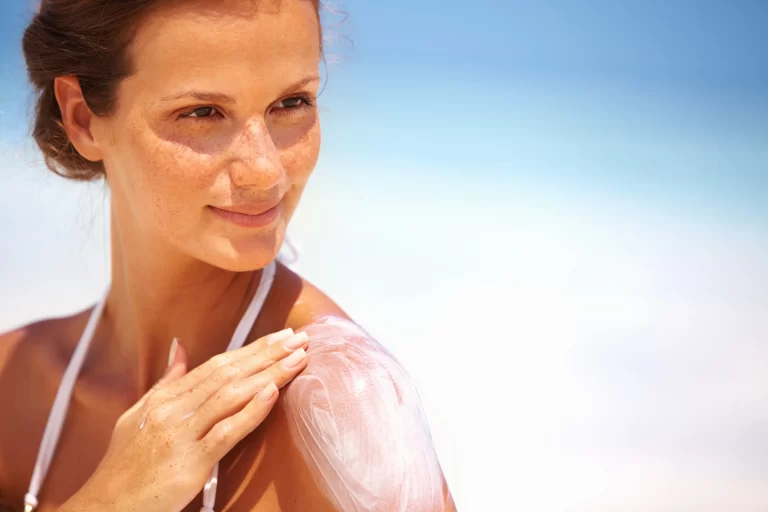
Applying sunscreen is a cornerstone of sun protection, but it’s easy to forget to reapply throughout the day. Sunscreen reminder apps help users stay on top of their sun protection routine by sending timely notifications to reapply sunscreen. Some apps even allow users to set preferences based on their skin type, the SPF of their sunscreen, and outdoor activities. These reminders not only promote consistent sunscreen use but also encourage users to be proactive in protecting their skin.

  1. Skin Cancer Detection Apps

Early detection of skin cancer is crucial for successful treatment. Several apps leverage artificial intelligence and machine learning to analyze skin lesions and provide preliminary assessments of potential skin cancer risks. Users can take photos of moles or other skin abnormalities, and the app uses algorithms to evaluate factors like size, color, and asymmetry. While these apps cannot replace professional medical advice, they can serve as a valuable tool for monitoring changes in skin health and encouraging users to consult with a dermatologist if needed.

Embracing Innovation: Apps to Enhance Your Sun Protection Habits

  1. Virtual Sunscreen Try-On Apps

Choosing the right sunscreen can be a daunting task with the myriad of options available. Virtual sunscreen try-on apps utilize augmented reality to help users “try on” different sunscreens virtually before making a purchase. By using the front-facing camera on a smartphone, users can see how different sunscreens look on their skin in real-time. This innovative approach not only simplifies the decision-making process but also promotes user engagement with sun protection.

  1. Weather Apps with Sun Safety Features

Many weather apps now include sun safety features that go beyond the standard temperature and precipitation forecasts. These apps provide information about UV levels, sunrise and sunset times, and recommended sun protection measures based on the weather conditions. Users can plan their outdoor activities more effectively by considering not only the weather but also the sun’s impact on their skin.

  1. Hydration Reminder Apps

Staying hydrated is essential for overall health and can contribute to skin resilience against sun damage. Hydration reminder apps help users track their water intake throughout the day and send alerts when it’s time to drink more water. Proper hydration supports the skin’s natural defenses, making it an integral part of a comprehensive sun protection strategy.

Conclusion

As technology continues to advance, it opens new avenues for promoting health and well-being. The emergence of apps designed to enhance sun protection habits exemplifies the positive impact technology can have on our daily lives. Whether it’s by providing real-time UV index information, sending sunscreen reminders, aiding in skin cancer detection, facilitating virtual sunscreen try-ons, offering sun safety features in weather apps, or promoting hydration, these apps empower users to take control of their sun protection routines. By integrating these innovative tools into our daily lives, we can foster a culture of proactive skin care and reduce the long-term risks associated with sun exposure. Embrace the power of technology, and let it be a guiding force in safeguarding your skin against the sun’s rays.

To know more about Skincare Devices and Beauty’s latest updates, please Like and Follow our Facebook and Instagram accounts…

Unlocking Healthy Scalp Secrets with DandruffMeter DA 20

0

A healthy scalp is the foundation for vibrant and lustrous hair. However, many individuals struggle with dandruff, a common scalp condition that can lead to discomfort and a lack of confidence. As a dermatologist committed to promoting scalp health, I’m excited to delve into the revolutionary tool known as the DandruffMeter DA 20. In this article, we will explore the significance of this innovative device and how it can aid dermatologists in diagnosing and treating dandruff effectively.

Understanding Dandruff:

Before delving into the DandruffMeter DA 20, it’s crucial to understand dandruff and its impact on the scalp. Dandruff is often characterized by the shedding of dead skin cells from the scalp, leading to visible flakes and sometimes an itchy or irritated sensation. While dandruff is a common condition, its causes can vary, including factors such as dry skin, fungal overgrowth, or inflammatory skin conditions.

1. DandruffMeter DA 20: The Breakthrough Technology:

The DandruffMeter DA 20 is a cutting-edge device designed to provide accurate and quantitative assessments of dandruff severity. Developed with advanced technology, this tool goes beyond traditional diagnostic methods, offering dermatologists valuable insights into the condition of the scalp. By utilizing a combination of imaging and analytical capabilities, the DandruffMeter DA 20 measures the severity of dandruff and aids dermatologists in tailoring effective treatment plans.

2. How DandruffMeter DA 20 Works:

The DandruffMeter DA 20 employs a multi-faceted approach to assess dandruff severity. The device utilizes high-resolution imaging to capture detailed images of the scalp. These images are then analyzed using sophisticated algorithms to quantify the extent of dandruff, taking into account factors such as flake size, distribution, and overall scalp health. This objective and data-driven analysis allows dermatologists to gauge the severity of dandruff more accurately than traditional visual assessments.

3. Benefits for Dermatologists:

Dermatologists appreciate the DandruffMeter DA 20 for its ability to provide a quantitative measure of dandruff severity, enabling more precise diagnoses and personalized treatment plans. The device’s non-invasive nature ensures a comfortable experience for patients, and the quantitative data obtained enhances the dermatologist’s understanding of the patient’s scalp condition. This, in turn, allows for more targeted and effective interventions.

Unlocking Healthy Scalp Secrets with DandruffMeter DA 20

4. Personalized Treatment Approaches:

Armed with quantitative data from the DandruffMeter DA 20, dermatologists can tailor treatment approaches to address the specific needs of each patient. Whether the dandruff is due to dryness, fungal overgrowth, or an inflammatory condition, the device’s insights empower dermatologists to recommend targeted therapies, including medicated shampoos, topical treatments, or lifestyle adjustments for optimal scalp health.

5. Monitoring Treatment Progress:

The DandruffMeter DA 20 is not only a diagnostic tool but also a valuable asset for monitoring treatment progress. Regular assessments with the device allow dermatologists to track changes in dandruff severity over time. This dynamic approach enables adjustments to treatment plans as needed, ensuring that patients receive the most effective and personalized care for their scalp conditions.

6. Enhancing Patient Education:

The DandruffMeter DA 20 serves as an educational tool for patients, helping them visually understand the severity of their dandruff and the progress made through treatment. Dermatologists can use the device’s quantitative data to educate patients about the factors contributing to their condition and empower them to make informed choices for ongoing scalp care.

Conclusion:

As a dermatologist committed to advancing scalp health, the introduction of the DandruffMeter DA 20 has revolutionized the way we diagnose and treat dandruff. This innovative device provides a quantitative and objective measure of dandruff severity, allowing for personalized treatment approaches and enhanced patient education. With the DandruffMeter DA 20, dermatologists can navigate the complexities of dandruff more effectively, ensuring that individuals achieve a healthy and flake-free scalp that serves as the ideal foundation for beautiful, lustrous hair.

To know more about Skincare Devices and Beauty’s latest updates, please Like and Follow our Facebook and Instagram accounts…

Need Help To De-Puff Your Skin? These Beauty Tools Will Definitely Help!

0

Puffy skin can be a common concern for many individuals, often resulting from factors such as lack of sleep, stress, or even genetics. While skincare routines play a crucial role in maintaining healthy skin, sometimes a little extra help is needed to combat puffiness effectively. Dermatologists often recommend incorporating specialized beauty tools into your skincare regimen for targeted and efficient results. In this article, we’ll explore some dermatologist-approved beauty tools designed to de-puff your skin and enhance its overall health.

Jade Rollers:

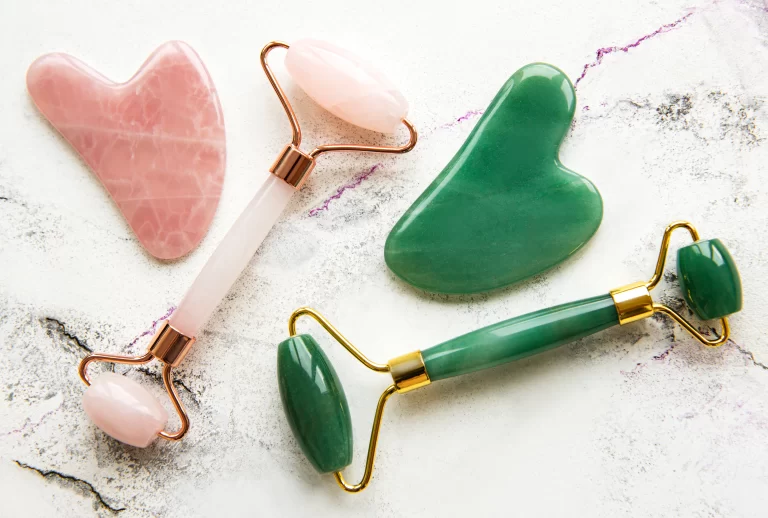
One of the timeless tools in the skincare world, jade rollers have been used for centuries in traditional Chinese medicine. Dermatologists appreciate jade rollers for their ability to reduce puffiness and inflammation. The cool surface of the jade helps soothe the skin, while the rolling motion enhances lymphatic drainage, promoting the elimination of excess fluids. To use, simply roll the jade roller gently over your face in an upward motion, focusing on areas prone to puffiness such as the under-eye region.

Gua Sha Tools:

Similar to jade rollers, Gua Sha tools have gained popularity for their ability to reduce inflammation and promote circulation. Made from various materials such as jade or rose quartz, Gua Sha tools are used to gently scrape the skin, improving lymphatic drainage and reducing fluid retention. Dermatologists recommend using these tools with a light hand, ensuring that the scraping motion is gentle and follows the contours of your face for maximum effectiveness.

Ice Rollers:

For a quick and refreshing fix to puffiness, dermatologists often recommend ice rollers. These tools have a rolling head filled with gel that can be frozen, providing a cooling effect when applied to the skin. Ice rollers constrict blood vessels, reducing inflammation and puffiness. Dermatologists advise using ice rollers in the morning to awaken and tighten the skin or throughout the day for a quick pick-me-up. The cold sensation not only soothes puffiness but also helps minimize the appearance of pores.

Need Help To De-Puff Your Skin? These Beauty Tools Will Definitely Help!

Microcurrent Devices:

Microcurrent devices use low-level electrical currents to stimulate facial muscles, promoting tone and firmness. Dermatologists appreciate these devices for their ability to enhance collagen production and improve overall skin elasticity. When used regularly, microcurrent devices can reduce puffiness by increasing circulation and promoting lymphatic drainage. It’s crucial to follow the device’s instructions carefully and use a conductive gel to ensure proper conductivity and efficacy.

Cryotherapy Tools:

Cryotherapy involves exposing the skin to extremely cold temperatures to promote vasoconstriction, reducing inflammation and puffiness. Dermatologists often recommend cryotherapy tools such as cryo wands or cryo globes for at-home use. These tools are chilled in the freezer and then rolled over the skin, providing a refreshing and de-puffing effect. Cryotherapy not only reduces puffiness but also enhances the overall health of the skin by boosting circulation and collagen production.

Conclusion:

In the pursuit of radiant and healthy skin, incorporating dermatologist-approved beauty tools into your skincare routine can be a game-changer, especially when dealing with puffiness. Whether you opt for the traditional jade roller, the modern microcurrent device, or the refreshing ice roller, these tools offer targeted solutions to address skin concerns effectively. Remember to consult with your dermatologist before introducing new tools into your routine, as they can provide personalized recommendations based on your skin type and concerns. With the right tools and a consistent skincare regimen, you’ll be well on your way to achieving a refreshed and de-puffed complexion.

To know more about Skincare Devices and Beauty’s latest updates, please Like and Follow our Facebook and Instagram accounts…
The Dermatologist’s Guide to the Pado PureWave CM-07 Massager

0

In the fast-paced world we live in, self-care has become a non-negotiable aspect of maintaining overall well-being. As a dermatologist, I often emphasize the importance of holistic self-care practices, including skincare and relaxation techniques. One powerful tool that has caught my attention is the Pado PureWave CM-07 Massager, and in this article, I’ll delve into why I recommend it to my patients as a valuable addition to their self-care arsenal.

Understanding the Pado PureWave CM-07

The Pado PureWave CM-07 is a versatile massager designed to target various areas of the body, offering both percussion and vibration therapy. With its ergonomic design and multiple attachment heads, it caters to a range of needs, from soothing tired muscles to promoting better blood circulation. But why would a dermatologist recommend a massager in the first place?

  1. Stress Reduction and Skin Health: Stress is a well-known contributor to various skin issues, from acne flare-ups to exacerbating conditions like eczema and psoriasis. The PureWave’s ability to alleviate tension through targeted massage helps reduce stress levels, promoting healthier skin overall. By incorporating regular massage into your routine, you’re not only relaxing your muscles but also positively impacting your skin’s appearance and resilience.
  2. Improved Blood Circulation: Proper blood circulation is vital for skin health. The PureWave’s percussion therapy stimulates blood flow, enhancing oxygen and nutrient delivery to skin cells. This increased circulation can contribute to a more radiant complexion, as it supports the skin’s natural regenerative processes.
  3. Relief for Tense Facial Muscles: Many people carry tension in their facial muscles, leading to headaches, jaw pain, and even changes in skin texture. The Pado PureWave comes with a facial attachment designed to address tension in the jaw, temples, and around the eyes. By relieving this tension, you can reduce the likelihood of tension-related skin issues and promote a more relaxed facial appearance.
  4. Enhanced Absorption of Skincare Products: The PureWave’s vibration therapy can aid in the absorption of skincare products. By using the massager gently after applying your favorite serums or creams, you may enhance their penetration, allowing the active ingredients to reach deeper layers of the skin. This can maximize the effectiveness of your skincare routine.
  5. Targeted Relief for Body Acne: Body acne, often exacerbated by sweat and friction, can benefit from the PureWave’s targeted percussion therapy. By addressing muscle tension and promoting circulation in areas prone to breakouts, you can contribute to a healthier environment for your skin, reducing the likelihood of acne development.

The Dermatologist's Guide to the Pado PureWave CM-07 Massager

Tips for Using the Pado PureWave CM-07

  1. Start Gradually: If you’re new to using a massager, start with the lowest intensity setting and gradually increase as your muscles acclimate. This is especially important for facial massage.
  2. Use Attachment Heads Wisely: The PureWave comes with different attachment heads, each serving a specific purpose. Choose the one that aligns with your needs, whether it’s a broader head for larger muscle groups or a pinpoint head for targeted therapy.
  3. Incorporate Into Your Skincare Routine: Consider using the PureWave as part of your skincare routine, especially before applying products. The vibration therapy can enhance product absorption, maximizing their benefits for your skin.

Conclusion

As a dermatologist, I’m always on the lookout for tools that contribute to both skin health and overall well-being. The Pado PureWave CM-07 Massager has proven to be a versatile and effective solution for many of my patients, offering benefits beyond simple muscle relaxation. By incorporating this device into your self-care routine, you not only pamper your muscles but also promote a healthier, more radiant complexion. Consider this massager as an investment in your overall well-being, and let the stress-relieving, circulation-boosting benefits contribute to your journey toward healthier, happier skin.

To know more about Skincare Devices and Beauty’s latest updates, please Like and Follow our Facebook and Instagram accounts…

The Rise in Popularity of Calcium Hydroxyapatite Fillers in Dermatology

In the ever-evolving field of dermatology, advancements in cosmetic procedures have paved the way for safer and more effective treatments. One such breakthrough gaining significant popularity among dermatologists is the use of calcium hydroxyapatite fillers. These fillers have become a preferred choice for both practitioners and patients alike, thanks to their unique properties and versatile applications.

Understanding Calcium Hydroxyapatite:

Calcium hydroxyapatite is a naturally occurring substance found in our bones and teeth, providing structure and support. In dermatology, this compound is used as a dermal filler to address various aesthetic concerns. The popularity of these fillers, such as Radiesse, can be attributed to several key factors.

Long-Lasting Results:

One of the primary reasons calcium hydroxyapatite fillers have gained favor among dermatologists is their impressive longevity. Unlike some other fillers that may require frequent touch-ups, these fillers offer results that can last up to 12 to 18 months. This extended duration between treatments not only saves patients time and resources but also contributes to overall satisfaction with the procedure.

Stimulating Collagen Production:

Unlike hyaluronic acid fillers, which primarily add volume by attracting and retaining water, calcium hydroxyapatite fillers go a step further by stimulating the body’s natural collagen production. Collagen is a crucial protein responsible for maintaining skin elasticity and firmness. As we age, collagen production decreases, leading to the development of fine lines and wrinkles. By promoting collagen synthesis, calcium hydroxyapatite fillers not only provide immediate volume but also contribute to the gradual improvement of skin texture over time.

Dermal Fillers for Salida and Gunnison, CO | Salida Dermatology |  Aesthetics, Cosmetic and General Dermatology & Laser Specialists

Natural-Looking Results:

Achieving natural-looking results is a top priority in aesthetic dermatology. Calcium hydroxyapatite fillers are known for their ability to integrate seamlessly with the surrounding tissues, creating a subtle and natural appearance. The smooth consistency of these fillers allows for precise application, reducing the risk of lumps or uneven distribution. This natural finish is particularly appealing to patients who seek enhancements without the telltale signs of cosmetic intervention.

Versatility in Treatment Areas:

Another factor contributing to the popularity of calcium hydroxyapatite fillers is their versatility in addressing various cosmetic concerns. Dermatologists can use these fillers to treat not only facial wrinkles and folds but also to restore volume in areas like the hands. This flexibility allows practitioners to tailor treatments to the unique needs and preferences of each patient, making calcium hydroxyapatite an invaluable tool in the dermatologist’s arsenal.

Minimized Risk of Allergic Reactions:

Calcium hydroxyapatite fillers have an excellent safety profile, making them suitable for a wide range of patients. As these fillers contain a compound naturally present in the body, the risk of allergic reactions is minimized. This is especially advantageous for individuals with sensitive skin or a history of allergies, providing them with a viable option for facial rejuvenation without unnecessary concerns about adverse reactions.

Conclusion:

In the dynamic landscape of dermatology, calcium hydroxyapatite fillers have emerged as a prominent choice for both practitioners and patients. Their unique properties, including long-lasting results, collagen-stimulating effects, natural-looking outcomes, versatility, and safety, contribute to their widespread popularity in the field. As dermatologists continue to prioritize patient satisfaction and seek innovative solutions, calcium hydroxyapatite fillers are likely to remain a cornerstone in the pursuit of aesthetic excellence.

To know more about Skincare Devices and Beauty’s latest updates, please Like and Follow our Facebook and Instagram accounts…

Treating Acne with LED Therapy Devices – A Dermatologist’s Guide

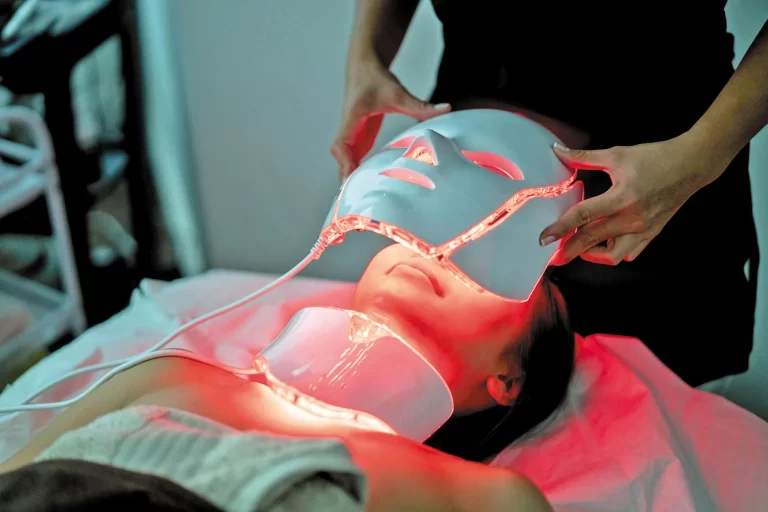
In the ever-evolving landscape of skincare, light-emitting diode (LED) therapy has emerged as a non-invasive and promising treatment for various skin concerns, including acne. As a dermatologist, I often encounter patients seeking effective yet gentle solutions for acne management. In this article, we will explore the science behind LED therapy, how it works to treat acne, and its potential benefits for individuals looking to achieve clearer and healthier skin.

Understanding LED Therapy:

  1. The Science of Light: LED therapy utilizes specific wavelengths of light to target various skin concerns. In the case of acne treatment, two wavelengths are commonly employed – blue light and red light. Blue light, typically in the range of 405-420 nanometers, is known for its antibacterial properties, while red light, around 630-700 nanometers, promotes healing and reduces inflammation.
  2. How Does Blue Light Combat Acne? Acne is often associated with the presence of Propionibacterium acnes (P. acnes), a bacteria that contributes to the development of inflammatory lesions. Blue light penetrates the skin and reaches the sebaceous (oil) glands, where P. acnes resides. The light stimulates the production of oxygen radicals, which in turn, kills the bacteria without harming the surrounding skin.
  3. Reducing Inflammation with Red Light: Inflammatory acne lesions, such as papules and pustules, are characterized by redness and swelling. Red light therapy works by penetrating the skin and promoting cellular repair and regeneration. It helps reduce inflammation and accelerates the natural healing process, diminishing the appearance of red, irritated acne.

Benefits of LED Therapy for Acne Treatment:

  1. Non-Invasive and Painless: One of the key advantages of LED therapy for acne is its non-invasive nature. Unlike certain treatments that may cause discomfort or require downtime, LED therapy is painless and does not damage the skin’s surface. This makes it an attractive option for individuals seeking gentle yet effective solutions for acne management.
  2. Minimal Side Effects: LED therapy is associated with minimal side effects. The most common reaction is temporary redness, which usually subsides shortly after the treatment. Unlike some topical or oral medications, it does not carry the risk of systemic side effects.
  3. Suitable for Various Skin Types: LED therapy is generally well-tolerated by individuals with different skin types. It is inclusive and can be a viable option for those who may not be suitable candidates for certain chemical peels or laser treatments due to potential risks of pigmentation changes.
  4. No Downtime: Busy lifestyles often deter individuals from pursuing certain skincare treatments. It requires no downtime, allowing patients to resume their regular activities immediately after a session. This convenience makes it a practical choice for those with demanding schedules. Treating Acne with LED Therapy Devices - A Dermatologist's Guide
  5. Complementary to Other Treatments: This therapy can be used as a standalone treatment or in conjunction with other acne management strategies. It complements traditional dermatological approaches, such as topical medications or oral antibiotics, enhancing the overall efficacy of the treatment plan.

Incorporating LED Therapy into Acne Management:

  1. Consultation with a Dermatologist: Before incorporating LED therapy into an acne management plan, it is crucial to consult with a dermatologist. A thorough evaluation of the individual’s skin condition, acne severity, and medical history will guide the dermatologist in recommending an appropriate treatment approach.
  2. Consistent Sessions for Optimal Results: While some individuals may notice improvements after a single session, consistent sessions are typically recommended for optimal results. The frequency of sessions may vary based on the severity of the acne and individual response to the treatment.
  3. Combining with Other Skincare Practices: LED therapy works well when integrated into a comprehensive skincare routine. Dermatologists may recommend specific cleansers, moisturizers, or topical treatments to complement the effects of LED therapy and address additional skincare concerns.

To know more about Skincare Devices and Beauty’s latest updates, please Like and Follow our Facebook and Instagram accounts…

Harnessing the Power of Beauty Acupuncture: A Dermatologist’s Perspective

0

In pursuing radiant and youthful skin, individuals are increasingly turning to alternative therapies that complement traditional dermatological approaches. One such method gaining popularity is beauty acupuncture, a holistic practice rooted in traditional Chinese medicine. As a dermatologist, I often encounter patients seeking innovative solutions, and beauty acupuncture has emerged as a promising avenue for enhancing skin health. In this article, we will explore the benefits of beauty acupuncture, shedding light on how this ancient practice can contribute to skin rejuvenation and overall well-being.

Understanding Beauty Acupuncture:

Holistic Approach to Skin Health:

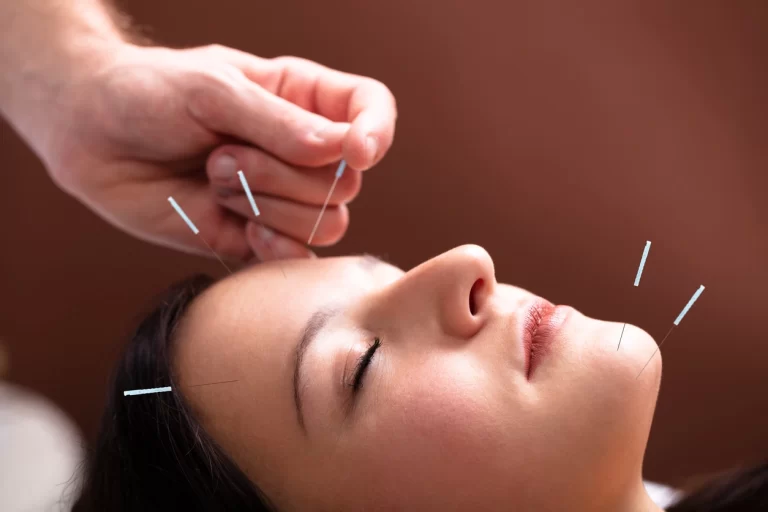
Beauty acupuncture, also known as facial acupuncture or cosmetic acupuncture, takes a holistic approach to skin care. Unlike invasive procedures, such as Botox or fillers, beauty acupuncture focuses on stimulating the body’s natural healing mechanisms to promote overall well-being, with the added benefit of enhancing skin vitality.

Improved Blood Circulation:

Acupuncture involves the insertion of thin needles into specific points on the body, and when applied to the face, it can enhance blood circulation. Improved blood flow brings essential nutrients and oxygen to the skin cells, promoting a healthy complexion and a natural radiance.

Collagen Stimulation:

Collagen is a key protein responsible for maintaining skin elasticity and firmness. Beauty acupuncture is believed to stimulate collagen production by triggering the body’s natural healing response. This can result in firmer and more supple skin, reducing the appearance of fine lines and wrinkles.

Reduced Muscle Tension:

Facial tension and muscle contractions contribute to the formation of wrinkles and fine lines. Beauty acupuncture targets specific facial muscles, promoting relaxation and reducing tension. This not only has cosmetic benefits but can also alleviate stress-related facial muscle tightness.

Stress Reduction:

Chronic stress can have a significant impact on skin health, contributing to conditions such as acne, eczema, and premature aging. Beauty acupuncture includes points known for their stress-relieving properties, promoting a sense of relaxation and overall well-being that extends beyond the skin’s surface.

Natural Glow and Radiance:

The holistic approach of beauty acupuncture aims to balance the body’s energy, or Qi, which is believed to flow through specific meridians. By restoring this balance, individuals often report a natural glow and radiance that goes beyond superficial cosmetic enhancements.

Harnessing the Power of Beauty Acupuncture: A Dermatologist's Perspective

Minimal Side Effects:

Unlike some invasive cosmetic procedures that may have associated risks and downtime, facial acupuncture is generally considered safe when performed by a trained and experienced practitioner. The risk of adverse reactions is minimal, making it an attractive option for those seeking non-invasive and natural approaches to skin rejuvenation.

Incorporating Beauty Acupuncture into Skincare:

Consultation with a Professional:

Before considering beauty acupuncture, it is essential to consult with a licensed acupuncturist who specializes in facial acupuncture. A thorough evaluation of the individual’s overall health, skin condition, and specific concerns will guide the development of a personalized treatment plan.

Consistency is Key:

Beauty acupuncture is not a one-time solution. Consistent sessions are often recommended to achieve and maintain optimal results. The frequency of sessions may vary depending on individual goals and the severity of skin concerns.

Integration with Traditional Skincare:

Facial acupuncture is most effective when integrated into a comprehensive skincare routine. Combining this holistic practice with traditional dermatological approaches, such as a proper skincare regimen and sun protection, can maximize the benefits and support overall skin health.

Conclusion:

As a dermatologist, I appreciate the growing interest in holistic approaches to skincare, and facial acupuncture has emerged as a promising avenue for those seeking natural and effective solutions. While individual results may vary, the benefits of improved blood circulation, collagen stimulation, reduced muscle tension, stress reduction, and a natural glow make beauty acupuncture an appealing option for those looking to enhance their skin health from within. As with any skincare regimen, it is crucial to consult with experienced professionals to ensure safety and efficacy. Facial acupuncture represents a harmonious marriage of ancient wisdom and modern skincare, offering individuals a holistic pathway to radiant and rejuvenated skin.

To know more about Skincare Devices and Beauty’s latest updates, please Like and Follow our Facebook and Instagram accounts…
Diagnosing Your Skin: The Crucial Role of Identifying Oily Skin for Dermatologists

0

Our skin is a dynamic organ that requires personalized care to maintain its health and vitality. Dermatologists play a pivotal role in helping individuals understand their skin type, allowing for tailored skincare routines. Among the various skin types, identifying whether you have oily skin is crucial, as it can significantly impact your skincare regimen. In this article, we will explore the importance of diagnosing oily skin and how dermatologists play a key role in this process.

Understanding Oily Skin:

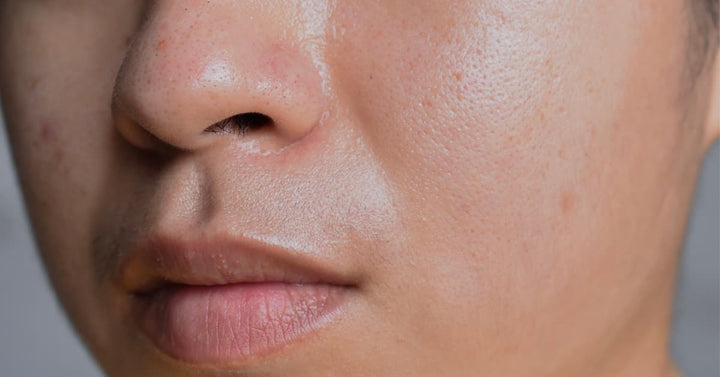
Oily skin is characterized by excess sebum production, the natural oil our skin produces. Sebum is essential for keeping the skin moisturized and protecting it from environmental factors. However, an overproduction of sebum can lead to various skin issues, such as acne, enlarged pores, and a shiny complexion.

Diagnosing Oily Skin:

Dermatologists employ various methods to diagnose oily skin accurately. One of the most common approaches is a visual examination of the skin’s appearance and texture. This skin often presents with enlarged pores, a shiny or greasy complexion, and a tendency to develop acne and blackheads.

Dermatologists may also use a skin type questionnaire to gather information about a patient’s habits, lifestyle, and family history. This comprehensive approach allows them to identify patterns and determine whether it is a genetic predisposition or a result of external factors.

Additionally, advanced diagnostic tools, such as sebum meters, can measure the amount of oil produced by the skin. These instruments provide quantitative data, aiding dermatologists in precisely assessing the degree of oiliness and customizing treatment plans accordingly.

Diagnosing Your Skin: The Crucial Role of Identifying Oily Skin for Dermatologists

The Importance of Diagnosing Oily Skin:

  1. Personalized Skincare Regimen: Identifying this skin is crucial for developing a personalized skincare regimen. Products designed for this skin typically contain ingredients that help control sebum production and prevent pore congestion. Dermatologists can recommend specific cleansers, moisturizers, and treatments that address the unique needs of oily skin, promoting a healthy complexion.
  2. Acne Prevention and Management: It is often associated with acne, as excess oil can clog pores and lead to the formation of pimples. Dermatologists play a key role in preventing and managing acne in individuals with oily skin. They may prescribe topical treatments, oral medications, or recommend in-office procedures to keep acne under control and minimize the risk of scarring.
  3. Anti-Aging Strategies: While facing oil on skin is often associated with youthfulness, it is not immune to aging. Dermatologists can guide individuals with oily skin in incorporating anti-aging measures into their skincare routine. This may include the use of antioxidants, retinoids, and sun protection to combat premature aging and maintain skin health.
  4. Identifying Underlying Conditions: It can sometimes be a symptom of an underlying medical condition, such as hormonal imbalances. Dermatologists have the expertise to recognize these signs and may collaborate with other healthcare professionals to address the root cause of oily skin. Treating the underlying condition can result in more effective and lasting improvements in skin health.

Conclusion:

Diagnosing this skin is a fundamental step in achieving optimal skin health. Dermatologists, with their expertise and diagnostic tools, play a crucial role in this process. Understanding your skin type, especially if it is oily, empowers you to make informed choices about your skincare routine and address specific concerns. By working collaboratively with a dermatologist, individuals can embark on a journey towards healthier, balanced skin that radiates vitality and confidence.

To know more about Skincare Devices and Beauty’s latest updates, please Like and Follow our Facebook and Instagram accounts…

Vitamin C Baths – Dispelling Concerns Over Chlorine in Your Showers

0

As dermatologists, we often encounter individuals expressing concerns about the potential adverse effects of chlorine in their shower water on their skin and hair. One increasingly popular solution gaining attention is the use of Vitamin C baths. In this article, we’ll explore the relationship between chlorine exposure in shower water and its impact on the skin, and why Vitamin C baths are being considered a viable remedy.

Understanding Chlorine in Shower Water:

Chlorine is a commonly used disinfectant in municipal water supplies, including the water that flows through our showerheads. While it plays a crucial role in eliminating harmful bacteria and pathogens, the same properties that make chlorine effective in water treatment can also lead to skin and hair-related issues for some individuals.

Chlorine has a tendency to strip the skin and hair of natural oils, leading to dryness, irritation, and even exacerbating certain skin conditions. Additionally, some people may be more sensitive to chlorine, experiencing redness, itching, and inflammation after exposure.

The Rise of Vitamin C Baths:

In recent years, Vitamin C baths have gained popularity as a potential solution to mitigate the effects of chlorine exposure during showers. Vitamin C, in the form of ascorbic acid or its derivatives, is known for its antioxidant properties. When added to bathwater, Vitamin C reacts with chlorine, neutralizing it and preventing it from causing harm to the skin and hair.

Dispelling Concerns:

  1. Chlorine and Skin Irritation: Many individuals worry that the chlorine in shower water may contribute to skin irritation. While it’s true that chlorine can be harsh on the skin, especially for those with sensitive skin conditions, the concentrations found in municipal water are generally considered safe. However, for those who remain concerned, Vitamin C baths offer a practical and accessible solution.
  2. Hair Damage from Chlorine: Chlorine can strip the hair of its natural oils, leaving it dry and prone to breakage. The impact is often more pronounced in individuals with color-treated or chemically processed hair. Vitamin C, by neutralizing chlorine, helps maintain the hair’s moisture balance, reducing the risk of damage and leaving it more manageable.
  3. Chlorine and Skin Conditions: Individuals with certain skin conditions, such as eczema or psoriasis, may find that chlorine exacerbates their symptoms. Vitamin C baths can be particularly beneficial in such cases, as they provide a layer of protection against potential irritants, allowing those with sensitive skin to enjoy their showers without undue worry.

Vitamin C Baths – Dispelling Concerns Over Chlorine in Your Showers

Practical Application of Vitamin C Baths:

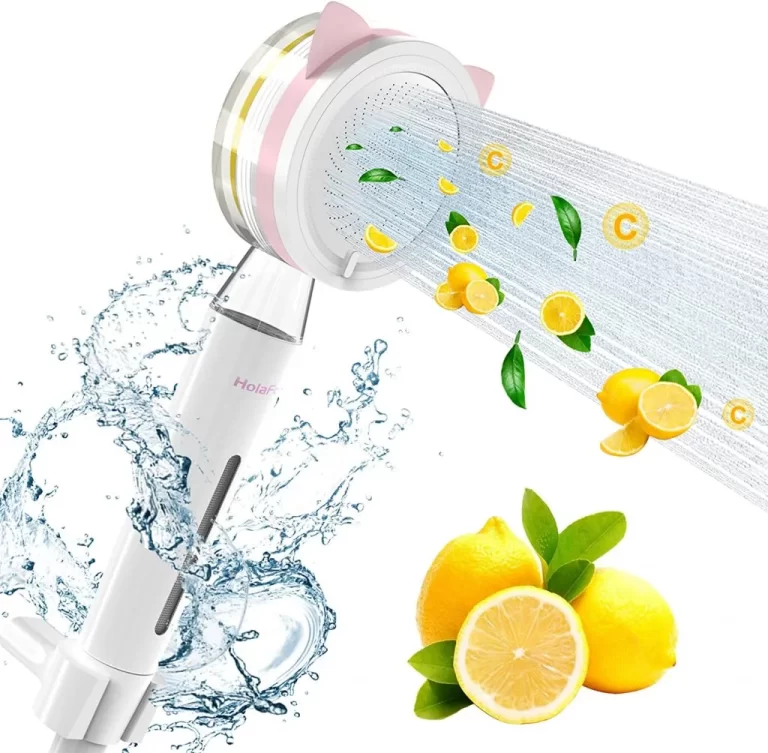
  1. Vitamin C Shower Filters: For a hassle-free solution, Vitamin C shower filters are available in the market. These filters release Vitamin C into the water as it flows through, neutralizing chlorine on contact. This convenient option ensures a consistent dosage of Vitamin C during each shower, offering ongoing protection for the skin and hair.
  2. DIY Vitamin C Baths: Alternatively, individuals can create their own Vitamin C baths by adding Vitamin C crystals or effervescent tablets to their bathwater. This DIY approach allows for a customizable experience and may be preferred by those who enjoy the ritual of preparing their skincare solutions.

Conclusion:

While concerns about the impact of chlorine in shower water on the skin and hair are valid, it’s essential to strike a balance between caution and practicality. For most individuals, the concentrations of chlorine in municipal water are well within safe limits. However, for those seeking additional reassurance or experiencing sensitivity, Vitamin C baths present a viable and accessible solution.

As dermatologists, our role is to provide evidence-based guidance on skincare practices. Vitamin C baths can be a beneficial addition to a skincare routine, offering a layer of protection against potential irritants without disrupting the overall balance of the skin. By dispelling concerns and promoting informed choices, we empower individuals to enjoy their showers while prioritizing the health and well-being of their skin and hair.

To know more about Skincare Devices and Beauty’s latest updates, please Like and Follow our Facebook and Instagram accounts…

Exploring the Pros and Cons of Hyaluron Pen Treatment

0

In recent years, the beauty industry has witnessed a surge in non-invasive cosmetic procedures, with the hyaluron pen treatment gaining popularity as an alternative to traditional injectables. As a dermatologist, it’s essential to evaluate the pros and cons of this innovative method to provide informed guidance to patients seeking aesthetic enhancements.

Pros:

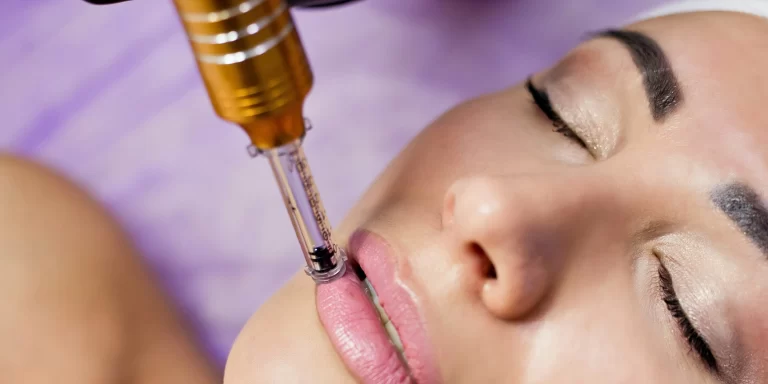
  1. Non-Invasive Nature: One of the primary advantages of hyaluron pen treatment is its non-invasive nature. Unlike traditional injectables that involve needles, the hyaluron pen uses air pressure to deliver hyaluronic acid into the skin. This reduces the risk of infection, bruising, and downtime, making it an attractive option for individuals seeking quick and less painful procedures.
  2. Minimal Discomfort: Many patients are drawn to hyaluron pen treatments due to the minimal discomfort associated with the procedure. The absence of needles means less pain during the administration of hyaluronic acid, making it suitable for those with needle phobia or a low pain tolerance.
  3. Versatility in Application: Hyaluron pen treatments offer versatility in application, allowing dermatologists to address various cosmetic concerns. From lip enhancements and wrinkle reduction to facial contouring, the pen provides a flexible and precise method for delivering hyaluronic acid, catering to the diverse aesthetic needs of patients.
  4. Quick Recovery: Since hyaluron pen treatments are non-invasive and typically involve minimal trauma to the skin, the recovery time is comparatively quick. Patients can resume their daily activities almost immediately, making this option appealing for those with busy schedules who seek a subtle enhancement without significant downtime.
  5. Gradual Results: The results of hyaluron pen treatments often appear gradually, providing a more natural-looking outcome. This gradual approach allows both the dermatologist and the patient to monitor the progress and make adjustments as needed, ensuring the desired aesthetic is achieved without an abrupt change in appearance.

Exploring the Pros and Cons of Hyaluron Pen Treatment

Cons:

  1. Limited Precision: Despite its versatility, the hyaluron pen may lack the precision that traditional injectables offer. Dermatologists may find it challenging to control the depth and evenness of hyaluronic acid distribution, potentially leading to uneven results or the need for additional touch-ups.
  2. Variable Results: The efficacy of hyaluron pen treatments can vary among individuals. Factors such as skin type, hydration levels, and the skill of the practitioner can influence the outcome. Dermatologists must manage patient expectations and educate them about the potential variability in results.
  3. Risk of Complications: While the hyaluron pen is considered safe when administered by trained professionals, there is still a risk of complications. Infections, allergic reactions, or uneven filler distribution can occur, emphasizing the importance of proper training and adherence to safety protocols.
  4. Limited Depth of Penetration: The hyaluron pen may not penetrate as deeply as traditional injectables, limiting its effectiveness for certain cosmetic concerns. Dermatologists must carefully assess whether the pen is the appropriate choice based on the patient’s desired outcome and the depth required for optimal results.
  5. Cost Considerations: Hyaluron pen treatments may come with a significant price tag, especially if multiple sessions are required to achieve the desired results. Dermatologists should discuss the cost implications with patients and help them weigh the benefits against other available options.

Conclusion:

As the beauty industry continues to evolve, dermatologists must stay informed about the latest trends and technologies to provide comprehensive care to their patients. While the hyaluron pen offers certain advantages, it is crucial to acknowledge its limitations and potential risks. A thorough consultation with patients, including a discussion of their expectations and the pros and cons of different treatment options, is essential to ensure a positive and satisfying outcome.

To know more about Skincare Devices and Beauty’s latest updates, please Like and Follow our Facebook and Instagram accounts…