Home Blog Page 20

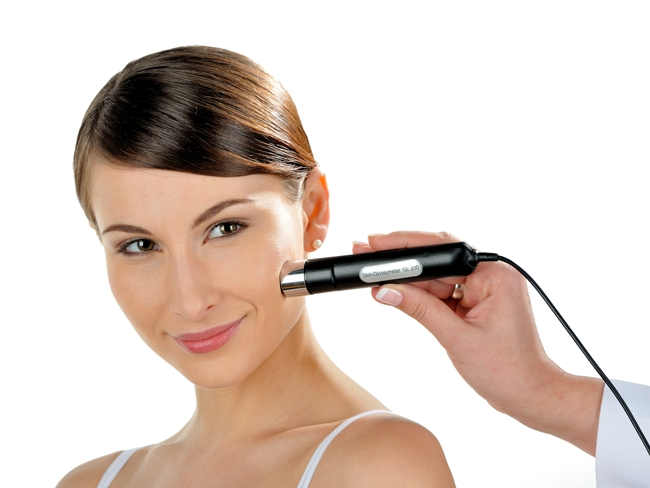
Unveiling Radiance: Understanding Skin Gloss and Its Measurement

0

As dermatologists, our focus is not only on addressing skin concerns but also on enhancing the natural beauty and radiance of our patients’ skin. One term that has gained prominence in recent years is “skin gloss.” In this article, we will delve into the concept of skin gloss, exploring what it is and how dermatologists measure and assess this aspect of skin health.

Defining Skin Gloss:

Skin gloss refers to the reflective quality of the skin surface, indicating how light interacts with the skin to create a luminous and healthy appearance. This characteristic is closely tied to the skin’s texture, hydration levels, and overall health. Individuals with well-hydrated and smooth skin often exhibit a natural glow or gloss that is perceived as a sign of vitality and youthfulness.

Factors Influencing Skin Gloss:

  1. Hydration Levels: Adequate hydration is fundamental to achieving skin-gloss. Well-moisturized skin reflects light more effectively, imparting a dewy and radiant complexion. Dehydrated skin, on the other hand, may appear dull and lackluster.
  2. Skin Texture: The texture of the skin’s surface plays a crucial role in determining gloss. Smooth and even skin reflects light uniformly, creating a glossy finish. Conditions such as uneven texture, roughness, or the presence of fine lines can affect the way light interacts with the skin.
  3. Collagen and Elasticity: The integrity of the skin’s structural components, such as collagen and elastin, influences its ability to reflect light. Youthful skin with optimal collagen levels tends to have a more radiant and glossy appearance.
  4. Oil Balance: The balance of natural oils on the skin’s surface contributes to its glossiness. While excessive oiliness can lead to a greasy appearance, a moderate and balanced oil production can enhance the skin’s natural glow.

Unveiling Radiance: Understanding Skin Gloss and Its Measurement

Measuring Skin Gloss:

Dermatologists employ various methods to measure and assess skin-gloss, allowing for a quantitative evaluation of this important aspect of skin health:

  1. Glossmeters: Glossmeters are instrumental devices that measure the specular reflection of light from a surface. In dermatology, these tools are used to quantify the glossiness of the skin. The results are expressed as gloss units (GU), with higher values indicating a shinier or glossier surface.
  2. Visual Assessment: Dermatologists also rely on visual assessment to gauge skin. A trained eye can discern subtle changes in skin texture, hydration, and overall radiance. This qualitative approach is often complemented by instrumental measurements for a comprehensive evaluation.
  3. Skin Imaging Technologies: Advanced imaging technologies, such as high-resolution photography and 3D skin analysis, provide detailed insights into the skin’s surface. These tools can capture fine details, allowing dermatologists to assess gloss and texture at a microscopic level.

Enhancing Skin Gloss:

For individuals seeking to enhance their skin and achieve a radiant complexion, dermatologists often recommend a combination of skincare practices and lifestyle adjustments:

  1. Hydration and Moisturization: Maintaining optimal skin hydration is paramount. Use moisturizers with hydrating ingredients like hyaluronic acid to lock in moisture and promote a glossy appearance.
  2. Exfoliation: Regular exfoliation helps remove dead skin cells, promoting a smoother skin texture and improving light reflection. However, it’s crucial to use gentle exfoliants to avoid irritation.
  3. Sun Protection: Sun damage can compromise skin health and gloss. Encourage the use of broad-spectrum sunscreen to protect against harmful UV rays and maintain skin vitality.
  4. Collagen-Boosting Ingredients: Incorporating skincare products with collagen-boosting ingredients, such as peptides and retinoids, can support skin structure and enhance gloss over time.
  5. Balanced Diet: A well-balanced diet rich in antioxidants, vitamins, and essential fatty acids contributes to overall skin health. Nutrient-dense foods support collagen production and promote a radiant complexion.

To know more about Skincare Devices and Beauty’s latest updates, please Like and Follow our Facebook and Instagram accounts…
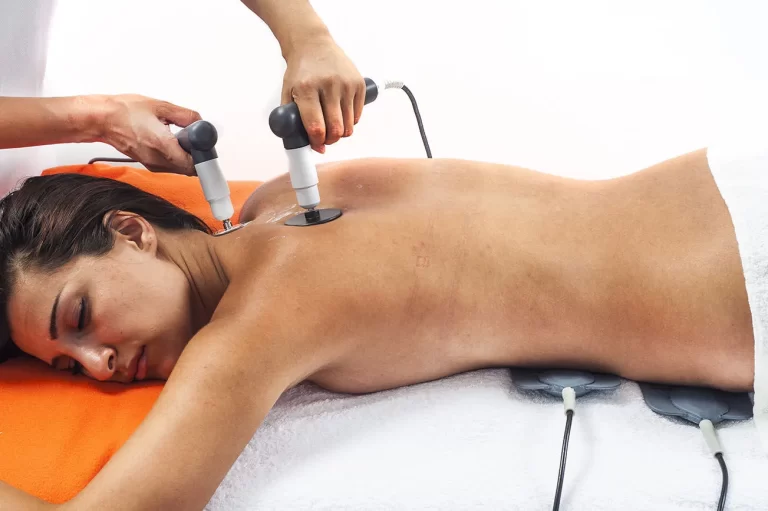
Unveiling the Wonders of Tecar Therapy: A Dermatologist’s Guide to Healing

Among new approaches for dermatology Tecar therapy appears to be one of those that are beneficial in humans’ bodies. Being a dermatologist, I have seen how this highly developed therapeutic technique helps to cure several skin and tissue diseases in a non-surgical way. This article will discuss how Tecar technology works, the conditions for using Tecar machines in one’s body, etc.

Understanding Tecar Therapy

Tecar Therapy also called CRET (Capacitive and Resistive Energy Transfer) is a novel device that applies radio frequencies to induce the self-healing mechanisms of the biological system. Tecar Therapy was originally developed in physiotherapy but it has gone beyond its original usage and achieved a major role in dermatology. Treatment, which includes utilizing radiofrequency waves in the affected areas, boosts blood circulation and oxygen in cells for proper cell regeneration.

How Tecar Therapy Works

It is a principle based on energy transfer, using the interchange between the capacitance and resistance properties. Capacitive mode is directed at tissues richer in water, for example, the skin resulting into soft and comfort feeling. Moreover, the resistive mode is more deep-penetrating into low water-holding tissues such as muscles, tendons and joints. Such dual- action mechanism makes it thorough and specific that addresses variety of skincare issues.

Benefits for Skin Conditions

Being a dermatologist, I always advise Tecar therapy of different problems of skin such as wrinkle, acne scar and inflammatory problems. It stimulates collagen synthesis, an important protein that holds skin together. Through collagen synthesis stimulation, Tecar Therapy has the potential for diminishing appearance of fine lines and deep wrinkles thereby promoting younger- looking appearance.

Unveiling the Wonders of Tecar Therapy: A Dermatologist's Guide to Healing

Pain Management and Tissue Repair

However, apart from being used as an external dressing, Tecar Therapy is important for tackling chronic pain and tissue restoration. Tecar therapy targets patients with chronic pain conditions including arthritis and muscle injuries. Radiofrequency waves encourage stimulation of the body’s own inbuilt analgesia system creating an alternative drug free and non surgical technique for relieving pain.

Additionally, it increases production of growth factors, as well as improves cellular metabolic activity, thus allowing faster tissue healing. The therapy enhances the process of recovering from surgery or sports injuries.

Enhancing Athletes’ Performance

This treatment method is gaining a foothold in many sportsmen’s circles today, where they use it specifically to maximize their performance and speed up healing from injuries. Its ability to go into the deeper tissues is also instrumental in preventing and treating sports-related injuries, enhancing flexibility, and relieving muscle soreness. I am a dermatologist who concentrates on general wellness of the skin.

Conclusion

The most prominent example of this is known as Tecar Therapy, which has proved instrumental in dermatological science in terms of ensuring good skin condition. In my capacity as a dermatologist, I have seen that the state-of-art technology has helped patients suffering some skin conditions. It still remains the pacesetter in dermatology by enhancing collagen production for a younger look, managing pain, and facilitating tissue repair without surgery. Looking for an all-rounded treatment for skin problems? Tecar Therapy could provide you with the new-age remedy your body wants.

To know more about Skincare Devices and Beauty’s latest updates, please Like and Follow our Facebook and Instagram accounts…

Revolutionizing Dermatology: The Role of Medical Wearables in Skin Health Monitoring

0

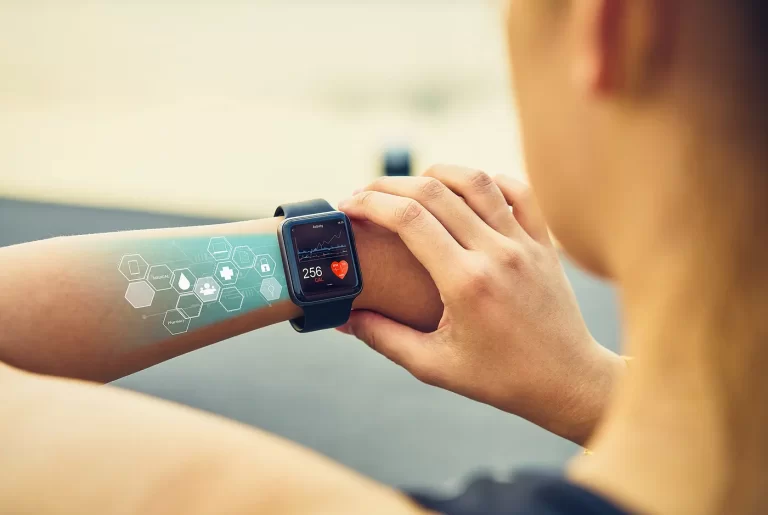
In recent years, the integration of technology into healthcare has brought forth a wave of innovations, one of which is the development of medical wearables. These devices, equipped with advanced sensors and monitoring capabilities, have not only transformed how we approach general health but have also become valuable tools in dermatology. As a dermatologist, understanding the impact of medical wearables on skin health monitoring is crucial for providing comprehensive and proactive patient care.

  1. Continuous Monitoring of Skin Conditions:

Medical wearables offer the advantage of continuous monitoring, allowing dermatologists to gather real-time data on patients’ skin conditions. Whether it’s monitoring eczema flare-ups, psoriasis symptoms, or the progression of a skin rash, these devices provide a wealth of information that was once only accessible during in-person visits.

  1. UV Exposure Tracking:

Excessive exposure to ultraviolet (UV) radiation is a known contributor to various skin conditions, including premature aging and skin cancer. Medical wearables equipped with UV sensors enable patients to track their sun exposure levels, providing dermatologists with valuable insights into potential risk factors for their skin health. This information allows for personalized recommendations on sun protection measures and outdoor activities.

  1. Temperature and Moisture Monitoring:

Certain skin conditions are sensitive to changes in temperature and moisture levels. Medical wearables equipped with temperature and moisture sensors can help track these fluctuations, aiding in the management of conditions like eczema or dermatitis. Dermatologists can use this data to recommend lifestyle adjustments and skincare routines tailored to the specific needs of each patient.

  1. Wearable Dermoscopes for Skin Lesion Monitoring:

Dermoscopy, a technique used for examining skin lesions, has become more accessible through wearable devices. Dermatologists can now remotely monitor moles, pigmented lesions, and other skin abnormalities using wearable dermoscopes. This not only enhances the early detection of potential skin cancers but also provides a convenient and non-invasive way to track changes over time.

  1. Adherence to Treatment Plans:

Ensuring patients adhere to prescribed treatment plans is a common challenge in dermatology. Medical wearables address this issue by providing reminders and tracking features. Whether it’s a reminder to apply a specific medication or a notification about a follow-up appointment, these wearables contribute to better treatment compliance and improved outcomes.

Revolutionizing Dermatology: The Role of Medical Wearables in Skin Health Monitoring

  1. Stress and Skin Health:

The link between stress and skin conditions is well-established. Medical wearables with stress-monitoring capabilities offer dermatologists insights into the emotional well-being of their patients. By understanding the correlation between stress levels and skin flare-ups, dermatologists can recommend stress-reducing interventions, such as mindfulness techniques or lifestyle adjustments, to improve overall skin health.

  1. Data Security and Patient Privacy:

While the benefits of medical wearables in dermatology are evident, it is crucial to address concerns about data security and patient privacy. Dermatologists must emphasize the importance of using reputable and secure wearable devices and educate patients on the measures in place to protect their sensitive health data.

Conclusion:

Medical wearables have emerged as powerful tools in dermatology, offering continuous monitoring, early detection, and personalized care for various skin conditions. As technology continues to advance, the integration of wearables into dermatological practice will likely become even more seamless, providing dermatologists with a comprehensive and dynamic view of their patients’ skin health. By embracing these innovations, dermatologists can enhance the precision and effectiveness of their treatments, ultimately improving the quality of care for individuals seeking optimal skin health.

To know more about Skincare Devices and Beauty’s latest updates, please Like and Follow our Facebook and Instagram accounts…
Unlocking the Secrets to Healthy Hair with a Hair Scalp Massager

0

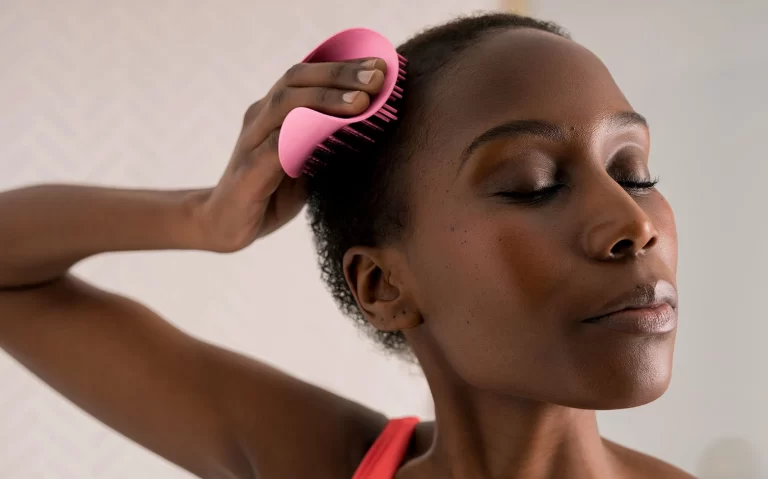
The pursuit of luscious, healthy hair has been a timeless endeavor, and individuals are continually exploring new methods to achieve and maintain vibrant locks. Among the many tools and techniques available, the hair scalp massager has emerged as a valuable ally in promoting optimal hair and scalp health. Dermatologists, experts in the care of skin, hair, and nails, have increasingly recognized the benefits of incorporating a hair scalp massager into one’s hair care routine. In this article, we delve into the reasons why dermatologists recommend the use of a hair scalp massager for maintaining a healthy scalp and beautiful hair.

  1. Improved Blood Circulation:

Dermatologists emphasize the crucial role of blood circulation in promoting healthy hair growth. The hair follicles rely on a rich blood supply to receive essential nutrients and oxygen for optimal function. A hair scalp massager facilitates increased blood flow to the scalp through gentle massage, promoting nutrient delivery to the hair follicles. This improved circulation not only nourishes the hair roots but also aids in the removal of toxins, contributing to a healthier scalp environment.

  1. Stimulation of Hair Follicles:

Hair follicles are the foundation of healthy hair, and their stimulation is essential for robust and vibrant growth. Dermatologists recommend the use of a hair scalp massager to gently stimulate the hair follicles. This stimulation encourages the follicles to remain active and engaged in the hair growth cycle, promoting thicker and fuller hair over time. Regular use of a massager can be particularly beneficial for individuals experiencing hair thinning or seeking to prevent it.

Unlocking the Secrets to Healthy Hair with a Hair Scalp Massager

  1. Exfoliation for a Healthy Scalp:

Maintaining a clean and healthy scalp is paramount for overall hair health. Dermatologists emphasize the importance of exfoliating the scalp to remove dead skin cells, excess oil, and product buildup. A hair scalp massager, with its soft, silicone bristles or rubber tips, provides an effective and gentle means of exfoliation. This process not only ensures a cleaner scalp but also helps prevent issues such as dandruff and itchiness, fostering an environment conducive to optimal hair growth.

  1. Stress Reduction:

Stress is a known factor that can contribute to hair loss and other scalp issues. Dermatologists often highlight the connection between stress and hair health, recommending stress-management techniques for those seeking to improve the condition of their hair. A hair scalp massager serves a dual purpose by not only enhancing physical well-being through improved circulation but also by providing a relaxing and stress-relieving experience. The act of massaging the scalp can reduce tension and promote a sense of relaxation, contributing to an overall healthier scalp environment.

  1. Enhanced Absorption of Hair Products:

To maximize the effectiveness of hair care products, dermatologists recommend ensuring proper absorption. A hair scalp massager can aid in the distribution and absorption of shampoos, conditioners, and treatment products. By gently massaging these products into the scalp, the massager helps ensure that they reach the hair follicles and the deeper layers of the scalp, optimizing their benefits for healthier and more nourished hair.

To know more about Skincare Devices and Beauty’s latest updates, please Like and Follow our Facebook and Instagram accounts…

Unveiling the Transformative Benefits of Percussive Facial Therapy with TheraFace PRO

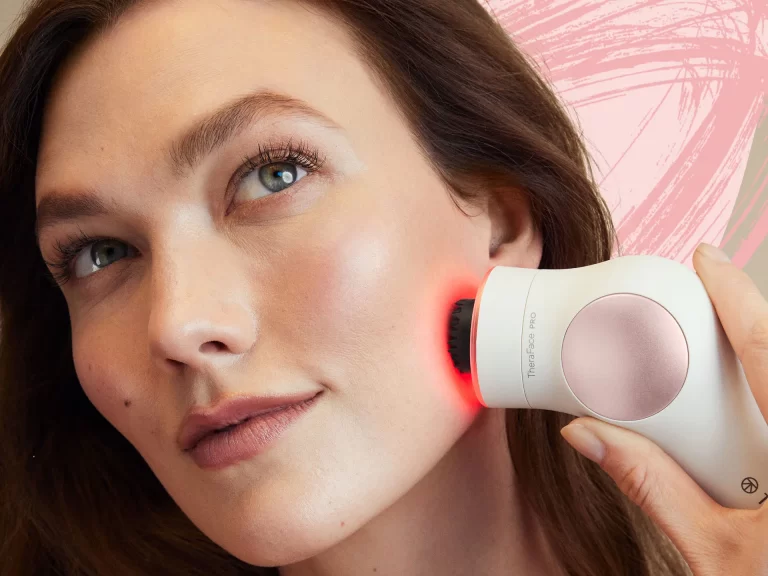
In the ever-evolving landscape of skincare, innovation continually pushes the boundaries of what is possible. The latest breakthrough in facial therapy comes in the form of TheraFace PRO, a state-of-the-art percussive device designed to revolutionize your skincare routine. Harnessing the power of percussion technology, this device offers a myriad of benefits, promising to elevate your skincare experience to new heights.

The Science Behind Percussive Facial Therapy:

Percussive facial therapy involves the use of rapid and targeted pressure to stimulate blood flow, relax facial muscles, and enhance overall skin tone. TheraFace PRO takes this science to the next level by combining cutting-edge technology with a user-friendly design, making it a versatile tool for both skincare enthusiasts and professionals alike.

  1. Enhanced Blood Circulation:

TheraFace PRO utilizes percussive movements to stimulate blood circulation on the surface of the skin. Improved blood flow means better oxygenation of skin cells, leading to a natural and healthy glow. This increased circulation also aids in the elimination of toxins, promoting clearer and more radiant skin.

  1. Muscle Relaxation and Tension Relief:

The gentle yet powerful percussive motions of TheraFace PRO work to relax facial muscles, reducing tension and promoting a sense of calm. This not only contributes to a more relaxed and refreshed appearance but can also alleviate stress-related facial tension, diminishing the look of fine lines and wrinkles.

  1. Enhanced Product Absorption:

The percussive action of TheraFace PRO can enhance the absorption of skincare products. By promoting deeper penetration of serums, creams, and moisturizers, this device ensures that your skin receives the maximum benefit from the products you apply, amplifying their effectiveness.

Unveiling the Transformative Benefits of Percussive Facial Therapy with TheraFace PRO

  1. Improved Lymphatic Drainage:

TheraFace PRO’s percussive therapy supports the natural drainage of the lymphatic system. This is crucial for reducing facial puffiness and promoting a more sculpted and defined appearance. By encouraging the removal of excess fluid and toxins, this device aids in achieving a toned and youthful complexion.

  1. Versatility for All Skin Types:

TheraFace PRO is designed with versatility in mind, making it suitable for all skin types. Whether you have sensitive, oily, or combination skin, the customizable settings allow for a personalized experience, adapting to your unique skincare needs.

  1. Professional-Grade Results at Home:

With TheraFace PRO, you can enjoy professional-grade facial therapy in the comfort of your home. The device is user-friendly and comes with various attachment heads designed for different purposes, such as exfoliation, massage, and deep tissue stimulation. This versatility empowers users to tailor their skincare routine according to their preferences.

  1. Time-Efficient Beauty Routine:

TheraFace PRO’s percussive therapy is not only effective but also time-efficient. A few minutes of daily use can yield noticeable results, making it a convenient addition to any skincare routine. The device’s portability ensures that you can enjoy its benefits whether you’re at home, traveling, or on the go.

Conclusion:

TheraFace PRO represents a paradigm shift in skincare, offering a holistic approach to facial therapy through the power of percussion technology. Its ability to enhance blood circulation, relax facial muscles, improve product absorption, and promote lymphatic drainage makes it a versatile and indispensable tool for skincare enthusiasts and professionals alike. As we embrace the transformative benefits of percussive facial therapy, TheraFace PRO emerges as a beacon of innovation, inviting us to redefine and elevate our skincare rituals for a radiant and revitalized complexion.

To know more about Skincare Devices and Beauty’s latest updates, please Like and Follow our Facebook and Instagram accounts…
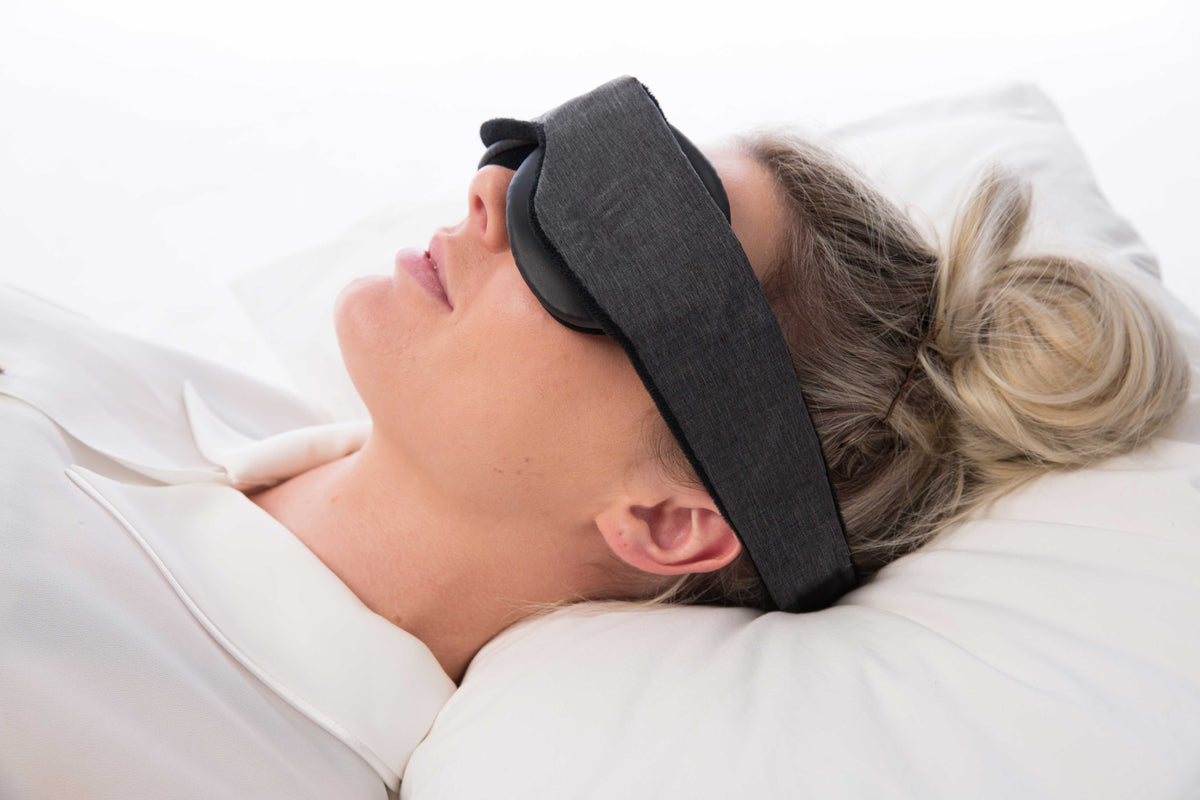
The Revolutionary Sleep Mask That Doubles as a Dermatologist for Your Skin

0

In the pursuit of youthful and radiant skin, the beauty industry is constantly evolving, introducing innovative solutions that merge skincare with everyday routines. The latest breakthrough comes in the form of a cutting-edge sleep mask designed not only to enhance your sleep quality but also to treat skin aging overnight. Imagine waking up to not just a restful night’s sleep but also a rejuvenated and youthful complexion. Dermatologists are now championing this new sleep mask as a game-changer in the world of skincare.

The Science of Beauty Sleep:

Before delving into the specifics of the revolutionary sleep mask, it’s crucial to understand the science behind beauty sleep. During the night, our skin undergoes a natural regeneration process, repairing and renewing itself. This is when collagen production is at its peak, promoting elasticity and reducing the appearance of fine lines and wrinkles. However, various factors such as stress, pollution, and inadequate sleep can disrupt this process, leading to premature aging.

The Dermatologist in a Mask:

Enter the groundbreaking sleep mask that goes beyond traditional beauty sleep by incorporating dermatologist-approved ingredients. Infused with potent anti-aging compounds such as retinol, hyaluronic acid, and peptides, this mask actively works on your skin while you rest. Dermatologists endorse these ingredients for their proven efficacy in stimulating collagen production, boosting hydration, and combating signs of aging.

Retinol, a derivative of vitamin A, is renowned for its ability to accelerate cell turnover, revealing fresh and youthful skin. Hyaluronic acid, a powerful hydrating agent, ensures your skin retains moisture, preventing dryness and the formation of fine lines. Peptides, the building blocks of proteins, promote the synthesis of collagen and elastin, essential for maintaining skin firmness and elasticity.

How It Works:

The innovative sleep mask is designed for easy integration into your nightly routine. Simply apply a thin layer to clean, dry skin before bedtime, allowing the powerful ingredients to work their magic overnight. The mask’s formulation ensures gradual release, providing a sustained effect throughout the night. Dermatologists emphasize the importance of consistency, with visible results often noticeable within a few weeks of regular use.

The Revolutionary Sleep Mask That Doubles as a Dermatologist for Your Skin

Benefits Beyond Beauty:

Aside from its anti-aging properties, the sleep mask offers additional benefits that go beyond skin deep. The calming aroma of lavender, chamomile, or other soothing scents induces a sense of relaxation, promoting a deeper and more restful sleep. This dual-action approach addresses both the physiological and psychological aspects of beauty sleep, making it a holistic solution for overall well-being.

Dermatologist-Approved and Clinically Tested:

One of the key factors that set this sleep mask apart is its dermatologist-approved formulation. Rigorous clinical testing has been conducted to ensure the safety and effectiveness of the product. Dermatologists recommend this sleep mask for individuals seeking a non-invasive and hassle-free solution to address skin aging concerns.

Conclusion:

As the beauty industry continues to evolve, the marriage of skincare and sleep is proving to be a formidable force against skin aging. Dermatologists are lauding the arrival of the new sleep mask that not only enhances your sleep quality but also functions as a dermatologist for your skin. With its potent ingredients and clinically proven results, this revolutionary product is set to redefine the concept of beauty sleep, offering a tangible solution for those looking to wake up to healthier, more youthful skin.

To know more about Skincare Devices and Beauty’s latest updates, please Like and Follow our Facebook and Instagram accounts…

The Dermatologist’s Perspective on the Benefits of Hydrotherapy

0

As dermatologists, our commitment to improving skin health extends beyond traditional treatments. In recent years, hydrotherapy has gained recognition as a therapeutic modality with a range of benefits for the skin. This article explores the advantages of hydrotherapy from a dermatologist’s standpoint, shedding light on the ways in which water-based treatments can enhance skin health and contribute to overall well-being.

  1. Hydration and Moisturization:

At the core of hydrotherapy lies the fundamental principle of hydration. Water is nature’s elixir for the skin, and hydrotherapy leverages this by promoting deep hydration. Immersion in water helps replenish and lock in moisture, making it an excellent adjunct to traditional skincare routines. For patients dealing with dry or sensitive skin conditions, hydrotherapy can provide relief by restoring the skin’s natural moisture balance.

  1. Enhanced Blood Circulation:

It stimulates blood circulation, a crucial factor in skin health. Improved circulation ensures that oxygen and essential nutrients reach the skin cells more efficiently, promoting cellular repair and regeneration. This enhanced blood flow can contribute to a more youthful complexion and may aid in the healing of skin conditions by supporting the body’s natural processes.

  1. Detoxification and Cleansing:

The gentle pressure exerted by water during hydrotherapy has a massaging effect on the skin, helping to open up pores and facilitate the removal of toxins. This cleansing action is particularly beneficial for individuals with acne-prone skin, as it aids in clearing out impurities that contribute to breakouts. Regular this therapy sessions can serve as a complementary approach to traditional acne treatments.

  1. Stress Reduction:

Stress is a well-known trigger for various skin conditions, including eczema and psoriasis. Hydrotherapy, with its calming and soothing effects, offers a holistic approach to managing stress. Warm water has been shown to promote relaxation by reducing muscle tension and stress hormone levels. As dermatologists, we recognize the interconnectedness of mental well-being and skin health, and hydrotherapy provides a natural avenue for stress relief.

  1. Inflammatory Skin Conditions:

Patients with inflammatory skin conditions, such as eczema and dermatitis, often find relief in hydrotherapy. The anti-inflammatory properties of water, coupled with its ability to soothe irritated skin, make hydrotherapy a valuable adjunct to conventional treatments. Dermatologists may recommend hydrotherapy as part of a comprehensive care plan to alleviate symptoms and enhance the overall effectiveness of prescribed medications.

The Dermatologist's Perspective on the Benefits of Hydrotherapy

  1. Promoting Wound Healing:

For individuals recovering from skin injuries or surgical procedures, hydrotherapy can be instrumental in promoting faster and more effective wound healing. The buoyancy of water reduces pressure on injured tissues, while the improved circulation helps deliver nutrients and oxygen to the healing skin. Dermatologists may incorporate hydrotherapy into post-surgery recovery plans to optimize outcomes.

  1. Thermal Therapy for Skin Conditions:

The use of varying water temperatures, known as thermal hydrotherapy, can be tailored to address specific skin conditions. Cold water can help reduce inflammation and soothe conditions like rosacea, while warm water may be beneficial for improving circulation and easing muscle tension. Dermatologists can customize hydrotherapy recommendations based on the unique needs of each patient, offering a personalized and effective approach to skin care.

To know more about Skincare Devices and Beauty’s latest updates, please Like and Follow our Facebook and Instagram accounts…
Navigating Skin Hydration: A Dermatologist’s Guide to Cutting-Edge Measurement Devices

As a dermatologist, my practice revolves around the pursuit of healthy and radiant skin. In this quest, monitoring and maintaining optimal skin hydration is a fundamental aspect. With the continuous evolution of skincare, the demand for accurate methods to measure skin hydration has surged. Thankfully, advancements in technology have given rise to innovative skin hydration measurement devices that provide precise insights, allowing for more informed and tailored skincare recommendations.

  • The Crucial Role of Skin Hydration:

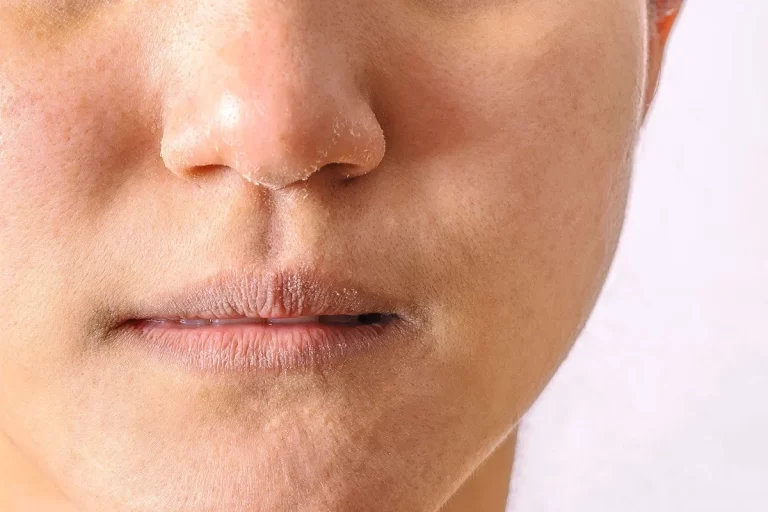
Skin hydration is not merely a cosmetic concern; it is a critical component of skin health. Our skin serves as a protective barrier against external stressors, and maintaining adequate hydration is paramount for its proper functioning. Dehydrated skin can manifest as dryness, flakiness, and increased susceptibility to various dermatological conditions.

  • Traditional Approaches vs. Technological Innovations:

Historically, dermatologists relied on subjective assessments and basic tools to down skin dehydration. However, the limitations of these methods spurred the development of advanced skin hydration measurement devices, employing technologies such as capacitance sensors, impedance spectroscopy, and corneometry.

  • Capacitance Sensors:

Capacitance sensors have become a cornerstone in skin hydration measurement. These devices leverage the fact that the skin’s dielectric constant changes with hydration levels. By accurately assessing the water content of the stratum corneum, capacitance sensors provide valuable data on the skin’s hydration status, informing treatment plans and product recommendations.

Navigating Skin Hydration: A Dermatologist's Guide to Cutting-Edge Measurement Devices

  • Impedance Spectroscopy:

The application of impedance spectroscopy involves introducing a small electrical current to the skin and analyzing its impedance response. This not only measures skin hydration but also offers insights into the skin’s barrier function and overall health. Dermatologists can utilize this comprehensive data to tailor treatments for conditions like eczema and psoriasis, where skin barrier integrity is paramount.

  • Corneometry:

Corneometry, a well-established technique, involves placing a probe on the skin’s surface to assess its electrical conductivity. This real-time measurement is frequently employed in clinical studies, aiding in the understanding of various skin conditions and informing the development of targeted interventions.

  • Portable and Wearable Devices:

In recent years, the advent of portable and wearable skin hydration measurement devices has extended the reach of skincare assessment beyond the clinic. Dermatologists now have the opportunity to recommend user-friendly devices that empower individuals to monitor their skin’s hydration levels in the comfort of their homes.

  • Challenges and Future Directions:

While these devices represent a leap forward in skincare diagnostics, challenges persist. Factors such as skin type variability, environmental conditions, and device calibration can influence measurement accuracy. Dermatologists are actively engaged in ongoing research to refine these technologies, ensuring more consistent and reliable results.

  • Conclusion:

In the dynamic world of dermatology, advanced skin hydration measurement devices are invaluable tools that contribute to more accurate diagnostics and tailored treatment plans. From capacitance sensors to impedance spectroscopy, these technologies provide dermatologists with the precise data needed to address a wide spectrum of skin concerns. The integration of portable and wearable devices into daily skincare routines not only enhances patient engagement but also signifies a shift towards more accessible and individualized dermatological care.

To know more about Skincare Devices and Beauty’s latest updates, please Like and Follow our Facebook and Instagram accounts…

Advances in Dermatology: Exploring Devices to Measure Skin Elasticity

The field of dermatology has witnessed significant advancements in recent years, with technology playing a pivotal role in enhancing diagnostic and treatment capabilities. Among these innovations, devices designed to measure skin elasticity have emerged as valuable tools for dermatologists. Skin elasticity is a key indicator of skin health, often associated with aging, hydration levels, and various skin conditions. In this article, we will delve into the devices used by dermatologists to measure skin elasticity, exploring their functions and significance in the realm of skincare.

  1. Cutometer:

The Cutometer is a non-invasive device widely used by dermatologists to assess skin elasticity. It operates on the principle of suction, measuring the skin’s ability to return to its original position after being stretched. The device applies negative pressure to a specific area of the skin, creating a fold that is then released. The rate at which the skin reverts to its initial state provides valuable information about its elasticity.

Cutometers often produce quantitative measurements, expressed as parameters like R0 (immediate distension), R2 (delayed distension), and R5 (final distension). These parameters help dermatologists evaluate the skin’s firmness, pliability, and overall elasticity. The Cutometer is particularly useful in tracking changes in skin elasticity over time and assessing the efficacy of various skincare treatments.

  1. Reviscometer:

The Reviscometer is another instrument employed by dermatologists to measure skin elasticity. This device utilizes ultrasound technology to evaluate the mechanical properties of the skin. By emitting ultrasonic waves into the skin and analyzing their reflection, the Reviscometer provides information about the skin’s thickness, density, and elasticity.

One of the significant advantages of the Reviscometer is its ability to assess different layers of the skin, offering a more comprehensive understanding of skin elasticity. Dermatologists can use this information to tailor treatment plans for specific skin concerns, such as fine lines, wrinkles, and sagging.

  1. Elastometer:

Elastometers are handheld devices designed to measure skin elasticity through a process known as suction measurement. These devices evaluate the skin’s ability to deform and return to its original state, providing dermatologists with real-time data on elasticity.

Advances in Dermatology: Exploring Devices to Measure Skin Elasticity

Elastometers often feature multiple probes or tips to accommodate various skin areas, enabling dermatologists to assess elasticity in different regions of the face and body. This versatility makes elastometers valuable tools for comprehensive skin evaluations, allowing dermatologists to target specific concerns and track improvements over time.

  1. Cutifast:

The Cutifast is a specialized device that combines the principles of suction and optical imaging to assess skin elasticity. This instrument applies negative pressure to the skin, capturing images of the deformation process with a built-in camera. The images are then analyzed to quantify parameters related to skin elasticity.

By incorporating optical imaging, the Cutifast provides a visual representation of the skin’s response to deformation, offering dermatologists additional insights into surface irregularities, texture, and overall skin quality. This dual-mode approach enhances the diagnostic capabilities of the device and aids in developing personalized skincare plans.

Conclusion:

Devices to measure skin elasticity have revolutionized the field of dermatology, allowing professionals to assess and address various skin concerns with greater precision. From the Cutometer’s suction-based measurements to the Reviscometer’s ultrasound technology and the versatile Elastometer, each device plays a crucial role in evaluating skin health.

As technology continues to advance, dermatologists can expect further refinements in these devices, leading to more accurate and nuanced assessments. The integration of these tools into dermatological practice not only enhances diagnostic capabilities but also empowers professionals to deliver personalized and effective skincare solutions for their patients. As the journey of innovation in dermatology continues, the quest for healthier, more elastic skin remains at the forefront, promising a future where skincare is as much a science as it is an art.

To know more about Skincare Devices and Beauty’s latest updates, please Like and Follow our Facebook and Instagram accounts…

Exploring Effective Acne Treatment Procedures Offered at the Dermatologist’s Office

Acne, a common skin condition affecting individuals of all ages, can significantly impact one’s self-esteem and overall well-being. While over-the-counter products may offer temporary relief, seeking professional guidance from a dermatologist is essential for individuals dealing with persistent or severe acne. Dermatologist offices provide a range of advanced and effective acne treatment procedures that target the root causes of acne, ensuring comprehensive and long-lasting results.

Chemical Peels: Promoting Skin Renewal and Clarity

Chemical peels, a popular procedure offered at dermatologist offices, serve as an effective solution for addressing acne and its associated blemishes. By applying a chemical solution to the skin, dermatologists promote controlled exfoliation, effectively removing dead skin cells, unclogging pores, and reducing the appearance of acne scars and discoloration. Chemical peels encourage the regeneration of new skin cells, promoting a smoother and more even complexion.

Moreover, these peels can regulate sebum production, minimizing the occurrence of future breakouts. Dermatologists can recommend specific types of chemical peels tailored to individual skin types and concerns, ensuring a personalized and effective treatment approach for patients seeking to achieve clear and rejuvenated skin.

Laser and Light Therapy: Targeting Acne-Causing Bacteria and Inflammation

Laser and light therapy procedures offer a non-invasive approach to treating acne by targeting acne-causing bacteria and reducing inflammation. With the use of specific wavelengths of light, dermatologists can effectively destroy bacteria and shrink sebaceous glands, reducing the production of excess oil and preventing pore blockages. Additionally, these therapies aid in reducing redness and inflammation associated with acne, promoting a calmer and more balanced skin tone.

Exploring Effective Acne Treatment Procedures Offered at the Dermatologist's Office

Furthermore, laser and light therapy stimulate collagen production, promoting skin rejuvenation and minimizing the appearance of acne scars. Dermatologists can customize treatment plans based on the severity and type of acne, providing patients with a comprehensive and tailored approach to achieving clearer and healthier skin.

Extraction and Comedone Removal: Clearing Pore Congestion

Manual extraction and comedone removal procedures are essential in addressing stubborn blackheads and whiteheads, effectively clearing pore congestion and preventing the formation of acne. Dermatologists use specialized tools to gently extract debris, excess sebum, and impurities from the pores, reducing the risk of bacterial growth and inflammation. By performing these procedures in a controlled and sterile environment, dermatologists ensure minimal discomfort and the prevention of scarring or skin damage.

Regular extraction and comedone removal sessions can significantly improve skin texture and clarity, leading to a reduction in acne breakouts and promoting a smoother and more refined complexion. Dermatologists advise patients on post-procedure skincare routines to maintain the results and prevent the recurrence of pore congestion and acne.

Injectable Treatments: Managing Inflammatory Acne Lesions

In cases of severe or persistent inflammatory acne lesions, dermatologists may recommend injectable treatments, such as corticosteroid injections or intralesional injections. These treatments effectively reduce inflammation and promote the healing of cystic acne and nodules, minimizing the risk of scarring and permanent skin damage. By administering targeted injections directly into the affected lesions, dermatologists can expedite the resolution of painful and persistent acne, providing patients with relief and improved skin health.

Dermatologists ensure that injectable treatments are administered with precision and expertise, prioritizing patient comfort and safety throughout the procedure. They also offer guidance on post-treatment care and maintenance to optimize the healing process and prevent potential complications.

Conclusion

For individuals grappling with the physical and emotional impact of acne, seeking professional guidance and treatment at a dermatologist’s office is paramount. With an array of advanced procedures, including chemical peels, laser and light therapy, extraction and comedone removal, and injectable treatments, dermatologists offer comprehensive solutions tailored to individual skin concerns and conditions. By addressing the root causes of acne and promoting skin rejuvenation, dermatologists play a crucial role in empowering patients to achieve clearer, healthier, and more radiant skin, thereby fostering a renewed sense of confidence and well-being.

To know more about Skincare Devices and Beauty’s latest updates, please Like and Follow our Facebook and Instagram accounts…