



Our skin, the largest organ of our body, is a canvas that tells the story of our health, lifestyle, and genetics. Just as no two people are exactly alike, neither are their skin types. One such skin type that often draws attention is oily skin. Often misunderstood and shrouded in misconceptions, let’s delve into the world of oily skin and uncover the facts that dispel the myths.
1. Oily Skin is a Skin Type, Not a Flaw
First and foremost, it’s crucial to understand that oily skin is a natural skin type, not a defect. Our skin consists of sebaceous glands that produce sebum, an oil that moisturizes and protects our skin. People with oily skin have sebaceous glands that produce more sebum than necessary, resulting in a shiny complexion.
2. Genetics Play a Key Role
If you find yourself battling the oil slick on your forehead despite meticulous skincare routines, you can thank your genes. Oily skin often runs in families, so if your parents struggled with it, chances are you might as well.
3. Over-Cleansing Can Backfire
While it’s tempting to scrub away the oiliness, over-cleansing can lead to a counterintuitive effect. Harsh cleansers and excessive washing can strip the skin of its natural oils, causing the sebaceous glands to go into overdrive to compensate. Opt for a gentle cleanser that balances the skin without stripping it of its protective oils.
4. Moisturization is Non-Negotiable
Yes, you read that right – even oily skin needs moisturization. A common myth is that oily skin doesn’t require moisturizer, but in reality, all skin types benefit from proper hydration. Using a lightweight, oil-free moisturizer can actually help regulate sebum production and maintain a healthy skin barrier. 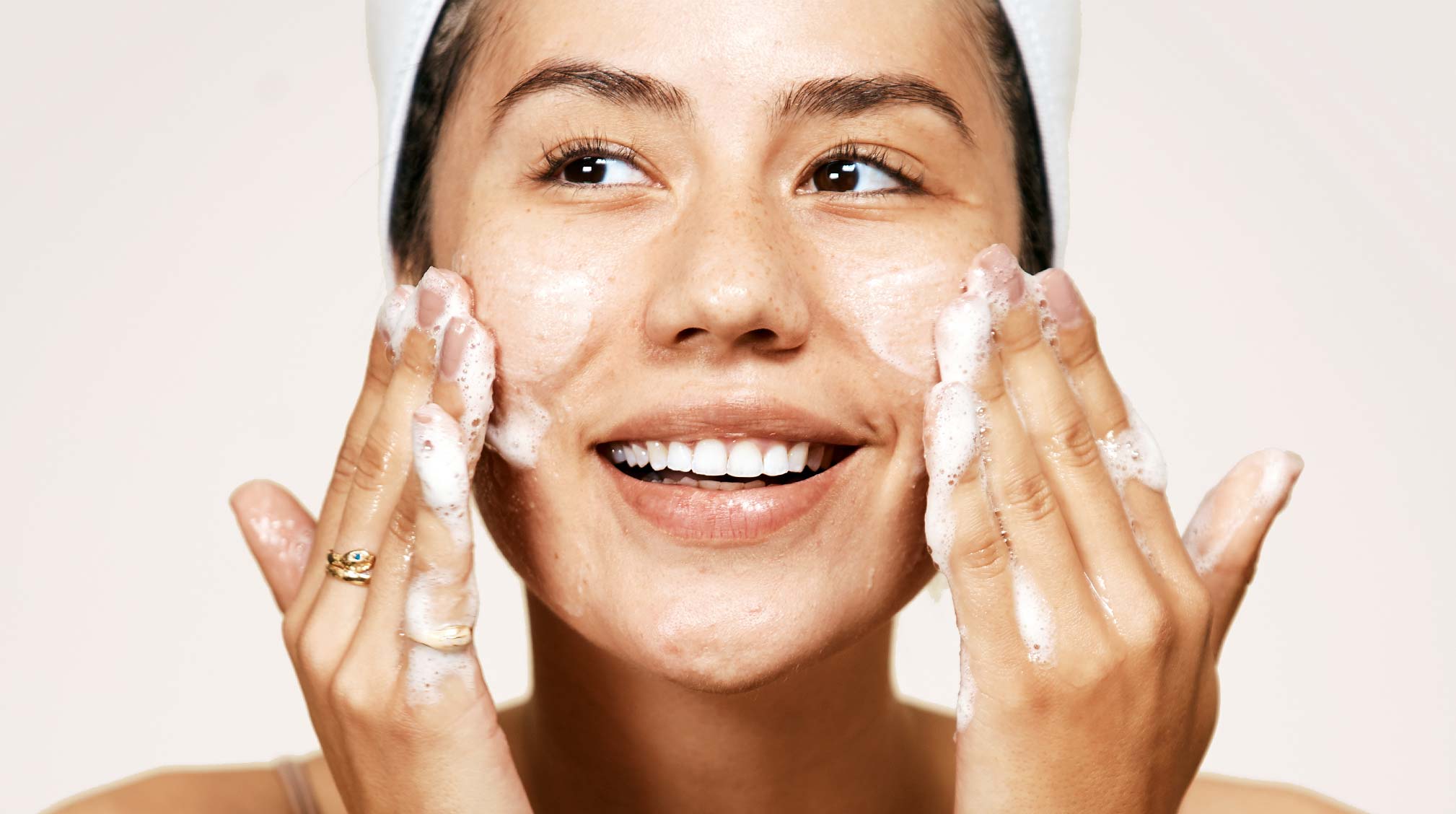
5. Blotting Papers Are Your Friends
For those midday shine touch-ups, blotting papers are a game-changer. Instead of piling on more makeup or powder, gently dab a blotting paper on your skin to absorb excess oil without disrupting your makeup.
6. Sun Protection is Universal
Oily skin doesn’t provide a free pass when it comes to sun protection. In fact, sunscreen is an absolute must for all skin types, including oily. Opt for a non-comedogenic, oil-free sunscreen to shield your skin from harmful UV rays without clogging your pores.
7. Skincare Ingredients Matter
When it comes to skincare products, certain ingredients can work wonders for oily skin. Salicylic acid, glycolic acid, and niacinamide are ingredients that can help control oil production, exfoliate gently, and refine the skin’s texture.
8. Diet and Lifestyle Influence
While genes play a significant role in oily skin, lifestyle factors like diet can also influence its condition. A diet rich in sugary and processed foods might exacerbate oiliness, so opting for a balanced diet with plenty of fruits, vegetables, and whole grains can contribute to healthier skin.
9. Patience is Key
Achieving balanced skin takes time and consistency. Don’t expect overnight miracles, and avoid trying a dozen different products all at once. Introduce new products slowly and give your skin time to adjust.
10. Embrace Your Skin
Finally, the most important fact to remember is to embrace your skin, whatever its type. Oily skin might have its challenges, but it also has its unique advantages – people with oily skin tend to age more slowly and are less prone to fine lines and wrinkles.
In conclusion, oily skin is not something to be ashamed of or frustrated about. By understanding its nature, using the right products, maintaining a healthy lifestyle, and practicing self-acceptance, you can make oily skin a beautiful canvas that radiates health and confidence. So, here’s to embracing the facts and letting go of the myths about oily skin!
For more Skincare news and Beauty latest updates please Like and Follow our Facebook Page and Instagram account…
Read Also: Unlocking the Magic of Eye Patches: Your Journey to Brighter, Refreshed Eyes