Home Blog Page 126

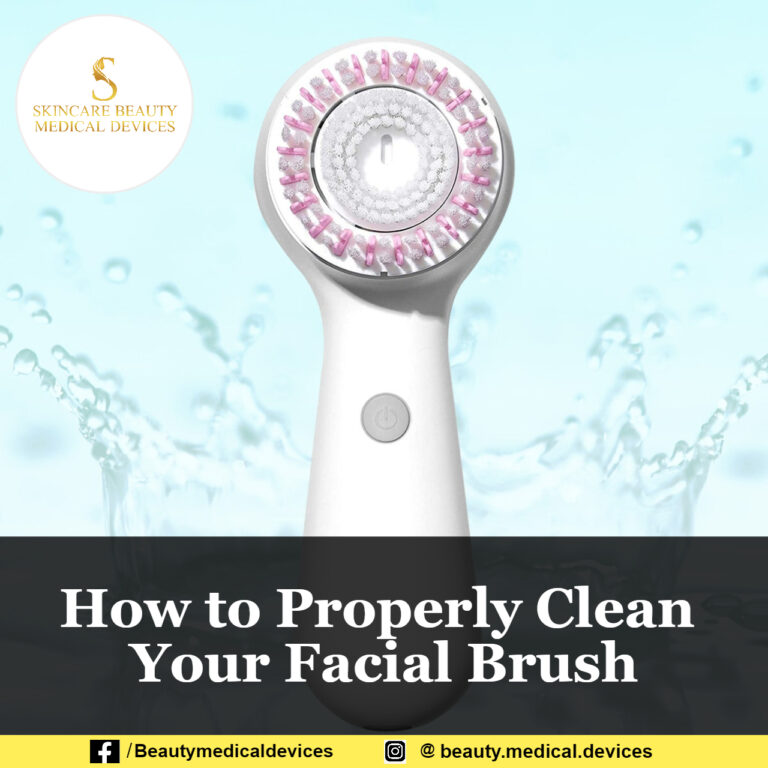
How to Properly Clean Your Facial Brush

  • With each use, rinse your facial brush under running water to clear any makeup residue. Rub the bristles with your fingertips under running water to remove any remaining dirt. Additionally, you can use a soft liquid soap or even baby soap to clear those stubborn makeup residue. If the brush has been washed, pat it dry with a towel and enable it to air dry.
  • Rinse the brush weekly with a mild alcohol-based disinfectant. Fill a bowl halfway with disinfectant, lower the brush head in, and soak for one minute. Allow the brush to dry naturally on a towel rather than rinsing it. Before reusing the handle, thoroughly clean the bristles. Your skin can be irritated by the disinfectant.
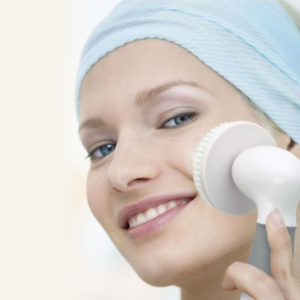
  • To prevent acne breakouts, avoid using the same brush head on various parts of the body. If you have breakouts on other parts of the body, use a different brush head rather than the one you use on your forehead.
  • Avoid sharing the brush head with anyone. Sharing it with another person will result in the spread of bacteria resulting to redness and inflammation.
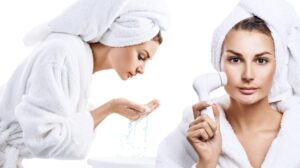
  • If you use your brush head regularly, replace it after three months. Check the directions on your own brush, since they can recommend changing the brush head more or less often. However, if you use your brush on a daily basis, three months is a fair rule of thumb.

Also read: What Is the Correct Way to Use a Facial Brush?

About the Author:

Germie Alderite is a Registered Medical Technologist in the Philippines. She is currently studying Doctor of Medicine in the said country. Germie worked in an Adventist Wellness Center for a year before entering Medical School. She believes that many transgress the laws of health through ignorance, thus, people need instruction. They need to be impressed with the importance of making their knowledge a guide of life. Physician has many opportunities both of imparting a knowledge of health principles and of showing the importance of putting them into practice.

To know more about Skincare Devices and Beauty’s latest updates, please Like and Follow our Facebook and Instagram accounts…

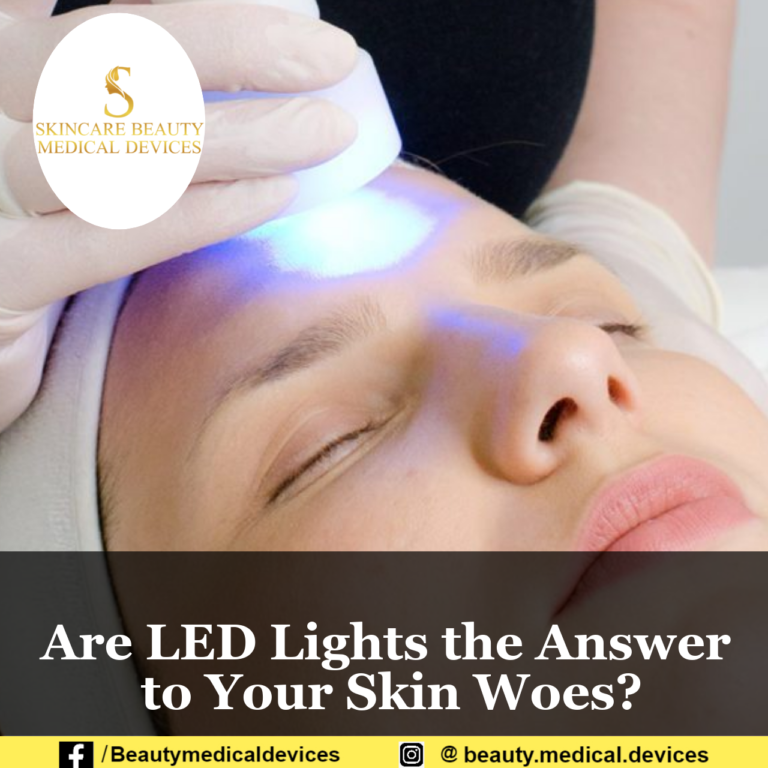
Are LED Lights the Answer to Your Skin Woes?

0

The claims made for light-emitting diode (LED) skin devices sound pretty alluring. They’re marketed as a miracle cure for everything from The question is whether these assumptions are valid.

Concerning LED skin therapies

Although LED lights have been around since the 1960s, they were not widely used as a skin treatment until recently. The visible light spectrum is divided into different wavelengths that correspond to LED light colors and penetrate the skin at varying depths. LED lights are believed to have a range of biological effects depending on their penetration depth.

Typically, red and blue light are promoted in LED skin treatments. According to experts, red LED light affects cells in the skin called fibroblasts, which are involved in collagen production. This protein makes up a large portion of connective tissue and aids in the skin’s recovery after injury. Thus, red light has the potential to reverse some of the signs of photo aging in the skin.

The most frequently used blue LED light is to treat acne. This may be accomplished by inhibiting sebaceous gland activity, thereby producing less oil that can clog hair follicles, resulting in acne.

Safety in the short term

These LED light therapies appear to be relatively safe for the most part or at least in the short term. The FDA has approved several products for use at the home. Due to the low power consumption of LED skin devices, they are unlikely to cause skin burns. However,wrinkles, redness, and aging signs to while using them, it is necessary to protect your eyes from the light.

Also Read: 

To know more about Skincare Devices and Beauty’s latest updates, please Like and Follow our Facebook and Instagram accounts…

How to Use a Comedone Extractor

0

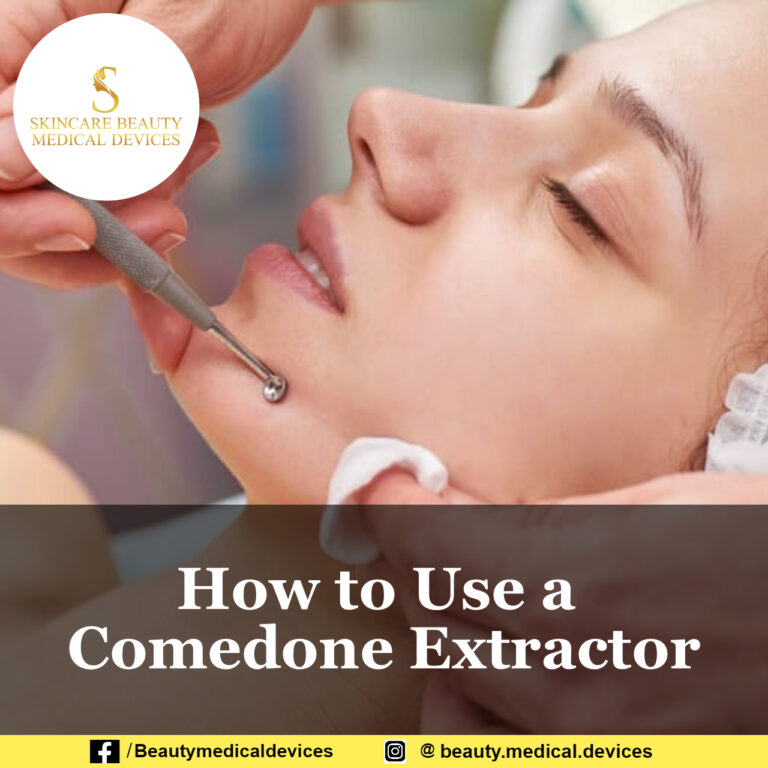
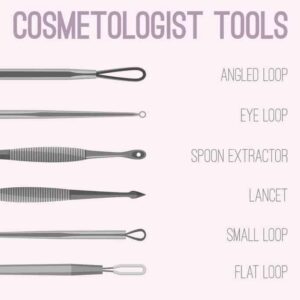
Beauty bloggers are talking about a small beauty tool called a Comedone Extractor. It can be used to remove blackheads and whiteheads. If you can’t make it to the derm in time, don’t pop it with your fingers. You may even increase the risk of infection, as well as causing unnecessary inflammation and swelling. If you need to pop, use a comedone extractor instead. In this article, I’ll tell you how to use it.

Technique for Extracting Comedones

  1. Apply a warm, damp cloth to the area to soften and open the pores.

2. Choose the extractor you prefer. Narrower, smaller threads are preferable to large ones since they won’t cause any harm. But you can use the larger loop if you have a significant breakout.

3. Wrap the blackhead or whitehead with the loop. Press lightly to unblock and unclog the pores. If it does not produce results, stop applying pressure. Likely, the contents of the plugged pore have already escaped, and there is nothing left in it. Pressure from the pore extract may cause a minor bruise, which will disappear on its own.

4. Clean your face with soap and water. Don’t use your skincare regimen right away. Wait for a day.

About the Author:

Germie Alderite is a Registered Medical Technologist in the Philippines. She is currently studying Doctor of Medicine in the said country. Germie worked in an Adventist Wellness Center for a year before entering Medical School. She believes that many transgress the laws of health through ignorance, thus, people need instruction. They need to be impressed with the importance of making their knowledge a guide of life. Physician has many opportunities both of imparting a knowledge of health principles and of showing the importance of putting them into practice.

To know more about Skincare Devices and Beauty’s latest updates, please Like and Follow our Facebook and Instagram accounts…

Also read: Things to Consider Before Getting a Cosmetic Procedure

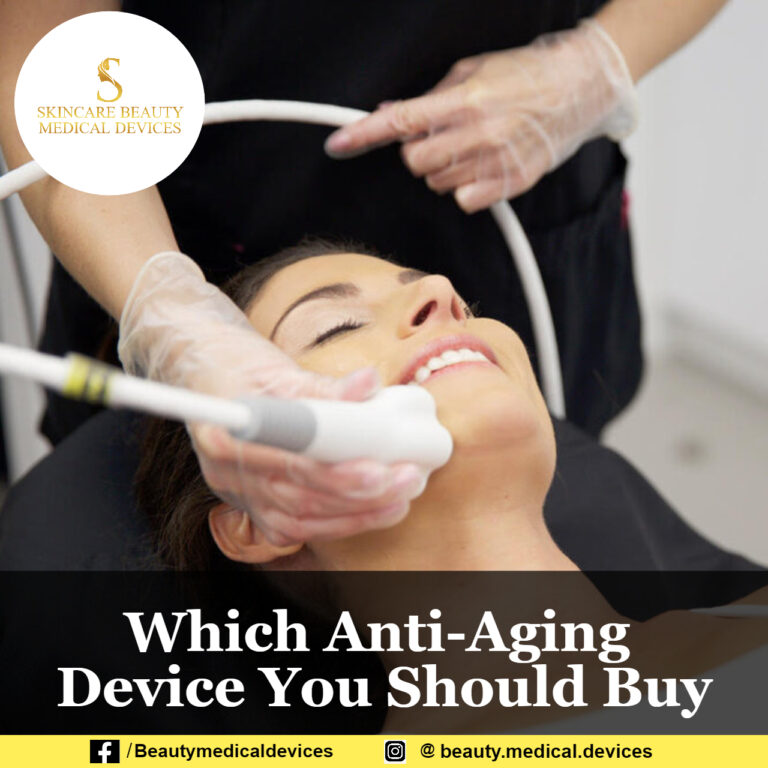
Which Anti-Aging Device You Should Buy

0

Who doesn’t want to look and feel their best? With so many choices and varying technologies available in the marketplace, it can be a little overwhelming to weed through. So, I’ve rounded up three Types of Anti-aging devices that will help you to look and feel your best.

Radiofrequency Skin Tightening

RF machine is a warming device that produces radiofrequency waves. This warms up your skin tissues. By applying RF waves, your body pretends to be injured. As a result, collagen enters these “injured” cells and tissues to repair and regenerate them. When you use this for your face, your skin tightens up. Consequently, wrinkles smooth out due to the effect of collagen production.

Microdermabrasion

This method uses small crystals to peel off the skin. It then undergoes a suction process that eliminates impurities such as dead skin cells, fine lines, wrinkles, and age spots. This process stimulates collagen production, which develops better texture and skin tone. Your skin elasticity also increases in the process.

LED Light Therapy

Some anti-aging devices use low-level or LED light therapy. These may come in the form of masks or wands. These tools operate by beaming wavelengths, which come in multiple colors. The wavelengths vitalize facial cells in a variety of ways. The LED light therapy devices strengthen the cell’s capability to create elastin and collagen. These decrease the number of fine lines and wrinkles on your skin.

Also read: Everything You Need to Know About Microdermabrasion

About the Author:

Germie Alderite is a Registered Medical Technologist in the Philippines. She is currently studying Doctor of Medicine in the said country. Germie worked in an Adventist Wellness Center for a year before entering Medical School. She believes that many transgress the laws of health through ignorance, thus, people need instruction. They need to be impressed with the importance of making their knowledge a guide of life. Physician has many opportunities both of imparting a knowledge of health principles and of showing the importance of putting them into practice.

To know more about Skincare Devices and Beauty’s latest updates, please Like and Follow our Facebook and Instagram accounts…

Things to Consider Before Getting a Cosmetic Procedure

0

Are you thinking of getting a cosmetic procedure? Which one? Have you researched about it already? You must know that all cosmetic treatments have their risks, from surgical procedures such as breast implants to non-surgical like dermal fillers or Botox. If not done correctly, they can cause serious complications, and can further affect your mental health. So it’s essential to consider some things before deciding to get a cosmetic treatment.

Things to Consider Before Getting a Cosmetic Procedure

1. Why do you want to change your looks in the first place?

You should remember that physical is just one aspect of your wellbeing. Are you not happy with how you look? If you get the procedure, will it make you more comfortable? Or will it cause you more depression? 

2. You can speak to experts.

Experts know their thing. Ask them questions, including the benefits, risks, possible complications, costs, etc.

3. DYOR. Do your own research.

As much as you can, find out anything about the procedure.

4. Understand the cost of the procedure

Can you afford the aftercare expenses and any future procedures required besides the cost of the procedure itself?

5. Choose the right medical professional.

Is his training enough? Is he confident and qualified to do the procedure? Will he take responsibility if the procedure goes wrong?

Last words for you, Take your time to decide.

About the Author:

Germie Alderite is a Registered Medical Technologist in the Philippines. She is currently studying Doctor of Medicine in the said country. Germie worked in an Adventist Wellness Center for a year before entering Medical School. She believes that many transgress the laws of health through ignorance, thus, people need instruction. They need to be impressed with the importance of making their knowledge a guide of life. Physician has many opportunities both of imparting a knowledge of health principles and of showing the importance of putting them into practice.

To know more about Skincare Devices and Beauty’s latest updates, please Like and Follow our Facebook and Instagram accounts…

Also read: How to Properly Use Gua Sha – The Ancient Crystal Skin Tool Popular on Instagram

Let’s Talk About Laser Skin Lightening

0

Do you have blemishes or dark patches on your skin? Laser is one way to get rid of them. It removes the outer part of skin and damages the cells which produce the pigment melanin. Sounds scary right? But don’t be afraid, if it is done by a professional then there is nothing to worry about.

How is it done?

  1. We test a small area to see any untoward reaction. If there seems to be no problem, we do the laser treatment a few weeks after.
  2. The practitioner applies a cream to numb the area so you won’t get a stinging or pricking sensation during the procedure.
  3. They give you special goggles for eye protection from the laser.
  4. The laser device is held against your skin.
  5. Cold air is blown to your skin to keep it cool during the treatment.

Laser session generally takes between 30 minutes to an hour. Right after the treatment, you can go home right away.

How long is the recovery time?

Generally, it takes 1 to 2 weeks until you recover from laser skin lightening. Take a few days off in your work until you get better. Red and swollen skin is just a common side effect of the treatment. You can also experience bruising and crusting of your skin. After a few weeks, your skin color should start to fade into a lighter one. Protect your skin from direct sunlight for the next six months.

Also Read:

To know more about Skincare Devices and Beauty’s latest updates, please Like and Follow our Facebook and Instagram accounts…

How Long Do Breast Implants Last?

0

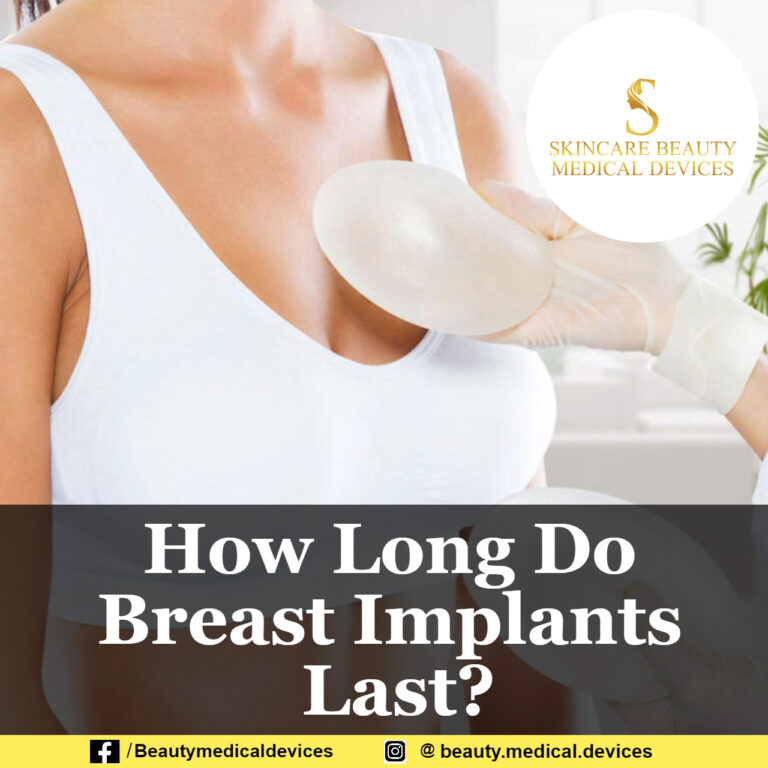
Although breast implants don’t actually expire, they aren’t guaranteed to last . The average silicone implants may last from 10 to 20 years.

However, many are removed sooner due to complications or cosmetic concerns. Up to 20 percent of people have their implants removed or replaced within 8 to 10 years.

Wondering if it’s time to have yours replaced? Read on to find out symptoms to watch for, what you can expect from removal, and more.

Signs that replacement or removal is necessary

The following complications may necessitate breast implant removal.

Hardening

Many people develop capsular contracture, or hardened scar tissue around one or both implants.

This can also cause tightness, pain, tenderness, and abnormal cosmetic changes to the breast.

In some cases, hardening may happen more than once to the same breast.

Saline rupture (leakage and deflation)

If a saline breast implant ruptures because of a tear or hole in the implant’s shell, it will begin to deflate like a balloon.

The saline in your implant will leak out and get reabsorbed by your body. This leak can happen all at once or slowly over the course of a few days.

The deflation may not become obvious until all of the saline leaks out. The affected breast will lose its size and shape and look dramatically different from your other breast.

Breast implant ruptures are rare in the first few years, but the risk does increase over time.

Silicone rupture (silent rupture)

Silicone implants can also rupture.

Silicone gel is much thicker than saline. When a silicone implant ruptures, the gel will often stay inside the implant or surrounding scar tissue.

Because of this, ruptured silicone implants often go unnoticed. That’s why silicone ruptures are also known as silent ruptures.

Most people don’t experience any symptoms. When symptoms are present, they can include:

  • decreased breast size
  • hard knots
  • an uneven appearance of the breasts
  • pain or tenderness
  • tingling
  • swelling
  • numbness
  • burning
  • changes in sensation

Although the exact rate of silicone rupture is unknown, it’s estimated to be somewhere between 2 and 12 percent.

Some implants rupture immediately, some after several years, and others after 10 years or more.

Read more: How Long Do Breast Implants Last?

To know more about Skincare Devices and Beauty’s latest updates, please Like and Follow our Facebook and Instagram accounts…
 Read also: What to Know About Lipodissolve Injections


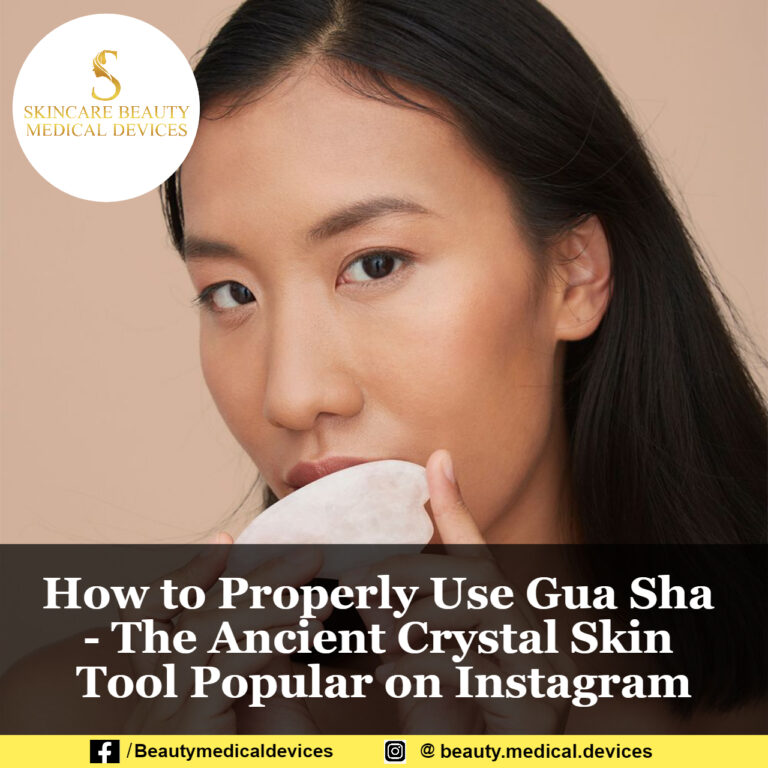
How to Properly Use Gua Sha – The Ancient Crystal Skin Tool Popular on Instagram

Facial Gua Sha is a massage technique used to alleviate facial muscle tension, increase blood circulation, and promote lymphatic drainage to eliminate bloat. Devotees swear by its ability to relieve headaches and jaw pain and brighten the skin (due to the boost in circulation). To correct muscle folds, some consider it a Botox alternative.

To reap the benefits of facial gua sha and avoid mishaps, it is necessary to use the proper technique.

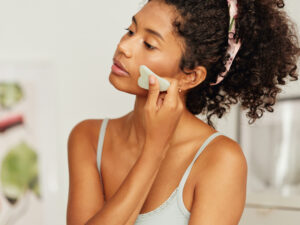
  1. Gua sha works best on clean skin that has been primed with a serum or moisturizer to protect against excessive friction.
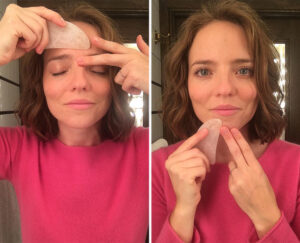
  2. Keep the gua sha tool as parallel to your skin as possible.
  3. Place the fingers of your free hand close to the tool’s edge to provide resistance, and then sweep the tool up and out toward the perimeter of your face.
  4. Give the tool an extra wiggle at the end of each stroke to assist in releasing the tension.
  5. Repeat each stroke 3 times — you can increase the number to as many as ten once you’ve established your skin’s tolerance — concentrating on puffy areas such as the cheeks and under eyes.

Utilize gua sha techniques at home two to three times per week, but if you want injectable-like results, seek professional assistance.

Also read: Get to Know More About Jamie Uplift Facial Massaging Beauty Roller

About the Author:

Germie Alderite is a Registered Medical Technologist in the Philippines. She is currently studying Doctor of Medicine in the said country. Germie worked in an Adventist Wellness Center for a year before entering Medical School. She believes that many transgress the laws of health through ignorance, thus, people need instruction. They need to be impressed with the importance of making their knowledge a guide of life. Physician has many opportunities both of imparting a knowledge of health principles and of showing the importance of putting them into practice.

To know more about Skincare Devices and Beauty’s latest updates, please Like and Follow our Facebook and Instagram accounts…
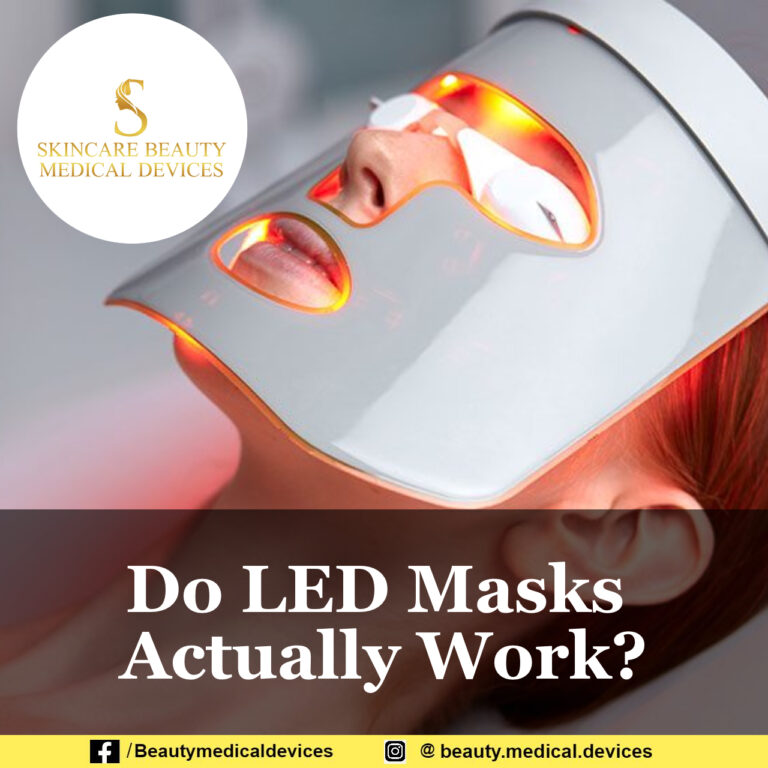
Do LED Masks Actually Work?

They look robotic — like a Stormtrooper from Star Wars, if you will — and promise to give you clearer, smoother-looking skin. Called LED light masks, they are what they sound like: devices illuminated by LED lights that you wear over your face.

Here’s what you need to know before investing in the celebrity-beloved beauty trend, including how and if the masks work, what you’ll pay, and the best products according to board-certified dermatologists.

Are LED Masks Safe to Use?

LED masks have an “excellent” safety profile, according to a review published in February 2018 in The Journal of Clinical and Aesthetic Dermatology.

And though you may have heard more people talking about them lately, they’re nothing new. “These devices have been around for decades and are generally used by dermatologists or aestheticians in an in-office setting to treat inflammation after facials, minimize breakouts, and give skin an overall boost,” says Sheel Desai Solomon, MD, a board-certified dermatologist in Raleigh-Durham, North Carolina. Today, you can purchase these devices and use them at home. (Most of the full masks cost in the $100 to $500 range. More on this later.)

Everything You Need to Know About the Brazilian Butt Lift Procedure

0

A Brazilian butt lift is a popular cosmetic procedure that involves the transfer of fat to help create more fullness in your backside.

If you’ve heard of a Brazilian butt lift and are curious about more permanent results than exercise alone, read more about the procedure and how to find a reputable provider to make sure it’s done safely.

Brazilian butt-lift procedure

This procedure consists of fat grafting that is notable for its natural-looking results. The procedure involves the following steps:

  1. The procedure is usually performed under anesthesia, but in procedures where a smaller volume of fat is transferred, it may be done with only local anesthesia (numbing medication). You may ask for an anti-nausea medication beforehand, especially if anesthesia makes you sick.
  2. Your surgeon then uses liposuction to remove fat from other areas of your body, such as your hips, stomach, and thighs. Liposuction itself involves making incisions in the skin, and then using a tube to remove fat from the body.
  3. The fat stores that have just been removed from your body are purified and readied for injection into your buttocks.
  4. Your surgeon finishes by injecting the processed fat into specific areas of the buttocks to create a more rounded, full look. They make three to five incisions around the buttocks for fat transfers.
  5. Both liposuction and fat transfer incisions are closed up with stitches. Your surgeon then applies a compression garment against the affected areas of skin to minimize your risk of bleeding.

Brazilian butt-lift surgery benefits

Unlike other forms of buttock surgery, such as placement of silicone buttock implants, a Brazilian butt lift is touted for providing more natural-looking results while also creating more roundness in your backside.

It can also help address certain issues, such as the sagging and shapelessness that sometimes occur with age.

You might also consider the procedure if you’re bothered by figure imbalances that make it difficult to wear clothing comfortably.

Another benefit to Brazilian butt lifts is that there is a lower risk of infection compared to silicone buttock implants. It does have a better safety profile than other substances, such as silicone caulking and sealants, that are sometimes illegally injected into buttocks by people not qualified to perform the procedure.

Despite these advantages, there are some serious side effects to consider.

Read more: Brazilian Butt Lift Procedure

To know more about Skincare Devices and Beauty’s latest updates, please Like and Follow our Facebook and Instagram accounts…
Read also: Eliminate These Five Habits In Order To Benefit Your Skin