


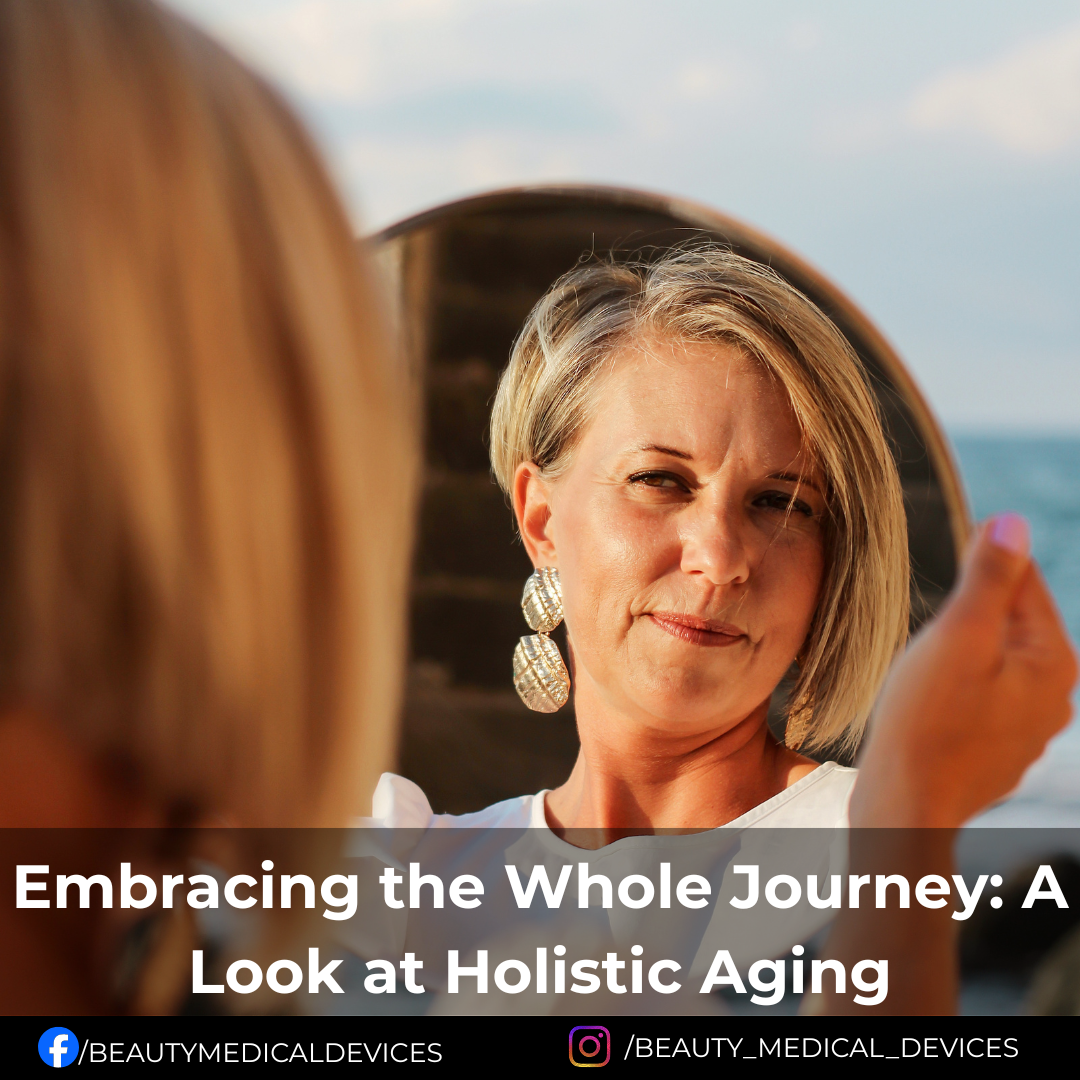
Aging is an inevitable and continuous process, but the way we age is largely within our influence. The concept of holistic aging moves beyond simply treating physical ailments and focuses on nurturing the whole person—recognizing the profound interconnectedness of the physical, mental, emotional, social, and spiritual dimensions of well-being.
Derived from the Greek word “holism,” meaning whole, entire, or total, a holistic approach views aging not as a decline to be resisted, but as a journey to be embraced with balance, vitality, and purpose. It’s about achieving harmony across all aspects of life to enhance healthspan and overall quality of life.
The Core Pillars of Holistic Aging
A successful holistic aging plan addresses several key dimensions, ensuring no part of the self is neglected:
- Physical Health: This cornerstone involves proactive and mindful attention to the body.
- Activity: Regular, age-appropriate physical activity, such as walking, yoga, tai chi, or strength training, is vital for maintaining mobility, strength, cardiovascular health, and even cognitive function.
- Nutrition: A balanced diet rich in whole foods, fruits, vegetables, whole grains, and healthy fats (like the Mediterranean diet) provides essential nutrients and antioxidants to combat inflammation and disease.
- Sleep: Prioritizing 7-9 hours of quality sleep nightly is crucial for physical repair, mental clarity, and emotional balance.
- Preventive Care: Regular health screenings and check-ups with healthcare professionals are essential for early detection and management of age-related conditions.
- Mental and Intellectual Well-being: Keeping the brain active and engaged is just as important as physical exercise.
- Lifelong Learning: Engaging in mentally stimulating activities like learning a new language or skill, reading, solving puzzles, or creative arts helps maintain cognitive function and neural pathways.
- Mindfulness: Practices like meditation, prayer, or simple moments of reflection can reduce stress, improve focus, and promote mental resilience.
- Emotional and Social Connection: Humans are social beings, and our relationships deeply impact our health.
- Purpose: Maintaining a sense of purpose and meaning through hobbies, volunteering, or engaging in purposeful work or activities is strongly linked to longevity and well-being.
- Relationships: Fostering strong social connections with family, friends, and community members combats loneliness and social isolation, which are significant risk factors for poor health outcomes.
- Emotional Resilience: Developing the ability to cope with stress, practice forgiveness, and maintain a positive, humorous outlook on life contributes to emotional balance.
- Spiritual Health: This dimension refers to an individual’s sense of meaning, connection, and values.
- Reflection: Spending time in nature, journaling, or engaging in religious or spiritual practices can nurture the spirit.
- Gratitude: Cultivating a gratitude practice has been shown to improve mental and emotional health.
- Generosity: Doing something for others or giving back to the community provides a profound sense of fulfillment and purpose.
The Benefits of a Holistic Perspective
Adopting a holistic approach offers significant advantages over a purely disease-focused model of aging:
- Improved Healthspan: It emphasizes adding life to years, not just years to life, resulting in a higher quality of life and greater independence in later years.
- Enhanced Resilience: By nurturing the mind-body connection, individuals are better equipped to handle stress, cope with health challenges, and recover more effectively.
- Better Disease Management: A comprehensive focus on lifestyle factors—diet, exercise, stress management, and social support—can prevent or reduce the severity of age-related chronic diseases like cardiovascular disease, diabetes, and cognitive decline.
- Greater Sense of Well-being: Focusing on purpose, connection, and personal choice empowers older adults, leading to increased life satisfaction and reduced symptoms of anxiety and depression.In conclusion, holistic aging is an active, personalized, and positive philosophy. It invites individuals to become the leaders of their own well-being, recognizing that every small choice—from what we eat to how we connect with others—contributes to the beautiful, balanced tapestry of a life well-lived.
Read also:The Golden Spice: Discovering the Benefits of Turmeric