Home Blog Page 2

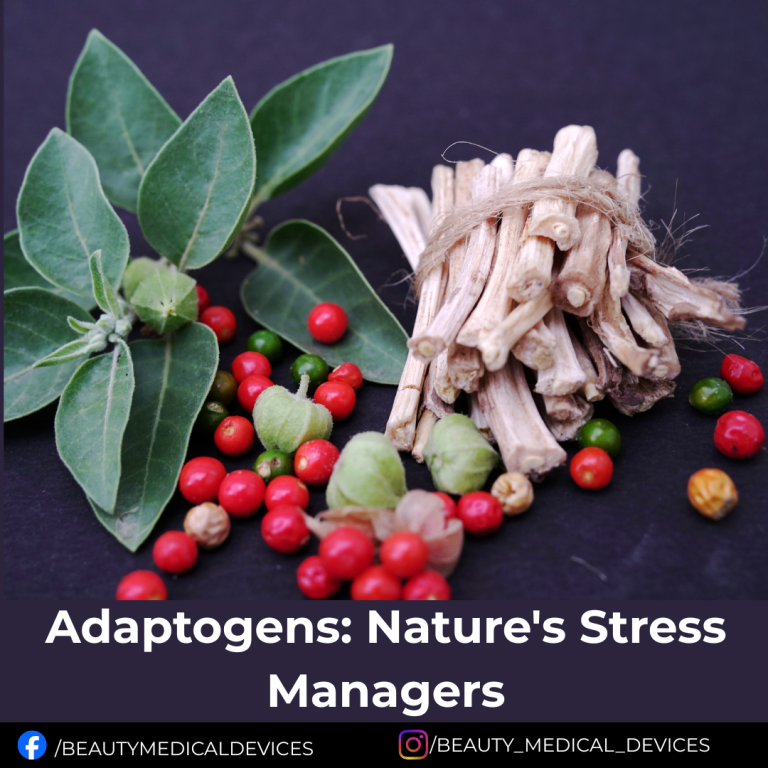
Adaptogens: Nature’s Stress Managers

Adaptogens are a unique class of natural substances, primarily from herbs and mushrooms, that are believed to help the body resist and recover from various forms of stress—be it physical, chemical, or biological. They are celebrated for their ability to promote homeostasis (balance) without being overtly stimulating or sedating. 

💡 What Defines an Adaptogen?

To be officially classified as an adaptogen, a substance must generally meet three criteria, first formalized by Soviet scientists in the 1940s and 50s:

  1. Non-toxic: It must be relatively non-toxic when taken in normal therapeutic doses.
  2. Stress Resistance: It must help the body increase its non-specific resistance to diverse stressors.
  3. Normalizing Effect: It must have a normalizing or balancing effect on the body, helping to restore equilibrium.

🔬 How Do They Work? The Science of Stress

Adaptogens are thought to work primarily by influencing the hypothalamic-pituitary-adrenal (HPA) axis and the sympathoadrenal system (SAS)—the body’s central stress response pathways.

  • HPA Axis Modulation: The HPA axis regulates the production of cortisol, often called the stress hormone.Prolonged, chronic stress can lead to HPA axis dysregulation and chronically high cortisol.Adaptogens are believed to help modulate and normalize cortisol levels, reducing the damaging effects of a prolonged “fight-or-flight” response.
  • General Adaptation Syndrome (GAS): In a stressful situation, the body goes through the GAS stages: Alarm, Resistance, and Exhaustion. Adaptogens are thought to effectively lengthen the Resistance phase, allowing the body to cope with stress for longer and mitigating the onset of the debilitating Exhaustion phase.
  • Cellular Protection: They may also work at a molecular level by influencing the expression of molecular chaperones (like HSP70) and reducing oxidative stress, which protects cells from damage caused by chronic stress.

🌿 Common & Well-Studied Adaptogens

AdaptogenTraditional Use & Primary BenefitsKey Research Support
Ashwagandha (Withania somnifera)Stress/Anxiety reduction, sleep improvement, vitality, anti-inflammatory.Strong clinical support for reducing cortisol, anxiety, and improving sleep quality.
Rhodiola Rosea (Golden Root)Anti-fatigue, enhanced mental performance, mood improvement, physical endurance.Studies show benefits in reducing fatigue and improving mental clarity and performance in stressful situations.
Ginseng (Panax ginseng – Asian; Panax quinquefolius – American)Combats fatigue, boosts energy, enhances cognitive function, immune support.Supports physical performance and can help reduce mental and physical fatigue.
Eleuthero (Eleutherococcus senticosus)Stress relief, anti-fatigue, immune system support, physical endurance.Known to enhance resistance to stress and improve working capacity.
Holy Basil (Tulsi)Mood stabilization, anxiety reduction, immune support, anti-inflammatory.Associated with decreasing stress and anxiety and improving cognitive function.


✅ Potential Benefits

While research is still ongoing, especially in large-scale human trials, adaptogens are commonly used for and show promise in:

  • Stress & Anxiety Relief: Helping the body better manage and recover from the physical and mental strain of stress.
  • Combating Fatigue: Increasing resistance to both physical and mental exhaustion.
  • Improving Cognitive Function: Supporting focus, attention, and memory, particularly under stress.
  • Immune System Support: Modulation of the immune response.
  • Mood Regulation: Alleviating symptoms of depression and anxiety.
⚠️ Safety and Considerations

Adaptogens are generally considered safe for most healthy people when taken at normal dosages, but it is crucial to exercise caution:

  • Drug Interactions: Some adaptogens can interact with medications, particularly blood thinners, diabetes medications (due to their potential to lower blood sugar), and immunosuppressants (due to their potential to boost the immune system).
  • Specific Populations: They are generally not recommended for pregnant or breastfeeding women or children due to a lack of safety data.
  • Quality Control: The supplement market is not strictly regulated. Look for products with third-party verification (like USP or NSF) to ensure quality, potency, and safety.
  • Consult a Professional: Always consult with a healthcare provider before starting any new supplement, especially if you have pre-existing health conditions or are taking other medications.

Read also:Spa-Worthy Tech at Home: Turning Your Space into a Luxe Wellness Retreat

Skincare vs. Supplements: The Ultimate Beauty Battle

The general consensus is that the most effective approach for beauty and skin health is a harmonious combination of both.

Here’s a breakdown of the pros, cons, and roles of each:

1. Skincare (Topical Products)

  • Role: External care, acting directly on the surface and uppermost layers of the skin.
  • Key Strengths (External & Targeted):
    • Targeted Treatment: Can directly address visible concerns like surface dryness, acne, hyperpigmentation, and fine lines (e.g., using retinoids for anti-aging, vitamin C for antioxidant protection on the surface).
    • Fast, Visible Results: Often provides immediate or quicker results, such as an instant “glow,” improved texture, or barrier repair.
    • Surface Protection: Crucial for protecting the skin barrier and shielding against environmental damage (e.g., sunscreen is the most vital topical product).
    • High Concentration: Active ingredients can be applied at a high concentration exactly where they are needed (e.g., on a specific spot or area).
  • Limitations:
    • Limited Penetration: Most topical products, particularly larger molecules like standard collagen or hyaluronic acid, are limited to the superficial layers (epidermis) and don’t typically reach the deeper dermis where collagen is produced and skin structure is maintained.
      Symptom Treatment: Often treats the symptoms (like dryness or inflammation) rather than the deeper, internal causes (like nutrient deficiency or gut health issues).
2. Supplements (Internal Care)
  • Role: Internal care, providing the body with nutrients to support skin, hair, and nail health from the inside out.
  • Key Strengths (Internal & Holistic):
    • Deep Effect: Work at the cellular level, nourishing the skin’s structure (dermis) and supporting processes like collagen formation, elasticity, and moisture retention throughout the entire body.
    • Holistic Benefits: Can address underlying internal factors like nutritional deficiencies, inflammation, and gut imbalances that often manifest as skin issues (dullness, acne, dryness).
    • Long-Term Improvement: Supports the skin’s fundamental health and can lead to more sustained, long-term structural benefits.
    • Key Ingredients: Commonly include Collagen Peptides (for structure), Hyaluronic Acid (for moisture retention), Vitamins C & E (antioxidants), Zinc (for healing), and Omega-3s (anti-inflammatory).
  • Limitations:
    • Slower Results: Results are not immediate and can take longer to become noticeable, often aligning with the skin cell turnover rate (around 3 months of consistent use).
    • Bioavailability: Nutrients are absorbed systemically, meaning only a fraction of the ingested dose may ultimately reach the skin compared to being applied directly.
    • Regulation: Supplements are not strictly regulated by agencies like the FDA in the same way as drugs, making ingredient purity and dosage crucial factors to vet.

The Conclusion: A Synergistic Approach

The ultimate winner is a bidirectional beauty routine that combines the two:

ComponentFunction in the RoutineExamples of Action
SkincareProtects, Corrects & Treats the surface and barrier.Sunscreen shields against UV damage; Retinol boosts cell turnover in the epidermis; Hyaluronic acid serums plump the surface.
SupplementsNourishes & Supports the foundation from the inside out.Collagen peptides provide building blocks for the dermis; Omega-3s reduce systemic inflammation; Vitamins fill dietary gaps.


By using a targeted topical routine and ensuring a consistent intake of skin-supportive nutrients, you’re attacking the challenge from all angles for maximum effect.

Read also:Skincare Mistakes You Don’t Realize You’re Making

Embracing the Whole Journey: A Look at Holistic Aging

0

Aging is an inevitable and continuous process, but the way we age is largely within our influence. The concept of holistic aging moves beyond simply treating physical ailments and focuses on nurturing the whole person—recognizing the profound interconnectedness of the physical, mental, emotional, social, and spiritual dimensions of well-being.

Derived from the Greek word “holism,” meaning whole, entire, or total, a holistic approach views aging not as a decline to be resisted, but as a journey to be embraced with balance, vitality, and purpose. It’s about achieving harmony across all aspects of life to enhance healthspan and overall quality of life.

The Core Pillars of Holistic Aging

A successful holistic aging plan addresses several key dimensions, ensuring no part of the self is neglected:

  1. Physical Health: This cornerstone involves proactive and mindful attention to the body.
    • Activity: Regular, age-appropriate physical activity, such as walking, yoga, tai chi, or strength training, is vital for maintaining mobility, strength, cardiovascular health, and even cognitive function.
    • Nutrition: A balanced diet rich in whole foods, fruits, vegetables, whole grains, and healthy fats (like the Mediterranean diet) provides essential nutrients and antioxidants to combat inflammation and disease.
    • Sleep: Prioritizing 7-9 hours of quality sleep nightly is crucial for physical repair, mental clarity, and emotional balance.
    • Preventive Care: Regular health screenings and check-ups with healthcare professionals are essential for early detection and management of age-related conditions.
  2. Mental and Intellectual Well-being: Keeping the brain active and engaged is just as important as physical exercise.
    • Lifelong Learning: Engaging in mentally stimulating activities like learning a new language or skill, reading, solving puzzles, or creative arts helps maintain cognitive function and neural pathways.
    • Mindfulness: Practices like meditation, prayer, or simple moments of reflection can reduce stress, improve focus, and promote mental resilience.
  3. Emotional and Social Connection: Humans are social beings, and our relationships deeply impact our health.
    • Purpose: Maintaining a sense of purpose and meaning through hobbies, volunteering, or engaging in purposeful work or activities is strongly linked to longevity and well-being.
    • Relationships: Fostering strong social connections with family, friends, and community members combats loneliness and social isolation, which are significant risk factors for poor health outcomes.
    • Emotional Resilience: Developing the ability to cope with stress, practice forgiveness, and maintain a positive, humorous outlook on life contributes to emotional balance.
  4. Spiritual Health: This dimension refers to an individual’s sense of meaning, connection, and values.
    • Reflection: Spending time in nature, journaling, or engaging in religious or spiritual practices can nurture the spirit.
    • Gratitude: Cultivating a gratitude practice has been shown to improve mental and emotional health.
    • Generosity: Doing something for others or giving back to the community provides a profound sense of fulfillment and purpose.

The Benefits of a Holistic Perspective

Adopting a holistic approach offers significant advantages over a purely disease-focused model of aging:

  • Improved Healthspan: It emphasizes adding life to years, not just years to life, resulting in a higher quality of life and greater independence in later years.
  • Enhanced Resilience: By nurturing the mind-body connection, individuals are better equipped to handle stress, cope with health challenges, and recover more effectively.
  • Better Disease Management: A comprehensive focus on lifestyle factors—diet, exercise, stress management, and social support—can prevent or reduce the severity of age-related chronic diseases like cardiovascular disease, diabetes, and cognitive decline.
  • Greater Sense of Well-being: Focusing on purpose, connection, and personal choice empowers older adults, leading to increased life satisfaction and reduced symptoms of anxiety and depression.
    In conclusion, holistic aging is an active, personalized, and positive philosophy. It invites individuals to become the leaders of their own well-being, recognizing that every small choice—from what we eat to how we connect with others—contributes to the beautiful, balanced tapestry of a life well-lived.

Read also:The Golden Spice: Discovering the Benefits of Turmeric

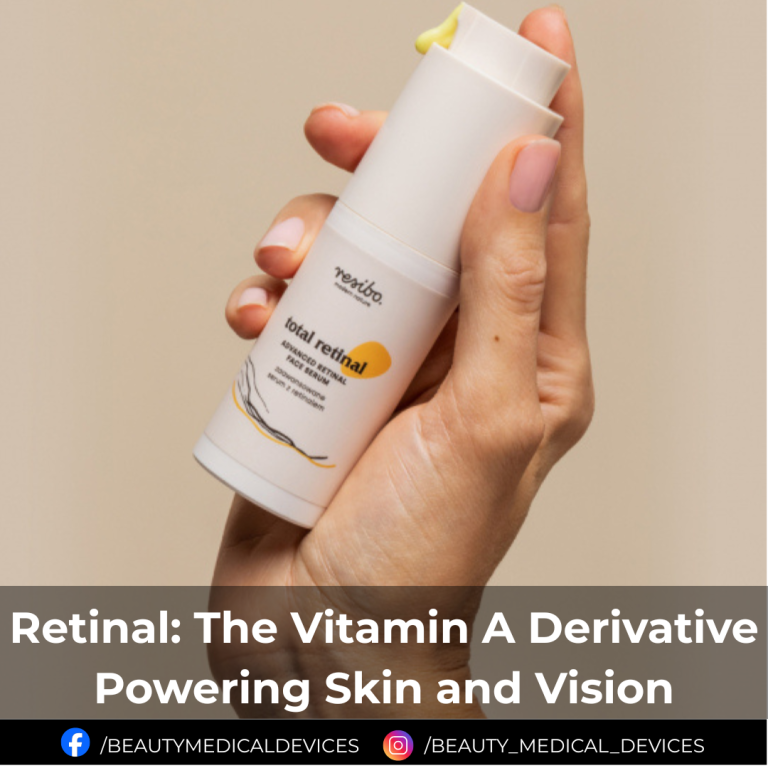
Retinal: The Vitamin A Derivative Powering Skin and Vision

0

When we talk about Vitamin A in skincare and health, most people think of retinol or retinoic acid. But another powerful and often overlooked form is retinal (also called retinaldehyde)—a compound that plays a crucial role both in our eyes and our skin.

What is Retinal?

Retinal is a natural form of Vitamin A aldehyde, found in the body as an intermediate between retinol (Vitamin A alcohol) and retinoic acid (the active acid form). It is especially important in two areas:

  • Vision: Retinal is essential for low-light and color vision, working as part of the visual cycle in the retina.

  • Skincare: Retinal is a highly effective anti-aging and skin-renewing ingredient, often described as more powerful than retinol but gentler than prescription-strength retinoic acid.

Key Facts About Retinal

1. Retinal in Vision

  • Retinal binds with opsin proteins in the eye to form rhodopsin, which allows us to see in dim light.

  • It shifts shape when exposed to light, triggering nerve signals that the brain interprets as vision.

  • A deficiency in Vitamin A can cause night blindness, due to lack of retinal in the eye.

2. Retinal in Skincare

  • Retinal is 11 times more potent than retinol in stimulating skin renewal and collagen production.

  • It converts directly into retinoic acid in the skin, making it faster-acting than retinol but still less irritating than prescription tretinoin.

  • Clinical studies show it improves:

3. Stability & Sensitivity

  • Retinal is more unstable than retinol, meaning it must be carefully formulated in skincare products to prevent breakdown.

  • Because it is potent, some people may experience mild irritation, redness, or peeling, especially when first introduced.

4. Sources of Retinal

  • Naturally derived from Vitamin A-rich foods such as liver, eggs, fish, and dairy.

  • In skincare, it is produced synthetically for stability and consistency.

5. Safety & Use

  • Retinal should be used at night, since it can increase sun sensitivity.

  • Always pair with sunscreen during the day.

  • Best introduced gradually (2–3 times a week, then daily as tolerated).

  • Not recommended during pregnancy unless approved by a healthcare provider.

Why Choose Retinal Over Retinol?

If you want faster results with less irritation than prescription tretinoin, retinal may be the golden middle ground. It delivers visible improvements in skin texture, fine lines, and acne while being gentler than stronger retinoids.

Bottom line: Retinal is a powerful form of Vitamin A that supports both healthy vision and youthful skin. While less talked about than retinol or tretinoin, it’s a highly effective option for those seeking visible results in their skincare journey.

Read also: Azelaic Acid and Its Effects on Hyperpigmentation

Unlocking the Secrets to Healthy Hair Growth

0
Hair has always been a symbol of health, beauty, and confidence. But for many, achieving thicker, stronger, and healthier hair feels like a constant battle. The truth is, hair growth isn’t just about the products you use—it’s a reflection of your overall health, lifestyle, and daily care habits.

How Hair Grows

  1. Anagen (Growth Phase) – Lasts 2–7 years; hair actively grows from the root.

  2. Catagen (Transition Phase) – A short 2–3 week stage where growth slows and follicles shrink.

  3. Telogen (Resting Phase) – Lasts 3–4 months; old hair sheds while new hair begins to grow.

Understanding this cycle helps explain why consistent care is key—results don’t happen overnight.

Factors That Affect Hair Growth

  • Nutrition: Protein, biotin, zinc, iron, and vitamins (A, C, D, and E) are essential for strong, healthy strands.

  • Scalp Health: A clean, nourished scalp provides the foundation for growth. Excess oil, dandruff, or buildup can clog follicles and slow hair production.

  • Stress & Hormones: Stress, hormonal imbalances, and certain medical conditions (like thyroid issues or PCOS) can trigger hair thinning.

  • Styling Habits: Heat styling, tight hairstyles, and chemical treatments may damage hair and lead to breakage.

Tips to Support Hair Growth

Eat a balanced diet rich in lean proteins, leafy greens, nuts, and seeds.
Massage your scalp to boost blood circulation and stimulate follicles.
Use gentle products—look for sulfate-free shampoos and nourishing oils like argan, coconut, or rosemary oil.
Limit heat styling and avoid overly tight ponytails or braids.
Stay consistent—hair typically grows about 1 cm per month, so patience is key.

When to Seek Help

If you notice excessive shedding, bald patches, or sudden hair thinning, it may be time to consult a dermatologist or trichologist. Underlying conditions like alopecia, nutritional deficiencies, or hormonal imbalances may require professional treatment.

Bottom line: Healthy hair growth starts from within. With the right diet, care, and lifestyle habits, you can support your strands to grow longer, thicker, and stronger—naturally.

Read also:Spa-Worthy Tech at Home: Turning Your Space into a Luxe Wellness Retreat
Skincare Mistakes You Don’t Realize You’re Making

0

When it comes to skincare, most of us have the best intentions—cleansing, moisturizing, and trying the latest products. But even with a solid routine, subtle mistakes can quietly sabotage your skin’s health. Here are some common skincare missteps you might be making without even realizing it.

1. Over-Cleansing Your Face

Washing your face too often or using harsh cleansers strips away natural oils that protect your skin barrier. This can lead to dryness, irritation, and even breakouts. Stick to cleansing twice daily—morning and night—with a gentle formula suited to your skin type.

2. Skipping Sunscreen on Cloudy Days

UV rays can penetrate clouds and windows, meaning your skin is still exposed even when the sun isn’t shining. Skipping sunscreen accelerates premature aging and increases the risk of skin cancer. Always wear SPF 30 or higher, rain or shine.

3. Using Too Many Products at Once

Layering multiple serums, creams, and treatments may seem effective, but it can overwhelm your skin, cause irritation, and even trigger breakouts. Focus on a simple, consistent routine with targeted products that address your main concerns.

4. Ignoring Your Neck and Hands

Your neck and hands are just as exposed as your face but often overlooked in skincare routines. This neglect can make them show signs of aging sooner. Extend your moisturizer and sunscreen down to your neck and apply to your hands daily.

5. Not Moisturizing Oily Skin

Many people with oily or acne-prone skin skip moisturizer, fearing it will make their skin greasier. In reality, lack of hydration signals your skin to produce more oil. Choose a lightweight, non-comedogenic moisturizer to balance oil production.

6. Exfoliating Too Often

Exfoliation helps remove dead skin cells, but overdoing it weakens your skin barrier, leaving it sensitive and inflamed. Limit physical exfoliation to 1–2 times per week and opt for gentle chemical exfoliants if needed.

7. Sleeping With Makeup On

Even “light” makeup clogs pores and prevents your skin from repairing itself overnight. Leaving it on increases the risk of breakouts, dullness, and premature aging. Always cleanse before bed—no matter how tired you are.

8. Neglecting Hydration and Diet

Great skin isn’t just about what you apply topically. Dehydration, processed foods, and lack of nutrients can reflect on your skin as dullness, dryness, or breakouts. Drink plenty of water and include fruits, vegetables, and healthy fats in your diet.

Final Thoughts

Good skincare is about consistency and balance—not excess. By avoiding these common mistakes, you give your skin the chance to thrive, stay radiant, and age gracefully. Small adjustments in your daily routine can lead to big improvements in the long run.

Read also: Hydrolyzed Collagen: The Science Behind the Skin and Joint Superhero

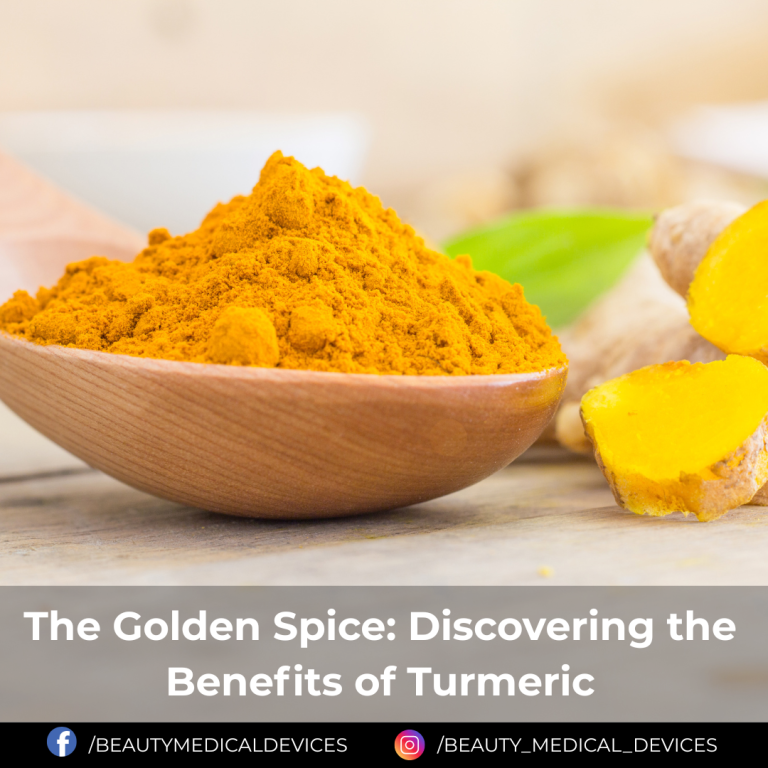
The Golden Spice: Discovering the Benefits of Turmeric

0

Turmeric, often called the “golden spice”, has been treasured for centuries in traditional medicine and cooking. Recognized by its vibrant yellow-orange color, turmeric comes from the root of the Curcuma longa plant and is a staple in many Asian cuisines. Beyond adding flavor and color to food, turmeric offers a wealth of health benefits, largely thanks to its active compound curcumin.

1. Powerful Anti-Inflammatory Properties

Chronic inflammation is linked to many health issues, from arthritis to heart disease. Curcumin, the main bioactive compound in turmeric, is a natural anti-inflammatory that helps the body fight unwanted inflammation without the side effects of synthetic drugs.

2. Rich in Antioxidants

Turmeric is packed with antioxidants, which neutralize free radicals that damage cells. This can help slow signs of aging, support skin health, and protect against chronic diseases.

3. Supports Joint Health

Turmeric has been widely studied for its ability to ease joint pain and stiffness, especially in conditions like osteoarthritis and rheumatoid arthritis. Regular consumption may improve mobility and overall joint comfort.

4. Boosts Brain Function

Curcumin may increase brain-derived neurotrophic factor (BDNF), a growth hormone that supports the health of neurons. This could help improve memory, reduce the risk of age-related brain diseases like Alzheimer’s, and support overall mental clarity.

5. Heart Health Protector

Turmeric supports heart health by improving blood vessel function, reducing cholesterol, and helping prevent blood clots. Its anti-inflammatory and antioxidant effects also contribute to better cardiovascular wellness.

6. Aids Digestion

Traditionally, turmeric has been used to relieve digestive issues. It can help reduce bloating, gas, and indigestion while supporting a healthy gut environment.

7. Natural Immunity Booster

Thanks to its antibacterial, antiviral, and antifungal properties, turmeric strengthens the immune system and helps the body fight infections more effectively.

8. Skin-Enhancing Benefits

Turmeric is a common ingredient in natural skincare because of its ability to brighten the complexion, reduce acne, and calm irritation. Its anti-inflammatory qualities make it soothing for conditions like eczema and psoriasis.

9. May Help in Weight Management

Some studies suggest turmeric may help regulate metabolism and prevent fat accumulation, making it a supportive addition to a balanced weight management plan.

10. Potential Cancer-Fighting Properties

Research indicates that curcumin may slow the spread of certain cancer cells and inhibit the growth of new tumors, though more studies are needed to confirm its role in cancer prevention and treatment.

How to Add Turmeric to Your Daily Life

  • Cooking: Add turmeric to curries, soups, rice, or smoothies.

  • Golden Milk: A soothing blend of turmeric, milk (or plant-based milk), and spices.

  • Supplements: Curcumin capsules with black pepper extract (piperine) for better absorption.

  • Skincare: DIY turmeric masks for glowing skin.

Final Thoughts

Turmeric isn’t just a spice—it’s a natural remedy with powerful benefits for the body and mind. While it’s not a cure-all, adding turmeric to your diet or routine can be a simple, effective way to support overall health and wellness.

Read also:Spa-Worthy Tech at Home: Turning Your Space into a Luxe Wellness Retreat
The Glow Vitamin: Vitamin D’s Role in Skincare

When we think of skincare, we usually imagine serums, moisturizers, and sunscreen. But glowing skin doesn’t only come from what you apply on the outside—it’s also deeply connected to what’s happening inside your body. One powerful nutrient that bridges both health and beauty is Vitamin D, often called the “sunshine vitamin.”

Why Vitamin D Matters for Skin

Vitamin D is a fat-soluble vitamin your body produces when exposed to sunlight. Beyond its role in bone health and immunity, research shows it plays a crucial role in maintaining skin health.

1. Supports Skin Barrier Function

A strong skin barrier locks in moisture and protects against irritants. Vitamin D helps regulate the growth and repair of skin cells, keeping the barrier resilient and reducing issues like dryness and sensitivity.

2. Helps Calm Inflammation

Conditions such as acne, eczema, and psoriasis are linked to inflammation. Vitamin D has natural anti-inflammatory properties, which may help reduce flare-ups and improve overall skin comfort.

3. Boosts Wound Healing

Vitamin D assists in skin cell turnover and repair. Adequate levels can speed up the healing of minor cuts, scars, and blemishes, helping skin recover more efficiently.

4. May Slow Premature Aging

Oxidative stress is one of the main drivers of wrinkles and fine lines. Vitamin D functions as an antioxidant, reducing free radical damage and supporting firmer, more youthful-looking skin.

Getting Vitamin D Safely

While sunlight is the best natural source, unprotected exposure raises the risk of skin damage. Balance is key:

  • Short sun exposure (10–15 minutes a few times a week) can boost vitamin D without overdoing it.

  • Foods like salmon, egg yolks, and fortified dairy are excellent sources.

  • Supplements are an option if you’re deficient, but it’s best to check with your healthcare provider first.

The Skincare Connection

More skincare brands are now exploring Vitamin D-infused products, claiming to help nourish and strengthen the skin barrier topically. While these are not a replacement for dietary intake, they can complement your skin routine.

Final Thoughts

Vitamin D is more than just a nutrient—it’s an inside-out beauty ally. By keeping your levels in check, you’re not only supporting your health but also giving your skin a better chance to stay radiant, strong, and youthful.

Read also: The Powerful Benefits of Running: More Than Just Cardio

Spa-Worthy Tech at Home: Turning Your Space into a Luxe Wellness Retreat

Who says self-care has to mean expensive spa trips? Thanks to new beauty and wellness tech, you can bring the luxury of professional treatments into your own home — no appointment needed. From glowing skin to deep relaxation, these devices deliver spa-level results without leaving your living room.

1. LED Light Therapy Masks

Once reserved for celebrity facialists, LED light therapy is now a household beauty staple.

  • What it does: Red light stimulates collagen production, blue light targets acne-causing bacteria, and near-infrared penetrates deeper layers for skin rejuvenation.

  • Why it’s spa-worthy: These masks combine high-tech skin benefits with a touch of futuristic glamour.

2. High-Frequency Facial Wands

A staple in professional facials, high-frequency devices fight acne, stimulate circulation, and boost collagen.

  • What it does: Uses a gentle electric current to oxygenate skin and kill bacteria.

  • Best for: Acne-prone or dull skin in need of a glow boost.

3. Ultrasonic Skin Scrubbers

These sleek tools use gentle vibrations to remove dead skin cells and unclog pores.

  • What it does: Exfoliates without harsh scrubs and enhances product absorption.

  • Pro tip: Apply a hydrating serum immediately after for maximum glow.

4. Scalp Massagers with LED & Vibration

Healthy hair starts with a healthy scalp, and these massagers combine stimulation with relaxation.

  • What it does: Improves circulation, encourages hair growth, and relieves tension.

  • Spa-like bonus: Pair with a nourishing scalp oil for a mini hair spa session.

5. Heated Eye Massagers

Goodbye, tired eyes — hello, refreshed radiance.

  • What it does: Combines gentle heat, vibration, and air pressure to reduce puffiness and relax facial muscles.

  • Ideal for: Late-night workers, screen-fatigued eyes, or anyone who loves a soothing treat.

6. At-Home Microcurrent Devices

Dubbed the “non-surgical facelift,” microcurrent devices are a celebrity-favorite for facial toning.

  • What it does: Uses low-level electrical currents to stimulate facial muscles, giving a lifted, sculpted look.

  • Pro tip: Consistency is key for lasting results.

7. Aromatherapy Diffusers with Smart Controls

Scent is a powerful part of the spa experience, and smart diffusers let you recreate it at home.

  • What it does: Releases essential oils in controlled intervals for a calming ambiance.

  • High-tech edge: App-controlled settings to match your mood and time of day.

💡 Final Thought:
With the right tech, your bathroom, bedroom, or even living room can become a personal wellness sanctuary. From skin-perfecting gadgets to relaxation-enhancing tools, these innovations make it easier than ever to indulge in self-care — without ever stepping outside.

Read also: Azelaic Acid and Its Effects on Hyperpigmentation

Hydrolyzed Collagen: The Science Behind the Skin and Joint Superhero

Hydrolyzed collagen, also known as collagen peptides, is collagen that has been broken down into smaller protein chains through a process called hydrolysis. This makes it easier for the body to absorb and utilize compared to its native form.

Where Does It Come From?

Hydrolyzed collagen is typically sourced from bovine (cow), marine (fish), porcine (pig), or chicken. These sources are rich in Type I, II, and III collagen — the types most crucial for skin elasticity, joint support, and overall structural integrity of tissues.

How Does It Work in the Body?

Once ingested, collagen peptides are absorbed into the bloodstream and stimulate the body’s own collagen production. They also supply amino acids like glycine, proline, and hydroxyproline — key building blocks for skin, cartilage, and bone.

Key Benefits of Hydrolyzed Collagen:

  1. Healthier Skin: Improves elasticity, hydration, and reduces the appearance of wrinkles.

  2. Joint Support: Helps reduce joint pain and supports cartilage regeneration.

  3. Stronger Hair and Nails: Encourages keratin production for healthier growth.

  4. Muscle Mass & Recovery: Supports lean muscle gain and post-workout recovery.

  5. Gut Health: May help support the lining of the digestive tract due to its amino acid profile.

How to Take It:
Hydrolyzed collagen is usually available in powder, capsule, or liquid form. It dissolves easily in hot or cold liquids, making it convenient to add to coffee, smoothies, or soups.

Who Should Use It?

  • Individuals over 25 (when natural collagen production starts to decline)

  • Athletes or those with joint stress

  • People looking to support aging skin and connective tissues

  • Anyone recovering from injury or surgery

Final Thoughts:
Hydrolyzed collagen is more than just a beauty trend — it’s a clinically supported supplement with real benefits for your skin, joints, and overall vitality. Consistent use, along with a balanced diet, can help you glow from the inside out.

Read also: Glow From Within: The Ultimate Guide to Health and Beauty