Home Blog Page 4

The Power of a Simple Skincare Routine

0

In a world flooded with ten-step  skincare regimens and shelves packed with endless product options, it’s easy to believe that more is better. But for many, the key to healthier, clearer skin lies not in complexity, but in consistency. A simple skincare routine can be just as effective—if not more—than a complicated one.

Why Simplicity Works

Our skin thrives on balance. Overloading it with too many active ingredients or constantly switching products can cause irritation, breakouts, or dryness. A simple routine allows the skin to build resilience and repair itself without interference. It also reduces the chance of product interactions that can compromise results.

The Core Three: Cleanse, Moisturize, Protect

minimalist skincare routine typically revolves around three essential steps:

  1. Cleanser: Removes dirt, oil, and impurities. Choose a gentle cleanser that doesn’t strip your skin’s natural barrier.

  2.  Moisturizer: Hydrates and locks in moisture. Even oily skin needs hydration to prevent overproduction of sebum.

  3. Sunscreen: Arguably the most important step. Daily SPF protects the skin from premature aging and serious damage caused by UV rays.

Benefits Beyond Skin

Simplifying your skincare isn’t just good for your face—it’s good for your life. Fewer products mean less time, less expense, and fewer decisions to make each day. It’s easier to stay consistent when your routine is manageable. And that consistency is what ultimately leads to results.

Who Should Simplify?

Almost everyone can benefit from streamlining. If you’re dealing with irritation, unsure if your products are working, or simply overwhelmed, going back to basics is a smart move. You can always add targeted treatments once your skin is stable.

Final Thoughts

Skincare doesn’t have to be complicated to be effective. By focusing on a few essential steps and giving your skin what it truly needs, you unlock the real power of skincare—results that last, with less stress and more confidence.

Read also:The Ultimate Guide to Healthy, Gorgeous Hair: Tips for Every Hair Type

The Role of Artificial Intelligence in Pain Management

Pain management is a complex and evolving field of medicine that involves diagnosing, assessing, and treating various types of pain—both acute and chronic. As the global burden of chronic pain continues to rise, healthcare providers face mounting pressure to deliver effective, personalized, and cost-efficient treatments. Artificial Intelligence (AI) has emerged as a promising tool to revolutionize how clinicians understand and manage pain.

AI Applications in Pain Management

1. Pain Assessment and Diagnosis

Traditional methods of pain assessment rely heavily on self-reports, which can be subjective and inconsistent. AI is transforming this process by integrating data from multiple sources such as:

  • Wearable sensors that monitor physiological signals (heart rate variability, skin conductance, movement patterns).

  • Facial recognition software that analyzes expressions to detect pain in non-verbal patients.

  • Natural Language Processing (NLP) to extract relevant information from patient records and pain diaries.

These technologies help create a more objective and consistent assessment of pain, improving diagnostic accuracy.

2. Predictive Analytics for Chronic Pain

Machine learning algorithms can analyze vast datasets to identify patterns and predict the onset of chronic pain. By examining factors like genetics, lifestyle, comorbid conditions, and prior treatment responses, AI tools can:

  • Stratify patients by risk level.

  • Enable early intervention.

  • Suggest preventive strategies tailored to individual profiles.

3. Personalized Treatment Plans

AI systems can support clinicians in developing personalized pain management strategies by analyzing patient history, drug responses, and behavioral data. These tools can recommend:

  • Optimal medication types and dosages.

  • Non-pharmacological interventions (e.g., physical therapy, cognitive behavioral therapy).

  • Alternative therapies based on patient preferences and efficacy trends.

4. Opioid Stewardship

The opioid crisis has highlighted the urgent need for better pain management protocols. AI can assist by:

  • Identifying patients at risk of opioid dependency.

  • Monitoring prescription patterns to detect misuse or overuse.

  • Recommending non-opioid treatment alternatives.

This approach enhances safety and supports responsible prescribing practices.

5. Virtual Pain Coaching and Chatbots

AI-powered virtual assistants and chatbots offer real-time guidance, medication reminders, and emotional support. These tools:

  • Improve patient engagement and adherence.

  • Provide cognitive-behavioral strategies.

  • Reduce the burden on healthcare systems by offering 24/7 support.

Challenges and Ethical Considerations

Despite its promise, the integration of AI into pain management raises several challenges:

  • Data privacy and security: Sensitive health data must be protected against breaches.

  • Bias in algorithms: If AI is trained on non-representative datasets, it may reinforce health disparities.

  • Clinical validation: AI tools must be rigorously tested in real-world clinical settings.

  • Patient trust and acceptance: Clear communication is needed to ensure patients understand and feel comfortable with AI-assisted care.

Conclusion

AI is redefining pain management by enabling earlier diagnosis, personalized treatments, and better patient outcomes. While challenges remain, ongoing research and thoughtful implementation will be key to realizing AI’s full potential in alleviating human suffering from pain.

Read also:Glow Up: 5 Easy Beauty Habits That Transform Your Look

Glow Up: 5 Easy Beauty Habits That Transform Your Look

0

In the ever-evolving world of beauty, simplicity and consistency are the real game-changers. Whether you’re a skincare novice or a seasoned glam enthusiast, these five beauty habits can elevate your daily routine and help you radiate confidence from the inside out.

1. Double Cleanse for Clearer Skin

If you’re still relying on one quick wash to remove makeup, dirt, and sunscreen, it’s time to level up. Double cleansing—starting with an oil-based cleanser followed by a gentle water-based one—ensures your skin is truly clean without being stripped of its natural moisture. Your pores will thank you.

2. Hydrate Inside and Out

We often forget that glowing skin starts from within. Drink at least 8 glasses of water daily, and pair that with a hydrating serum or moisturizer containing hyaluronic acid. The result? A plump, fresh-faced glow that no highlighter can replicate.

3. Sunscreen Is Non-Negotiable

Rain or shine, sunscreen is a must. Opt for a broad-spectrum SPF of at least 30 and reapply every two hours if you’re outdoors. This single step is your best defense against premature aging, hyperpigmentation, and skin cancer.

4. Brows Frame the Face

Don’t underestimate the power of well-groomed brows. Whether you prefer a natural look or something more sculpted, brushing them up with a tinted gel or defining them with a pencil can instantly lift your entire face.

5. Sleep with Satin

Switch your pillowcases to satin or silk to reduce friction on your skin and hair while you sleep. You’ll wake up with fewer creases on your face and less frizz in your hair—no extra effort required.

Final Glow Tip: Beauty isn’t just about the products you use—it’s about the habits you build. Create a routine that makes you feel good, stick to it, and your natural glow will do the rest.

Read also: Product Spotlight: Why Everyone’s Talking About Ceramides

The Ultimate Guide to Healthy, Gorgeous Hair: Tips for Every Hair Type
0

When it comes to beauty, healthy hair is the crown you never take off. Whether your strands are curly, straight, thick, or fine, everyone wants that effortless shine and softness. But between heat styling, pollution, and product buildup, your hair can take a hit more often than you’d like. Luckily, great hair is just a few smart habits away. Here’s how to level up your hair care game—no matter your hair type.

1. Know Your Hair Type

Before you invest in products or tools, take a minute to understand your hair’s unique personality. Is it dry? Oily? Prone to breakage? Wavy? Your hair type determines how it reacts to certain ingredients and routines. Once you know your type, you’ll make better choices—from shampoo to styling cream.

2. Wash Smarter, Not Harder

Overwashing is one of the biggest culprits behind dry, frizzy strands. Aim to wash your hair 2–3 times a week (unless it’s very oily). When you do wash, use lukewarm water and a sulfate-free shampoo that gently cleans without stripping natural oils. Don’t skip the conditioner—it helps seal moisture and protect your hair shaft.

3. Trim Those Ends

Split ends can make even the healthiest hair look messy. Regular trims every 6–8 weeks keep your hair looking fresh and reduce breakage. Don’t worry—you won’t lose length, just the damage.

4. Feed Your Hair from the Inside

Hair health starts in the kitchen. Make sure you’re getting enough protein, omega-3 fatty acids, and vitamins like biotin, vitamin D, and iron. These nutrients support stronger strands and faster growth. Hydration is key too—so drink that water!

5. Protect Before You Style

Heat tools are lifesavers—but they’re also hair saboteurs if used wrong. Always apply a heat protectant before blow-drying, straightening, or curling. It acts like a shield, minimizing damage and preserving shine.

6. Don’t Sleep on Silk

Your cotton pillowcase might be causing frizz and breakage. Switch to a silk or satin pillowcase to reduce friction while you sleep. Bonus: It’s great for your skin, too.

7. Clarify Occasionally

If your hair feels dull or heavy, product buildup might be to blame. Use a clarifying shampoo once every two weeks to reset your scalp and strands. Just follow up with a deep conditioner to restore moisture.

Final Thoughts Great hair doesn’t come from one miracle product—it’s all about consistent care and treating your hair with love. Listen to what your hair needs, be gentle, and don’t be afraid to switch things up when your hair stops responding. With the right routine, every day can be a good hair day.

Read also:Centella Asiatica and Its Potential Effects on Collagen Production

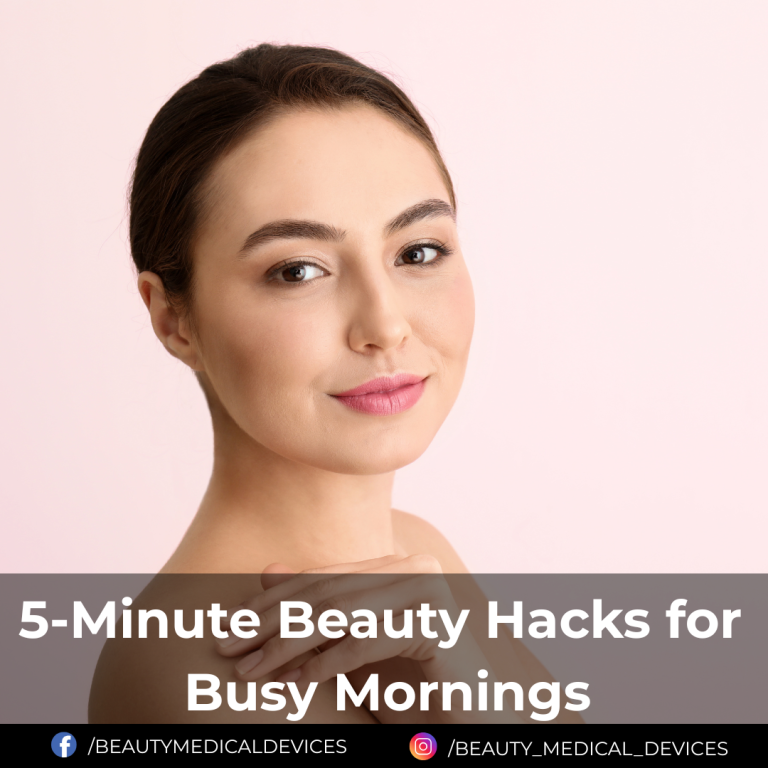
5-Minute Beauty Hacks for Busy Mornings

0

Mornings can be hectic, and finding time for a full beauty routine often feels impossible. But that doesn’t mean you have to sacrifice your glow-up! Here are a few quick, effective beauty hacks to help you look fresh and polished in just 5 minutes (or less):

1. Moisturizer + Tinted SPF = Instant Glow

Save time by combining steps. Use a tinted moisturizer with SPF to hydrate, protect, and even out your skin tone all in one go. It’s a 3-in-1 miracle that gives your skin a natural, healthy glow—no foundation needed.

2. Dry Shampoo for the Win

No time to wash your hair? Just spritz some dry shampoo at the roots, massage it in, and brush it out. It adds volume, absorbs oil, and makes your hair look freshly styled in seconds.

3. Use Multipurpose  Makeup Products

Cream-based products can do double or even triple duty. Grab a tinted lip + cheek stick or a BB stick that works as blush, eyeshadow, and lip tint. Swipe, blend with your fingers, and you’re done.

4. Define the Brows

Even if you skip everything else, take 30 seconds to brush and fill in your brows. It frames your face and gives an instantly polished look. Bonus: use a tinted brow gel for color and hold in one step.

5. The “Half-Lash” Trick

Instead of a full eyeliner look, just apply mascara to your top lashes only, focusing on the outer corners. It lifts and opens your eyes without looking overdone. You’ll look more awake in no time.

💡 Quick Bonus Tips:

  • Keep your essentials in one pouch so you can grab and go.

  • Use a mini facial roller in the morning to de-puff and boost circulation.

  • A spritz of refreshing face mist can revive tired skin fast.

Whether you’re running late for work, school, or brunch—these hacks are here to make your mornings easier without compromising on style. You’ve got this!

Read also:Centella Asiatica and Its Potential Effects on Collagen Production

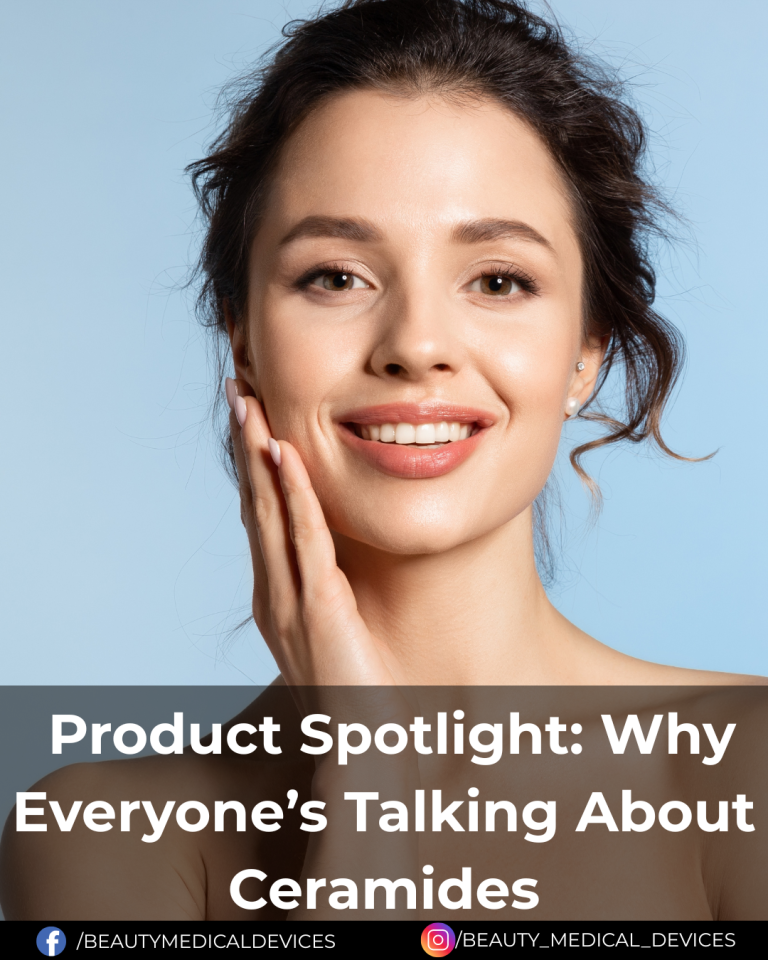
Product Spotlight: Why Everyone’s Talking About Ceramides

0

Ceramides have become a buzzword in  skincare—and for good reason. These naturally occurring lipids comprise approximately 50% of your skin’s outermost layer and are essential for maintaining a healthy, hydrated barrier.

🧬 What Are Ceramides?

Ceramides are fatty molecules that act like mortar between the “bricks” of your skin cells, helping to lock in moisture and keep out irritants. They’re essential for maintaining skin barrier function, preventing dryness, sensitivity, and environmental damage.

💧 Why Everyone’s Talking About Them

As we age, or when exposed to factors like sun damage and pollution, our natural ceramide levels decline. This can lead to dry, irritated, or prematurely aging skin. Replenishing ceramides through skincare helps restore the barrier, improve hydration, and reduce signs of aging

🧴 Top Ceramide-Infused Products

Here are some standout ceramide-rich products:

  •  CeraVe Moisturizing Cream – A dermatologist-recommended staple for barrier repair.

  • Elizabeth Arden Advanced Ceramide Capsules – Targeted anti-aging serum in single-use capsules.

  • SkinCeuticals Triple Lipid Restore – A luxe cream combining ceramides, cholesterol, and fatty acids for mature skin.

  • La Roche-Posay Toleriane Double Repair Moisturizer – Gentle and effective for sensitive skin.

  • Dr. Jart+ Ceramidin Cream – A cult favorite for deep hydration and barrier support.

🔬 How to Use Ceramides in Your Routine

Apply ceramide-containing products after cleansing and toning, ideally while your skin is still slightly damp. They pair well with other ingredients like hyaluronic acid, niacinamide, or peptides, and can be used alongside actives like retinol or exfoliants to help buffer potential irritation

📝 Final Thoughts

Ceramides are more than just a trend—they’re a foundational ingredient for healthy, resilient skin. Whether you’re battling dryness, sensitivity, or simply want to future-proof your skin, ceramides are a must-have in your skincare arsenal.

Read also:

Glow Naturally: A Complete Guide to Skin Brightening

0

Who doesn’t want healthy, radiant skin that glows from within? Skin brightening isn’t about altering your skin tone — it’s about restoring your natural radiance by addressing dullness, uneven tone, and dark spots. Here’s everything you need to know to brighten your skin safely and effectively.

What Causes Dull Skin?

Dull skin can be caused by several factors:

  • Dead skin buildup

  • Sun damage

  • Dehydration

  • Lack of sleep or poor diet

  • Hyperpigmentation from acne or sun exposure

Understanding the root cause helps you choose the right treatments and ingredients.

Brightening vs. Whitening: Know the Difference

Skin brightening means improving your skin’s overall clarity and glow. It often includes reducing dark spots and improving texture.
Skin whitening, on the other hand, is a controversial and often harmful practice aimed at lightening the skin’s natural color. Always choose treatments that promote healthy skin rather than altering its natural pigmentation.

Top Ingredients for Skin Brightening

  1. Vitamin C

    • A powerful antioxidant that fades dark spots and boosts collagen.

    • Look for L-ascorbic acid for the most potent effect.

  2. Niacinamide (Vitamin B3)

    • Helps reduce discoloration and smooths texture.

    • Also improves skin’s barrier and hydration.

  3. Alpha Arbutin

    • Gently fades hyperpigmentation without irritation.

  4. Licorice Root Extract

    • Calms the skin and helps reduce melanin production.

  5. AHAs/BHAs (Exfoliants)

    • Glycolic acid, lactic acid, and salicylic acid remove dead skin cells, revealing fresher skin underneath.

Lifestyle Tips to Boost Radiance

  • Hydrate: Drink plenty of water daily.

  • Eat colorful fruits and veggies: Antioxidants protect and nourish your skin.

  • Sleep well: Skin regenerates at night.

  • SPF is non-negotiable: Use sunscreen every day, even indoors.

Home Remedies That Actually Work

  • Turmeric + Yogurt Mask: Turmeric brightens, yogurt exfoliates and nourishes.

  • Honey + Lemon: Use with caution — lemon can be irritating for sensitive skin.

  • Aloe Vera Gel: Soothes and hydrates, reducing dullness.

Always patch-test natural remedies and use them in moderation.

Final Thoughts

Brightening your skin is all about consistency and care. Whether you go for skincare products, natural remedies, or lifestyle changes, the goal is the same: healthy, glowing skin that reflects your inner well-being.

Read also:The Ultimate Skincare Guide for 2025: Trends, Tips, and Must-Have Ingredients

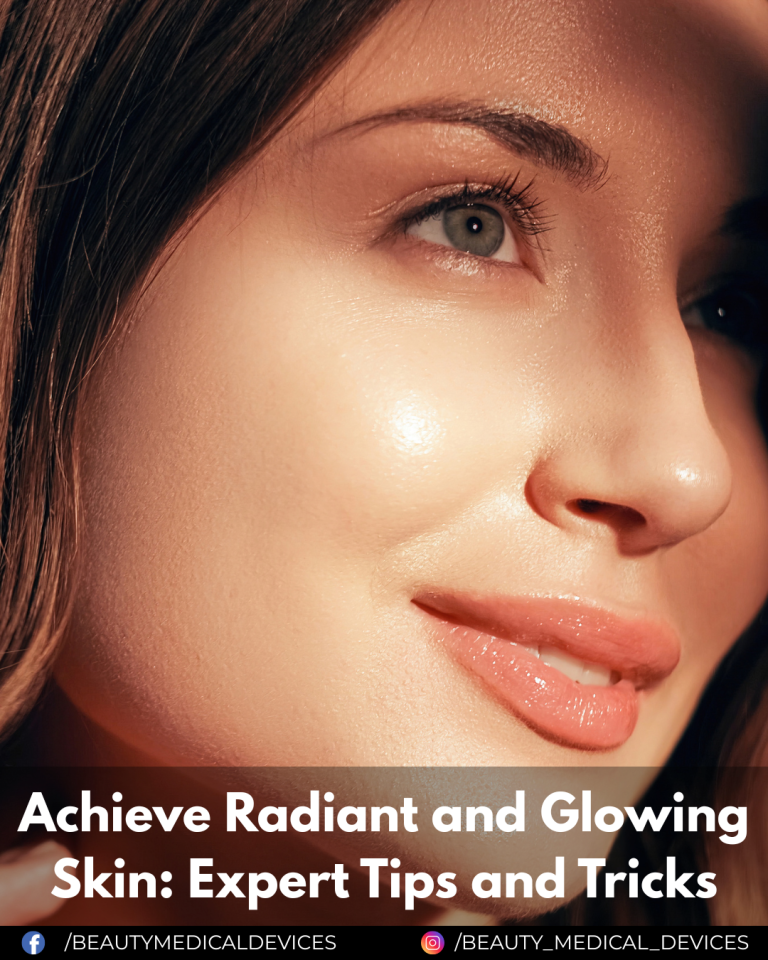
Achieve Radiant and Glowing Skin: Expert Tips and Tricks

A glowing complexion is a sign of healthy and well-nourished skin. Achieving radiant skin requires a combination of effective skincare practices, a balanced diet, and mindful lifestyle choices. Here are some expert tips to help you achieve that luminous glow.

1. Hydration is Key

Water plays a vital role in maintaining skin health. Drinking at least 8 glasses of water daily helps to flush out toxins, keeping your skin clear and hydrated. Additionally, incorporating hydrating serums and moisturizers into your routine can enhance your skin’s glow.

2. Follow a Consistent Skincare Routine

A well-structured skincare routine helps maintain your skin’s natural radiance. The basic steps include:

  • Cleansing: Removes dirt, oil, and makeup.
  • Exfoliating: Helps remove dead skin cells for a brighter complexion.
  • Moisturizing: Keeps skin soft and hydrated.
  • Sunscreen: Protects against UV damage and premature aging.

3. Eat a Nutrient-Rich Diet

Your diet plays a crucial role in your skin’s health. Consume foods rich in vitamins A, C, and E, as well as antioxidants and omega-3 fatty acids. These nutrients help repair skin cells, reduce inflammation, and enhance your skin’s natural glow.

4. Get Enough Sleep

Lack of sleep can lead to dull skin, dark circles, and premature aging. Aim for 7-9 hours of quality sleep to allow your skin to repair and regenerate overnight.

5. Exercise Regularly

Physical activity increases blood circulation, delivering more oxygen and nutrients to your skin. Sweating during exercise helps flush out impurities, promoting a healthy glow.

6. Manage Stress

Stress can trigger breakouts and dullness. Engage in activities such as yoga, meditation, or deep breathing exercises to keep stress levels under control.

7. Use Natural Remedies

Face masks made from ingredients like honey, aloe vera, turmeric, and yogurt can enhance your skin’s glow naturally. These ingredients have anti-inflammatory and hydrating properties that brighten the complexion.

8. Avoid Harsh Products

Overuse of harsh skincare products can strip the skin of its natural oils. Opt for gentle, fragrance-free cleansers and moisturizers that support your skin’s barrier function.

9. Limit Sugar and Processed Foods

Excessive sugar intake can lead to skin inflammation and breakouts. Reduce processed foods and opt for a balanced diet with whole foods for healthier skin.

10. Stay Consistent

Achieving glowing skin doesn’t happen overnight. Consistency is key—stick to your routine and make healthy choices to see lasting results.

By following these expert tips, you can achieve and maintain radiant, glowing skin naturally. Start today and embrace the beauty of healthy skin!

Read also:Azelaic Acid: Benefits, Uses, and How It Works

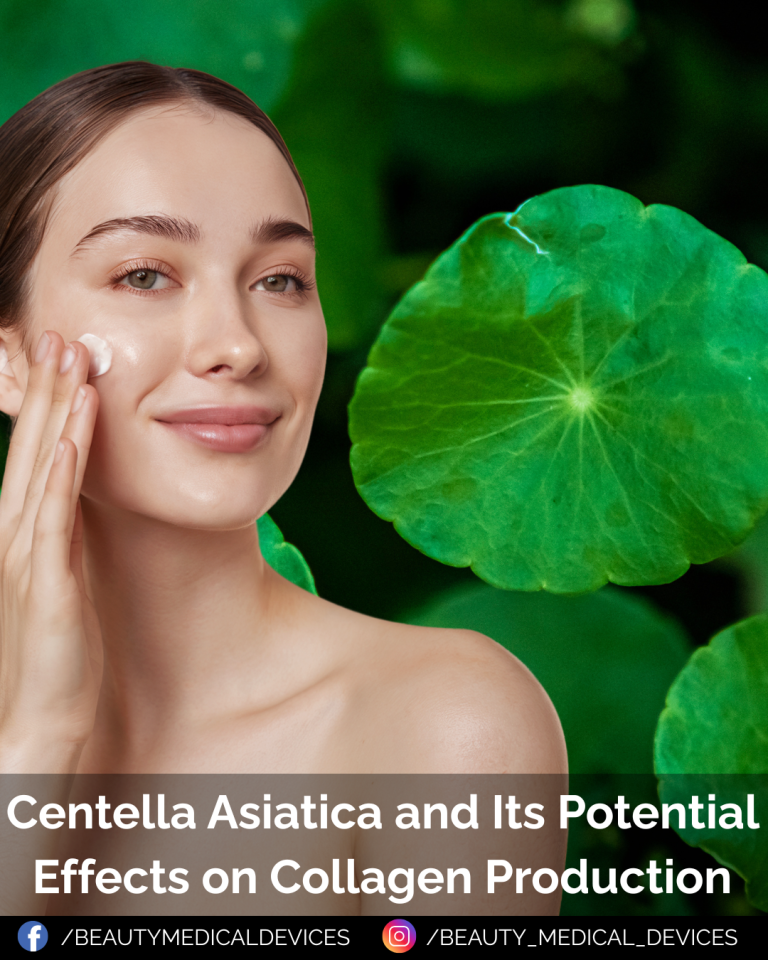
Centella Asiatica and Its Potential Effects on Collagen Production

0

Introduction

Centella Asiatica, commonly known as Gotu Kola, is a medicinal plant widely used in traditional Chinese and Ayurvedic medicine. Over the years, research has suggested that this herb possesses remarkable skin-healing and anti-aging properties, largely due to its ability to influence collagen production. This article explores the mechanisms through which Centella Asiatica may promote collagen synthesis and its potential benefits for skin health and wound healing.

The Role of Collagen in Skin Health

Collagen is the most abundant protein in the human body, providing structural integrity to the skin, bones, and connective tissues. As we age, collagen production declines, leading to wrinkles, sagging skin, and a loss of elasticity. Environmental factors such as UV exposure and pollution further accelerate this degradation. Finding natural ways to boost collagen synthesis has therefore become a key focus in dermatology and skincare research.

Active Compounds in Centella Asiatica

Centella Asiatica contains several bioactive compounds that contribute to its skin-rejuvenating properties. The primary constituents responsible for its effects on collagen production include:

  • Triterpenoids: Asiaticoside, madecassoside, asiatic acid, and madecassic acid are the main bioactive triterpenes in Centella Asiatica. These compounds have been found to stimulate fibroblast activity, which is crucial for collagen synthesis.
  • Antioxidants: Centella Asiatica is rich in antioxidants, which help protect collagen fibers from oxidative stress and degradation.
  • Amino Acids: These serve as building blocks for proteins like collagen, aiding in skin repair and regeneration.

Centella Asiatica and Collagen Synthesis

Several studies have indicated that Centella Asiatica can significantly enhance collagen production by:

  • Activating Fibroblasts: Fibroblasts are the key cells responsible for collagen synthesis. The triterpenoids in Centella Asiatica have been shown to increase fibroblast proliferation and activity, leading to higher collagen levels.
  • Enhancing Wound Healing: Research suggests that Centella Asiatica accelerates wound healing by boosting collagen production and reducing inflammation.
  • Inhibiting Collagen Breakdown: By reducing the activity of enzymes that degrade collagen, Centella Asiatica helps maintain skin firmness and elasticity over time.
  • Increasing Type I and Type III Collagen: Studies indicate that Centella Asiatica enhances the synthesis of both Type I collagen (found in the skin, bones, and tendons) and Type III collagen (which provides support to skin and blood vessels).

Potential Benefits of Centella Asiatica for Skin

Due to its ability to stimulate collagen production, Centella Asiatica offers various benefits for skin health, including:

  • Reduced Wrinkles and Fine Lines: By promoting collagen synthesis, Centella Asiatica helps diminish the appearance of aging signs.
  • Improved Skin Elasticity: Enhanced collagen levels contribute to firmer, more resilient skin.
  • Faster Wound Healing: Centella Asiatica has been traditionally used for treating wounds, burns, and scars due to its regenerative properties.
  • Protection Against Environmental Damage: Its antioxidant content helps shield the skin from harmful UV rays and pollution, which can lead to premature aging.

Conclusion

Centella Asiatica has gained widespread recognition for its ability to support collagen production, making it a valuable ingredient in skincare and wound-healing treatments. By stimulating fibroblast activity, protecting against oxidative stress, and preventing collagen degradation, this medicinal herb plays a crucial role in maintaining youthful and healthy skin. Whether used in topical formulations or consumed as a supplement, Centella Asiatica holds significant promise in the realm of dermatological and anti-aging therapies.

Read also:Complete Skincare Routine For Acne-Prone Skin By Using Salicylic Acid Cleanser

The Ultimate Skincare Guide for 2025: Trends, Tips, and Must-Have Ingredients

0

As we step into 2025, the skincare industry continues to evolve with cutting-edge innovations, sustainable solutions, and personalized routines. Whether you’re a skincare enthusiast or just looking to improve your routine, this guide will help you navigate the biggest trends of the year.

1. The Rise of AI-Powered Skincare

Artificial intelligence has revolutionized skincare by providing personalized routines, ingredient analysis, and virtual skin consultations. AI-powered skincare apps now scan your face and recommend customized products based on your skin type, environment, and even your diet.

2. Skin Barrier Health is the Priority

In 2025, the focus is on strengthening the skin’s barrier. Over-exfoliation and harsh treatments are being replaced with gentle, nourishing ingredients like:

3. Sustainable & Waterless Skincare

With climate concerns on the rise, eco-conscious beauty brands are creating waterless skincare formulas. Products like cleansing balms, solid serums, and powder-to-foam cleansers minimize water usage while maximizing effectiveness. Refillable and biodegradable packaging are also becoming the industry standard.

4. The Return of Minimalist Skincare (“Skin Cycling 2.0”)

Gone are the days of 10-step routines! The “Skin Cycling 2.0” method involves alternating between active ingredients and recovery days. This approach prevents irritation and maximizes benefits. A sample cycle could be:

  • Day 1: Exfoliation (AHAs, BHAs)

  • Day 2: Retinoids (Vitamin A derivatives)

  • Day 3-4: Hydration & Repair (Peptides, ceramides)

5. Microbiome-Friendly Products

Skincare is taking a probiotic turn, with products designed to nurture the skin’s microbiome. Postbiotics, fermented extracts, and microbiome-balancing cleansers help maintain a healthy skin ecosystem, reducing acne and sensitivity.

6. Blue Light & Pollution Defense

With increased screen time and urban pollution, 2025 skincare includes blue light-blocking antioxidants like lutein, algae extracts, and vitamin C to prevent premature aging. Anti-pollution mists and barrier creams are also trending.

7. The Power of Biotech Beauty

Lab-grown skincare ingredients are making waves. Biotechnology is creating sustainable alternatives to traditional ingredients, such as:

  • Lab-grown collagen – A more ethical and effective version of traditional collagen.

  • Plant stem cells – Boost skin renewal and combat aging signs.

  • Synthetic peptides – Mimic natural growth factors to improve skin elasticity.

Final Thoughts

Skincare in 2025 is all about personalization, sustainability, and gentle yet effective formulations. Whether you’re simplifying your routine or experimenting with biotech beauty, the key is to listen to your skin’s needs and adjust accordingly.

Read also:Azelaic Acid: Benefits, Uses, and How It Works