Home Blog Page 5

Azelaic Acid: Benefits, Uses, and How It Works

0

What Is Azelaic Acid?

Azelaic acid is a naturally occurring dicarboxylic acid found in grains like barley, wheat, and rye. It is commonly used in dermatology for its antimicrobial, anti-inflammatory, and skin-renewing properties. Available in various strengths, it is often found in prescription and over-the-counter (OTC) skincare formulations.

Benefits of Azelaic Acid

  1. Treats Acne – Azelaic acid helps clear acne by reducing bacteria on the skin, decreasing inflammation, and preventing clogged pores.
  2. Reduces Hyperpigmentation – It inhibits melanin production, making it effective for treating dark spots, post-inflammatory hyperpigmentation, and melasma.
  3. Fights Rosacea – Due to its anti-inflammatory properties, azelaic acid helps reduce redness and swelling associated with rosacea.
  4. Exfoliates the Skin – It gently promotes cell turnover, helping to improve overall skin texture and tone.
  5. Antimicrobial Effects – It combats bacteria like Propionibacterium acnes and Staphylococcus epidermidis, which contribute to skin issues.
  6. Minimizes Sensitivity – Unlike harsher exfoliants, azelaic acid is generally well-tolerated by sensitive skin types.

How to Use Azelaic Acid

Azelaic acid is available in different concentrations, usually in the form of gels, creams, and serums. It is typically applied once or twice daily, depending on skin sensitivity and the product’s formulation. It is important to use sunscreen while using azelaic acid, as it can make the skin more sensitive to UV rays.

Side Effects and Considerations

Although azelaic acid is generally well-tolerated, some users may experience:

  • Mild irritation or redness
  • Dryness or peeling
  • Temporary tingling or burning sensation

If severe irritation occurs, it is best to reduce the frequency of use or consult a dermatologist.

Conclusion

Azelaic acid is a versatile and effective skincare ingredient for treating acne, hyperpigmentation, and rosacea. Its gentle nature makes it suitable for a wide range of skin types. When incorporated into a skincare routine with sun protection, azelaic acid can significantly improve skin clarity and texture over time.

Read also: The Connection Between Mental Health and Skincare

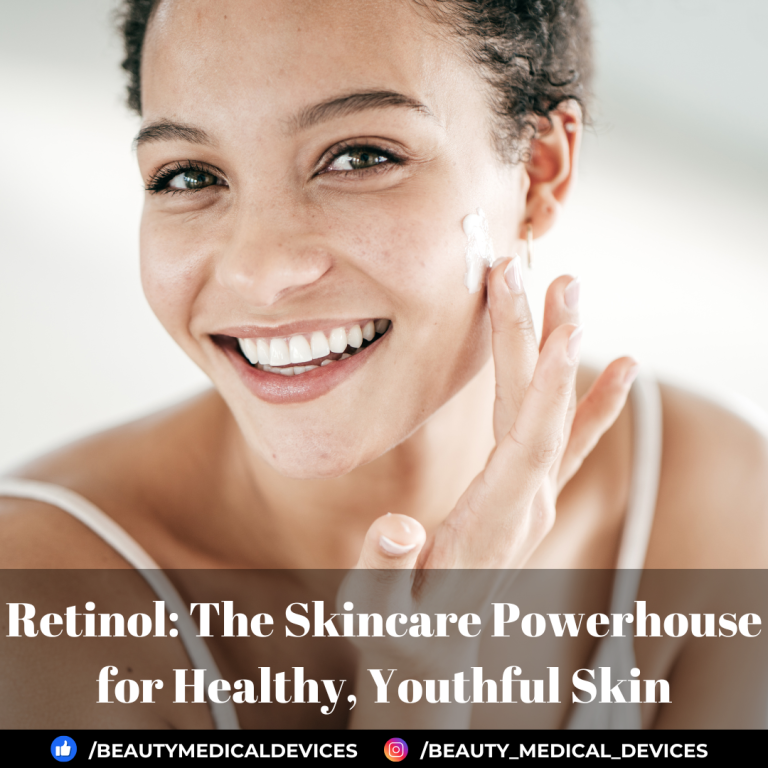
Retinol: The Skincare Powerhouse for Healthy, Youthful Skin

0

Retinol is one of the most talked-about ingredients to youthful skin, known for its impressive anti-aging and skin-renewing benefits. Whether you’re looking to reduce wrinkles, fade dark spots, or improve overall skin texture, retinol might be the key to achieving your skincare goals.

What Is Retinol?

Retinol is a derivative of Vitamin A, part of the larger family of retinoids. It works by accelerating cell turnover, stimulating collagen production, and helping to unclog pores. Unlike stronger prescription retinoids like tretinoin, retinol is available over-the-counter and is milder, making it a popular choice for beginners.

Benefits of Retinol

1. Reduces Fine Lines and Wrinkles

Retinol boosts collagen production, which helps to firm the skin and reduce the appearance of fine lines and wrinkles. Regular use can lead to a smoother, more youthful complexion.

2. Evens Out Skin Tone and Reduces Hyperpigmentation

Dark spots, sun damage, and post-inflammatory hyperpigmentation can fade with consistent retinol use. It promotes skin renewal, leading to a brighter, more even complexion.

3. Helps With Acne and Breakouts

Retinol clears pores by preventing dead skin buildup, reducing the likelihood of breakouts. It also helps regulate oil production, making it a great option for acne-prone skin.

4. Improves Skin Texture

By increasing cell turnover, retinol smooths rough patches, refines pores, and improves overall skin texture over time.

How to Use Retinol Safely

While retinol is effective, improper use can lead to irritation, dryness, and redness. Follow these steps to incorporate it into your routine safely:

✅ Start Slow: Use retinol 2–3 times a week at first to allow your skin to adjust.
✅ Apply at Night: Retinol can make skin sensitive to sunlight, so it’s best applied before bedtime.
✅ Moisturize Well: Pair retinol with a hydrating moisturizer to prevent dryness.
✅ Use Sunscreen: Retinol makes the skin more vulnerable to UV damage. Always wear SPF during the day.
✅ Be Patient: Results take time—visible improvements often appear after 8–12 weeks of consistent use.

Who Should Avoid Retinol?

Retinol may not be suitable for everyone. Pregnant and breastfeeding women should avoid retinol due to potential risks. Those with extremely sensitive skin conditions like rosacea or eczema should consult a dermatologist before use.

Conclusion

Retinol is a powerhouse ingredient that can transform your skin with regular use. By starting slow and following proper skincare habits, you can reap its many benefits while minimizing side effects. Whether you’re targeting aging signs, acne, or uneven skin tone, retinol can be a game-changer in your skincare routine.

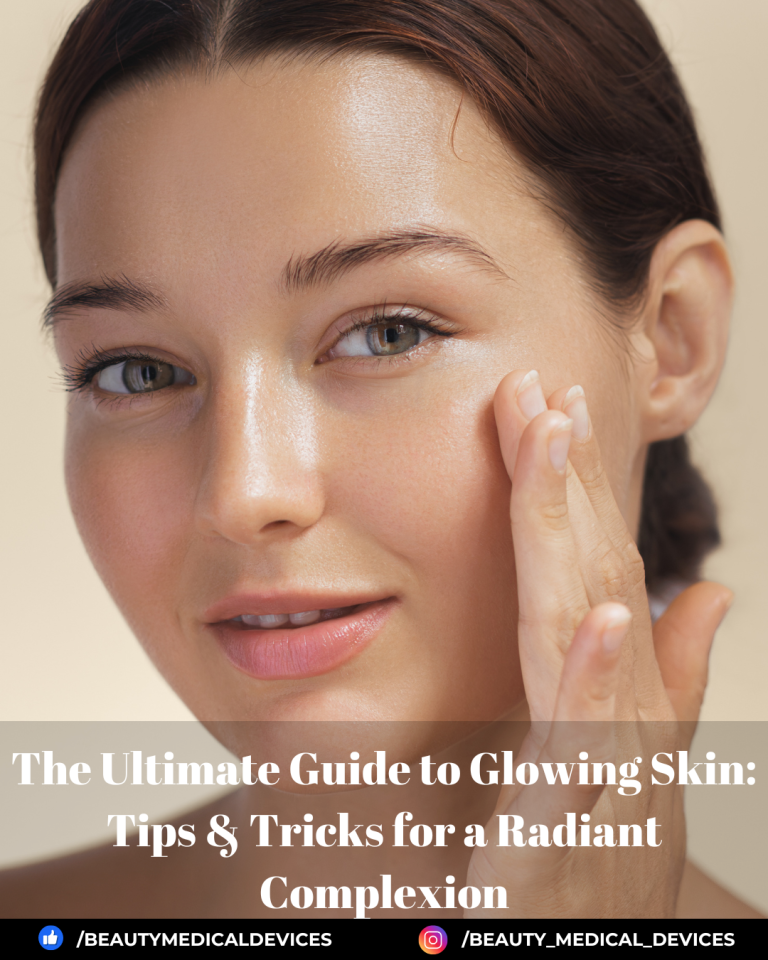
The Ultimate Guide to Glowing Skin: Tips & Tricks for a Radiant Complexion

Nothing boosts confidence like healthy, radiant complexion. Whether you’re dealing with dullness, dryness, or uneven texture, the right skincare routine can make all the difference. Follow these expert tips to achieve a luminous complexion effortlessly.

1. Cleanse with Care

The foundation of glowing skin starts with proper cleansing. Use a gentle cleanser suited to your skin type to remove dirt, oil, and impurities without stripping away natural moisture. Double cleansing—using an oil-based cleanser followed by a water-based one—ensures a deep clean, leaving skin fresh and prepped for the next steps.

2. Exfoliate for a Smooth Canvas

Dead skin cells can make your complexion appear dull and uneven. Exfoliate 2-3 times a week with a mild chemical exfoliant (like glycolic or lactic acid) or a gentle physical scrub to reveal fresh, radiant skin. Over-exfoliation can cause irritation, so be mindful of how often you exfoliate.

3. Hydrate Inside and Out

Moisture is key to a healthy glow. Use a hydrating serum with ingredients like hyaluronic acid to plump the skin, followed by a lightweight or rich moisturizer, depending on your skin type. Don’t forget to drink plenty of water throughout the day to keep your skin hydrated from within.

4. Brighten with Vitamin C

Vitamin C is a powerhouse ingredient that helps even out skin tone, fades dark spots, and gives your skin a natural radiance. Apply a vitamin C serum in the morning before sunscreen for an extra boost of brightness.

5. Sunscreen is Non-Negotiable

UV rays can cause premature aging, hyperpigmentation, and dullness. Always wear a broad-spectrum SPF 30 or higher daily—even on cloudy days. Reapply every two hours if you’re spending time outdoors.

6. Beauty Sleep Matters

Your skin repairs itself while you sleep, so aim for at least 7-9 hours of quality rest. Using a silk pillowcase and sleeping on your back can also help prevent fine lines and irritation.

7. Nourish Your Skin from Within

A diet rich in antioxidants, healthy fats, and vitamins can significantly impact your skin’s glow. Incorporate foods like avocados, nuts, berries, and leafy greens to nourish your skin from the inside out.

8. Indulge in Self-Care

Pamper your skin with weekly face masks, facial massages, and stress-relieving activities. Stress can lead to breakouts and dullness, so take time for relaxation and mindfulness practices like yoga or meditation.

Final Thoughts

Achieving radiant skin doesn’t happen overnight, but with consistency and the right skincare habits, you’ll notice a significant improvement. Listen to your skin’s needs, choose high-quality products, and embrace a lifestyle that supports healthy, glowing skin.

Read also: Complete Skincare Routine For Acne-Prone Skin By Using Salicylic Acid Cleanser

The Connection Between Mental Health and Skincare

0

Introduction

Mental health and skincare are deeply interconnected. Stress, anxiety, and depression can manifest in various skin conditions, while a good skincare routine can have positive psychological effects. Understanding this relationship can help individuals take better care of both their mental and dermatological well-being.

How Mental Health Affects the Skin

Mental health conditions such as stress, depression, and anxiety can have significant effects on the skin:

  • Stress and Breakouts: Increased stress levels trigger the release of cortisol, which can lead to increased oil production and acne breakouts.
  • Anxiety and Skin Picking: Some individuals with anxiety may develop compulsive behaviors such as skin picking, leading to scarring and infections.
  • Depression and Skin Dullness: Depression can cause individuals to neglect skincare routines, leading to dry, dull, or irritated skin.
  • Inflammation and Eczema/Psoriasis: Psychological distress can trigger or worsen inflammatory skin conditions like eczema and psoriasis.

The Psychological Benefits of Skincare

Engaging in skincare routines can have positive effects on mental well-being:

  • Mindfulness and Self-Care: Skincare routines encourage mindfulness, providing a structured way to relax and focus on self-care.
  • Boosting Self-Esteem: Healthy, clear skin can enhance self-esteem and overall confidence.
  • Aromatherapy Benefits: Using products with calming scents, such as lavender or chamomile, can help reduce stress and promote relaxation.
  • Ritual and Routine: Having a skincare routine can provide a sense of stability and control, which is beneficial for mental health.

Practical Tips for a Holistic Approach

To improve both mental health and skincare, consider these practical strategies:

  1. Practice Stress Management: Engage in meditation, exercise, or deep breathing to lower stress levels and reduce cortisol production.
  2. Choose Gentle, Nourishing Products: Avoid harsh chemicals and opt for soothing ingredients like aloe vera, niacinamide, or ceramides.
  3. Establish a Routine: Stick to a morning and nighttime skincare regimen to create consistency and a sense of normalcy.
  4. Stay Hydrated and Eat Well: Proper nutrition and hydration can improve both skin health and mood stability.
  5. Seek Professional Help: If experiencing severe skin issues related to mental health, consult both a dermatologist and a mental health professional.

Conclusion

The link between mental health and skincare highlights the importance of a holistic approach to well-being. Prioritizing mental wellness can lead to healthier skin, while a dedicated skincare routine can serve as a tool for self-care and relaxation. By recognizing and nurturing this connection, individuals can enhance their overall quality of life.

Read also: Combatting Blackheads and Whiteheads: Effective Ingredients for Clear, Healthy Skin

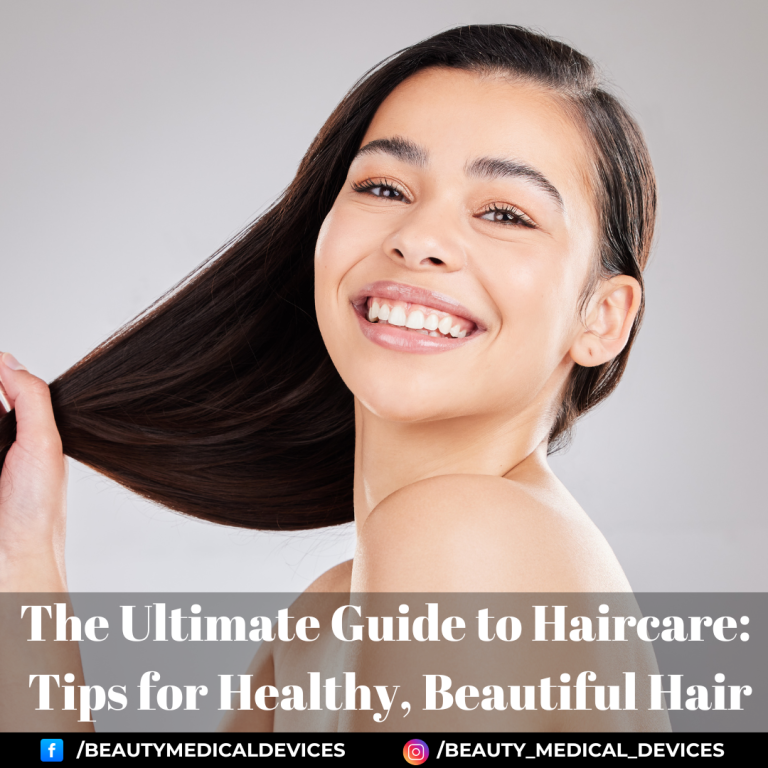
The Ultimate Guide to Haircare: Tips for Healthy, Beautiful Hair

0

Hair is an essential part of our identity, often serving as a form of self-expression. Whether long or short, straight or curly, taking proper care of your hair is crucial for maintaining its health and beauty. In this guide, we will explore key practices and tips for maintaining healthy hair, from daily routines to long-term strategies.

1. Understanding Your Hair Type

Before diving into specific hair care tips, it’s essential to understand your hair type. Hair typically falls into one of four categories:

  • Straight: Smooth and can become oily more quickly.
  • Wavy: Has a slight curl but isn’t frizzy; medium texture.
  • Curly: Defined curls that tend to be drier due to the texture.
  • Coily/Kinky: Tight curls or coils that are often more prone to breakage and dryness.

Identifying your hair type helps tailor your haircare routine to your specific needs.

2. Washing Your Hair

Overwashing can strip your hair of its natural oils, while under-washing can lead to product buildup or an oily scalp. Follow these guidelines:

  • Frequency: For straight hair, 2-3 times a week is generally sufficient. Curly and coily hair can often go longer between washes—1-2 times per week.
  • Shampoo Selection: Choose a sulfate-free shampoo for gentler cleansing. Hydrating shampoos are ideal for dry and curly hair, while volumizing options work well for fine hair.
  • Water Temperature: Rinse with lukewarm or cool water to close the hair cuticles and boost shine. Avoid hot water, which can dry out your scalp and hair.

3. Conditioning for Moisture and Protection

Conditioning your hair is key to maintaining moisture, detangling, and protecting it from damage:

  • Regular Conditioner: After shampooing, apply conditioner focusing on the mid-lengths and ends. Rinse after 1-2 minutes.
  • Deep Conditioning: Use a deep conditioner or hair mask once a week for added moisture, especially for dry or damaged hair. Look for ingredients like shea butter, argan oil, or keratin to help repair and hydrate.
  • Leave-in Conditioner: Ideal for curly and coily hair types, leave-in conditioners provide extra moisture and detangling benefits throughout the day.

4. Brushing and Detangling

Brushing the right way can minimize breakage and help maintain your hair’s health:

  • Wide-Tooth Comb for Wet Hair: Wet hair is more fragile, so use a wide-tooth comb to gently detangle it, starting from the ends and working your way up.
  • Boar-Bristle Brush for Dry Hair: For straight and wavy hair, a boar-bristle brush helps distribute natural oils, adding shine and smoothness.
  • Finger Detangling for Curly Hair: Curly hair should be detangled with fingers or a special curly-hair brush to prevent pulling and breakage.

5. Heat Protection and Styling Tools

Heat styling can damage hair over time, so it’s essential to take precautions:

  • Use a Heat Protectant: Always apply a heat protectant before using hot tools like straighteners, curling irons, or blow dryers. This adds a protective barrier that helps reduce heat damage.
  • Limit Heat Usage: Try to minimize the frequency of heat styling. If possible, let your hair air-dry or use heat tools on the lowest effective setting.
  • Cold Air Blow-Dry: Blow-drying with cold air helps reduce frizz and gives a smooth finish without causing as much damage.

6. Trimming for Healthy Growth

Regular trims are essential to maintaining healthy hair, especially if you want to grow it longer. Trimming helps prevent split ends from traveling up the hair shaft and causing further damage. Aim to trim your hair every 6-8 weeks.

7. Nutrition for Healthy Hair

What you eat has a direct effect on the health of your hair. Here are some key nutrients to focus on:

  • Protein: Hair is primarily made up of protein, so ensure you get enough through lean meats, eggs, nuts, and legumes.
  • Vitamins: Biotin, vitamins A, C, and E, and minerals like zinc and iron promote healthy hair growth. Incorporate fruits, vegetables, and leafy greens into your diet.
  • Omega-3 Fatty Acids: Found in fish, flaxseeds, and walnuts, these healthy fats help maintain scalp health and keep hair hydrated.

8. Protecting Hair While Sleeping

Your nighttime routine can either contribute to or prevent hair damage:

  • Silk or Satin Pillowcase: Cotton pillowcases can create friction, leading to breakage and frizz. Opt for a silk or satin pillowcase to reduce damage and keep hair smooth.
  • Loose Hairstyles: Avoid tight ponytails or buns while sleeping, as they can cause tension and breakage. Instead, go for loose braids or a low ponytail to keep your hair secure without straining the strands.
  • Hair Wraps or Bonnets: For curly and coily hair, wearing a silk or satin hair wrap or bonnet at night helps preserve moisture and reduce frizz.

9. Dealing with Common Hair Issues

  • Frizz: To minimize frizz, use moisturizing products like leave-in conditioners or anti-frizz serums. Avoid over-brushing and wash your hair less frequently.
  • Oily Scalp: If you have an oily scalp, consider using a clarifying shampoo once a week and avoid over-conditioning your roots.
  • Dandruff: Look for an anti-dandruff shampoo containing ingredients like zinc pyrithione or salicylic acid, and make sure to moisturize your scalp regularly to prevent dryness.

10. Conclusion: Tailor Your Haircare Routine

Ultimately, the best haircare routine is one tailored to your specific hair type, texture, and concerns. By following these tips and incorporating the right products and habits, you can maintain healthy, shiny, and beautiful hair.

Regular care, from cleansing and conditioning to using protective products and eating well, will help you achieve your hair goals and keep your locks looking their best.

Read also: How AI is Revolutionizing Personalized Skincare Shopping

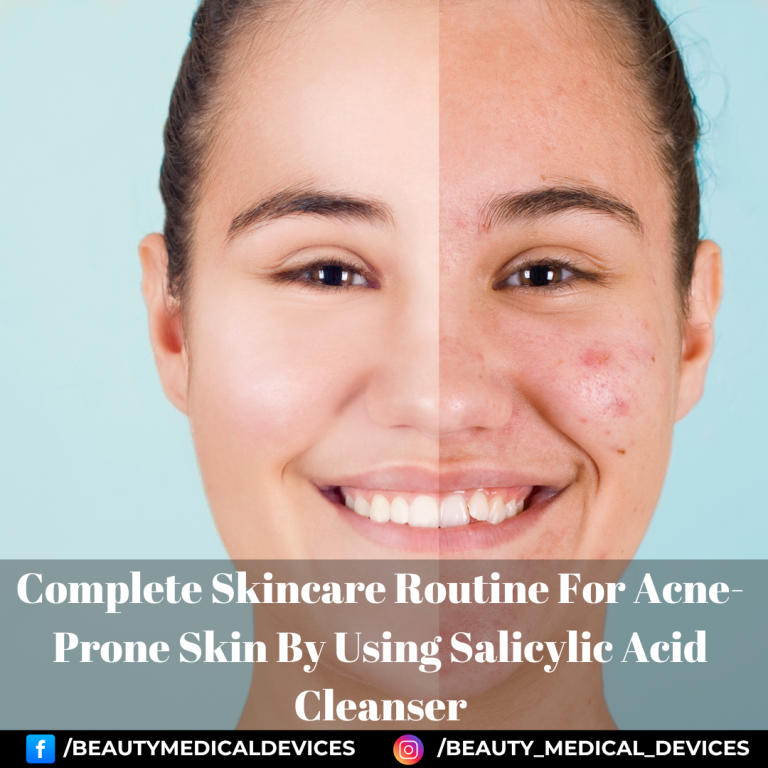
Complete Skincare Routine For Acne-Prone Skin By Using Salicylic Acid Cleanser

0

It works by helping the skin to shed dead cells from the top layer and by decreasing redness and swelling (inflammation). This decreases the number of pimples that form and speeds healing.

Not only is salicylic acid a popular treatment for facial acne, but it can also exfoliate your skin, unclog your pores, and help reduce redness. Start off applying this to your face in small amounts to make sure it won’t irritate your skin. The easiest form of this to apply is in cleansers. Let’s read with us to know more about using salicylic cleanser for acne prone skin.

It cleanser not only helps to prevent and clear active acne, but it can also improve acne blemishing and because it exfoliates so well, this cleanser can also help you with hyperpigmentation and dark spots.

Steps to adopt in daily skincare routine with salicylic cleanser:

First of all wash your face with water/rose water to have clean skin then follow the steps mentioned below.

  1. Cleansing: Gently cleanse your face with this cleanser twice a day to get rid of dirt, excess oils and makeup residue. This cleanser prevents buildup of excess oil and clogged pores.
  2. Toning: Use a mild toner.

3- Salicylic acid helps to exfoliate the skin: Removing dead skin cells is extremely important for acne-prone skin. Adding an exfoliating step once a week helps. Since salicylic acid is a great exfoliant, always exfoliate your skin with it.

4- Moisturize: Acne-prone skin is oily and contrary to what most people believe, it does require miniaturization. Oiliness in oily skin is different from the hydration that it requires. You can choose a lightweight non comedogenic moisturizer after washing your face with the salicylic cleanser.


5- Sunscreen: Protecting your skin from the harmful effects of sun is important irrespective of your skin type. Make sure to use a broad spectrum sunscreen before stepping out.

Read also: Unveiling the Secrets of Minoxidil: Proper Usage for Hair Growth


Combatting Blackheads and Whiteheads: Effective Ingredients for Clear, Healthy Skin

0

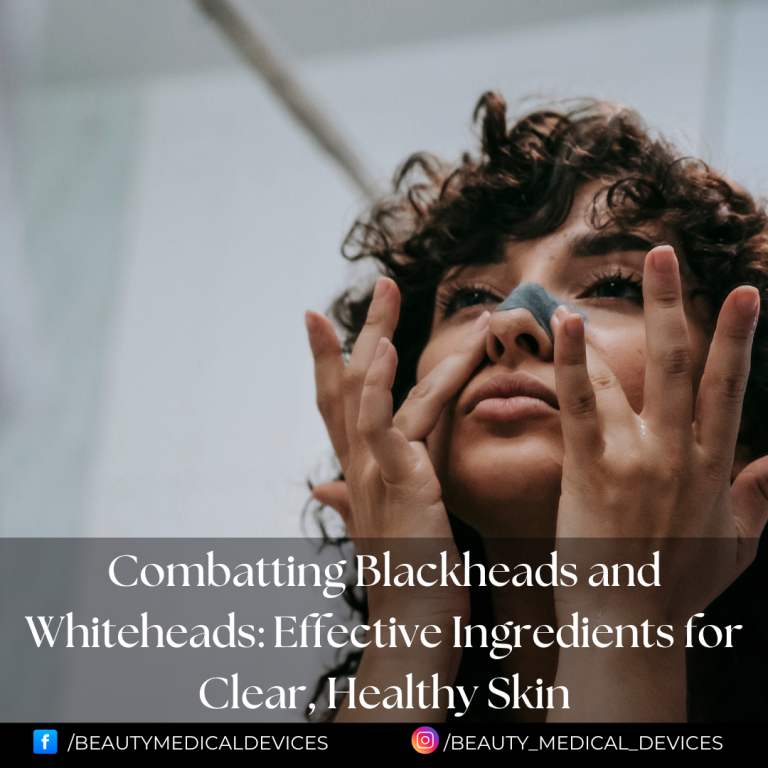
Blackheads and whiteheads, common forms of acne, can significantly impact one’s skin health and overall complexion. As a dermatologist, addressing these concerns requires a comprehensive understanding of the ingredients that effectively target and eliminate these stubborn blemishes. By leveraging the power of science-backed ingredients, dermatologists can provide patients with tailored solutions to achieve clear, healthy skin and restore their confidence.

Salicylic Acid: A Key Player in Exfoliation

Salicylic acid, a beta hydroxy acid (BHA), serves as a cornerstone in combating blackheads and whiteheads. Renowned for its exfoliating properties, salicylic acid penetrates deep into the pores, dissolving the debris and excess sebum that contribute to the formation of these blemishes. By effectively removing the dead skin cells and impurities that clog the pores, salicylic acid not only helps eliminate existing blackheads and whiteheads but also prevents future breakouts.

Furthermore, its anti-inflammatory properties aid in reducing redness and swelling, promoting a smoother and more even complexion. As a dermatologist, incorporating salicylic acid into treatment plans can significantly enhance the efficacy of skincare regimens, offering patients a proactive approach to maintaining clear and blemish-free skin.

Retinoids: Regulating Cell Turnover for Clearer Skin

Retinoids, derivatives of vitamin A, play a vital role in regulating cell turnover and preventing the formation of blackheads and whiteheads. By promoting the shedding of dead skin cells and encouraging the growth of new cells, retinoids prevent the accumulation of debris within the pores, thereby minimizing the occurrence of blemishes. Additionally, retinoids help to regulate sebum production, reducing the likelihood of pore blockages and subsequent acne formation.

Incorporating retinoids into skincare routines not only combats existing blackheads and whiteheads but also promotes overall skin rejuvenation, diminishing the appearance of fine lines and improving skin texture. As a dermatologist, recommending appropriate retinoid formulations tailored to individual skin types and concerns can effectively address the root causes of acne, fostering long-term skin health and vitality.

Benzoyl Peroxide: Targeting Bacterial Growth

Benzoyl peroxide, renowned for its antibacterial properties, serves as a potent ingredient in the eradication of blackheads and whiteheads. By targeting the bacteria responsible for acne formation, benzoyl peroxide effectively reduces inflammation and eliminates the underlying causes of blemishes. Moreover, its exfoliating action aids in removing dead skin cells, unclogging pores, and reducing the production of excess sebum, thereby preventing the formation of new blemishes.

Dermatologists can recommend specific benzoyl peroxide formulations and concentrations based on the severity of the patient’s condition, ensuring a personalized and effective treatment approach. Through the targeted application of benzoyl peroxide, patients can experience a noticeable reduction in blackheads and whiteheads, leading to clearer, healthier, and more radiant skin.

Glycolic Acid: Enhancing Skin Texture and Clarity

Glycolic acid, an alpha hydroxy acid (AHA), serves as a multifaceted ingredient in the treatment of blackheads and whiteheads. Its exfoliating properties aid in the removal of dead skin cells and debris, promoting a smoother skin texture and minimizing the appearance of pores. By stimulating collagen production, glycolic acid enhances skin elasticity and firmness, creating a more youthful and radiant complexion.

Furthermore, glycolic acid helps to regulate sebum production, preventing pore blockages and minimizing the occurrence of acne breakouts. Dermatologists can incorporate glycolic acid-based products into patient skincare routines, offering a comprehensive approach to addressing blackheads and whiteheads while promoting overall skin rejuvenation and vitality.

Natural Extracts: Harnessing the Power of Nature

In addition to these scientifically formulated ingredients, dermatologists can harness the power of natural extracts to combat blackheads and whiteheads effectively. Ingredients such as green tea extract, tea tree oil, and witch hazel offer anti-inflammatory and antimicrobial properties, aiding in the reduction of acne-causing bacteria and the soothing of irritated skin. Additionally, natural extracts rich in antioxidants help protect the skin from environmental damage and promote a healthy skin barrier, ensuring optimal skin health and resilience.

By integrating these natural extracts into patient skincare routines, dermatologists can provide a holistic approach to treating blackheads and whiteheads, emphasizing the importance of nurturing the skin with gentle and nourishing ingredients.

Conclusion

As dermatologists, the key to combating blackheads and whiteheads lies in understanding the efficacy of targeted ingredients and their role in promoting clear, healthy skin. By incorporating salicylic acid, retinoids, benzoyl peroxide, glycolic acid, and natural extracts into tailored treatment plans, dermatologists can provide patients with effective and personalized solutions to address their specific skin concerns. Through a combination of scientific innovation and nature-inspired formulations, dermatologists play a pivotal role in empowering patients to achieve their desired skin goals and regain their confidence in their skin’s health and vitality.

Read also:Unveiling the Secrets: What You Need to Know About Blackhead Extraction Tools

Unveiling the Secrets of Minoxidil: Proper Usage for Hair Growth

0

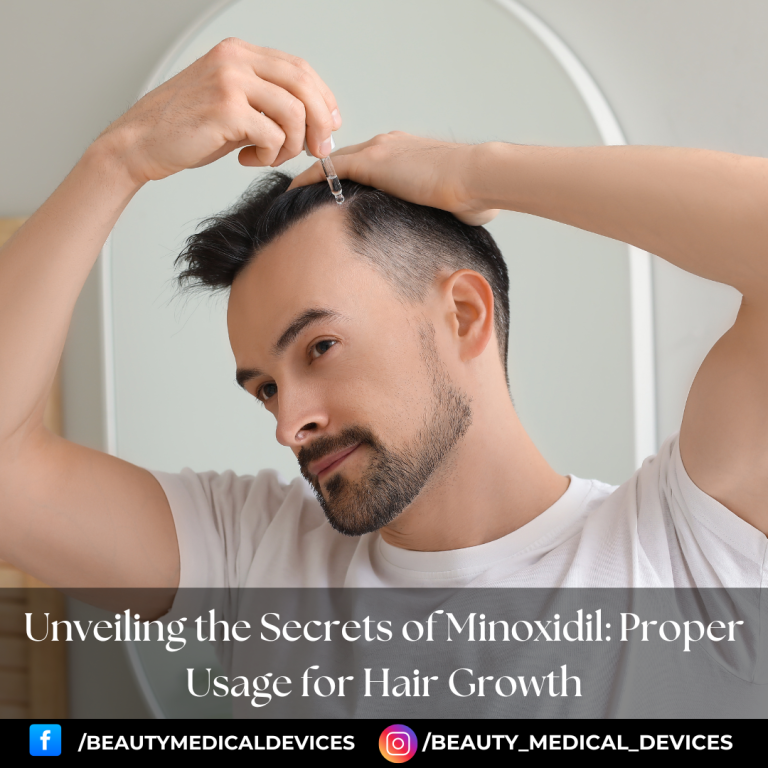
Hair loss is a common concern for many individuals, and among the various solutions available, Minoxidil has emerged as a popular and effective option. This article aims to shed light on what Minoxidil is and provide guidance on its proper usage for optimal results in promoting hair growth.

Understanding Minoxidil:

Minoxidil, originally developed as an oral medication to treat high blood pressure, was later discovered to have a notable side effect: hair growth. This led to the development of topical formulations for the treatment of androgenetic alopecia, more commonly known as male and female pattern baldness. Minoxidil is now widely available over-the-counter in topical solutions or foam.

How Minoxidil Works:

The exact mechanism of Minoxidil’s action is not fully understood, but it is believed to dilate blood vessels around hair follicles, improving blood flow and nutrient delivery to the follicles. This promotes hair growth and prolongs the growth phase of the hair cycle. Additionally, Minoxidil may stimulate dormant hair follicles, leading to increased hair thickness and density.

Proper Usage of Minoxidil:

  1. Choose the Right Formulation:
    • Minoxidil is available in liquid and foam formulations. Choose the one that suits your preference and lifestyle. Foam is often preferred for its ease of application and quicker drying time.
  2. Select the Correct Strength:
    • Minoxidil solutions come in different strengths, usually 2% and 5%. Higher strength may not necessarily yield better results and can increase the risk of side effects. Start with the lower strength and only increase if advised by a healthcare professional.
  3. Apply to a Dry Scalp:
    • Before applying Minoxidil, ensure your scalp is clean and dry. Excess water or dampness can hinder absorption.
  4. Apply Directly to the Scalp:
    • Use the dropper or applicator to apply Minoxidil directly to the affected areas of the scalp. Gently massage the solution or foam to ensure even distribution.


  1. Use Twice Daily:
    • Minoxidil is most effective when used consistently. Apply it twice a day, ideally in the morning and evening. Establish a routine to enhance adherence.
  2. Be Patient:
    • Hair growth takes time. Results may not be visible for several weeks to months. It’s important to be patient and continue the treatment as directed.
  3. Avoid Excessive Application:
    • Applying more Minoxidil than recommended will not expedite results and may increase the risk of side effects. Stick to the recommended dosage.
  4. Consult a Professional:
    • Before starting Minoxidil, especially for those with underlying health conditions, it’s advisable to consult a healthcare professional to ensure it is a safe and suitable option.

Possible Side Effects:

While Minoxidil is generally well-tolerated, some individuals may experience side effects, including irritation, itching, or redness at the application site. In rare cases, systemic effects may occur. If any adverse reactions occur, it’s crucial to discontinue use and seek medical advice.

Conclusion:

Minoxidil has proven to be a valuable tool in the battle against hair loss, offering a non-invasive and accessible option for those seeking to regrow hair. Understanding how to properly use Minoxidil is key to maximizing its effectiveness while minimizing potential side effects. With consistent and proper application, Minoxidil can be a transformative solution for promoting hair growth and regaining confidence.

Read also:Revolutionizing Skincare: The Science and Benefits of Microneedling with Exosomes

Unveiling the Secrets: What You Need to Know About Blackhead Extraction Tools
As dermatologists, our primary goal is to help individuals achieve and maintain healthy, radiant skin. Blackheads, those pesky and stubborn comedones that seem to find a permanent residence on many faces, often prompt individuals to seek effective solutions. One such approach involves the use of blackhead extraction tools, commonly known as comedone extractors. In this article, we will delve into the intricacies of these tools, exploring their types, proper usage, and potential risks.

Understanding Blackheads:

Blackheads, or open comedones, occur when hair follicles become clogged with excess oil (sebum) and dead skin cells. When this mixture is exposed to air, it oxidizes and takes on a black or dark appearance. Blackheads are a common form of acne and can be particularly frustrating for those who strive for clear, blemish-free skin.

Types of Blackhead Extraction Tools:

  1. Comedone Extractors: Comedone extractors are specialized tools designed for removing blackheads manually. They typically feature a thin, metal loop on one end, which is used to apply gentle pressure around the blackhead. This pressure helps to extract the contents of the pore without causing excessive trauma to the surrounding skin.
  2. Blackhead Tweezers: Blackhead tweezers, also known as blackhead removers, resemble regular tweezers but have a curved or angled tip. These tools allow for precise targeting of individual blackheads, providing a controlled means of extraction.
  3. Vacuum Extractors: Vacuum blackhead extractors use suction to draw out the contents of clogged pores. These devices often come with multiple attachments to cater to different skin types and areas of the face. While they can be effective, proper usage is crucial to prevent skin damage.


Proper Usage of Blackhead Extraction Tools:

  1. Cleanse the Skin: Before attempting blackhead extraction, it is essential to cleanse the skin thoroughly. Use a mild cleanser to remove any makeup, dirt, or excess oil. This helps create a clean canvas for the extraction process.
  2. Steam the Face: Applying steam to the face helps to open up the pores, making the extraction process more comfortable and effective. Use a facial steamer or place your face over a bowl of hot water for a few minutes.
  3. Sterilize the Tool: Hygiene is paramount when using blackhead extraction tools. Sterilize the tool with rubbing alcohol or an antiseptic solution to minimize the risk of infection.
  4. Apply Gentle Pressure: When using a comedone extractor or tweezers, apply gentle and even pressure around the blackhead. Avoid squeezing too hard, as this can lead to skin damage, redness, and potential scarring.
  5. Follow with a Soothing Routine: After extraction, soothe the skin with a gentle, non-comedogenic moisturizer. Avoid harsh skincare products or exfoliants immediately after extraction to prevent irritation.

Potential Risks and Precautions:

While blackhead extraction tools can be effective when used correctly, there are potential risks associated with improper usage:

  1. Trauma to the Skin: Excessive pressure or aggressive use of extraction tools can lead to skin trauma, inflammation, and scarring. It is crucial to exercise caution and patience during the process.
  2. Risk of Infection: If the extraction tool or the skin is not properly sanitized, there is a risk of introducing bacteria into the open pores, leading to infections. Always ensure that the tools are clean and that the skin is prepared adequately.
  3. Not Suitable for All Skin Types: Individuals with sensitive or easily irritated skin may want to avoid manual extraction tools, as they can exacerbate existing skin issues. In such cases, consulting with a dermatologist for alternative solutions is advisable.

Conclusion:

Blackhead extraction tools can be valuable assets in the quest for clear skin when used with care and precision. However, it is essential to approach the process with caution, following proper hygiene practices and taking into consideration individual skin types. When in doubt, seeking the guidance of a dermatologist ensures a safe and effective approach to managing blackheads and maintaining healthy skin.

Read also:Revolutionizing Skincare: The Science and Benefits of Microneedling with Exosomes

Uncovering the Top Anti-Aging Treatments at Med Spas

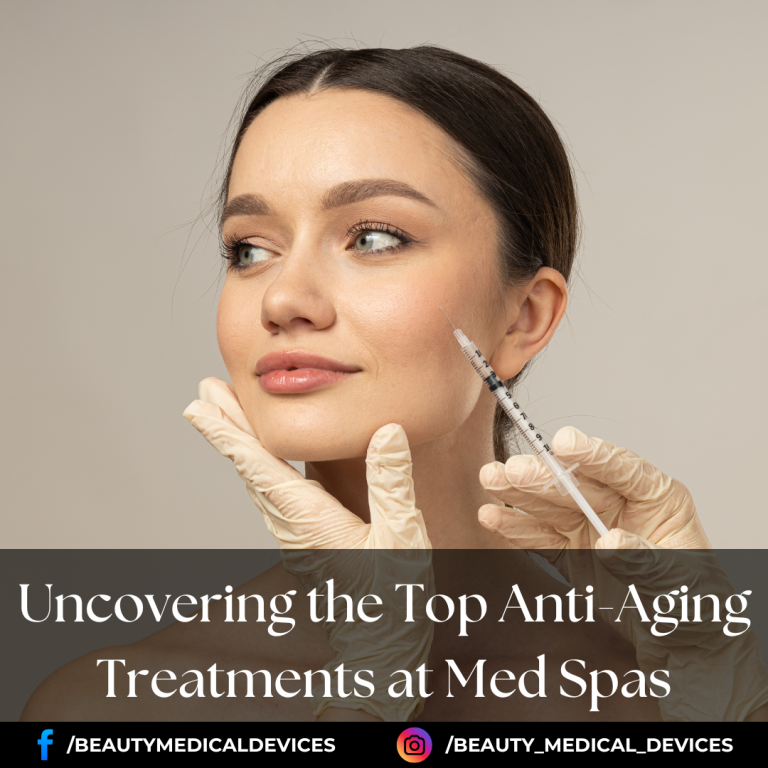
Anti-aging treatments have become increasingly popular as people look for ways to keep their skin looking youthful and vibrant. Med spas offer a wide range of anti-aging treatments that can help reduce the signs of aging, such as fine lines, wrinkles, and age spots.

Here are some of the best anti-aging treatments you can do in a med spa:

  1. Botox injections: Botox is a popular non-invasive treatment that reduces the appearance of fine lines and wrinkles. It works by temporarily relaxing the muscles that cause wrinkles, resulting in a smoother, more youthful complexion.
  2. Dermal fillers: Dermal fillers are another popular non-invasive treatment that helps reduce the signs of aging. They work by adding volume to areas of the face that have lost elasticity and fullness due to aging. Fillers can be used to plump up the lips, fill in under-eye hollows, and smooth out deep wrinkles.
  3. Chemical peels: Chemical peels are a popular anti-aging treatment that helps to rejuvenate the skin by removing the top layer of dead skin cells. This reveals smoother, clearer, and more youthful skin underneath. Chemical peels are available in various strengths, from gentle to deep, to suit different skin types and concerns.
  4. Microdermabrasion: Microdermabrasion is a non-invasive exfoliating treatment that helps to remove dead skin cells and promote cell renewal. It uses a device to gently sand the skin, revealing smoother, brighter, and more youthful skin.
  5. Laser skin resurfacing: Laser skin resurfacing is a more invasive treatment that uses a laser to remove the top layer of skin and promote cell renewal. This treatment is ideal for those looking to reduce the appearance of deep wrinkles, fine lines, and age spot.

Read also: