


Nose hair is a natural part of the human body that serves as a defense system. Nasal hair keeps harmful debris out of the body system and maintains moisture in the air we breathe.
Blood vessels in the nose and face are extra dense. In the nose, they support hair growth.
Following are ways to remove nose hair as well as the potential risks.
1. Nose trimmers
Trimming nose hair is the safest and most accessible option for most people. Tiny scissors made just for this job are often included in grooming kits. These scissors should have rounded tips to prevent you from poking your skin and bleeding.
Trimming nose hair allows you to slowly remove or shorten just the most visible nose hair without removing too much or hurting the delicate skin inside your nose.
To trim nose hair:
- Stand in front of a mirror with good light.
- Blow your nose first and clean out any hardened mucous that might get in your way.
- Hold the scissors firmly and tip your head back.
- Trim hair down to the skin.
- Blow your nose a few times after trimming to get extra little hairs out. Don’t rinse your nose with water.
- Don’t try to remove all nasal hair. Instead, focus on the thickest and most visible strands.
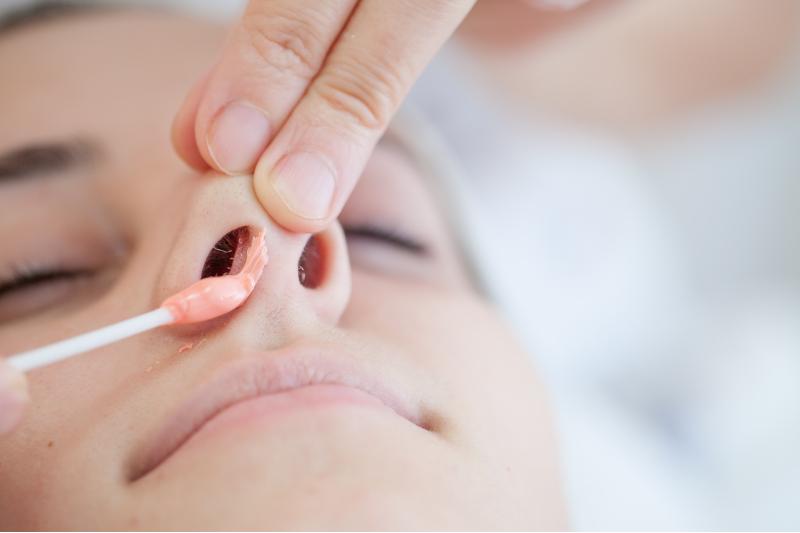
2. Waxing or plucking
In most cases, waxing or plucking nasal hair is not recommended. Pulling out individual hairs can lead to ingrown hairs and infection. Waxing, especially, could hurt the skin deep inside your nose.
However, there is a nasal wax product on the market that has been designed to remove only the hair inside the edge of the nostril. Results can last up to four weeks.
This lasts longer than trimming because waxing doesn’t just cut the hair shorter. Instead, it removes the whole hair shaft from below the skin line.
Read Complete Article at Nose Hair Removal
Also Read: Electric Nose Hair Trimmer