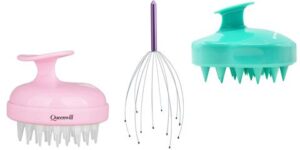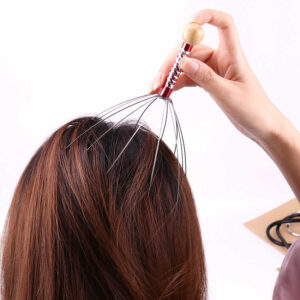
Home Blog Page 193

Always on Your MYND: Drug-free Headache & Migraine Pain Relief Device

Description

MYND is the newest addition to the pain relief range for TensCare. It focuses specifically on prevention and treatment of pain caused by migraines. Slim, lightweight and rechargeable, this wearable device not only provides migraine relief but also reduces the occurrence of attacks. Long lasting battery and a travel pouch makes Mynd adapt to your life rather than you building your day around it.
When used on one’s forehead, Mynd reduces migraine signals by disrupting signals to the trigeminal nerve by sending a gentle electric current through the gel electrode pad. For your convenience and easier migraine relief, we have developed our electrodes to be reusable. This means that the three gel pads that come with the unit will last a while before you need them replaced.
Our migraine relief unit has been clinically-proven to relieve and prevent migraines by using TENS technology. Small in size, travel-friendly and rechargeable, Mynd also offers two treatment modes and 40 adjustable levels of intensity. This allows the user to optimize the therapy to suit their individual needs.

CONTRADICTIONS:

  • Do not use if you have unresolved brain or facial injuries.
  • Do not use MYND on any other areas apart from the forehead. Use on the chest or neck may affect heart or implanted devices and may affect epileptic seizure threshold. May also affect body worn monitoring devices.
  • Do not use MYND if you have a cardiac pacemaker, implanted defibrillator, or other implanted metallic or electronic device. Such use could cause electric shock, burns, electrical interference, or death.
  • Do not use if you have, in the area being treated: active or suspected cancer or undiagnosed pain with a history of cancer. Stimulation directly through a confirmed or suspected malignancy should be avoided as it may stimulate growth and promote spread of cancer cells.

Read Complete Article at Tenscare Products

Also Read: Healthcare communication by Spruce App

All You Need to Know: Rejuvenate Your Skin With A FACIAL STEAMER!

What Is Facial Steaming?

Facial steaming is a relaxing technique that cleanses and refreshes your skin. It is a critical step in doing a facial and is adopted in the skincare routines of many people. People steam their face to clean out their pores by loosening the dirt and debris clogged in the pores through the use of heat. It is great to use for acne-prone skin and will cleanse those deep, hard to reach crevices of the skin. Facial steaming can also be of a benefit to the skincare products you use on your face by improving product absorption. This opens your pores and absorbs beneficial ingredients in products ensuring you’re getting full potential of high-end products. A final reason you should steam your face is to improve blood circulation which can improve your skin’s ability to heal over time and overall health.

Be Careful

Although this skincare technique has a wide variety of health benefits, it is not meant for everyone especially if you have sensitive skin. If you have very sensitive skin or skin conditions such as rosacea or eczema, the heat will cause your skin to flush and become inflamed. This is due to the dilation of blood vessels which will trigger a flushed, reddish complexion.

Do not steam your face daily or else it could cause potential skin damage. You should be doing this once a week so you can give your skin some time to hydrate again. Steaming causes dryness of the skin if done too much. You don’t want to have cracked, damaged skin by overheating it!

Read the Complete Article at All About Facial Steaming

Also Read: Microcurrent Facial Machines for Facial Lift

To know more about Skincare Devices and Beauty’s latest updates, please Like and Follow our Facebook page and Instagram accounts…

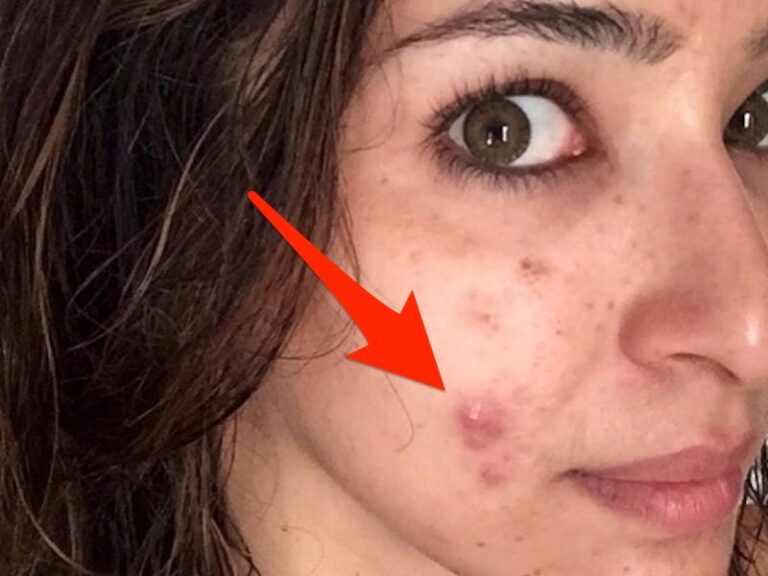
What Is Cystic Acne?

Cystic acne is when you have large, red, painful breakouts deep in your skin.

Pimples start when a pore in your skin gets clogged, usually with dead skin cells. Bacteria can also get trapped, causing the area to become red and swollen.

Cystic acne happens when this infection goes deep into your skin, creating a bump that’s full of pus. It may hurt or itch. If a cyst bursts, the infection can spread, causing more breakouts.

You can treat these breakouts. Don’t try to wait them out. Cystic acne can last for years. It can affect large areas of your skin and leave scars. A dermatologist can help you with a treatment plan

Cystic Acne Causes

Doctors aren’t sure exactly what causes cystic acne.

Hormones called androgens play a role. When you’re a teenager, your androgen levels go up. This leads to changes in your skin that can result in clogged pores and acne.

Other things that can cause acne include:

Read Full Story on Cystic Acne

To know more about Skincare Devices and Beauty’s latest updates, please Like and Follow our Facebook and Instagram accounts…

Also read: Esthetician’s Weapons of Choice – A Complete Guide to Skincare Tools

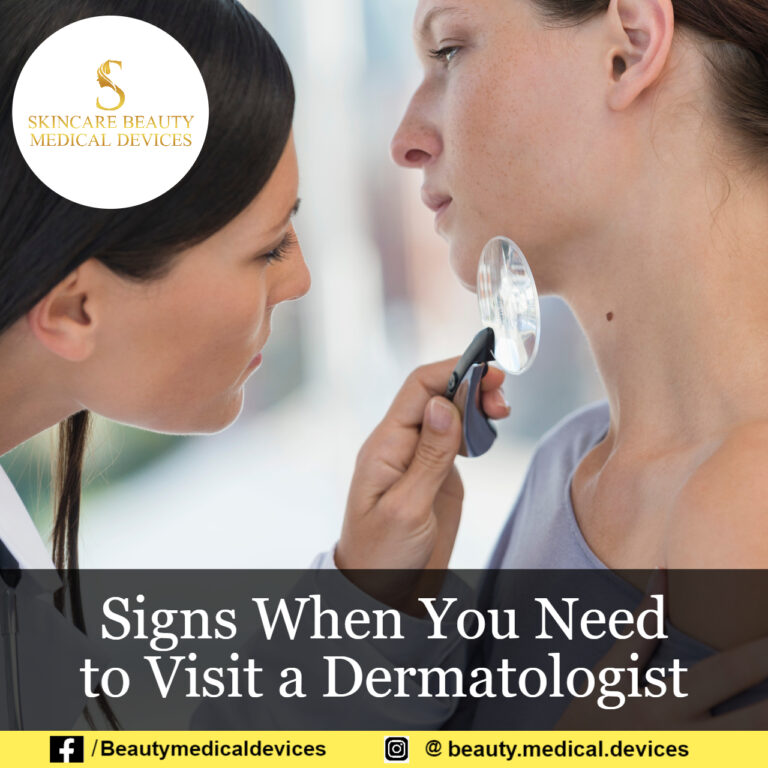
Signs When You Need to Visit a Dermatologist

Acne, rash, dry skin … you’ve likely experienced a skin problem at some point in your life. Many skin, hair, and nail conditions go away with time, but others need treatment from a dermatologist, a doctor who specializes in skincare.

How do you know when it’s time to get help diagnosing, treating, and managing a chronic skin condition? Check this list of the top nine skin, nail, and hair conditions to find out when to call a dermatologist.

A dermatologist can identify and treat more than 3,000 conditions.

Severe Acne

We’ve all had pimples and blackheads, but for many people, over-the-counter remedies simply aren’t effective. If your acne is widespread on your face or body and products from your local drugstore aren’t helping, it’s time to see a doctor. A dermatologist can provide prescription-strength topical and oral medications, as well as more intensive therapies such as chemical peels and laser treatments. Even mild acne can lead to long-lasting scars, so it’s best to begin treatment as soon as possible.

Inflamed, Red Skin

If you have red, itchy, and swollen skin, you may have a condition called eczema. Eczema affects more than 30 million Americans, according to the National Eczema Association, and can include many different types of skin problems. In addition, chronic redness or face flushing may indicate rosacea. Schedule a dermatology consultation if you have dry skin, redness, burning, or pimple-like bumps so your doctor can pinpoint your condition.

Dermatologist is a doctor who specializes in conditions involving the skin, hair, and nails.
A dermatologist is a doctor who specializes in conditions involving the skin, hair, and nails.

Dry Skin Patches

Red, elevated patches of dry or flaky skin anywhere on your body may signal psoriasis. These patches typically appear on your elbows, chest, scalp, knees, and lower back, and can be extremely itchy and painful. Dermatologists treat psoriasis, a chronic autoimmune skin disease, with medications, creams, and ointments, so make an appointment right away to get help.

Skin Growths and Moles

Moles and skin tags can be unpleasant to look at, but they typically don’t require medical treatment. However, if you notice moles or skin growths changing in shape, color, texture, or size, make an appointment to see a dermatologist. Some moles and skin growths develop into skin cancer, so an expert look at a suspicious area could save your life.

Read the Complete Article at sutterhealth.org

To know more about Skincare Devices and Beauty’s latest updates, please Like and Follow our Facebook and Instagram accounts…

Also read: Get Rid of BLACKHEADS: Why Only A Dermatologist Should Do It

A Guide to the Confusing World of Face Acids and Which Ones to Use

The word “acid” conjures up images of bubbling test tubes and thoughts of scary chemical burns. But when used at the right concentrations, acids are actually some of the most beneficial ingredients available in skin care.

They’re the miracle tools used to fight acne, wrinkles, age spots, scarring, and uneven skin tone. But with so many acids on the market, it can seem overwhelming to remember which to use — and for what — and which products to buy. Before all that, you have to know where to start.

The most well-known acne cleanser

Salicylic acid has been around for a long time. It’s well-known for its ability to exfoliate the skin and keep pores clear, which helps reduce acne. You’ll find it in serums and cleansers at concentrations between 0.5 and 2 percent, as well as in spot treatments for breakouts.

Salicylic acid is also used in higher concentrations as a peeling agent for treating acne, acne scars, melasma, sun damage, and age spots in dermatology clinics. It’s so effective that it’s used in wart and corn removal solutions, although it’s still safe to use in pigmentation-prone dark skin. Since it’s related to aspirin (acetylsalicylic acid), it also has anti-inflammatory properties

The fantastic anti-aging weapon

Glycolic acid is the most popular alpha-hydroxy acid (AHA) used in skin care. It comes from sugar cane, and is the smallest AHA, so it’s the most effective at getting into the skin. Glycolic acid is a fantastic anti-aging agent that seems to do it all.

It’s very effective at exfoliating skin and reducing fine linespreventing acne, fading dark spots, increasing skin thickness, and evening out skin tone and texture. So it’s no surprise that you’ll find it in many cult skin care products. It’s commonly found at concentrations below 10 percent.

Read Full Story on Face Acids 

To know more about Skincare Devices and Beauty’s latest updates, please Like and Follow our Facebook and Instagram accounts…

Also read: Esthetician’s Weapons of Choice – A Complete Guide to Skincare Tools

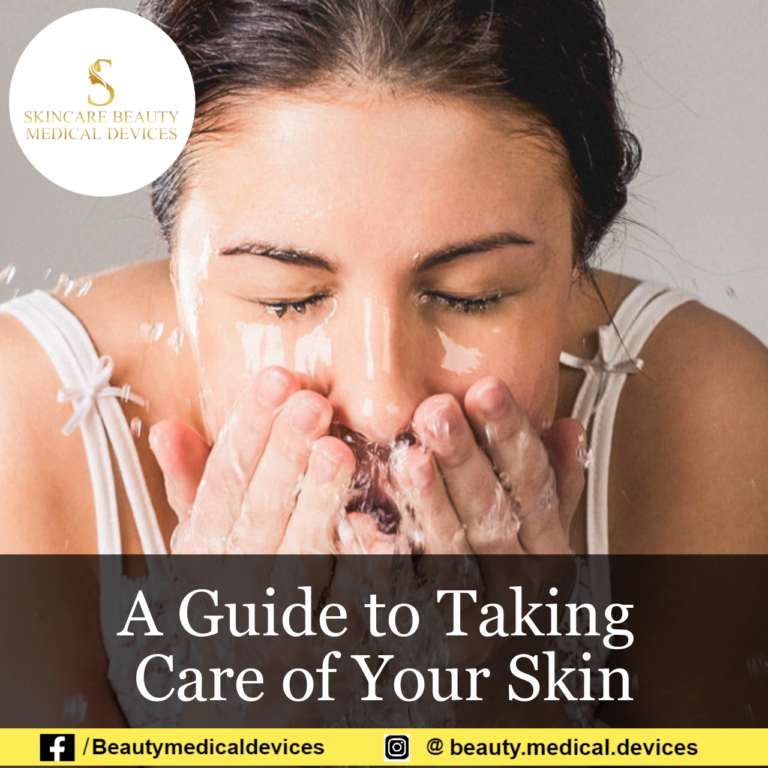
A Guide to Taking Care of Your Skin

Your skin type matters

You may suspect you have dry, oily, or sensitive skin, but do you really know your skin type? Knowing your true skin type can help the next time you’re in the cosmetics aisle. In fact, using the wrong products — or even popularized Internet hacks — for your skin type could worsen acne, dryness, or other skin problems. Skincare guide

Read on to learn:

  • how to build your own skincare routine
  • how to treat specific skin concerns like acne or scars
  • which DIY skin hacks aren’t healthy, even if they seem to work

Building a daily skincare routine
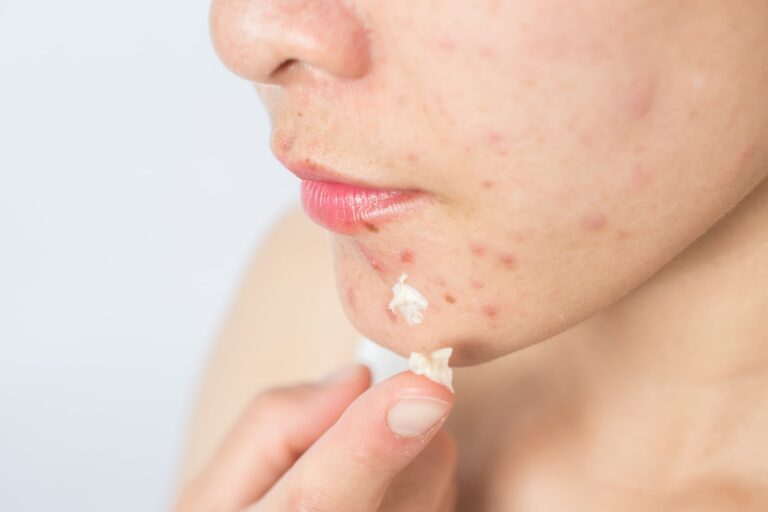
No matter what your skin type is, a daily skincare routine can help you maintain overall skin health and improve specific concerns like acne, scarring, and dark spots. A daily skincare routine has four basic steps you can do once in the morning and once before you sleep.

1. Cleansing: Choose a cleanser that doesn’t leave your skin tight after washing. Clean your face no more than twice a day, or just once, if you have dry skin and don’t wear makeup. Avoid washing for that squeaky-clean feeling because that means your skin’s natural oils are gone. 

2. Serums: A serum with vitamin C or growth factors or peptides would be better in the morning, under sunscreen. At night, retinol or prescription retinoids work best. 

3. Moisturizer: Even oily skin needs moisturizer, but use one that is lightweight, gel-based, and non-comedogenic, or doesn’t block your pores. Dry skin may benefit from more cream-based moisturizers. Most brands will label their products as gel or cream on their packaging.

4. Sunscreen: Apply sunscreen with at least 30 SPF 15 minutes before heading outdoors, as it takes a while for sunscreen to activate. Darker skin tones actually need more sun protection because hyperpigmentation is harder to correct. Try EltaMD’s sunscreen, which offers broad-spectrum UVA/UVB protection and is recommended by the Skin Cancer Foundation.

Choose products that fit your skin type and sensitivity, and remember to read the labels. Some products, such as retinol or prescription retinoids, should only be applied at night.

Read the Complete Article at healthline.com

To know more about Skincare Devices and Beauty’s latest updates, please Like and Follow our Facebook and Instagram accounts…

Also read: Esthetician’s Weapons of Choice – A Complete Guide to Skincare Tools

The Halo LED Sonic Ion Eye Sculptor: Introducing Your New Best Friend

What Is Halo LED Sonic Eye Sculptor?

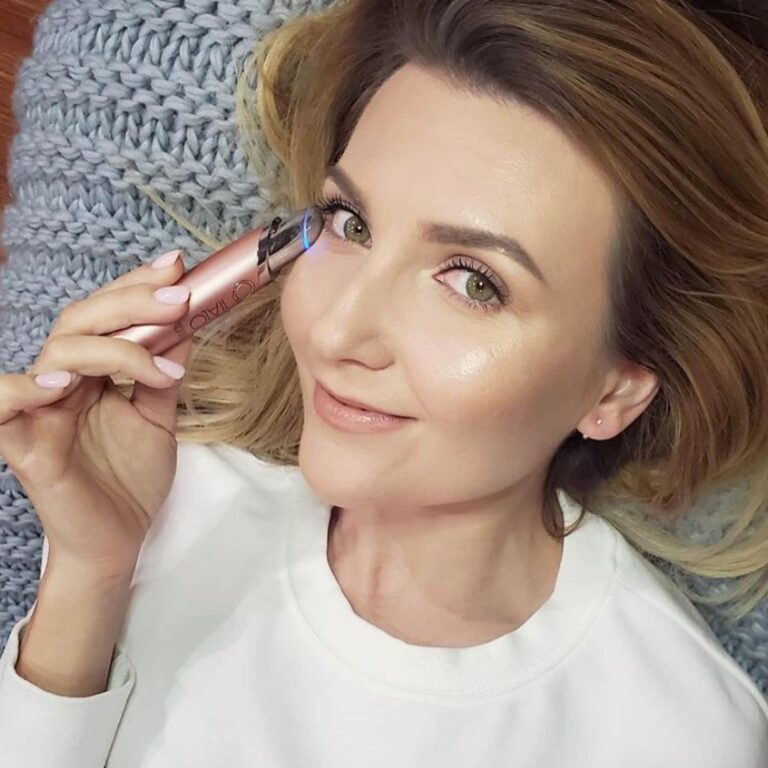
Sleepless nights, work, and stress no longer need to show on your eyes. The Halo LED Sonic Ion Eye Sculptor is the new quick way to fake a full night’s sleep within 5-8 minutes. This tiny miracle device is made to use anywhere and everywhere! At your workspace, vanity or even in bed. This simple to use device will improve the look of fatigue and signs of aging, while instantly revitalizing your entire eye area.

Using 7,200 – 12,000 pulses per minute, the Halo helps your skin absorb your favorite eye cream or serum, pushing it deeper into your skin – something that cannot be achieved with just the tap of your fingertip. We’ve added two different features, red light and blue light, to create the total eye treatment to sooth and rejuvenate. Take your eye regimen to the next level with the Halo, the modern day solution to achieve brighter eyes!

BLUE LIGHT+ ION + VIBRATION

The blue light feature calms and relieves the look of eye fatigue. The 7,200 vibration frequencies per minute + ion feature helps your skin absorb the nutrients in your eye cream or serum and lock in moisture, reducing the loss of water and keeping the skin around the eye area deeply hydrating, which is known to restore elasticity.

RED LIGHT+ ION + VIBRATION + HEAT

The red light feature uses 12,000 pulses per minute to gently sooth and massage the eye area, helping to relieve eye fatigue, puffiness, and dark circles. The firming action can assist in reducing the appearance of fine lines and wrinkles. The heat + ion feature can deeply clean dirt and oils, keeping eyes looking refreshed and rejuvenated.

HOW TO USE

Step 1: Apply your favorite eye cream or serum around the eyes.

Step 2: Remove the cap and press the switch button into the first mode: blue light + ion + low vibrations.

Read Complete Article at Halo LED Eye Sculptor

Also Read: Curling Devices

9 Best Tweezers with LED Light for You to Pluck Hair Easily

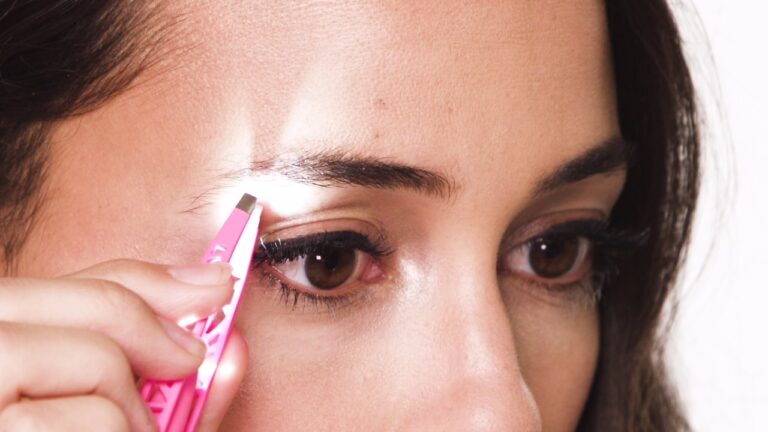
Tweezers with light are a godsend because they make it easier to see what you’re looking at whether you’re plucky hairs, crafting, or trying to remove a pesky sliver.

Plus, tweezers can seem like naturally-occurring inhabitants of bathroom drawers, but tweezers have a shelf-life.

What are The Best Tweezers With Light?

Revlon Spotlight Tweezers with LED Light

Pros:

  • Titanium coated
  • Long-lasting LED
  • Replaceable battery
  • Trusted brand

Cons:

  • LED bulb could be brighter
  • Wider arms would make for a better grip
  • No rubber grip

These Revlon Gold Series Lighted Slant Tweezers are a great example of form and function. The LED light housing is narrow enough to fit between the tweezer arms without being too chunky. The ergonomic pitched arms mean that you have to squeeze far less than with tweezers whose arms are completely straight.

The LED is bright enough to show fine, light hairs and help you pick out those hard to see grey hairs. The LED bulb has a long lifespan and the LR41 watch battery it runs on has cheap replacements available.These tweezers are titanium coated so you know they won’t rust and the metal won’t irritate sensitive skin.

Stainless Steel Makeup Lighted Tweezers

Pros:

  • Stainless steel
  • Affordable
  • Bright, fun colors
  • Textured grip

Cons:

  • Not as high quality as others
  • The color you get is random
  • Not ergonomic

These LED tweezer arms are too thin to be ergonomic but they covered in a neon finish and textured grip.

The light takes three included AG3 batteries which are affordable to replace. The on and off button sits away from the holding area of the tweezers and is raised up to be easy to feel without needing to look. For the price bracket, they’re great tweezers.

Read Complete Article at Tweezers With Light

Also Read: Intimate Hair Removal 

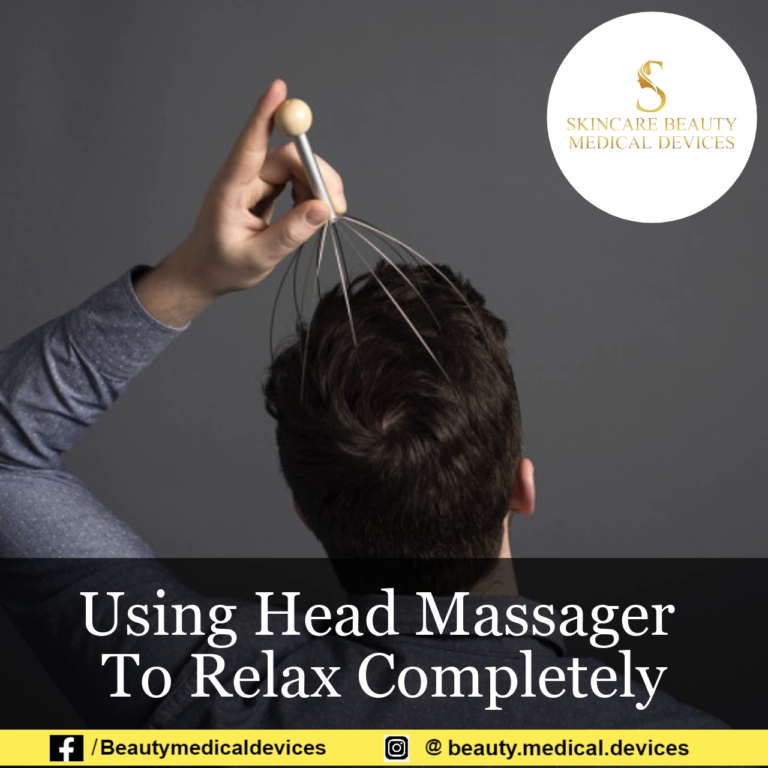
Using Head Massager To Relax Completely

After a frustrating day, it is your most fundamental right to relax completely. It would help if you came up with a complete growth pattern to rest your head. This head massager will give you the use that you will not be able to forget. This massager will help to maximize the blood and growth potential in your head and make your brain active. 

Use

Massagers will allow you to relax completely. It will also maximize your capabilities to concentrate more. This potential feedback will let you come directly in terms of delivering the maximized results and obtaining the right criteria for handling the completed goals in utilizing the resources. 

Benefit

There are different benefits of using a massager. First of all, your head needs to relax to provide more care to all your other organs. As you know, your mind is all connected to other parts of your body. This solution will maximize your potential. 

In conclusion, you must exercise the growth patterns through which you can demonstrate a proper level of acquiring the fastest growth. These are the benefits that you can attain from a head massager to feel relaxed without any further damage completely. 

Also read: What Are the Benefits of a Scalp Massage?

To know more about Skincare Devices and Beauty’s latest updates, please Like and Follow our Facebook and Instagram accounts…

About the author:

Dr. Adeeba Kiran is a Ph.D. in English with nine great years of writing experience. Dr. Kiran has also earned a degree in beauty and cosmetics. She possesses excellent knowledge about skincare and its treatments. Let her experience begin to work for you. 

What Should I Do After Popping a Pimple?

Popping a pimple can cause infection and scarring, and it may make the pimple more inflamed and noticeable. It also delays the natural healing process. Due to this, it is usually best to leave pimples alone.

A person should only try to pop certain types of pimples in a particular way. In this article, we explain what to do and what not to do.

When to pop a pimple

Noninflamed acne includes different types of comedones, which form when plugs of excess oil and dead skin cells become trapped in hair follicles. Examples include blackheads, which are open pores with a black or dark-colored plug on the surface, and whiteheads, which are small bumps with a yellow or white center. Whiteheads form when blocked pores close.

When to leave a pimple alone

Although people can pop some noninflamed whiteheads and blackheads if they take the necessary precautions, they should never try to pop or extract inflamed acne. This type of acne is deeper in the skin and may be more likely to cause scarring and infection if a person tries to squeeze it.

Forms of inflamed acne:

  • Papules: Red, purple, or brown bumps that do not have a whitehead
  • Pustules: Bumps that have a white or yellow center of pus with red, purple, or brown skin around the edges
  • Nodules: Swollen, painful, hard lumps deep in the skin with no whitehead
  • Cysts: Swollen, painful lumps that tend to be red, brown, or purple.

Read Full Story on medicalnewstoday.com


To know more about Skincare Devices and Beauty’s latest updates, please Like and Follow our Facebook and Instagram accounts…

Also read: Top 3 Beauty Tools to Boost Your Skincare Routine