Home Blog Page 12

Treating Rare Skin Diseases by Transplanting Healthy Skin: A Revolutionary Approach

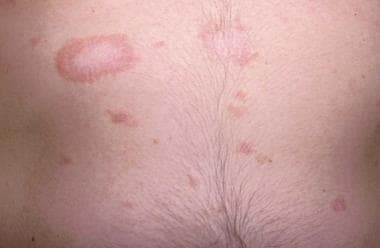
Rare skin diseases often impose a significant burden on those affected, both physically and emotionally. Traditional treatment methods can sometimes fall short, leaving patients in search of more effective solutions. One promising advancement in the field of dermatology is the transplantation of healthy skin to treat these rare conditions. This cutting-edge approach holds great potential for improving the lives of patients with rare skin diseases by addressing the root causes of their conditions.

What Are Rare Skin Diseases?

Rare skin diseases, also known as orphan diseases, are conditions that affect a small percentage of the population but can cause severe symptoms. Some examples include:

  • Epidermolysis Bullosa (EB): A group of genetic conditions causing the skin to be extremely fragile, leading to blistering and tearing from minor friction.
  • Xeroderma Pigmentosum (XP): A genetic disorder causing extreme sensitivity to ultraviolet (UV) rays from sunlight, significantly increasing the risk of skin cancer.
  • Harlequin Ichthyosis: A severe genetic disorder characterized by thickened skin over the entire body that can crack and split.

These diseases often result from genetic mutations that impair the skin’s structure and function, leading to chronic pain, discomfort, and a high risk of infection.

The Science Behind Skin Transplantation

Skin transplantation, or skin grafting, involves transferring healthy skin from one part of the body (or from a donor) to another area affected by disease or injury. This procedure has been successfully used for decades to treat burns and other severe skin injuries. The idea of applying this technique to rare skin diseases is rooted in its potential to replace defective skin with healthy tissue, thereby improving the skin’s integrity and functionality.
Treating Rare Skin Diseases by Transplanting Healthy Skin: A Revolutionary Approach

Advances in Skin Transplantation Techniques

Recent advancements in medical research have significantly enhanced the effectiveness and feasibility of skin transplantation for treating rare skin diseases. Some of these advancements include:

  1. Cultured Epidermal Autografts (CEA): This method involves taking a small sample of the patient’s healthy skin, growing the cells in a laboratory to create large sheets of new skin, and then transplanting these sheets onto the affected areas. CEAs have shown promise for patients with conditions like epidermolysis bullosa, providing durable and functional skin coverage.
  2. Allogeneic Skin Grafts: Skin from a donor can be used temporarily to cover wounds and promote healing in patients with extensive skin damage. While allogeneic grafts are eventually rejected by the recipient’s immune system, they can provide critical support during the initial healing phase.
  3. Bioengineered Skin Substitutes: Advances in tissue engineering have led to the development of synthetic and bioengineered skin substitutes that mimic the properties of natural skin. These substitutes can serve as a scaffold for the patient’s cells to grow on, facilitating the integration of the graft.
  4. Gene Therapy: Combining gene therapy with skin transplantation can correct genetic defects in the harvested skin cells before they are grafted onto the patient. This approach has shown great potential in providing long-lasting solutions for genetic skin disorders.

Success Stories and Clinical Trials

Numerous clinical trials and case studies highlight the success of skin transplantation in treating rare skin diseases. For instance, a 2017 study reported the successful treatment of a young boy with severe junctional epidermolysis bullosa. Researchers used genetically modified skin grafts, corrected for the genetic mutation causing his condition. The transplanted skin resulted in significant healing and dramatically improved the boy’s quality of life.

Additionally, bioengineered skin substitutes have been effectively used to treat patients with extensive burns and congenital skin disorders, offering improved wound healing and reduced infection risks.

Challenges and Future Prospects

Despite the promising results, several challenges remain in the widespread adoption of skin transplantation for rare skin diseases. These include:

  • Immune Rejection: Allogeneic grafts can be rejected by the recipient’s immune system, limiting their long-term use.
  • Durability of Grafts: Ensuring the long-term functionality and durability of transplanted skin remains a critical area of research.
  • Cost and Accessibility: The high cost of these advanced treatments can be a barrier for many patients.

Future research aims to address these challenges by developing more effective and affordable solutions. This includes the exploration of advanced biomaterials, stem cell therapies, and personalized medicine approaches tailored to individual genetic profiles.

For more  Skincare news and Beauty latest updates please Like and Follow our Facebook Page and Instagram account…
Conquer Dry, Flaky, and Itchy Scalp Woes: Understanding Causes and Simple Home Remedies

0

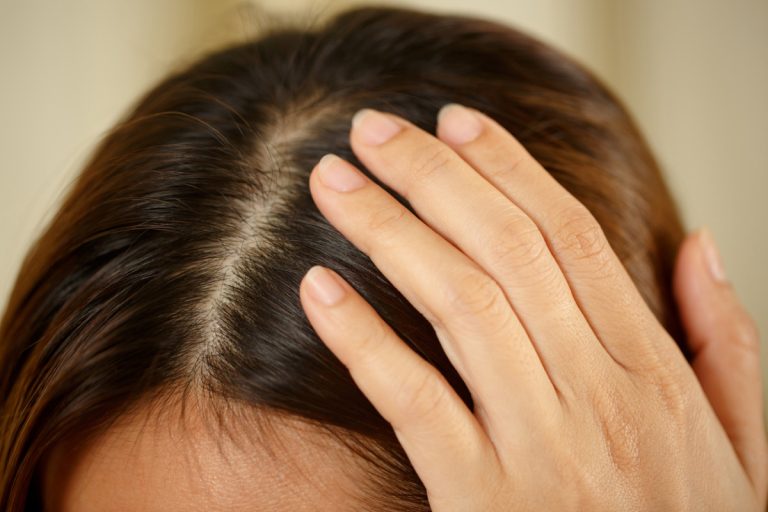
A dry, flaky, and itchy scalp can be not only uncomfortable but also embarrassing, affecting your confidence and overall well-being. Whether you’re constantly scratching your head or dealing with pesky white flakes on your shoulders, these symptoms can indicate an underlying issue that requires attention. In this article, we’ll explore the common causes of dry, flaky, and itchy scalp and share simple yet effective home remedies to help alleviate discomfort and restore scalp health.

Understanding the Causes

  1. Dry Skin: Just like the skin on the rest of your body, your scalp can become dry due to factors such as cold weather, low humidity, harsh hair products, or excessive washing. Dry scalp can lead to itchiness and flakiness, similar to dandruff.
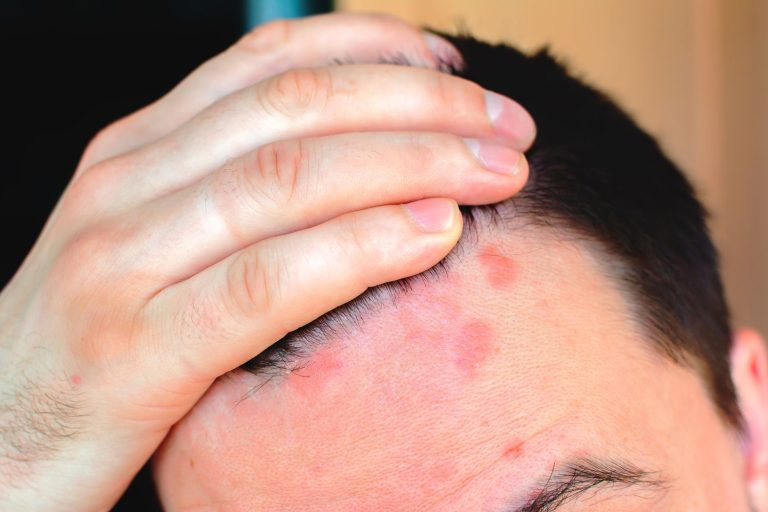
  2. Seborrheic Dermatitis: This common skin condition causes red, itchy, and flaky patches on the scalp, eyebrows, and other oily areas of the body.
  3. Psoriasis: Psoriasis is a chronic autoimmune condition that causes rapid skin cell turnover, leading to thick, scaly patches on the scalp and other areas of the body. It can cause intense itching and discomfort, and may also affect the nails and joints.
  4. Contact Dermatitis: Irritation or allergic reactions to hair care products, such as shampoos, conditioners, or styling products, can result in redness, itching, and flaking of the scalp.

Simple Home Remedies

  1. Tea Tree Oil: Known for its antimicrobial and anti-inflammatory properties, tea tree oil can help soothe itching and reduce flakiness associated with dry scalp conditions. Dilute a few drops of tea tree oil with a carrier oil, such as coconut or olive oil, and massage into the scalp. Leave it on for 20–30 minutes before rinsing thoroughly.
  2. Apple Cider Vinegar Rinse: Apple cider vinegar helps balance the pH of the scalp and has antifungal properties that can help combat dandruff and seborrheic dermatitis. Mix equal parts apple cider vinegar and water and apply the solution to the scalp after shampooing. Leave it on for a few minutes before rinsing thoroughly with water.
  3. Aloe Vera Gel: Aloe vera has soothing and moisturizing properties that can help alleviate itching and reduce inflammation on the scalp. Apply fresh aloe vera gel directly to the scalp and leave it on for 30 minutes to an hour before rinsing off with lukewarm water. Conquer Dry, Flaky, and Itchy Scalp Woes: Understanding Causes and Simple Home Remedies
  4. Coconut Oil Massage: Coconut oil is rich in fatty acids that help hydrate and nourish the scalp, reducing flakiness and itching. Warm up coconut oil slightly and massage it into the scalp using circular motions. Leave it on overnight for maximum benefits, then shampoo as usual in the morning.
  5. Oatmeal Mask: Oatmeal has anti-inflammatory properties that can help calm itching and irritation on the scalp. Blend oats into a fine powder and mix with water to form a thick paste. Apply the oatmeal mask to the scalp and leave it on for 20–30 minutes before rinsing off with lukewarm water.

Prevention Tips

  • Use a Gentle Shampoo: Opt for mild, sulfate-free shampoos that are gentle on the scalp and avoid harsh ingredients that can strip away natural oils.
  • Limit Heat Styling: Excessive heat styling can dry out the scalp and exacerbate flakiness and itching. Minimize the use of hot tools and protect the scalp with a heat protectant spray when styling.
  • Stay Hydrated: Drink plenty of water to keep your body and scalp hydrated from the inside out.
  • Protect Your Scalp: Wear a hat or use sunscreen to protect your scalp from sun exposure, which can worsen dryness and irritation.

Conclusion

Dealing with a dry, flaky, and itchy scalp can be frustrating, but with the right approach, you can find relief and restore scalp health. By understanding the underlying causes and incorporating simple home remedies into your routine, you can soothe irritation, reduce flakiness, and promote a healthier scalp. If symptoms persist or worsen despite home treatment, consult a dermatologist for further evaluation and personalized care.

For more Skincare news and Beauty latest updates please Like and Follow our Facebook Page and Instagram account…

Exploring the Ancient Healing Art of Cupping Therapy

0

Cupping therapy, an ancient healing practice that dates back thousands of years, has recently gained popularity as a natural alternative for addressing various health concerns and promoting overall well-being. Originating in traditional Chinese medicine (TCM), cupping involves placing cups on the skin to create suction, which is believed to help stimulate blood flow, relieve muscle tension, and promote healing. In this article, we’ll delve into the fascinating world of cupping therapy, exploring its history, techniques, benefits, and potential applications.

History and Origins of Cupping Therapy

Cupping therapy has been practiced for centuries in cultures around the world, including China, Egypt, Greece, and the Middle East. The earliest recorded use of cupping dates back to ancient Egyptian, Chinese, and Greek civilizations, where it was employed as a therapeutic technique to treat various ailments and promote healing.

In traditional Chinese medicine (TCM), cupping is based on the concept of “qi” (pronounced “chee”), or vital energy, which flows through the body along pathways known as meridians. It is believed that blockages or imbalances in the flow of qi can lead to pain, illness, and disease. By applying cups to specific acupuncture points or areas of the body, cupping aims to restore the balance of qi, promote the flow of blood and energy, and stimulate the body’s natural healing mechanisms.

Techniques and Methods of Cupping Therapy

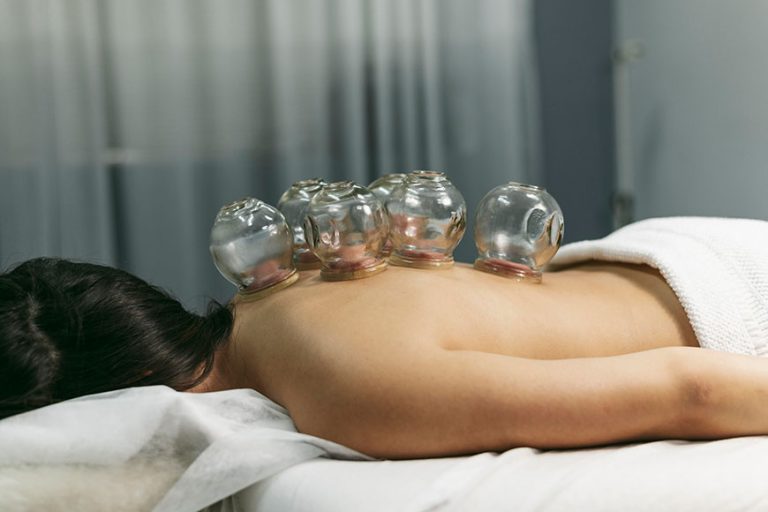
Cupping therapy involves the use of special cups, typically made of glass, silicone, or plastic, that create suction when applied to the skin. There are several techniques used in cupping therapy, including:

  • Dry Cupping: In dry cupping, the cups are placed directly on the skin and suction is created by heating the air inside the cup or using a mechanical pump.
  • Wet Cupping: Wet cupping, also known as “hijama” in Arabic, involves making small incisions on the skin before applying the cups to draw out a small amount of blood. This technique is believed to remove toxins from the body and promote detoxification.
  • Fire Cupping: Fire cupping is a traditional method that involves briefly heating the inside of the cup with a flame before placing it on the skin. As the air inside the cup cools, it creates suction, drawing the skin upwards into the cup.
  • Moving Cupping: In moving cupping, oil or lotion is applied to the skin to create a slippery surface, allowing the cups to be moved around the body in a gliding motion. This technique is often used to massage and release tension in muscles and fascia.

Exploring the Ancient Healing Art of Cupping Therapy

Benefits of Cupping Therapy

It is believed to offer a wide range of health benefits, including:

  1. Pain Relief: Cupping can help relieve muscle tension, reduce inflammation, and alleviate pain associated with conditions such as back pain, neck pain, and headaches.
  2. Improved Circulation: By promoting blood flow and lymphatic drainage, cupping therapy can enhance circulation, oxygenation, and nutrient delivery to tissues and organs throughout the body.
  3. Stress Reduction: Cupping has a calming and relaxing effect on the nervous system, making it an effective therapy for reducing stress, anxiety, and tension.
  4. Detoxification: Wet cupping is believed to help remove toxins and impurities from the body by drawing out stagnant blood and promoting the elimination of waste products through the skin.
  5. Enhanced Immunity: Cupping therapy is thought to stimulate the immune system and support the body’s natural defense mechanisms, helping to prevent illness and promote overall health and well-being.

Potential Applications of Cupping Therapy

Cupping therapy can be used to address a variety of health concerns and conditions, including:

  • Musculoskeletal pain and injuries
  • Respiratory conditions such as asthma and bronchitis
  • Digestive disorders such as irritable bowel syndrome (IBS) and constipation
  • Skin conditions such as acne, eczema, and psoriasis
  • Circulatory disorders such as hypertension and varicose veins
  • Women’s health issues, such as menstrual cramps and infertility

Conclusion

Cupping therapy offers a time-honored approach to healing and wellness, with a rich history spanning cultures and civilizations around the world. Whether used to alleviate pain, improve circulation, reduce stress, or promote detoxification, cupping has the potential to enhance both physical and emotional well-being. While more research is needed to fully understand the mechanisms and efficacy of cupping therapy, many individuals have experienced firsthand the benefits of this ancient healing art. If you’re curious about cupping therapy, consider consulting with a qualified practitioner to explore how it may complement your health and wellness journey.

For more Skincare news and Beauty latest updates please Like and Follow our Facebook Page and Instagram account…
Exploring the Benefits of Anti-Aging Skin Tightening Devices

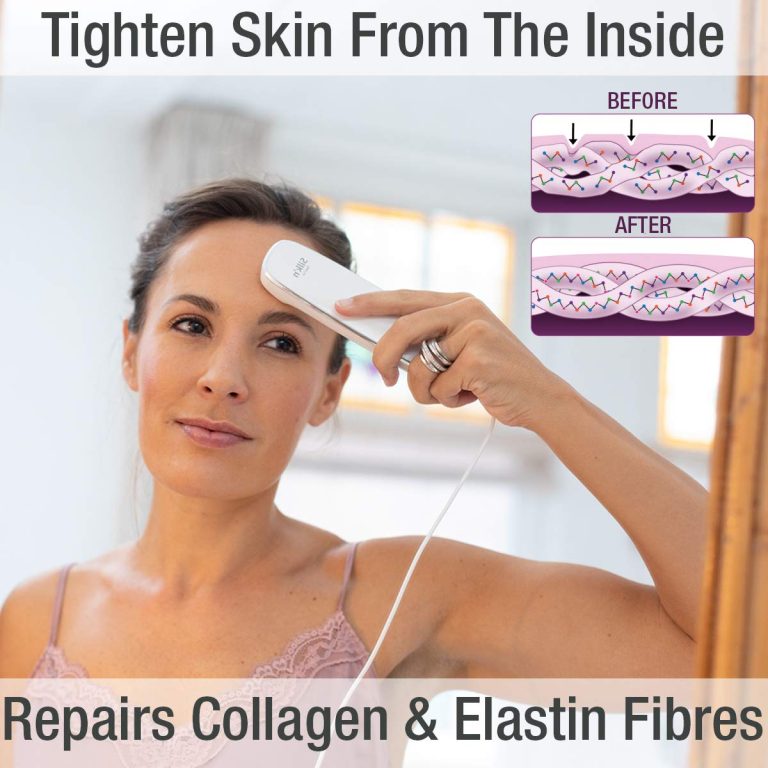
Anti-aging skin tightening devices utilize advanced technology to deliver targeted energy to the deeper layers of the skin, where collagen and elastin fibers are located. By emitting specific wavelengths of light, radiofrequency energy, or ultrasound waves, these devices stimulate cellular regeneration and promote collagen synthesis, resulting in tighter, firmer skin and a more youthful appearance. Unlike surgical procedures such as facelifts or thread lifts, which involve incisions and downtime, it offers a non-invasive and painless alternative for achieving noticeable results with minimal risk and no recovery time.

The Benefits of Anti-Aging Skin Tightening Devices

  1. Stimulate Collagen Production: Collagen is a crucial protein responsible for maintaining skin firmness and elasticity. As we age, collagen production naturally declines, leading to sagging and a loss of skin tone. It works by stimulating collagen production, helping to restore skin firmness and improve overall texture and tone.
  2. Improve Skin Elasticity: In addition to boosting collagen synthesis, anti-aging skin tightening devices also enhance skin elasticity, resulting in a firmer, more resilient complexion. By promoting elastin production and strengthening the skin’s supportive structure, these devices help to reduce the appearance of fine lines, wrinkles, and sagging skin, leaving you with a smoother and more youthful appearance.
  3. Reduce Fine Lines and Wrinkles: One of the most noticeable effects of aging is the development of fine lines and wrinkles. Anti-aging skin tightening devices target these common concerns by smoothing out wrinkles, softening fine lines, and restoring a more youthful contour to the face. With regular use, these devices can help minimize the visible signs of aging and rejuvenate the complexion for a more radiant and youthful appearance.
  4. Non-Invasive and Painless: Unlike surgical procedures or injectable treatments, which can be invasive and uncomfortable, anti-aging skin tightening devices offer a painless and non-invasive solution for achieving tighter, firmer skin. The treatments are typically well-tolerated, with minimal discomfort and no need for anesthesia or downtime, making them an attractive option for individuals seeking natural-looking results without the risks or complications associated with surgery.
  5. Convenient and Customizable: Anti-aging skin tightening devices are designed for use at home, providing a convenient and customizable solution for incorporating skincare into your daily routine. With adjustable settings and treatment protocols, you can personalize your skincare regimen to address your specific concerns and achieve optimal results. Whether you’re targeting fine lines, sagging skin, or overall texture and tone, these devices offer flexibility and versatility to meet your skincare needs.

Exploring the Benefits of Anti-Aging Skin Tightening Devices

How Anti-Aging Skin Tightening Devices Work

Anti-aging skin tightening devices utilize various technologies, including radiofrequency, ultrasound, and light therapy, to deliver targeted energy to the deeper layers of the skin. Depending on the specific device and treatment modality, the energy penetrates the skin to stimulate collagen production, promote cellular regeneration, and tighten the skin’s supportive structure. Over time, this leads to visible improvements in skin firmness, elasticity, and texture, resulting in a more youthful and radiant complexion.

Conclusion

Anti-aging skin tightening devices represent a revolutionary advancement in skincare technology, offering a non-invasive and effective solution for rejuvenating the complexion and combating the signs of aging. By stimulating collagen production, improving skin elasticity, and reducing the appearance of fine lines and wrinkles, these innovative devices empower individuals to achieve smoother, firmer, and more youthful-looking skin from the comfort of their homes. Embrace the transformative benefits of anti-aging skin tightening devices and unlock the secret to ageless beauty and radiant confidence.

For more Skincare news and Beauty latest updates please Like and Follow our Facebook Page and Instagram account…

Revitalize Your Skin: Harness Harmonized Energy Technology

In the quest for youthful and radiant skin, technological advancements continue to revolutionize the beauty industry. Among the latest innovations is the emergence of Harmonized Energy Technology (HET) devices, which offer a non-invasive and effective solution for lifting and tightening the skin. Harnessing the power of harmonized energy frequencies, these cutting-edge devices stimulate collagen production, improve skin elasticity, and enhance overall skin tone. In this article, we’ll delve into the transformative benefits of HET devices and how they can rejuvenate your appearance for a more youthful and radiant complexion.

Understanding Harmonized Energy Technology

Harmonized Energy Technology (HET) is a revolutionary approach to skincare that utilizes advanced energy frequencies to rejuvenate and revitalize the skin. By emitting specific wavelengths of light, radiofrequency, or ultrasound energy, HET devices target the deeper layers of the skin, stimulating cellular regeneration and promoting collagen synthesis. This innovative technology works in harmony with the body’s natural processes to deliver visible results with minimal discomfort or downtime.

The Benefits of HET Devices for Skin Tightening and Lifting

  1. Increased Collagen Production: Collagen is a key protein responsible for maintaining skin firmness and elasticity. As we age, collagen production naturally declines, leading to sagging and a loss of skin tone. HET devices stimulate collagen production, helping to restore skin firmness and improve overall texture and tone.
  2. Improved Skin Elasticity: By promoting collagen synthesis and elastin production, HET devices enhance skin elasticity, resulting in a firmer, more resilient complexion. This helps to minimize the appearance of fine lines, wrinkles, and sagging skin, leaving you with a smoother and more youthful appearance.
  3. Non-Invasive and Painless: Unlike surgical procedures such as facelifts or thread lifts, which involve incisions and downtime, HET devices offer a non-invasive and painless alternative for skin tightening and lifting. The treatments are typically comfortable and well-tolerated, with minimal side effects and no need for anesthesia or recovery time.
  4. Customized Treatment Options: HET devices come in various forms, including laser, radiofrequency, and ultrasound technologies, each offering unique benefits for skin tightening and lifting. Depending on your specific concerns and skincare goals, your skincare professional can recommend the most suitable HET device and treatment protocol to achieve optimal results.
  5. Long-lasting Results: With regular treatments and proper skincare maintenance, the results of HET devices can be long-lasting, providing ongoing improvement in skin firmness and tightness over time. While individual results may vary, many individuals experience noticeable improvements after just a few sessions, with continued enhancement with subsequent treatments.

Revitalize Your Skin: Harness Harmonized Energy Technology

How HET Devices Work

HET devices work by delivering targeted energy to the deeper layers of the skin, where collagen and elastin fibers are located. Depending on the specific technology used, this energy may be in the form of light, radiofrequency, or ultrasound waves. By heating the dermal layers of the skin, HET devices stimulate collagen production and remodeling, leading to skin tightening and lifting effects.

Conclusion

Harmonized Energy Technology devices represent a groundbreaking advancement in non-invasive skincare, offering a safe, effective, and painless solution for skin tightening and lifting. By harnessing the power of advanced energy frequencies, these innovative devices stimulate collagen production, improve skin elasticity, and rejuvenate the complexion for a more youthful and radiant appearance. Whether you’re seeking to combat the signs of aging or enhance your natural beauty, HET devices provide a transformative solution that can help you achieve your skincare goals with confidence and ease.

For more Skincare news and Beauty latest updates please Like and Follow our Facebook Page and Instagram account…
Embrace Confidence: The Transformative Power of Facial Trimmers for Facial Hair Removal

0

Unwanted facial hair can be a source of frustration and self-consciousness for many individuals, impacting confidence and hindering one’s appearance. Fortunately, facial trimmers offer a revolutionary solution for effective and pain-free facial hair removal, empowering you to take control of your grooming routine and achieve smooth, flawless skin with ease. In this article, we’ll explore the compelling reasons why investing in a facial trimmer is a game-changer for facial hair removal and how it can transform your confidence and overall outlook.

1. Effortless Precision

Facial trimmers are meticulously designed to provide unparalleled precision and control, allowing you to target specific areas of the face with ease. Whether you’re shaping eyebrows, sculpting a clean jawline, or removing fine facial hair, a facial trimmer enables you to achieve precise results without the hassle or guesswork, ensuring a polished and well-groomed appearance every time.

2. Versatility for Every Need

Gone are the days of juggling multiple grooming tools for different tasks—facial trimmers offer unparalleled versatility to cater to all your facial hair removal needs. With various attachments and adjustable settings, you can effortlessly switch between trimming, shaping, and detailing, customizing your grooming routine to achieve the desired look effortlessly and conveniently.

3. Gentle and Pain-Free

Say goodbye to the discomfort and irritation associated with traditional hair removal methods—facial trimmers provide a gentle and pain-free alternative that is ideal for even the most sensitive skin. Featuring hypoallergenic blades and gentle cutting mechanisms, facial trimmers glide smoothly over the skin, minimizing the risk of irritation or redness and ensuring a comfortable grooming experience every time.

4. Time-Saving Convenience

In today’s fast-paced world, time is of the essence, and facial trimmers offer a convenient solution for quick and efficient grooming on the go. Whether you’re getting ready for work in the morning or freshening up before a night out, a facial trimmer allows you to achieve smooth, hair-free skin in a matter of minutes, saving you valuable time and streamlining your grooming routine for maximum efficiency.

Embrace Confidence: The Transformative Power of Facial Trimmers for Facial Hair Removal

5. Cost-Effective Long-Term Solution

While the initial investment in a quality facial trimmer may seem daunting, it’s important to consider the long-term savings compared to other hair removal methods. Unlike disposable razors or salon treatments that require ongoing purchases or appointments, a facial trimmer is a one-time investment that can last for years with proper care, ultimately saving you money in the long run and offering unbeatable value for your grooming needs.

6. Empowering Confidence and Self-Expression

Investing in a facial trimmer isn’t just about removing unwanted facial hair—it’s about embracing confidence, self-expression, and individuality. By taking control of your grooming routine and achieving the desired look with ease, a facial trimmer empowers you to feel confident and comfortable in your own skin, allowing your unique personality and style to shine through and leaving you ready to face the world with renewed confidence and self-assurance.

Conclusion

Facial trimmers are a transformative tool that offers unparalleled precision, versatility, and convenience for facial hair removal. With gentle and pain-free grooming, time-saving efficiency, and cost-effective long-term benefits, facial trimmers empower you to take control of your grooming routine and embrace confidence like never before. Say goodbye to unwanted facial hair and hello to smooth, flawless skin with the transformative power of facial trimmers—your key to unlocking confidence and embracing your best self.

For more Skincare news and Beauty latest updates please Like and Follow our Facebook Page and Instagram account…

Demystifying Ingrown Toenail Removal: A Comprehensive Guide

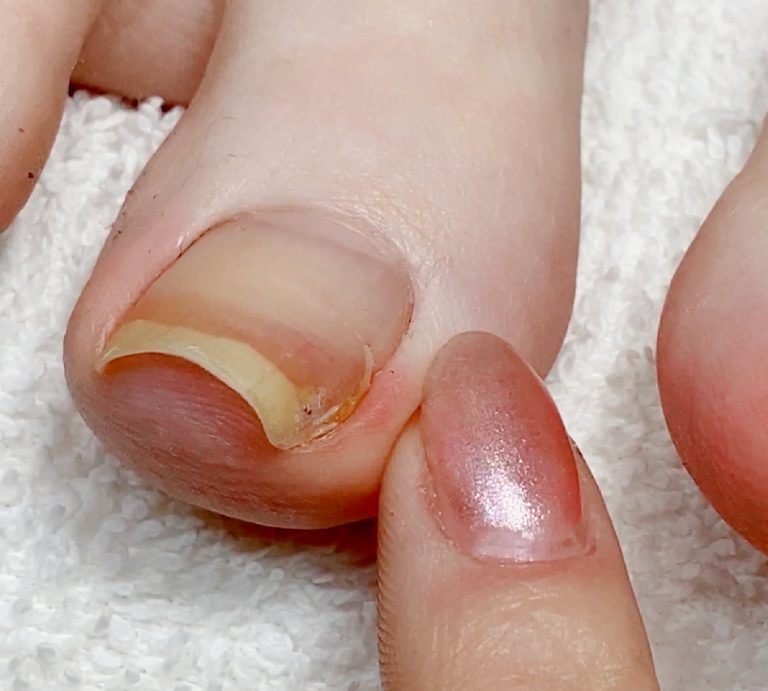
An ingrown toenail occurs when the edge or corner of a toenail grows into the adjacent skin, leading to pain, redness, swelling, and potential infection. Contributing factors include improper nail trimming, tight footwear, trauma, genetic predisposition, and underlying medical conditions such as fungal infections or nail abnormalities.

When Is Removal Necessary?

While mild cases of ingrown toenails may respond to home remedies such as warm soaks and proper nail trimming, severe or recurrent cases often require professional treatment. Removal may be recommended if:

  • The ingrown toenail is causing persistent pain or discomfort.
  • The ingrown toenail is accompanied by signs of infection, such as pus or drainage.
  • Conservative treatments have been unsuccessful in alleviating symptoms.
  • The ingrown toenail recurs frequently despite attempts to prevent it.

Types of Ingrown Toenail Removal

  1. Partial Nail Avulsion: This common procedure involves removing a portion of the affected toenail, usually the problematic edge or corner. After numbing the toe with a local anesthetic, the healthcare provider carefully trims or lifts the ingrown portion of the nail using specialized instruments.
  2. Total Nail Avulsion: In more severe cases or when the ingrown toenail recurs frequently, a total nail avulsion may be recommended. This procedure involves removing the entire toenail, allowing the affected area to heal and preventing future ingrowth.

The Removal Procedure

  1. Preparation: Before the procedure, the healthcare provider will review your medical history and assess the severity of the ingrown toenail. They may also administer a local anesthetic to numb the toe and minimize discomfort during the procedure.
  2. Nail Removal: Using sterile instruments, the healthcare provider will carefully trim or lift the ingrown portion of the toenail. In some cases, a chemical called phenol may be applied to the nail bed to prevent regrowth of the ingrown portion.
  3. Post-Procedure Care: After the ingrown toenail removal, the toe may be bandaged, and specific post-procedure instructions will be provided. These may include keeping the toe clean and dry, applying topical antibiotics, and wearing open-toed shoes to promote healing.

 Demystifying Ingrown Toenail Removal: A Comprehensive Guide

Recovery and Aftercare

  • It’s normal to experience mild discomfort, swelling, and drainage in the days following ingrown toenail removal. Over-the-counter pain relievers and cold compresses can help alleviate these symptoms.
  • Keep the toe clean and dry to prevent infection. Avoid soaking the foot in water for prolonged periods, and change dressings regularly.
  • Follow any instructions provided by your healthcare provider regarding wound care, activity restrictions, and follow-up appointments.
  • It may take several weeks for the toe to fully heal, during which time you should avoid activities that put undue pressure on the affected area.

When to Seek Medical Attention

While ingrown toenail removal is generally safe and effective, it’s essential to monitor the toe for signs of complications, including:

  • Excessive bleeding or drainage from the surgical site.
  • Persistent pain, redness, or swelling that worsens over time.
  • Signs of infection, such as increased warmth, redness, or pus.
  • Difficulty walking or performing daily activities due to pain or discomfort.

If you experience any of these symptoms, contact your healthcare provider promptly for further evaluation and treatment.

Conclusion

Ingrown toenail removal is a common procedure performed to alleviate pain, discomfort, and potential complications associated with ingrown toenails. Whether partial or total nail avulsion is required, the goal is to safely and effectively address the underlying problem while promoting healing and preventing recurrence. By understanding the procedure, adhering to post-treatment care instructions, and seeking prompt medical attention if needed, you can ensure a smooth recovery and enjoy improved foot health in the long run.

For more Skincare news and Beauty latest updates please Like and Follow our Facebook Page and Instagram account…
Unlocking Youthful Radiance: The Hyaluron Pen Treatment Explained

0

In the ever-evolving world of skincare, advancements are continually being made to provide innovative solutions for common concerns. One such breakthrough is the Hyaluron Pen Treatment, a non-invasive procedure that has been gaining popularity for its ability to rejuvenate the skin and enhance its appearance. Let’s delve into what this treatment entails and why it’s creating a buzz in the beauty industry.

What is the Hyaluron Pen Treatment?

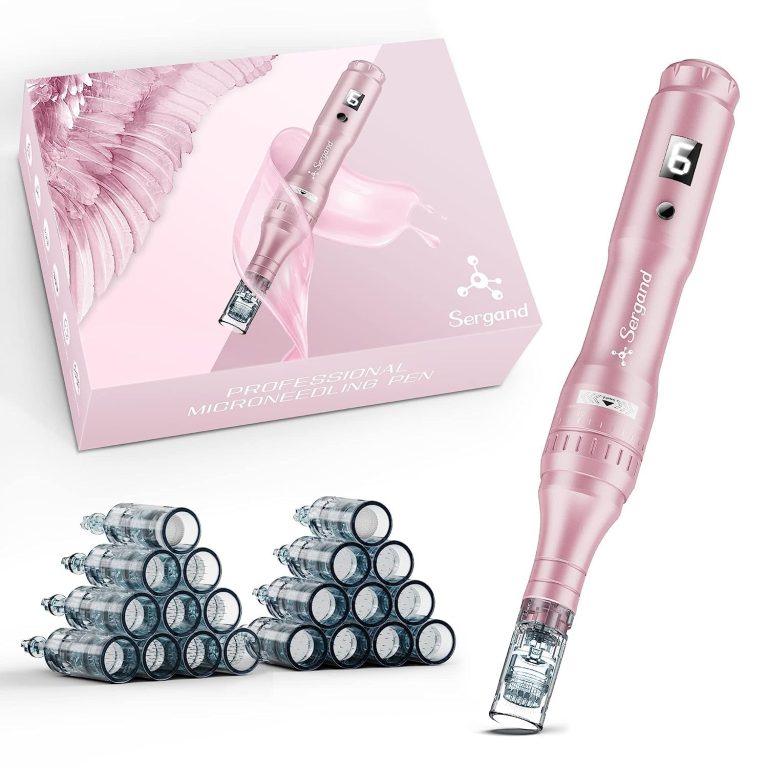
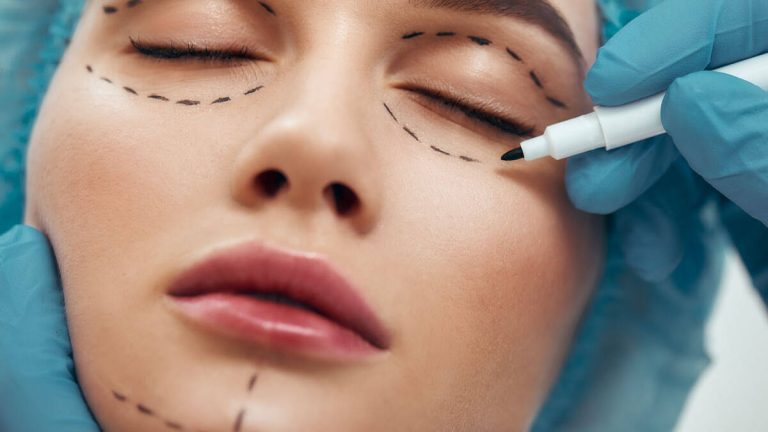
The Hyaluron Pen Treatment is a non-surgical cosmetic procedure designed to deliver hyaluronic acid—a naturally occurring substance in the body—into the skin without needing needles. Instead, the treatment utilizes a specialized device known as a hyaluron pen, which uses pressure to administer hyaluronic acid filler into the skin through a fine stream.

How does it work?

Unlike traditional dermal filler injections that require needles, the Hyaluron Pen Treatment utilizes a pen-like device equipped with a spring and piston mechanism. When the pen is pressed against the skin, it generates enough pressure to propel the hyaluronic acid filler into the epidermal and superficial dermal layers, where it helps to hydrate, plump, and rejuvenate the skin.

Unlocking Youthful Radiance: The Hyaluron Pen Treatment Explained

Benefits of the Hyaluron Pen Treatment:

  1. Natural Results: Hyaluronic acid is a substance that naturally occurs in the skin, making it well-tolerated by most individuals. It provides natural-looking results, enhancing facial contours, smoothing fine lines, and restoring youthful volume without appearing overly artificial.
  2. Versatility: It can be used to address various skincare concerns, including plumping lips, smoothing wrinkles and fine lines, adding volume to cheeks, and rejuvenating the overall appearance of the skin. It offers versatility in targeting specific areas of concern to achieve personalized results.
  3. Quick and Convenient: The procedure is relatively quick, typically taking around 30 to 60 minutes to complete, depending on the areas being treated. Since there is minimal downtime involved, patients can resume their daily activities immediately after the treatment.
  4. Gradual Results: While some immediate improvement may be visible after the treatment, the full effects of the Hyaluron Pen Treatment are usually seen within a few days as the hyaluronic acid integrates with the skin, resulting in a smoother, more radiant complexion over time.

Precautions and Considerations:

  • While the Hyaluron Pen Treatment is generally safe, it’s essential to undergo the procedure with a trained and experienced practitioner who can ensure proper technique and hygiene standards.
  • Individuals with a history of allergies or sensitivity to hyaluronic acid should consult with a healthcare professional before undergoing the treatment.
  • Results may vary from person to person, and maintenance treatments may be required to sustain the effects over time.

In conclusion, the Hyaluron Pen Treatment represents a significant advancement in skincare technology, offering a safe, effective, and minimally invasive solution for enhancing the appearance of the skin. With its ability to deliver natural-looking results and address various concerns, it has quickly become a sought-after option for individuals looking to rejuvenate their skin without the need for needles or downtime. As with any cosmetic procedure, it’s essential to consult with a qualified professional to determine if it is suitable for your skincare needs.

For more Skincare news and Beauty latest updates please Like and Follow our Facebook Page and Instagram account…

Exploring Leech Therapy: A Traditional Approach to Pain Management

Leech therapy, an ancient healing technique, has experienced a resurgence in popularity in recent years as people seek alternative methods for managing pain and promoting wellness. Dating back thousands of years, it has been utilized in various cultures for its purported medicinal properties. In this article, we delve into the origins, process, benefits, and considerations of leech therapy to provide a comprehensive understanding of this intriguing practice.

Origins of Leech Therapy:

The use of leeches in healing practices can be traced back to ancient civilizations, including ancient Egypt, Mesopotamia, and India. Historically, leeches were believed to possess therapeutic properties and were employed to treat a wide range of ailments, including arthritis, skin diseases, and even mental health disorders.

The Process of Leech Therapy:

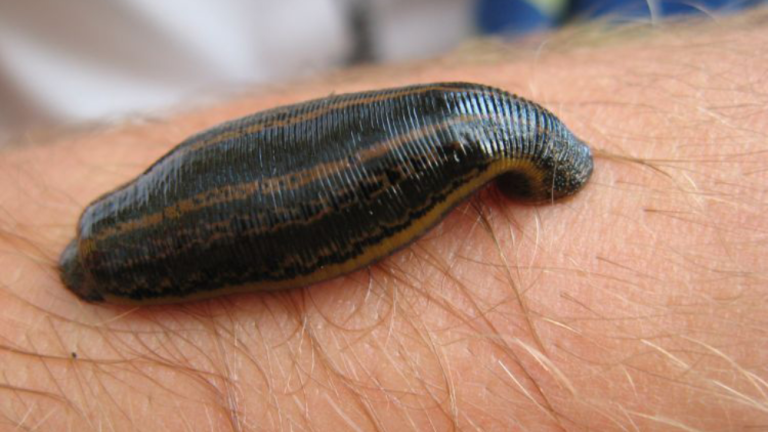
Leech therapy, also known as hirudotherapy, involves the application of medicinal leeches to specific areas of the body. The leeches are carefully placed on the skin, where they attach themselves and begin to feed on the blood of the host. During this process, the leeches secrete saliva containing bioactive compounds, including anticoagulants, vasodilators, and anti-inflammatory agents, which are believed to have therapeutic effects.

Exploring Leech Therapy: A Traditional Approach to Pain Management

Benefits of Leech Therapy:

  1. Pain Management: One of the primary benefits attributed to this therapy is its potential for pain relief. The anticoagulant and anti-inflammatory properties of leech saliva may help alleviate pain associated with conditions such as arthritis, migraine headaches, and musculoskeletal injuries.
  2. Improved Circulation: Leeches have been shown to stimulate blood flow to the affected area, promoting circulation and aiding in the delivery of oxygen and nutrients to tissues. This enhanced circulation may facilitate the healing process and reduce swelling and inflammation.
  3. Wound Healing: It has been used as a complementary treatment for promoting wound healing, particularly in cases of skin grafts, burns, and venous insufficiency ulcers. The enzymes present in leech saliva may help to clean wounds, prevent infection, and stimulate tissue regeneration.
  4. Detoxification: Some proponents of leech therapy believe that it can aid in detoxification by removing impurities and toxins from the bloodstream. However, scientific evidence supporting this claim is limited, and further research is needed to validate its efficacy.

Considerations and precautions:

While leech therapy may offer potential benefits, there are several considerations and precautions to keep in mind:

  1. Safety: It is essential to seek treatment from a qualified healthcare practitioner experienced in this therapy to ensure safe and effective application. Improper use of leeches or unsanitary conditions can lead to complications and infections.
  2. Allergies and Reactions: Some individuals may experience allergic reactions or adverse effects to leech saliva, such as itching, swelling, or infection at the bite site. It is crucial to discuss any known allergies or medical conditions with the practitioner before undergoing leech therapy.
  3. Regulatory Oversight: In many countries, it is considered a complementary or alternative therapy and may not be subject to the same regulatory oversight as conventional medical treatments. It is essential to thoroughly research the practitioner and treatment facility before undergoing leech therapy.

Conclusion:

Leech therapy, an ancient healing practice with a rich history, continues to intrigue modern practitioners and patients alike. While scientific evidence supporting its efficacy is still emerging, anecdotal reports and historical accounts suggest that leech therapy may offer potential benefits for pain management, wound healing, and circulation enhancement. However, it is essential to approach leech therapy with caution, seek treatment from qualified practitioners, and discuss any concerns with healthcare professionals. As research in this area continues to evolve, it may find its place alongside conventional medical treatments as a complementary approach to promoting health and well-being.

For more Skincare news and Beauty latest updates please Like and Follow our Facebook Page and Instagram account…
Unveiling NeoGraft Hair Transplants: A Revolutionary Approach to Hair Restoration

0

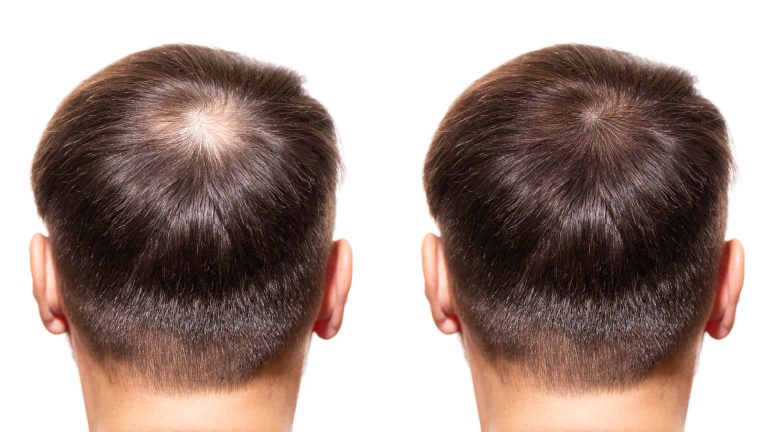
Hair loss affects millions of people worldwide, impacting not only their physical appearance but also their emotional well-being. Amidst various treatment options, NeoGraft hair transplants have emerged as a cutting-edge solution, promising natural-looking results with minimal invasiveness. Let’s delve into the intricacies of NeoGraft and what sets it apart in the realm of hair restoration.

NeoGraft: Redefining Hair Transplantation

NeoGraft represents a significant leap forward in the field of hair transplantation, primarily through its utilization of the Follicular Unit Extraction (FUE) technique. Unlike traditional methods that involve the surgical removal of a strip of scalp tissue, FUE entails the precise extraction of individual hair follicles from a donor area, typically located at the back or sides of the head. These follicles are then meticulously implanted into the recipient area experiencing hair loss.

The NeoGraft Procedure:

  1. Consultation and Planning: The journey begins with a thorough consultation with a skilled hair restoration specialist. During this initial meeting, the specialist assesses the patient’s hair loss pattern, discusses treatment goals, and formulates a personalized plan tailored to the individual’s needs.
  2. Preparation: On the day of the procedure, local anesthesia is administered to ensure patient comfort during the extraction and implantation process.
  3. Extraction: Using the NeoGraft device, hair follicles are gently extracted from the donor area with precision and accuracy. Unlike traditional methods that may result in linear scars, NeoGraft leaves behind tiny, virtually undetectable puncture marks, minimizing scarring and allowing for greater flexibility in hairstyling.
  4. Implantation: Once a sufficient number of follicles have been harvested, they are strategically implanted into the recipient area following the natural hairline and density patterns. This meticulous approach ensures that the transplanted hair blends seamlessly with the existing hair, creating a natural-looking result.
  5. Recovery and Results: Post-procedure, patients can expect minimal downtime, with most able to resume their normal activities within a few days. While the transplanted hair may initially shed, new growth typically begins within a few months, gradually thickening and enhancing the overall appearance of the hairline.

Unveiling NeoGraft Hair Transplants: A Revolutionary Approach to Hair Restoration

Advantages of NeoGraft:

  1. Minimally Invasive: NeoGraft’s FUE technique minimizes trauma to the scalp, resulting in less discomfort, faster healing, and reduced risk of complications compared to traditional methods.
  2. Natural-Looking Results: By transplanting individual follicular units, NeoGraft achieves natural-looking results that seamlessly blend with the patient’s existing hair, enhancing overall aesthetics and restoring confidence.
  3. Versatility: NeoGraft’s precision and flexibility make it suitable for a wide range of patients, including those with varying degrees of hair loss and hair types.
  4. Scalp Preservation: Unlike traditional methods that may cause extensive scarring and tightness in the scalp, NeoGraft preserves the integrity of the donor area, allowing for more freedom in styling and future hair transplantation if needed.

Considerations and Conclusion:

While NeoGraft offers numerous benefits, it’s essential to approach the procedure with realistic expectations and consult with a qualified specialist to determine candidacy. Factors such as the extent of hair loss, donor hair quality, and overall health should be carefully evaluated to ensure optimal results.

In conclusion, NeoGraft hair transplantation represents a revolutionary approach to hair restoration, offering patients a safe, effective, and minimally invasive solution to address hair loss concerns. With its ability to deliver natural-looking results and enhance both appearance and self-confidence, NeoGraft continues to pave the way for innovation in the field of hair transplantation.

For more Skincare news and Beauty latest updates please Like and Follow our Facebook Page and Instagram account…