

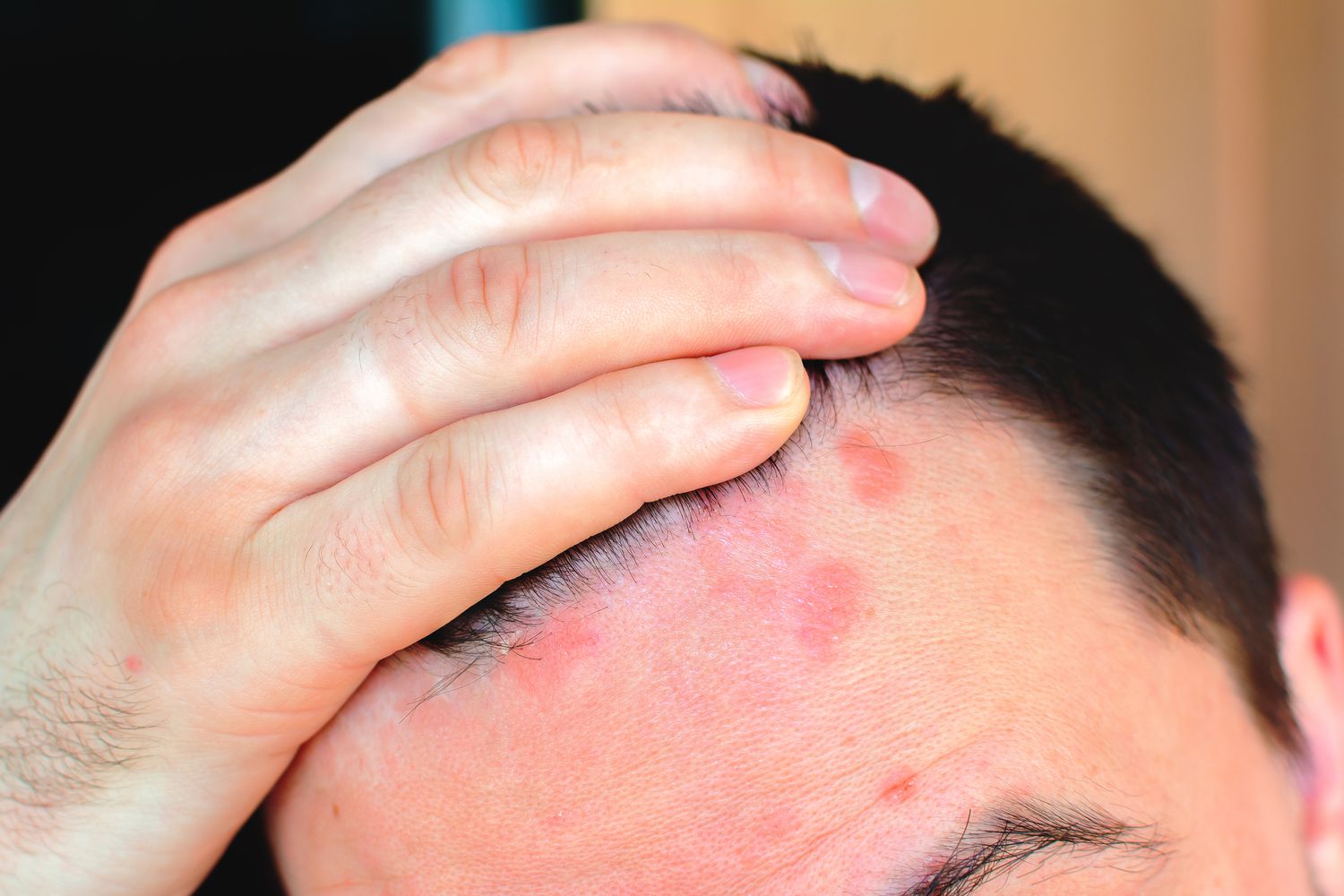
Rare skin diseases often impose a significant burden on those affected, both physically and emotionally. Traditional treatment methods can sometimes fall short, leaving patients in search of more effective solutions. One promising advancement in the field of dermatology is the transplantation of healthy skin to treat these rare conditions. This cutting-edge approach holds great potential for improving the lives of patients with rare skin diseases by addressing the root causes of their conditions.
What Are Rare Skin Diseases?
Rare skin diseases, also known as orphan diseases, are conditions that affect a small percentage of the population but can cause severe symptoms. Some examples include:
- Epidermolysis Bullosa (EB): A group of genetic conditions causing the skin to be extremely fragile, leading to blistering and tearing from minor friction.
- Xeroderma Pigmentosum (XP): A genetic disorder causing extreme sensitivity to ultraviolet (UV) rays from sunlight, significantly increasing the risk of skin cancer.
- Harlequin Ichthyosis: A severe genetic disorder characterized by thickened skin over the entire body that can crack and split.
These diseases often result from genetic mutations that impair the skin’s structure and function, leading to chronic pain, discomfort, and a high risk of infection.
The Science Behind Skin Transplantation
Skin transplantation, or skin grafting, involves transferring healthy skin from one part of the body (or from a donor) to another area affected by disease or injury. This procedure has been successfully used for decades to treat burns and other severe skin injuries. The idea of applying this technique to rare skin diseases is rooted in its potential to replace defective skin with healthy tissue, thereby improving the skin’s integrity and functionality.
Advances in Skin Transplantation Techniques
Recent advancements in medical research have significantly enhanced the effectiveness and feasibility of skin transplantation for treating rare skin diseases. Some of these advancements include:
- Cultured Epidermal Autografts (CEA): This method involves taking a small sample of the patient’s healthy skin, growing the cells in a laboratory to create large sheets of new skin, and then transplanting these sheets onto the affected areas. CEAs have shown promise for patients with conditions like epidermolysis bullosa, providing durable and functional skin coverage.
- Allogeneic Skin Grafts: Skin from a donor can be used temporarily to cover wounds and promote healing in patients with extensive skin damage. While allogeneic grafts are eventually rejected by the recipient’s immune system, they can provide critical support during the initial healing phase.
- Bioengineered Skin Substitutes: Advances in tissue engineering have led to the development of synthetic and bioengineered skin substitutes that mimic the properties of natural skin. These substitutes can serve as a scaffold for the patient’s cells to grow on, facilitating the integration of the graft.
- Gene Therapy: Combining gene therapy with skin transplantation can correct genetic defects in the harvested skin cells before they are grafted onto the patient. This approach has shown great potential in providing long-lasting solutions for genetic skin disorders.
Success Stories and Clinical Trials
Numerous clinical trials and case studies highlight the success of skin transplantation in treating rare skin diseases. For instance, a 2017 study reported the successful treatment of a young boy with severe junctional epidermolysis bullosa. Researchers used genetically modified skin grafts, corrected for the genetic mutation causing his condition. The transplanted skin resulted in significant healing and dramatically improved the boy’s quality of life.
Additionally, bioengineered skin substitutes have been effectively used to treat patients with extensive burns and congenital skin disorders, offering improved wound healing and reduced infection risks.
Challenges and Future Prospects
Despite the promising results, several challenges remain in the widespread adoption of skin transplantation for rare skin diseases. These include:
- Immune Rejection: Allogeneic grafts can be rejected by the recipient’s immune system, limiting their long-term use.
- Durability of Grafts: Ensuring the long-term functionality and durability of transplanted skin remains a critical area of research.
- Cost and Accessibility: The high cost of these advanced treatments can be a barrier for many patients.
Future research aims to address these challenges by developing more effective and affordable solutions. This includes the exploration of advanced biomaterials, stem cell therapies, and personalized medicine approaches tailored to individual genetic profiles.
For more Skincare news and Beauty latest updates please Like and Follow our Facebook Page and Instagram account…