
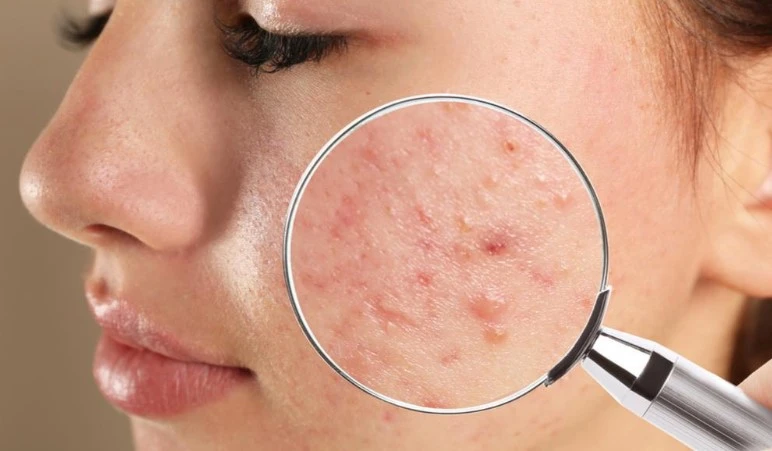
Fungal acne is a type of infection that happens directly on the skin’s hair follicles. It mostly appears as small pimples that don’t vary much in shape or size and often happen with itching. Its treatment differs slightly if it develops in different body areas.
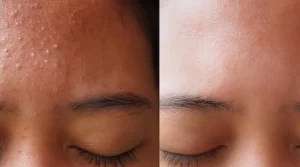
- Acne on the forehead and across the hairline: This type of acne is most commonly developed on the forehead and across the hairline. When it happens in these regions, it can also be treated and prevented through the use of dandruff shampoo applied to the affected area and left for 30 seconds before being rinsed off. Products that contain ketoconazole, butenafine, clotrimazole, or oral medications such as itraconazole are also used.

- On the face: Another type of fungal acne is when it happens on the face naturally. If that’s the case, there are some lifestyle options that are possible to try at home. It is necessary to restore a healthy balance between the bacteria and yeast on your skin. One option is to reduce your intake of sugary, carbohydrate-rich foods, as yeast feed on these carbohydrates. You can also limit your use of skin care products that contain high amounts of oil and switch instead to a facial cleanser that contains salicylic acid and an oil-free moisturizer. After around three weeks of changes, if the fungal acne breakout persists, it is best to seek medical assistance.

- Acne around arms and back: Fungal acne can also be found on other parts of the body besides the face, including the arms and back. Frequently, the root cause of fungal acne breakouts in these parts of the body is moisture trapped in the body. To prevent outbreaks in these regions, it is important to shower more regularly in order to wash away yeast that may have grown in the area, change out of sweaty clothes immediately after a workout, and wear loose, breathable clothing to prevent moisture from being trapped on the skin. If that doesn’t work, topical antifungal cream with products can be an option.
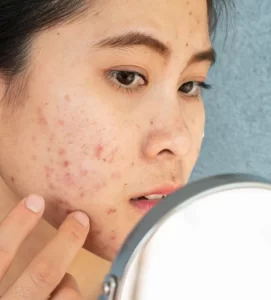

In conclusion, fungal acne is a common condition that appears in different body regions and can have different causes. Dermatological help is necessary in most cases to get the proper treatment.
Also Read:
- Acne Treatment Procedures To Try At The Dermatologist’s Office
- Association of Blue Light and Sonic Vibration to At-Home Acne Treatment

About the Author: MSci Maísa Melo is a Pharmacist and a current PhD student in cosmetic technology, from São Paulo, Brazil. She has earned her master’s degree from the University of São Paulo and has been involved with the development, stability, safety and efficacy of cosmetics since 2013. She has specialized in the clinical efficacy of cosmetics by biophysical and skin imaging techniques as well as the use of alternative models to animal testing. Her research work has been published in several scientific journals and book chapters from the field.
To know more about Skincare Devices and Beauty’s latest updates, please Like and Follow our Facebook and Instagram accounts…