



A scalp massage is very appreciated for easing the daily tension, helping stimulate hair growth, and relieving stress & pain. We all know how amazing it feels, but a hair massager is necessary to get similar sensations at home.
There are many options on the market nowadays. The best ones are automatic and don’t require any manual work. One example of this is the COMFIER Cordless Hair Scalp Massager. It includes four massage heads with 21 individual nodes, each rotating clockwise and anti-clockwise to provide a soothing massage. It can also be used on other body parts and is designed to imitate human fingers.
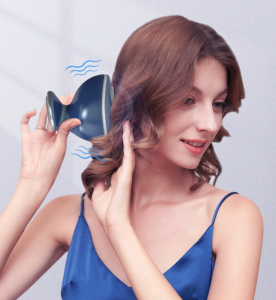
Another alternative is the Brrnoo Electric Head Massager. This device provides eight types of massage and adjusts its intensity automatically to soothe and relax while relieving pain and pressure. Furthermore, the acupoint vibration promotes blood circulation, reduces headaches caused by tension and pressure, and improves sleep quality.
Finally, the Visenta Electric Scalp Massager is a simple tool that can provide an Electric Scalp Massager. It is known for helping to relieve stress and promote blood circulation effectively. When used daily, it can also encourage hair growth and better sleep. The head brush uses a uni-body design that is made to will never entangle hair so that any hair length can use it.

In conclusion, investing in a hair massager can be a great choice to relax at the end of the day and an excellent option to be given as a present to close friends and family.
Read Also: Everything You Need To Know About Ingrown Toenail Removal
To know more about Skincare Devices and Beauty’s latest updates, please Like and Follow our Facebook and Instagram accounts…

About the Author: MSci Maísa Melo is a Pharmacist and a current PhD student in cosmetic technology, from São Paulo, Brazil. She has earned her master’s degree from the University of São Paulo and has been involved with the development, stability, safety and efficacy of cosmetics since 2013. She has specialized in the clinical efficacy of cosmetics by biophysical and skin imaging techniques as well as the use of alternative models to animal testing. Her research work has been published in several scientific journals and book chapters from the field.