Home Blog Page 6

How AI is Revolutionizing Personalized Skincare Shopping

The skincare industry is undergoing a digital transformation, with AI at the forefront. Consumers today demand more personalized experiences, and AI-powered tools are stepping up to meet these needs by helping users identify products that cater to their unique skin concerns, preferences, and goals.

1. The Need for Personalization in Skincare

  • Diverse skin types and concerns necessitate tailored solutions.
  • Challenges of choosing products among thousands of options.
  • The rising trend of consumers valuing custom skincare experiences.

2. How AI is Changing the Skincare Landscape

  • Skin Analysis Tools: AI-powered apps and devices analyze skin conditions (e.g., dryness, pigmentation, wrinkles) using photos or sensors.
  • Data-Driven Recommendations: AI uses input like age, environment, and lifestyle to suggest products that align with individual needs.
  • Chatbots and Virtual Assistants: Provide real-time consultation, answer skincare questions, and recommend regimens.
  • Enhanced Online Shopping: AI helps users navigate e-commerce platforms by offering personalized product filters and virtual try-on features.

3. Case Studies of AI in Action

  • Brands like Olay, SkinCeuticals, and L’Oreal leveraging AI-driven platforms.
  • Success stories where consumers found ideal products through AI recommendations.

4. Benefits of AI-Enhanced Shopping

  • Accuracy: Reduction in trial-and-error purchasing.
  • Convenience: Immediate insights and suggestions.
  • Cost Efficiency: Avoid wasting money on unsuitable products.

5. Ethical Considerations and Challenges

  • Privacy Concerns: Handling sensitive user data securely.
  • Bias in AI Models: Ensuring inclusivity across skin tones and types.
  • Consumer Trust: Building confidence in AI-generated recommendations.

6. The Future of AI in Skincare

  • Advancements in AI technology, including augmented reality (AR) integrations.
  • Growing role of AI in product formulation and manufacturing.
  • Expansion into other aspects of personal care, such as hair and body products.

Conclusion
AI is reshaping the skincare shopping experience, making it more personalized, efficient, and enjoyable. As the technology continues to evolve, it promises to set new standards in how consumers discover and interact with skincare solutions tailored specifically to their needs.

Read also:Advanced Sunscreen Formulations: Bridging Science and Skin Protection

Salmon DNA Facials: The New Frontier in Skincare

0

The world of skincare is constantly evolving, with innovative treatments appearing on the market every year. One of the latest trends capturing attention is the Salmon DNA facial. This luxurious treatment claims to rejuvenate and repair the skin using DNA extracted from salmon, promising benefits that range from enhanced hydration to improved elasticity.

What Is a Salmon DNA Facial?

A Salmon DNA facial involves the application or injection of a serum derived from salmon DNA into the skin. The DNA is typically extracted from salmon milt (the sperm of male salmon) and is rich in polynucleotides, which are thought to stimulate skin regeneration and repair. These polynucleotides act as building blocks for the skin, aiding in cell growth and tissue repair.

The Science Behind It

The idea behind using salmon DNA stems from its similarity to human DNA. Polynucleotides are natural components of our cells, and their presence is believed to enhance the skin’s ability to heal and regenerate. Salmon DNA is particularly prized because it is packed with omega-3 fatty acids and other nutrients that are beneficial to the skin.

When applied or injected, the treatment aims to:

  • Boost Collagen Production: Stimulate the skin’s natural production of collagen, improving firmness and elasticity.
  • Enhance Hydration: Increase moisture retention, resulting in plumper, dewier skin.
  • Reduce Inflammation: Calm redness and irritation, making it suitable for sensitive skin types.
  • Repair Damage: Promote healing of scars, fine lines, and other signs of aging or skin damage.

What to Expect During the Treatment

A Salmon DNA facial typically begins with a thorough cleansing and exfoliation of the skin. Depending on the clinic or practitioner, the treatment may involve microneedling or direct injections to ensure the serum penetrates deeply into the dermis. Alternatively, some variations include topical application combined with a specialized device to aid absorption.

The entire procedure usually takes about 60 to 90 minutes. Post-treatment, patients might experience mild redness or swelling, which subsides within a day or two. Visible improvements in skin texture and tone often become noticeable after a few sessions.

Benefits and Results

Advocates of Salmon DNA facials highlight several key benefits:

  • Anti-Aging: The treatment reduces the appearance of fine lines and wrinkles, giving the skin a youthful glow.
  • Brightening Effect: Salmon DNA helps to even out skin tone and diminish pigmentation.
  • Long-Lasting Results: With proper maintenance, the effects can last for several months.

However, results may vary depending on individual skin types and conditions. A series of 3-5 treatments, spaced a few weeks apart, is often recommended for optimal results.

Are There Any Risks?

As with any cosmetic procedure, it’s essential to consult a qualified professional. While Salmon DNA facials are generally considered safe, some individuals may experience minor side effects, such as temporary redness, swelling, or bruising. Those with allergies to fish or seafood should avoid this treatment.

Is It Worth It?

The Salmon DNA facial represents a fusion of science and skincare, offering a cutting-edge option for those seeking to rejuvenate their complexion. While it’s not a miracle cure, the treatment’s focus on skin regeneration makes it a compelling choice for individuals looking to invest in long-term skin health.

As always, consult with a dermatologist or licensed aesthetician to determine whether this innovative treatment aligns with your skincare goals.

Read also:Advanced Sunscreen Formulations: Bridging Science and Skin Protection

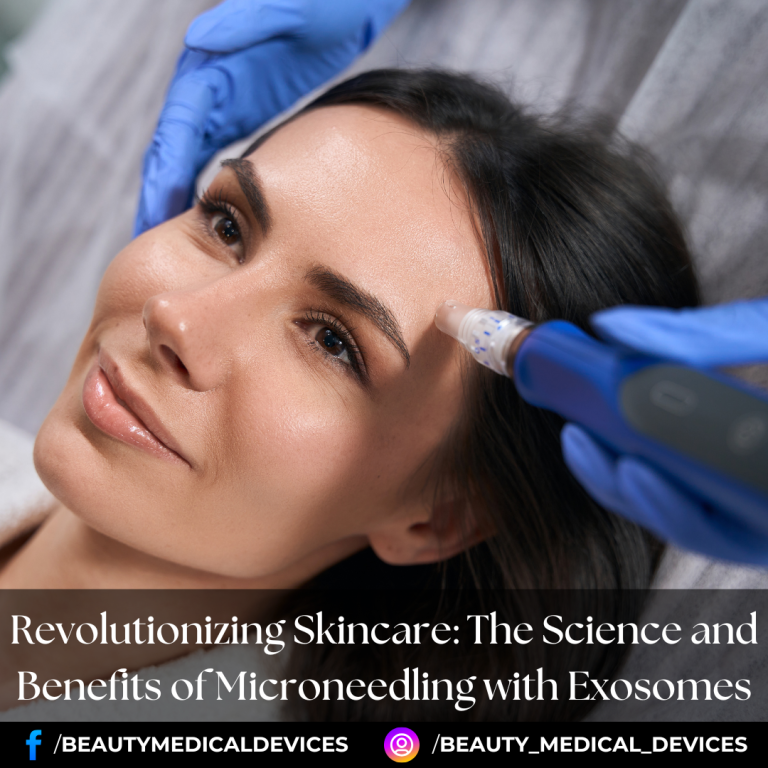
Revolutionizing Skincare: The Science and Benefits of Microneedling with Exosomes

In the ever-evolving field of dermatology and cosmetic treatments, microneedling has emerged as a powerful tool for skin rejuvenation. This minimally invasive procedure, often referred to as collagen induction therapy, has gained popularity for its ability to enhance skin texture, reduce scars, and minimize signs of aging. Recently, the integration of exosome technology has elevated microneedling’s efficacy to new heights. This article delves into the science, benefits, and applications of microneedling with exosomes, offering insights into why it is becoming a game-changer in skincare.

What is Microneedling? Microneedling involves the use of a device equipped with fine needles to create controlled micro-injuries on the skin’s surface. These micro-injuries stimulate the skin’s natural healing process, promoting collagen and elastin production. The result is a firmer, smoother, and more youthful complexion. While effective on its own, the procedure can be enhanced by combining it with other therapies, such as serums, platelet-rich plasma (PRP), or, most recently, exosomes.

Understanding Exosomes Exosomes are tiny, extracellular vesicles derived from stem cells that play a crucial role in cell-to-cell communication. They are rich in growth factors, proteins, and genetic material that aid in tissue repair and regeneration. In the context of skincare, exosomes can accelerate healing, reduce inflammation, and enhance the skin’s ability to repair itself.

The Synergy of Microneedling and Exosomes When paired with microneedling, exosomes can penetrate deeper into the skin through the micro-channels created by the needles. This synergy amplifies the regenerative effects of microneedling, as the exosomes deliver a concentrated boost of growth factors and proteins directly to the skin’s repair sites. The combined treatment can:

  1. Enhance Skin Rejuvenation: Improve texture, tone, and elasticity by promoting collagen and elastin production.
  2. Accelerate Healing: Reduce downtime and enhance post-treatment recovery by soothing inflammation and supporting tissue repair.
  3. Minimize Scarring: Effectively diminish the appearance of acne scars, surgical scars, and stretch marks.
  4. Reduce Signs of Aging: Address fine lines, wrinkles, and age spots by revitalizing the skin.

Procedure and Aftercare The microneedling with exosomes procedure typically begins with a thorough cleansing of the skin, followed by the application of a topical numbing agent to ensure comfort. After microneedling, exosomes are applied to the treated area, allowing them to seep into the micro-channels.

Post-procedure, patients may experience mild redness and sensitivity for 24-48 hours. Proper aftercare, including the use of gentle skincare products and sun protection, is crucial for optimal results. Most patients notice improvements in skin quality within weeks, with continued enhancements over several months.

Who Can Benefit? Microneedling with exosomes is suitable for a wide range of skin types and concerns. It is particularly beneficial for individuals looking to:

  • Combat signs of aging
  • Improve skin texture and tone
  • Address pigmentation issues
  • Reduce scars and stretch marks

Conclusion Microneedling with exosomes represents a significant advancement in skincare, combining the proven benefits of microneedling with the regenerative power of exosome technology. This innovative treatment offers a safe and effective solution for achieving healthier, more youthful skin. As research continues to expand, it’s clear that this dynamic duo will remain at the forefront of aesthetic medicine.

Read also: Mineral vs. Chemical Sunscreens: Which One is Right for You?

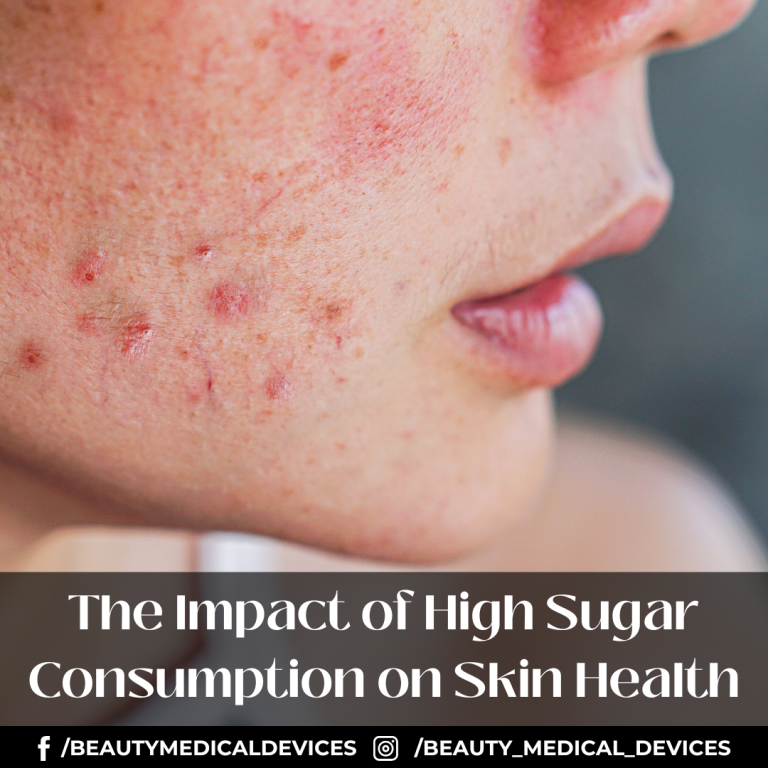
The Impact of High Sugar Consumption on Skin Health

0

Sugar is an integral part of many diets worldwide, but excessive intake can have profound effects on overall health, including the condition of the skin. This article explores how high sugar consumption impacts the skin and ways to mitigate these effects.

Glycation and Skin Aging

One of the most well-known ways sugar affects the skin is through glycation. Glycation is a chemical process where excess sugar in the bloodstream binds to proteins, forming harmful molecules called advanced glycation end products (AGEs). These AGEs:

  • Damage collagen and elastin, the proteins responsible for skin’s firmness and elasticity.
  • Contribute to wrinkles, sagging, and a dull complexion.
  • Trigger inflammation, which can exacerbate conditions like acne and rosacea.

Sugar and Acne

High sugar intake can contribute to acne in several ways:

  • Insulin Spikes: Consuming sugary foods causes rapid spikes in blood sugar levels, leading to increased insulin production. High insulin levels can stimulate oil glands, leading to clogged pores and breakouts.
  • Inflammation: Sugar promotes systemic inflammation, which can aggravate acne and slow the healing process of existing blemishes.

Skin Barrier Function

Excess sugar can weaken the skin’s barrier function by:

  • Disrupting the balance of good and bad bacteria on the skin.
  • Reducing the skin’s ability to retain moisture, leading to dryness and sensitivity.

Mitigating the Effects of High Sugar Intake

To protect your skin from the damaging effects of sugar:

  1. Adopt a Balanced Diet: Focus on a diet rich in vegetables, fruits, lean proteins, and whole grains to stabilize blood sugar levels.
  2. Stay Hydrated: Drinking plenty of water can help flush out toxins and maintain skin’s moisture levels.
  3. Use Topical Antioxidants: Products with vitamins C and E can combat the oxidative stress caused by AGEs.
  4. Limit Processed Foods: Reducing consumption of sugary snacks, beverages, and refined carbs can help improve skin health.
  5. Manage Stress: Chronic stress can increase sugar cravings and contribute to skin issues. Practices like meditation and regular exercise can help.

Conclusion

While occasional indulgence in sugary treats is unlikely to cause significant harm, consistently high sugar consumption can take a toll on your skin’s appearance and health. By making mindful dietary choices and incorporating skin-friendly practices, you can minimize the negative effects and maintain a radiant complexion.

Hormonal Health and Its Impact on Skincare

0

Our skin is not just a barrier protecting our bodies; it’s also a window into our overall health. One of the most influential factors in skin health is our hormonal balance. From adolescence to menopause and beyond, hormonal fluctuations play a critical role in determining the condition of our skin. Understanding the connection between hormonal health and skincare can empower you to make informed decisions about your skincare routine.

Hormones and Their Role in Skin Health

Hormones are chemical messengers that regulate various processes in the body, including skin cell turnover, oil production, and collagen synthesis. Key hormones affecting skin health include:

  1. Estrogen: Promotes skin thickness, elasticity, and hydration. Declining estrogen levels during menopause can lead to dryness, thinning skin, and an increase in fine lines.
  2. Testosterone: Influences sebum (oil) production. High levels of testosterone can lead to acne, while low levels may cause dryness.
  3. Cortisol: Known as the stress hormone, elevated cortisol levels can trigger inflammation, breakouts, and a breakdown of collagen.
  4. Thyroid Hormones: Regulate skin moisture and texture. An imbalance can lead to dry, flaky skin or excessive oiliness.

Common Hormonal Skin Concerns

  1. Acne: Often linked to hormonal fluctuations during puberty, menstruation, pregnancy, or conditions like polycystic ovary syndrome (PCOS). Excess oil production and clogged pores are common culprits.
  2. Dryness: Can occur due to declining estrogen levels or thyroid imbalances.
  3. Hyperpigmentation: Conditions like melasma are often triggered by hormonal changes, especially during pregnancy.
  4. Aging: Reduced estrogen and collagen production can accelerate the appearance of wrinkles and sagging skin.

Skincare Tips for Hormonal Health

  1. Balance Your Diet: Eat foods rich in antioxidants, omega-3 fatty acids, and phytoestrogens to support hormonal balance. For instance, flaxseeds, soy products, and leafy greens can help regulate estrogen levels.
  2. Adopt a Tailored Skincare Routine:
    • For Acne: Use non-comedogenic products with ingredients like salicylic acid, benzoyl peroxide, or retinoids to manage breakouts.
    • For Dryness: Opt for moisturizers with hyaluronic acid, ceramides, and glycerin to lock in hydration.
    • For Aging Skin: Incorporate retinoids, vitamin C, and peptides to boost collagen production.
  3. Manage Stress: Practices like yoga, meditation, and adequate sleep can help regulate cortisol levels, benefiting your skin and overall health.
  4. Consult Professionals: If hormonal imbalances are severe, consult an endocrinologist or dermatologist. Treatments like hormone replacement therapy (HRT) or prescription skincare may be necessary.

Conclusion

Hormonal health and skincare are deeply intertwined. By understanding how hormones influence your skin and adopting targeted strategies to address these effects, you can maintain a healthy, radiant complexion at any stage of life. Regular check-ins with healthcare providers and adjustments to your skincare routine can ensure that your skin reflects your inner vitality.

Read also: Understanding Cystic Acne: A Comprehensive Guide by a Dermatologist

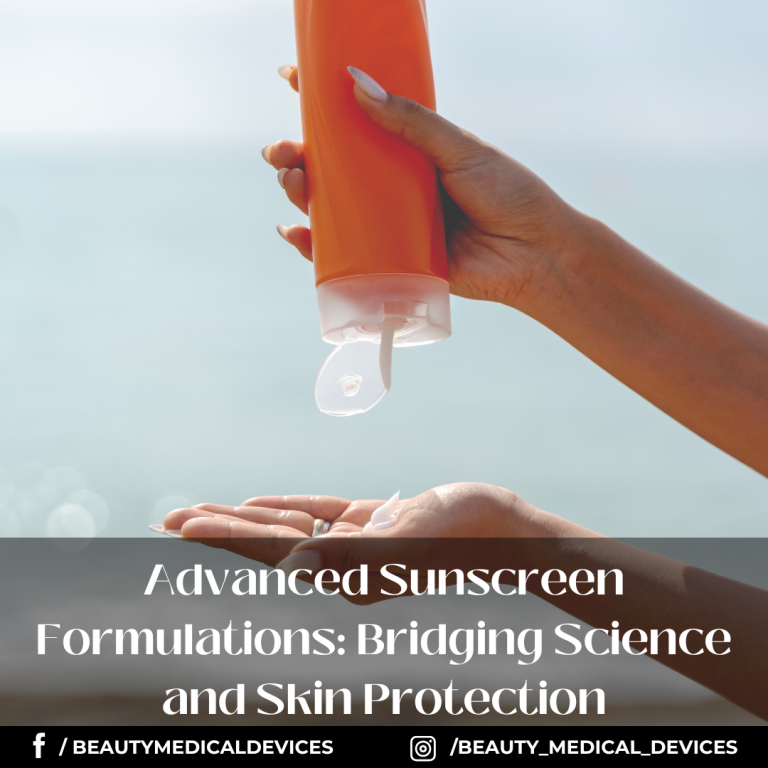
Advanced Sunscreen Formulations: Bridging Science and Skin Protection

0

The development of advanced sunscreen formulations has revolutionized the field of dermatology, offering enhanced protection against harmful ultraviolet (UV) radiation. These innovative products are not only more effective but also cater to diverse skin needs and environmental concerns. This article delves into the science, ingredients, and trends shaping the next generation of sunscreens.

The Science Behind Sunscreen

Sunscreens function by absorbing, reflecting, or scattering UV rays. The two main categories of active ingredients are:

  1. Chemical Filters: Compounds like avobenzone, octocrylene, and oxybenzone absorb UV radiation and dissipate it as heat.
  2. Physical (Mineral) Filters: Ingredients such as titanium dioxide and zinc oxide create a protective barrier that reflects and scatters UV rays.

Emerging Ingredients and Technologies

Modern sunscreen formulations incorporate advanced technologies and innovative ingredients, including:

  • Encapsulated Filters: Microencapsulation enhances stability, reduces skin irritation, and ensures uniform UV protection.
  • Antioxidants: Ingredients like vitamin C, vitamin E, and niacinamide neutralize free radicals generated by UV exposure.
  • Infrared and Blue Light Protection: Formulations now address broader spectrums of radiation, including visible light and infrared rays.
  • DNA Repair Enzymes: Enzymes such as photolyase and endonuclease are added to repair UV-induced DNA damage.

Environmental and Ethical Considerations

As awareness grows about the environmental impact of sunscreen ingredients, manufacturers are innovating to create eco-friendly formulations:

  • Reef-Safe Formulas: Excluding chemicals like oxybenzone and octinoxate that harm coral reefs.
  • Biodegradable Options: Sunscreens that break down naturally without leaving harmful residues.
  • Cruelty-Free and Vegan Products: Aligning with consumer demand for ethical skincare.

Trends Shaping the Industry

  1. Multi-Functional Products: Combining sunscreen with moisturizers, anti-aging agents, or makeup.
  2. Customized Solutions: Tailored formulations for specific skin types, tones, and concerns.
  3. Invisible Finishes: Lightweight, non-greasy products that leave no white cast.
  4. Sustainable Packaging: Eco-conscious designs reducing plastic waste.

Conclusion

Advanced sunscreen formulations represent a confluence of scientific innovation and consumer-centric design. By addressing effectiveness, skin health, and environmental impact, these products set new standards for sun protection. As research continues, the future of sunscreens will likely feature even more personalized and sustainable solutions, ensuring comprehensive care for both skin and planet.

Read also: Winter Skincare: How to Keep Your Skin Hydrated and Glowing in the Cold Months

Sculpting Your Ideal Physique: The Essence of Body Tone

0

Achieving a toned body is a fitness goal shared by many. It’s not just about having well-defined muscles; it’s about feeling strong, healthy, and confident in your own skin. In this article, we’ll explore the concept of body tone, what it entails, how to achieve it, and the many benefits it can bring to your life.

What Is Body Tone?

Body tone refers to the state of your muscles when they are firm, defined, and well-shaped. It’s not synonymous with extreme muscle bulk or excessive definition, but rather a state of balance and proportion. Toned muscles have a lean appearance with just the right amount of definition to give your body an attractive, sculpted look.

Achieving Body Tone

  1. Strength Training: Incorporating strength training exercises into your fitness routine is crucial for building and toning muscles. Focus on compound exercises like squats, deadlifts, and bench presses to work multiple muscle groups simultaneously.
  2. Resistance Training: Using resistance bands, dumbbells, or other resistance equipment can help target specific muscle groups and promote muscle tone.
  3. Cardiovascular Exercise: Cardio workouts, such as running, cycling, or swimming, are essential for burning excess body fat. A lower body fat percentage helps reveal the underlying muscle tone.
  4. Balanced Diet: Proper nutrition plays a pivotal role in achieving body tone. Consume a balanced diet rich in lean proteins, complex carbohydrates, healthy fats, and plenty of fruits and vegetables.
  5. Adequate Hydration: Staying well-hydrated is essential for muscle function and overall health. Drink enough water to support your active lifestyle.
  6. Rest and Recovery: Allow your muscles to recover by getting enough sleep and incorporating rest days into your workout routine. Muscles repair and grow during rest.
  7. Consistency: Achieving and maintaining body tone requires consistency in your fitness and nutrition habits. Set realistic goals and stick to them.

Benefits of Body Tone

  1. Increased Strength: Toned muscles are stronger, making everyday tasks easier and reducing the risk of injury.
  2. Enhanced Confidence: Achieving body tone often results in increased self-confidence and body positivity.
  3. Improved Metabolism: Muscle tissue burns more calories at rest than fat tissue, which can help with weight management.
  4. Better Posture: Toned muscles support proper posture, reducing the risk of musculoskeletal issues.
  5. Increased Endurance: Toned muscles provide improved endurance for physical activities.
  6. Long-Term Health: Maintaining muscle tone is associated with better long-term health and a reduced risk of chronic diseases.

Conclusion

Body tone is a fitness goal that combines strength, balance, and overall well-being. Achieving and maintaining muscle tone requires dedication, consistency, and a holistic approach to fitness and nutrition. As you work toward your ideal physique, remember that the journey is as important as the destination. Embrace the process, stay committed, and celebrate your progress along the way to a healthier, toned body that reflects your inner strength and vitality.

Read also: Winter Skincare: How to Keep Your Skin Hydrated and Glowing in the Cold Months

The Connection Between Skincare and Mental Health

0

Skincare is often associated with physical appearance, but its benefits go beyond just improving our looks. Engaging in a skincare routine can have a profound impact on mental health, promoting self-care, boosting confidence, and creating moments of mindfulness. This article will explore how skincare practices can positively affect mental well-being and the science behind these effects.

1. Skincare as a Form of Self-Care

Self-care is essential for maintaining mental and emotional balance. A skincare routine offers a dedicated time to focus on oneself, creating a sense of comfort and ritual. By investing time and energy in caring for your skin, you’re sending a message to yourself that you are worth the effort. This small but meaningful act of self-love can help alleviate feelings of stress, anxiety, and depression.

a. Routine and Stability

A consistent skincare routine introduces a sense of structure and stability to your day. When life feels chaotic or overwhelming, these small, repetitive actions can provide a comforting sense of control. Research has shown that routines and rituals help reduce anxiety and create a sense of security, especially during times of uncertainty.

b. Boosting Self-Esteem

When you invest in skincare, it often leads to visible improvements in your skin’s health and appearance. The boost in self-esteem that comes with healthier skin can translate into more confidence in other areas of life. Improved self-image is closely linked to better mental health, as feelings of self-worth play a crucial role in managing conditions like depression.

2. Mindfulness Through Skincare

Mindfulness, the practice of being present in the moment, is a powerful tool for improving mental well-being. Incorporating mindfulness into your skincare routine can transform the experience into something meditative and calming.

a. Sensory Engagement

Skincare involves a variety of sensory experiences, from the feel of different textures (creams, serums, masks) to the soothing sensation of massaging products into your skin. Paying attention to these sensations can ground you in the present moment, reducing racing thoughts and promoting relaxation. Aromatherapy, often integrated into skincare products, can further enhance this experience—scents like lavender and chamomile have been shown to reduce stress and improve mood.

b. Slowing Down

Skincare routines encourage you to slow down, giving you a moment to breathe and focus on yourself without external distractions. This mindful act can help combat the pressures of a fast-paced world, allowing for a brief respite that refreshes both body and mind.

3. The Science of Touch and Its Impact on Mental Health

Touch plays a significant role in regulating emotions and mental health. The act of applyin skincare products often involves massaging or gently touching the skin, which can stimulate the release of oxytocin, known as the “love hormone.” Oxytocin is linked to feelings of bonding, comfort, and emotional stability.

a. Releasing Endorphins

Gentle facial massage or skincare techniques stimulate blood flow and can lead to the release of endorphins, the body’s natural “feel-good” chemicals. Endorphins help to alleviate pain, reduce stress, and foster a sense of well-being. Skincare, therefore, becomes not just an external practice but a holistic way of promoting emotional and mental wellness.

4. Skincare as a Coping Mechanism for Anxiety and Depression

For those struggling with mental health challenges like anxiety or depression, skincare can offer an accessible and tangible way to cope. The ritual of cleansing, applying moisturizers, and caring for your skin can serve as a distraction from intrusive or negative thoughts.

a. Breaking the Cycle

Depression often leads to a lack of motivation, and activities like skincare might seem insignificant in the moment. However, even small acts of self-care can break the cycle of apathy. Starting with something manageable like skincare can lead to greater engagement in other aspects of self-care, gradually lifting the individual out of a mental health slump.

b. Creating Achievable Goals

In mental health treatment, setting small, achievable goals is a common strategy. A skincare routine offers just that—a simple yet rewarding task that can provide a sense of accomplishment. Completing a routine regularly reinforces feelings of capability, which can contribute to improved mental health over time.

5. Social and Community Support through Skincare

Skincare has become a communal activity thanks to social media platforms, where people share tips, routines, and product recommendations. Participating in these online communities can foster a sense of belonging and support, especially for those who may feel isolated due to their mental health struggles.

a. Sharing Progress and Encouragement

Many individuals turn to social media to share their skincare journeys, which can help them stay motivated and accountable. Positive feedback from these communities can lift spirits and reinforce the idea that they are not alone in their struggles.

b. Self-Expression and Exploration

For some, skincare is a creative outlet that allows for experimentation and self-expression. Trying out new products or creating unique routines can become a form of personal exploration, which can be particularly helpful in boosting mood and providing a sense of purpose.

Conclusion

Skincare is much more than a beauty regimen—it’s a powerful tool for mental health. By establishing routines, promoting mindfulness, and offering moments of self-care, skincare can improve both emotional and psychological well-being. Whether you’re looking for a way to reduce stress, build confidence, or simply take a break from the world, skincare can be a simple yet effective way to nurture your mental health.

Read also: Advancing Care: The Role of Medical Devices in Lymphedema Management

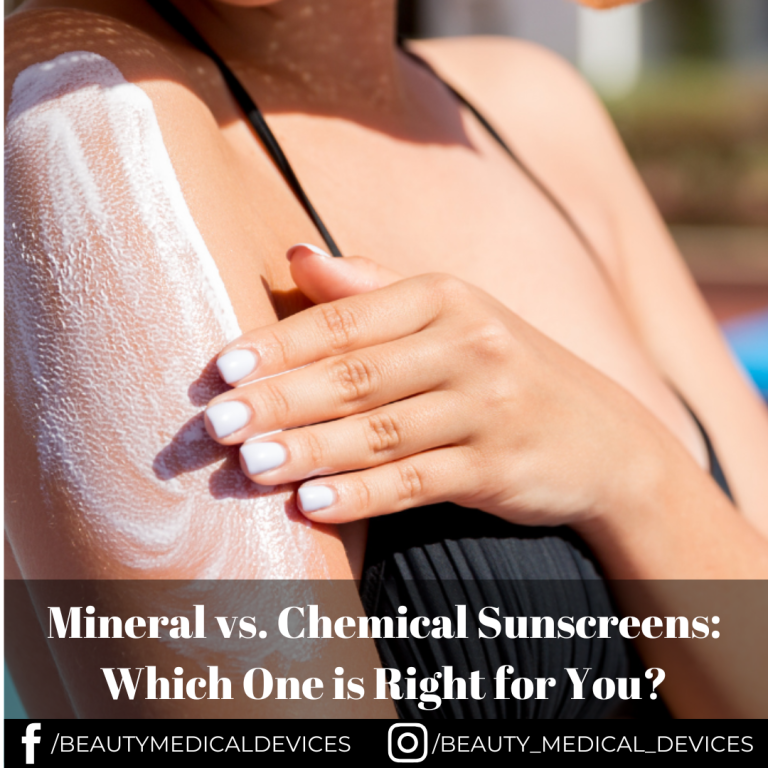
Mineral vs. Chemical Sunscreens: Which One is Right for You?

0

With summer in full swing and sun exposure at its peak, it’s essential to protect our skin from harmful UV rays.  Sunscreens are a crucial part of any  skincare routine, but with the variety of options available, choosing the right one can be overwhelming. Let’s break down the key differences between mineral and chemical sunscreens to help you make an informed decision.

Mineral Sunscreens

How They Work: Mineral sunscreens, also known as physical sunscreens, create a physical barrier on the skin’s surface that reflects and scatters UV rays away from the skin. They are effective immediately upon application and are ideal for those who prefer a more natural approach to sun protection.

Benefits:

  • Immediate Protection: Since they create a physical barrier, it start working as soon as they are applied.
  • Suitable for Sensitive Skin: These are often recommended for sensitive and acne-prone skin because they are less likely to cause irritation.
  • Natural Ingredients: The active ingredients in these, such as titanium dioxide and zinc oxide, are natural minerals.

Considerations:

  • White Cast: One of the most common complaints about mineral sunscreens is that they can leave a white cast on the skin, which might be more noticeable on darker skin tones.
  • Texture: It can sometimes feel heavier and might be more difficult to rub in compared to chemical sunscreens.

Chemical Sunscreens

How They Work: Chemical sunscreens, also known as organic sunscreens, absorb UV rays and convert them into heat, which is then released from the skin. They require about 15-20 minutes after application to become effective, as the ingredients need to be absorbed into the skin.

Benefits:

  • Water and Sweat Resistant: Many chemical sunscreens are formulated to be water and sweat resistant, making them a good choice for swimming and outdoor activities.
  • Transparent Finish: It tend to be more lightweight and transparent on the skin, avoiding the white cast associated with mineral sunscreens.
  • Broad Spectrum Protection: They often offer a higher degree of UVA and UVB protection.

Considerations:

  • Absorption Time: Unlike mineral sunscreens, chemical sunscreens need time to be absorbed into the skin before they become effective.
  • Potential for Irritation: Some individuals with sensitive skin may find chemical sunscreens irritating due to the active ingredients like octinoxate and avobenzone.

Choosing the Right Sunscreen

Your choice between mineral and chemical sunscreen will largely depend on your skin type, lifestyle, and personal preferences. If you have sensitive skin or prefer a more natural option, mineral sunscreen might be the best choice for you. However, if you are looking for a lightweight, transparent option that offers robust protection during outdoor activities, a chemical sunscreen might be more suitable.

Tips for Effective Sunscreen Use

  • Apply Generously: Make sure to apply enough sunscreen to cover all exposed skin.
  • Reapply Frequently: Reapply sunscreen every two hours, or more often if you are swimming or sweating.
  • Check the SPF: Choose a sunscreen with an SPF of at least 30 for adequate protection.
  • Seek Shade: Even with sunscreen, it’s a good idea to seek shade and wear protective clothing during peak sun hours.

In conclusion, both mineral and chemical sunscreens have their pros and cons. The best sunscreen is the one that you will use consistently. Ensure you protect your skin daily to maintain its health and prevent sun damage.

Read also:Advancing Care: The Role of Medical Devices in Lymphedema Management

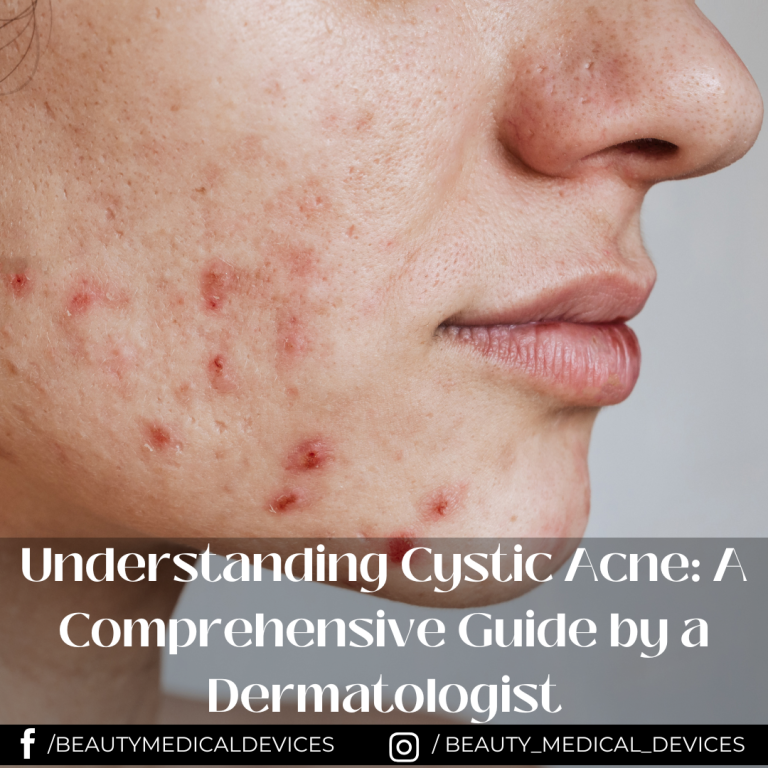
Understanding Cystic Acne: A Comprehensive Guide by a Dermatologist

0

Cystic acne is a severe and often painful form of acne that can have a profound impact on an individual’s physical and emotional well-being. In this article, we will delve into the causes, symptoms, diagnosis, and treatment options for cystic acne to empower individuals with the knowledge they need to manage and overcome this challenging skin condition.

Understanding Cystic Acne:

  1. Causes: Cystic acne arises from the same root causes as milder forms of acne, such as hormonal fluctuations, excess oil production, and the presence of acne-causing bacteria. However, in the case of cystic acne, the inflammation runs deeper, leading to the formation of painful, pus-filled cysts beneath the skin’s surface.
  2. Symptoms: The symptoms of this acne are distinctive and more severe than those of milder acne types. Individuals with cystic acne often experience large, painful nodules or cysts that can persist for weeks or even months. These cysts are deeper within the skin layers, making them more challenging to treat and often leaving behind scars.
  3. Diagnosis: Recognizing this is usually straightforward for dermatologists based on the appearance and severity of the lesions. However, in some cases, additional tests or examinations may be necessary to rule out underlying medical conditions or hormonal imbalances contributing to the acne.

Treatment Options:

  1. Topical Treatments: While milder forms of acne often respond well to topical treatments, itmay require more aggressive approaches. Topical retinoids, benzoyl peroxide, and antibiotics are commonly prescribed to reduce inflammation and control bacterial growth. However, their effectiveness for cystic acne may be limited, and systemic treatments are often necessary.
  2. Oral Medications: Oral antibiotics, such as tetracycline or doxycycline, may be prescribed to address the bacterial component of cystic acne. Additionally, hormonal therapies, like oral contraceptives or anti-androgen medications, can be beneficial, especially in cases where hormonal fluctuations contribute to the condition.
  3. Isotretinoin (Accutane): Considered the most potent acne treatment, isotretinoin is a systemic medication reserved for severe cases of cystic acne. It works by reducing oil production, preventing clogged pores, and minimizing inflammation. Due to potential side effects, including birth defects, strict monitoring is essential during isotretinoin therapy.
  4. Procedural Interventions: Dermatological procedures, such as drainage and extraction of cysts, intralesional corticosteroid injections, and laser therapy, can be employed to address severe this acne and minimize scarring. These interventions are often performed by dermatologists with expertise in acne management.

Preventive Measures and Lifestyle Changes:

  1. Skincare Routine: Establishing a consistent skincare routine is crucial for individuals prone to cystic acne. This includes gentle cleansing, avoiding harsh or abrasive products, and using non-comedogenic moisturizers.
  2. Diet and Lifestyle: While the direct link between diet and acne is still a subject of research, maintaining a healthy lifestyle can contribute to overall skin health. Adequate hydration, a balanced diet rich in fruits and vegetables, and stress management can all play a role in preventing acne flare-ups.

Conclusion:

It is a challenging dermatological condition that requires a multifaceted approach for effective management. As a dermatologist, my goal is to not only treat the visible symptoms but also to address the underlying causes and prevent long-term scarring. By understanding the causes, symptoms, diagnosis, and treatment options for cystic acne, individuals can work with their dermatologists to develop personalized treatment plans and regain control over their skin health. If you are struggling with cystic acne, seeking professional dermatological guidance is crucial for achieving optimal results and improving your overall quality of life.

Read also: Timeless Turkish Beauty Secrets: Traditional Treatments for Radiant Skin and Hair