Home Blog Page 394

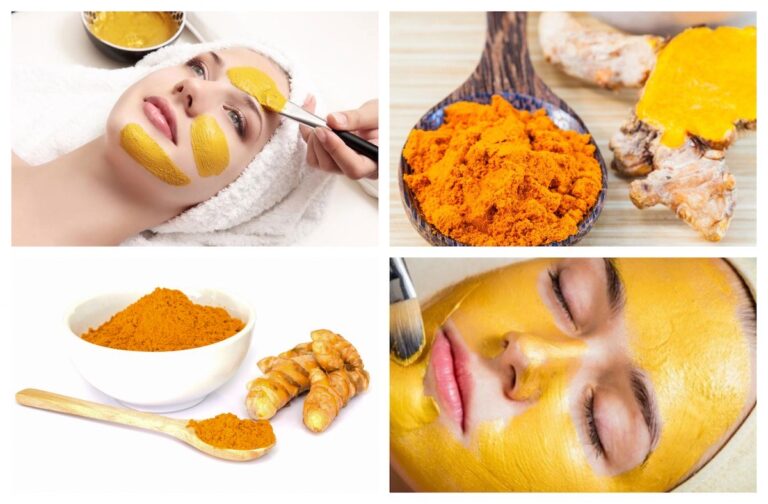
Skincare: Easy DIY face pack that will make your dark spots and pigmentation go away in minutes

0
Do you have dark patches across your face? This 3-ingredient DIY face mask is all you need.

4 Surprising Benefits of Oily Skin

0

Oily skin might not seem like much of a blessing when you’re digging for the blotting papers or powdering your nose every few hours. But skin with highly productive oil glands isn’t all about struggling with breakouts and mattifying products. The benefits of oily skin include more resiliency and extra vitamin E production—just to name a few.

1. Oily skin is usually thicker and smoother.

Oil alone may not be enough to prevent wrinkles from forming, but active sebaceous glands may offer another benefit that could help keep skin smooth. People with oilier skin can have overproducing sebaceous glands, larger glands or an abundance of sebaceous glands. This can contribute to a thicker inner skin layer, or dermis, which makes your skin more resilient in areas where the deepest lines can form, particularly the forehead.

2. Oily skin enjoys more natural sun protection.

The oil that your skin produces contains vitamin E, which acts as a natural sunscreen and antioxidant battling free radicals. Consider it a boost instead of a replacement for sunscreen; vitamin E molecules can absorb some UV rays, but not all. Vitamin E is also anti-inflammatory, so you may find your skin is more able to weather the elements. Be sure to put on a sunscreen suitable for oily skin before exposure to rays.

3. Oily skin is more resistant to wrinkles.

Your friends with dry skin are constantly reaching for heavy emollient products to ward off creeping fine lines. But does having the polar-opposite skin type mean that you’re less prone to wrinkles? Researchers have found that wrinkles are shorter and shallower in areas with sebaceous glands that produce oil. That doesn’t mean you’re off the hook for wrinkle prevention. Not all areas of the face are equal in oil production, and researchers aren’t sold on oiliness alone preventing signs of aging. Pick a light moisturizer formulated for oily skin instead of skipping an anti-aging routine.

4. Oily skin requires smaller amounts of skin care products.

When your moisturizing routine consists of dabs instead of slathering, you’re naturally going to save on products. People with dry skin often must constantly reapply products to quench a parched epidermis and relieve irritated skin. Products for oily skin are all about a light touch—a few dots of moisturizer, a few touches of oil-free foundation and just enough cleansing to keep your skin in balance.

Read more 

Also read  10 Things You’ve Always Wanted to Know About Bikini Waxing (But Were Too Embarrassed to Ask)

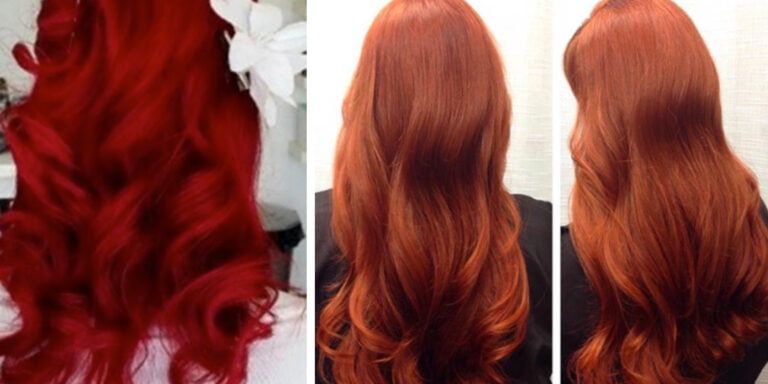
How to Keep Your Hair Color Looking Healthy

If you recently dyed your hair and want to maintain that beautiful color for a long time, this post is for you! We have collected a few tricks and tips on how to keep your hair color looking healthy!

After you color your hair, there are a few step you have to follow in order to keep your hair looking healthy. Hair dyes penetrate the cuticle which is the hair’s protection barrier, in order to remove your natural color and set the new one. After all of this processing, your hair gets weak and if you dye it too often, it can result in breakage. Knowing how to keep your hair color looking healthy so you don’t have to color too often, is crucial!

5 Tricks and Tips To Keep Your Hair Color Looking Healthy

Weather you dye your hair at home or you go to a salon, the following tips are excellent when it comes to keep your hair  looking healthy and shiny.

Tip #1: Change your Shampoo and Conditioner

Just like you use skincare products for your specific skin type, when you color your hair you will have to get hair products for newly dyed locks.

Lots of cheap shampoos and conditioners contain detergents, salts and sulfates. These ingredients tent to strip color out which will help fade out your hair color even faster. Instead, look for products that are for dyed hair and alcohol and sulfate-free. These types of shampoos and conditioners will help your hair hold onto its color.

Tip #2. Wash Less

If you wash your hair daily, stop this. As you wash your hair, your color also washes out. Try to wash your hair 2-3 times a week. This will help you preserve natural oils that help nourish your hair and make and color last.

As an alternative, you can use dry shampoo during the week to keep your hair clean. Purchase a good dry shampoo according to your  color or make your own dry shampoo at home.

Tip #3. Rinse with Cold Water

Everyone loves a long hot shower, specially now during winter, but washing your hair with hot water is so bad for your newly colored hair. Hot water makes your dye hair fade out faster, stripping the color.

Tip #4. Stop Using Clarifying Shampoo

If you use clarifying shampoos, that’s another thing you need to stop. Clarifying shampoos contain a high level of detergent that strip your hair of its color. Avoid using this type of shampoo after you have dyed your hair.

Tip #5. Nourish your Hair with Natural Proteins

After coloring your hair, the proteins that help protect your hair, disappear. If your hair starts to snap off, gets brittle and dry, this means it’s lacking protein.

We are all about natural products here and when it comes to protein, eggs and mayonnaise are the ultimate ingredients. Mayonnaise smooths hair out, while eggs are full of protein that nourish your hair. These two ingredients together will help repair protein damage, leaving your hair healthy. Check out the DIY hair mask recipe below and give your hair the boost of protein it needs.

Ingredients:

>2 tbsp mayonnaise

> 1 egg

Directions:

1.Mix the ingredients together in a small bowl until smooth.

2.Gently start applying the mixture to your hair concentrating on the tips.

3.After your whole hair is saturated, cover with a shower cap and leave on for 40 minutes.

4.After 40 minutes, wash off with cold water and a sulfate and alcohol-free shampoo.

5.Use this DIY hair mask once a week.

…..Read More…. 

Read Also: Garlic for Hair Growth: How it Works….

Halo Skin Treatment: What You Should Expect

0

As we age, we start to notice our skin changing bit by bit. This may appear in the form of fine lines, dark spots, wrinkles, and overall sagginess. This change is completely natural and is all part of the aging process. And of course, factors like genetics, lifestyle, and sun exposure can all contribute to quicker aging, but that doesn’t mean there’s nothing you can do about it! Aside from using creams, serums, and the like, there are plenty of non-invasive, gentle skin treatments that you can look into. Today, we’re going to talk about the Halo skin treatment and what you should expect.

What is Halo Skin Treatment?

The Halo skin treatment is a Hybrid Fractional Laser (HFL) that delivers ablative and non-ablative wavelengths. What this means is that the non-ablative lasers will heat up the underlying skin tissue without doing harm to the actual surface of the skin. An ablative only laser treatment will remove the top layer of the skin, making it a much more intense treatment. In short, it’s the best of both worlds! Halo skin treatments basically target a certain area of the skin to abolish fine lines, dark spots, imperfections, and scars but without the scarring or downtime of a regular laser.

As opposed to regular laser treatment (which requires something like 6 treatments), with a Halo skin treatment, you only need about two sessions. The ablative laser (the one that goes underneath the skin), works to get rid of stubborn wrinkles and give long-lasting anti-aging results. The non-ablative laser works on top of the skin to remove dark spots, imperfections, and improve skin texture. So now that we have a better understanding of what is a Halo skin treatment, let’s take a look at what it actually does to improve your skin.

The Benefits of a Halo Skin Treatment

The Halo skin treatment is a great option for anyone with skin concerns, so long as you don’t have any breakouts. The Halo treatment is not recommended for anyone with current breakouts as it can do further damage. It IS a great treatment for those with sunspots, age spots, wrinkles, and fine lines. Here are some benefits of the Halo treatment that you can expect:

  • Help to minimize the appearance of fine lines, wrinkles, and crows feet.
  • Fades away scars.
  • Minimizes enlarged pores.
  • Fades away sun spots, age spots, and dark spots.
  • Corrects uneven skin tone.
  • Smooths skin to reveal a softer, more glowing complexion.
  • Corrects discoloration and improves skin texture.
  • Helps with sagginess and tightens skin.

rep:

If you feel like the Halo skin treatment may be for you, here’s what you should expect from a session! First, your dermatologist may give you a prescription for numbing cream, or they may just apply it themselves when you get to your appointment. The numbing cream should be applied an hour before the procedure, and this is to help with the pain. Don’t worry though – it’s totally tolerable, and the numbing cream helps a lot!

How Long Does a Halo Treatment Last?

Typically, a halo treatment will last between 45 minutes to 1 hour, plus the 1 hour before for the numbing cream. If your dermatologist is applying the numbing cream, expect to be in there for about 2 hours. Read more

Also read: Garlic for Hair Growth: How it Works

Garlic for Hair Growth: How it Works

How does garlic for hair growth work? Hair loss and thinning are usually caused by a deficiency in the body, so how can garlic replenish that? We know that garlic in nail polish works to strengthen nails, but what can it do for your hair and how exactly does it work? We’re here to answer all of these questions and more! Keep reading to find out how garlic for hair growth works, how to use it, and why you should!

As we already know, garlic is an essential part of most dishes and most cultures. It adds flavor, it’s good for you, and it’s one of the most widely used vegetables in the world. But did you know that in many cultures, and for thousands of years, garlic has been used as a medicinal ingredient? Known for its powerful antiseptic and antimicrobial properties, garlic can cure a number of ailments, including – you guessed it – hair loss and hair thinning!

According to a study that was published in the Indian Journal of Dermatology, Venerology, and Leprology, applying a five percent garlic gel to the area of hair loss will help hair to regrow. This is because garlic contains selenium and sulfur, which help fortify the hair’s structure. This means that garlic can not only regrow hair but also strengthen it. Those with hair loss and thin hair can greatly benefit from the amazing properties of garlic.

Garlic Benefits for Hair

  • Antimicrobial: The antimicrobial properties of garlic help to kill germs and bacteria, which are responsible for causing scalp issues, and therefore hindering growth.
  • Rich in Vitamin C: Vitamin C is found in garlic, and as such, can help boost collagen production which stimulates hair growth.
  • Rich in Selenium: As we mentioned above, garlic is rich in selenium which helps boost blood circulation. This in turn helps with hair loss and thinning hair.
  • Cleanses: Garlic helps to cleanse the hair and scalp, meaning there is more opportunity for hair growth because it unclogs pores.
  • Treats Dandruff: Garlic has properties that not only can help hair grow but can also stop dandruff in its tracks!
  • If you don’t consume enough garlic, a garlic supplement may be the answer for you! Additionally, you can also purchase garlic ointment which can be applied topically to the skin, as well as to the hair, especially where hair loss is prevalent. Lastly, you can make your own garlic concoctions which can be applied to the scalp to treat dry scalp, dandruff, and hair loss and hair thinning. Let’s take a look at some of these homemade garlic hair recipes!

Garlic Hair Mask Recipes:


Honey Hair Mask for Growth

This combination of garlic combined with honey is truly a powerhouse to combat microbes and fungus. It’s especially great for those who suffer from scalp issues and can help promote hair growth when used on a regular basis.

 In a mortar and pestle add a few cloves of garlic and a teaspoon of honey. Mash until it becomes a paste-like consistency. Alternatively, you can also use a food processor to make the paste. Apply all over scalp and hair and leave on for at least 30 minutes. Rinse out and follow up with a natural shampoo and conditioner. Use 2-3 times a week for several months.


Coconut Oil & garlic

This coconut oil and garlic hair mask are perfect for those with dry hair, as the coconut oil gently hydrates and moisturizes a dry scalp, while the garlic promotes growth and health.

Grab a few garlic cloves and mash them well. To that, add a little bit of coconut oil to make a paste. Apply all over scalp and hair and massage gently for several minutes. Leave on for at least 30 minutes. Rinse out and follow up with a natural shampoo and conditioner. Use 2-3 times a week for several months.


Garlic Infused Oil

Not to be confused with garlic essential oil, garlic-infused oil is simply garlic cloves that have been added to the oil. You can add several crushed cloves to any carrier oil of your choices such as olive oil or coconut oil. Let this mixture infuse for a night or two and apply it to the scalp and hair. Massage gently into the scalp for about 5 minutes. Leave on for at least 30 minutes. Rinse out and follow up with a natural shampoo and conditioner. Use 2-3 times a week for several months. Read more

Also read: 5-Minute Face Massages for Glowing, Healthy Skin


10 Things You’ve Always Wanted to Know About Bikini Waxing (But Were Too Embarrassed to Ask)

0

1. I’ve never been waxed before, and I’ve heard that people get ingrown hairs from it. Will this happen to me? Bikini Waxing

Ingrown hair is most common among people with curly pubic hair and sensitive or reactive skin, like redheads or African-Americans. Those with olive skin are not quite as susceptible. Asians usually have softer hair and the least reactive skin. They also seem to get the longest-lasting results.

2. Is waxing better than shaving? Will it grow back as fast as when I shave?

Yes, I am definitely a true believer and longtime lover of waxing over shaving—and not just because it’s been my career path. The main reason is that shaving simply cuts the hair off the top of the skin, which then sees the hair growing back in approximately one to three days. Razors, as sharp as they are, also irritate the skin, resulting in razor bumps along the bikini line. Waxing, on the other hand, removes the hair from the follicle. Hair produced from that follicle either weakens, dies after the first time or does nothing at all to the hair structure. From my experience, I see an average of 30% to 40% less hair returning just after the first time.

3. What about sugaring?

Sugaring is a method used for many years that originates in Egypt and the Middle East. It’s a very sticky substance made of sugar, lemon and honey. Once rolled on a body part, the hair gets tangled and pulled from the skin. I tend to see a lot of hair breaking before getting pulled out from the root, which is why, in my opinion, hard wax is better than sugaring.

Read more 

Also read 5-Minute Face Massages for Glowing, Healthy Skin


5-Minute Face Massages for Glowing, Healthy Skin

0

5-Minute Face Massages for Glowing, Healthy Skin

MASSAGE #1: TO SMOOTH FOREHEAD CREASES

Benefits: This helps to smooth and relax the muscles and improve the appearance of lines and wrinkles brought on by stress.

How To: Place fingertips together in the middle of the forehead with hands and elbows out, press firmly. Next glide with fingers together with slight pressure to the temples, press and release. Repeat 3 times.

MASSAGE #2: TO REVITALIZE TIRED EYES

Benefits: Smooth frown lines, reduce eye puffiness and strain, alleviate headaches, sinus pain and enhance skin glow and health.

How to: Using your middle or index finger, press between the brows on the 3rd eye and stroke over the brows around the eyes returning to the center. Next still using your fingers, move in an S shape to release and soften the muscle between the brows. Glide around the eyes again, return to center and repeat the press, glide and drain. Now repeat the S movement. Perform this sequence 3 times each (6 total), alternating between presses and S’s.

MASSAGE #3: TO RESTORE A YOUTHFUL GLOW

Benefits: These key pressure points may feel a little tender but help to encourage circulation and detoxification of the skin while boosting inner skin radiance.

How to: Using your index or middle finger press either side of the nostril, release and slide to the glow point under the lower cheek bone and press. Glide towards the ear and press in the hollow just in front of the ear. Repeat 3 times.

MASSAGE #4: TO RELIEVE JAWLINE STRESS

Benefits: This helps to release stress and tension in the jaw, increases lymphatic drainage and improves skin tone and circulation.

Read more

Also read The Truth About Carbs

The Truth About Carbs

What Are Carbs?

They’re one of three types of food that give your body energy. The other two are proteins and fats. Together, they provide the fuel your body uses to build and repair itself. Carbs break down into glucose (sugar) that you can use right away.

Your Body’s Fuel

Your body runs on glucose. Your brain, in particular, needs it to work the way it should. Carbohydrates are an almost instant source of it. Your body can break down and use fat for some of the same needs, but not all of them. Plus, fat that’s used for fuel makes compounds called ketones that can raise the level of acid in your blood, and that can be unhealthy over the long term.

Full of Nutrients

The best-quality carbs — berries, vegetables, and whole grains — are packed with vitamins, fiber, and antioxidants that are important for good health and well-being. Whole grains have fatty acids, magnesium, B vitamins, folate, and zinc. Fruit and starchy veggies have some of those, plus phytonutrients like flavonoids and carotenoids that help prevent disease. If you skip the carbs, you lose out on those nutrients, too.

Workout Prep

Because carbs are a source of energy, they can keep you going strong while you exercise. Experts recommend fueling up 1 to 3 hours beforehand with a combination of carbs and protein, like oatmeal, Greek yogurt, peanut butter, or nuts and raisins.

Simple Carbs

Think of table sugar as simple carbs in pure form. They’re very small molecules, which makes them especially easy for your body to break down and use. That means they raise your glucose levels (blood sugar) really fast. Things that sweeten any number of candies, pastries, and desserts are loaded with these kinds of carbs.

Complex Carbs

String together a bunch of simple carbs, and you get these larger molecules. Your body has to break them down into simple carbohydrates and then into glucose before it can use them. This takes longer, which means your blood sugar goes up more slowly and they’re less likely to be changed into fat. These kinds of carbs include multigrain breads and pasta, beans, potatoes, and other vegetables. Read more

Read also: 9 Ways to Eat Clean


9 Ways to Eat Clean

Pick Whole Foods

The basic idea of clean eating is to choose foods that are as close to their natural form as possible. So instead of boxed, bagged, or packaged foods, choose fresh, whole ones. Think whole turkey instead of frozen turkey meatballs or raw grapes instead of gummy snacks made with fruit juice. Bonus: When you avoid highly processed foods, like chips, cookies, and ready-to-eat meals, you skip their loads of calories, sugar, salt, and saturated fat.

Load Up on Fruits and Veggies

These natural foods are two staples of clean eating. Some clean eaters say all your produce should be fresh. But others say that frozen and canned options are the next best thing, since they have just as many nutrients. Just read the label to make sure you’re not getting extra sugar or salt. Also choose whole fruits instead of juices, which have less fiber and more sugar. Aim to get at least five to nine servings of fruits and vegetables each day, depending on the calories you need and your level of physical activity.

Watch Out for Salt and Added Sugar

Clean foods are naturally low in salt and sugar, and adding them goes against the as-natural-as-possible approach. Since processed foods are a major source of them, you can slash your intake when you avoid them. Otherwise, read food labels to look for added sweeteners and salt, even in foods that seem healthy, like yogurt or tomato sauce. Also keep tabs on how much you add to your foods and drinks. Try flavoring with spices and herbs instead.

Skip Artificial Ingredients

Artificial colors, sweeteners, preservatives, and other manmade ingredients don’t have a place in a clean-eating diet. At the grocery store, read food labels and avoid items with the fake stuff. Read more

Read also: Signs You’re Not Getting Enough Protein


Signs You’re Not Getting Enough Protein

How Much Do You Need?

You should get a minimum of 10% of your daily calories from protein. (For a target of grams, multiply your weight in pounds by 0.36.) And you want it from a variety of sources throughout the day: A tub of low-fat Greek yogurt for breakfast has about 20 grams; a serving of skinless chicken breast at lunch, about 25 grams; and a cup of black beans in your dinner, about 15 grams. Your body breaks down and reuses the protein in many ways.

Swelling

One of the most common signs that you’re not getting enough protein is swelling (also called edema), especially in your abdomen, legs, feet, and hands. A possible explanation: The proteins that circulate in your blood — albumin, in particular — help keep fluid from building up in your tissues. But many things can cause edema, so be sure to check with your doctor in case it’s more serious.

Mood Changes

Your brain uses chemicals called neurotransmitters to relay information between cells. Many of these neurotransmitters are made of amino acids, which are the building blocks of protein. So a lack of protein in your diet could mean your body can’t make enough of those neurotransmitters, and that would change how your brain works. With low levels of dopamine and serotonin, for example, you may feel depressed or overly aggressive.

Hair, Nail, and Skin Problems

These are made up of proteins like elastin, collagen, and keratin. When your body can’t make them, you could have brittle or thinning hair, dry and flaky skin, and deep ridges on your fingernails. Your diet isn’t the only possible cause, of course, but it’s something to consider.

Weakness and Fatigue

Research shows that just a week of not eating enough protein can affect the muscles responsible for your posture and movement, especially if you’re 55 or older. And over time, a lack of protein can make you lose muscle mass, which in turn cuts your strength, makes it harder to keep your balance, and slows your metabolism. It can also lead to anemia, when your cells don’t get enough oxygen, which makes you tired. Read more

Read also: My Lip Care Routine! Facial Hair Removal + 3 DIY Scrubs