Home Blog Page 382

J-Beauty vs. K-Beauty: What’s the Difference?

0
J-Beauty vs. K-Beauty: What’s the Difference?

Judging by the number of its recent converts and passionate admirers.

It’s safe to say that Asian beauty and skin care is not just a trendy, of-the-moment craze that eventually gets pushed aside as its viral status fizzles out. In fact, we have seen Korean beauty or K-beauty take the spotlight in the last couple of years. But that’s not all. In recent months, its Japanese counterpart, or J-beauty, has likewise landed itself on the radar of beauty and skin care connoisseurs. Now, we’re not here to join in on the great K-beauty versus J-beauty debate of 2018. Besides, why choose between the two when we can definitely benefit from incorporating both beauty philosophies into our own skin care routines?

Difference Between K-Beauty and J-Beauty

Before discussing what makes each of these beauty cultures distinct, it’s important to point out that while K-beauty and J-beauty have different approaches to skin care, they share the same goal and attitude when it comes to skin health. “Both K- and J-beauty focus on hydration as well as reduction or prevention of pigmentation (brown spots and melasma). They both involve sun avoidance and protective barriers against sun exposure,” says board-certified dermatologist Anna Guanche, founder and director of Bella Skin Institute.

While both put great emphasis on cleansing (Japanese women even introduced us to double-cleansing), hydration and potent formulas made with the highest-quality ingredients—K-beauty and J-beauty—often differ in their methods. “Japanese skin care is more reserved. While considered innovative and science-driven, J-beauty is more about functionality and simplicity with long-term results,” says skin care expert and beauty chemist David Pollock, founder of JustAskDavid.com. Japanese beauty draws from their culture’s rich heritage and centuries-old traditions, evidenced by their uncompromising commitment to harnessing highly effective indigenous ingredients, simple yet proven formulations and minimalist, no-frills regimens.

Read more 

Also read The Surprising Ways Your Thyroid Affects Your Skin and Hair


How Vitamin E for Hair can Boost your Hair Health

Hair Health: Vitamin E for Hair is often called a magic ingredient also for our skin and eyes. Basically, vitamin E belongs to a cluster of eight fat-soluble vitamins known as tocopherols. The best thing about vitamin E is that it’s an antioxidant and being so, it can contain cell damage and neutralise harmful free radicals. Experts say that on an average, men would need 4 mg of vitamin E a day and women could opt for 3 mg every day.

1. How Can Vitamin E Promote Hair Growth?

Normally, a person loses up to 100 hairs (out of 100,000 to 150,000 strands on our head) each day. These will just amount to more than one clump. But, if we start losing several clumps of hair each day, then it becomes a veritable cause of worry. Hair fall isn’t a disease and there are several options that can help you counter relentless loss of hair. Taking vitamin E orally is one of them. You can use hair masks with vitamin E as well. Now, how does vitamin E help in curbing hair loss? To begin with, vitamin E is known for its antioxidant properties

2. How Does Vitamin E Make Your Hair Shinier?

Have you been straightening your hair frequently? Do you have a stubborn habit of blow-drying your hair after a wash? Beware; these practices can make your hair look dull and lifeless. With excessive use of straighteners and blow-drying, your tresses can lose their natural shine. Experts say that one should be aware of a common pattern of hair breakage called trichorrhexis nodosa, which can get exacerbated by overheating hair or using a whole host of chemical-laden hair products.

Read More

Also read: How to Get Pouty Lips

How to Get Pouty Lips

0

Having naturally full, pouty lips is a blessing for those who have them, but for those who don’t, it can be an easy process. Follow these tips on how to get pouty lips in just minutes!

The first step in achieving a full pout is knowing what you have to work with! Don’t expect to go from thin lips to fuller lips a la Angeline Jolie, but rather accentuate what you already have! Some people have a fuller upper lip, while others have a fuller lower lip. Whichever the case is for you, a natural lip look IS a way to go, so be sure to stay away from overly-dramatic lip looks.

How to Get Pouty Lips – a DIY Guide

Step 1: Exfoliate

Before you start doing anything at all, the most important step is exfoliating your lips. Try this DIY Lush lip scrub that’s super easy to make and will help get rid of dead skin cells which can actually dry out lips. Exfoliating your lips once a week or even just twice a month will ensure that your lipstick goes on much more smoothly!

Step 2: Hydrate

Immediately after exfoliating, you should apply a good quality or homemade lip balm. This is important to seal in moisture and prevent chapped and dry lips. There really is nothing worse than applying lipstick on top of chapped lips!

Step 3: Grab Your Tools!

All you need is a neutral-colored lip pencil, some lipstick (color of your choice), and neutral lip gloss. For best results, you should use a lip scrub once a week to get your lips to be as soft as possible. Follow up with a moisturizing lip balm. Be sure to choose good quality pencils and lipsticks as this can make a huge difference!

Step 4: Trace

Take out your neutral lip liner and trace along the middle top part of your lip (the cupid bow), as well as the bottom middle part. This will give the illusion of fuller lips. Dot your lipstick onto your lips to get stained lips to look. Pat it with your fingertips.

Step 5: Gloss

Use a lip plumping gloss (lip plumpers contain capsicum or peppermint oil to plump the lips) or just a regular lip gloss. Apply a small amount of gloss to the middle of the bottom lip and the middle of your top lip, right under the cupid bow. Smack your lips together ever so lightly.

Step 5: Highlight

To give the illusion of big lips, dot a little bit of highlighter or a white eyeshadow right on your cupid bow. This will make the lips seem larger.

NOTES:

Before using any lip plumpers, make sure to test on a small patch of skin to make sure there are no adverse side effects!

Play around with different shades of lipstick to see which shades match your skin tone. As a rule of thumb, those with lighter skin should stick to lighter shades, while those with darker skin benefit from darker shades. Read more

Also read: DIY Highlighter and Luminizer

The Surprising Ways Your Thyroid Affects Your Skin and Hair

As your body’s biggest organ, the skin puts up with a lot of crap.

Noticeable Symptoms of Thyroid Issues on the Skin

According to Dr. Zenhausern, some of the most common skin symptoms and signs associated with thyroid conditions such as hypothyroidism are “dry itchy skin, itchy flaking of the scalp, dry cracked heels [and] paleness of the skin.” In addition, Dr. Zenhausern says it’s not uncommon to experience dry, frizzy hair, thinning of the hair and loss of eyelashes. She also says loss of the outer-third of the eyebrows “is a huge sign that you should get your thyroid levels checked.”

When to See a Doctor

As far as when to see a doctor goes, Dr. Zenhausern suggests annual routine visits “as thyroid conditions can often be caught before severe symptoms occur.” That said, if you notice any of the above symptoms, consider scheduling an appointment to have your thyroid tested. “Your doctor will complete a physical exam to evaluate your thyroid,” says Dr. Zenhausern. In addition to completing a physical exam, a doctor “will also evaluate your thyroid hormones with a simple blood test known as thyroid stimulating hormone (TSH). This hormone comes from your pituitary gland and signals your thyroid to produce hormones,” she adds.

In addition to testing the thyroid-stimulating hormone, Dr. Zenhausern also stresses the importance of the T3 and T4 hormones as well as antibodies. “Antibodies will be present in autoimmune conditions of thyroid disorders. What this means is that antibodies (your own immune cells that should normally be fighting foreign invaders) are fighting your own body—in this case, your own thyroid,” she explains. “TSH, T4, T3 and thyroid antibodies can all be evaluated in the same blood draw, so make sure to ask your doctor for the comprehensive thyroid blood workup,” she concludes.

Most Common Thyroid Issues That Impact the Skin

“Thyroid conditions are broken down into two main categories,” says Dr. Zenhausern. “Hyperthyroid means your thyroid is producing too much thyroid hormones (T3 and T4). “Hypothyroid means your thyroid is somewhat lazy and is unable to produce enough thyroid hormones,” she explains. Some of the most common symptoms for hyperthyroid include:

  • Hair loss
  • Bulging eyes
  • Enlarged thyroid
  • Heart palpitations
  • Tremors
  • Heat intolerance
  • Sleep disturbances
  • Weight loss
  • Shortness of breath
  • Diarrhea
  • Increased appetite
  • Irregular menstrual cycles
  • Muscle weakness
  • Sweating
  • Anxiety, nervousness
  • Depression and mood swings

On the contrary, the most common symptoms for hypothyroid include:

  • Hair loss
  • Enlarged thyroid
  • Reduced heart rate
  • Fatigue
  • Sensitivity to cold
  • Dry skin
  • Weight gain

Read more 

Also read 8 Truths About Acne You Need to Know Now

Best Foot Care Tips In Monsoon You Can’t Afford To Miss!

Everyone loves monsoon as it comes along with the cool breeze, pleasant weather and greenery all around. Best Foot Care Tips In Monsoon You Can’t Afford To Miss!. It brings happiness after a scorching summer. The rainy season and the downpour may surely compel you to take off your shoes and feel the cool rainwater under your feet.

But, do you know? The mud and dirt that sticks to your heels while enjoying the monsoon can make your feet skin dry, rough and a breeding ground for microbial infections.

Not only enjoying monsoon but our daily outdoor activities during rainy season bring dampness and moisture in your shoes resulting, smelly & dirty feet, turning your feet skin unhealthy.

Following Are Few Essentials Things For Best Foot Care Tips:

Shea Butter For Cracked Heels

It has excellent healing and anti-inflammatory properties. Shea butter helps to heal the cracked heels and helps to restore their health. It also helps to relieve dryness, flakiness of the skin, dermatitis, and eczema.

Kokum Butter

It plays a great role in smoothing and moisturization of the skin. It is one of the best skin conditioning agents for dry skin.

Active Silver Ions

It is used as an extremely effective antibacterial activity and skin healing solution. It protects feet from various microbial infections and allergies.

Omega 3 For Skin ( Lipex Omega)

It acts as an emollient and anti-oxidant agent. They helps to soften and soothe the rough and irritated skin. It is also resistant against UV induced oxidation.

Pentavitin (Saccharide Isomerate)

It acts as a ‘Water-Magnet’. It helps to retain moisture in the skin and prevent dryness.

This helps in the extended stay of cream and to cherish its benefits.
So, choose the Foot cream which offers you these benefits and makes your feet healthy and beautiful. Read More…………

Also Read: Why Do You Need Hair Restore & Hair Growth Serum?

8 Truths About Acne You Need to Know Now

0


8 Truths About Acne You Need to Know Now

Acne is the #1 most common skin condition in the United States. According to the American Academy of Dermatology, affects a staggering 50 million people annually. Though the majority of people experience acne between the ages of 12 and 24, this can occur at any stage of life and continue well into adulthood.

1. Acne and rosacea may look alike, but they’re not the same.

According to Dr. Chiu, acne and rosacea are both characterized by underlying inflammation. But while anti-inflammatory ingredients like sulfur can be very effective for treating these conditions, she urges the importance of knowing your specific condition—as acne and rosacea can sometimes look alike but act differently. “Rosacea is more characterized by central facial redness, bumps and pore prominence over the nose and center part of the face. It can be hard to tell, so if you are unclear, consult a dermatologist since acne treatments like benzoyl peroxide or retinol can at times worsen rosacea,” she says.

2. Blue light devices can help clear acne.

LED (light emitting diode) therapy is a form of low-level light energy that penetrates the skin to cause different reactions and target different issues, such as skin rejuvenation, repair of tissue and promotion of wound healing. The energy, especially the one coming from blue light, can also target bacteria and inflammation and stimulate collagen—all of these can be beneficial to those struggling. The trick, according to Dr. Chiu, is to use it accordingly. “The key is to use as directed, depending on the product of choice. As a general note, more is not better, as you can irritate or even damage the skin with too much exposure in a short amount of time!”

3. Get post-partum acne under control with pregnancy-safe ingredients. 

With the increase in hormones, pregnancy can sometimes wreak havoc on our skin. If you are experiencing post-baby, Dr. Chiu recommends looking for pregnancy-safe formulations made with alpha-hydroxy acid or other fruit acids—both ingredients can help slough off pore-clogging impurities that cause acne. “Your dermatologist can also prescribe some medication that has been shown safe to treat acne during this phase,” she adds.

Read more 

Also read  Why Do You Need Hair Restore & Hair Growth Serum?


Why Do You Need Hair Restore & Hair Growth Serum?

Hair restore and hair serum plays a very essential role. From converting frizzy hair into silky smooth hair, and troublesome hair into manageable hair, hair serum became the first choice of most of the girls. This hair care product has crossed a long journey, went through various modifications, and ornamented with many more benefits.

Now, it is not only a beauty trend but also acts as hair restore and hair growth serum.

What Is Hair Restore And Hair Growth Serum?

These hair serums along with repairing damaged hair also help in reducing hair loss and stimulate hair growth. The blend of efficacious natural and scalp-friendly ingredients are the reason behind the efficacy of these serums.

Biotin, caffeine, apple stem cells, pro-vitamin B5, proteins, zinc, plant extracts such as sunflower (Annuus) seed, Cocos Nucifera (coconut), Ocimum Bascilicum Hairy Root, Camellia Sinensis, Nasturtium Officinale, and Tropaeolum Majus Extract are some of the great ingredients that can be found in these hair serums.

Why Do You Need Biotin Hair Growth Serum?

We all love to do various experiments with our hair, such as different hairstyles, hair colouring, and permanent smoothening or perming. These experiments make our hair frizzy, dull, and breakable with time. This also affects the hair growth cycle.

However, using hair restore & hair growth serum you can get your hair out from these issues.

Let’s Explore The Benefits Of Hair Growth Serum and hair Restore:

# Restorative Work

Tame Flyaways And Frizzy Hair

The very first work serum does is to correct dry, brittle frizzy hair and flyaways.

The condition of frizzy hair arises when hair lacks moisture, the cuticle gets rough and the surroundings are humid. The dry hair grabs moisture from the air, which causes hair frizz and swelling.

The flyaways also occur when hair gets dry and brittle. However, the cause is different from those of frizzy hair. Intense use of styling products or more friction and static electricity leads to flyaways.

Hair serums moisturize the cuticle, restore the hydration at the place, cut the dryness, lower the damage done by styling appliances, and make hair shiny, soft, and luscious.

# Protective Work

Protects From Heat

Styling appliances or procedures of permanent straightening or perming involves intense heat. The regular use of heating appliances exerts a harmful impact on your hair. Your hair gets dry, frizzy, and results in split ends.

Hair serum by making a protective layer around the hair protects them from the impact of heat and also dispenses moisture to them. These benefits of a serum protect hair from heat and being brittle.

Protects From Humidity

Hair serums by making a barrier between hair and the environment also help to prevent the interaction between humidity and hair.

# Improves Hair Growth

The best function of this renovated hair serum is that it helps to improve the hair length and healthy hair growth. Read More……….

Also Read: 10 Secrets to Whiter Teeth

10 Secrets to Whiter Teeth

Want Brighter, Whiter Teeth?

Have your pearly whites lost their luster because of dingy gray or yellow stains? Stained teeth can occur as we age, but some common foods, drinks, and even mouthwashes can stain teeth. Do-it-yourself remedies can help whiten teeth, and avoiding substances that stain teeth can stop further discoloration. Use these secrets to whiter teeth to restore your bright smile.

Do-It-Yourself Teeth Whitening

You may be able to get rid of superficial stains by yourself. A number of at-home tooth-whitening products — kits, strips, toothpastes, and rinses– may lighten stains. There are even some old-fashioned remedies you can try. Tooth-whitening products available on drugstore shelves use mild bleach to brighten yellow teeth. Toothpastes use abrasives and chemicals to remove surface stains. For deep stains, you may need a dentist’s help.

Tooth-Whitening Kits

A home tooth-whitening kit contains carbamide peroxide, a bleach that can remove both deep and surface stains and actually changes your natural tooth color. If you have coffee-stained teeth, a tooth-bleaching kit can help. With some kits, you apply a peroxide-based gel (with a small brush) to the surface of your teeth. In other kits, the gel is in a tray that molds to the teeth. The tray must be worn daily (for 30 to 45 minutes) for a week or more.

Home Whitening Strips

Tooth-whitening strips will help get rid of tooth stains. These strips are very thin, virtually invisible, and are coated with a peroxide-based whitening gel. You wear them a few minutes daily for a week or more. Results are visible in just a few days, and last at least a year. The results with strips are not as dramatic as with whitening kits, but the strips are easy to use and pretty much foolproof.

Whitening Toothpastes and Rinses

How to get stains off your teeth? Over-the-counter toothpastes, gels, and rinses help remove some surface stains. Many of these products contain mild abrasives, chemicals, or polishing agents. Unlike bleaches, they don’t change the natural color of teeth. Read more

Read also: Chemical Peels and Your Skin


Chemical Peels and Your Skin

Chemical peels can improve the skin‘s appearance. In this treatment, a chemical solution is applied to the skin, which makes it “blister” and eventually peel off. The new skin is usually smoother and less wrinkled than the old skin.

Chemical peels can be done on the face, neck, or hands. They can be used to:

Areas of sun damage may improve after chemical peeling.
After a chemical peel, skin is temporarily more sensitive to the sun, so wear sunscreen every day. It should say “broad-spectrum” on the label, meaning it protects against the sun’s UVA and UVB rays. Also, it should be a physical sunscreen and be above SPF 30. Limit your time in the sun, especially between the hours of 10 a.m. and 2 p.m., and wear a wide-brimmed hat.

Who Is a Good Candidate For a Chemical Peel?

Generally, fair-skinned and light-haired patients are better candidates for chemical peels. If you have darker skin, you may also have good results, depending upon the type of problem being treated. But you also may be more likely to have an uneven skin tone after the procedure.

Skin sags, bulges, and more severe wrinkles do not respond well to chemical peels. They may need other kinds of cosmetic surgical procedures, such as laser resurfacing, a facelift, brow lift, eyelid lift, or soft tissue filler (collagen or fat). A dermatologic surgeon can help determine the most appropriate type of treatment for you. Read more

Read also: Chemical Peels and Your Skin


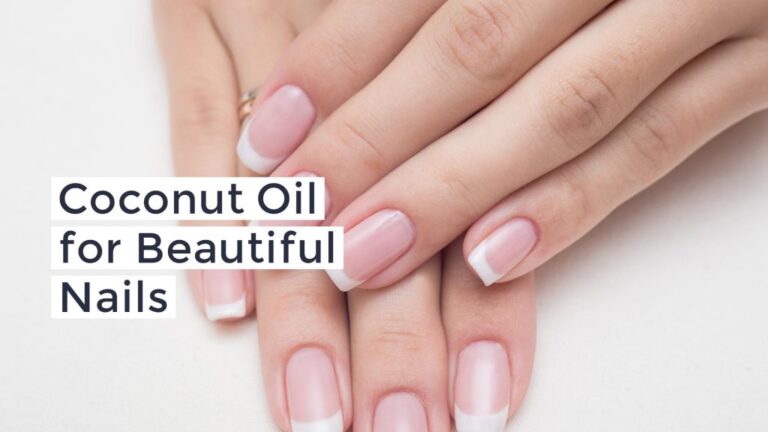
How to Use Coconut Oil for Nails So They Never Break Again

Coconut oil for nails is something that’s often overlooked, but oh-so-useful if yours are brittle and dry. Plus, using coconut oil for toenail fungus is a thing . To get the full scoop on the wonders of coconut oil for nails.There’s a lot of good stuff packed in this cure-all ingredient.  Coconut oil is rich in carbohydrates, vitamins, and minerals, which are great for the human body.

The Benefits of Coconut Oil

Coconut oil is brimming with benefits, specifically for the nails.

  • Strengthens brittle, cracked nails
  • Treats damaged cuticles
  • Prevents nail ridges
  • Cures hangnails
  • Treats toenail fungus

Read on for everything you need to know about this miracle oil.

Grow and Strengthen Your Nails

To keep your nail game strong, a little TLC is required. After all, brittle nails lead to broken nails, and broken nails can wrack havoc on your manicure. Incorporating coconut oil into your nail routine will hydrate and strengthen your nails, amp up nail growth, and—wait for it—even help your many last longer. “Coconut oil is great for treating brittle and cracked nails as well as damaged cuticles because of its moisturizing properties.

Massage Oil into Cuticles

Cuticles, while an important part of nail upkeep, are often overlooked. Everything from excess hand washing  to cold weather can cause cuticles to peel, feel dehydrated, and chip. Coconut oil can help get your cuticles back in tip-top shape. To show your cuticles some extra attention, rub coconut oil directly on top of them and let it penetrate for at least 30 minutes.

Treat Nail Fungus

Since coconut oil is a natural anti-fungal agent, it can work wonders on yellowed toenails from fungus. “Fungal nail infections tend to occur in individuals that have reduced blood circulation to the feet and a weakened immune system,” notes Markowitz. “Additionally, nails that are brittle and dry can have resulting cracks in the nail, which allow fungi to enter.” The best way to actually prevent nail fungus is to keep brittle, cracked nails moisturized. Read more………

Also Read: Get Rid of Frizzy Hair With These Easy Natural Remedies