Home Blog Page 349

Hyaluronic Acid Foods: Natural Sources of HA

0

You may already be using skincare products that contain hyaluronic acid (HA) or a hyaluronic acid serum, but what about hyaluronic acid foods? They do in fact exist, and if you’re a fan of healthy eating, you should definitely take a look at these natural sources of HA. Hyaluronic acid is naturally occurring in the body and is responsible for retaining moisture and also attracting it. Without HA, your skin can become dry, flaky, and also show early signs of aging. HA also helps to improve cell turnover and improve collagen synthesis, which can help prevent the formation of wrinkles and improve the skin’s texture. So, if you’re looking to get beautiful skin, you may want to add some of these hyaluronic acid foods into your diet along with some HA skin products!

While your body does naturally produce HA, over time, as you get older, that production slows down. This is why many people get HA fillers (by way of injection) or use topical treatments such as hyaluronic acid serums and creams. But aside from that, you can also get your HA from healthy foods.

Benefits of Hyaluronic Acid

Hyaluronic acid is a vital component to fighting premature aging and wrinkles. If you’re looking for beautiful, youthful skin, hyaluronic acid is then super important. Here are some benefits:

  • Hydrates and moisturizes the skin
  • Prevents wrinkles and fine lines
  • Reduces redness
  • Helps with dermatitis
  • Reduces inflammation
  • Prevent dryness
  • Keeps skin supple
  • Softens skin
  • Reduces the appearance of dark spots and age spots
  • Plumps skin up
  • Can reverse wrinkles and crows feet

What Foods Contain Hyaluronic Acid?

Foods high in hyaluronic acid are plentiful, and as you may have already guessed, they’re also some of the healthiest foods. Not only do these hyaluronic acid foods help you feel better, but some of them also help increase hyaluronic acid production. Plus, these foods are also rich in vitamins and minerals which is just an added bonus!

#1. Bone Broth

You may have heard about the miraculous benefits of bone broth. Plenty of people consume bone broth for a number of different reasons, but mainly for health reasons. Also, it’s at the top of our list as it contains the highest amount of HA of any foods. This is because bone broth is made from animal cartilage and bones (sounds gross, yes). These parts are then simmered in water for at least 24 hours so that all of the nutrients, including hyaluronic acid, are extracted into the water. Consuming one cup a day can have extraordinary benefits not only for your skin but your overall health.

#2. Soy Foods

Soy-based foods such as tofu, edamame, and tempeh, all contain some level of estrogen in them. It has been proven that an increase in estrogen may help the production of hyaluronic acid by the body. If that wasn’t enough to get you going on the soy train, they’re also chock-full of protein, vitamins, and minerals.

#3. Citrus

Citrus fruits contain naringenin which prevents the breakdown of hyaluronic acid in the body. Consuming citrus fruits on a regular basis ensures that the HA in your body does not break down. Add oranges, grapefruits, tomatoes, and bananas to your everyday diet to keep skin glowing and supple. Read more

Also, read: Get your glow on! Easy turmeric face mask


Get your glow on! Easy turmeric face mask

Get your glow on! Easy turmeric face mask.This moisturizing and soothing homemade mask contains the traditional curry spice turmeric.

Turmeric has played a role in  beauty treatments for centuries thanks to its main active ingredient – curcumin.

What does curcumin do?

A powerful antioxidant, curcumin has strong anti-inflammatory properties, which means it may be able to heal wounds faster and calm skin. It is also anti-bacterial, helping to fight infection.

The face mask contains honey too, which has moisturizing and healing properties. To get the right consistency in your mixture, make sure you use set honey rather than runny.

The final ingredient, lemons, are rich in vitamin C which helps the skin form collagen. It can also fight the appearance of ageing skin.

Lemon and turmeric face mask

Makes 1 mask

Ingredients

Method

Step 1.
Turmeric can irritate the skin so if yours is sensitive, try a patch test at least 24 hours before use. If you are allergic to turmeric in food, don’t try this mask.

Step 2.
Mix the honey, lemon juice and turmeric in a bowl until they are combined.

Step 3.
Use a hairband to push hair away from your face, and wrap a towel around your shoulders as the mask may drip.

Step 4.
Using clean fingers, apply the mask to your face and neck.

Step 5.
Leave it on for up to 10 minutes. After a few minutes, you may feel your skin tighten a little.

Step 6.
Remove the mask using damp cotton wool, a facecloth or flannel. Rinse your face with tepid water.

Turmeric can temporarily stain the skin, so don’t leave it on longer than recommended. Cotton wool soaked in olive oil will remove any residue.

…..Read More……

Read Also: Lip Care: Make your own DIY overnight lip mask and wake up with soft and supple lips

15 Effective Home Remedies for Open Pores

0

We all want to have flawless skin, but shrug it off as wishful thinking. Skin woes are a common problem that all women deal with, and hence, we apply many layers of makeup to get the look we want. Despite makeup, one skin affliction that still surfaces is open pores. Here, we will discuss what open pores are, and what are their complications. Also, we provide you with some home remedies to get rid of these open pores.

What Are Open Pores?

Open skin pores are small pit-like pores that appear in people with combination to oily skin. Having open pores on your skin can make your face look dull and old. Pores also accumulate dirt and become clogged. A clogged pore leads to further complications like pimples, blackheads, and excess production of sebum. Pores are vital for skin hydration and removal of toxins, but enlarged pores can be a cause for concern.

What Causes Open Pores on the Skin?

Several factors can contribute towards the enlargement of pores, as mentioned below:

Sun Exposure:

Sun exposure without protection causes damage to skin collagen and reduces elasticity.

Genetics:

A top cause for enlarged pores is heredity.

Age:

Over time skin cells lose collagen and elastin, which stretches your skin and leads to enlarged pores.

  • Excessive Oil Secretion:

Excessive secretion from the sebaceous glands creates clogged pores.

Hygiene:

If you do not wash your face regularly, you may suffer from open pores.

  • Makeup:

Using too much makeup prevents the skin from breathing and creates clogged pores. Makeup also attracts dirt and oil, which increases shine in the pores.

Cosmetics and Certain Facial Scrubs:

Certain face scrubs and cosmetics can also be too heavy for your face, reducing its elasticity and creating open pores.

  • Hormonal Changes:

Changes in the hormones can increase oil secretion, resulting in open pores.

Excessive Sweating:

Sweat attracts dirt and clogs pores.

  • Smoking:

Chemical residue can create an unhealthy build-up that opens pores wide.

Improper Diet:

Eating fried food, often, can increase sebum production, leading to open pores.

How to Get Rid of Open Pores on Face & Skin Naturally

Persistent and unpleasant looking open pores can be treated with home remedies. Here are some home remedies to get rid of open pores:

1. Aloe Vera

Fresh Aloe Vera can be used on open pores, as it will help hydrate the skin and tighten it.

Aloe vera gel

What You Need:

  • Aloe vera gel

What to Do:

  • Apply aloe vera gel on open pores and massage gently for a few minutes.
  • Let the gel stay on your skin for approximately 10 minutes.
  • Rinse off with water.
  • Repeating this procedure every day will help to shrink your pores, considerably.

Why This Remedy Works:

This remedy works because aloe vera cleanses, nourishes and hydrates the skin, and unclogs the pores.

2. Apple Cider Vinegar

Apple cider vinegar (ACV) is one of the best-known skin toners available and can tighten pores when used appropriately.

Apple Cider Vinegar

What You Need:

  • Apple cider vinegar
  • Water
  • A ball of cotton

What to Do:

  • Dilute apple cider vinegar with water, in a 1:1 ratio.
  • Dip a ball of cotton in this solution and dab it on your face.
  • Let it dry.
  • Use this skin toner after wash your face at night.

Why This Remedy Works:

Apple cider can tighten skin, reduce inflammation, and cleanse the skin to minimise pores.

Read more 

Also read  Eggs for Hair – Benefits and Uses

Eggs for Hair – Benefits and Uses

0

Who doesn’t desire long, lustrous, healthy hair? But common hair issues like brittle hair, hair loss can make it seem like an impossible dream. People may be ready to try expensive shampoos, hair masks, conditioners, hair serums and even exclusive hair treatments in their ambition to attain healthy-looking hair. Nonetheless, all efforts and money spent on making it a reality may go down the drain. But then again are you aware that strong and shiny hair may be merely an egg pop away? Eggs can be a natural alternative to prevent hair loss and enhance hair growth.

Amazing Benefits of Eggs for Hair

Eggs which are readily available in most households can be a wonderful inexpensive solution to all hair-related issues. Some advantages of egg on hair can be:

1. Supports Hair Growth

Eggs have an abundance of proteins which serve as nutrition for hair boosting its growth. It also promotes the healthy new growth of hair.

2. Restricts Hair Loss

Use of protein-enriched eggs helps in making the hair follicle stronger. It stimulates the scalp, strengthening the hair roots. Stronger hair is less expected to break and fall.

3. Enhances Hair Elasticity

Egg yolks are high in lutein which hydrates the hair thereby improving its elasticity. It also helps in developing resistance to breakage which may translate into fewer split ends.

4. Adds Shine

Regular use of eggs on hair imparts ample nourishment infusing dull hair with a healthy shine. Eggs help preserve hair’s natural oils, unlike shampoos which usually strip them away.

5. Fosters Repair

Hair is composed mostly of protein. The protein prevailing in eggs help build and heal the damaged structure of the hair thus making it thicker and less brittle. People with thin, lifeless hair may particularly benefit from the use of eggs.

6. Improves Texture

Applying eggs to hair makes it smooth and revamps the texture. Eggs act as a conditioner and can moisturize dry hair.

Which Part of The Egg Work Best for the Hair?

It is important to consider the type of hair while reflecting which part of the egg may work well for the hair. The white of an egg may suit oily hair more while an egg yolk can prove beneficial for dry hair. However, applying the whole egg may allow the hair to extract twin benefit of both the yolk and the white. It may be particularly rewarding for people with regular or combination hair.

Read more 

Also read  How to Treat Rosacea Naturally

Lip Care: Make your own DIY overnight lip mask and wake up with soft and supple lips

0
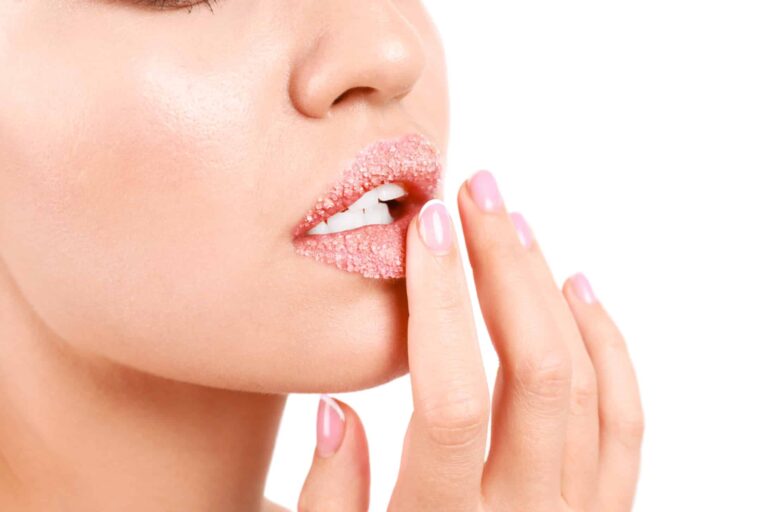
Get the goodness of natural ingredients and try this DIY lip mask over the weekend. Check it out

When you ask us what is that one thing that is getting immensely popular in skincare, It is the lip mask. Just like your face needs a great mask, your lips require it too. For all those who are prone to dry and chapped lips, you’re going to thank us after reading this article. It’s the era of masking and here’s everything you need to know about making your own DIY lip mask.

You will need: 

1 teaspoon of coconut oil

1 Vitamin E capsule

5-6 rose petals

How to: 

  1. Start by heating the oil in a hot water bath.
  2. Put the rose petals in the oil and let it sit for a few hours. If you have rose essential oil, you can use a few drops of that instead of this step.
  3. Once the goodness of the rose petals has been absorbed by the oil, squeeze the oil out of them and discard it.
  4. Puncture a Vitamin E capsule and squeeze the oil out in the rest of your mixture.
  5. Store it in an empty lip balm container and let it freeze in the fridge.
  6. Use as an overnight mask and wake up with the softest lips.

Benefits: 

– Rose petals have natural oils that soothe the soothe the skin leaving it soft and supple. It also retains the moisture not allowing your lips to get dry.

– Coconut oil is an excellent moisturiser and a natural ingredient that won’t harm you even if you end up tasting it.

– Vitamin E helps in restoring the lost moisture and hence is used in a variety of skincare products. It also helps in keeping the skin moisturized and is hence the best ingredient to deal with dry lips.

……Read More……

Read Also:  DIY face mask recipes for oily skin

How to Treat Rosacea Naturally

0

Complex skin conditions such as rosacea don’t necessarily require complex solutions. In fact, where rosacea is concerned, the more basic the better. Applying too many products—especially those with harsh ingredients—won’t improve your condition and might even make it worse. Keep your regimen pure and simple for the best results. Here’s how to treat rosacea naturally at home.

Careful Cleansing

Stash the washcloth and instead apply a gentle fragrance-free cleanser with your fingertips. Before actually using the product on your face, it’s essential to test an area—such as your neck—to see if any irritation occurs. As a general rule, a good choice for cleansing is zinc soap, medicated with 2 percent pyrithione zinc or sulfur-based cleansers, as opposed to products with harsh additives like benzoyl peroxide or salicylic acid. These ingredients can easily aggravate delicate, rosacea-prone skin. After gently cleansing, rinse with lukewarm water, then wait five to 10 minutes for your face to fully dry before applying additional products.

To Tone or Not to Tone

Products that contain alcohol, witch hazel, peppermint, menthol, tea tree oil or rosemary—all common toner ingredients—can exacerbate rosacea. As a general rule, products designed to exfoliate the skin should be avoided. Only use a toner specifically designed for delicate, sensitive skin; if you notice any burning or increased redness, discontinue use immediately.

Sunscreen Essentials

Many women find that exposure to sun triggers their rosacea flare-ups, so applying sunscreen daily is an absolute must. If you’re using a topical or prescription product, apply this first, then follow up with an SPF of 30 or higher. Naturally, it’s critical to look for gentle formulas: Sunscreens with titanium dioxide, zinc oxide and silicone or dimethicone typically won’t irritate rosacea-prone skin.

Must-Have Moisturizer

Consider your skin type when you choose a moisturizer; whether you’re oily, normal or dry, the proper amount of hydration is critical for staving off rosacea flare-ups. All formulas should be fragrance-free, but oily skin requires a lotion or gel formula, while dryer complexions call for heavier creams. Ingredients such as hyaluronic acid, green tea and other gentle antioxidants work to keep skin balanced and hydrated.

Read more 

Also read  13 Best Ways To Use Baking Soda To Lighten Dark Underarms


How to Prevent and Treat Nail Problems

It’s easy to take your nails for granted, especially if you’re not into manicures and pedicures. But if you don’t take care of them, your nails can get out of hand.Keep these do’s and don’ts in mind to stop nail problems before they start.

Do Clean Up

If it’s your habit to just rinse and go, it’s time to rethink how you wash your hands. Germs can collect under your nails. You should scrub them with soap every time you wash your hands. Give yourself bonus points if you use a nail brush.

Don’t Bite!

Biting your nails can make you sick by giving cold-causing viruses an express ticket into your mouth. And if you happen to puncture or tear the skin, it sets you up for ingrown nails or infection.

Got a hangnail? Cut it off. Don’t bite or rip it.

Do Keep Them Dry

Bacteria and fungi thrive in moist environments, plus waterlogged nails are more likely to split. When you’re done at the sink or in the shower, dry your hands and feet thoroughly.

Pull on a pair of gloves when you clean or wash dishes. Wear socks and shoes made of breathable material and change them often, especially if the insides feel damp and sweaty.

Do Trim — the Right Way

The healthiest nails are cut short and straight across. Long nails are more likely to break and tear, and bacteria can live under them.

When you trim your toenails, don’t cut too deeply along the sides of them, or it could lead to an ingrown toenail.

Nails too thick and hard to cut? Soak them in salt water, then smooth on a cream that contains urea or lactic acid to soften them.

Don’t Wear Shoes That Don’t Fit

If they’re too small or too big, or too narrow and tight, it can cause problems like ingrown nails. Shoes that rub can cause blisters or sores that can get infected. Read more

Read also: The Effects of Aging on Skin


The Effects of Aging on Skin

Our skin is at the mercy of many forces as we age: sun, harsh weather, and bad habits. But we can take steps to help our skin stay supple and fresh-looking.How your skin ages will depend on a variety of factors: your lifestyle, diet, heredity, and other personal habits. For instance, smoking can produce free radicals, once-healthy oxygen molecules that are now overactive and unstable. Free radicals damage cells, leading to, among other things, premature wrinkles.

There are other reasons, too. Primary factors contributing to wrinkled, spotted skin include normal aging, exposure to the sun (photoaging) and pollution, and loss of subcutaneous support (fatty tissue between your skin and muscle). Other factors that contribute to aging of the skin include stress, gravity, daily facial movement, obesity, and even sleep position.

Skin Changes That Come With Age

As we grow older, changes like these naturally occur:

  • Skin becomes rougher.
  • Skin develops lesions such as benign tumors.
  • Skin becomes slack. The loss of the elastic tissue (elastin) in the skin with age causes the skin to hang loosely.
  • Skin becomes more transparent. This is caused by thinning of the epidermis (surface layer of the skin).
  • Skin becomes more fragile. This is caused by a flattening of the area where the epidermis and dermis (layer of skin under the epidermis) come together.
  • Skin becomes more easily bruised. This is due to thinner blood vessel walls.

Changes below the skin also become evident as we age. They include:

  • Loss of fat below the skin in the cheeks, temples, chin, nose, and eye area may result in loosening skin, sunken eyes, and a “skeletal” appearance.
  •  Bone loss, mostly around the mouth and chin, may become evident after age 60 and cause puckering of the skin around the mouth.
  • Cartilage loss in the nose causes drooping of the nasal tip and accentuation of the bony structures in the nose.

Sun and Your Skin

Exposure to sunlight is the single biggest culprit in aging skin.

Nothing can completely undo sun damage, although the skin can sometimes repair itself. Lasers can also help reverse some of the damage. So, it’s never too late to begin protecting yourself from sun exposure and skin cancer. You can delay changes associated with aging by staying out of the sun, covering up, wearing a hat, and making a habit of using sunscreen.  Read more

Read also: 19 Hair Care Tips


19 Hair Care Tips

Boost Thin Hair With Silicone

Thin, lifeless hair is a common complaint, yet few women know the best remedy. Heavy conditioners will  just leave your hair limp. A better bet is to use products with silicone, such as dimethicone or cyclomethicone. These coat the strands with a thin film, creating fuller hair that doesn’t look greasy. The silicone stays put even after you rinse.

Eat Fish and Nuts for Healthy Hair

The same nutritious foods that are good for your body promote stronger, healthier hair. Load up on salmon and nuts! Their protein and omega-3 fats help create a healthier scalp. Leafy vegetables, beans, and carrots are also good for your tresses. Beware of fad diets aimed at quick weight loss. They can starve your body of important nutrients, which can lead to brittle hair or hair loss.

Protect Shine With Lukewarm Water

Hot water can strip the protective oils that act as a natural conditioner. And your hair’s natural shine can disappear. This doesn’t mean you have to suffer through cold showers to avoid dull hair. Instead, use lukewarm water to wash your hair. Pamper the scalp by massaging it while you shampoo.

Mend Split Ends With Protein

If you often style your hair with hot tools — or you color, bleach, or perm a lot — you can damage hair’s protective outer layer. The result is “split ends.” Thankfully, there are hair products to help mend the damage. Look for conditioners with protein. They sink into the hair shaft and repair split ends. The fix only lasts until the next shampoo, so you’ll need to use them regularly.

Get That ‘Redhead Bounce’

The fullness of your hair is in your genes — and your styling technique. Natural redheads have thicker hair, while blondes have the thinnest but greatest number of hairs. Luckily, you can plump up the volume whatever its color. Use a leave-in conditioner or mousse and dry the root area first. Flip your hair upside down as you dry, for an extra volume boost. If your hair is very fine, use low heat with any hot tool. Read more

Read also: How to Fix Cracked Heels at Home


How to Fix Cracked Heels at Home

0

Cracked heels are a common foot problem. One survey found that 20 percent of adults in the United States experience cracked skin on their feet. This can occur in both adults and children and seems to affect women more often than men.

For most people, having cracked heels isn’t serious. It may cause discomfort when going barefoot. In some cases, cracks in the heels can become very deep and cause pain. Read on to learn about the best home remedies for treating and preventing cracked heels.

Home treatments for cracked heels

1. Heel balms or thick moisturizers

The first line of treatment for cracked heels is using a heel balm. These balms contain ingredients to moisturize, soften, and exfoliate dead skin. Look out for the following ingredients:

You can find these heel balms over the counter at a drug store or online.

Some heel balms may cause minor stinging or irritation. This is normal. Consult your doctor if the balm continues to bother you or causes severe reactions. Severe cases of cracked heels may require a prescription-strength balm or steroid cream to help reduce inflammation and relieve itching.

2. Soak and exfoliate your feet

The skin around cracked heels is often thicker and drier than the rest of your skin. This skin tends to split when you apply pressure. Soaking and moisturizing your feet can help with this. Here are some tips.

For a foot soak:

  1. Keep your feet in lukewarm, soapy water for up to 20 minutes.
  2. Use a loofah, foot scrubber, or pumice stone to remove any hard, thick skin.
  3. Gently pat your feet dry.
  4. Apply a heel balm or thick moisturizer to the affected area.
  5. Apply petroleum jelly over your feet to lock in moisture. Put on socks to avoid spreading any grease around.

Avoid scrubbing your feet when they’re dry. This increases your risk for damaged skin.

You can also try moisturizing heel sleeves. These have a similar effect to foot soaks. The sleeves are like socks that contain therapeutic oils and vitamins to help treat your dry skin. You can find them on Amazon here.

Read More

Also Read: 13 Best Ways To Use Baking Soda To Lighten Dark Underarms