
Home Blog Page 9

Dry Brushing for Skin: Benefits, Technique, and Tips

0

Dry brushing for skin is an ancient technique that has recently gained popularity for its numerous benefits to the skin and overall health. It’s a simple process of brushing the skin with a firm, bristled brush while it’s dry, usually before showering. This practice not only exfoliates the skin but also promotes other health benefits, from improved circulation to stress relief. Here’s everything you need to know about dry brushing for skin.

What is Dry Brushing?

Dry brushing involves using a natural bristle brush to gently brush the skin in upward strokes. The technique is typically done before bathing, with the skin completely dry. The primary goal is to exfoliate the outer layer of dead skin cells, revealing fresher, smoother skin underneath. Beyond exfoliation, advocates of dry brushing claim several additional benefits for the body and skin.

Benefits of Dry Brushing

1. Exfoliation

One of the most immediate and noticeable benefits of dry brushing is exfoliation. The firm bristles slough off dead skin cells, leaving the skin softer and smoother. This natural exfoliation can help prevent clogged pores and ingrown hairs, promoting healthy skin turnover.

2. Increased Circulation

Dry brushing is said to stimulate blood flow in the skin. By applying pressure and using upward strokes towards the heart, it promotes circulation, helping oxygen and nutrient-rich blood reach the surface. This increased blood flow may contribute to a more radiant and glowing complexion.

3. Lymphatic Drainage

One of the most talked-about benefits of dry brushing is its potential to support the lymphatic system. The lymphatic system is a key part of the immune system, responsible for eliminating toxins and waste. Dry brushing may help stimulate lymph flow, encouraging the body’s natural detoxification process. This is why many people believe dry brushing aids in reducing puffiness and swelling.

4. Reduction of Cellulite Appearance

Although there’s limited scientific evidence supporting this claim, many proponents of dry brushing suggest that it helps reduce the appearance of cellulite. The theory is that dry brushing improves circulation and breaks down the fat cells under the skin, leading to smoother, firmer skin.

5. Stress Relief

The act of dry brushing can be very calming and meditative. Many people find it soothing, and it can help reduce stress and anxiety. The gentle, repetitive motions may provide a sensory experience that promotes relaxation, making it an ideal practice for self-care routines.

6. Unclogs Pores

Along with removing dead skin, dry brushing can help unclog pores and clear impurities trapped in the skin. This makes it particularly useful for those who have body acne or who are prone to clogged pores on the back or chest.

How to Dry Brush: Step-by-Step Guide

To get the most out of dry brushing, follow these simple steps:

1. Choose the Right Brush

Select a dry brush with natural bristles that are firm but not too harsh on your skin. Some brushes come with a long handle for reaching your back, while others have shorter handles for easier grip. You can also find brushes designed specifically for sensitive skin.

2. Start at Your Feet

Begin at your feet and use upward strokes toward your heart. Always brush toward the center of your body to follow the natural flow of the lymphatic system. Use long, sweeping motions, not circular ones, and overlap each stroke slightly.

3. Work Your Way Up

Continue brushing your legs, arms, and torso. Be gentle on more sensitive areas like the stomach and chest, and avoid brushing over areas with broken skin, rashes, or other irritations. The pressure should be firm but not painful.

4. Shower After Brushing

After you’ve dry brushed your entire body, take a shower to wash away the dead skin cells. You may choose to alternate between hot and cold water to further stimulate circulation.

5. Moisturize

Once out of the shower, moisturize your skin to lock in hydration. Using natural oils like coconut, almond, or jojoba oil can enhance the softness and health of your skin after exfoliation.

Tips for Dry Brushing Success

  • Consistency is Key: For best results, aim to dry brush 3-4 times a week. Overbrushing can irritate the skin, so start slow and build up as your skin becomes accustomed to the process.
  • Use a Clean Brush: Always keep your brush clean. After each use, tap off dead skin cells, and wash the brush with soap and water every couple of weeks. Let it air dry completely to prevent mold growth.
  • Be Gentle on Sensitive Areas: Skin on the face, chest, and other sensitive areas may require a softer brush or gentler pressure. Some people may find that dry brushing on their face is too harsh and should opt for a more delicate exfoliation method.
  • Avoid Irritated or Broken Skin: Do not brush over inflamed or broken skin. If you have eczema, psoriasis, or other skin conditions, consult with a dermatologist before trying dry brushing to avoid exacerbating the issue.
  • Stay Hydrated: Drinking plenty of water is essential when you engage in any detoxifying practices like dry brushing. It helps flush out toxins and keeps your skin hydrated from the inside out.

Potential Risks and Considerations

Although dry brushing has many potential benefits, it’s not suitable for everyone. People with sensitive or dry skin should be cautious as the brushing may exacerbate irritation or dryness. Overbrushing or using too much pressure can also lead to microtears or abrasions on the skin.

It’s also worth noting that some of the benefits of dry brushing, particularly its effects on cellulite, lack robust scientific backing. While many people enjoy the practice for its exfoliation and circulatory effects, others may find little difference.

Conclusion

Dry brushing is a simple and natural technique that can provide significant benefits for your skin and overall wellness. Whether you’re seeking smoother skin, improved circulation, or a relaxing self-care ritual, dry brushing is an accessible and easy-to-implement practice. As with any skincare regimen, it’s important to listen to your body and adjust based on how your skin responds.

Read also:Whitening Laser Treatments: A Guide to Brighter, Even Skin
Dental Implants: A Comprehensive Guide

0

Dental implants have revolutionized modern dentistry, offering a permanent solution for tooth loss. Whether you’re missing a single tooth or several, implants provide a durable and aesthetic option to restore functionality and confidence in your smile. This guide explains the basics, benefits, procedure, and considerations surrounding dental implants.

What Are Dental Implants?

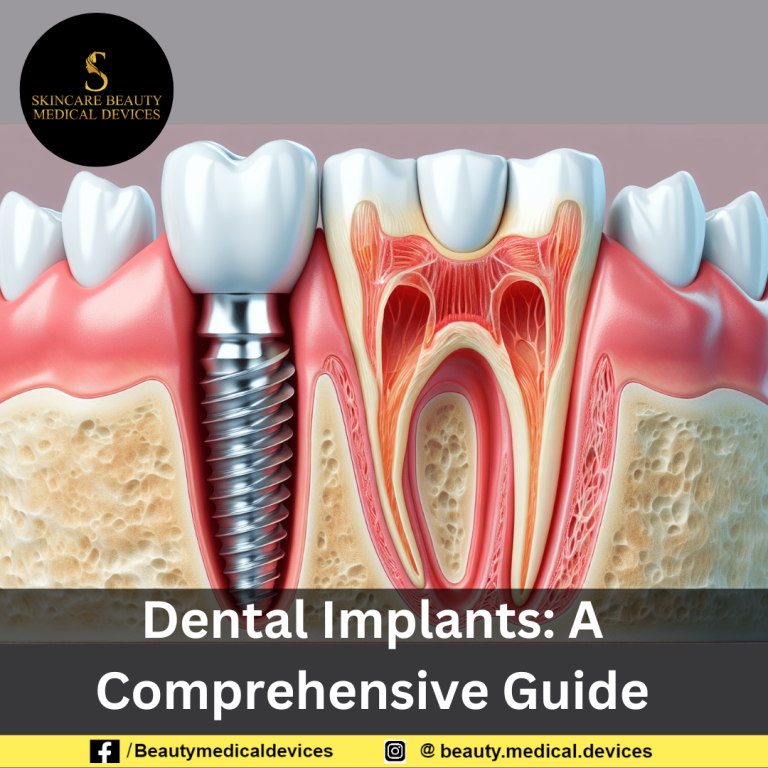
A dental implant is a titanium post surgically placed into the jawbone, acting as an artificial root for a replacement tooth. Over time, the implant fuses with the bone through a process called osseointegration, ensuring a stable foundation for a crown, bridge, or denture. Unlike traditional solutions like bridges or dentures, implants are designed to be permanent.

Benefits of Dental Implants

  1. Natural Appearance and Comfort: Implants look, feel, and function like natural teeth, providing a seamless match to your smile.
  2. Improved Speech and Chewing: Unlike dentures, which can slip or cause speech difficulties, implants stay secure, allowing for natural speech and easier eating.
  3. Bone Preservation: Implants stimulate the jawbone, preventing bone loss—a common issue with missing teeth. This preserves the facial structure.
  4. Durability: With proper care, dental implants can last a lifetime, making them a long-term solution.
  5. Oral Health: Unlike bridges, which require neighboring teeth to be filed down, implants don’t affect adjacent teeth.

The Dental Implant Procedure

  1. Initial Consultation and Planning: The dentist or oral surgeon conducts a thorough exam, often including X-rays or 3D scans, to assess the health of your jawbone and create a treatment plan.
  2. Surgical Placement of the Implant: The titanium implant is surgically placed into the jawbone. This procedure can be done under local anesthesia or sedation, depending on the patient’s needs.
  3. Osseointegration: The healing process, where the implant fuses with the bone, usually takes 3 to 6 months. During this time, a temporary crown may be placed for cosmetic purposes.
  4. Abutment Placement: After osseointegration, a small connector (abutment) is placed on the implant to hold the final crown.
  5. Crown Placement: Once healed, the custom-made crown is attached to the abutment, completing the restoration.

Types of Dental Implants

  1. Endosteal Implants: The most common type, placed directly into the jawbone.
  2. Subperiosteal Implants: Placed under the gum but on or above the jawbone, suitable for patients with insufficient bone height.
  3. Zygomatic Implants: A less common option, used when there’s severe bone loss in the upper jaw, anchoring to the cheekbone (zygoma).

Who Is a Candidate for Dental Implants?

  • Good Overall Health: Ideal candidates should be in good health, as certain conditions like uncontrolled diabetes or smoking can affect healing.
  • Sufficient Jawbone Density: There needs to be enough healthy bone to support the implant. In cases of bone loss, procedures like bone grafting may be necessary.
  • Healthy Gums: Gum disease or infections must be treated before implant surgery.

Risks and Considerations

  • Infection: As with any surgery, there’s a risk of infection at the implant site.
  • Implant Failure: Though rare, implants may fail if they don’t integrate with the bone, often due to poor oral hygiene, smoking, or certain health conditions.
  • Nerve or Sinus Issues: In rare cases, implants placed in the upper jaw can protrude into the sinus cavities, or damage nerves if placed too close to them.

Aftercare and Maintenance

Maintaining good oral hygiene is crucial for the longevity of dental implants. Here are some tips:

  • Brush and Floss Daily: Keep the implant and surrounding teeth clean.
  • Regular Dental Checkups: Routine checkups will ensure the implant is in good condition and help prevent complications.
  • Avoid Hard Foods: Avoid chewing on ice or hard objects that can damage the crown.

Cost of Dental Implants

The cost of dental implants varies depending on location, the complexity of the case, and the materials used. On average, a single implant can cost between $1,000 and $4,000, including the implant, abutment, and crown. While dental insurance may not cover the entire cost, many plans offer partial coverage.

Conclusion

Dental implants are a highly effective, long-term solution for tooth loss, offering both functional and aesthetic benefits. With proper care, they can provide a lifetime of improved oral health and confidence. If you’re considering dental implants, consult with your dentist to determine if they are the right choice for you.

Read also:Renewal Skincare Wand with Red Light Therapy: A Deep Dive into Skincare Innovation

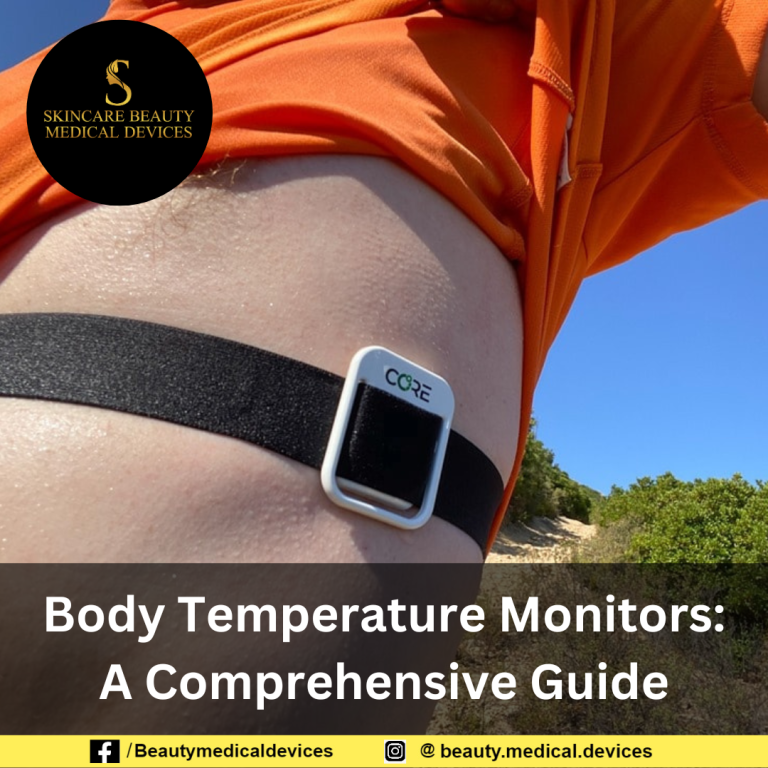
Body Temperature Monitors: A Comprehensive Guide

0

Body temperature monitors have become increasingly important in various settings, from healthcare to everyday personal use. The ability to quickly and accurately measure body temperature can help in detecting early signs of illness, monitoring ongoing health conditions, and ensuring workplace or public safety. This article explores the different types of body temperature monitors, how they work, and their applications.

Types of Body Temperature Monitors

  1. Digital Thermometers
    • How They Work: Digital thermometers use electronic heat sensors to measure body temperature. They are commonly used orally, rectally, or under the armpit.
    • Advantages: Affordable, accurate, and easy to use. They offer quick results (usually within 30 seconds to a minute).
    • Disadvantages: Requires physical contact with the body, which can be uncomfortable for some, and may require sanitization after each use.
  2. Infrared Thermometers
    • How They Work: Infrared thermometers measure the thermal radiation emitted from the surface of the body, usually from the forehead or ear.
    • Advantages: Non-contact measurement, quick readings, and hygienic. Commonly used in public spaces or for mass screenings.
    • Disadvantages: Environmental factors, such as ambient temperature, can affect accuracy. Proper use is essential to avoid inconsistent readings.
  3. Wearable Temperature Monitors
    • How They Work: Wearable devices, such as smartwatches or fitness trackers, often include temperature sensors that continuously monitor body temperature.
    • Advantages: Continuous monitoring is useful for tracking temperature fluctuations over time, especially for health conditions or during physical activity.
    • Disadvantages: They tend to be less accurate than traditional thermometers for spot measurements and can be affected by external factors like sweat or the tightness of the device on the skin.
  4. Mercury Thermometers (Legacy Devices)
    • How They Work: Mercury thermometers use mercury expansion to indicate body temperature.
    • Advantages: Historically accurate and reliable.
    • Disadvantages: Mercury is toxic, and the devices are now largely phased out due to health and environmental concerns.
  5. Smart Thermometers
    • How They Work: Smart thermometers are digital devices that can sync with mobile apps to track and record body temperature over time.
    • Advantages: Allow for easy tracking and sharing of temperature data. They are often connected to other health metrics for a comprehensive health overview.
    • Disadvantages: They are more expensive than traditional thermometers and require a compatible smartphone or device.

Key Applications of Body Temperature Monitors

  1. Medical Diagnostics Body temperature is a key indicator of health. Elevated body temperature (fever) is often a sign of infection, while low body temperature (hypothermia) can indicate critical health problems. Thermometers are essential for diagnosing and monitoring these conditions.
  2. Workplace and Public Safety Since the onset of the COVID-19 pandemic, non-contact infrared thermometers have become common in public places, airports, and businesses to screen for fever as a potential symptom of illness.
  3. Sports and Fitness For athletes, body temperature monitoring helps in understanding how the body responds to exertion and external heat, helping to prevent overheating and ensuring optimal performance.
  4. Childcare Monitoring a child’s temperature is crucial, especially for newborns and infants who are unable to communicate how they feel. Digital and infrared thermometers provide quick, non-invasive ways to check their health.
  5. Chronic Condition Monitoring For individuals with chronic health conditions, such as diabetes or autoimmune disorders, tracking body temperature can help detect flare-ups or infections early.

Innovations in Body Temperature Monitoring

Technological advances have led to more sophisticated and convenient temperature monitoring systems:

  • Smart Home Health Devices: Some companies offer home health systems that integrate temperature monitoring with other health data like heart rate, oxygen saturation, and sleep patterns.
  • Remote Monitoring Systems: Used in hospitals or elder care, remote temperature monitoring devices allow caregivers to track a patient’s temperature without being physically present.

Conclusion

Body temperature monitors are essential tools in both clinical and non-clinical settings. With the increasing demand for real-time health monitoring, devices are evolving to become more accurate, user-friendly, and integrated with broader health technologies. Whether it’s for personal use, professional healthcare, or public safety, selecting the right type of thermometer for your needs ensures accurate and efficient temperature tracking.

Read also:Skin Tightening & Rejuvenation: A Guide to Firmer, Youthful Skin

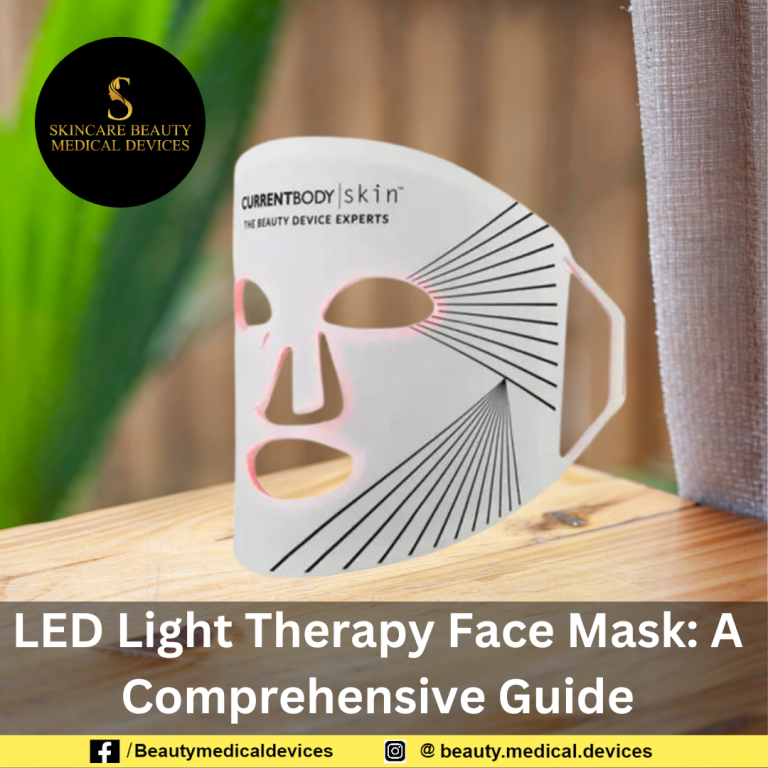
LED Light Therapy Face Mask: A Comprehensive Guide

0

An LED light therapy face mask is a skincare device that uses light-emitting diodes (LEDs) to treat various skin concerns. The mask emits different colors of light, each penetrating the skin at varying depths and targeting specific issues. Here’s a breakdown of how it works and the benefits of different light colors:

How LED Light Therapy Works:

  • LED lights penetrate the skin without causing damage, stimulating skin cells to regenerate and heal more effectively.
  • The specific color wavelengths of light address different skin concerns, from acne to aging to inflammation.

Benefits of Different LED Light Colors:

  1. Red Light (630-660 nm)
    • Boosts collagen production, improving skin elasticity and reducing fine lines and wrinkles.
    • Enhances blood circulation, giving the skin a natural glow.
    • Helps in wound healing and reducing the appearance of scars.
  2. Blue Light (405-420 nm)
    • Targets acne by killing acne-causing bacteria (P. acnes).
    • Helps control oil production and reduces inflammation associated with breakouts.
  3. Green Light (520-530 nm)
    • Reduces hyperpigmentation and dark spots, resulting in a more even skin tone.
    • Calms redness and irritated skin.
  4. Yellow Light (580 nm)
    • Improves lymphatic drainage and reduces redness.
    • Can be beneficial for rosacea and reducing fine lines.
  5. Purple Light (combination of red and blue)
    • Combines the benefits of acne treatment and anti-aging.
    • Can also help with scarring from acne and promote skin healing.
  6. Cyan/Light Blue Light
    • Soothes irritated skin, reduces inflammation, and boosts cell metabolism.
  7. White Light (broad spectrum)
    • Penetrates deeply into the skin to tighten it, reduce swelling, and help cellular regeneration.

How to Use an LED Light Therapy Mask:

  • Clean your face before using the mask to allow the light to penetrate properly.
  • Wear the mask for about 10-20 minutes per session, depending on your skin concern and the type of light used.
  • It’s generally safe to use several times a week, though specific devices may have different usage recommendations.

Safety and Precautions:

  • LED light therapy is generally safe and non-invasive.
  • Be cautious if you have photosensitive skin or are taking medications that increase light sensitivity.
  • Always wear eye protection, as the intense light can cause damage to the eyes over prolonged exposure.

LED therapy masks are widely used for home treatments and by dermatologists in professional settings. It’s important to follow the manufacturer’s guidelines for optimal and safe use.

Read also:The Evolution of Cryotherapy Tools: From Medical Treatments to At-Home Skincare Solutions

Nurse Jamie Uplift Massaging Beauty Roller

0

The Nurse Jamie Uplift Massaging Beauty Roller is a popular skincare tool designed to enhance skin tone, reduce puffiness, and promote a more youthful appearance. Known for its unique shape and effectiveness, the beauty roller is often praised in beauty and skincare communities.

Key Features:

  1. Hexagon Shape with 24 Massaging Stones: The roller features a unique hexagon shape with 24 massaging stones. These stones help simulate a gentle massage when rolled across the face, improving blood circulation and stimulating collagen production.
  2. Portable and Easy to Use: It’s a compact, non-invasive tool that can be used at home or on the go. The design allows for easy handling and control while targeting various areas of the face, neck, and body.
  3. No Need for Batteries or Charging: Unlike many electronic facial devices, the Nurse Jamie Uplift Roller is completely manual, making it low-maintenance.
  4. Targeted Skin Benefits:
    • Lift and Tone: Regular use is said to help lift and tone the skin by stimulating facial muscles.
    • Reduces Puffiness: The massage helps drain excess fluid from the face, reducing puffiness, especially around the eyes.
    • Smooths Fine Lines: The tool helps in smoothing fine lines and wrinkles by promoting better circulation and boosting natural radiance.
  5. Material and Durability: It’s made from high-quality materials designed for long-lasting use. The roller is typically aluminum-coated and embedded with tourmaline stones, known for their rejuvenating effects.

How to Use:

  • Roll in Upward Strokes: To get the most benefit, users are advised to gently roll the device upward and outward over the face, jawline, neck, and even the body.
  • Daily or Weekly Use: The frequency depends on your skincare needs. Some prefer daily use for a more sculpted look, while others use it a few times a week for maintenance.

Reviews and Results:

Many users report immediate results, such as a reduction in puffiness and a refreshed appearance, while longer-term use can result in firmer skin. The tool is often recommended for anyone looking for a quick and easy way to improve their skincare routine without invasive procedures.

Celebrity Endorsements:

The Nurse Jamie Uplift Roller is a favorite among celebrities like Jessica Alba and Khloé Kardashian, who have praised its benefits for achieving a natural, lifted look.

Price Point:

It is considered a luxury beauty tool, with a price typically ranging from $50 to $70, depending on the retailer.

Conclusion:

The Nurse Jamie Uplift Massaging Beauty Roller offers a convenient, at-home solution for those seeking to improve their facial contours, tone, and overall skin health without the need for complicated devices or invasive procedures. Regular use can help maintain a youthful glow and reduce signs of aging.

Read also:Understanding Sun Stroke: Causes, Symptoms, and Prevention

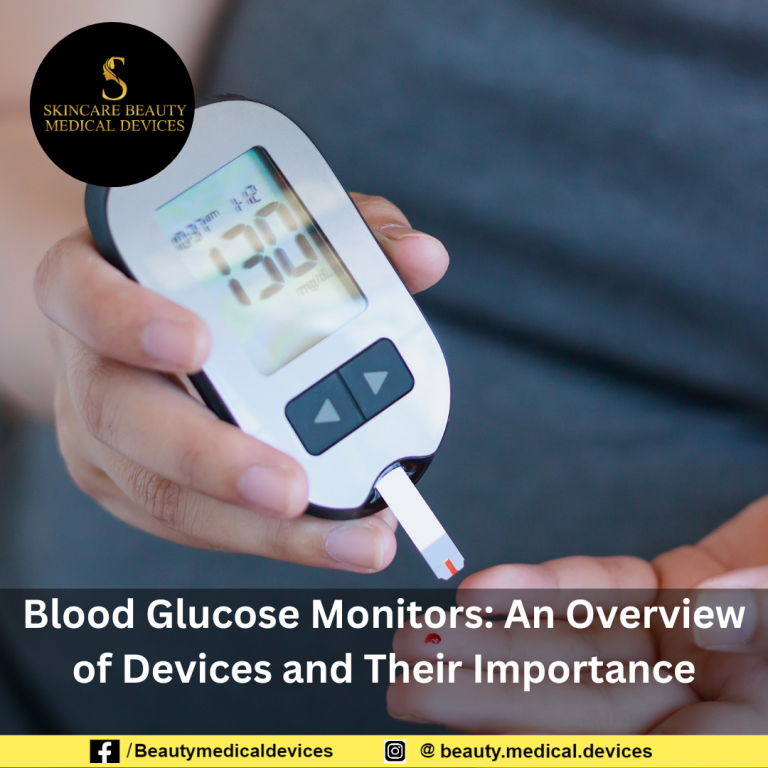
Blood Glucose Monitors: An Overview of Devices and Their Importance

0

Blood glucose monitors (BGMs) are essential medical devices that help individuals, particularly those with diabetes, manage their blood sugar levels. These devices provide real-time data, enabling users to track glucose fluctuations and take immediate action to maintain their health.

Importance of Monitoring Blood Glucose

Regular monitoring of blood glucose is crucial for individuals with diabetes, as it helps:

  1. Prevent Hyperglycemia and Hypoglycemia: High or low blood sugar levels can lead to serious health complications if not managed. Monitoring helps avoid these extremes.
  2. Aid in Medication Management: Blood glucose data informs how much insulin or other medications are needed.
  3. Diet and Lifestyle Adjustments: Regular monitoring allows users to see how food, exercise, and stress impact their blood sugar levels, enabling better lifestyle choices.
  4. Prevent Long-Term Complications: Proper management of blood sugar levels can help prevent diabetes-related complications such as nerve damage, kidney disease, and heart problems.

Types of Blood Glucose Monitors

There are several types of blood glucose monitors available, ranging from basic models to advanced continuous glucose monitoring (CGM) systems.

1. Traditional Blood Glucose Meters

These devices measure glucose levels from a small drop of blood, typically taken from the fingertip using a lancet. The steps for usage are:

  • Prick the fingertip with a lancet.
  • Place a drop of blood on a test strip.
  • Insert the strip into the glucose meter to get a reading.

Advantages:

  • Accuracy: Provides reliable readings.
  • Affordability: These are relatively inexpensive and widely available.

Disadvantages:

  • Invasive: Requires finger pricking multiple times a day.
  • Manual Data Logging: Some models lack data-tracking features, requiring manual input.

2. Continuous Glucose Monitors (CGMs)

CGMs use a small sensor placed under the skin to measure glucose levels in the interstitial fluid. The sensor transmits data to a receiver or smartphone, providing real-time updates on glucose levels.

Advantages:

  • Continuous Monitoring: Provides glucose readings every few minutes, even during sleep.
  • Data Insights: Tracks trends and fluctuations over time, helping with predictive insights.
  • Reduced Finger Pricks: Only occasional calibration with a traditional meter is needed.

Disadvantages:

  • Cost: CGMs are more expensive than traditional meters.
  • Accuracy: In certain conditions, the readings may not be as accurate as blood-based meters.
  • Sensor Replacement: Sensors need to be replaced every few days to maintain accuracy.

Smart Features and Integrations

Modern blood glucose monitors, both traditional and continuous, are now integrating with smartphone apps and cloud services, offering advanced features such as:

  • Data Logging: Automatic tracking of readings over days, weeks, or months.
  • Trend Analysis: Identifies patterns in glucose levels, helping users make informed decisions.
  • Remote Monitoring: Allows caregivers or healthcare providers to access a user’s data remotely.
  • Reminders and Alerts: Warn users of dangerously high or low glucose levels or remind them to take their readings.

Choosing the Right Device

When selecting a blood glucose monitor, consider factors such as:

  1. Accuracy: The device should meet international accuracy standards.
  2. Ease of Use: Look for features like a large display, backlighting, or voice output for visually impaired users.
  3. Cost: Consider both the upfront cost of the device and the recurring cost of test strips or sensor replacements.
  4. Lifestyle Compatibility: Active individuals may benefit more from CGMs, while others may prefer simpler, traditional meters.
  5. Data Connectivity: If you want to track your glucose levels over time, choose a model with data export options to your phone or computer.

Conclusion

Blood glucose monitors are vital tools for managing diabetes, helping individuals maintain healthy blood sugar levels and prevent complications. Whether you opt for a traditional meter or a continuous glucose monitor, the right choice depends on your lifestyle, needs, and budget. Continuous advancements in technology are making these devices smarter and more convenient, offering better health outcomes for millions of users.

Read also: The Evolution of Cryotherapy Tools: From Medical Treatments to At-Home Skincare Solutions

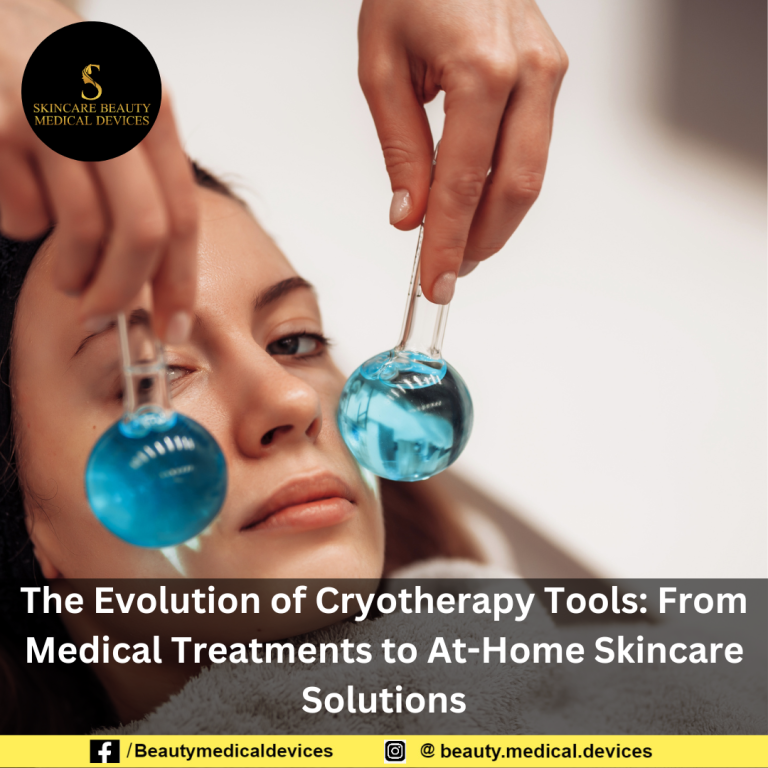
The Evolution of Cryotherapy Tools: From Medical Treatments to At-Home Skincare Solutions

0

Cryotherapy, a technique that uses extremely cold temperatures to treat various conditions, has undergone remarkable advancements since its inception. Initially developed for medical purposes, it has evolved into a popular treatment across various sectors, particularly in the wellness and skincare industries. Here’s a look at how cryotherapy tools have transformed from medical treatments into at-home skincare solutions.

Early Medical Applications of Cryotherapy

The origins of cryotherapy can be traced back to the late 19th century when doctors began exploring the benefits of extreme cold for medical purposes. Early uses included the treatment of localized injuries, such as sprains, using ice or cold compresses to reduce inflammation and numb pain. Cryotherapy’s most significant leap, however, occurred in the mid-20th century, with the invention of cryosurgery.

Cryosurgery, which involves freezing and destroying abnormal tissues, became widely recognized for its ability to treat various skin conditions, such as warts, skin tags, and even some types of skin cancer. This method used liquid nitrogen, applied directly to the skin, to freeze off damaged tissue. The success of cryosurgery in dermatology laid the groundwork for cryotherapy’s broader applications in health and beauty.

Whole-Body Cryotherapy: Expansion Beyond Dermatology

In the 1970s, whole-body cryotherapy (WBC) was developed in Japan by Dr. Toshima Yamauchi to help treat patients with rheumatoid arthritis. WBC involves exposing the entire body to ultra-low temperatures, typically between -110°C to -140°C (-166°F to -220°F), for short periods (2-3 minutes). The treatment aims to reduce inflammation, alleviate pain, and promote muscle recovery, which led to its widespread use among athletes and fitness enthusiasts.

As WBC gained traction, cryotherapy became associated with health benefits beyond medical necessity. Athletes like LeBron James and Cristiano Ronaldo began endorsing WBC for recovery and performance enhancement, propelling it into the mainstream wellness industry.

Cryotherapy Enters the Skincare World

The transition of cryotherapy from a medical treatment to a beauty trend began as people noticed its potential benefits for the skin. Cold therapy helps constrict blood vessels, reduce puffiness, and enhance the overall tone and texture of the skin. Beauty professionals and dermatologists started using cryotherapy as a non-invasive way to rejuvenate the skin and treat conditions like rosacea and acne.

The Rise of At-Home Cryotherapy Tools

The next significant evolution in cryotherapy came with the development of at-home skincare tools. Cryo-based beauty devices, once reserved for clinics and spas, became more accessible to everyday consumers. Here are some of the popular at-home cryotherapy tools:

  1. Cryo Sticks and Globes: These stainless steel or glass tools can be stored in the freezer and applied to the face to reduce puffiness, calm redness, and stimulate circulation. They are simple yet effective for daily skincare routines.
  2. Ice Rollers: Ice rollers, which are handheld devices filled with water or gel, can be frozen and then rolled over the face. The cold application soothes the skin, tightens pores, and gives an instant glow.
  3. Cryo-Facial Devices: High-tech versions of cryo tools, such as cryo-facial machines, use cooled air to deliver precise treatments. These devices mimic professional-grade cryotherapy treatments and have become increasingly popular for home use.
  4. Cryo-Masks: Cryo-masks, which contain gel or other cooling elements, are designed to be chilled before use. They’re placed on the face to deliver an intense cooling sensation, leaving the skin refreshed and rejuvenated.

Benefits of At-Home Cryotherapy for Skincare

At-home cryotherapy tools offer a range of benefits for the skin, making them a staple in many people’s beauty routines. Key benefits include:

  • Improved Circulation: Cold temperatures stimulate blood flow, delivering oxygen and nutrients to the skin and promoting a healthy glow.
  • Reduction in Inflammation and Puffiness: Cryotherapy helps minimize swelling and inflammation, making it ideal for reducing under-eye puffiness and calming irritated skin.
  • Enhanced Collagen Production: Exposure to cold can trigger the production of collagen, which helps maintain skin elasticity and reduce the appearance of fine lines and wrinkles.
  • Tightening of Pores: Cryotherapy shrinks the appearance of pores, making the skin appear smoother and more refined.

The Future of Cryotherapy in Skincare

As cryotherapy technology continues to evolve, we can expect even more advanced at-home tools to emerge. The trend toward non-invasive, quick, and effective beauty treatments shows no sign of slowing down. With the growing demand for accessible skincare solutions, cryotherapy’s presence in the beauty industry will likely expand, offering consumers new ways to experience the benefits of cold therapy from the comfort of their homes.

Conclusion

From its origins in medical treatments to its rise as a must-have beauty tool, cryotherapy has come a long way. What started as a clinical procedure to treat injuries and skin conditions has transformed into an accessible, at-home skincare solution. Whether through cryo sticks, ice rollers, or high-tech facial devices, cryotherapy offers a range of benefits that help people achieve healthier, more radiant skin with ease. As the technology develops, the world of at-home cryotherapy will likely continue to innovate, making it an even more integral part of modern skincare.

Read also:The Power of Hydrafacial: Unlocking Radiant Skin

Wearable ECG Monitors: Tracking Heart Health on the Go

0

Wearable ECG (electrocardiogram) monitors have revolutionized how people can monitor their heart health, offering a portable and continuous way to track heart activity. Unlike traditional ECGs, which are typically conducted in medical settings, wearable devices empower users to monitor their heart rate and rhythm in real-time, providing critical insights into their cardiovascular health from anywhere.

How Wearable ECG Monitors Work

These devices use sensors that detect the electrical signals generated by the heart with each beat. By capturing this data, the wearable provides an ECG trace, which can be analyzed for abnormalities such as arrhythmias, atrial fibrillation (AFib), and other irregular heartbeats.

Wearable ECG monitors often come in the form of:

  • Smartwatches: Popular devices like the Apple Watch, Samsung Galaxy Watch, and Fitbit Sense offer built-in ECG features, enabling users to take quick heart readings through sensors in contact with the wrist.
  • Chest Straps: Devices like the Polar H10 and Wahoo Tickr monitor ECG more accurately by wearing a strap around the chest. These are often favored by athletes or patients who need continuous and precise heart data.
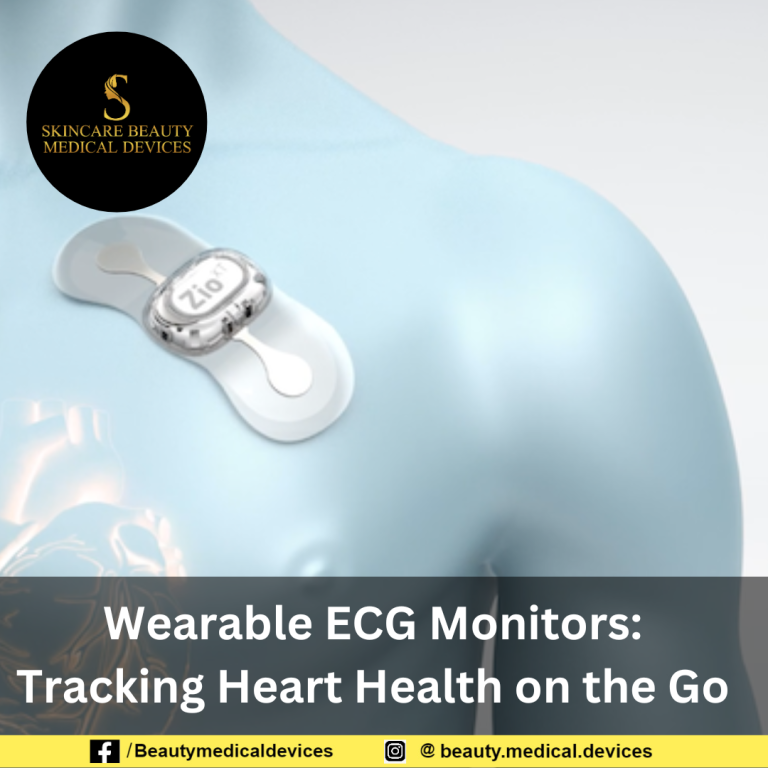
  • Portable ECG Patches: Products like the Zio Patch offer long-term continuous monitoring (up to 14 days) and are used under medical supervision for diagnosing heart conditions.

Benefits of Wearable ECG Monitors

  1. Real-time Heart Monitoring: Immediate feedback allows users to monitor heart rates during various activities or detect anomalies.
  2. Early Detection of Heart Conditions: Continuous tracking can help spot irregularities like AFib, potentially preventing serious health problems like strokes.
  3. Convenience: Wearable ECG monitors are compact and can be worn throughout the day without disrupting daily activities.
  4. Improved Health Management: Many devices sync with apps that provide reports, which can be shared with healthcare providers for more accurate diagnoses or adjustments to treatment plans.

Challenges

  • Accuracy: While wearable ECG monitors are useful, they may not always provide the same accuracy as clinical-grade ECG machines, especially during movement or exercise.
  • Battery Life: Continuous monitoring can drain battery life quickly, especially in smartwatches.
  • Cost: Advanced ECG monitoring wearables can be expensive and may not be covered by insurance.

Future of Wearable ECG Monitors

The market for wearable ECG monitors is growing rapidly, and advancements in AI are expected to enhance their capabilities in detecting early-stage heart conditions. With ongoing improvements in sensor technology and data analytics, these devices will likely play a critical role in personalized healthcare and preventive cardiology.

Wearable ECG monitors represent a significant step toward proactive heart health management, making cardiovascular care more accessible, convenient, and continuous.

Read also:Myth vs. Fact: The Truth About Lip Sun Protection

The Flo Period Tracker: A Comprehensive Overview

0

Tracking your menstrual cycle is essential for understanding your body, identifying patterns, and maintaining reproductive health. Flo is one of the leading period-tracking apps, providing tools to monitor periods, ovulation, fertility, and overall health. Let’s delve into what Flo offers and how it can benefit users.

Key Features of Flo Period Tracker

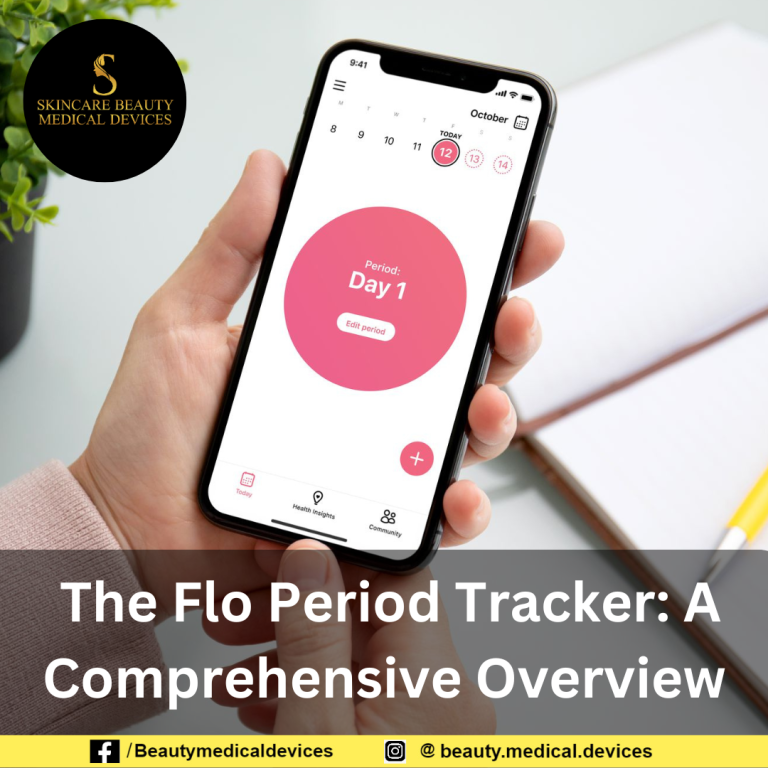
  1. Period and Ovulation Tracking: Flo allows users to input menstrual data, predict future periods, and estimate ovulation days. Over time, the app becomes more accurate as it learns about the user’s cycle, making it easier to plan around fertility windows or prepare for the next period.
  2. Fertility and Pregnancy Planning: For those trying to conceive, Flo provides an ovulation calendar, insights into fertile windows, and tips for increasing the chances of pregnancy. After conception, it transitions to a pregnancy mode, guiding users through each stage of their pregnancy with detailed advice and support.
  3. Health Insights: Flo doesn’t just focus on your period. It includes features that allow users to track over 70 symptoms and habits such as mood, sleep, energy levels, and physical activity. Based on this data, the app offers health insights and tips on improving well-being.
  4. AI and Personalized Predictions: Using machine learning, Flo tailors its predictions and recommendations. The more consistently you log your data, the more customized the app becomes, providing personalized predictions on when your next period will arrive, fertility windows, and more.
  5. Health and Educational Content: Flo goes beyond basic tracking. It features a vast library of educational resources on menstruation, reproductive health, mental well-being, and sexual health. Articles, videos, and expert Q&As are provided to help users make informed decisions about their health.
  6. Community and Support: Flo also offers a community forum, where users can join anonymous discussions on various topics, ranging from cycle irregularities to pregnancy experiences. It’s a space where users can share stories and seek advice without judgment.
  7. Health Reports: Users can generate detailed health reports based on their logged data. These reports can be shared with healthcare professionals during visits, providing an in-depth look at menstrual history, symptoms, and overall reproductive health.
  8. Data Privacy: Privacy is a major concern, especially with personal health data. Flo has implemented strong data protection measures, ensuring that users’ information remains secure and confidential. It allows users to opt out of data sharing for research purposes, ensuring they have full control over their data.

Why Use Flo?

  • Accuracy: Flo’s predictions improve the more it learns about your cycle. For users with regular periods, it can accurately forecast their next cycle, fertile windows, and symptoms.
  • Comprehensive Health Insights: Beyond periods, Flo’s tracking capabilities allow users to understand how different factors (like stress or diet) affect their cycle, helping them identify patterns and adjust their lifestyle accordingly.
  • User-friendly Interface: Flo has a sleek, intuitive interface that makes logging information simple. The app’s design is approachable, even for first-time users, and it provides timely reminders based on cycle data.
  • Customizable Reminders: You can set reminders for pill intake, menstrual start days, ovulation, or even log specific symptoms daily.
  • Educational Support: With articles and expert guidance, Flo helps demystify reproductive health, especially for younger users or those looking for deeper understanding of their body.

Who Can Benefit From Flo?

  • Individuals with Regular or Irregular Cycles: Flo adapts to various cycle types, providing insights and predictions regardless of whether the user has a predictable or irregular cycle.
  • Those Trying to Conceive: The fertility tracking features, combined with educational resources on conception, make it an excellent tool for those planning a pregnancy.
  • People Interested in Health Tracking: Even if you’re not looking for a period tracker, Flo’s ability to log symptoms, mood, and energy levels can give valuable insights into overall health trends.

Potential Drawbacks

While Flo has many advantages, it’s important to recognize potential limitations:

  • Accuracy for Irregular Cycles: While Flo adjusts its predictions based on user input, those with very irregular cycles might find it challenging to get precise predictions, especially in the early stages of use.
  • Subscription Costs: Flo offers both a free and premium version. The premium version, which includes more detailed health reports, personalized insights, and access to all educational content, comes at a monthly or yearly cost.

Conclusion

Flo is a versatile and reliable app for tracking menstrual health, fertility, and overall well-being. Whether you’re looking to monitor your cycle, plan for pregnancy, or simply gain more insight into your health, Flo offers a user-friendly platform with robust features designed to meet a variety of needs. Its community and educational resources provide additional support, making it more than just a period tracker—it’s a comprehensive health companion.

Read also: The Ultimate Guide to Fitness Trackers: How to Choose the Best One for You

The Ultimate Guide to Fitness Trackers: How to Choose the Best One for You

0

In today’s fast-paced world, fitness trackers have become essential tools for anyone looking to improve their health, track workouts, or achieve specific fitness goals. These devices can monitor everything from steps taken to heart rate, sleep quality, and even your stress levels. But with so many options on the market, it can be overwhelming to choose the right one for your needs. This guide breaks down the key features, benefits, and considerations when picking a fitness tracker.

1. What Is a Fitness Tracker?

A fitness tracker is a wearable device designed to help you track physical activity and overall health. Most fitness trackers monitor steps, calories burned, distance traveled, and heart rate. More advanced models can analyze sleep patterns, monitor stress, and even track specific types of exercises like swimming, cycling, or running.

2. Key Features of Fitness Trackers

  • Step Counting: The most basic function, which tracks how many steps you take throughout the day.
  • Heart Rate Monitoring: Useful for tracking your resting heart rate and heart rate during workouts. Some trackers also provide heart rate zone alerts.
  • Sleep Tracking: Monitors your sleep cycles, including light, deep, and REM sleep phases.
  • GPS Tracking: Essential for runners and cyclists, GPS tracks your routes and distances without needing your phone.
  • Calorie Tracking: Estimates how many calories you’ve burned based on your activity level and personal data.
  • Water Resistance: Important if you plan to swim with your tracker or use it in the rain.
  • Connectivity: Syncs with smartphone apps to analyze data over time, track progress, and set goals. Some trackers also have social features to share workouts or compete with friends.
  • Notifications: Many fitness trackers can receive notifications from your phone, such as texts, calls, or calendar alerts.

3. Benefits of Using a Fitness Tracker

  • Accountability: Fitness trackers keep you mindful of your daily activity, making it easier to stay consistent with your goals.
  • Motivation: The ability to set daily step goals or exercise targets can motivate you to stay active.
  • Health Insights: By tracking data over time, you can gain insights into your health, such as resting heart rate trends, sleep quality, or recovery times.
  • Sleep Improvement: Many people are unaware of how well they sleep. A fitness tracker can highlight disruptions and help you make adjustments to improve rest.
  • Custom Workouts: Advanced trackers allow you to log specific workouts and get feedback based on your heart rate and performance.

4. Choosing the Right Fitness Tracker for You

  • Basic Fitness Needs: If your primary focus is counting steps or tracking calories, a basic tracker with a step counter, heart rate monitor, and sleep tracking might be enough.
  • Workout Enthusiasts: If you’re serious about fitness and want to monitor specific workouts, go for a tracker with built-in GPS, multi-sport tracking, and VO2 max measurements.
  • Health-Focused: For users looking to improve overall wellness, sleep tracking, stress monitoring, and even blood oxygen levels (SpO2) should be key considerations.
  • Smartwatch Features: If you want your fitness tracker to double as a smartwatch, look for one that includes notifications, music control, and even payment capabilities.

5. Top Fitness Trackers on the Market

  • Fitbit Charge 5: A great all-around fitness tracker with built-in GPS, heart rate monitoring, and sleep tracking. It also has stress management tools and supports Fitbit Pay.
  • Apple Watch Series 9: Though technically a smartwatch, the Apple Watch is one of the best for fitness tracking, especially for iPhone users. It offers comprehensive fitness features, including ECG, blood oxygen monitoring, and fall detection.
  • Garmin Vivosmart 5: Ideal for serious athletes or outdoor enthusiasts, Garmin offers accurate GPS tracking, advanced fitness metrics, and detailed health monitoring features.
  • Xiaomi Mi Band 7: A budget-friendly option that offers excellent tracking features, including heart rate, sleep, and basic workout tracking at an affordable price.
  • Whoop Strap 4.0: This unique device focuses more on recovery than workouts. It doesn’t have a screen but provides detailed insights on recovery, strain, and sleep.

6. Important Considerations Before Buying

  • Battery Life: Some trackers, especially those with GPS or a bright display, may need charging every day, while others last up to two weeks.
  • Comfort and Style: You’ll likely wear your tracker daily, so choose one that’s comfortable and suits your style.
  • Compatibility: Ensure the tracker works with your smartphone and any apps you use to manage your fitness goals.
  • Price: Fitness trackers range from budget options under $50 to premium devices costing over $300. Consider your budget and the features you need.

7. How to Get the Most Out of Your Fitness Tracker

  • Set Realistic Goals: Start with attainable goals based on your current fitness level. You can always increase them as you improve.
  • Wear It Consistently: To get accurate data, wear your tracker daily and during workouts.
  • Analyze Your Data: Take time to review your progress. Use the insights to tweak your fitness routine or identify areas where you can improve, such as sleep quality or active minutes.
  • Use Built-In Workouts: Many fitness trackers come with built-in workouts or suggested routines. Use these to diversify your exercise routine and challenge yourself.

8. Final Thoughts

Fitness trackers are powerful tools that can help you improve your health, stay motivated, and reach your fitness goals. Whether you’re looking for a basic step counter or an advanced fitness companion, there’s a tracker out there to suit your needs. By understanding the features, benefits, and what to look for, you can find the perfect fitness tracker to keep you on the path to better health.

Read also: Ultrasonic Blackhead Remover: A Comprehensive Guide