Home Blog Page 8

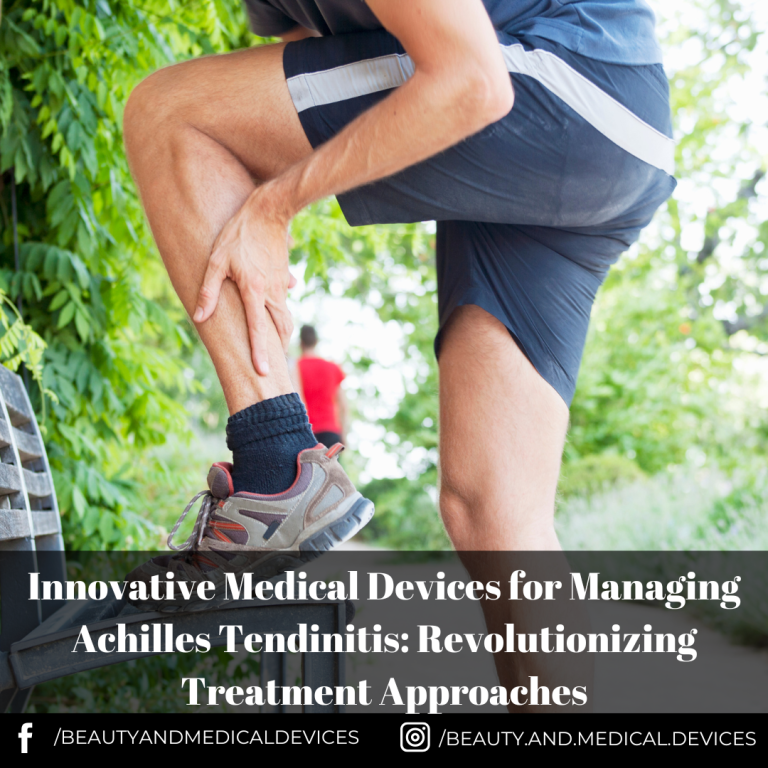
Innovative Medical Devices for Managing Achilles Tendinitis: Revolutionizing Treatment Approaches

Achilles tendinitis is a common overuse injury, particularly among athletes and individuals involved in repetitive physical activities. The condition occurs when the Achilles tendon, which connects the calf muscles to the heel bone, becomes inflamed, resulting in pain, stiffness, and reduced mobility. Managing Achilles tendinitis effectively often requires a combination of rest, physical therapy, and medical devices designed to alleviate symptoms and promote healing.

Innovative Medical Devices in Achilles Tendinitis Management

  1. Orthotic Inserts and Heel Lifts Orthotic devices, including custom-made shoe inserts and heel lifts, help to redistribute pressure away from the Achilles tendon, reducing strain during movement. Heel lifts, in particular, shorten the tendon’s stretch, relieving tension and facilitating the healing process. These devices are often recommended for use in combination with other conservative treatments like rest and physical therapy.
  2. Compression Therapy Devices Compression therapy, using specially designed braces or sleeves, helps to improve blood flow and reduce swelling around the affected tendon. Compression devices are engineered to provide targeted pressure along the Achilles tendon, promoting faster recovery by enhancing oxygen delivery to the tissues and reducing inflammation. Portable and adjustable models allow for continuous use, even during physical activity.
  3. Extracorporeal Shockwave Therapy (ESWT) Devices ESWT is a non-invasive treatment option that uses acoustic waves to stimulate healing in the Achilles tendon. The shockwaves promote tissue regeneration, increase circulation, and reduce chronic inflammation, making it an effective option for patients with persistent tendinitis. Devices used for ESWT are often compact and portable, allowing for in-office treatments with minimal discomfort.
  4. Cold and Heat Therapy Devices Cold therapy, also known as cryotherapy, is often used to reduce inflammation and numb pain in the Achilles tendon. Devices designed for cold therapy offer targeted application, ensuring efficient delivery of cooling effects. Heat therapy devices, on the other hand, improve blood circulation and promote tissue healing. Advanced devices now combine both therapies, allowing patients to alternate between cold and heat treatments.
  5. Electrical Stimulation Devices Electrical stimulation, or transcutaneous electrical nerve stimulation (TENS), is another device-driven treatment that helps manage Achilles tendinitis. TENS units deliver small electrical impulses to the affected area, reducing pain by interrupting pain signals and stimulating the production of endorphins. More advanced devices offer various settings to cater to different stages of the healing process.
  6. Wearable Monitoring Devices Newer wearable technologies are now available to track movement and monitor stress on the Achilles tendon. These devices provide real-time data on activity levels and gait patterns, allowing clinicians and patients to adjust exercise regimens to minimize further tendon stress. Wearables often connect to smartphone apps, enabling users to track their recovery progress and adjust activities accordingly.

Conclusion The development of specialized medical devices for the management of Achilles tendinitis represents a significant advancement in treatment options. These devices, from orthotics and compression sleeves to shockwave therapy and wearable technology, offer patients non-invasive, targeted, and often highly effective means of managing symptoms and promoting tendon healing. By integrating these tools with traditional treatment methods, patients with Achilles tendinitis can expect improved outcomes and faster recovery times.

Read also:Understanding Cellulite and Beauty Treatments

The Ultimate Guide to Beauty Treatments for Your Face

0

Maintaining a radiant and healthy complexion requires care, and the world of facial beauty treatments offers a variety of options to suit different skin needs. From at-home remedies to professional procedures, these treatments address common skin concerns like aging, acne, hyperpigmentation, dryness, and more. Let’s dive into some of the most popular and effective beauty treatments for the face.

1. Facials

Facials are one of the most common beauty treatments designed to cleanse, exfoliate, and nourish the skin. They are typically done at spas or skin clinics and are customized to your skin type and concerns. Some common types include:

  • Hydrating Facials: Ideal for dry skin, they infuse moisture back into the skin.
  • Anti-Aging Facials: Include ingredients like retinoids, antioxidants, and peptides to stimulate collagen production and smooth fine lines.
  • Acne Facials: Use salicylic acid, tea tree oil, and other ingredients to unclog pores and reduce breakouts.
  • Brightening Facials: Often feature Vitamin C or fruit enzymes to even out skin tone and add radiance.

2. Chemical Peels

Chemical peels use acid solutions like alpha hydroxy acid (AHA) or beta hydroxy acid (BHA) to exfoliate the skin, removing dead skin cells and promoting new cell growth. They vary in intensity:

  • Superficial Peels: Mild and perfect for a quick skin refresh.
  • Medium Peels: Address deeper skin issues like acne scars and pigmentation.
  • Deep Peels: Can significantly improve aging skin but require longer recovery.

3. Microdermabrasion

Microdermabrasion is a non-invasive procedure that uses a special device to gently exfoliate the top layer of the skin, leaving it smoother and brighter. This treatment helps with fine lines, minor scars, and uneven texture. It’s gentle enough to be done regularly and has little to no downtime.

4. Microneedling

Microneedling involves the use of tiny needles to create micro-injuries in the skin, stimulating collagen and elastin production. It’s effective for treating acne scars, fine lines, and enlarged pores. Some advanced versions of microneedling, like radiofrequency microneedling, combine skin-tightening technologies for enhanced results.

5. Laser Treatments

Laser treatments are powerful solutions to target specific skin concerns:

  • Laser Resurfacing: Works to reduce wrinkles, scars, and hyperpigmentation by removing the outer layers of the skin.
  • IPL (Intense Pulsed Light): A non-invasive treatment that targets pigment issues like age spots and sun damage while also improving skin texture.
  • Fractional Lasers: Deliver heat in small dots to stimulate collagen and treat deeper skin layers without damaging the surface.

6. LED Light Therapy

LED light therapy uses specific wavelengths of light to address skin issues:

  • Blue Light: Great for acne as it targets acne-causing bacteria.
  • Red Light: Known for its anti-aging effects, it stimulates collagen production and reduces inflammation.
  • Near-Infrared Light: Helps with deeper tissue healing and skin rejuvenation.

7. Oxygen Facials

Oxygen facials are a favorite among celebrities because they instantly hydrate and plump the skin, giving a fresh, youthful appearance. This treatment involves applying a stream of high-pressurized oxygen infused with vitamins and antioxidants to the skin, making it glow.

8. Dermaplaning

Dermaplaning is a method of exfoliation that involves gently scraping off dead skin cells and peach fuzz from the face using a sterile surgical scalpel. This treatment leaves the skin incredibly smooth, enhances product absorption, and improves makeup application.

9. HydraFacial

The HydraFacial is a popular multi-step treatment that cleanses, exfoliates, and hydrates the skin using a patented device. It involves deep pore cleansing, extraction, and infusion of serums tailored to your skin concerns, making it a go-to for anyone looking for an all-in-one solution with no downtime.

10. PRP (Platelet-Rich Plasma) Therapy

Also known as the “Vampire Facial,” PRP therapy involves drawing a small amount of blood, processing it to extract platelets, and then injecting it back into the skin. This treatment stimulates collagen production and is excellent for rejuvenating tired, aging skin.

11. Natural and At-Home Remedies

For those who prefer a more natural approach, many at-home treatments can provide noticeable improvements:

  • Clay Masks: Perfect for oily or acne-prone skin, they draw out impurities and control shine.
  • Honey Masks: Hydrating and antibacterial, honey is great for soothing and moisturizing the skin.
  • DIY Scrubs: Made from ingredients like sugar, coffee grounds, or oatmeal, these can exfoliate dead skin and reveal a smoother texture.

How to Choose the Right Treatment

Choosing the right beauty treatment depends on your skin type, concerns, and goals. Here are a few tips:

  • Consult a Dermatologist: If you have specific skin conditions like acne or rosacea, it’s best to seek professional advice.
  • Consider Downtime: Some treatments like chemical peels and laser resurfacing require recovery time, while others like facials and microdermabrasion don’t.
  • Assess Sensitivity: If you have sensitive skin, stick to gentler options like hydrating facials or LED therapy.

Final Thoughts

The world of beauty treatments for the face is vast, with options ranging from simple facials to advanced laser technologies. Incorporating professional treatments into your skincare routine can help you achieve a glowing, youthful complexion. Be sure to research and consult with skincare experts to find the best treatments suited for your skin.

Read also: Medical Devices for Neuropathy: An Overview of Emerging Technologies and Treatments

Understanding Cellulite and Beauty Treatments

0

Cellulite is a skin condition where fat deposits push through the connective tissues beneath the skin, giving it a dimpled, lumpy appearance. It often appears on areas like the thighs, buttocks, hips, and abdomen, affecting people of all body types and sizes. While it’s not harmful, many people seek ways to reduce its visibility for cosmetic reasons.

Top Beauty Treatments for Cellulite

  1. Topical Creams and Lotions
    • How they work: Many creams claim to reduce cellulite by tightening the skin or breaking down fat cells. Common active ingredients include caffeine (to stimulate circulation), retinol (to improve skin texture), and antioxidants (to repair skin damage).
    • Effectiveness: These creams offer temporary improvements and are most effective when combined with other treatments like massage or exercise.
  2. Dry Brushing
    • How it works: This technique involves brushing the skin with a firm, bristled brush in circular motions. It exfoliates the skin and stimulates lymphatic drainage.
    • Effectiveness: While there’s little scientific evidence, many people report smoother skin and reduced cellulite visibility after regular use.
  3. Massage Therapy
    • How it works: Deep tissue massages, lymphatic drainage, or cellulite-targeted massages break up fat deposits and stimulate blood flow to improve the appearance of skin.
    • Effectiveness: Results vary, but some people see a temporary reduction in cellulite. Consistency is key.
  4. Radiofrequency (RF) Treatments
    • How they work: RF treatments use heat to stimulate collagen production, tighten skin, and reduce the appearance of cellulite.
    • Effectiveness: Clinical studies have shown positive results, especially with repeated sessions. This is a non-invasive option with noticeable improvements in skin texture.
  5. Laser and Light Therapy (Cellulaze or Cellfina)
    • How they work: These treatments target the fat beneath the skin, using lasers to break down fat and release tight connective tissue bands that cause dimpling.
    • Effectiveness: Long-lasting and highly effective. However, these treatments can be costly and require multiple sessions.
  6. Acoustic Wave Therapy
    • How it works: This treatment uses sound waves to break down cellulite, improving circulation and skin appearance.
    • Effectiveness: Multiple treatments are required, but it is effective for many people.
  7. Body Contouring (Cryolipolysis or CoolSculpting)
    • How it works: Cryolipolysis freezes fat cells, causing them to break down and be naturally eliminated by the body. It’s a non-invasive option targeting specific areas.
    • Effectiveness: This can improve the appearance of cellulite, though results may take several months to fully show.
  8. Microdermabrasion
    • How it works: This exfoliating treatment removes the top layer of skin, promoting cell regeneration and collagen production.
    • Effectiveness: While primarily used for skin smoothing, microdermabrasion may improve the texture of skin in areas affected by cellulite.
  9. Injections (Mesotherapy)
    • How it works: A cocktail of vitamins, enzymes, and medications is injected into the skin to break down fat and improve skin elasticity.
    • Effectiveness: Results vary, but repeated treatments can help reduce the appearance of cellulite.
  10. Diet and Exercise
  • How it works: A diet rich in antioxidants, healthy fats, and hydration can help improve skin health. Exercise that targets muscles under cellulite-prone areas (like squats or lunges) can firm and tone the skin.
  • Effectiveness: While this won’t eliminate cellulite completely, it improves muscle tone and skin health, which can reduce its appearance.

Combining Treatments for Best Results

To maximize cellulite reduction, consider combining treatments. For example, using topical creams in conjunction with massage therapy, or pairing RF treatments with healthy lifestyle changes like diet and exercise, can yield better results than any one method alone.

Maintenance and Realistic Expectations

It’s important to note that cellulite is natural and common, and no treatment can completely eliminate it. Most options reduce its appearance temporarily, so maintenance treatments may be needed over time. Embracing your body while pursuing treatments that make you feel more confident is key.

Read also:The Science Behind Massage Guns: How They Work and Why You Should Use Them

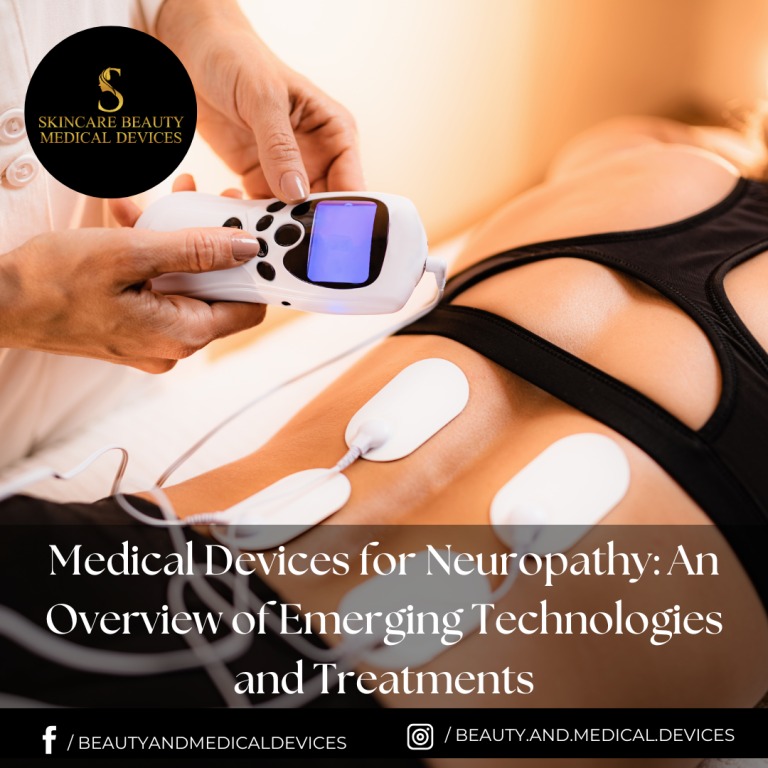
Medical Devices for Neuropathy: An Overview of Emerging Technologies and Treatments

Neuropathy, particularly peripheral neuropathy, is a condition that involves damage to the peripheral nerves, resulting in pain, numbness, tingling, and weakness, especially in the hands and feet. While diabetes is the most common cause, neuropathy can result from a range of conditions, including infections, autoimmune diseases, injuries, and exposure to toxins. Managing neuropathy can be challenging due to its chronic nature and the complexity of nerve damage. However, advancements in medical technology are providing new avenues for treatment through innovative medical devices.

This article explores key medical devices for treating neuropathy, ranging from traditional approaches to more cutting-edge technologies designed to provide relief, improve nerve function, and enhance the quality of life for affected individuals.

1. Transcutaneous Electrical Nerve Stimulation (TENS) Units

TENS units are among the most commonly used medical devices for managing neuropathy pain. These devices use low-voltage electrical currents to stimulate nerves through electrodes placed on the skin. The electrical stimulation helps block pain signals from reaching the brain, providing relief from neuropathic pain.

How it works: TENS therapy is non-invasive and easy to use. The device sends small electrical impulses that reduce the perception of pain by promoting the release of endorphins (natural painkillers) and improving blood flow to affected areas.

Effectiveness: TENS therapy has been widely studied and is often recommended as part of a multimodal approach to neuropathy treatment. However, its effectiveness can vary depending on the cause and severity of the neuropathy.

2. Electrical Stimulation Therapy (EST)

Beyond TENS units, other forms of electrical stimulation have been developed for more targeted nerve regeneration. Electrical Stimulation Therapy (EST) applies electrical currents to stimulate the nerves and muscles, promoting healing and potentially regenerating damaged nerves. This technology is beneficial for patients who experience nerve degeneration or chronic pain due to neuropathy.

How it works: EST uses stronger electrical impulses than TENS and is designed to stimulate deeper tissues. These electrical signals aim to regenerate nerve cells by improving nerve function, reducing inflammation, and promoting circulation in the affected areas.

Effectiveness: While EST is still an emerging technology, early studies show promise in enhancing nerve function and reducing pain. Research is ongoing to better understand its long-term benefits.

3. Laser Therapy Devices

Low-level laser therapy (LLLT) or cold laser therapy is a non-invasive treatment that uses light to stimulate cellular function, reduce inflammation, and promote healing in damaged nerves. Laser therapy is gaining popularity in the treatment of neuropathy due to its potential to enhance nerve regeneration without causing significant side effects.

How it works: LLLT involves the application of low-energy laser light to the skin, which penetrates tissues and stimulates cellular processes. This results in increased blood flow, reduced inflammation, and improved tissue repair. In neuropathy patients, it helps relieve pain and promote nerve healing.

Effectiveness: Laser therapy has shown promising results in clinical studies, particularly for diabetic neuropathy. It is painless, safe, and offers a non-pharmacological alternative to conventional treatments.

4. Peripheral Nerve Stimulation (PNS) Devices

Peripheral nerve stimulation (PNS) is a more advanced form of neuromodulation that involves implanting small electrodes near the affected peripheral nerves. These electrodes deliver electrical pulses that modulate nerve activity, helping to alleviate chronic pain caused by neuropathy.

How it works: A small implantable device is placed under the skin, and electrodes are placed close to the damaged peripheral nerves. The electrical impulses modify the pain signals transmitted by these nerves, thus reducing pain.

Effectiveness: PNS has been effective in reducing chronic neuropathic pain that is resistant to other treatments. It is a more invasive option compared to TENS and EST, but it offers long-term relief for severe cases.

5. Compression Therapy Devices

Compression devices, often in the form of sleeves or stockings, are commonly used to improve circulation in people with neuropathy, particularly diabetic neuropathy. These devices apply consistent pressure to the limbs, which can help reduce pain and inflammation, prevent blood clots, and promote blood flow to nerves and muscles.

How it works: By applying external pressure, compression therapy helps improve blood circulation, which is crucial for nerve health. The increased blood flow can reduce pain and swelling in affected areas and provide relief from symptoms like tingling and numbness.

Effectiveness: Compression therapy is most beneficial in neuropathy cases associated with poor circulation, such as diabetic neuropathy. It is non-invasive and can be combined with other treatments like medication or physical therapy.

6. Vibration Therapy Devices

Vibration therapy involves the use of vibrating plates or handheld devices that deliver mechanical vibrations to stimulate nerves and muscles. The therapy aims to improve nerve conduction and blood circulation, which can alleviate neuropathic pain and promote nerve health.

How it works: The mechanical vibrations produced by the device stimulate sensory receptors in the skin and muscles. This stimulation can help desensitize nerves, reduce pain, and improve circulation, promoting healing in damaged nerves.

Effectiveness: Studies suggest that vibration therapy can reduce pain and improve sensory function in patients with peripheral neuropathy, especially when used in combination with other treatments. However, more research is needed to establish the long-term benefits of vibration therapy.

7. Wearable Technology and Smart Devices

Wearable devices are an emerging category of medical technologies designed to monitor and manage neuropathy symptoms. These devices can track nerve activity, pain levels, and other physiological data in real time, allowing patients and healthcare providers to better manage the condition.

How it works: Wearable devices like smart socks or insoles equipped with sensors can monitor foot pressure, temperature, and nerve activity, providing feedback on nerve health and alerting patients to any worsening of symptoms, such as foot ulcers in diabetic patients.

Effectiveness: While still in the early stages of development, wearable technologies offer great potential for proactive management of neuropathy. They can help prevent complications by providing continuous monitoring and early detection of changes in nerve function.

Conclusion

The treatment of neuropathy is evolving rapidly, thanks to advancements in medical devices designed to relieve pain, improve nerve function, and enhance the overall quality of life. From non-invasive options like TENS and laser therapy to more advanced interventions such as peripheral nerve stimulation, there is a growing array of technologies available to help those suffering from neuropathy. As research continues, these devices will likely become more refined, offering even more effective treatments for nerve damage and pain relief.

Each patient’s experience with neuropathy is unique, and the choice of device should be made in consultation with a healthcare provider. Combining these devices with traditional treatments like medications, physical therapy, and lifestyle changes can lead to better outcomes and long-term relief.

 Read also:Smart Implants: The Future of Medical Technology

Smart Implants: The Future of Medical Technology

Smart implants represent a groundbreaking advancement in the field of medical technology, offering new possibilities for personalized healthcare, improved patient outcomes, and enhanced quality of life. These devices are designed to interact with the body and collect real-time data, making them key components in the evolution of digital health. Here’s a closer look at what smart implants are, how they work, and their potential impact on medicine.

What Are Smart Implants?

Smart implants are bioelectronic devices that are surgically placed inside the body to perform specific functions or monitor health conditions. Unlike traditional implants (such as hip replacements or pacemakers), which are static devices, smart implants have the capability to sense, transmit, or even respond to physiological data. They can communicate with external devices like smartphones or computers, allowing healthcare providers to monitor patients remotely and in real-time.

How Do They Work?

Smart implants are typically equipped with various sensors, microprocessors, and wireless communication systems. These components work together to collect and process information about the body’s internal environment. The data gathered could include vital signs, such as heart rate, temperature, blood pressure, glucose levels, or even neural activity, depending on the implant’s purpose.

Once the data is collected, it can be sent to external devices via wireless technology (e.g., Bluetooth or Wi-Fi). In many cases, smart implants can also adjust their function based on the data they collect. For instance, a smart insulin pump can automatically release insulin if blood glucose levels rise beyond a certain threshold.

Types of Smart Implants

There are several types of smart implants currently being developed or already in use. Some of the most promising applications include:

  1. Cardiac Implants:
    • Pacemakers and defibrillators that can monitor heart activity and adjust their functions accordingly. These devices can send alerts to healthcare providers in the event of abnormal heart rhythms.
  2. Neurostimulators:
    • Implants used to treat conditions like Parkinson’s disease, epilepsy, and chronic pain. These devices deliver electrical impulses to specific areas of the brain or spinal cord, helping to alleviate symptoms.
  3. Orthopedic Implants:
    • Smart implants for joint replacements that can monitor wear and tear, predict potential failures, and optimize performance. These devices could reduce the need for follow-up surgeries.
  4. Drug Delivery Systems:
    • Smart drug-delivery implants that release medication at precise times or in response to specific physiological triggers. For example, cancer patients could receive chemotherapy drugs in controlled doses without the need for frequent hospital visits.
  5. Biosensors:
    • Implants that continuously monitor physiological markers, such as glucose sensors for diabetes management, which can provide real-time feedback and data to improve disease control.

Advantages of Smart Implants

  1. Real-time Monitoring:
    • One of the most significant advantages is the ability to track patients’ health in real-time. Continuous data collection allows for early detection of potential health issues, enabling proactive treatment and reducing the risk of complications.
  2. Personalized Treatment:
    • By collecting data unique to each patient, smart implants can tailor treatments to individual needs. This personalized approach could lead to better outcomes, especially for chronic conditions that require constant monitoring.
  3. Improved Quality of Life:
    • Patients with smart implants can experience a more comfortable and convenient healthcare process. For example, smart insulin pumps reduce the need for constant blood sugar testing and manual insulin injections.
  4. Remote Healthcare:
    • Smart implants allow for remote monitoring, reducing the need for frequent hospital visits. This is especially important in rural or underserved areas where access to healthcare is limited.
  5. Predictive Capabilities:
    • Some smart implants can analyze trends in the data they collect, predicting potential health issues before they occur. This can help prevent complications such as heart attacks or device malfunctions.

Challenges and Considerations

Despite their potential, smart implants face several challenges that must be addressed:

  1. Privacy and Data Security:
    • With the collection of sensitive health data, there are concerns about data privacy and the risk of cyberattacks. Ensuring secure communication between implants and external devices is critical.
  2. Biocompatibility:
    • Since these devices are placed inside the body, they must be made from biocompatible materials that do not cause adverse reactions. Long-term compatibility is also a key factor, especially for devices that remain in the body for extended periods.
  3. Power Supply:
    • Many smart implants require a reliable power source to function. Researchers are exploring ways to create energy-efficient implants or develop systems that can harvest energy from the body, such as kinetic or thermal energy.
  4. Cost and Accessibility:
    • The cost of developing and producing smart implants can be high, which may limit their accessibility to patients. As the technology becomes more widespread, it will be important to find ways to make these devices more affordable.
  5. Regulatory and Ethical Considerations:
    • The regulatory landscape for smart implants is still evolving. As with any medical device, they must undergo rigorous testing and approval processes to ensure safety and efficacy. Ethical concerns also arise around issues like device hacking or the potential for implants to be used for non-medical purposes.

The Future of Smart Implants

Smart implants are poised to revolutionize healthcare by providing more precise, real-time information that can improve patient outcomes and reduce healthcare costs. As technology continues to advance, these devices will become more sophisticated, smaller, and more efficient. Future developments may include smart implants capable of self-repair or even bio-integrated devices that can fully interact with the body’s biological systems.

While there are still challenges to overcome, the potential for smart implants to transform medicine is immense. From improving disease management to enabling more personalized healthcare, smart implants represent an exciting frontier in the digital health revolution.

Read also:Understanding Hypertension: Causes, Symptoms, and Management

Gut Health and Nutrition: A Comprehensive Guide

0

Gut health plays a pivotal role in overall well-being, influencing everything from digestion to immune function, mental health, and even weight management. The human gut is home to trillions of microorganisms, collectively referred to as the gut microbiome, which impacts several bodily systems. Understanding how nutrition affects gut health is essential for maintaining balance and preventing various health issues.

The Gut Microbiome

The gut microbiome consists of bacteria, fungi, viruses, and other microorganisms that reside primarily in the intestines. These microorganisms perform various beneficial functions such as:

  • Breaking down food that the stomach and small intestine can’t digest.
  • Producing vitamins such as B vitamins and vitamin K.
  • Helping to fight harmful bacteria and maintaining a balanced immune system.
  • Influencing mood by producing neurotransmitters like serotonin.

A healthy gut microbiome is diverse, containing a variety of beneficial microbes. Disruptions to this balance, termed dysbiosis, can contribute to various conditions such as irritable bowel syndrome (IBS), obesity, inflammatory bowel diseases (IBD), and even mood disorders.

Nutrients That Support Gut Health

  1. Dietary Fiber Fiber is perhaps the most important nutrient for gut health. It serves as food for beneficial bacteria, promoting their growth and the production of short-chain fatty acids (SCFAs) like butyrate, acetate, and propionate. These SCFAs help maintain the integrity of the gut lining, reduce inflammation, and support immune function.
    • Sources: Whole grains, legumes, fruits, vegetables, nuts, and seeds.
  2. Probiotics Probiotics are live beneficial bacteria that can be introduced into the gut via food or supplements. They help restore balance when the gut microbiome is disrupted.
    • Sources: Fermented foods like yogurt, kefir, sauerkraut, kimchi, miso, and kombucha.
  3. Prebiotics Prebiotics are non-digestible fibers that act as food for probiotics. They encourage the growth of beneficial bacteria and improve gut health.
    • Sources: Garlic, onions, leeks, asparagus, bananas, oats, and chicory root.
  4. Polyphenols These plant compounds have antioxidant properties that support the growth of beneficial gut bacteria while inhibiting harmful microbes. They also reduce gut inflammation and support overall digestive health.
    • Sources: Berries, tea, coffee, dark chocolate, olives, and certain spices like turmeric.
  5. Omega-3 Fatty Acids Omega-3s have anti-inflammatory properties that help reduce inflammation in the gut and promote a healthy microbiome.
    • Sources: Fatty fish (salmon, sardines, mackerel), chia seeds, flaxseeds, and walnuts.
  6. Fermented Foods Naturally fermented foods introduce a variety of beneficial bacteria into the gut, enhancing the diversity of the microbiome.
    • Sources: Fermented vegetables, kombucha, fermented dairy products, and soy-based foods like miso and tempeh.

Foods to Avoid for Gut Health

  1. Processed Foods High consumption of processed foods, especially those high in sugar, artificial sweeteners, and unhealthy fats, can disrupt the gut microbiome. Processed foods often lack fiber and nutrients that support beneficial bacteria.
  2. Sugar and Artificial Sweeteners Excess sugar can feed harmful bacteria, leading to dysbiosis. Artificial sweeteners, such as aspartame and sucralose, can also negatively affect the gut microbiota, potentially leading to metabolic issues.
  3. Red and Processed Meats Diets high in red and processed meats can lead to an increase in harmful gut bacteria associated with inflammation and disease. Consuming these foods in moderation or opting for plant-based alternatives can benefit gut health.
  4. Excess Alcohol Alcohol consumption can alter the balance of bacteria in the gut, promoting the growth of harmful microbes and contributing to inflammation.

Lifestyle Factors Influencing Gut Health

In addition to nutrition, several lifestyle factors can impact gut health:

  • Stress Management: Chronic stress can negatively affect gut bacteria, leading to conditions like IBS. Practices like meditation, yoga, and deep breathing can help reduce stress levels.
  • Exercise: Regular physical activity promotes the growth of beneficial bacteria and enhances the diversity of the microbiome.
  • Sleep: Poor sleep or irregular sleep patterns can disrupt the gut microbiome. Ensuring adequate and consistent sleep is essential for gut health.
  • Antibiotics: While antibiotics can be life-saving, they can also disrupt the gut microbiome by killing both harmful and beneficial bacteria. Probiotic supplements and fermented foods can help restore balance after antibiotic use.

Signs of Poor Gut Health

Poor gut health can manifest in various ways, including:

  • Digestive issues: Gas, bloating, constipation, diarrhea, or heartburn.
  • Frequent illness: A weakened gut can compromise the immune system.
  • Mood disturbances: Since the gut is closely linked to brain health, imbalances in gut bacteria can lead to anxiety, depression, or mood swings.
  • Food intolerances: If the gut lining is damaged, it can lead to increased sensitivity to certain foods.

Improving Gut Health: Practical Tips

  1. Eat a diverse range of foods: Consuming a variety of plant-based foods can promote a diverse microbiome.
  2. Include fermented and fiber-rich foods: Regularly consume probiotics and prebiotics to nurture the gut.
  3. Stay hydrated: Water aids digestion and supports the gut lining.
  4. Manage stress: Incorporate stress-reducing practices into daily life.
  5. Get enough sleep: Aim for 7-9 hours of restful sleep per night.

Conclusion

Gut health is crucial for maintaining overall wellness, influencing digestion, immunity, and mental health. By consuming a diet rich in fiber, probiotics, prebiotics, and polyphenols, while avoiding processed foods and excess sugar, you can nurture a balanced gut microbiome. Moreover, practicing a healthy lifestyle with proper sleep, exercise, and stress management further supports gut health. Prioritizing these aspects of nutrition and lifestyle will lead to long-term benefits for both body and mind.

Read also: Understanding Hypertension: Causes, Symptoms, and Management

Robotic Surgeons and AI Assistants: The Future of Surgery

In recent years, the fusion of robotics and artificial intelligence (AI) has revolutionized the healthcare industry, with one of the most profound impacts being in the field of surgery. Robotic surgeons and AI-powered assistants are redefining the future of surgical procedures by offering unprecedented precision, control, and efficiency.

Robotic Surgeons: Enhancing Precision

Robotic surgery systems, such as the da Vinci Surgical System, have been at the forefront of this transformation. These systems enable surgeons to perform complex procedures with enhanced precision and control through minimally invasive techniques. The robotic arms, controlled by a human surgeon, can make finer movements than the human hand, significantly reducing the margin for error. This leads to smaller incisions, less tissue damage, and faster recovery times for patients.

Robotic systems also offer high-definition, 3D visualization of the surgical field, improving the surgeon’s ability to identify critical structures and navigate complex anatomy. With the help of robotics, surgeons can perform intricate tasks that would otherwise be challenging or impossible using traditional methods.

AI Assistants: Revolutionizing Decision-Making

Artificial intelligence is playing an increasingly important role in surgery, acting as an intelligent assistant that supports the surgeon throughout the procedure. AI algorithms analyze vast amounts of data, from pre-operative scans to real-time surgical footage, providing insights that help in decision-making. For instance, AI can assist in detecting abnormalities, predicting potential complications, and suggesting the best course of action during surgery.

Moreover, AI-powered platforms like IBM’s Watson Health are being used to personalize treatment plans by analyzing a patient’s medical history, genetics, and even lifestyle factors. These insights help surgeons tailor their approach to each patient, improving outcomes.

Benefits and Challenges

The combination of robotic surgeons and AI assistants offers several benefits, including:

  • Increased Precision: Minimizes the risk of human error.
  • Faster Recovery: Minimally invasive techniques reduce healing time.
  • Reduced Fatigue: Surgeons can perform longer, more complex procedures with greater ease.
  • Real-Time Data Analysis: AI provides immediate feedback and insights, improving surgical outcomes.

However, the integration of robotics and AI in surgery also poses challenges. High costs, limited access in some regions, and the need for extensive training are barriers to widespread adoption. Additionally, concerns about AI’s role in decision-making—especially in critical, high-stakes scenarios—raise ethical and legal questions.

The Future Outlook

As technology continues to advance, the role of robotic surgeons and AI assistants in healthcare will likely expand. Surgeons of the future may work alongside fully autonomous robotic systems capable of performing entire procedures independently, with human oversight primarily for complex decision-making and ethical considerations.

This convergence of robotics and AI represents a new era of precision medicine, where surgeries are safer, more efficient, and tailored to individual patients. The future of surgery is one where human expertise is augmented by the power of intelligent machines, offering hope for better patient outcomes and transforming the way we approach healthcare.

Read also:Dry Brushing for Skin: Benefits, Technique, and Tips

Understanding Hypertension: Causes, Symptoms, and Management

0

Hypertension, commonly known as high blood pressure, is a chronic medical condition in which the force of the blood against the artery walls is consistently too high. It is a major risk factor for cardiovascular diseases, including heart attacks, strokes, and kidney damage. Often referred to as a “silent killer,” hypertension typically has no noticeable symptoms, making it essential to monitor blood pressure regularly.

Causes of Hypertension

There are two types of hypertension: primary (essential) and secondary.

  • Primary Hypertension: This type develops gradually over time and has no identifiable cause. It is influenced by factors such as age, genetics, and lifestyle.
  • Secondary Hypertension: This form of hypertension is caused by an underlying condition such as kidney disease, thyroid problems, or the use of certain medications. Secondary hypertension tends to appear suddenly and is often more severe.

Risk Factors

Several factors can increase the risk of developing hypertension:

  • Age: The risk of hypertension increases as people age.
  • Genetics: Family history plays a significant role in an individual’s likelihood of developing high blood pressure.
  • Unhealthy Diet: Diets high in salt, processed foods, and saturated fats contribute to elevated blood pressure.
  • Physical Inactivity: A sedentary lifestyle can lead to weight gain and increased pressure on the heart and arteries.
  • Smoking and Alcohol Use: These habits narrow blood vessels and raise blood pressure.

Symptoms

Hypertension is often asymptomatic, but in some cases, individuals may experience:

  • Headaches
  • Shortness of breath
  • Dizziness
  • Chest pain
  • Nosebleeds

These symptoms typically occur when blood pressure reaches dangerously high levels and should prompt immediate medical attention.

Diagnosis

Hypertension is diagnosed using a blood pressure monitor that measures systolic (the pressure in the arteries when the heart beats) and diastolic (the pressure when the heart rests between beats) pressures. A reading of 120/80 mmHg is considered normal, while sustained readings of 140/90 mmHg or higher indicate hypertension.

Management and Treatment

Managing hypertension often involves lifestyle changes and, in some cases, medication. Key strategies include:

  • Dietary Adjustments: Reducing salt intake, increasing consumption of fruits and vegetables, and following the DASH (Dietary Approaches to Stop Hypertension) diet.
  • Exercise: Engaging in regular physical activity, such as walking, swimming, or cycling, helps lower blood pressure.
  • Medication: Common medications for hypertension include diuretics, ACE inhibitors, beta-blockers, and calcium channel blockers. These medications help control blood pressure by relaxing blood vessels, reducing blood volume, or slowing the heart rate.
  • Monitoring: Regular check-ups and home monitoring of blood pressure are critical to managing the condition effectively.

Conclusion

Hypertension is a widespread but preventable condition. By adopting a healthy lifestyle and seeking medical intervention when necessary, individuals can manage their blood pressure and reduce the risk of serious health complications. Early detection and proactive management are key to living a healthy life despite the diagnosis.

Read also:Conquer Dry, Flaky, and Itchy Scalp Woes: Understanding Causes and Simple Home Remedies

The Science Behind Massage Guns: How They Work and Why You Should Use Them

0

Massage guns, also known as percussive therapy devices, have gained popularity in recent years as a tool for muscle recovery, pain relief, and relaxation. They are widely used by athletes, fitness enthusiasts, and even individuals dealing with chronic pain. This article delves into how massage guns work, their benefits, and how to use them effectively.

How Massage Guns Work: The Science of Percussive Therapy

Massage guns utilize a form of percussive therapy, where rapid bursts of pressure are delivered to the muscles through a vibrating or pulsating head. This deep, repetitive motion targets the soft tissues, enhancing circulation, reducing muscle tension, and promoting faster recovery.

The mechanism is based on the principle of neuromuscular response. When the gun’s head strikes the muscle, it stimulates the mechanoreceptors under the skin, improving blood flow and oxygen delivery. This helps in reducing muscle stiffness and breaking up adhesions and scar tissues.

Key Benefits of Using a Massage Gun

  1. Accelerated Muscle Recovery
    After intense exercise, muscles often accumulate lactic acid, leading to soreness and stiffness. Massage guns help in flushing out these toxins, speeding up recovery and reducing the risk of injury.
  2. Enhanced Flexibility and Mobility
    Regular use of massage guns can help increase range of motion by loosening tight muscles and tendons. This is particularly useful for athletes looking to improve performance or prevent injuries.
  3. Pain Relief
    For individuals dealing with chronic pain conditions like sciatica, arthritis, or even simple back pain, massage guns provide targeted relief. The percussive therapy helps alleviate discomfort by relaxing tight muscle fibers.
  4. Reduced Muscle Tension and Fatigue
    Whether you’re sitting at a desk all day or engaging in strenuous physical activity, muscle fatigue is common. Massage guns reduce tension and restore muscle vitality, helping the body recover faster from everyday wear and tear.

Who Should Use a Massage Gun?

Massage guns are suitable for a wide variety of people:

    • Athletes: Ideal for pre-workout warm-ups and post-exercise recovery.
    • Fitness Enthusiasts: Helps maintain muscle health and prevent stiffness.
    • Office Workers: Eases tension from long hours of sitting.
    • Chronic Pain Sufferers: Provides relief from persistent muscle pain and discomfort.

      Introduction: A Revolution in Muscle Recovery

      Massage guns, also known as percussive therapy devices, have gained popularity in recent years as a tool for muscle recovery, pain relief, and relaxation. They are widely used by athletes, fitness enthusiasts, and even individuals dealing with chronic pain. This article delves into how massage guns work, their benefits, and how to use them effectively.

      How Massage Guns Work: The Science of Percussive Therapy

      Massage guns utilize a form of percussive therapy, where rapid bursts of pressure are delivered to the muscles through a vibrating or pulsating head. This deep, repetitive motion targets the soft tissues, enhancing circulation, reducing muscle tension, and promoting faster recovery.

      The mechanism is based on the principle of neuromuscular response. When the gun’s head strikes the muscle, it stimulates the mechanoreceptors under the skin, improving blood flow and oxygen delivery. This helps in reducing muscle stiffness and breaking up adhesions and scar tissues.

      Who Should Use a Massage Gun

      Massage guns are suitable for a wide variety of people:

      • Athletes: Ideal for pre-workout warm-ups and post-exercise recovery.
      • Fitness Enthusiasts: Helps maintain muscle health and prevent stiffness.
      • Office Workers: Eases tension from long hours of sitting.
      • Chronic Pain Sufferers: Provides relief from persistent muscle pain and discomfort.

      How to Use a Massage Gun Safely and Effectively

      While massage guns are easy to use, there are some important considerations to ensure maximum benefits and avoid injury:

      1. Start on the Lowest Setting
        Begin with a low speed and gently increase as needed. Using the highest setting immediately could cause muscle soreness or bruising.
      2. Target Large Muscle Groups
        Focus on areas like the thighs, calves, back, and shoulders. Avoid sensitive areas such as the neck and spine unless under the guidance of a healthcare professional.
      3. Use Short, Controlled Sessions
        Spend 30 seconds to 2 minutes on each muscle group. Overusing a massage gun on the same spot can lead to tissue damage.
      4. Post-Workout or Post-Activity Use
        Using the massage gun right after exercise helps in reducing delayed-onset muscle soreness (DOMS), allowing for quicker recovery.

        Potential Drawbacks and Precautions

        Though massage guns offer several benefits, there are some considerations to keep in mind:

        • Not a Replacement for Professional Care: Massage guns are great for minor relief, but they shouldn’t replace professional treatment for serious injuries.
        • Avoid Overuse: Excessive use can cause muscle bruising or inflammation.
        • Consult a Doctor: If you have pre-existing health conditions like blood clots, fractures, or severe muscle injuries, consult a healthcare provider before using a massage gun.


        Conclusion: A Powerful Tool for Muscle Recovery

        Massage guns have quickly become a go-to device for athletes, fitness buffs, and people experiencing muscle pain. Their ability to provide deep tissue relief, accelerate muscle recovery, and improve flexibility makes them a valuable addition to any wellness routine. However, proper usage and understanding of the limitations are crucial to reap the full benefits without injury. Whether you’re looking to recover faster after workouts or alleviate everyday muscle tension, a massage gun might just be the solution you’re looking for.

      Read also:Effective Ways to Lower Blood Glucose: A Comprehensive Guide for Managing Blood Sugar Levels

Effective Ways to Lower Blood Glucose: A Comprehensive Guide for Managing Blood Sugar Levels

0

Maintaining healthy blood glucose levels is crucial for overall health, especially for those managing diabetes or prediabetes. High blood sugar, or hyperglycemia, can lead to complications such as cardiovascular disease, nerve damage, and kidney issues. However, there are several effective strategies to help lower blood glucose levels. Below are evidence-based methods to manage and reduce blood sugar:

1. Monitor Your Carbohydrate Intake

Carbohydrates directly affect blood glucose levels, as they are broken down into sugar during digestion. Choosing complex carbohydrates such as whole grains, legumes, and vegetables can help avoid spikes in blood sugar. Consider portion control and consult with a healthcare professional to adjust your carbohydrate intake based on your individual needs.

2. Engage in Regular Physical Activity

Exercise helps muscles use glucose for energy, which lowers the glucose in your blood. Aerobic activities like walking, swimming, or cycling for at least 30 minutes most days can improve insulin sensitivity, which in turn lowers blood sugar. Resistance training is also beneficial in enhancing muscle glucose uptake.

3. Eat Fiber-Rich Foods

Fiber slows the absorption of carbohydrates and sugar, preventing spikes in blood glucose. Include both soluble fiber (found in oats, legumes, and fruits) and insoluble fiber (found in whole grains and vegetables) in your diet to aid in blood sugar control. Studies show that high-fiber diets can significantly lower fasting blood glucose levels.

4. Stay Hydrated

Drinking enough water helps your kidneys flush excess sugar out of the bloodstream through urine. Staying hydrated also helps keep your metabolism working efficiently. Aim for at least 8 cups of water daily, and avoid sugary drinks that could elevate blood sugar.

5. Choose Low Glycemic Index (GI) Foods

Foods with a low glycemic index are digested more slowly, causing a more gradual rise in blood sugar. Some examples include lentils, non-starchy vegetables, and certain fruits like berries. Understanding the glycemic index of foods can help you make more informed choices and prevent spikes in blood glucose.

6. Manage Stress Levels

Chronic stress triggers the release of hormones like cortisol and glucagon, which can elevate blood glucose. Techniques such as yoga, deep breathing exercises, and mindfulness meditation have been shown to reduce stress and, consequently, lower blood sugar levels.

7. Get Enough Sleep

Poor sleep can affect insulin sensitivity, leading to elevated blood sugar. Aim for 7–9 hours of quality sleep per night to improve your overall metabolic health. Creating a regular sleep schedule and a relaxing bedtime routine can aid in better sleep patterns and glucose control.

8. Consider Natural Supplements

Some natural supplements, such as cinnamon, fenugreek, and berberine, have shown potential in lowering blood sugar. However, always consult with a healthcare provider before adding supplements to your routine, especially if you’re on medication for blood sugar management.

9. Regular Blood Sugar Monitoring

Frequent monitoring of your blood glucose levels can help you identify patterns and adjust your lifestyle accordingly. If your blood sugar tends to spike at specific times, like after meals, you can work with your healthcare team to tailor your diet, exercise, and medication.

10. Consult with a Healthcare Provider

Working closely with a healthcare provider, particularly an endocrinologist or diabetes educator, ensures that your blood sugar management plan is tailored to your individual needs. Regular check-ups and laboratory testing can help track your progress and prevent complications.

Conclusion: Lowering blood glucose levels requires a comprehensive approach that includes dietary modifications, regular physical activity, stress management, and proper hydration. By implementing these strategies and working closely with healthcare professionals, individuals can effectively manage their blood sugar and improve their overall well-being.

Read also:Wearable ECG Monitors: Tracking Heart Health on the Go