Home Blog Page 10

Ultrasonic Blackhead Remover: A Comprehensive Guide

Blackheads are a common skin concern caused by clogged hair follicles. They appear as small, dark spots, primarily on the face, and can be difficult to remove with traditional methods. One innovative solution is the ultrasonic blackhead remover—a device that uses high-frequency vibrations to deeply cleanse the skin and extract blackheads without causing damage. In this article, we’ll explore what an ultrasonic blackhead remover is, how it works, its benefits, and tips for safe use.

What Is an Ultrasonic Blackhead Remover?

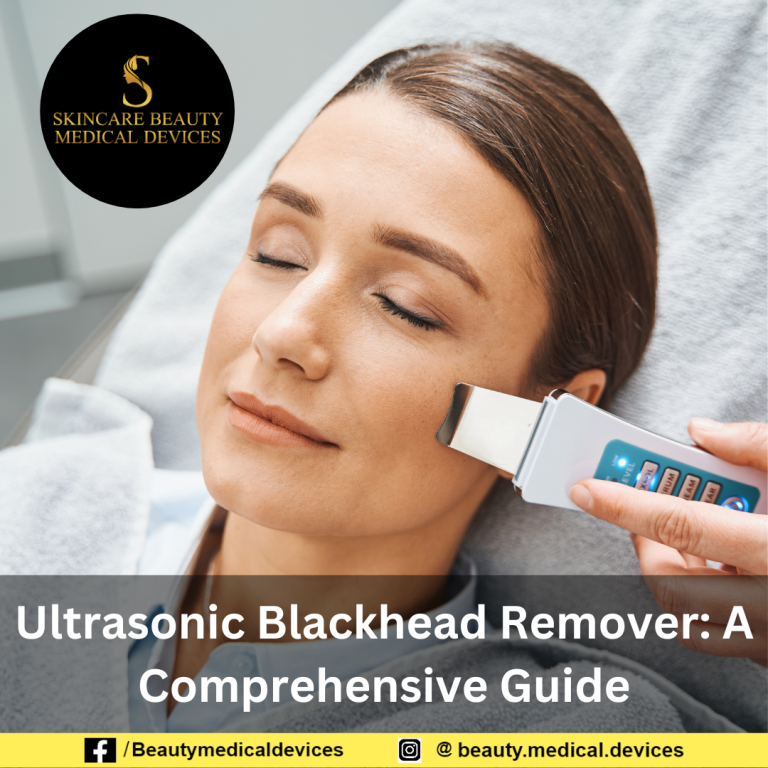
An ultrasonic blackhead remover is a skincare tool that utilizes ultrasonic technology to clean the pores and remove impurities, including blackheads, whiteheads, dead skin cells, and excess oil. Unlike traditional extraction methods, which rely on squeezing or pulling, ultrasonic devices use sound waves (vibrations) to gently lift impurities from the skin.

The device typically features a metal spatula-like blade that vibrates at ultrasonic frequencies (around 24,000–30,000 Hz). When glided over the skin, the device’s vibrations penetrate deep into the pores, dislodging dirt, oil, and other debris, which are then lifted to the skin’s surface for removal.

How Does It Work?

The ultrasonic waves generated by the device create tiny bubbles in the moisture on the skin. As these bubbles burst, they produce a gentle but effective force that pushes out the debris clogging the pores. Here’s a breakdown of the typical process:

  1. Cleansing: The skin is first moistened with water or a hydrating toner. This step is crucial, as the ultrasonic device needs a moist surface to function properly.
  2. Ultrasonic Vibration: The device is turned on, and the metal blade is passed over the affected areas. The high-frequency vibrations penetrate the pores, loosening and lifting blackheads, excess oil, and dead skin.
  3. Extraction: As the device glides over the skin, the loosened impurities are pushed to the surface, where they can be easily wiped away.
  4. Exfoliation: The device also acts as an exfoliator, removing dead skin cells and promoting cell renewal.

Benefits of Using an Ultrasonic Blackhead Remover

  1. Non-Invasive and Gentle: Unlike squeezing or harsh scrubs, the ultrasonic remover is gentle on the skin and minimizes the risk of irritation or scarring.
  2. Deep Cleansing: Ultrasonic waves penetrate deeper than surface-level exfoliation methods, ensuring a thorough cleanse.
  3. Improved Skin Texture: Regular use of the device can result in smoother, clearer skin as it removes not only blackheads but also dead skin cells and excess oil.
  4. Painless Extraction: The process is relatively painless compared to traditional methods like pore strips or manual extraction tools, making it suitable for sensitive skin.
  5. Boosts Absorption: After cleansing and exfoliation, the skin is better prepared to absorb skincare products like serums and moisturizers, enhancing their effectiveness.

How to Use an Ultrasonic Blackhead Remover

To get the most out of your device, follow these steps:

  1. Prep Your Skin: Start with clean, slightly damp skin. Use a gentle cleanser and toner to remove any surface dirt. Ensure your skin remains damp throughout the process, as the device works best on moist skin.
  2. Set the Device: Turn on the device and select the appropriate setting. Many ultrasonic blackhead removers have multiple intensity levels, so start with a lower setting if you’re new to the device.
  3. Glide Over the Skin: Holding the device at a 30-degree angle, gently glide it over the affected areas, focusing on blackheads and congested zones. Move the device slowly to allow the ultrasonic waves to penetrate deeply.
  4. Wipe Away Impurities: As the device extracts blackheads and other debris, use a clean cloth or tissue to wipe them away. Rinse the spatula regularly during the process.
  5. Post-Care: After using the device, apply a soothing toner or moisturizer to hydrate and calm the skin.

Tips for Safe Use

  • Do Not Overuse: Limit the use of the device to 1-2 times per week to avoid over-exfoliation, which can lead to irritation or dryness.
  • Patch Test: If you have sensitive skin, perform a patch test before using the device on your face to ensure you don’t experience any adverse reactions.
  • Avoid Open Wounds: Do not use the device on areas with active acne, wounds, or irritated skin to prevent further damage.
  • Keep the Device Clean: Always clean the spatula thoroughly before and after each use to maintain hygiene and prevent bacterial buildup.

Who Can Benefit from an Ultrasonic Blackhead Remover?

Ultrasonic blackhead removers are suitable for most skin types, but they are particularly beneficial for those with:

  • Oily and Combination Skin: This skin type is more prone to blackheads due to excess oil production. The ultrasonic device helps manage this by thoroughly cleansing the pores.
  • Clogged Pores: If you regularly experience congested skin, the ultrasonic waves can help keep your pores clear without harsh extractions.
  • Sensitive Skin: The non-invasive nature of the device makes it ideal for people with sensitive skin who want a gentle but effective blackhead removal method.

Conclusion

The ultrasonic blackhead remover is a cutting-edge tool that offers a painless, non-invasive way to tackle blackheads and clogged pores. By using ultrasonic waves, it provides a deep clean while being gentle on the skin, making it an excellent addition to your skincare routine. When used correctly and consistently, it can help improve your skin’s clarity, texture, and overall health.

Read also:Revolutionizing Diaper Care: The Boogie Bottoms Diaper Rash Cream Spray

The Rise of At-Home Skincare Laser Devices

0

In recent years, at home skincare has evolved significantly, with advances in technology making once exclusive in-office treatments accessible at home. Among the most popular of these innovations are at-home laser devices. Once reserved for dermatology clinics and med spas, laser treatments are now more affordable and convenient, offering users an effective way to address various skin concerns without leaving the house.

Let’s dive into how these devices work, the types of skin concerns they target, and their benefits and limitations.

How Do At-Home Laser Devices Work?

At-home laser devices use light therapy to treat skin issues by penetrating different layers of the skin, often targeting collagen production and cell turnover. These devices can help with:

  • Anti-aging: By stimulating collagen production, lasers can reduce fine lines and wrinkles, leading to firmer, more youthful-looking skin.
  • Hyperpigmentation: Lasers target melanin to reduce dark spots, freckles, and uneven skin tone.
  • Acne scars: Certain lasers help smooth acne scars by encouraging skin cell regeneration.
  • Hair removal: Some at-home devices are specifically designed for permanent hair reduction through laser or intense pulsed light (IPL) technology.

Popular Types of At-Home Laser Devices

  1. Fractional Lasers: These devices create microscopic injuries to the skin’s surface, stimulating the body’s natural healing process and collagen production. While non-ablative (meaning they don’t remove the skin’s top layer), they are powerful enough to improve skin texture, tone, and even minor scars.
  2. IPL (Intense Pulsed Light) Devices: Though not technically lasers, IPL devices are widely used for hair removal, hyperpigmentation, and skin rejuvenation. They emit broad-spectrum light to target skin pigments, making them effective for treating dark spots and reducing hair growth.
  3. LED Light Therapy: Commonly used for acne and anti-aging, LED devices emit red, blue, or a combination of light wavelengths to either reduce inflammation (blue light, for acne) or promote collagen production (red light, for anti-aging).

Advantages of At-Home Laser Devices

  • Convenience: You can use these devices in the comfort of your home, eliminating the need for regular dermatologist visits.
  • Affordability: Although the initial investment can be high, at-home laser devices are cost-effective over time compared to ongoing in-office treatments.
  • Customizable Treatments: Many devices offer adjustable intensity levels, allowing users to tailor the treatment to their skin’s sensitivity and specific needs.

Safety Considerations

While at-home laser devices are designed to be safe for non-professional use, certain precautions are necessary:

  • Skin type: Not all laser devices are suitable for every skin tone or type. Darker skin tones may be more prone to side effects like hyperpigmentation from lasers.
  • Eye protection: Lasers can be harmful to the eyes, so it’s essential to wear protective eyewear if recommended.
  • Patch testing: Always perform a patch test to check for any adverse skin reactions, such as redness, irritation, or burns.

Are They as Effective as Professional Treatments?

While at-home devices have shown promising results, they are generally less powerful than in-office treatments. Dermatologists use professional-grade lasers that penetrate deeper into the skin and offer faster, more dramatic results. At-home treatments may take longer and require consistent use to see noticeable improvements.

Choosing the Right Device for Your Needs

When selecting an at-home laser device, consider the following factors:

  1. Purpose: Are you looking for anti-aging benefits, acne treatment, hair removal, or pigmentation correction? Different devices cater to different skin concerns.
  2. Skin Type and Tone: Some devices are better suited for specific skin tones. For example, IPL may not be suitable for darker skin due to the risk of burns or pigmentation issues.
  3. Device Features: Look for adjustable settings, safety features like built-in skin sensors, and ease of use.
  4. Reviews and FDA Approval: Choose devices with strong user reviews and, if possible, those approved by the FDA for safety and efficacy.

The Future of At-Home Laser Skincare

As technology continues to advance, we can expect to see even more innovative at-home laser devices. These tools are likely to become more effective, user-friendly, and inclusive of different skin tones and conditions.

In conclusion, at-home laser devices have transformed the way we approach skincare, offering convenient, affordable, and effective solutions for various skin concerns. While they may not replace the power of professional treatments, they offer a viable alternative for maintaining healthy, youthful-looking skin.

Popular At-Home Laser Devices:

  1. Tria Beauty Laser: FDA-cleared for anti-aging and hair removal.
  2. Lumenis Silk’n Infinity: Effective for hair removal with IPL technology.
  3. Nira Skincare Laser: Designed to reduce wrinkles and fine lines.
  4. Neutrogena Light Therapy Acne Mask: A popular choice for acne treatment using blue and red light.

By choosing the right device and incorporating it into a consistent skincare routine, you can enjoy the benefits of advanced laser treatments from the comfort of your own home!

Read also:The Complete Guide to Hair Transplants: What You Need to Know

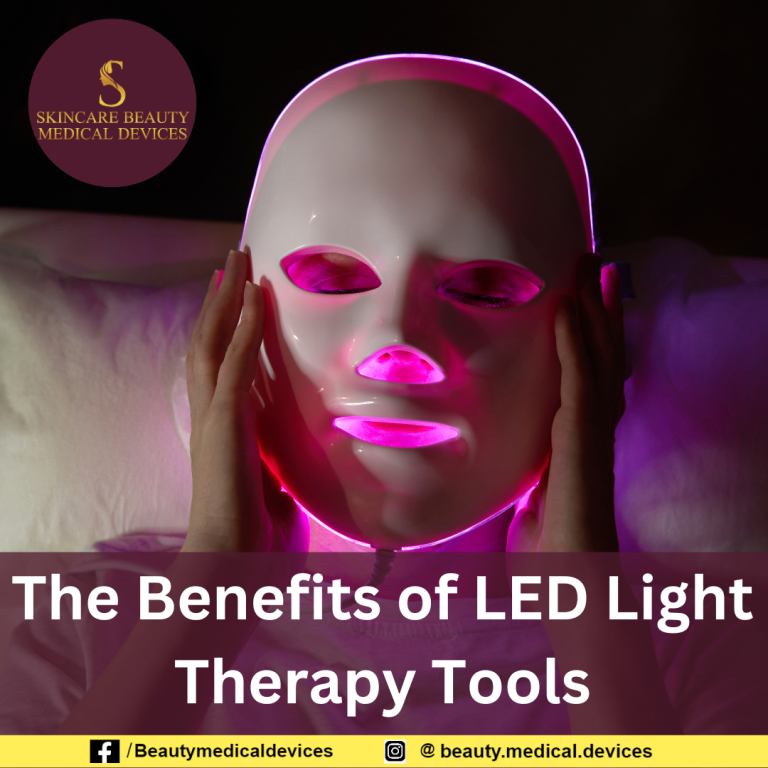
The Benefits of LED Light Therapy Tools

0

LED Light Therapy is an increasingly popular treatment that leverages different wavelengths of light to address various skin and health concerns. Originally developed by NASA for plant growth experiments and wound healing in space, this non-invasive treatment is now widely used in dermatology and beauty treatments for its regenerative effects.

How LED Light Therapy Works

LED (Light Emitting Diode) light therapy uses specific wavelengths of light (typically blue, red, and near-infrared) to penetrate the skin at different depths. The light energy is absorbed by skin cells, which then triggers biochemical processes that help repair and rejuvenate the skin. This treatment is widely used to address issues like acne, wrinkles, skin inflammation, and even muscle recovery.

Each color of light offers unique benefits, depending on the wavelength:

  • Red Light (620-750 nm): Primarily penetrates the skin to stimulate collagen production, reduce inflammation, and improve skin texture. Red light is commonly used to reduce fine lines, wrinkles, and scarring.
  • Blue Light (405-420 nm): This wavelength is effective for treating acne because it targets the Propionibacterium acnes bacteria, which can cause acne breakouts. Blue light also helps to calm the skin and reduce oil production.
  • Near-Infrared Light (700-1400 nm): This deeper-penetrating light can target deeper layers of the skin to reduce muscle pain, inflammation, and improve wound healing. Near-infrared light therapy is often used for anti-aging purposes and to enhance skin rejuvenation.

Key Benefits of LED Light Therapy Tools

  1. Anti-Aging: Red light therapy promotes collagen and elastin production, helping to reduce the appearance of wrinkles and fine lines. With consistent use, it can also improve skin texture and tone, making the skin look firmer and younger.
  2. Acne Treatment: Blue light therapy kills acne-causing bacteria and reduces sebum production, making it an effective solution for acne-prone skin. Many LED light therapy tools combine blue and red lights to target acne while also repairing damaged skin.
  3. Skin Healing and Recovery: Both red and near-infrared lights accelerate the skin’s natural healing process. They improve blood circulation, reduce inflammation, and can even aid in wound healing. This makes LED therapy tools beneficial for people recovering from skin injuries, surgeries, or procedures like microneedling.
  4. Pain Relief: Near-infrared light has been shown to penetrate deep into tissues, where it reduces inflammation and relieves muscle and joint pain. This has made it a useful tool for athletes and people suffering from chronic pain conditions like arthritis.
  5. No Downtime or Side Effects: One of the greatest advantages of LED light therapy is its non-invasive nature. Unlike other skin treatments like chemical peels or laser treatments, LED therapy is safe for all skin types, with no downtime or risk of burns.

Popular LED Light Therapy Tools

  • LED Masks: Full-face LED masks have become a popular at-home tool for skin rejuvenation. These masks often feature multiple wavelengths of light to target different concerns, such as anti-aging (red light) and acne (blue light). Popular brands include Dr. Dennis Gross and Neutrogena.
  • Handheld Devices: Handheld LED light therapy tools, like the LightStim or Foreo Espada, offer more targeted treatment options. These are especially useful for treating smaller areas, such as acne spots or specific wrinkles.
  • Panels and Lamps: For those looking to treat larger areas of the body, full-sized LED panels or lamps, such as the Joovv or Mito Red Light, offer powerful and wide-reaching treatments. These devices are often used for both skin rejuvenation and muscle recovery.

How to Use LED Light Therapy Tools at Home

Most at-home LED devices are safe and easy to use. A typical session lasts between 10-20 minutes, depending on the device and skin concern. The key is consistency—daily or every-other-day treatments tend to yield the best results over time.

  • Cleanse your face before using any LED device to remove oils or debris.
  • Apply serums or moisturizers, if needed, as LED light can help them penetrate deeper into the skin.
  • Wear protective goggles, especially when using high-intensity lights close to your eyes.

Considerations and Precautions

  • Consult a Dermatologist: If you have severe skin conditions or are pregnant, it’s a good idea to consult a dermatologist before starting LED therapy.
  • Avoid Overuse: Using LED devices too frequently or for too long can cause irritation or sensitivity. Follow the manufacturer’s guidelines for usage.
  • Not a Replacement for Medical Treatments: While LED therapy is effective for many skin concerns, it’s not a substitute for professional treatments or medications when necessary.

Read also:Microdermabrasion Tools: A Complete Guide to Skin Exfoliation Devices

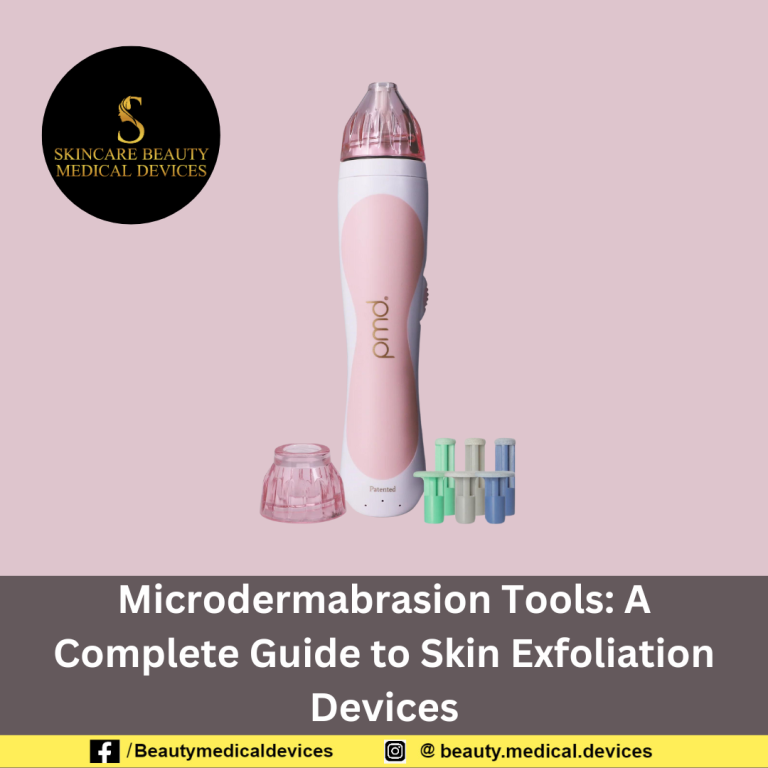
Microdermabrasion Tools: A Complete Guide to Skin Exfoliation Devices

0

Microdermabrasion is a popular, non-invasive skin treatment designed to exfoliate the outermost layer of dead skin cells, revealing smoother, more youthful skin underneath. There are various tools available for at-home or professional microdermabrasion, each with unique features. This guide will take you through the essential aspects of microdermabrasion tools, their benefits, and how to choose the right one for your skin.

How Microdermabrasion Works

Microdermabrasion is a cosmetic procedure where fine crystals or a diamond tip is used to exfoliate the skin, while suction simultaneously removes the dead cells. This process can help with:

  • Reducing fine lines and wrinkles
  • Improving the appearance of age spots and hyperpigmentation
  • Enhancing skin texture and tone
  • Unclogging pores and reducing blackheads

Types of Microdermabrasion Tools

There are primarily two types of microdermabrasion tools: Crystal-based and Diamond-tip devices.

1. Crystal-based Microdermabrasion

Crystal-based systems use aluminum oxide or sodium bicarbonate crystals to buff away dead skin. The tool blasts these crystals onto the skin, and a vacuum mechanism collects them along with the exfoliated cells.

Pros:

  • Effective for deeper exfoliation.
  • Helps reduce the appearance of scars and age spots.

Cons:

  • Messy due to the use of crystals.
  • Slightly more abrasive than diamond-tip devices.

2. Diamond-tip Microdermabrasion

These devices use a rough diamond tip to exfoliate the skin. The abrasive tip rubs against the skin’s surface, removing dead skin cells while suction removes them. The pressure and suction can often be adjusted to suit different skin sensitivities.

Pros:

  • More precise and controlled exfoliation.
  • Safer for sensitive areas (around eyes and lips).
  • No residue from crystals, making it cleaner.

Cons:

  • May require replacement tips over time.

Choosing the Right Device

When selecting a microdermabrasion tool for at-home use, consider the following factors:

1. Skin Type

  • Sensitive Skin: Diamond-tip devices offer adjustable suction settings, which can be gentler on sensitive skin.
  • Oily/Acne-Prone Skin: Crystal-based systems may help unclog pores and reduce blackheads.

2. Portability

Some microdermabrasion devices are designed for portability, allowing for easy use while traveling. Handheld, rechargeable tools may offer more convenience than bulkier, corded models.

3. Adjustability

Look for a device with adjustable suction levels. This allows you to customize the exfoliation process according to your skin’s sensitivity or the area being treated.

4. Ease of Use and Maintenance

Devices that are easy to clean, such as those with washable filters or simple replacement parts, are more practical for regular use.

Safety and Aftercare

Microdermabrasion is generally safe, but it’s important to follow certain guidelines to avoid irritation or damage:

  1. Pre-treatment: Make sure your skin is clean and free of makeup or oils.
  2. During treatment: Avoid over-exfoliating. Always start with a lower suction setting and gradually increase as needed.
  3. Post-treatment: Apply a hydrating serum or moisturizer to soothe the skin. Sunscreen is crucial after treatment, as your skin will be more sensitive to UV rays.

How Often Should You Use Microdermabrasion Devices?

For best results, microdermabrasion should typically be done once every 7-14 days, depending on your skin type. Overuse can lead to irritation, so it’s important to follow manufacturer recommendations or consult with a dermatologist.

Read also: Gua Sha A Traditional Healing Technique with Modern Benefits

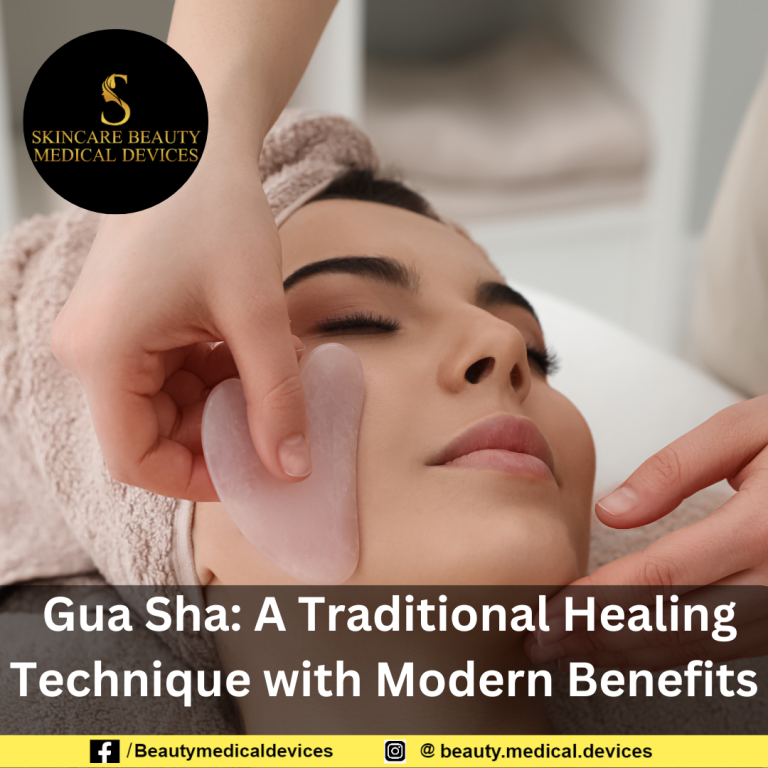
Gua Sha A Traditional Healing Technique with Modern Benefits

0

Gua Sha is an ancient Chinese healing technique that has been used for centuries to treat various ailments, relieve pain, and promote overall well-being. It involves scraping the skin using a smooth-edged tool, often made from jade or other natural materials. The practice is rooted in Traditional Chinese Medicine (TCM) and is believed to stimulate blood flow, reduce inflammation, and release muscle tension.

Origins and History

Gua Sha translates to “scraping” (Gua) and “sand” or “rash” (Sha), referring to the small red or purple marks that may appear on the skin after the procedure. The practice dates back over 2,000 years and has been documented in ancient Chinese medical texts. Traditionally, Gua Sha was used to treat conditions such as colds, fevers, respiratory issues, and muscle pain by promoting the body’s natural healing processes.

How Gua Sha Works

The process of Gua Sha involves scraping a lubricated area of the skin with a specialized tool in a downward motion. The technique is typically performed on the back, neck, shoulders, face, and limbs. By applying pressure to specific areas, Gua Sha practitioners aim to break up stagnation in the blood and energy (Qi) flow. This is thought to help the body release toxins, reduce inflammation, and promote healing.

The marks left on the skin are not bruises but are often referred to as “Sha.” They are caused by the rupture of small capillaries under the skin, which promotes healing by increasing circulation to the area. These marks usually fade within a few days.

Benefits of Gua Sha

  1. Pain Relief: Gua Sha is widely used to relieve muscle and joint pain. It has been particularly effective in treating chronic pain conditions such as back pain, neck stiffness, and headaches.
  2. Improved Circulation: By stimulating blood flow, Gua Sha helps oxygen and nutrients reach areas of the body that may be suffering from poor circulation. This can aid in healing and improve overall energy levels.
  3. Reduced Inflammation: The technique has been shown to lower inflammatory markers in the body, which can benefit individuals with conditions like arthritis or chronic inflammation.
  4. Immune System Support: Gua Sha is sometimes used to boost the immune system, particularly when dealing with colds, fevers, or respiratory issues. The increased circulation and release of toxins may help the body fight infections more effectively.
  5. Stress Reduction and Relaxation: The scraping motion of Gua Sha can also promote relaxation and reduce stress by relieving tension in the muscles and calming the nervous system.

Gua Sha for the Face

In recent years, Gua Sha has gained popularity in skincare, particularly for facial treatments. Facial Gua Sha uses a gentler technique and is believed to:

  • Improve lymphatic drainage, reducing puffiness and swelling.
  • Enhance skin elasticity and promote a more youthful appearance.
  • Relieve tension in the facial muscles, which may help reduce the appearance of wrinkles.

Scientific Studies

While Gua Sha has a long history in traditional medicine, modern scientific studies have begun to explore its benefits. Some research has shown that Gua Sha can significantly reduce pain in patients with chronic neck pain or back pain. Other studies suggest that it may be effective in treating migraines and reducing inflammation in the body.

A study published in the journal Complementary Therapies in Medicine found that Gua Sha reduced inflammatory markers in individuals with chronic neck pain, supporting the technique’s anti-inflammatory properties. Another study in the Journal of Pain Research highlighted Gua Sha’s potential as a non-invasive therapy for managing musculoskeletal pain.

Safety and Precautions

Gua Sha is generally considered safe when performed by a trained practitioner. However, it may not be suitable for individuals with certain medical conditions, such as those with clotting disorders or individuals taking blood-thinning medications. The procedure should be avoided on broken or irritated skin.

After a Gua Sha session, individuals may experience temporary redness, tenderness, or mild bruising in the treated area. These effects typically subside within a few days.

Conclusion

Gua Sha is a time-honored healing technique that continues to offer therapeutic benefits in modern wellness practices. Whether used for pain relief, improved circulation, or skincare, Gua Sha provides a holistic approach to health by balancing the body’s natural energies. While more research is needed to fully understand its mechanisms, Gua Sha remains a valuable tool in both traditional and contemporary health treatments.

Read also: Cleansing Brushes: A Comprehensive Guide

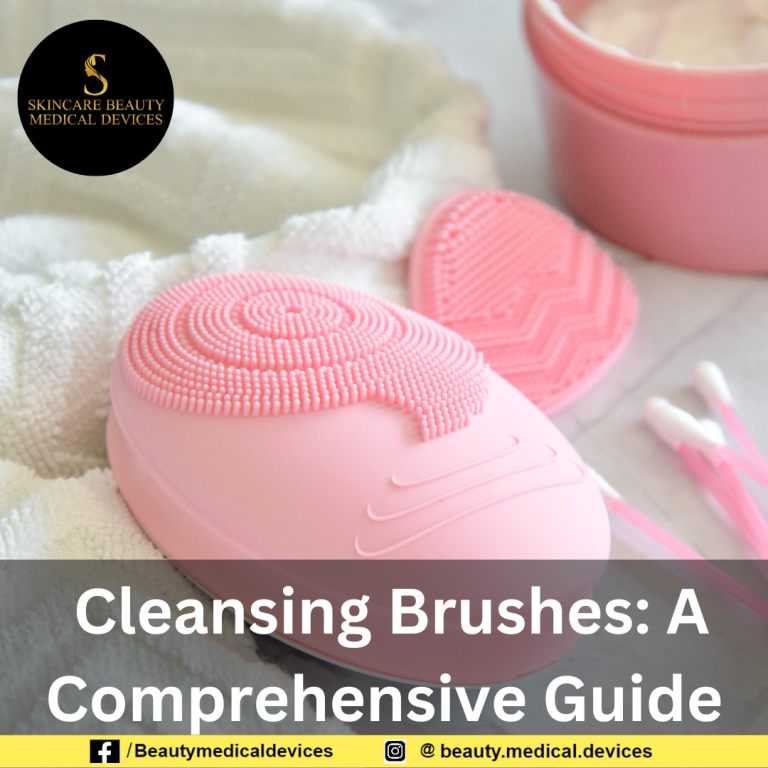
Cleansing Brushes: A Comprehensive Guide

0

Cleansing brushes have become an essential tool in modern skincare routines, promising deeper cleansing, exfoliation, and an overall improvement in skin texture. If you’re wondering how a cleansing brush works, its benefits, or whether it’s right for your skin type, this article will provide everything you need to know.

What Is a Cleansing Brush?

A cleansing brush is a handheld device designed to enhance your skincare routine by cleaning your face more thoroughly than your hands alone. These brushes typically have bristles or silicone tips that oscillate or rotate, removing dirt, oil, and makeup from the skin’s surface.

Types of Cleansing Brushes

  1. Manual Cleansing Brushes: These require you to manually scrub your face in circular motions. They are usually softer and more affordable but may not offer the same level of deep cleansing as electric brushes.
  2. Electric Cleansing Brushes: These devices either rotate or oscillate, allowing for a more automated and efficient cleanse. They can come with various speed settings and brush heads designed for different skin types and needs.
  3. Silicone Cleansing Brushes: Made from medical-grade silicone, these brushes are known for being gentler on the skin, non-porous (making them more hygienic), and easy to clean. They provide a softer alternative for those with sensitive skin.

Benefits of Using a Cleansing Brush

  1. Deeper Cleansing: Cleansing brushes can remove makeup, dirt, oil, and impurities more effectively than traditional hand washing, reaching deeper into pores.
  2. Exfoliation: The gentle scrubbing action of the brush helps remove dead skin cells, leaving your skin smoother and more radiant. Regular exfoliation can prevent clogged pores and acne breakouts.
  3. Improved Product Absorption: By clearing away dead skin cells and excess oils, a cleansing brush allows skincare products like serums and moisturizers to absorb better into the skin.
  4. Increased Circulation: The massaging action of the brush can stimulate blood flow to your face, promoting a healthy glow.

How to Use a Cleansing Brush Properly

  1. Choose the Right Brush Head: Make sure you’re using a brush designed for your skin type. For sensitive or acne-prone skin, opt for softer, silicone-based or gentle bristles.
  2. Apply Cleanser: Wet your face and the brush, then apply a small amount of your facial cleanser to the brush or your skin.
  3. Gentle Movements: Move the brush in small, circular motions, avoiding too much pressure. Spend about 20 seconds on each area of your face (forehead, cheeks, nose, and chin), but don’t overdo it to avoid irritation.
  4. Rinse and Clean: After use, rinse your face thoroughly and clean the brush head to remove any residue or bacteria.

Who Should Use a Cleansing Brush?

  • Oily or Combination Skin: People with oily or combination skin may benefit most from using a cleansing brush, as it helps remove excess oil and prevent clogged pores.
  • Acne-Prone Skin: If used properly, cleansing brushes can help clear out pores and prevent acne breakouts. However, it’s important to be gentle to avoid aggravating inflamed skin.
  • Dry or Sensitive Skin: Those with dry or sensitive skin should opt for a softer brush or a silicone brush to avoid over-exfoliating or irritating the skin. Using a cleansing brush only a few times per week is recommended to prevent excessive dryness.

Common Mistakes to Avoid

  1. Overuse: Using a cleansing brush too frequently can irritate your skin and strip it of its natural oils. Most dermatologists recommend using it 2-3 times a week, depending on your skin’s sensitivity.
  2. Using the Wrong Brush: Not all brush heads are made the same. If you have sensitive skin, using a harsh or stiff brush can cause micro-tears and irritation.
  3. Not Cleaning the Brush: A dirty brush can harbor bacteria, which could cause breakouts. Make sure to clean the brush head after every use and replace it regularly (every 3-4 months).
  4. Skipping Moisturizer: Cleansing brushes exfoliate the skin, which may leave it drier than usual. Always follow up with a good moisturizer to replenish hydration.

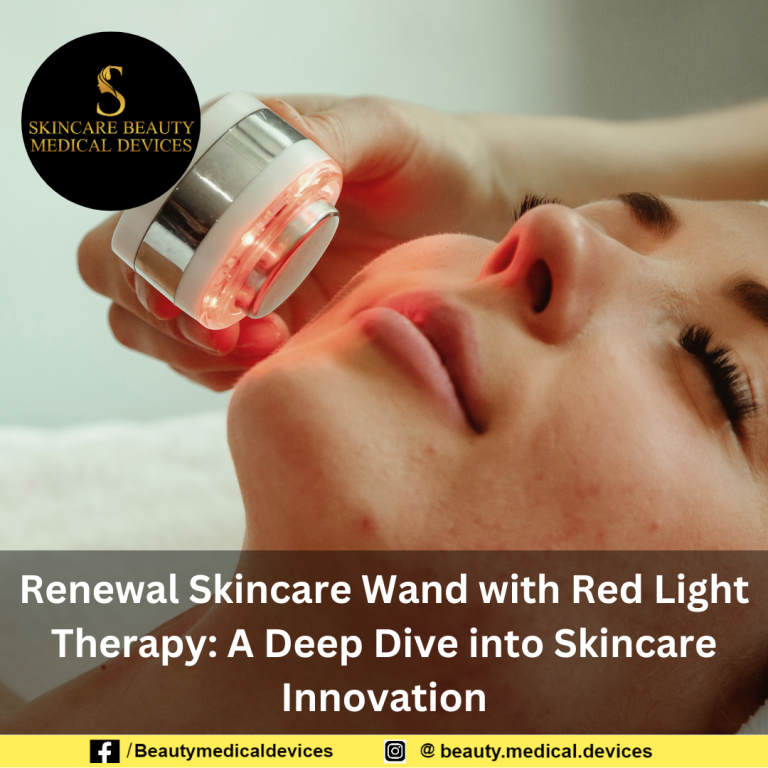
Renewal Skincare Wand with Red Light Therapy: A Deep Dive into Skincare Innovation

In recent years, red light therapy (RLT) has gained popularity for its effectiveness in skincare, particularly for anti-aging, improving skin texture, and addressing other skin concerns. One such innovation incorporating this technology is the Renewal Skincare Wand, which promises to deliver professional-grade results in the comfort of your own home.

What is Red Light Therapy?

Red light therapy is a non-invasive skincare treatment that uses low-wavelength red light to penetrate the skin’s layers, stimulating cellular activity. It works by boosting collagen production, improving circulation, and enhancing skin repair processes. RLT is often used in clinical settings for treating acne scars, reducing wrinkles, and improving skin tone and texture.

Key Features of the Renewal Skincare Wand

  1. Red Light Therapy: The wand uses red light at a wavelength that penetrates deeply into the skin, stimulating the body’s natural healing processes. This can help:
    • Diminish fine lines and wrinkles
    • Improve skin elasticity
    • Promote collagen production
  2. Microcurrent Technology: In addition to red light therapy, many of these wands incorporate microcurrents, which are low-level electrical currents that mimic the body’s natural electrical impulses. This further stimulates facial muscles, toning and tightening the skin.
  3. Heat Therapy: Some Renewal wands also offer mild heat settings, which help open pores, allowing for better absorption of skincare products. This also increases blood flow, delivering more oxygen and nutrients to the skin cells.
  4. Portable and Easy-to-Use: The device is designed to be compact, lightweight, and user-friendly, making it perfect for daily or weekly skincare routines. Many wands are rechargeable and easy to incorporate into your skincare regimen.

Benefits of Using the Renewal Skincare Wand

  1. Anti-Aging: Red light therapy can help reduce the appearance of fine lines, wrinkles, and age spots, giving the skin a smoother, younger look over time.
  2. Improved Skin Tone: By boosting collagen and promoting cellular turnover, the wand can help even out the skin tone and reduce hyperpigmentation.
  3. Non-Invasive: Unlike other treatments like Botox or chemical peels, red light therapy is non-invasive, pain-free, and suitable for all skin types.
  4. Boosting Skincare Product Efficacy: The heat and microcurrent features improve the absorption of serums, moisturizers, and other skincare products, maximizing their effectiveness.

How to Use the Renewal Skincare Wand

  1. Cleanse Your Skin: Always start with clean, dry skin. This removes any dirt, oil, or makeup, allowing the light and microcurrents to work more effectively.
  2. Apply a Serum or Gel: Using a conductive gel or your favorite serum can enhance the treatment, especially with microcurrent devices.
  3. Glide the Wand Over Your Face: Gently move the wand in upward motions, focusing on areas where you want to reduce wrinkles or improve firmness, such as around the eyes, forehead, and jawline.
  4. Follow Up with Moisturizer: After your session, apply a moisturizer to lock in hydration and protect your skin.

Read also: Microcurrent Devices: The Science, Benefits, and Uses

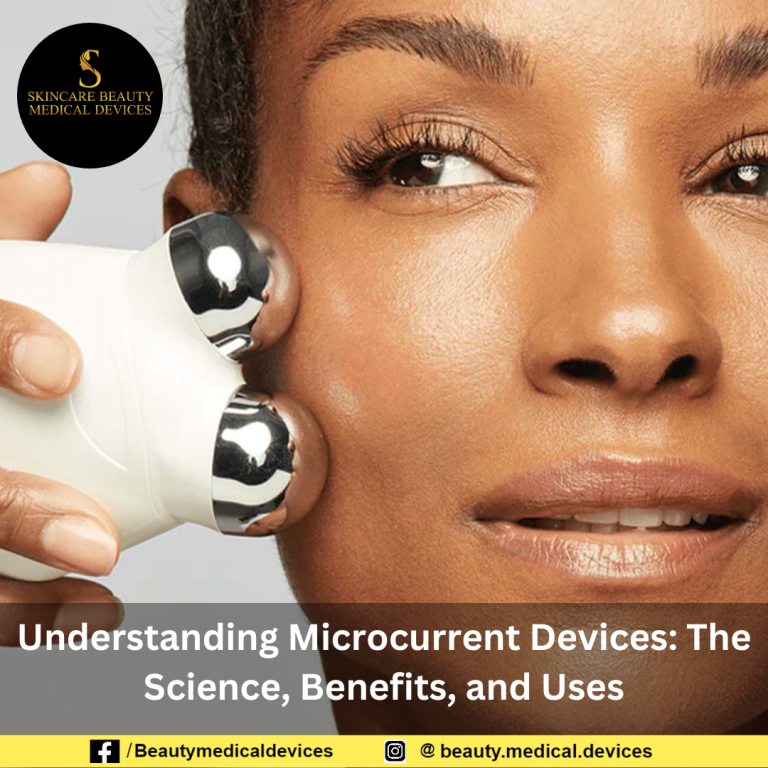
Microcurrent Devices: The Science, Benefits, and Uses

Microcurrent devices have gained significant popularity in the skincare industry due to their non-invasive approach to facial toning and rejuvenation. These devices, often used in professional settings but also available for home use, claim to enhance skin tone, reduce wrinkles, and improve overall facial appearance. But what exactly are microcurrent devices, how do they work, and what are the benefits?

What is a Microcurrent Device?

A microcurrent device is a tool that emits low-voltage electrical currents, mimicking the body’s natural bioelectrical currents. These tiny electrical impulses are applied to the skin to stimulate facial muscles, increase blood circulation, and encourage collagen and elastin production. The voltage is so minimal (typically in the microampere range) that it is often imperceptible to users, making it a comfortable, non-invasive treatment.

How Do Microcurrent Devices Work?

The science behind microcurrent technology is rooted in the idea that electrical stimulation can promote cellular repair and energy production. Microcurrents activate the adenosine triphosphate (ATP) within cells, which serves as the cell’s energy source. Increased ATP production helps stimulate muscle contractions, enhancing muscle tone and lifting sagging skin. Additionally, this process supports collagen and elastin synthesis, leading to firmer, more youthful-looking skin.

Key Benefits of Microcurrent Devices:

  1. Facial Toning and Lifting: Microcurrent therapy is often referred to as a “non-surgical facelift” due to its ability to tone and tighten facial muscles. Regular use can result in a more contoured jawline, lifted brows, and a firmer overall facial structure.
  2. Reduction in Fine Lines and Wrinkles: The stimulation of collagen and elastin production can help smooth out fine lines and wrinkles, particularly around the eyes, forehead, and mouth.
  3. Improved Skin Texture and Hydration: Microcurrent devices enhance blood circulation and lymphatic drainage, leading to better skin oxygenation and detoxification. This improved circulation can give the skin a healthy, hydrated glow.
  4. Quick, Non-Invasive Treatment: Unlike more invasive procedures like Botox or facelifts, microcurrent treatments are non-surgical and painless, with minimal recovery time. Many users report seeing improvements after just one session, though consistent use is recommended for long-lasting results.
  5. Boosting Skincare Product Absorption: Microcurrent devices can also help in better absorption of skincare products, allowing active ingredients in serums and moisturizers to penetrate deeper into the skin.

Who Can Use Microcurrent Devices?

Microcurrent devices are generally considered safe for most skin types, but there are some exceptions. People with certain medical conditions, such as epilepsy, heart conditions, or those with pacemakers, should avoid using microcurrent devices. Pregnant women are also advised to consult a healthcare professional before using such tools.

In-Clinic vs. At-Home Microcurrent Devices:

Many professional spas and dermatology clinics offer microcurrent treatments as part of their anti-aging skincare services. These professional-grade machines typically deliver more powerful currents compared to at-home devices, often leading to more immediate results. However, at-home microcurrent devices have become more advanced and accessible, allowing users to maintain and prolong the benefits of in-clinic treatments.

Some popular at-home microcurrent device brands include:

  • NuFACE: One of the most well-known brands in the at-home microcurrent market, NuFACE offers devices designed to lift, tone, and reduce wrinkles.
  • ZIIP Beauty: This brand combines microcurrent and nanocurrent technology for a more customizable and comprehensive facial treatment.
  • FOREO Bear: Known for its compact size and smart sensors, FOREO Bear is another option for facial toning at home.

Are There Any Side Effects?

Microcurrent devices are generally safe, but users may experience mild redness or tingling after use. These sensations usually subside quickly. To minimize the risk of adverse effects, it is essential to follow the manufacturer’s instructions and avoid overuse.

Read also:Revitalize Your Skin: Harness Harmonized Energy Technology

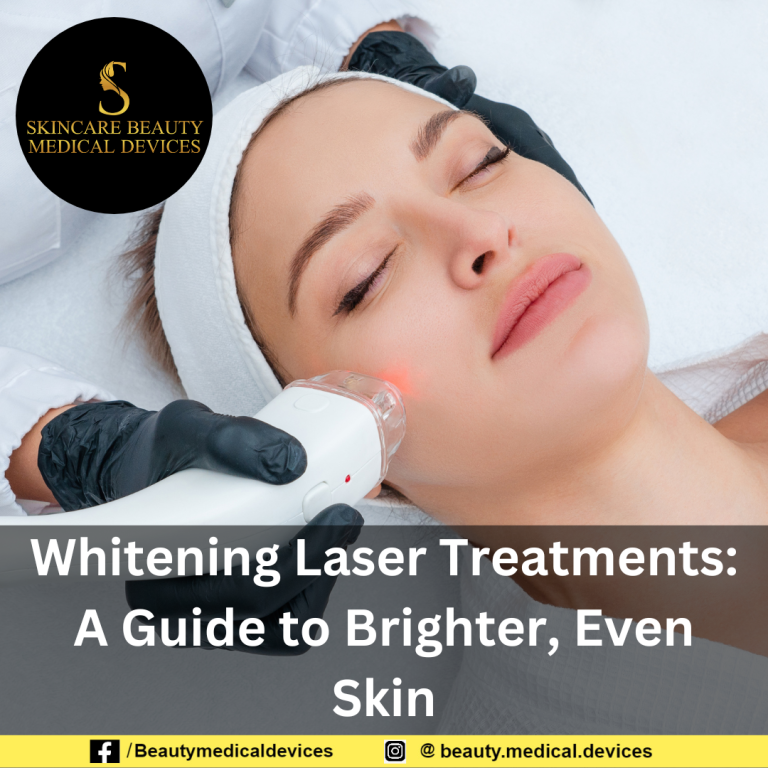
Whitening Laser Treatments: A Guide to Brighter, Even Skin

A whitening laser refers to a cosmetic dermatological treatment designed to reduce hyperpigmentation, dark spots, or uneven skin tone, and generally brighten the complexion. These procedures typically involve using laser energy to target melanin in the skin, breaking it down and promoting a lighter, more even appearance. The treatment is popular for addressing issues like melasma, sun damage, acne scars, and age spots.

Common types of lasers used for skin whitening include:

  1. Q-Switched Nd

Laser – Frequently used for skin lightening, this laser targets pigment without damaging surrounding skin. It’s effective for treating dark spots, melasma, and tattoo removal.

  1. Fractional CO2 Laser – This laser resurfaces the skin by creating micro-injuries that promote new skin growth, which can improve pigmentation and overall brightness.
  2. IPL (Intense Pulsed Light) – Though technically not a laser, IPL is often grouped with laser treatments. It targets pigment and vascular issues, helping to brighten skin tone.

Benefits of Whitening Laser Treatment:

  • Improves uneven skin tone
  • Reduces appearance of dark spots and hyperpigmentation
  • Minimally invasive with relatively short recovery times
  • Long-lasting results when combined with sun protection and skin care

Possible Side Effects:

  • Temporary redness, swelling, or irritation
  • Skin sensitivity to sunlight
  • Hyperpigmentation or hypopigmentation if not done correctly
  • Risk of scarring if improperly administered

It’s always recommended to consult with a certified dermatologist to determine the best treatment plan and understand the risks based on individual skin types and conditions.

In conclusion, whitening laser treatments offer an effective solution for those seeking to address skin concerns such as hyperpigmentation, dark spots, and uneven skin tone. With advancements in laser technology, these treatments are now safer, more precise, and capable of delivering long-lasting results with minimal downtime. However, it’s important to undergo treatment with a qualified dermatologist to ensure the best outcome and minimize potential risks. By following a proper skincare regimen, including sun protection, individuals can maintain the benefits of whitening laser treatments and enjoy brighter, more radiant skin over time.

Read also: The Complete Guide to Hair Transplants: What You Need to Know

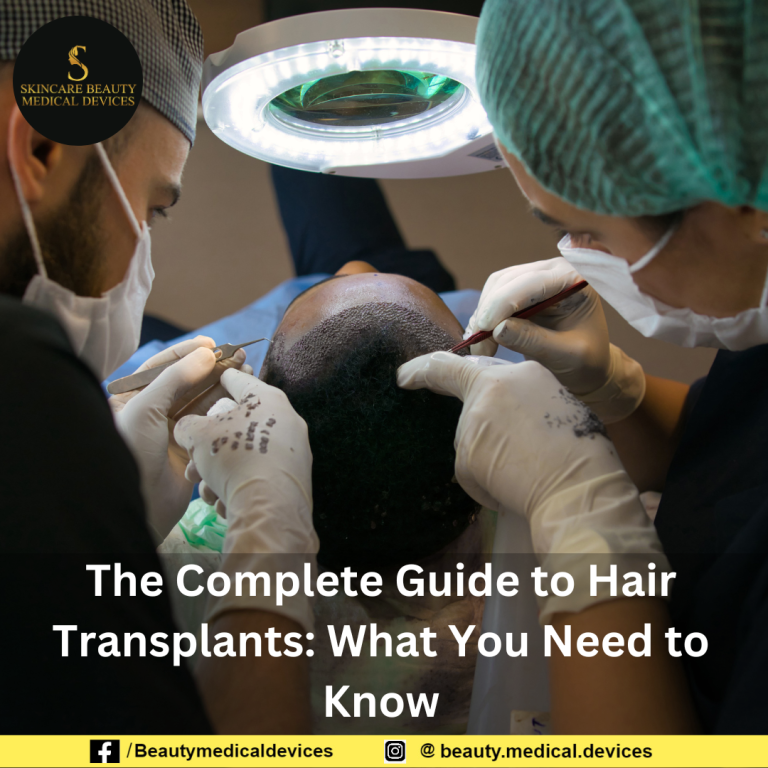
The Complete Guide to Hair Transplants: What You Need to Know

A hair transplants is a surgical procedure that moves hair follicles from one part of the body (often referred to as the “donor site”) to a bald or thinning part of the scalp (the “recipient site”). This procedure is typically used to treat male pattern baldness but can also be applied to women with thinning hair, people with hair loss due to trauma or burns, and even to restore eyebrows or beards.

There are two main methods for hair transplant:

  1. Follicular Unit Transplantation (FUT):
    • Involves removing a strip of skin from the donor area (usually the back of the scalp).
    • The hair follicles are then extracted from the strip and transplanted into the thinning or bald areas.
    • This method may leave a linear scar but can provide a large number of grafts in a single session.
  2. Follicular Unit Extraction (FUE):
    • Involves removing individual hair follicles directly from the donor area.
    • The surgeon makes tiny punch incisions to extract follicles and then implants them into the recipient area.
    • FUE is less invasive than FUT and leaves minimal scarring, often resulting in quicker recovery.

Factors to Consider:

  • Eligibility: Not everyone is an ideal candidate for hair transplants. Factors like the extent of hair loss, hair type, donor hair availability, and the overall health of the patient play a role.
  • Cost: Hair transplants can be expensive and vary depending on the number of grafts needed and the clinic or surgeon.
  • Results: While results can be natural and permanent, multiple sessions may be required to achieve the desired look.
  • Recovery: Patients can experience swelling, discomfort, and scabbing after the surgery. Full results usually take several months to become visible.

In conclusion, a hair transplant can be an effective and permanent solution for those suffering from hair loss or thinning. It offers natural-looking results, especially with modern techniques like FUE and FUT. However, it’s important to consider several factors before opting for the procedure:

  • Suitability: Not everyone is an ideal candidate; eligibility depends on factors like hair type, the availability of donor hair, and overall health.
  • Cost: Hair transplants can be costly, and the total expense will depend on the extent of the procedure.
  • Risks: As with any surgical procedure, there are potential risks, such as infection, scarring, and unnatural hair growth if done improperly.
  • Recovery and Results: Recovery takes time, and the final results may not be visible for several months.

While hair transplants can provide long-term results, they require careful consideration, choosing the right surgeon, and managing expectations.

Read also: Myth vs. Fact: The Truth About Lip Sun Protection