Home Blog Page 7

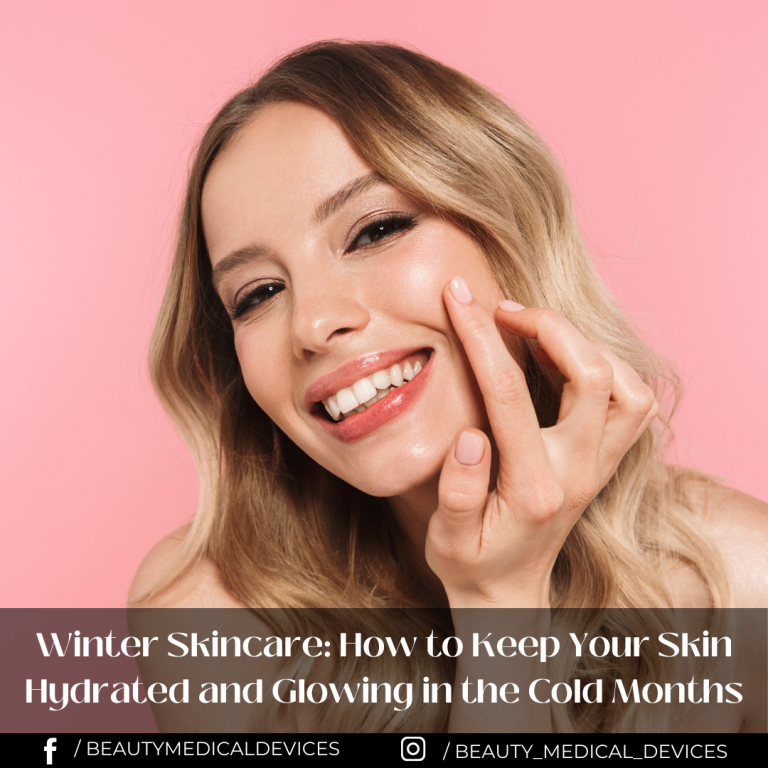
Winter Skincare: How to Keep Your Skin Hydrated and Glowing in the Cold Months

0

Winter weather can wreak havoc on your skin, leaving it dry, dull, and sometimes irritated. However, with the right  skincare routine and practices, you can keep your skin hydrated, healthy, and glowing throughout the chilly months. Here’s how:

1. Switch to a Hydrating Cleanser

  • Replace foaming cleansers with a gentle, hydrating option to avoid stripping your skin of its natural oils.
  • Look for ingredients like glycerin, hyaluronic acid, or ceramides that provide moisture while cleansing.

2. Layer Your Moisturizer

  • Opt for thicker creams or balms instead of lightweight lotions to lock in moisture.
  • For extra hydration, layer a facial oil or serum containing squalane or hyaluronic acid under your moisturizer.

3. Protect Against Harsh Conditions

  • Always wear sunscreen, even in winter, to protect against UV rays that can cause dryness and aging.
  • Use a scarf or face mask to shield your skin from cold winds, which can dehydrate it further.

4. Add a Humidifier to Your Home

  • Indoor heating can sap moisture from the air, leaving your skin dry.
  • Use a humidifier to maintain air moisture levels, especially in your bedroom at night.

5. Exfoliate Wisely

  • Gently exfoliate once or twice a week to remove dead skin cells and promote product absorption.
  • Use chemical exfoliants like lactic acid for a more hydrating approach, avoiding harsh scrubs.
6. Stay Hydrated from the Inside
  • Drink plenty of water throughout the day to support your skin’s hydration.
  • Incorporate water-rich foods like cucumbers, oranges, and watermelon into your diet.

7. Avoid Long, Hot Showers

  • While tempting, hot showers can strip your skin of essential oils.
  • Opt for lukewarm water and limit your shower time to 10-15 minutes.

8. Don’t Forget Your Hands and Lips

  • Use a thick hand cream after washing to prevent cracking and dryness.
  • Keep a nourishing lip balm handy to protect your lips from chapping.

9. Treat Skin at Night

  • Use an overnight mask or apply a thick layer of moisturizer before bed to repair your skin as you sleep.
  • Consider products with peptides or retinol (if your skin tolerates it) to promote cell turnover and repair.

10. Seek Professional Help If Needed

  • If dryness or irritation persists, consult a dermatologist for tailored advice or prescription treatments.

By following these tips and adapting your routine to the colder weather, you can maintain radiant, hydrated skin all winter long. Happy glowing!

Read also: Rooted in Health: A Comprehensive Guide to Scalp Care for Stronger Hair Growth

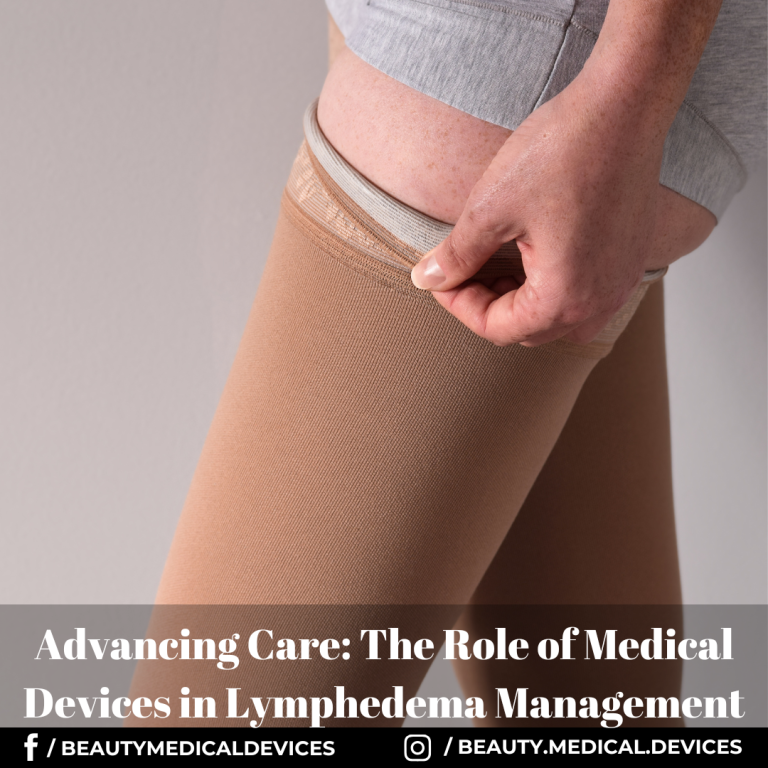
Advancing Care: The Role of Medical Devices in Lymphedema Management

0

Lymphedema, a chronic condition characterized by the accumulation of lymphatic fluid, often leads to swelling, discomfort, and reduced mobility. While there is no cure, medical devices have significantly advanced the management and quality of life for those living with lymphedema. Here are some key innovations and their roles:

  1. Compression Garments and Bandages
    Compression therapy remains the cornerstone of lymphedema management. Devices like compression sleeves, stockings, and wraps provide graduated pressure to reduce swelling and improve lymphatic circulation. Innovations include customizable compression garments for better fit and comfort.
  2. Pneumatic Compression Pumps
    These devices use air pressure to massage affected limbs and stimulate lymphatic flow. Modern pumps feature programmable settings and advanced designs to target specific areas effectively.
  3. Laser Therapy Devices
    Low-level laser therapy (LLLT) devices offer non-invasive treatment by stimulating lymphatic flow, reducing fibrosis, and alleviating pain. Portable options make these accessible for at-home use.
  4. Bioimpedance Spectroscopy Monitors
    Early detection of lymphedema is critical for effective intervention. Bioimpedance devices measure fluid levels in limbs, allowing for proactive management and the prevention of severe swelling.
  5. Wearable Monitoring Devices
    Emerging technologies include wearable sensors that track limb volume, temperature, and activity. These devices provide real-time data to patients and healthcare providers, enabling tailored treatment plans.
  6. Innovative Bandaging Systems
    Advances in self-adhesive and temperature-regulating bandages have improved user compliance and comfort, especially for long-term use.

Future Directions

The integration of artificial intelligence (AI) and telemedicine into lymphedema devices shows promise in enhancing patient care. AI-driven diagnostic tools and remote monitoring systems are transforming how patients and clinicians approach this condition.

With continued research and innovation, medical devices are poised to play an even greater role in empowering individuals with lymphedema to lead active, healthier lives.

Read also:

Pamper Yourself: The Ultimate Guide to Beauty Treatments at Home

0

Transform your home into a personal spa sanctuary with these DIY beauty treatments. Whether you’re looking to rejuvenate your skin, refresh your hair, or unwind with some self-care, these easy-to-follow remedies will help you glow from head to toe.

1. Glowing Skin Treatments

a. DIY Face Masks:

  • Hydrating Honey & Yogurt Mask: Combine 1 tbsp of honey with 2 tbsp of plain yogurt. Apply for 15 minutes, then rinse.
  • Brightening Turmeric & Lemon Mask: Mix a pinch of turmeric with 1 tsp lemon juice and 1 tbsp of flour. Leave on for 10 minutes.

b. Gentle Exfoliation:

  • Sugar & Olive Oil Scrub: Mix 2 tbsp sugar with 1 tbsp olive oil. Massage in circular motions for radiant skin.

2. Hair Care Treatments

a. Nourishing Hair Masks:

  • Coconut Oil Deep Conditioning: Warm coconut oil and apply it from roots to tips. Leave on for 30 minutes or overnight.
  • Banana & Avocado Repair Mask: Blend one banana with half an avocado for a hydrating boost.

b. Scalp Detox:

    • Apple Cider Vinegar Rinse: Mix 2 tbsp ACV with 1 cup of water. Use after shampooing for shiny, balanced hair.

3. Relaxing Hand and Foot Care

a. Hand Spa:

  • Milk & Honey Soak: Soak your hands in warm milk mixed with 1 tbsp honey for soft, smooth skin.

b. Foot Scrub:

  • Epsom Salt & Peppermint Oil Scrub: Combine 2 tbsp Epsom salt with a few drops of peppermint oil. Exfoliate and soothe tired feet.

4. At-Home Spa Atmosphere

    • Dim the lights and light scented candles.
    • Play calming music or nature sounds.
    • Use fluffy towels and a cozy robe to complete the spa experience.

Conclusion:
With these easy and effective at-home beauty treatments, self-care is just a few steps away. Incorporate these into your routine to feel refreshed and look your best—all from the comfort of your own home.

Read also:

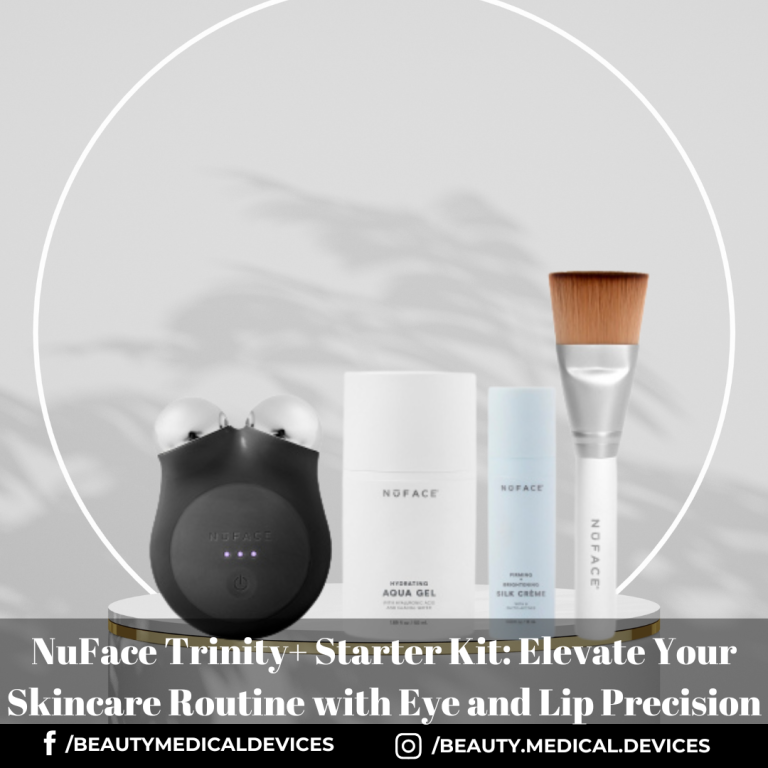
NuFace Trinity+ Starter Kit: Elevate Your Skincare Routine with Eye and Lip Precision

0

The NuFace Trinity+ Starter Kit with Eye and Lip Attachment is revolutionizing at-home skincare with its advanced microcurrent technology. Known for delivering professional-level results, this device has become a staple for beauty enthusiasts looking to lift, tone, and contour their facial features.

What’s in the Kit?

The Trinity+ Starter Kit includes:

  • Trinity+ Device: The core tool designed to stimulate facial muscles with gentle, effective microcurrents.
  • Eye and Lip Attachment: A precision attachment targeting hard-to-reach areas like the eyes and lips.
  • Hydrating Aqua Gel: Enhances conductivity and provides hydration during treatment.
  • Charger and User Guide: To keep your device ready for use and ensure proper operation.

Benefits of the Eye and Lip Attachment

The specialized attachment is a game-changer for refining delicate areas. It allows for precise treatments that reduce puffiness, soften fine lines, and enhance the natural contours around your eyes and lips.

Key Features

  1. Microcurrent Technology: Stimulates collagen and elastin production, promoting firmer and more youthful skin.
  2. Customizable Intensity: Adjustable settings ensure comfort and suitability for all skin types.
  3. Portable and Ergonomic Design: Fits seamlessly into your daily routine.

How to Use

  1. Cleanse your face thoroughly.
  2. Apply the hydrating gel to the treatment area.
  3. Use the Trinity+ device in upward motions, focusing on your desired areas.
  4. Switch to the Eye and Lip Attachment for precision care.
  5. Follow with your regular skincare regimen.

Who is It For?

The NuFace Trinity+ Starter Kit is ideal for individuals seeking a non-invasive way to maintain firm, glowing skin. Whether you’re targeting early signs of aging or maintaining your youthful appearance, this device is a must-have addition to your beauty arsenal.

Experience the transformative power of microcurrent therapy and discover why the NuFace Trinity+ Starter Kit is a top choice for skin care aficionados.

Read also:Timeless Turkish Beauty Secrets: Traditional Treatments for Radiant Skin and Hair

Timeless Turkish Beauty Secrets: Traditional Treatments for Radiant Skin and Hair

0

Turkey, at the crossroads of East and West, is rich with ancient beauty traditions that have evolved over centuries. Turkish beauty treatments combine natural ingredients, time-tested techniques, and a touch of luxury to enhance the skin, hair, and overall well-being. From the famous Turkish bath, or “hammam,” to botanical remedies for glowing skin, these treatments are still beloved in modern beauty routines.

1. The Turkish Hammam Experience

The hammam is a ritual that deeply cleanses, exfoliates, and detoxifies the body. In a traditional hammam, a person is steamed, scrubbed with a kese (exfoliating mitt), and then bathed in soap made from olive oil. This treatment not only smooths the skin but also promotes circulation and relaxation.

Benefits:

  • Deeply cleanses pores
  • Removes dead skin cells for radiant skin
  • Relieves muscle tension

How to Try It: You can create a mini-hammam experience at home by using a hot shower to steam, followed by a gentle body scrub with a loofah or exfoliating glove, and a moisturizing olive oil-based soap.

2. Rose Water for Skin Rejuvenation

Rose water, long cherished in Turkish beauty, is used for its hydrating and anti-inflammatory properties. Made by distilling rose petals, this fragrant water soothes irritated skin, reduces redness, and hydrates deeply. It also has a natural, refreshing scent that’s perfect for a midday spritz.

Benefits:

  • Hydrates and tones the skin
  • Reduces redness and soothes irritation
  • Provides a natural, gentle fragrance

How to Use It: Use rose water as a toner after cleansing your face, or mix it with other natural oils like almond or jojoba oil for added hydration.

3. Rhassoul Clay Masks for Clear Skin

Popular in both Turkish and Moroccan traditions, rhassoul clay is rich in magnesium, potassium, and calcium. When applied as a mask, it absorbs excess oil, tightens pores, and helps to clarify the complexion, making it ideal for oily and acne-prone skin.

Benefits:

  • Absorbs impurities and excess oil
  • Tightens and tones skin
  • Minimizes breakouts

How to Use It: Mix rhassoul clay with rose water or water to form a paste, then apply it as a face mask once a week.

4. Olive Oil Hair Treatments for Silky Locks

In Turkey, olive oil is not just a staple in the kitchen but also a beloved beauty ingredient. It’s used to hydrate, nourish, and strengthen hair. Olive oil can be applied as a hair mask to restore moisture, reduce frizz, and promote a healthy scalp.

Benefits:

  • Deeply conditions and moisturizes hair
  • Reduces frizz and enhances shine
  • Strengthens and protects hair from breakage

How to Use It: Warm a small amount of olive oil and massage it into the scalp and hair. Leave it on for 30 minutes before washing it out with shampoo.

5. Pestemal Towels: A Turkish Beauty Essential

The pestemal, a traditional Turkish towel, is known for its lightweight and absorbent qualities. Unlike regular towels, pestemals are gentle on the skin and quick to dry, making them ideal for sensitive skin. They’re commonly used in hammams but are also great as bath towels, beach wraps, and hair wraps.

Benefits:

  • Lightweight and highly absorbent
  • Gentle on sensitive skin
  • Quick-drying and versatile

How to Use It: Replace regular towels with pestemal for a soft, luxurious drying experience after bathing or showering.

6. Coffee Grounds Scrub for a Glowing Complexion

Turkey is known for its rich coffee culture, and even the grounds are put to good use! Coffee grounds can be used as an exfoliant to stimulate circulation, improve skin tone, and leave skin feeling soft and refreshed.

Benefits:

  • Exfoliates dead skin cells
  • Stimulates circulation for a radiant glow
  • Reduces cellulite appearance with regular use

How to Use It: Mix coffee grounds with olive oil or coconut oil, then gently massage onto damp skin in circular motions before rinsing.

Conclusion

The allure of Turkish beauty treatments lies in their simplicity and reliance on natural ingredients. These traditions have been passed down through generations, offering a holistic approach to beauty that combines relaxation, self-care, and effective results. Whether you try a hammam at a spa or incorporate rose water into your daily skincare, these Turkish treatments are a beautiful way to enhance your routine with a touch of timeless elegance.

Read also:Ultimate Skincare Guide for Sensitive Skin: Tips for a Calm, Radiant Complexion

Unlocking Radiant Skin: A Deep Dive into Medicube Age-R Booster Pro

The Medicube AGE-R Booster Pro is a popular skincare device designed to enhance the absorption of skincare products and improve overall skin texture. This handheld tool combines microcurrents with LED therapy, aimed at promoting collagen production, tightening skin, and reducing signs of aging like fine lines and wrinkles.

The AGE-R Booster Pro offers various modes, including Booster Mode for deeper absorption and different LED light options tailored to specific skin goals. For instance, purple LED therapy is used to boost the penetration of active ingredients, while red light promotes collagen synthesis. Users generally apply it after cleansing and toning, often with a serum, such as a collagen-based or hydrating serum, to maximize results. The device is user-friendly, with levels that can be adjusted to suit different skin types, and it’s well-suited for both morning and evening routines.

Step-by-Step Guide to Using Age-R Booster Pro

  1. Prepare Your Skin:
    • Begin with clean, dry skin. Wash your face thoroughly to remove any dirt, oil, or makeup.
  2. Apply a Conductive Gel or Serum:
    • Apply a conductive gel or serum that is compatible with microcurrent devices. This will help the device glide smoothly over the skin and ensure the microcurrents penetrate effectively.
  3. Turn on the Device:
    • Press the power button to turn on the Age-R Booster Pro.
    • Select your desired treatment mode. The device may have several settings, such as:
      • Microcurrent Mode: for lifting and firming.
      • LED Light Therapy Mode: different LED colors target specific skin concerns.
      • Vibration Mode: for a gentle massage that promotes circulation.
  4. Use the Device on Targeted Areas:
    • Glide the device gently over your skin in an upward motion, focusing on areas like the cheeks, forehead, and jawline.
    • Move slowly over each section, usually spending 3–5 minutes on each area, depending on the device’s guidelines.
    • Avoid staying in one spot too long, as it could cause skin irritation.
  5. Follow a Routine:
    • Use the Age-R Booster Pro consistently, typically 2–3 times a week, depending on your skin type and goals.
    • Adjust settings based on skin sensitivity or desired intensity.
  6. After Treatment:
    • Clean the device after each use with a soft cloth or cotton pad to remove residue.
    • Complete your skincare routine with a moisturizer to lock in hydration.
  7. Storage:
    • Store the device in a cool, dry place to keep it in optimal condition.

Tips for Best Results

  • Stay Hydrated: Microcurrent devices work best on well-hydrated skin.
  • Consistent Use: For long-term improvements, use the device as recommended.
  • Adjust Settings: If your skin feels sensitive, use a lower intensity or limit use to once a week.

Feedback on the AGE-R Booster Pro highlights improvements in skin firmness, radiance, and a smoother texture. Some users reported noticeable reduction in fine lines, and a glowing complexion, with minimal side effects like brief redness that fades quickly

If you’re interested in a non-invasive option to support anti-aging and skin firming at home, the AGE-R Booster Pro could be a valuable addition to your skincare regimen

Read also: Ultimate Skincare Guide for Sensitive Skin: Tips for a Calm, Radiant Complexion

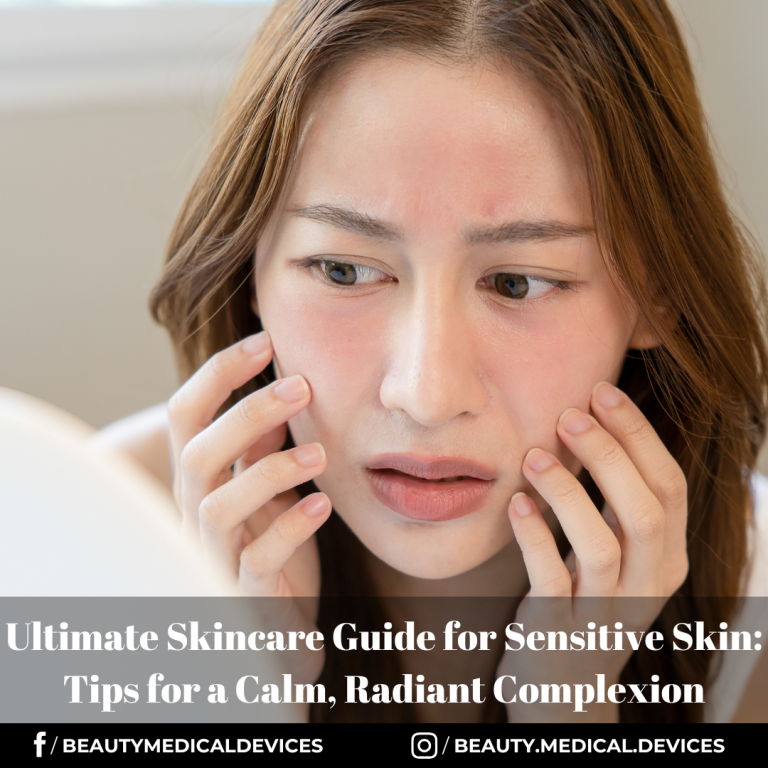
Ultimate Skincare Guide for Sensitive Skin: Tips for a Calm, Radiant Complexion
0

Sensitive skin can be challenging to manage, as it tends to react to products, environmental changes, and even stress. With the right skincare approach, however, you can keep your skin calm, clear, and healthy.

1. Choose Gentle Cleansers: Opt for a mild, fragrance-free cleanser to avoid stripping your skin of its natural oils. Look for sulfate-free cleansers, as these are less likely to irritate.

Recommended Ingredients: Micellar water, chamomile, or aloe vera.

2. Prioritize Hydration: Hydration is essential for sensitive skin, as dryness can increase sensitivity. Use a lightweight, fragrance-free moisturizer with ingredients that attract and retain moisture.

Recommended Ingredients: Hyaluronic acid, ceramides, and squalane.

3. Minimize Exfoliation: Avoid harsh scrubs, which can irritate sensitive skin. Instead, if you exfoliate, use a gentle chemical exfoliant once a week.

Recommended Ingredients: Lactic acid or polyhydroxy acids (PHAs) are milder alternatives to stronger AHAs and BHAs.

4. Use Sunscreen Daily: Protect your skin from the sun with a mineral (physical) sunscreen, as these are less likely to cause reactions than chemical sunscreens.

Recommended Ingredients: Zinc oxide and titanium dioxide.

5. Patch-Test New Products: Before introducing any new product, apply a small amount on your wrist or behind your ear. Wait 24 hours to check for any reaction.

6. Simplify Your Routine: A minimalist skincare routine with fewer products often works best for sensitive skin. Stick to the essentials: cleanser, moisturizer, and sunscreen.

7. Avoid Common Irritants: Sensitive skin can react to certain ingredients like fragrance, alcohol, and essential oils. Look for hypoallergenic products labeled “sensitive skin safe.”

Conclusion: Managing sensitive skin doesn’t have to be complex. By choosing gentle, hydrating products and following a simple routine, you can achieve a healthy, glowing complexion without irritation. Remember, consistency is key for sensitive skin care, and always patch-test new products before incorporating them into your routine.

Read also: Dry Brushing for Skin: Benefits, Technique, and Tips

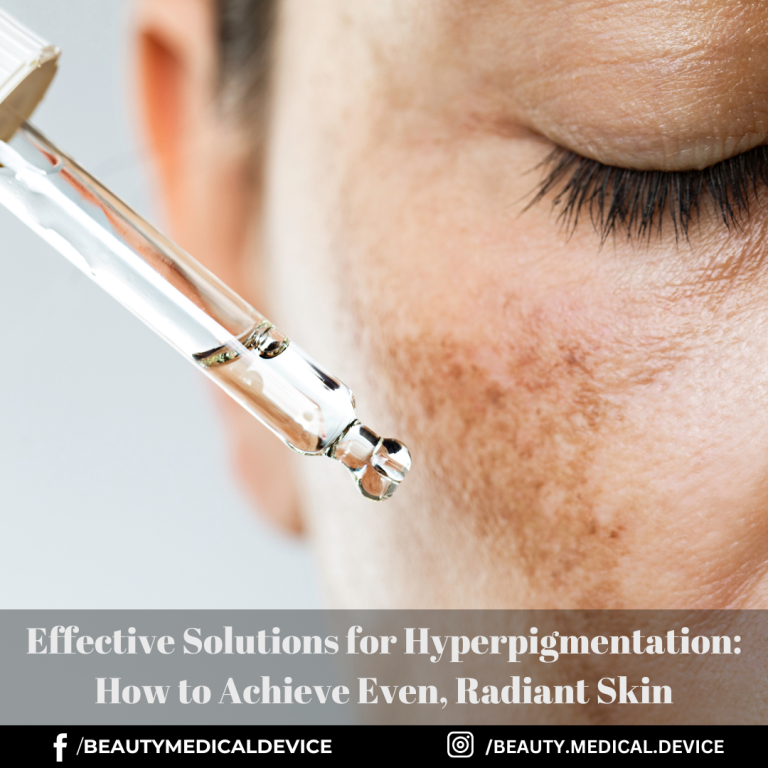
Effective Solutions for Hyperpigmentation: How to Achieve Even, Radiant Skin

0

Hyperpigmentation is a common skin concern, where areas of skin become darker than the surrounding skin due to excess melanin production. It can be caused by factors like sun exposure, acne, aging, and hormonal changes. While hyperpigmentation can affect anyone, people with darker skin tones may experience it more intensely. Fortunately, there are several effective treatments and preventative measures to reduce its appearance and restore an even skin tone.

1. Topical Treatments

  • Vitamin C: Known for its brightening effects, vitamin C can reduce hyperpigmentation by inhibiting melanin production. It also protects skin from free radicals and environmental damage.
  • Retinoids: These derivatives of vitamin A boost cell turnover and help lighten dark spots over time. Retinoids can be strong, so they may be best suited for evening applications.
  • Hydroquinone: Considered the gold standard for hyperpigmentation, hydroquinone lightens dark patches by inhibiting tyrosinase, an enzyme involved in melanin production. Prescription-strength options may offer faster results.
  • Azelaic Acid: This acid is milder and ideal for sensitive skin, effectively treating dark spots without irritation. It can also help with acne, making it a great dual-purpose treatment.

2. Chemical Peels

Chemical peels exfoliate the skin, revealing fresher layers. They can range from mild (like glycolic or lactic acid peels) to deeper peels (like TCA). Peels encourage cell turnover and lighten dark spots, but they should be used cautiously, particularly for darker skin tones. Consulting a dermatologist is recommended to choose the appropriate strength.

3. Laser Treatments

Laser treatments can target and break down melanin clusters, making them effective for hyperpigmentation. Intense pulsed light (IPL) and fractional lasers are two popular types. However, they may not be suitable for all skin types, especially darker skin, due to the risk of post-inflammatory hyperpigmentation.

4. Microneedling

Microneedling stimulates collagen production and helps improve skin texture and tone. When combined with serums that contain brightening ingredients, microneedling can gradually reduce hyperpigmentation over multiple sessions.

5. Prevention Tips

  • Sunscreen: Sun exposure can exacerbate hyperpigmentation, so a high SPF sunscreen (30 or above) is essential. Physical sunscreens containing zinc oxide or titanium dioxide provide broad-spectrum protection.
  • Antioxidant-Rich Products: Along with vitamin C, using antioxidants like niacinamide and green tea can help protect skin from environmental damage and reduce the chances of new dark spots forming.
  • Consistent Routine: Effective hyperpigmentation treatment requires consistency. Stick to a skincare routine with a combination of the above ingredients for long-term improvement.

6. Lifestyle Adjustments

  • Avoid Picking at Skin: Picking or scratching acne or other skin issues can lead to scars and dark spots.
  • Hydration and Diet: Staying hydrated and eating a balanced diet rich in antioxidants supports skin health and can improve its ability to repair itself.

Conclusion

Hyperpigmentation can take time to fade, but with patience and the right approach, you can achieve a more even, radiant complexion. Always patch-test new products and consult a dermatologist to find a treatment plan tailored to your skin type and concerns.

Read also:

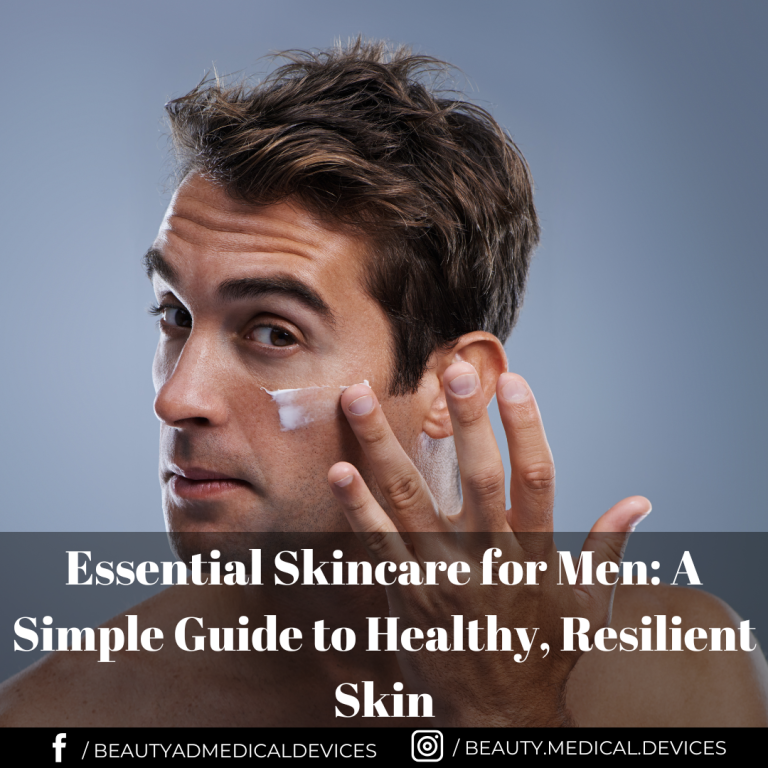
Essential Skincare for Men: A Simple Guide to Healthy, Resilient Skin

0

Skincare isn’t just for women—every man deserves healthy, resilient skin. While many skincare products and routines are marketed towards women, a solid skincare routine tailored for men can work wonders in terms of hydration, anti-aging, and reducing common issues like razor burn and acne. Here’s a straightforward guide to building an effective skincare routine suited for men of all skin types.

1. Cleanse Daily

Cleansing removes dirt, oil, and impurities that build up on the skin throughout the day. Using a gentle facial cleanser (not bar soap, which can be drying) once or twice daily is essential. This prepares your skin for shaving and other products.

Tip: Opt for a gel-based cleanser for oily skin and a cream-based cleanser if your skin is dry.

2. Exfoliate 2-3 Times Per Week

Exfoliating helps remove dead skin cells, preventing clogged pores and dull skin. This also provides a smoother surface for shaving. Men’s thicker skin benefits from regular exfoliation but don’t overdo it, as excessive scrubbing can lead to irritation.

Tip: Use a gentle scrub or chemical exfoliant like a salicylic acid-based product to keep skin clear without irritation.

3. Moisturize and Hydrate

Even if you have oily skin, moisturizing is key to maintaining skin balance. After cleansing, apply a lightweight, non-comedogenic moisturizer to prevent dryness and replenish hydration.

Tip: Look for moisturizers with added SPF during the day to protect your skin from sun damage, a leading cause of premature aging.

4. Shave Mindfully

Shaving can cause irritation, razor burn, and ingrown hairs. To prevent this, always wet your face with warm water, use a high-quality shaving cream, and shave in the direction of hair growth. Follow up with a soothing, alcohol-free aftershave or moisturizer to calm the skin.

5. Protect with SPF Daily

Sun exposure is one of the leading causes of skin damage and premature aging. Using an SPF 30 or higher every day protects against UV damage, helping to prevent wrinkles, age spots, and even skin cancer.

6. Treat Problem Areas

Men are prone to issues like acne, razor bumps, and signs of aging. For acne, consider adding a spot treatment with benzoyl peroxide. For signs of aging, look for products with retinol or peptides to improve skin texture.

Conclusion

By sticking to a simple but effective skincare routine, men can enjoy healthier, more resilient skin. Whether you’re new to skincare or looking to improve your regimen, these steps will help you achieve clear, balanced, and youthful-looking skin.

Read also:Gut Health and Nutrition: A Comprehensive Guide


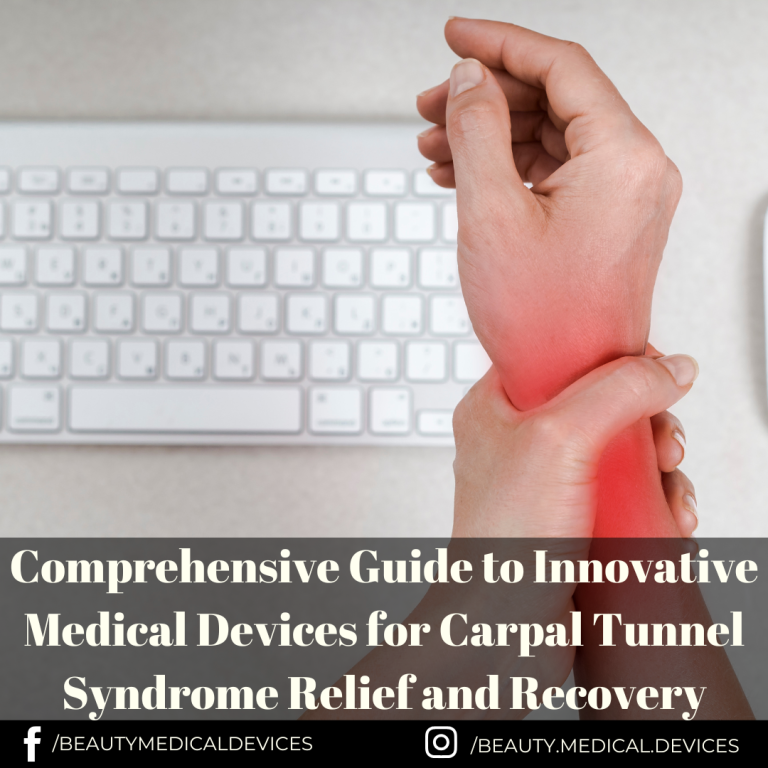
Comprehensive Guide to Innovative Medical Devices for Carpal Tunnel Syndrome Relief and Recovery

Carpal Tunnel Syndrome (CTS) is a condition caused by pressure on the median nerve in the wrist, leading to pain, numbness, and weakness in the hand. Various innovative medical devices have emerged to help manage the symptoms of CTS, promoting relief and recovery. Here’s a look at some of the latest advancements:

1. Wearable Splints and Braces

Splints and braces are among the most commonly recommended devices for CTS. Innovations in materials and design have made them more comfortable and effective:

  • Dynamic splints: Unlike traditional rigid braces, dynamic splints allow for some degree of movement while maintaining support to reduce stress on the median nerve.
  • Customized 3D-printed braces: These are tailored to fit each patient’s wrist perfectly, ensuring precise support and improved comfort.
  • Night splints: Specially designed to keep the wrist in a neutral position during sleep, reducing nocturnal symptoms.

2. Electrotherapy Devices

Electrotherapy is a non-invasive method to alleviate pain and inflammation:

  • Transcutaneous Electrical Nerve Stimulation (TENS): This device sends electrical impulses through electrodes placed on the skin, helping block pain signals and improving blood flow.
  • Electrical Muscle Stimulation (EMS): EMS devices stimulate muscle contractions to improve circulation and reduce inflammation around the median nerve.
  • Iontophoresis devices: These use mild electrical currents to deliver anti-inflammatory medications directly through the skin, targeting the wrist area.

3. Ultrasound Therapy Devices

Ultrasound therapy can be used to break down scar tissue and enhance tissue healing. Portable ultrasound devices for home use have been developed, allowing patients to get treatment without visiting a clinic:

  • High-intensity focused ultrasound (HIFU): HIFU devices focus sound waves at specific points to reduce inflammation and pain around the carpal tunnel.
  • Low-intensity pulsed ultrasound (LIPUS): These devices are used for tissue repair and can enhance the body’s healing response over time.

4. Cold and Hot Therapy Devices

Innovative cold and hot therapy devices are designed to reduce inflammation and pain through temperature management:

  • Cryotherapy wraps: These wraps deliver localized cold therapy to the wrist, reducing swelling and numbing pain. Advanced versions use compression and temperature modulation for better results.
  • Heat therapy devices: Heat pads with ergonomic designs or microwavable wraps can help relax the muscles and promote circulation, easing CTS symptoms.
  • Dual cold and hot therapy systems: Some devices offer alternating cold and hot therapy cycles for comprehensive treatment of pain and inflammation.

5. Vibration Therapy Devices

Vibration therapy is becoming a more popular approach to alleviate CTS symptoms. These devices deliver controlled vibration that can increase circulation and reduce discomfort:

  • Hand massagers: Devices with specialized vibration settings target the wrist and palm, helping to relax muscles and promote healing.
  • Wearable vibration cuffs: These can be worn around the wrist, delivering targeted vibration therapy to stimulate nerve function and blood flow.

6. Laser Therapy Devices

Low-level laser therapy (LLLT) is another promising non-invasive treatment for CTS:

  • Cold laser devices: These emit light energy that penetrates the skin and tissues, promoting cell regeneration and reducing inflammation. Portable versions are available for home use.
  • Laser acupuncture: Instead of traditional needles, these devices use laser light to stimulate acupuncture points, potentially providing symptom relief without the discomfort of needles.

7. Ergonomic Devices for Prevention and Management

Ergonomics play a key role in managing CTS, especially for those who experience symptoms due to repetitive strain at work. New ergonomic devices are designed to prevent or minimize the onset of symptoms:

  • Ergonomic keyboards and mice: These are designed to reduce the strain on the wrist and fingers by maintaining a more natural hand position.
  • Wrist rests and supports: Cushioned supports placed under the wrists can prevent excessive pressure on the carpal tunnel during typing.
  • Hand exercisers: Devices designed to strengthen the wrist and finger muscles can prevent the recurrence of CTS by improving muscle tone and reducing pressure on the median nerve.

8. Robotic Rehabilitation Devices

Advanced robotic devices offer more comprehensive rehabilitation for severe cases of CTS:

  • Robotic hand exoskeletons: These devices assist in rehabilitative exercises, guiding the wrist and fingers through specific movements to restore function and strength.
  • Smart rehabilitation gloves: These gloves incorporate sensors and actuators to monitor movement and provide real-time feedback during exercises, helping patients maintain proper form.

9. Nerve Stimulation Devices

Nerve stimulation devices target the median nerve to alleviate pain and discomfort:

  • Percutaneous electrical nerve stimulation (PENS): This combines TENS with acupuncture-like needle placement to deliver deeper nerve stimulation, offering relief for severe CTS symptoms.
  • Wearable nerve stimulation bands: These devices are worn around the wrist and provide electrical pulses that stimulate the median nerve, helping to relieve pain and numbness.

10. Magnetic Therapy Devices

Magnetic therapy involves the use of magnets to promote healing and reduce pain:

  • Magnetic wristbands: These devices use static magnetic fields to improve blood flow and reduce inflammation around the median nerve.
  • Pulsed electromagnetic field (PEMF) therapy: PEMF devices use low-frequency electromagnetic waves to stimulate cellular repair and reduce inflammation in the wrist area.

Conclusion

Innovative medical devices offer a wide array of options for managing Carpal Tunnel Syndrome, ranging from wearable braces to advanced robotic rehabilitation tools. The best device for each patient depends on the severity of their symptoms, their lifestyle, and their preferences for treatment. Consulting with a healthcare professional is essential to finding the most appropriate device to promote recovery and long-term relief.

Read also:The Ultimate Guide to Beauty Treatments for Your Face