Home Blog Page 387

The Beauty Benefits of Natural Oils

Why Try Natural Oils?

They are touted as alternatives to condition hair, moisturize skin, fight acne, and strengthen nails. Take a stroll down the beauty aisle of your drugstore and you’ll find them in many products. Do they work? You might need to experiment. Everyone’s skin is different, and it comes down to trial and error.

Marula

Made from the fruit of the marula tree, which is native to South Africa, this oil is rich and hydrating. It’s full of fatty acids, which dermatologists say soothe dry skin. It absorbs quickly and won’t leave you shiny or greasy.

Tea Tree

Red, inflamed breakouts happen when bacteria gets trapped inside your pores. Research shows that tea tree oil helps zap that bacteria. In one trial, it beat a placebo gel (which has no active ingredients) at treating acne and calming inflammation. Another study found that it was as effective as benzoyl peroxide, a common ingredient in over-the-counter zit remedies.

Argan

Sometimes called “liquid gold,” argan oil is rich in antioxidants called polyphenols, which can fight the effects of aging. Dermatologists also say its omega-3 fatty acids boost collagen growth and plump up your skin. It doesn’t matter if you have a dry, oily, or normal skin type.

It also conditions hair, but doesn’t weight it down or make it feel greasy. You can still use your other hair care products, too.

Chamomile and Peppermint

You probably think of chamomile as a relaxing tea, but the oil from this daisy-like plant can also calm your skin. Skin specialists call it an anti-inflammatory and an antiseptic, which cuts down on redness, irritation, and the chance of infection. Peppermint oil has the same soothing properties.

Coconut

Dry, cracked skin is more likely to get infected, irritated, and have allergic reactions. Coconut oil protects and moisturizes it, and soothes the scaly, rough patches that go along with common conditions like eczema, too. Read more

Read also: The Truth About Sugar Addiction


The Truth About Sugar Addiction

Sugar Detox: Hype or Hope?

A trendy sugar detox diet promises to end your craving for sweets and help you lose weight. But does it work? Here’s the truth about sugar cravings and how to tame your sweet tooth.

Can You Really Be Hooked on Sugar?

Some people use sugary foods in ways that aren’t healthy, even though it may not be an actual addiction. Some signs: You crave sugar, lose control, and eat more than you planned.

Your Brain on Sugar

Sugar fuels every cell in the brain. Your brain also sees sugar as a reward, which makes you keep wanting more of it. If you often eat a lot of sugar, you’re reinforcing that reward, which can make it tough to break the habit.

Quick Sugar Highs …

Why do you get a rush when you eat a midday candy bar? The sugar in it — called a simple carbohydrate — is quickly turned into glucose in your bloodstream. Your blood sugar levels spike. Simple carbs are also found in fruits, veggies, and dairy products. But these have fiber and protein that slow the process. Syrup, soda, candy, and table sugar don’t.

… And Sugar Lows

Your body needs to move glucose out of the bloodstream and into your cells for energy. To do this, your pancreas makes insulin, a hormone. As a result, your blood sugar level may have a sudden drop. This rapid change in blood sugar leaves you feeling wiped out and shaky and searching for more sweets to regain that sugar “high.” So that midday sugary treat has set you up for more bad eating.

Starch Can Equal Sugar

Think you don’t have a sweet tooth, but crave bagels, chips, or french fries? These starchy foods are complex carbs that the body breaks down into simple sugars. Eaten without better foods, starches can make blood sugar surge and crash like sugar. White rice and white flour do this. Highly refined starches like white bread, pretzels, crackers, and pasta are worst. Read more

Read also: All About the 80-20 (or Weekend) Diet


All About the 80-20 (or Weekend) Diet

What Is It?

The idea is simple: Eat healthy meals 80% of the time, and have more freedom with the other 20%. But how it’s done and how it will affect your weight can be different for everyone.

The 80%

The U.S. Department of Agriculture’s federal diet guidelines can help you build a roster of “healthy” meals. The basic principle is to make half your plate fruits and vegetables, and change them up often. The rest of your plate should be whole grains and lean protein with a serving of low-fat dairy, like milk or yogurt, on the side. Try to limit saturated fat and added sugars.

The 80%: Vegetables

Add fresh, canned, or frozen ones to salads, or have them as side dishes or even entrees. Look for lots of different colors, which mean lots of different nutrients. You can steam, saute, roast, or grill them to change the flavors and find what you like best. Just watch the extra calories and salt in oils and sauces. Most adults should get around 2 ½ to 3 cups a day.

The 80%: Whole Grains

Look for these to be listed first on prepared foods like bread. Or go straight to the source with oatmeal, popcorn, farro, quinoa, or brown rice. Try to limit snacks, cakes, and cookies made with refined grains like white flour, though. They can spike your blood sugar. Adults should get around 3 ounces of grains a day (about 3 slices of bread or 1 ½ cups of rice).

The 80%: Dairy

Go with fat-free milk, yogurt, soy, and nut milks to cut back on saturated fat. When you do have dairy fat, keep it to a minimum with low-fat versions of sour cream and cheese. Most adults should aim for around 3 cups of dairy a day.

The 80%: Protein

Beef, chicken, and pork are fine, especially when they’re low in fat, but it’s better for your health to mix it up a bit. Fish, beans, peas, nuts, seeds, soy, and eggs add a variety of tastes for your palate and nutrients for your body. Adults should get 5 to 6 ounces of protein a day, including about 8 ounces of seafood each week. Read more

Read also: Skin Care Mistakes to AVOID


How to Make Rose Water and Rose Hydrosol

With a pleasant scent and anti-inflammatory properties, rose water and rose hydrosol are the perfect addition to homemade cosmetics. Learn several ways to make your own rose water or hydrosol and the difference between them.

What is it?

The term “rose water” can refer to several different products. Some people use the terms “rose water” and “rose hydrosol” interchangeably. There are times when you can do that, but not always.

Rose water vs. rose hydrosol?

Some rose water is made by infusing rose oil, extracts, or flavorings into water. It tends to be quite fragrant and also flavorful.

Rose hydrosols, on the other hand, are made by distillation. Water vapor moves through rose petals, picking up some of the oils along the way. When the vapor is cooled, the condensation is called a rose hydrosol.

Edible rose water

One type of rose water can sometimes be found in the international food section of some large supermarkets. It is used for flavoring foods and is especially popular in Asia and the Middle East.

It is perfectly fine to use these sorts of rose waters for adding fragrance to your cosmetics. In fact, they tend to have a stronger scent (and flavor). As these waters can be made in different ways, make sure to read the label to see if the one you plan to use has any ingredients you want to avoid.

Adding rose oil to water

Another way to make a type of rose water is to add rose essential oil to water.

Because water and oil don’t normally mix, you’ll need some sort of solubilizer to get this to work.

The most commonly found solubilizer that you can use is alcohol. To dilute rose oil in water, you’d first dilute it in a high percentage of alcohol. (For the best solubilization, the percentage should be over 95%.)

Once the oil has been incorporated into the alcohol, distilled water can be added. The final mixture should ideally stay above 20% alcohol to keep the floral water preserved without the need to add other preservatives. Read More…………

Also Read: What You Need to Know About Rosacea and Alcohol

How to Reduce Redness on Your Face

0


The causes of facial redness range from acne. Breakouts to sunburn to windburn to rosacea to a reaction to skincare products. Whatever the cause, it may be accompanied by at least mild discomfort, so seeking relief ought to be high on your priority list. If persistent redness continues, or if you’re experiencing severe pain, schedule an appointment with your dermatologist as soon as possible. If you suspect that a particular product is causing the redness, stop using it immediately.

Cool Water and Meds

It may seem a basic solution, but sometimes the easiest answer is the most effective. Rosacea is often uncomfortable and, in some cases, painful. A cool bath or shower or a cool compress applied to your face will provide immediate relief to sensitive skin, and it can reduce redness. This is true for other causes of facial redness, too, including windburn, sunburn or negative reaction to a product. For particularly painful cases, a dose of acetaminophen, ibuprofen or aspirin can provide longer-term relief while your skin heals.

Aloe Vera

Facial redness is usually a sign of inflammation or irritation, including cases of rosacea, acne flare-ups or burns. To reduce the redness, you want to soothe the skin. For some people, regularly applying an aloe vera cream, ointment or gel to your face can be beneficial. The active components in aloe vera expedite the healing process by soothing the skin, reducing pain and stimulating skin growth and repair. Look for products that contain Aloe Barbadensis Gel or Aloe Barbadensis Leaf Juice on the ingredient label.

Additional Soothing Ingredients

Aloe vera is a commonly used remedy to soothe skin and reduce redness, but there are other natural choices you can try as well. For example, honey reduces inflammation and has antibacterial properties. Feverfew is another natural ingredient that has an anti-inflammatory effect and may be good at reducing redness. Other soothing substances to look for include oatmeal, chamomile, cucumber and calendula. Depending on the cause of the redness, dermatologists may recommend anything from cold compresses, sun avoidance, topical steroid creams or rosacea-specific creams.

Read more 

Also read  What You Need to Know About Rosacea and Alcohol

What You Need to Know About Rosacea and Alcohol

0

When triggers like spicy foods, excess sunlight or too much wind cause rosacea to flare, you end up with acne-like conditions such as redness, inflammation and bumps. In fact, acne-like breakouts are subtype of rosacea all their own, differing from other subtypes such as visible blood vessels and thickened skin. Knowing what triggers your rosacea is a key part of winning the battle, and while alcohol does have an effect, drinking smartly helps you ward off flares before they happen.

The Alcohol Link

While everyone’s individual triggers vary, the majority of those with rosacea report that alcohol consumption causes flare-ups. More than half say that just one drink is enough to cause a reaction, and it can occur even when alcohol is mixed with other substances. That said, even non-drinkers suffer from rosacea, which affects one in 20 Americans. This, of course, deftly dispels the old myth that heavy drinking is the key cause of the condition.

The Skinny on Drinks

Your best bet for preventing alcohol-related skin flare-ups is closely observing which drinks affect you the most. In general, though, red wine tends to have the greatest effect on those with rosacea, followed distantly by white wine and beer. Liquor, on the other hand, affects the smallest number of rosacea sufferers. If you’re unsure of what affects you the most, opting for a cocktail is a statistically safer bet than uncorking a bottle of Merlot, but in any case, moderation certainly helps.

Sipping Tips

Think of water as your rosacea-fighting ally, and enlist your ally’s help at the bar. If you choose to drink, opt for drinks on the rocks rather than neat, and have one glass of water for each drink. Good old H20 dilutes alcohol and wards off pH changes, while cool drinks reduce the risk of flushed skin. One of the simplest things you can do to head off a rosacea flare is to drink slowly; slow sipping reduces your cumulative alcohol intake over time. When you pair your drink with food, stay away from common edible triggers—namely, spicy dishes. Instead, go with leafy greens and foods rich in healthy fats (such as salmon or tuna) to keep your skin clear.

Read more 

Also read  HOW TO CLEAN MAKEUP SPONGES IN 3 MINUTES OR LESS!

How to Get Rid of Butt Acne & Other Backside Treatments

0

Summer is just around the corner, and that means it’s time to show off that booty in that awesome bikini you just got! Unfortunately, you’ve got some unwelcome friends by the name of acne on your bum…what to do? Keep reading to learn how to get rid of butt acne, cellulite, and other backside problems!

Just like treating acne on the face, butt acne requires the same kind of care. Unfortunately, we can sometimes overlook it! The good news is that it’s totally preventable and treatable!

Maybe it’s too soon to pull out the swimwear and the booty shorts. But it’s not too soon to start taking care of the booty at its root problems! So when the summer sun beckons you to the pool, the booty is in prime shape and ready to impress!

When it comes to things like cellulite, acne, and dry skin, it’s best to start ahead of time. Regular practice and application done daily over time will lead to successful results.

How to Get Rid of Butt Acne

Butt pimples/acne: Maybe you like to go for a latte with your girlfriend after pilates class leaving you sitting around in your post-workout pants. Or, perhaps your job requires you to sit for multiple hours during the day. Or, maybe you love wearing tight pants all of the time. Tight fitting clothes, such as yoga pants can be a major culprit of butt acne!

Either way, these are the causes behind butt acne. When sweat and oils are trapped in the skin and clog hair follicles, they lead to redness and swelling.

Prevention

Always shower right after working out. Try to break up the workday by taking short breaks every hour to walk around for a few minutes. Wear looser clothes every now and then to let that booty skin breathe.

It’s also very important to exfoliate the skin on a regular basis, as this will help remove dead skin cells. This in turn will prevent those nasty little red bumps. Use gentle exfoliators such as these homemade body scrub recipes. This will not only remove dead skin cells and prevent red bumps, but will also help get rid of dark spots and scarring.

Use an anti-acne body wash such as Neutrogena Clear Body Wash. It contains glycerin and salicylic acid to help prevent butt breakouts in the first place.

Solution

How to get rid of butt pimples once they are there: Use natural ingredients you likely already have around your kitchen like apple cider vinegar, turmeric, tea tree oil, and lemon juice. They are all anti-inflammatory and cleansing, helping to unclog those follicles and tighten pores. Read more

Also read: Homemade Finishing Powder


8 FOODS TO EAT IF YOU WANT GLOWING SKIN QUICKLY

To us a healthy, glowing complexion doesn’t come from a bottle. We’re not saying they don’t help—we just see them as a topical fix. For truly beautiful skin, you’ll have to fix what’s within. And to do that, all you have to do is eat! Yes, you read right. You’ll have to eat…the right foods of course. There are certain foods that can help your skin be at its best when eaten regularly. They can help fight your complexion woes, and nourish your skin to help you get that coveted glow.

Here’s a list of the foods for glowing skin, we swear by when it comes to keeping your skin as healthy as possible.

1. Tomatoes

GLOWING SKIN: We all want young-looking skin, don’t we? Well, tomatoes can help with that, as they contain lycopene, a phytochemical that makes them red, which helps boost collagen strength— a protein that makes skin seem as youthful as ever. Tomatoes can also help out skin fight the oxidizing effect of UV rays— skin’s biggest enemy.

2. Green tea

Green tea can work like magic! This elixir is fun of catechins, an antioxidant that helps reduce the risk of inflammation. It also helps reduce the damage done to your skin by the sun. You must keep in mind that green tea can’t be consumed like water— it contains quite a bit of caffeine.

3. Papaya

Besides being delicious, this tropical fruit is a great way to fight a lot of skin problems. It contains a number of enzymes that help cure a variety of skin issues like inflammation, acne and blemishes.You could also apply a papaya paste to your skin if you’re looking to reduce visible pores and cleanse your skin.

Read More

Also Read: HOW TO CLEAN MAKEUP SPONGES IN 3 MINUTES OR LESS!

Homemade Finishing Powder

0

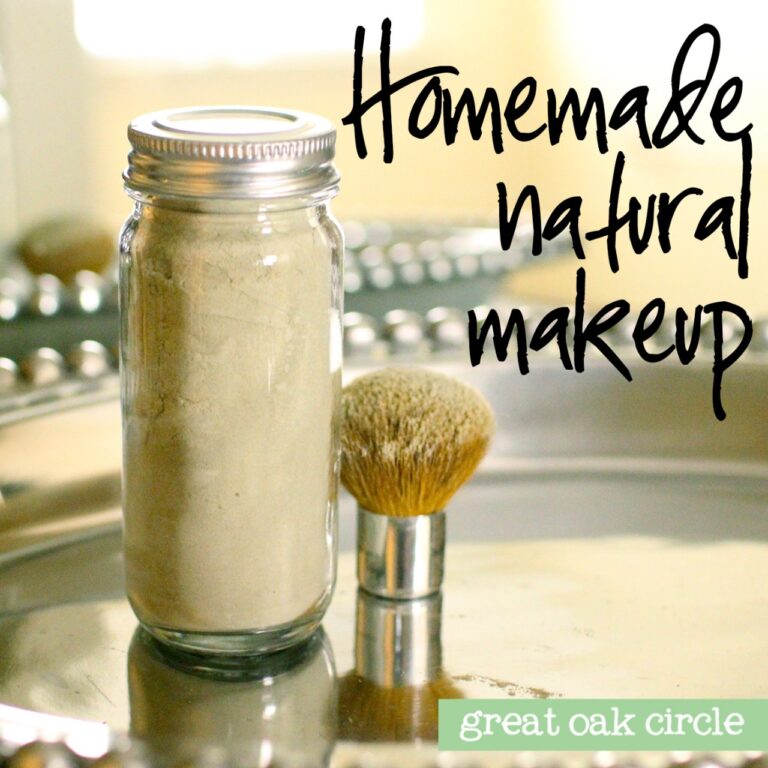
Making your own cosmetics is super easy and fun, and this homemade finishing powder is no exception! As you already may know, we love making our own beauty products and cosmetics, and this DIY finishing powder is one of our favorites!

Made with safe and natural ingredients, this homemade finishing powder helps to set makeup, soaks up excess oil, reduces the appearances of fine lines, and leaves skin looking smooth.

Homemade Finishing Powder Recipe

You’ll Need:

Directions:

  1. Combine the arrowroot and bentonite clay until well mixed.
  2. Transfer to a clean and airtight container.
  3. Dip a large powder brush into the powder and tap off any excess. Apply to the face and neck going in circular motions. If necessary, add another layer!
  4. The ingredients in this recipe are also healing for the skin, with healing clay or bentonite clay fighting redness and inflammation!

Benefits of Finishing Powder:

  • Absorbs excess oil
  • Smooths out fine lines and wrinkles
  • Sets and prolongs the life of makeup
  • Conceals large pores and breakouts
  • Gives a matte, flawless finish

Be sure to always apply a finishing powder after you’ve applied concealer and/or foundation. Read more

Also read: Basil for Beauty: Herbal Magic for Skin and Hair