Home Blog Page 385

5 DIY Skin Care Products You Should Never Try

0


With today’s oversupply of self-proclaimed beauty gurus and life hackers, it’s easy to get sucked into the DIY beauty trend. But are these homemade concoctions as good as their commercial counterparts? Most experts don’t think so. Here are the five skin care products you should never DIY and why.

1. FACIAL SCRUBS – Using ground-up walnut shells and sugar scrubs as facial exfoliants.

DANGER: “Rubbing your skin raw—using scrubs that aren’t designed for the face—will only result in disaster: scabs, scars, infection and discoloration,” says aesthetician Breanna Thomas.

INSTEAD: If you’re not into the traditional face scrubs, use sponges or cloths made of soft, natural fibers to avoid skin tears.

2. MASKS – Creating homemade masks using ingredients from your kitchen.

DANGER: “It’s no secret that ingredients you find in your kitchen are similar to the types of ingredients you find in your skin care products,” says aesthetician Haley Kulow. “The problem is when people try to make their own masks or products without fully understanding how they work together. This can result in a big mess with no major changes to your skin.”

INSTEAD: Determine your skin issue, and then look for an all-natural mask that actually caters to your skin type and concern.

3. FIRMING CREAMS AND BRIGHTENING SERUMS –  Using raw eggs to tighten skin and bleach to treat brown spots.

DANGER: “This can only end in breakouts, blisters, scabs and scars,” says Thomas. You can save a lot more money in the long run by just having one to two professional skin care treatments to address your concerns rather than 10 or more treatments to correct the damage done by what you did at home.”

INSTEAD: See your doctor and choose products specifically designed to treat your particular skin concern.

Read more 

Also read Cosmetic Surgery for the Nose


What to Do About Age Spots

Ah, the sun — our beloved source of light, warmth, and vitamin D. If only it didn’t have such destructive effects on your skin.

Age spots, or the benign, light-brown flat spots that pop up on your skin as you age, are a bit of a misnomer. While they do develop over time, they’re often the result of the sun. The technical term is a solar lentigo. Jerome Garden, MD, a professor of clinical dermatology at Northwestern University Medical School, explains.

What are age spots, and does the sun alone cause them?

Garden: Age spots are common benign skin spots with clearly defined edges on your face or other sun-exposed areas. They usually form due to exposure to the sun. Other sources of UV light, such as tanning beds, can also be a source. Some types of spots and growths also occur as we age, which people may refer to as age spots. All of these should be evaluated by a dermatologist to rule out a more serious type of pigmented spot.

What at-home treatments are available, and do they work?

Garden: Most over-the-counter skin lighteners contain a retinoid or hydroquinone ingredient, which can be mildly effective in some patients. But long-term hydroquinone use — beyond a few months — may result in darkening of the skin, and retinoids may be irritating to sensitive skin, so they should be monitored by a dermatologist. If you don’t see the results you want, a dermatologist can prescribe a prescription-strength cream.

What in-office treatments can I try?

Garden: The most effective treatment is a laser that specifically targets pigment. After one or two treatments, it can significantly lighten and even remove brown spots. But lasers have potential risks, including burns, scars, and color change, so they should only be used by a trained physician. Another procedure is cryotherapy, which uses liquid nitrogen to injure the cells in the age spot. It can be a bit painful, but very quick. Risks include scarring and skin lightening or darkening, but they’re low when performed by your dermatologist. Read more

Read also: The Worst Things You Can Put on Your Face


The Worst Things You Can Put on Your Face

Hydrogen Peroxide

It’s a popular zit fighter because it kills bacteria living on your face. But hydrogen peroxide can damage your own skin cells, including fibroblasts that help make new tissue and heal wounds. Also avoid it for cleaning cuts and scrapes. Use soap and water instead. Hydrogen peroxide might irritate your already fragile skin.

Breast Milk

This liquid gold has long been known for its bevy of health benefits for babies. Now some spas are offering breast milk facials to tamp down pimples and to soothe skin. It won’t hurt you. But you’re better off using a cream or other products that contain lauric acid, the fatty compound found in mother’s milk.

Witch Hazel

This plant is a common natural remedy to treat acne, tighten pores, and fight greasiness. Witch hazel acts as an astringent, a type of chemical that causes your skin tissue to contract. But toners that contain witch hazel can strip all the natural oils from your skin. That might lead to irritation, dryness, and even allergic reactions.

Hydrocortisone Cream

This medication is a balm for red, itchy, swollen skin. So you might be tempted to smear it on if you have rosacea or similar conditions. But this type of steroid cream thins the skin, so the blood vessels on your face are more likely to burst. It also can force your oil glands to go into overdrive, leading to what’s called “steroid acne.” It’s OK to apply a small amount for bug bites and itchy rashes for a day or two.

Deodorant

If beads of sweat are always rolling down your face, swiping an antiperspirant over your brows, cheeks, and elsewhere may seem like a clever solution. It isn’t. Deodorant sticks and rollers can clog pores and make you break out. The skin on your face is also sensitive, and you might get an allergic reaction. See a dermatologist instead. They may curb your sweaty glands with prescription medications or Botox. Read more

Read also: Cosmetic Surgery for the Nose


Cosmetic Surgery for the Nose

Nose Job Basics

A nose job (technically called a rhinoplasty) is surgery on the nose to change its shape or improve its function.

It can be done for medical reasons — such as to correct breathing problems related to the nose or correct disfigurement resulting from trauma or birth defects.

It can also be done for cosmetic reasons, which will change the nose’s shape and appearance.

Deciding on a Nose Job

If you are thinking about getting a nose job, set up an appointment with your surgeon to discuss it. During that meeting, talk about your goals and tell the doctor what bothers you about your nose and how you would like to change it.

Keep in mind that there is no such thing as a perfect nose. Surgery, though, can enhance facial features and emphasize your unique and natural beauty. A plastic surgeon can describe the facial features that make you unique and tell you how changes would enhance your appearance.

The surgeon will evaluate the structures of your nose and other facial features. After this evaluation, he or she can tell you if your expectations are realistic.

The surgeon will also consider your overall health and should discuss with you the risks, recovery time, and costs involved.

There are various techniques for reshaping the nose. Once you decide to go ahead, your surgeon should describe exactly what he or she proposes to do.

If you have health insurance, make sure you talk to your insurer in advance so you know what’s covered and what you will need to pay for. Health insurance typically does not pay for procedures that are done only for cosmetic reasons.

Rhinoplasty: Step-by-Step

A nose job is usually done as an outpatient procedure, meaning there is no overnight stay. You’ll get general or local anesthesia. With general anesthesia, you’ll sleep through the operation. With local anesthesia, you will be sedated and your nose will be numbed so you are relaxed and unable to feel the pain.

During an operation, the surgeon makes cuts within the nostrils. In more difficult cases, the surgeon may also make cuts across the base of the nose. The surgeon then reshapes the inner bone and cartilage to produce a more pleasing appearance. Read more

Read also: 10 Natural Tricks to Remove Dark Knees and Elbows


10 Natural Tricks to Remove Dark Knees and Elbows

0

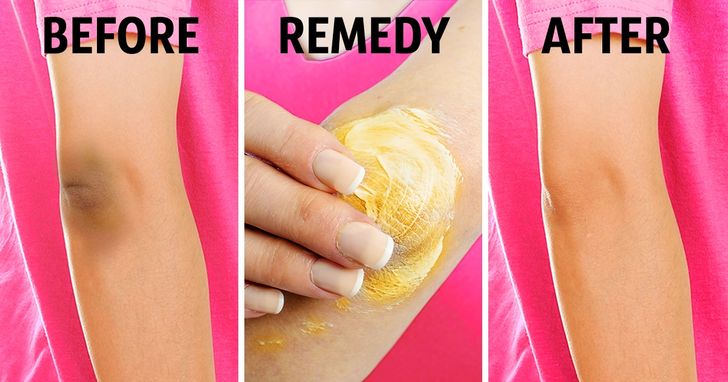
Accumulation of dead skin cells, friction, extensive exposure to sun, or a hormonal imbalance can become the cause of dark knees and elbows. These parts of our body don’t contain any oil glands and it’s important to protect them from dryness through proper care and hygiene.

We at Bright Side present 10 easy yet super effective techniques to help you nourish your skin and remove dark patches.

10. Cucumber to Remove Dark Knees and Elbows

10 Natural Tricks to Remove Dark Knees and Elbows

Due to its bleaching properties, cucumber is among the most effective ways to get rid of dark knees and elbows. It removes dead skin cells and keeps your skin moisturized. Vitamins A and C that are present in cucumbers keep the skin beautiful and fresh.

  • Gently rub thick slices of cucumber over your elbows and knees for 15 minutes.
  • Leave it on for another 5 minutes and then rinse it off with cold water.

You can also mix equal amounts of cucumber juice and lemon juice. Apply the mixture on your knees, elbows, and also underarms. Leave it on for 20 minutes and rinse it off. Do this on a daily basis.

9. Lemon and baking soda

10 Natural Tricks to Remove Dark Knees and Elbows

Lemon is an excellent skin lightening ingredient. It’s packed with antioxidants and vitamin C which promote skin regeneration and improve skin complexion. Baking soda acts as a gentle and effective cleanser for whitening dark areas of skin.

  • Take a lemon and cut it into 2 halves.
  • Sprinkle 1 tbsp of baking soda on top of the lemon.
  • Rub your elbows and knees for 1 minute.
  • Let it sit for 15 minutes and then wash off with warm water.

Repeat once every 2 days for a desired effect.

8. Aloe Vera and milk

10 Natural Tricks to Remove Dark Knees and Elbows

Aloe Vera contains substances that help to moisturize your skin and improve uneven skin tone. It also has anti-bacterial and anti-fungal properties. The combination of Aloe Vera and milk is a simple and useful way to lighten your skin naturally.

  • Mix equal amounts of milk and Aloe Vera gel and apply the mixture to your skin.
  • Leave it on overnight and then wash it off the next morning.

Alternatively, you can extract the gel from the Aloe Vera leaf and apply it to your knees and elbows. Leave it on for 20 minutes, and then wash it off with warm water.

7. Potato

10 Natural Tricks to Remove Dark Knees and Elbows

Potato is rich in catecholase enzymes that can naturally lighten your skin tone. Daily usage of potato will soften your skin and help you get rid of dark areas.

  • Grate the potato, squeeze out the juice, and apply it to your skin.
  • Leave it on your skin for 15 minutes, then rinse it with water.
  • Apply a moisturizer.

You can also rub your elbows and knees with a potato cut into slices for about 10-15 minutes and then wash off.

6. Turmeric

10 Natural Tricks to Remove Dark Knees and Elbows

Turmeric is the most natural remedy remove impurities and dead skin cells from your knees and elbows without any side effects. It contains a compound called curcumin which reduces and regulates the excess production of melanin responsible for dark complexions.

  • Mix some turmeric powder with 1 tsp of milk.
  • Apply it to the knees and elbows.
  • Massage for a few minutes and leave it to dry naturally.
  • Rinse it with warm water.

You can add a bit of honey to the mixture for a better effect.

5. Coconut oil

10 Natural Tricks to Remove Dark Knees and Elbows

Coconut oil is packed with essential fatty acids and vitamin E that help to repair dark and damaged skin.

  • After each shower or bath apply coconut oil to the affected areas.
  • Massage gently for 2-3 minutes until the oil is absorbed into the skin.

You can also add 1/2 tsp of fresh lemon juice to 1 tsp of coconut oil and gently massage your knees and elbows for a few minutes.

Read More

Also Read: Skin care: 3 common mistakes to avoid that are known to damage your skin

5 Best Detox Water Recipes | Easy Detox Recipes

Detox Water Recipes: In a lifestyle ridden with erratic sleep patterns, irregular eating habits, a largely unhealthy diet and increased stress, we all need to detox once in a while to cleanse our body and refresh the mind. Detoxing the body has become a trend due to lifestyles that may lead to an increase in multiple health risks. So what exactly is detoxification? As the name suggests, detox is merely flushing out toxins from the body. These toxins may have harmful mental, metabolic and reproductive health effects which in serious cases may also lead to increased risks of cancer.

Though our body is fully capable of getting rid of these toxins naturally through urine, liver, etc., these are consumed by our body in high amounts due to the increased exposure to pollution, preservatives and pesticides. These may get stored deep into the tissues and cells of our body and may eventually hamper our bodies’ physical and mental capabilities and may slow down the functioning of our system.

A detox regime cleanses our vital organs off toxins and helps the natural pathways of the body to appropriately flush the toxins out. It provides a host of benefits including weight loss, improved digestion, better functioning of liver, reduced inflammation and a boost of energy.

Detox drinks are fast becoming the most preferred way to crack through harmful toxins and prevent health problems. Detox drinks are prepared using Ayurvedic herbs as well as antioxidant-rich fruits and vegetables and these can be included in our diets to flush out the harmful toxins.

Here are 5 of the best detox water recipes that you can easily make at home and carry with you to work as well:

1. Coconut Water with Lemon and Mint

This one is a refreshing and easy detox recipe that you can prepare in just 10 minutes, using just four ingredients. Coconut water being a naturally refreshing drink consists of various minerals and vitamins that help replenish the electrolytes in the body which hydrates it and also keeps us fresh throughout the day. This detox water recipe has fresh mint leaves along with the sweetness of honey and tanginess of lime.

2. Cucumber and Kiwi Juice

Here is a perfect blend of fruits and herbs along with the wonder summer vegetable- cucumber. Having close to 90% water, cucumber is known to be one of the most hydrating veggies out there and hence, it is the best choice to prepare detox drinks and summer quenchers!

3. 3 Way Lemon Water

Apart from being the go-to summer drink for scores of people around the world, Lemon Water or lemonade is one of the most delicious and easiest coolers to prepare at any time of the day. It is packed with the tangy lemon flavour and refreshing mint leaves accompanied with spices to add a boost of flavour and nutrition. Here is a 3 way recipe that you can prepare using lemon in a matter of just few minutes.

4. Mint lime fizz

This drink is a fizzy, lemon drink to rejuvenate your body and flush out all the toxins. It has refreshing mint leaves muddled well with lemon, sugar and water and is the perfect makeover of Lemon Water with soda and mint.

5. Detox turmeric Tea

An Ayurvedic treat, this detox recipe is a blend of antioxidants like turmeric with spices such as ginger and black pepper along with honey, that is sure to do wonders for your body. Turmeric is considered to be a powerful cleansing spice and hence it is recommended for all detox diets.

….Read More…..

Read Also: Here’s why you need the goodness of cucumbers in your skincare routine

Monsoon Skincare Tips For A Clear Face

The rainy season is upon us, and so is a sudden surge of all sorts of skin trouble. Many of you may be suffering from unexpected acne. That’s because the monsoon brings about changes in the skin thanks to the high humidity levels and rain. Some necessary tweaks in your skincare routine are important at this time of the year. Follow these easy tips:

Choose The Correct Face Wash 

Now is the time to focus on skin cleansing more than ever. Since the weather is likely to cause acne in all skin types, you need to step up your face wash game. If you have dry skin, a creamy brightening face wash is ideal to use at least once a week. If you have oily, acne-prone skin, then a gel-based face wash with salicylic acid is going to be a saviour for your skin. Add half teaspoon of baking soda to your face wash if your acne is flaring up and causing discomfort.

Exfoliation  Matters

No matter your skin type, it is time to start exfoliating your skin twice a week instead of just once. Natural gritty exfoliating agents like walnut shells are a good component to have in your face scrub as it will deeply exfoliate your skin. If your skin is sensitive, opt for mild gel exfoliators.

Toning Tales

The skin toners you use will determine how your skin fares this season. Make sure to avoid any harsh skin toners that contain alcohol. You may think that stronger astringents will do a good job in treating acne or enlarged pores, but they actually worsen the situation. Use natural toners that contain ingredients like tea tree, neem, or cucumber. You could even use chilled cucumber water or rose water directly as a toner.

Read More

Also Read: Benefits Of Curd For Hair

Here’s why you need the goodness of cucumbers in your skincare routine

The first thing the cucumber mask does is that it hydrates the skin.

Skin care: 3 common mistakes to avoid that are known to damage your skin

Skin care: 3 common mistakes to avoid that are known to damage your skin
Want glowing skin? Stop doing these things immediately for they are doing more harm than good to your skin!
When it comes to skin, everybody wants bright and glowing skin no matter what. The world is obsessed with skincare right now with everybody wanting to be part of the clean beauty movement. While more people are getting into beauty, they are also in some cases, following trends blindly, without seeing what kind of effect it has on the skin. This makes them make errors that degrade their skin, often without realizing it.

Read on to know the 3 common mistakes that you too might have been making, that only deteriorate your skin quality.

Over-exfoliation

Exfoliating is one important part of skincare and needs to be done not more than twice a week. With exfoliation, the dead and flaky cells are removed from the skin, making it bright and leaving the pores clean.

But over-exfoliation can buff away the top layer of the skin leaving it prone to pollution and dust.

Changing products often

Yes, skincare trends are exciting to follow and try out but that does not mean you don’t give your skin the time to get accustomed to a new product you have just tried on. Changing skincare products in a jiffy because of a new trend or launch only confuses your skin and makes it look and feel worse than ever. Changing too many products often, doesn’t give you space to recognise what is working for your skin and what isn’t.

Skipping sunscreen 

Sunscreen is the first step to fight against skin ageing. It is also the biggest defense against it! Skipping it only leads to dark spots and fine lines on the face caused by the UV rays of the sun.

Include it in your morning skincare routine so you never forget to step out without it!

…..Read More…..

Read Also: GAME-CHANGING INTERNATIONAL BEAUTY HEROES TO INCLUDE IN YOUR BEAUTY ROUTINE STAT