Home Blog Page 360

Tips to prevent acne caused by workouts

Those hitting the gym on account of their New Year’s resolutions are likely reaping the benefits, including improved overall health and mood. However, gymgoers may also find that their skin is breaking out more than usual, putting a damper on that post-workout glow. According to dermatologists from the American Academy of Dermatology, working out can cause excessive sweating, as well as a buildup of oil, dirt and bacteria on your skin -; all of which can lead to acne. Despite this, people don’t have to quit exercising in order to see clearer skin. The key, say dermatologists, is to maintain proper hygiene before, during and after your workouts.

While exercise itself doesn’t cause acne, the skin care habits you maintain around your workouts can significantly impact your skin. Since germs thrive at the gym, it’s important to maintain good hygiene while working out to prevent clogged pores and the spread of harmful bacteria.”

Elizabeth Bahar Houshmand, MD, FAAD, board-certified dermatologist

To help prevent acne caused by working out, Dr. Houshmand recommends the following tips:

  1. Dress in clean, loose-fitting, moisture-wicking clothes that won’t rub your skin. Clothing and accessories that are too tight, such as headbands, bra straps or spandex garments, can cause a type of acne that occurs at the spot of repeated friction.
  2. Remove any makeup before working out, as makeup can clog your pores. Use an oil-free makeup remover, towelette or micellar water to take makeup off your face.
  3. Before exercising outdoors, generously apply sunscreen on any skin not covered by clothing. Not only do the sun’s harmful UV rays cause skin cancer and premature skin aging, unprotected exposure can also cause breakouts. This is because the sun dries out your skin, leading to more oil production. To help, apply a broad-spectrum sunscreen with an SPF of 30 or higher. Look for formulas that are water resistant and labeled “oil free”, “noncomedogenic” or “won’t clog pores.”
  4. During your workout, keep your skin dry. Use a clean towel to gently pat sweat off of your body, since rubbing your skin can cause acne to flare.
  5. Wipe off shared equipment. Shared workout equipment can be full of acne-causing bacteria and dirt. Most gyms supply a cleaning spray or towelettes to wipe off the equipment. Clean off the equipment before and after your workout as a courtesy to others.
  6. After your workout, shower immediately. Use warm -; not hot -; water to remove sweat, dirt and oil from your skin. Wash acne-prone skin with a mild cleanser that is labeled “oil free”, “non-comedogenic” or “won’t clog pores.” However, if your skin tends to be oily and not dry, consider using a cleanser with salicylic acid or benzoyl peroxide instead. If you can’t shower immediately, wash your hands, and wipe off your face using a pad that contains salicylic acid. In addition, take a spare t-shirt and change out of your sweaty clothing.
  7. After showering, change into clean clothes and wash the dirty clothes, which is full of sweat and pore-clogging culprits. Always wash your gym clothes between workouts. Read more

Read also: Daily moisturizer does not prevent eczema according to new research


Daily moisturizer does not prevent eczema according to new research

Eczema or atopic dermatitis is a skin condition that causes the skin to become itchy, red, and dry due to inflammation. Most commonly found in babies and children, previous recommendations say that daily moisturizer use is crucial in preventing eczema bouts. However, a new study, published in The Lancet, has shown that there is no evidence that daily emollient or moisturizer use during the first year of life prevents eczema

A team of researchers from the University of Nottingham wanted to test whether the daily use of moisturizers in the first year of life could prevent eczema in high-risk children. In the past, it is known that a faulty skin barrier is a driver in developing eczema and moisturizers improve skin barrier function by covering the epidermis or the outermost layer of the skin and trapping water to restore moisture.

Most healthcare workers recommend to parents the regular use of moisturizers to prevent eczema in newborn babies, especially those who are at high risk of having the condition since it runs in the family.

“Much progress has been made in recent years on the treatment of severe eczema, but the goal of preventing eczema from developing in the first place remains elusive. Other small studies suggested that moisturizers from birth might prevent eczema, and we were surprised when our large study showed no effect at all,” Professor Hywel Williams, a dermatologist at the University of Nottingham and lead author said.

No evidence of efficacy

Babies are regularly treated with skin cream or moisturizers to prevent eczema, but the researchers in the study have found that no evidence moisturizing the skin helps prevent the condition, which affects about 5 to 30 percent of children.

To arrive at their findings, the researchers enrolled more than 1,300 newborn babies who have a history of eczema, hay fever, and asthma in their families. The researchers divided the newborns into two groups – one group had their parents advised to apply moisturizers all over the baby’s body every day until their first birthday, and the other group was advised not to use moisturizers. The groups were provided with general skin care guidance.

At the end of the study period, the researchers found that no evidence using moisturizers daily prevented eczema bouts, especially in high-risk infants. Further, there was a small increase in the risk of skin infections, and the daily use of these creams was tied to an increased risk of food allergy. Read more

Read also: Study finds intake of BioCell Collagen decreases common signs of photoaging


Study finds intake of BioCell Collagen decreases common signs of photoaging

Building on an extensive body of research on the efficacy of BioCell Collagen®, a new published laboratory study finds that daily supplementation with the branded matrix reduced common signs of UVB-induced photoaging compared to the group that did not receive the supplement.

The study found that oral supplementation with BioCell Collagen, with controlled UVB exposure, resulted in reduced signs of photoaging, including significant decreases in wrinkles and transepidermal water loss, and significant increases in skin elasticity and hyaluronic acid (HA) content.

The full findings of the peer-reviewed study were published in the May issue of Journal of Functional Foods and are available to view on ScienceDirect.

Photoaging – skin damage caused by exposure to sunlight and ultraviolet (UV) light – is responsible for 90 percent of visible changes to the skin. UVB-induced photoaging, like that administered in the study, damages the outermost layers of the skin , and contributes to premature aging, like wrinkles, fine lines, loss of skin elasticity and hydration.

BioCell Collagen is a clinically tested branded dietary ingredient with nearly two decades of research, that promotes youthful-looking skin, active joints, and healthy connective tissues.

Conducted by an independent research team, the study evaluated the use of BioCell Collagen in hairless mice, which have skin absorption levels comparable to human skin.

There were 40 hairless mice in the study, equally divided into four groups: a group receiving no UVB exposure and no supplement, a group receiving UVB exposure with no supplement; and two active groups receiving UVB and different dosages of the supplement.

Over the course of 14 weeks, the intervention groups supplemented once daily with BioCell Collagen at 200 mg/kg (human equivalence to 1 g daily) or 600 mg/kg (human equivalence to 3 g daily). For UV exposure, each animal was exposed to UVB radiation (290-320 nm) three times per week.

The skin was measured and graded to determine the efficacy of BioCell Collagen on measurements of wrinkles, transepidermal water loss, skin elasticity and collagen levels. Read more

Read also: Make-up Tips to Hide Dark Circles


Make-up Tips to Hide Dark Circles

0

New moms often face a problem of dark under-eye circles owing to their erratic schedules, while adjusting themselves to the needs of their babies. Make-up can help you hide those dark eye circles that lend an older and exhausted look. Cover them up effectively with some of our tips, and get an enviable look.

We understand that tending a new born is consuming much of your time and energy. Dark eye circles may be the least of your concerns at this stage, although they might be a spoiler when you want to look good while you step out. Sleep deprivation is the biggest cause of those dark circles, while stress and genes might also play an important role in giving you that ghastly look. We know that getting rid of your dark eye circles might not be an easy task during the postpartum days. However, you can always cover up those dark patches under your eyes with make-up. Try some of them and watch others go ooh-la-la over your flawless appearance.

Tips for Hiding Dark Eye Circles

1. Conceal them carefully

Are you looking for a few good tips to hide your dark eye circles? Using a concealer is definitely one of them. Begin your make-up by applying a concealer nearest to your skin tone, but having a tinge of yellow. This will neutralise the purplish-black colour of your dark eye circles and make your eyes appear brighter and livelier.

2. Foundation for a flawless finish

Get a foundation in a shade closest to your skin tone to apply as a base for your make-up. However, do not apply foundation without putting on some concealer first. This might dry up your delicate skin under the eyes and cause the appearance of fine lines. A foundation is necessary to even-up the skin tone of your entire face and neck, so that it does not look patchy. Finish off the base with some translucent powder.

3. The highlighter pen

One of the best remedies for hiding under-eye circles would be to use highlighter pens. These can camouflage dark circles effectively and minimise the appearance of fine wrinkles in that area. Use the pen with light feathery strokes and be careful about not applying too much of it. You can use your fingers to spread the liquid in the darker areas under the eye. You can also find highlighters in powder form. This is a sure way to hide those unwanted dark eye circles while giving yourself a glow, that you can be proud of.

Read more 

Also read  10 Best Fruits for Making Your Skin Glow

AT-HOME WAXING MADE EASY WITH 6 TIPS!

0

Tips For Every Home-Waxing Woman

  1. First thing’s first, you must pick a good waxing kit

Waxing at home doesn’t mean that skipping the procedure will not have any adverse effects. Therefore, you must buy a waxing kit rather than just buying a wax can for the first time. A wax kit will have all the essentials including pre and post waxing lotions. If you are not much into soft strip wax, you can try Starpil’s hard wax kit which has everything you need for home waxing.

  1. Don’t skip the process of exfoliation

Ingrown hairs are a huge predicament for our skin we must fight to get the most of our waxing investments. Hair growing under the skin tend to get visible soon after waxing which makes the pain we go through to be hair free pointless! Exfoliating your skin using gloves, stones, or exfoliating gels will remove the dead skin layers and open the pores as well. It is recommended to exfoliate at least twice a week, but if you prefer not to, make sure to exfoliate within two days before waxing.

  1. Let your hair grow to a “waxable” length

Waxing is a bad idea if your hair is shorter than a quarter of an inch. Any shorter than that and all the hair will not be out and visible. This could lead to an alternative growth. This could eventually lead to ingrown hairs and more frequent waxing sessions. Also, stripping off shorter hair using wax strips is a bit difficult. If you really can’t avoid waxing shorter hair, use the blue wax or hard wax to get it done smoothly.

  1. Don’t skip on pre waxing lotion and powder

Getting your skin ready before you start waxing is extremely necessary. Our skin secretes natural oils continuously. If you do not apply cream or moisturizer, it lessens successful results when waxing. Pre waxing lotion cleanses the skin and absorbs all the extra moisture. Also, don’t forget to puff a bit of powder there!

  1. Take care of the direction of your hair growth

If you have visited a salon before to get your waxing done, you must be well-aware of the technique. But if not, here is how you must do it: Always apply the wax in the direction of your hair growth and peel off in the opposite direction. All your hair will be removed from the roots if you use this technique. You may rip your hair if you try another direction!

…..Read More….

Read Also: DULL SKIN: CAUSES AND HOME REMEDIES

How to Diagnose Your Specific Type of Acne and Treat It Properly

0

June is Acne Awareness Month—and acne sufferers, take heart. You aren’t the only one experiencing breakouts these days. While teenage acne is, of course, common, it’s more shocking to hear that 54 percent of women age 25 and older experience facial acne. And according to the International Dermal Institute, clinical studies show that between 40 and 55 percent of the adult population are diagnosed with low-grade, persistent acne and/or oily skin at some point.

Thankfully, treatments are readily available. The hardest part may be identifying the types of products and medications that work best for your skin. To help, we’ve enlisted top dermatologists to put together a guide to common types of acne and the best options for treatment. Clear skin, here you come.

What commonly causes acne?

While it’s clear that more adults are breaking out these days, it’s not always clear what is causing the surge in adult acne. “Acne can be caused by a wide range of things,” says Dr. Paul Lorenc, board-certified aesthetic plastic surgeon in New York City. “Hormonal acne is more common in women and happens during puberty. There’s also acne caused by rosacea, stress, certain medications and bad hygiene.”

Scientifically speaking, there’s a lot going on underneath the skin that leads to breakouts, adds Dr. Heather Woolery-Lloyd, a board-certified dermatologist in Miami. “Basically, the ‘pores’ in our skin are lined by skin cells called keratinocytes. In normal skin, those keratinocytes naturally slough out of the pore easily. However, in acne, the keratocytes become very sticky and they build up in the lining of the pore to form a pimple,” she explains. “This looks like a whitehead or blackhead. Many things can cause the lining of the pore to get sticky.”

Most commonly, hormones are the culprit, Lloyd says. That’s why you’ll likely notice breakouts around your monthly cycle. “As the lining of the pore becomes more sticky, oil and bacteria build up inside of the pore. This is when you see papules and cysts under the skin.”

Common types of acne and how to identify it

If you’re hoping to treat breakouts, you’ll first need to identify the “type” of acne you’re suffering from.

“The most common way to categorize acne is inflammatory vs. non-inflammatory,” explains Lloyd. The difference will likely be obvious. “Non-inflammatory acne has no significant redness or inflammation—you’ll see whiteheads and blackheads. With inflammatory acne, papules, pustules, nodules and cysts are present. Nodules and cysts are seen in more severe acne.”

Lloyd says the easiest way to check for inflammatory acne is to look for the following:

Papules: Usually appear as pink or red bumps, varying in size. There’s no fluid inside of these and they are usually painless, unless you irritate them.

Pustules: This type of acne goes deeper into the skin than papules. They appear yellow or white and contain pus.

Nodules: Appear as large, painful bumps filled with blood or pus.

Cysts: Appear as red bumps that contain pus. This is the most severe form of acne and can be quite irritating.

Read more 

Also read  10 Best Fruits for Making Your Skin Glow


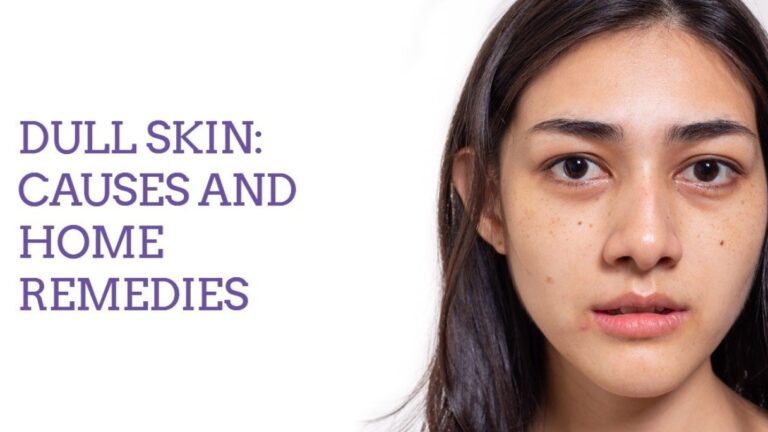
DULL SKIN: CAUSES AND HOME REMEDIES

Have you ever felt that your skin looks grey or lackluster? This is because of the dull skin that you are experiencing.

What Is Dull Skin?

The skin which doesn’t look radiant and bright is the dull skin. It appears flat and also lacks lustre. In simple words, the skin which is not healthy, glowing, and youthful is considered dull skin.

The disappearance of glow is not always related to age. It means that it is not always connected to the ageing process. You may face dull skin even at a young age.

Common Symptoms Of Dullness Include:

  • Skin appears darker
  • Skin appears less radiant
  • Dehydrated skin (Dry skin)
  • Dark circles under the eyes

Causes Of Dullness:

In the present age and day, everyone is stuck in the hectic schedules and these hectic schedules leave with no time and energy to include a skincare regime from the daily routine. There are a lot of skin issues and factors that come up with dull skin, varying from dehydrated skin, poor blood flow to the skin, lifestyle habits.

Factors Contributing To Dullness:

  • Dead Skin Cells

Your skin starts producing less oil as you age. This production of less oil causes the dead skin to build upon the face, that makes the skin dull, dry and less radiant. Psoriasis and eczema also provide the cumulation of dead skin cells on the skin’s surface.

The skin loses its natural shine because of the damaged cell and slow cell turnover. This building up of the dead skin cells occlude the new, fresh skin underneath from shining.

  • Dehydrated Skin

Dehydrated skin receives less blood as dehydration reduces the volume of flow of blood to the skin, that makes the skin sickly and pale. Dehydration may appear to be a short term complication which can be resolved by a glass of water but in fact, dehydration of skin is a long term problem.Routinely failing to give skin the proper hydration, causes abiding harm to the skin like fine lines and wrinkles, saggy skin and even scales.

…..Read More……

Read Also: Boost Immunity And Lose Weight With This Lemon-Mint-Ginger Detox Water

Boost Immunity And Lose Weight With This Lemon-Mint-Ginger Detox Water

Seasonal fruits, veggies and herbs are incredibly rich in a number of vitamins, antioxidants and minerals. You can have them separately or combine the goodness of some in one drink.

At times our humble kitchen pantry does not get the due it deserves. It is often packed with super foods that could bolster you from within and impact your overall health. Yes, you heard us! Detox water is a great way to make the most of the healing foods that are present around you.

In the detox water recipe that we have here, you would need some lemon slices, orange slices, pineapple cubes, cucumber cubes, fresh ginger, mint leaves, ice cubes and water. This summery and refreshing drink is replete with health benefits and can do wonders, especially for your immunity, weight management, digestion and kidneys. Here’s why:

1. Orange:

The citric fruit is brimming with vitamin C that is responsible for strong immunity system and good skin. Oranges are also low in calories. Its rich anti-inflammatory properties help ease discomfort that comes with injury or swelling. The high potassium content of orange helps promote stable blood pressure levels.

2. Lemon: 

Lemon is also a treasure of the antioxidant vitamin C. If consumed in good amounts, it could lead to healthier skin, stronger immunity and blood pressure levels. Lemons also help increase iron absorption and are also good for weight loss.

3. Pineapple:

A treasure trove of thiamin, riboflavin, vitamin B-6, folate, pantothenic acid, potassium, manganese and magnesium, pineapple is easily one of the healthiest fruits you can add to your diet.

4. Cucumber:

The vegetable is all water and nutrients. Did you know that about 95 percent of cucumber is just water?! Speaking of calories, cucumber contains only 16 calories per hundred grams as per USDA.

5. Mint leaves:

Mint’s volatile oil menthol may help boost your digestion, give you fresh breath and ease cold, and keep nasal congestion and headaches at bay. Mint’s anti-inflammatory properties also help relieve irritation caused by coughing.

…..Read More……

Read More:  Milk and Honey Face Mask…..

Milk and Honey Face Mask

0

Treat yourself to a customizable, skin-softening milk and honey face mask that you can mix up in your kitchen. Your complexion will thank you.

The use of milk and honey in beauty treatments dates back to the time of Cleopatra. She is famously known for taking milk and honey baths to keep her skin beautiful. Perhaps this was the secret to the mesmerizing spell of one of the most wanted women of her time.

What can milk and honey do for your skin?

Milk and honey contain wonderful properties, so together they make a great cleanser for the skin. The lactic acid in milk is an alpha-hydroxy acid that naturally assists with exfoliation.

Honey opens the pores, helping clear away dirt. Because honey is cleansing, it is very helpful in the treatment of acne. Honey is a humectant and moisturizes the skin by actually drawing moisture to the skin.

If you want glowing skin, milk and honey are a perfect combination to use. Many spas offer versions of milk and honey body treatments, but you do not need to go to the spa to enjoy this skin miracle.

The lavender buds used in this recipe are mostly for aromatherapy, but lavender itself is soothing to irritated and dry skin. Plus lavender, like honey, contains antioxidants that fight aging and help contribute to glowing skin.

How to Make Milk and Honey Face Mask

  • Measure the first two ingredients and add to a high-speed blender
  • Blend until ingredients become a powder
  • Gently heat milk in a heavy saucepan, add honey remove from heat and stir until honey and milk merge well.
  • Add powder to warm milk and honey mixture and when cool to the touch apply to cleansed skin on face and body.
  • Relax in a warm tub for 10-20 minutes and remove with a damp and warm washcloth.

……Read More……

Read Also: 10 Best Fruits for Making Your Skin Glow

10 Best Fruits for Making Your Skin Glow

0

Do you like eating like eating a juicy mango or do you like to relish a mushy banana? Well, whatever may be your pick may be, there is no denying that eating fruits can not only give a healthy dose of nutrition but they also give a healthy glowing skin. So, which all fruits should you eat and what are the best ways of including them in your diet? Read this article to know all about some of the best fruits that can give your skin a magical glow.

How Does Your Eating Habits Affect Your Skin?

When you include fruits in your daily diet, you are giving your body a rich dose of nutrients and anti-oxidants. Eating fruits helps in reducing inflammation and prevention of various kinds of infections — fruits with vitamins and minerals that help in synthesizing collagen and help in nourishing the skin. All these qualities of fruits make them an ideal add-on in your diet to give your skin a healthy and vibrant glow. So, if you have always been eyeing to add a beautiful and healthy glow to your skin, fruits may offer you the one-stop solution.

Fruits that Helps to Enhance the Glow of Your Face

If you have been dealing with skin issues like dull, lifeless, wrinkled or tired skin, this suggests that your skin needs care. And what better way to provide a natural glow and shine to your skin than to include some yummy fruits in your diet. You may be surprised to know, but your skin mirrors what you put inside your tummies, which means whether you eat healthy food or you make wrong eating choices, your skin shows it all. Some people are genetically blessed with good skin, and others have to strive hard to attain that perfect skin goal. There is no need to worry, as including some of the following fruits in your diet can help you get that wow glow:

1. Mango

The yummy, juicy and succulent mango is a wonder food for rejuvenating your skin. Mango contains vitamin A, C, E and K. It also contains beta-carotene, flavonoids, polyphenolics and xanthophylls. Being a rich source of fibre and dietary sugar, this fruit is beneficial in keeping away tummy troubles such as constipation. This fruits also has anti-inflammatory properties and also protects the skin from any kind of DNA damage. The healing properties of mango make it an ideal ingredient in many cosmetic preparations.

How to Use It

Here are some ways of using mango to attain a bright skin:

Take some mango pulp and apply liberally all over your face and neck. Leave for ten minutes and rinse with tepid water

  • Eat mango in the form of shake, mixed in your breakfast cereal or as a snack
  • If you have dry skin, mix some mashed mango, yoghurt and honey. Apply this pack on your face and leave for 10 to 15 minutes. Rinse and pat dry
  • In case of oily or combination skin, mix some lemon juice and rose water in mango pulp and apply on your face

2. Watermelon

Watermelon is a boon for the skin, especially for women who have acne-prone or sensitive skin. For a glowing skin in summer, watermelon is one thing that you cannot give a miss. Watermelons contain almost 92 per cent of water in them, making them ideal for flushing out the harmful toxins from the skin and it also keeps the digestive system in track. This fruit is loaded with vitamin A, B1, B6 and C. It also contains ample amounts of lycopene, flavonoids and carotenoids. The presence of lycopene is beneficial in preventing skin damage by removing the free radicals.

How to Use It

Following are some effective ways of using watermelon for attaining maximum skin benefits:

  • Take watermelon juice on a daily basis
  • Alternatively, eat watermelon fruit as a midmorning snack
  • You may add watermelon to your smoothies, desserts or puddings too
  • You may apply watermelon pulp on the skin for at least minutes for a dewy fresh glow

Watermelon for Skin


Read more 

Also read  5 Amazing Beauty Uses for Aloe Vera