Home Blog Page 115

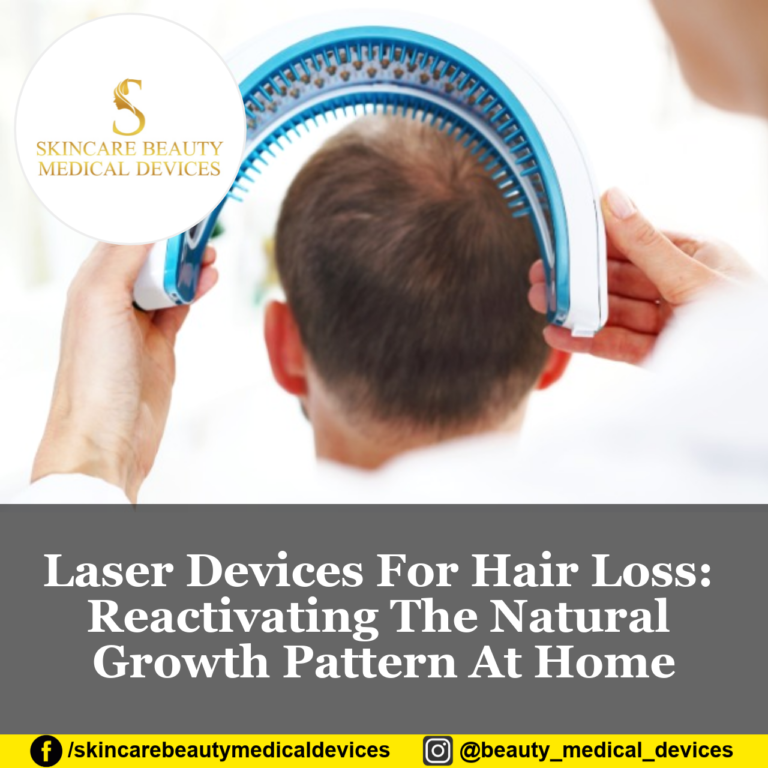
Laser Devices For Hair Loss: Reactivating The Natural Growth Pattern At Home

Hair loss is a common problem worldwide. Although there are some drugs and options for surgery to treat this, the use of non-painful and at-home treatments is becoming very popular in the medical market.
Laser Devices For Hair Growth: Reactivating The Natural Growth Pattern At Home

With that, there are now some laser devices to improve the overall thickness and volume of hair. Lasers provide high energy density that allows intense and effective stimulation of hair follicles, promoting the reactivation of the hair’s natural growth pattern with greater blood circulation and collagen production. 

Many different brands have created different models that vary in application and laser intensity. They are mostly designed to be a safe and comfortable experience for the users. 

Models like the CapillusPro Laser Therapy Cap come in a convenient baseball cap design with low-level laser therapy that aims at hereditary hair loss. On a less discreet end, the Theradome PRO Laser Hair Growth Helmet is designed to deliver maximum results due to its cool laser phototherapy and is comfortable with its cushioned and ergonomic design and automatic shut-off features.

There are also models shaped like brushes like the SunshineFace 3-in-1 Phototherapy Comb, equipped with infrared light and massage therapy that promote blood circulation in the scalp. This encourages hair regrowth. A portable travel-friendly model is the HairMax LaserBand 82 device, which is clinically proven to create healthier, thicker, and fuller-looking hair.

A dermatologist should be consulted before use to determine if laser hair therapy is adequate for your objectives and helps with picking the right model.

Laser Devices For Hair Growth: Reactivating The Natural Growth Pattern At Home
Maísa Melo, MSci

About the Author: MSci Maísa Melo is a Pharmacist and a current PhD student in cosmetic technology, from São Paulo, Brazil. She has earned her master’s degree from the University of São Paulo and has been involved with the development, stability, safety and efficacy of cosmetics since 2013. She has specialized in the clinical efficacy of cosmetics by biophysical and skin imaging techniques as well as the use of alternative models to animal testing. Her research work has been published in several scientific journals and book chapters from the field. 


To know more about Skincare Devices and Beauty’s latest updates, please Like and Follow our Facebook and Instagram accounts…

Read also: Get To Know About UV LED Disinfection Technology

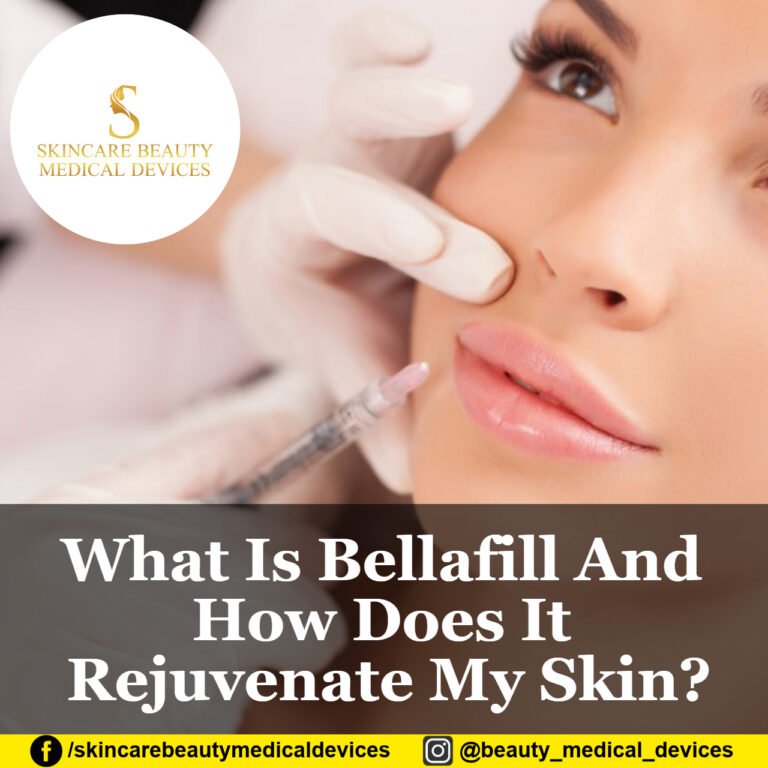
What Is Bellafill And How Does It Rejuvenate My Skin?

0

Bellafill is a long-lasting, FDA-approved dermal filler. It contains collagen, which is a naturally occurring substance in the skin, and tiny polymethyl methacrylate (PMMA) beads.

Bellafill, formerly called Artefill, was first approved by the FDA in 2006 for treating nasolabial folds. In 2014 the FDA approved it for the treatment of certain types of moderate to severe acne scars. Like many other fillers and drugs, This dermal filler also offers off-label uses. It’s being used to fill other lines and wrinkles, and for nonsurgical nose, chin, and cheek augmentation procedures.

Though Bellafill is generally safe, anyone considering using it is required to have a skin test first. It’s not recommended for:

  • anyone under 21
  • people with severe allergies
  • those allergic to bovine collagen
  • anyone with a medical condition that causes irregular scarring

How does Bellafill work?

Bellafill contains a bovine collagen solution and PMMA, which is a thermoplastic material that is purified to create tiny balls called microspheres. Each injection also contains a small amount of lidocaine, an anesthetic, to make you more comfortable.

When Bellafill is injected into your skin, your body absorbs the collagen and the microspheres remain in place. It works to provide continued support after the collagen has been absorbed by your body and replaced with your own.

Procedure for Bellafill

Before your Bellafill procedure, your doctor will want a complete medical history including information on any allergies and medical conditions that you may have. You will also be required to have a skin test to see if you have an allergy to bovine collagen. A small amount of highly purified collagen gel will be injected into your forearm and you will remain in the office to check for a reaction. The FDA recommends that this test be performed four weeks before treatment with Bellafill, but some doctors do it the day before or even the day of treatment.

When you are ready for your Bellafill procedure, your doctor may mark the area or areas being treated. The filler will then be injected into your skin and you will see immediate results. Each syringe contains a small amount of lidocaine to help numb any pain after injection. You may be able to have a numbing cream applied to the area before injection if you’re concerned about pain.

Read more: What Is Bellafill And How Does It Rejuvenate My Skin?

To know more about Skincare Devices and Beauty’s latest updates, please Like and Follow our Facebook and Instagram accounts…
 Read also: 10 Amazing Benefits Of Oxygen Facial For Glowing Skin

How White Noise Machine May Help You Get Your Best Sleep Ever

0

There’s nothing quite like waking up and feeling refreshed and ready for the day ahead. Unfortunately, many people struggle in snoozeville. One reason may be the fact that it’s difficult to create the ideal sleep environment: cool, calm, light-free, and quiet. White noise machines can help with at least one part of this equation.

White noise machines provide steady, continuous noise that blocks out all the other stuff, like sirens, barking dogs, and your roommate’s TV. There’s even some science to back up the fact that white noise machines can give you sounder sleep.

Read on to get the details on how this simple sleep tech works.

What is white noise?

White noise is a combination of various sounds at different frequencies that are audible to the human ear.

It can often sound like hissing or a “SHHHH” sound, similar to television or radio static.

You may have even heard white noise machines in a doctor’s or therapist’s office. In these settings, they help keep sessions private.

Researchers have found white noise helps people not only get to sleep but also stay asleep.

“White noise is more than just recordings of ocean waves and rain sounds,” says Molly Szkotak, community manager at Yogasleep. “Sonically, white noise is a collection of sounds that has the same intensity through the audible range, creating a uniform sound perfect for masking loud disruptions.”

This masking effect helps block out other sounds so you can sleep.

White vs. pink noise

Similar to white noise, pink noise consists of all the frequencies audible to the human ear.

However, the energy isn’t evenly distributed among them, and there’s more intensity of lower frequencies, creating a deep and even sound.

Examples of pink sounds include:

  • rustling leaves
  • steady rain falling
  • strong wind
  • waves crashing on a beach

How white and pink noise can help you sleep

White or pink noise can help people sleep by blocking out outside sounds and masking disruptive sounds.

Research has found that sleep disturbances caused by noise pollution have health consequences for our biological systems. Both duration and quality of sleep can be impacted by outside noises.

To know more about Skincare Devices and Beauty’s latest updates, please Like and Follow our Facebook and Instagram accounts…
Read also: Devices To Improve Psoriasis And How They Work

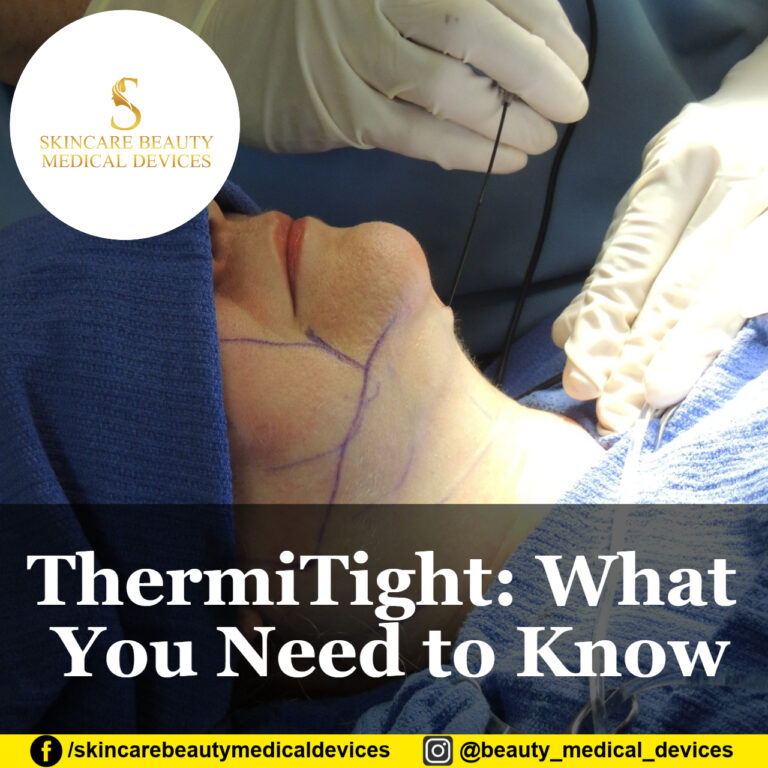
ThermiTight: What You Need to Know

0

ThermiTight is a nonsurgical invasive procedure that delivers radiofrequency energy below the surface of the skin in order to tighten it. It can be used on multiple areas of the body, including the lower face, jowls, neck, breasts, arms, tummy, and thighs, to treat mild to moderate skin laxity.

The ThermiRF SmartTip thermistor probe introduces controlled thermal energy (via radiofrequency) into the deep tissues, triggering your body’s natural collagen-production response. Over time, this leads to firmer, tighter skin and a more youthful appearance.

It’s safe for people with all skin types and tones, and most people need just a single treatment—a unique advantage over similar radiofrequency procedures. However, the number of sessions you’ll ultimately need will depend on your skin type, the rejuvenation results you want, and the way your body responds to ThermiTight treatments.

What are the pros and cons of ThermiTight?

Pros

  • It’s a nonsurgical way to lift sagging, loose skin.
  • Most patients require just one ThermiTight session to see results.
  • There’s minimal scarring and less downtime than with a facelift or neck lift.

Cons

  • Results are not permanent, so you’ll need maintenance treatments.
  • The effects of ThermiTight are less dramatic (and long-lasting) than those from surgical procedures.
  • Unlike noninvasive skin-tightening procedures like Ultherapy or Thermage, there is some downtime.

What happens during a ThermiTight Treatment?

Prior to your skin-tightening treatment, your doctor may recommend that you stop taking medications that increase the risk of bleeding, such as aspirin and anti-inflammatories. You should also increase your water intake, since well-hydrated tissue is more receptive to ThermiTight.

At the start of your ThermiTight procedure, the area being treated will be cleansed, and you’ll get local anesthesia. Once the local anesthetic takes effect, your doctor will make very small incisions and slide a very thin cannula, or probe, underneath your skin. ThermiTight works with a cannula that delivers precisely targeted radiofrequency energy to heat the subdermal tissue in the treatment area. Your doctor will use thermal imaging for guidance and to gauge your skin temperature as well as continuously monitor the temperature under your skin using the same probe.

The minimally invasive treatments can take up to three hours, depending on the targeted area. Since the incisions are small, you won’t require any sutures. Before you leave, your doctor will dress your incisions and provide you with aftercare instructions.

Read more:ThermiTight: What You Need to Know

To know more about Skincare Devices and Beauty’s latest updates, please Like and Follow our Facebook and Instagram accounts…
 Read also: Intelligent Beauty Devices That Do It All

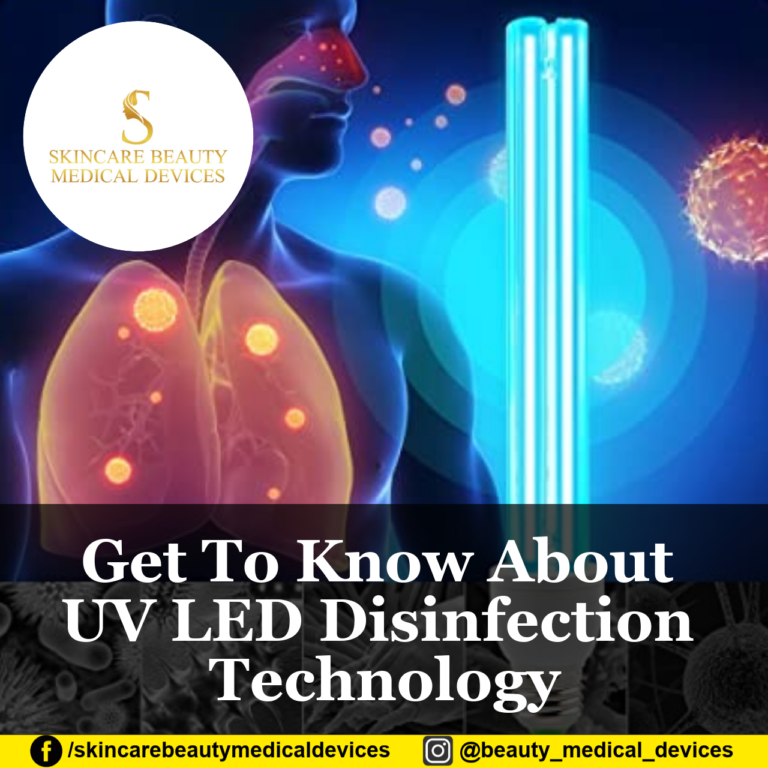
Get To Know About UV LED Disinfection Technology

0

Ultraviolet disinfection technology has been the star performer in water and air treatment over the past two decades, due in part to its ability to provide treatment without the use of harmful chemicals.

UV represents wavelengths that fall between visible light and x-ray on the electromagnetic spectrum. The UV range can be further divided into UV-A, UV-B, UV-C, and Vacuum-UV. The UV-C portion represents wavelengths from 200 nm – 280 nm, the wavelength used in our LED disinfection products.

UV-C photons penetrate cells and damage the nucleic acid, rendering them incapable of reproduction, or microbiologically inactive. This process occurs in nature; the sun emits UV rays that perform this way.

How Does UV-C LED Disinfection Work?

Different types of UV-C disinfection can work depending on the scale of the solution being implemented. However, the principles of how UV-C disinfection works remain the same.

An LED produces a pre-selected wavelength from a small amount of electricity. The LED then emits UV-C photons through the water that penetrate the cells and damage the nucleic acid in the microorganism DNA.

As these cells cannot replicate, it renders the harmful microorganism inactive. As a result, UV-C LEDs allow for high-intensity radiation to kill the bacteria in seconds, and its effectiveness is measured in LOGs.

Applications of UV-C LEDs

There are many applications where UV-C LEDs are being tested to see if they can become a solution to not just current disinfection challenges but our future ones too.

Drinking water disinfection, water purification, and treatment are where the technology is gaining traction as the solution is chemical-free, has no risk of creating harmful by-products, is an effective pathogen inactivation, and is very low maintenance.

As well as water, UV-C LEDs are offering disinfection for both air and surfaces. UV-C LED air purifiers for HAVC (heating, ventilation, and air conditioning) are being used increasingly in the commercial landscape.

To know more about Skincare Devices and Beauty’s latest updates, please Like and Follow our Facebook and Instagram accounts…
Read also: The Use Of High Intensity Focused Ultrasound On Face Lifting Procedures 

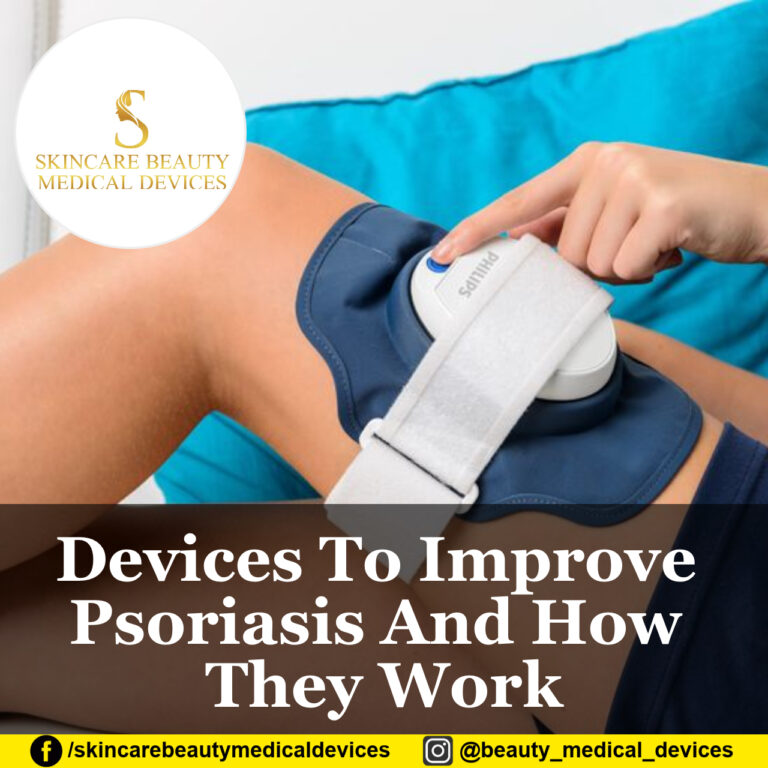
Devices To Improve Psoriasis And How They Work

Psoriasis is an autoimmune disease in which the patient has an oversensitive immune system and ends up attacking the healthy skin cells. They will form plaques of thick, itchy, and inflamed skin and cause a lot of discomfort and possible complications.

Devices To Improve Psoriasis And How They Work

The good news is that the FDA has recently approved an alternative at-home treatment for cases of mild psoriasis. This device is easy to operate and gentle in use.  It is patched with LED blue lights which makes it safer than the phototherapy performed at clinics, so it avoids premature skin aging and cancer.

The LED blue lights act at a particular wavelength that is known to reduce the accelerated proliferation of keratinocytes (skin cells) and decrease the inflammatory response caused by the disease.

More traditional devices can only be used on the leg and arms, but the new ones are portable and facilitate the use of other parts of the body. Either way, this therapy has been demonstrated to bring great results. Some clinical studies about the topic showed a continuous improvement with only four weeks of use proving the efficacy of blue light devices. There was a reduction in the amount of damaged skin where the patch was applied. There was less redness, less scales, along with an improvement in the skin aging signs.

There are no serious side effects, only minor inconveniences that are rare but can happen, like skin darkening around the treated area (which will fade over time and after the treatment is done). 

Another great thing is how you can do the treatment at home while working or doing a hobby. It will avoid time-consuming visits to the dermatologist and applying a complicated routine of medications. It is recommended to consult a doctor before starting to use these devices, so you will have proper instructions and professional follow-up to obtain the best results possible!

Devices To Improve Psoriasis And How They Work
MSci Maísa Melo
MSci Maísa Melo

About the Author: MSci Maísa Melo is a Pharmacist and a current PhD student in cosmetic technology, from São Paulo, Brazil. She has earned her master’s degree from the University of São Paulo and has been involved with the development, stability, safety and efficacy of cosmetics since 2013. She has specialized in the clinical efficacy of cosmetics by biophysical and skin imaging techniques as well as the use of alternative models to animal testing. Her research work has been published in several scientific journals and book chapters from the field. 

To know more about Skincare Devices and Beauty’s latest updates, please Like and Follow our Facebook and Instagram accounts…
Read also: What to Know About Photodynamic Therapy and Levulan

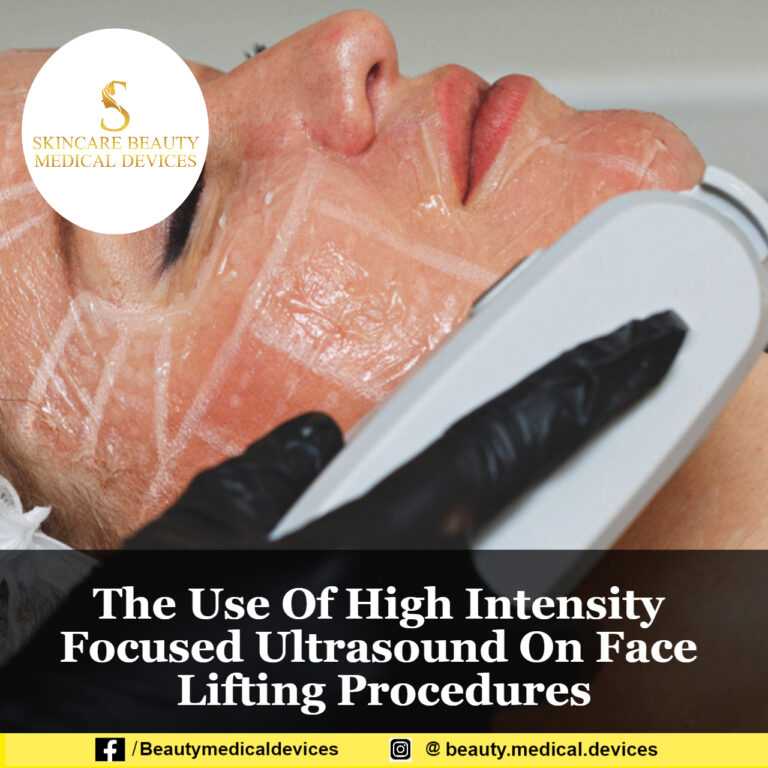
The Use Of High Intensity Focused Ultrasound On Face Lifting Procedures

0

Face lifts can be done in a variety of techniques, such as laser therapy, chemical peelings, radiofrequency, Botox and surgeries. These procedures usually act in one aspect of the loss of elasticity and laxity that comes with the aging process. Moreover, they are invasive and can cause great discomfort. 

Although more drastic results will be provided by face lifting surgery, it is a complicated procedure that does not please all patients. As an alternative, there is the High Intensity Focused Ultrasound (HIFU) which has been recently introduced as a new treatment modality for skin tightening and rejuvenation. 

It reaches the same layers of skin of a surgical facelift using an ultrasonic wave that heats the tissues of the skin, muscles, and fat of the face, leading to their shrinking and stimulating the formation of new collagen. The body transducers of the equipment deliver ultrasound energy evenly in the subcutaneous tissue, which destroys the fat cells and naturally eliminates them from the body.

It has minor side effects, like flushed skin after the procedure, which should disappear after a few hours. Usually more than one session is needed to obtain the desired results and maintenance every few months is recommended. 

The equipment goes under the name of Ultraformer III and can be used in other parts of the body, like breast, buttocks, abdomen, thighs, and shoulders. 

The treatment is done in around 30 minutes and the patients can return to daily activities immediately after, being a great alternative to face lifts that required a resting period to avoid complications. 

Also Read:


MSci Maísa Melo
MSci Maísa Melo

About the Author: MSci Maísa Melo is a Pharmacist and a current PhD student in cosmetic technology, from São Paulo, Brazil. She has earned her master’s degree from the University of São Paulo and has been involved with the development, stability, safety and efficacy of cosmetics since 2013. She has specialized in the clinical efficacy of cosmetics by biophysical and skin imaging techniques as well as the use of alternative models to animal testing. Her research work has been published in several scientific journals and book chapters from the field. 


To know more about Skincare Devices and Beauty’s latest updates, please Like and Follow our Facebook and Instagram accounts…

What to Know About Photodynamic Therapy and Levulan

0

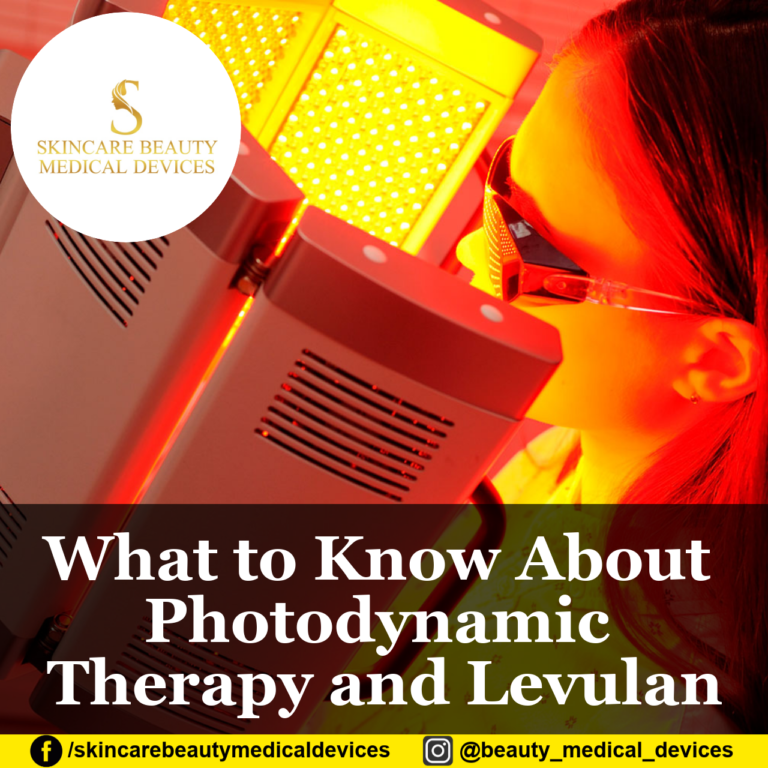
If you have such severe damage that you may have precancerous cells or actinic keratosis, photodynamic therapy (PDT) would be a good choice.

Since “photo” means light and “dynamic” means action, photodynamic therapy is the use of light or laser energy to act against skin disease, in this case sun damage, precancerous cells (actinic keratosis), acne, and inflammatory rosacea.

Your affected skin must first be coated with a prescription solution called Levulan, which makes the target cells or glands more sensitive to light. The combination of Levulan and light not only treats the diseased skin cells or glands, it also makes your skin more healthy, smooth, and clear, possibly even prevent skin cancer.

Frequently Asked Questions About Photodynamic Therapy

How do I know if I need PDT?

PDT may be right for you if you have sun-damaged skin, actinic keratosis, acne, inflammatory rosacea, hidradenitis suppurativa, or other less common skin diseases. You must also understand the benefits and limitations of this treatment.

Pregnant women or patients taking Accutane during the previous six months are not eligible for PDT.

How does PDT work?

Photodynamic therapy uses light or laser energy to act against skin disease, sun damage, precancerous cells (actinic keratosis), acne, and inflammatory rosacea. PDT is not painful, you may feel slight discomfort during treatment; it feels like a rubber band snapping on your skin.

Can this be combined with other treatments?

Yes. PDT may be combined with traditional Photorejuvenation, chemical peels, and other therapies. The choice of combinations depends on the skin condition being treated. It also may be combined with tissue tightening treatments or injectable fillers and toxins.

Can PDT be used to treat acne?

Yes, hidradenitis suppurativa, a severe form of acne, requires monthly treatments until the condition is under control. Maintenance treatments are then recommended.

Read more: What to Know About Photodynamic Therapy and Levulan

To know more about Skincare Devices and Beauty’s latest updates, please Like and Follow our Facebook and Instagram accounts…

Read also: What You Need to Know About Plabeau G4+


Why Should You Have A Smartwatch With Medical Functions?

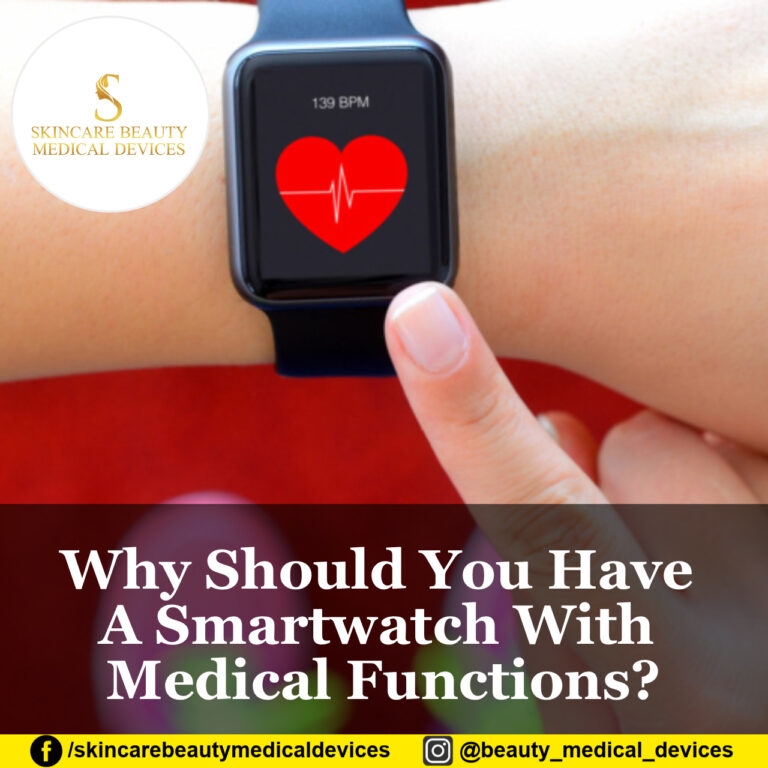
One of the latest trends in the health area is the use of smartwatch and smart bands to track your day. Every technology brand has developed a model with its particularities, but the basic features of step count, heart rate, overall performance during physical activities, and sleep analysis are always present. More advanced features are stress monitor, blood oxygenation, electrocardiogram, and tracking of diets.

Why Should You Have A Smart Watch With Medical Functions?

Having this data to take on your next medical appointment is great, so you and your physician can understand and monitor what is happening and even help with the diagnosis. This is especially true for patients with cardiac or sleeping disorders. They can also be helpful for medications, as the devices will automatically remember to take the right pill at the right time.

Recent studies have shown that the use of a smartwatch also helps us to stay stuck to our fitness routine, as it will send notifications to remind the user to exercise. With activity tracking, it is easier to meet the fitness goals, with more direct objectives and can keep you updated on progress. Some devices even provide tutorials of easy and short workout sessions to do at home.

It is also possible to pair the watch with other apps and devices so the data can be used in features that may help detect atrial fibrillation, sleep apnea, hypertension, and even diabetes, depending on the linked devices. Some clinics are trading some expensive tests for the use of the personal wearable device, as it will be used every day at home and can substitute surgically implanting a device to track the patient’s heart rhythms. 

Some situations might need attention, as the constant tracking of everything, can trigger people with eating disorders or obsessive-compulsive behaviors. So, it has the possibility of doing more harm than good for them. Other than that, the trend of having a smart device on your wrist can be very helpful, as it has the potential to prevent diseases, help you focus on your health goals, and are stylish.

Why Should You Have A Smart Watch With Medical Functions?
MSci Maísa Melo
MSci Maísa Melo

About the Author: MSci Maísa Melo is a Pharmacist and a current PhD student in cosmetic technology, from São Paulo, Brazil. She has earned her master’s degree from the University of São Paulo and has been involved with the development, stability, safety and efficacy of cosmetics since 2013. She has specialized in the clinical efficacy of cosmetics by biophysical and skin imaging techniques as well as the use of alternative models to animal testing. Her research work has been published in several scientific journals and book chapters from the field.  


To know more about Skincare Devices and Beauty’s latest updates, please Like and Follow our Facebook and Instagram accounts…
Read also: What Is a Jet Peel? Benefits, Side Effects, and Procedure

What Is a Jet Peel? Benefits, Side Effects, and Procedure

0

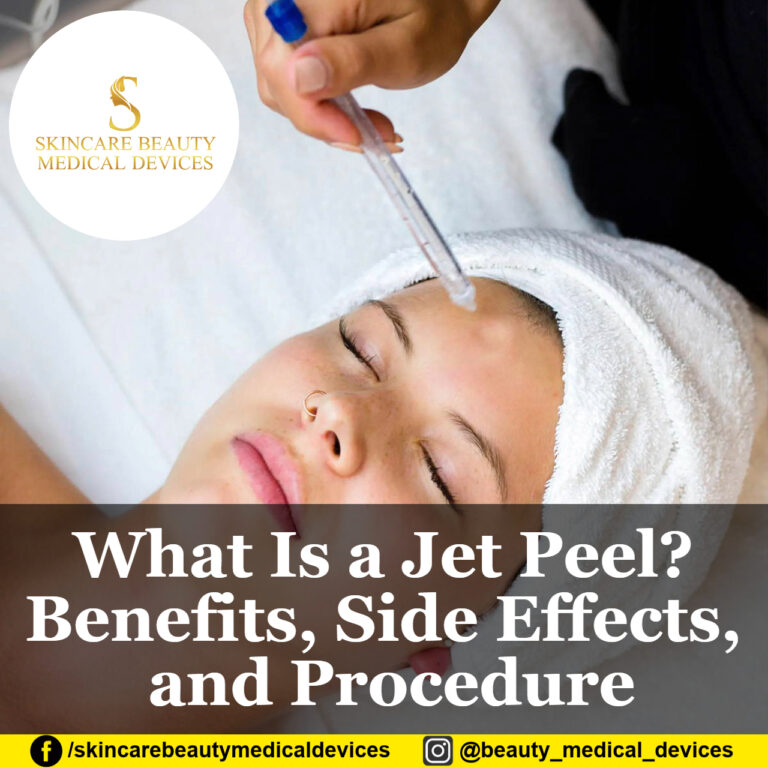
A jet peel facial is a non-invasive procedure that’s often used to combat signs of aging, dry skin, and acne. During treatment, pressurized streams of air penetrate into the deep layer of your skin called the dermis to deliver cleansers and serums.

The FDA-approved jet peel has gained popularity in recent years, and offers many of the same benefits as similar treatments like Dermalinfusion or HydraFacial.

Unlike some types of chemical peels and other harsh treatments, jet peels are gentle enough for people with sensitive skin or skin conditions like acne or rosacea.

Jet peel benefits

There’s a limited amount of research examining the benefits of the procedure at this time. However, this type of facial treatment has been linked to the following potential benefits.

Treating acne

Jet peels may help you treat and prevent acne by deep-cleaning your pores and exfoliating your skin. They also have the potential to deliver serums that contain ingredients like salicylic acid that can help with acne management.

Signs of aging

This procedure may help reduce signs of aging like wrinkles or sun damage. As with other treatments like chemical peels, it’s thought that this could achieve results by stimulating the production of collagen and elastin.

Exfoliation

Jet peels help exfoliate your skin and may give it a smooth and refreshed feeling after treatment. Exfoliating can help you reduce clogged pores, reduce the appearance of scars, and help even out your skin tone.

Other benefits

Jet peel technology may also have other medical uses other than treating facial skin.

One study found that jet peels may be able to more efficiently deliver minoxidil (Rogaine) into the scalp of people dealing with male and female pattern baldness.

Another study found that jet peel technology may be effective at delivering local anesthesia into the skin.