



One of the main components of our skin are lipids, also known as the skin’s natural fats. They are essential to keep our body’s surface healthy, as they are part of a protective barrier that prevents the absorption of impurities and aids in the repairing process too (also known as the skin barrier function).
The lipid production declines with age but many internal and external factors like hot showers may end up compromising this component. Although it is not burning your skin, the water might be problematic in another way.
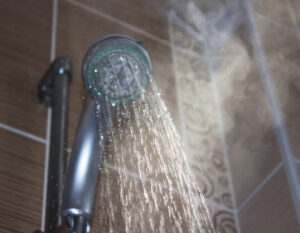
As lipids are a type of fat and we know from culinary experiences that fats tend to turn liquid when heated. In case of these components on the skin surface, they will be carried away with the hot water, damaging the barrier function which will be inclined to cause irritation, excessive water loss, rough surface texture and more.
This is a cumulative process, so nothing may happen if you take one or two hot showers but overtime, it might become a problem. It can also be worse in people with dry skin and can affect the hair too!
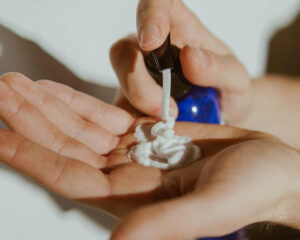
Applying good moisturizer or skin oil after the shower is helpful in the replacement of these lipids. This happens occasionally but if these products do not help, it might be good to reconsider the temperature of your shower. In severe cases, a dermatologist should be visited so the appropriate treatment is prescribed.
Also read: What Is a HydraFacial Treatment and How Does It Work?
To know more about Skincare Devices and Beauty’s latest updates, please Like and Follow our Facebook and Instagram accounts…
About the Author: MSci Maísa Melo is a Pharmacist and a current Ph.D. student in cosmetic technology, from São Paulo, Brazil. She has earned her master’s degree from the University of São Paulo and has been involved with the development, stability, safety, and efficacy of cosmetics since 2013. She has specialized in the clinical efficacy of cosmetics by biophysical and skin imaging techniques as well as the use of alternative models to animal testing. Her research work has been published in several scientific journals and books chapters from the field.