



Medical technology has been evolving non-stop in the last decades trying to improve techniques to diagnose and treat many conditions. Within the advances in the dermatological area, some methods were also adapted to study the conditions of the skin and its structures like cells and collagen after the use of cosmetic products.
In this context, we can mention the Reflectance Confocal Microscopy, also known as Vivascope. This equipment is an imaging tool that uses a low-powered laser to provide non-invasive, real-time and high-resolution images of the epidermis and the superficial collagen layers. In other words, it can see what’s going on inside the skin without any type of cut or pain, just using a powerful laser specially designed for this purpose.

With the images obtained with the Vivascope, it is possible to observe if there were changes in the skin after a few weeks of using a product or to understand what needs to be treated. A wide array of parameters to be observed is available on this methodology, and it all depends on what you want to see.
This device is usually available in research centers, industries or dermatological clinics and needs some training to adequately capture the images and translate what is visible or not. It seems complicated at once, but it is an incredible piece of equipment that will show every structure in every part of the body, from the content of blackheads to skin cancer in seconds.
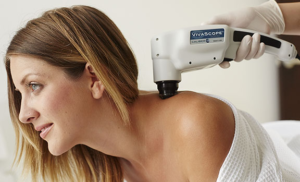
In conclusion, the Reflectance Confocal Microscopy is a piece of highly innovative equipment which can improve the cosmetic industry and the quality of products just by taking a look inside our skin in a few minutes.
Read also: Bring Out the Best in Your Skin with ProCell Microchanneling Therapy
To know more about Skincare Devices and Beauty’s latest updates, please Like and Follow our Facebook and Instagram accounts…

About the Author: MSci Maísa Melo is a Pharmacist and a current PhD student in cosmetic technology, from São Paulo, Brazil. She has earned her master’s degree from the University of São Paulo and has been involved with the development, stability, safety and efficacy of cosmetics since 2013. She has specialized in the clinical efficacy of cosmetics by biophysical and skin imaging techniques as well as the use of alternative models to animal testing. Her research work has been published in several scientific journals and book chapters from the field.