


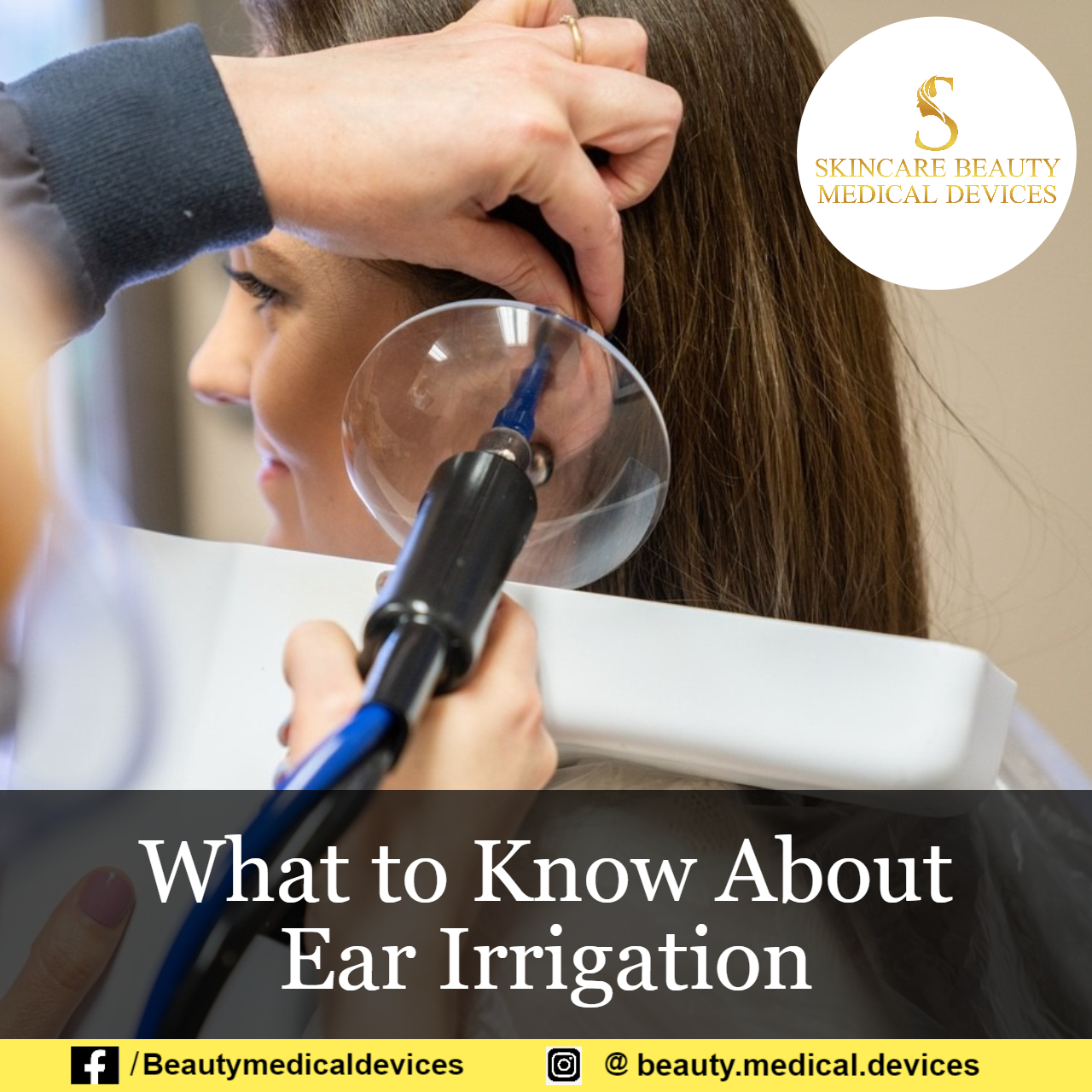
Ear irrigation is an ear cleansing method that people use to remove a buildup of earwax. Irrigation involves inserting liquid into the ears to flush the earwax out.
The medical term for earwax is cerumen. A buildup of earwax can cause symptoms such as impaired hearing, dizziness, and even ear pain.
Doctors will not recommend this for people with certain medical conditions and those who have had eardrum tube surgery. They may also have concerns about a person carrying out ear irrigation at home.
In this article, we discuss the benefits and risks of ear irrigation and explain how most people perform it.

Uses of Ear Irrigation
A doctor performs ear irrigation to remove an earwax buildup, which can cause the following symptoms:
- hearing loss
- chronic cough
- itching
- pain
Doctors do not usually recommend irrigating the ear unless a person’s symptoms are definitely due to earwax buildup.
Alternative options for removing excess earwax include placing earwax softener drops in the ears or mechanical removal by a doctor.
According to the authors of a 2010 systematic review, it was unclear from the existing research whether ear irrigation or mechanical methods were more beneficial for removing earwax. However, they noted that certain softener drops were effective.
People should not try to remove earwax at home with tools such as cotton swabs or hairpins due to the risk of damaging the eardrum.

Procedure
People can follow the steps below to try ear irrigation. They should use a syringe containing clean water at room temperature.
- Sit upright with a towel on the shoulder to capture water that drains from the ear. Some people may also place a basin underneath the ear to catch the water.
- Gently pull the ear upward and backward to allow the water to enter the ear more easily.
- Place the syringe in the ear, inserting it up and toward the back of the ear. This position will help the earwax separate from the ear and drain out of it.
- Gently press on the syringe to allow water to enter the ear. If a person feels pain or pressure, they should stop irrigating.
- Dry the ear using a towel or by inserting a few drops of rubbing alcohol into the ear.
Read the Complete Article at medicalnewstoday.com
To know more about Skincare Devices and Beauty’s latest updates, please Like and Follow our Facebook and Instagram accounts…
Also read: Earwax blockage – Diagnosis and treatment