

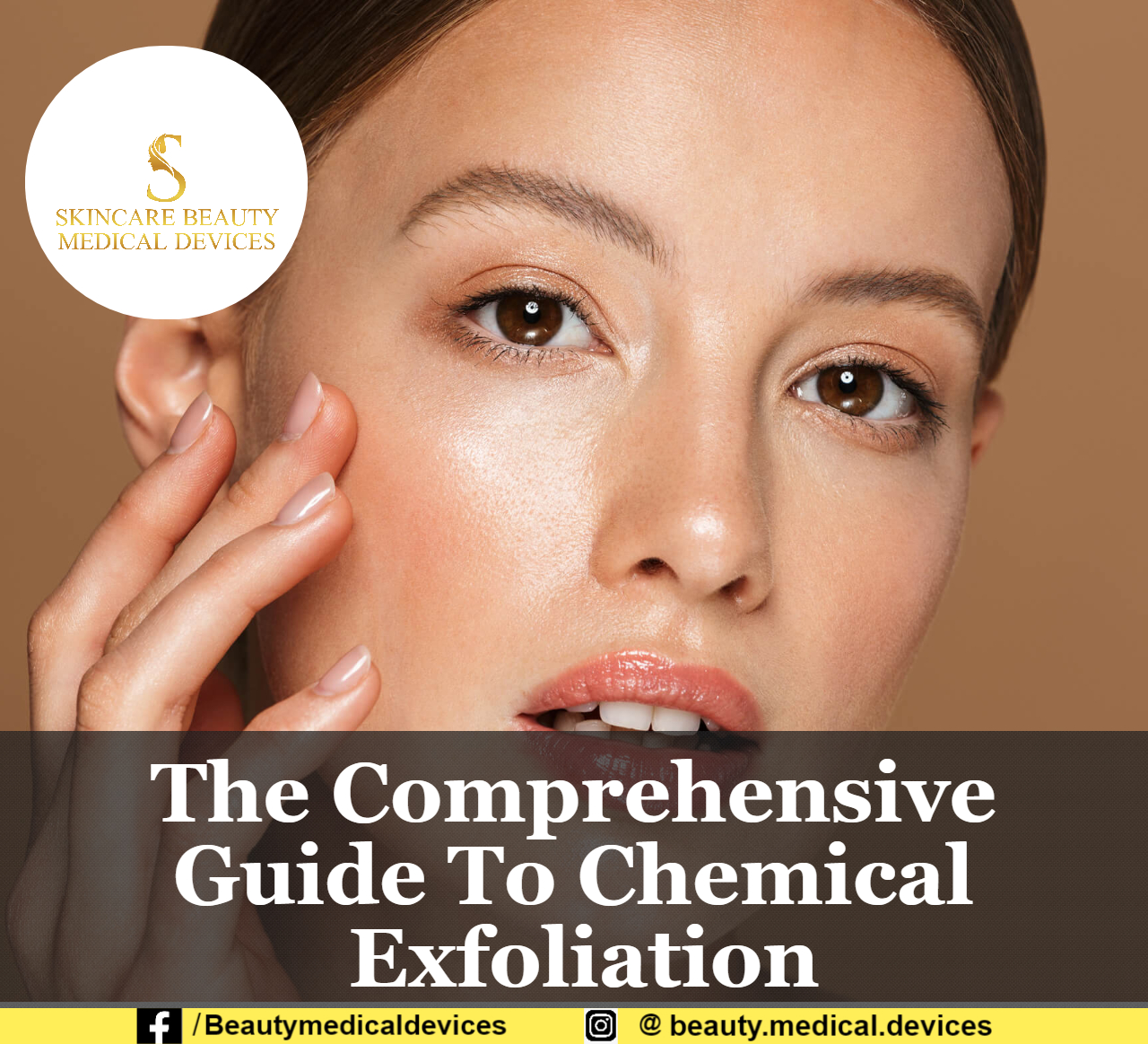
Chemical Exfoliation is a critical component in the skincare process and, when performed properly, can result in radiant skin. But, if performed incorrectly, exfoliation can ruin your life (This is an exaggeration, but it is pretty bad). If you’re ready to take your skincare regimen to the next level, continue reading:
1. Alpha-Hydroxy Acids (AHAs):
While all AHAs exfoliate, there are some distinctions between the various types of AHAs. Regardless of these distinctions, you should always wear sunscreen to protect your skin from sun damage, sunburns, and age spots, as AHAs make your skin more photosensitive. The following are the various types of AHAs:
a. Glycolic acid
Glycolic Acid is the most prevalent type of AHA and is well-known worldwide. It is derived from sugarcane and is highly exfoliating. The acid penetrates deeply into the skin to provide the necessary exfoliation. Additionally, it contains antimicrobial characteristics that may help acne-prone skin avoid breakouts. It is ideal for those with normal, mixed, or oily skin types, but may aggravate those with extremely dry or sensitive skin.
b. Lactic Acid
It is generated from lactose, which is found in milk. Additionally, it is well-known for its considerable exfoliation, anti-aging properties, pore minimization, and hyperpigmentation treatment. If you have never used lactic acid, you should look for products with a concentration of between 5% and 10%. It is kinder to the skin than glycolic acid and is therefore a better alternative for those with sensitive skin.
c. Mandelic Acid
It is the mildest form of AHAs due to its huge molecular size, which enables it to function solely on the skin’s surface, making it the greatest choice for sensitive skin types. It is produced from almond extracts and aids in pore reduction and texture improvement. This kind of AHA is suitable for all skin types due to its gentle exfoliating properties.
2. BHAs (Betahydroxy Acids)
They go deeper into the skin to unclog pores, reduce sebum production, and exfoliate dead skin cells. BHAs are primarily utilized in the treatment of acne and sun damage. It is more suited to those with oily, combination, or acne-prone skin.
a. Salicylic acid
This is the most popular kind of BHA and is widely used to treat acne-related conditions. Additionally, it lowers skin inflammation, which is a blessing for those with acne-prone, oily skin.
b. Polyhydroxyalkanes (Polyhydroxy Acid)
This is the most recent acid to enter the world of exfoliation. They are classified as AHAs but have a much larger molecular size than other AHAs. They are non-irritating, hydrate the skin, and are gentler on the skin than any other method of exfoliation.
This concludes your tour on Chemical Exfoliation; I hope you gained some knowledge and had a good time!
About the Author:
Germie Alderite is a Registered Medical Technologist in the Philippines. She is currently studying Doctor of Medicine in the said country. Germie worked in an Adventist Wellness Center for a year before entering Medical School. She believes that many transgress the laws of health through ignorance, thus, people need instruction. They need to be impressed with the importance of making their knowledge a guide of life. Physician has many opportunities both of imparting a knowledge of health principles and of showing the importance of putting them into practice.
To know more about Skincare Devices and Beauty’s latest updates, please Like and Follow our Facebook and Instagram accounts…
Also Read: Fight Flaky Scalp