Home Blog Page 204

What is the Correct Way to Use a Facial Brush?

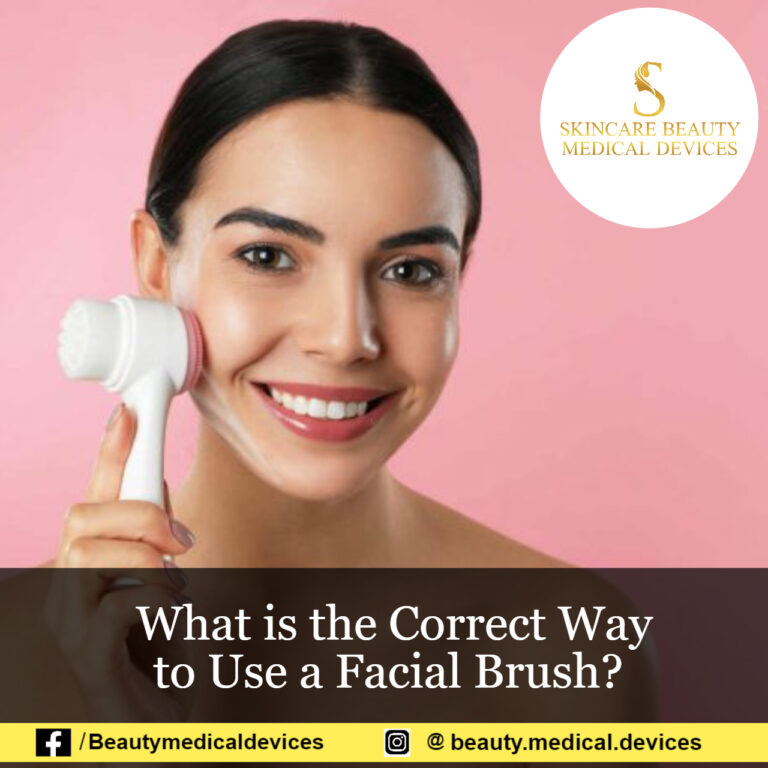
A facial brush is a form of skincare tool that can provide a more thorough clean than simply washing your face by hand. The brush head is moved in repeated back and forth movements by a battery-powered engine, which exfoliates pores and eliminates signs of dirt and makeup.

A facial brush is a form of skincare tool that can provide a more thorough clean than simply washing your face by hand.

Step by Step

  1. Using a cotton pad and makeup remover, remove all eye makeup, mascara, or lipstick.
  2. Dampen the bristles of the facial brush with warm water and add a cleanser. Facial brushes may be used for almost every form of face wash, but for better results, use one that lathers.
  3. Begin by sweeping the brush over your face in short circular movements. Never use the facial brush for more than a minute at a time. For 20 seconds each, clean your chin, nose, and forehead. For ten seconds, clean each cheek. Avoid using the brush on the sensitive skin above the eyes, regardless of the bristles. Maintain the movement of the brush. Do not have it in one place for an extended period.

4. Rinse and pat dry your face with lukewarm water. If you’ve cleansed your whole face with the facial brush, switch it off, set it down, and rinse your face with warm water from the tap. After rinsing, you should even spray some cool water over your forehead. This can assist in somewhat closing up the pores after exfoliation with the facial brush.

5. End your washing regimen by applying your usual skincare products like moisturizer and toner.

Also read: How to Use a Black Mask in 3 Easy Steps

To know more about Skincare Devices and Beauty latest updates, please Like and Follow our Facebook Page and Instagram account…

About the author:

Germie Alderite is a Registered Medical Technologist in the Philippines. She is currently studying Doctor of Medicine in the said country. Germie worked in an Adventist Wellness Center for a year before entering Medical School. She believes that many transgress the laws of health through ignorance, thus, people need instruction. They need to be impressed with the importance of making their knowledge a guide of life. Physician has many opportunities both of imparting a knowledge of health principles and of showing the importance of putting them into practice.

ABDOMINOPLASTY: What Is a Tummy Tuck Procedure?

Abdominoplasty, also known as a “tummy tuck,” is a surgery that reduces the size of the abdomen. The surgeon extracts extra fat and skin during the operation. A partial abdominoplasty, also known as a “mini tummy tuck,” is a less invasive operation. Patients that have fat deposits just below the navel can consider partial abdominoplasty.

Basic overview of Tummy Tuck surgery

We are going to:

  1. Decide on the right place for your treatment in collaboration with you. These are some possibilities
  • Surgical facility located in the surgeon’s office
  • Outpatient surgery center
  • Hospital outpatient 
  • Hospital inpatient
  1. Administer either local or general anesthesia to you.
  2. Make a lengthy incision from one side of the hipbone to the other 
  3. Excess fat and skin should be removed from the middle and lower belly.
  4. Constantly contract the abdominal wall muscles.

What to anticipate after surgery:

  • Short-term side effects can include a painful or swollen belly.
  • Complete recovery can take weeks or months.
  • Initially, scars may begin to worsen, especially within the first three to six months of healing. Scars may take up to a year to flatten and lighten in color, but they will never entirely vanish.
  • If the incision region may not heal correctly, scarring can occur. Sometimes, this can be corrected with a second procedure.
  • As in any surgical procedure, there is a chance of contamination, blood clots, or an allergic response to the anesthesia.

About The Author:

Dr. Germie:

Germie Alderite is a Registered Medical Technologist in the Philippines. She is currently studying Doctor of Medicine in the said country. Germie worked in an Adventist Wellness Center for a year before entering Medical School. She believes that many transgress the laws of health through ignorance, thus, people need instruction. They need to be impressed with the importance of making their knowledge a guide of life. A physician has many opportunities both of imparting a knowledge of health principles and of showing the importance of putting them into practice.
Also Read: Kareo Medical Software


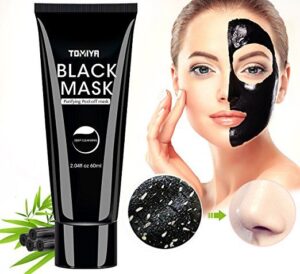
How to Use a Black Mask in 3 Easy Steps

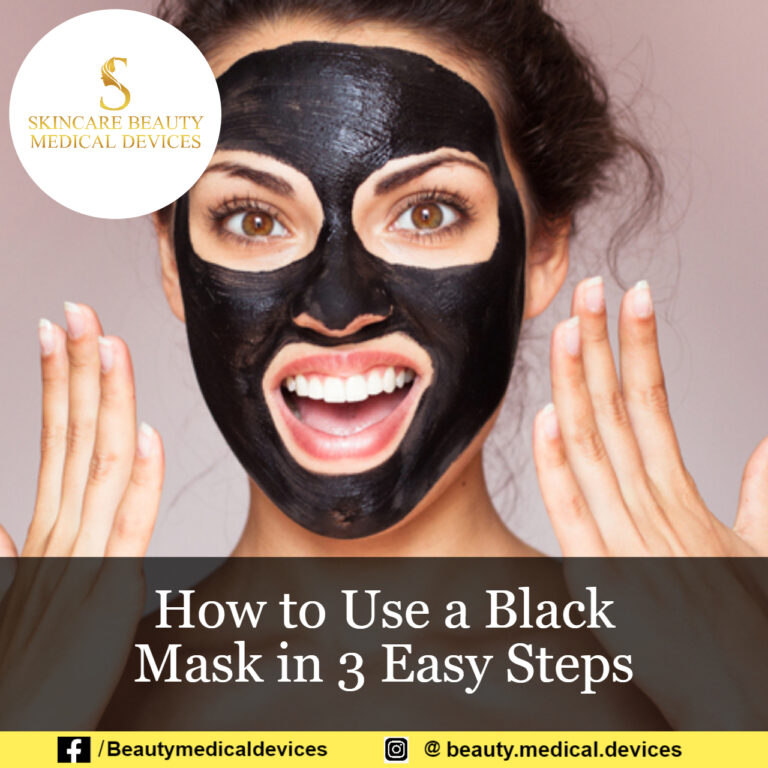
Following these instructions will help to ensure that you get the best results from using Elegance Purifying Black Mask. It is designed to clean deep and remove blackheads from your pores.

It is designed to clean deep and remove blackheads from your pores.

Tips Before Applying the Charcoal Black Mask

You will need to wash your hands before you start. Always begin any skincare treatment with clean hands so that you aren’t transferring any acne-causing bacteria to your face. You may want to have a few hand towels close by. It is highly recommended to tie your hair back off your face. A soft head/hairband will do this nicely. The mask will stick to your hair if it gets in it.

You can apply the mask with your clean fingers, but we recommend to use a soft brush like the Elegance Black Mask Application Brushes. A brush will make the application and peeling easier.

Grab your favorite facial cleanser and get ready.

"You

How to Apply Black Deep Cleansing Mask

  1. Cleanse your face with warm water to remove impurities and open up the pores
  2. Apply a thick layer of charcoal black mask to your face and let it dry for 20 minutes
  3. Remove black mask by peeling off from the bottom of your face

1. Step one is to cleanse your face and open your pores properly. A good cleanse will remove your makeup and any dirt from the day. Opening your pores will allow your Mask to penetrate and clean to remove more debris from deep inside your pores.

Cleanse your face thoroughly with Elegance Facial Scrub. This product will not only remove all traces of dirt and makeup but also exfoliate dead skin cells making it easier for your mask to penetrate and remove more blackheads.

Read Complete Article at elegancegel.com

Also read: How to treat a dry, flaky scalp: causes and prevention tips

To know more about Skincare Devices and Beauty latest updates, please Like and Follow our Facebook Page and Instagram account…

Ear Infection Treatment

0

An ear infection is one of the most common conditions among children. It is caused by a viral or bacterial infection. These infections create pressure in the Eustachian tube that connects the throat to the middle ear. This pressure causes the ear pain.

What is an ear infection?

This is one of the most common conditions among children. It is caused by a viral or bacterial infection. These infections create pressure in the Eustachian tube that connects the throat to the middle ear. This pressure causes the ear pain.

A chronic ear infection can last for 6 weeks or more, but most infections are viral and go away on their own after 3 days without needing to see a doctor. Children are more likely to get an ear infection when they’re exposed to illness from other kids, especially during the winter months. Babies who drink from a bottle while lying down are likely to get the infections, too.

Symptoms of ear infections

Intense pain in your child’s ear is usually the first sign of an ear infection. Young children can tell you that their ear hurts, but babies may only cry. Your child may repeatedly pull on the ear that hurts. The pain is usually worse at night and when your child is chewing, sucking a bottle, or lying down. That’s when the pressure is at its greatest. Other symptoms include a runny nose, cough, fevervomiting, or dizziness, and hearing loss.

What causes an ear infection?

Ear infections happen in the middle ear. They are caused by a viral or bacterial infection. The infection creates pressure in the Eustachian tube. This tube does not work properly when filled with drainage from the nose or mucous from allergies, colds, bacteria, or viruses.

Read Full Story on familydoctor.org


Also read: Scarlet Fever Treatment


What Can LIGHT HEAT ENERGY Do To Your Skin?

Light Heat Energy skin rejuvenation targets the dermis through a mixture of light and heat energy at low frequencies. This procedure is entirely safe for the customer and involves minimal downtime. Compared to other skin rejuvenation methods that rely solely on light or heat, the natural combination of light and heat energy improves the combined potency of the treatment and accelerates the healing process. Additionally, skin rejuvenation increases blood supply, which aids in the absorption of anti-aging serums and creams.

What can Light Heat Energy do?

  • Collagen renewal
  • wrinkle removal
  • rosacea therapy
  • pigmented lesion treatment
  • vascular lesion treatment 

The treatment has a minimal effect on the skin, triggering a wound-healing reaction that results in the production of fresh collagen under the undamaged layer, thus replacing the old collagen. Fibroblast stimulation is then used to further develop collagen and elastic fiber cells in the connective tissue of the skin’s inner layer. The LHE approach provides the skin with the elasticity it needs to appear solid and plump.

The phase of skin rejuvenation may take a few weeks or several months. The wound-healing response can significantly increase skin tone and texture throughout this time. Additionally, the healing process can eliminate fine lines and wrinkles. A complete care plan typically consists of six to eight sessions spaced one to three weeks apart, depending on the level of treatment.

ABOUT THE AUTHOR:

Dr Germie: Germie Alderite is a Registered Medical Technologist in the Philippines. She is currently studying Doctor of Medicine in the said country. Germie worked in an Adventist Wellness Center for a year before entering Medical School. She believes that many transgress the laws of health through ignorance, thus, people need instruction. They need to be impressed with the importance of making their knowledge a guide of life. A physician has many opportunities both of imparting a knowledge of health principles and of showing the importance of putting them into practice.
Also Read: Hybrid Nail Curing Lamp


How to treat a dry, flaky scalp: causes and prevention tips

Want to know  what causes a dry, itchy, flaky scalp and how to treat it?

If you’re reading this because you’ve been scratching your head about how to treat a dry, itchy, flaky scalp perhaps the first thing to know is, you’re not alone: lots of people suffer from scalp conditions. A frustrating problem, it’s not just the physical itching and redness that’s irritating; psychologically, unsightly flakes can make you feel self-conscious and impact your confidence, but the condition can also affect the quality of your hair growth.

The good news is, with the right treatment, you can get on top of it but before we move onto how to help fix those flakes and relieve that itchy redness let’s first look at how the scalp works and what triggers poor scalp health.

Understanding your scalp

Home to your hair follicles, it’s no surprise that by caring for your scalp you are also safeguarding the future strength and growth of healthy hair. The skin on our head has sweat glands and sebaceous glands that produce sebum, which forms a protective barrier for the scalp and moisturises the hair. Like the rest of the body, our scalp hosts a whole universe of microflora which rely on sebum and sweat as their food source.

On a healthy scalp where the follicles are clean and clear, skin renewal takes place over a four-week period with small numbers of dead skin cells shedding as tiny individual scales that we don’t normally notice. These dead cells slough away on the outermost layers of the skin, the stratum corneum as it’s known which is a shield against external aggressors, bacteria, physical damage and water loss.

There are, however, various factors which compromise the skin’s barrier function and rapidly accelerate the rate of skin shedding from a regular 28 days to 14 days which in turn leads to problem dryness, itching, flaking and follicles that are compromised by a build-up of dead skin cells.

What are the causes of a dry, itchy, flaky scalp? 

Identifying the exact reason for the problem can be tricky but one of these factors is often to blame:

Microbiome imbalance

While an itchy, flaky scalp doesn’t always mean dandruff, it is a very common skin condition that affects about 50% of the world’s adult population and it occurs when the balance of the scalp’s microbiome is disturbed. Micro-organisms called Malassezia live on everyone’s scalp. They thrive on the nutrients in the natural sebum that’s released there but if their numbers increase and get out of control, skin cells start to overproduce and build up too quickly. This leads to the rapid shedding of big clusters of dead skins cells and the formation of visible flakes accompanied by itchiness and irritation.

Read Complete Article at ameliorate.com

Also read: How To Get Rid of Keloids? : Causes and Treatments

To know more about Skincare Devices and Beauty latest updates, please Like and Follow our Facebook Page and Instagram account…

Scarlet Fever Treatment

0

Beauty: Scarlet fever is a bacterial infections. The disease used to be more common and severe, but now it is treatable. However, it can cause harmful health problems if left untreated. Scarlet fever is linked to a rash, hence the name” scarlet”.

Symptoms of scarlet fever :

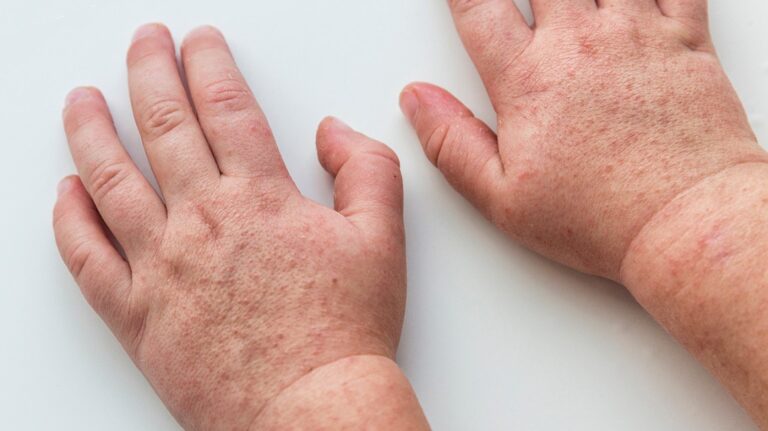
Children ages 5 to 15 are at greatest risk of getting scarlet fever. Symptoms often begin within 1 or 2 days of infection. The most common symptoms are fever, sore throat, and a rash. The rash can cover your neck, chest, arms, and legs. It consists of small, rough, red bumps that can peel.

You may have other symptoms, such as:

  • Chills
  • Swollen tonguetonsils, or glands
  • White coating or red bumps on tongue
  • Stomach pain
  • Headache
  • Muscle aches
  • Vomiting
  • Diarrhea

What causes scarlet fever?

 Group A streptococcus bacteria causes scarlet fever. This is the same infection that causes strep throat and can lead to rheumatic fever. Scarlet fever spreads through contact with an infected person or their germs.

How is scarlet fever diagnosed?

Visit your doctor right away if you think you have scarlet fever. They will do a physical exam and review your symptoms. They also will swab your throat or do blood work to check for a strep infection.

Can scarlet fever be prevented or avoided?

There is no vaccine for scarlet fever. The only way to prevent it is to avoid sick people. This way you reduce your risk of catching the infection. If you have scarlet fever, you should stay home from work or school and avoid travel.

Read Full Story on familydoctor.org


Also read: How to Remove Dry Skin From the Feet: 5 Ways & Prevention

How to Remove Dry Skin From the Feet: 5 Ways & Prevention

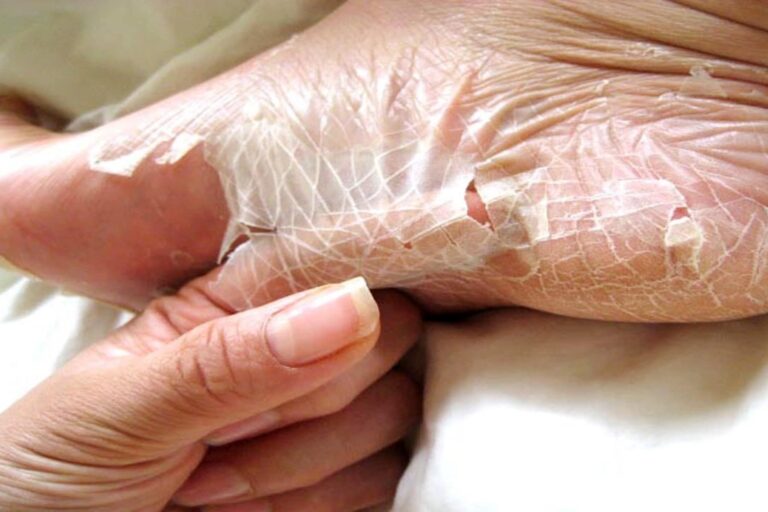
Dry skin often appears on the heels and sides of the feet and between the toes. The feet have fewer oil glands than other areas of the body, and they experience daily wear and tear. It may make the affected area feel itchy, tight, and even painful.

Causes

  • A lack of moisture. Dry, cracked, and flaking skin is especially common on the heel and sole because these areas have fewer oil glands than skin elsewhere on the body.
  • Irritation. Standing for too long or wearing poorly fitting shoes can put constant pressure on specific areas of the feet or cause friction of the skin. As a result, these areas of the feet may become dry, calloused, or cracked.
  • Heat and humidity. Closed shoes, such as sneakers and boots, create an extremely hot and humid environment for the feet. Heat and humidity draw moisture from the skin, which can lead to dry or cracked areas on the feet.
  • Aging. Over time, the skin loses its ability to retain water, becoming thinner and less plump. Older people may be more likely to experience dry skin.

Dry skin on the feet may also occur as a result of a medical condition, such as:

  • Athlete’s foot. Athlete’s foot is a fungal infection that causes a scaly rash between the toes and underneath the foot.
  • Eczema. Eczema refers to a group of conditions that cause skin inflammation. People can develop eczema anywhere on their bodies. Common symptoms of eczema include dry, crusty, or itchy patches of skin.
  • Hypothyroidism. People with hypothyroidism may develop extremely dry feet because their thyroid gland cannot regulate the sweat glands in the feet.

Treatments and Remedies

Dead cells on the surface of the skin naturally fall off, and new cells take their place. When a person does not remove the buildup of dead skin cells, they can form thick, flaky patches on the feet.

Read Complete Article at Remove Dry Skin

Also Read: Honey Face Packs for Dry Skin


NON-SURGICAL NOSE TREATMENT

0

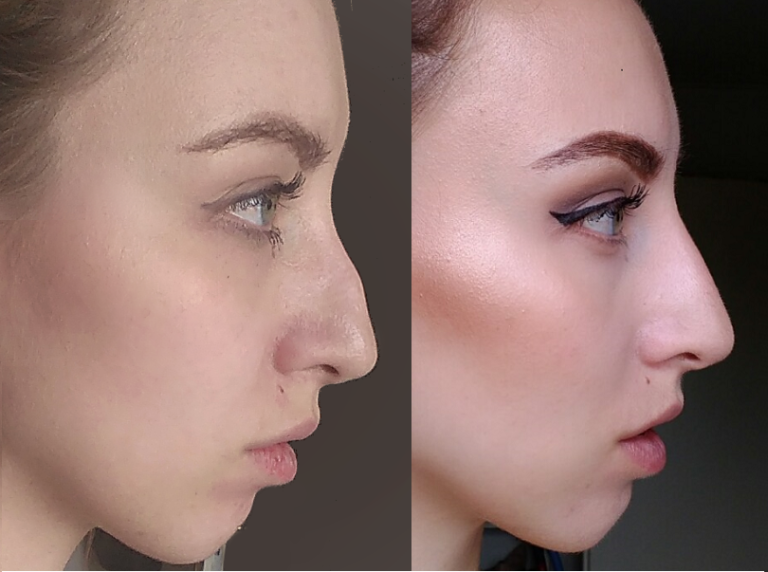
NON-SURGICAL: The nose is the central part of a person’s face. So, it only takes the slightest of flaws to cause someone an emotionally significant degree of dissatisfaction with their physical appearance. A lot of things may contribute to your unhappiness with your nose. It could be a bump on your nose, indentations, scars, a hook nose appearance, a droopy tip, or irregularities from previous nose surgery.

Traditionally, imperfections of the nose have been treated by a surgical rhinoplasty, commonly known as a nose job. In the hands of an experienced surgeon a surgical nose job can provide excellent, permanent cosmetic results. However, some people can be a little anxious or nervous about having nose job surgery.

This may be for health reasons, or the inability to afford the downtime or the costs associated with surgery, fear of the risks of surgery, or maybe they just are not sure if they want a permanent result. If this sounds like you, then the Non-Surgical Nose Job may be the perfect way to make your nose appear smaller without having surgery.

During the Non-Surgical Nose Job procedure Dr. Zadeh will use a series of small injections of Juvederm Ultra Plus XC filler placed into very precise locations throughout the nose.  Ultra Plus XC is a facial filler made of hyaluronic acid which is a naturally occurring sugar found in the human body. Hyaluronic acid delivers nutrients to the skin, and keeps the skin hydrated by holding in water. This adds a natural volume to the skin.

Read Full Story on zcosmetichealth.com


Also read: What is Heat Rash, What are the Causes and How do we Treat it?

How To Get Rid of Keloids? : Causes and Treatments

What are keloids?

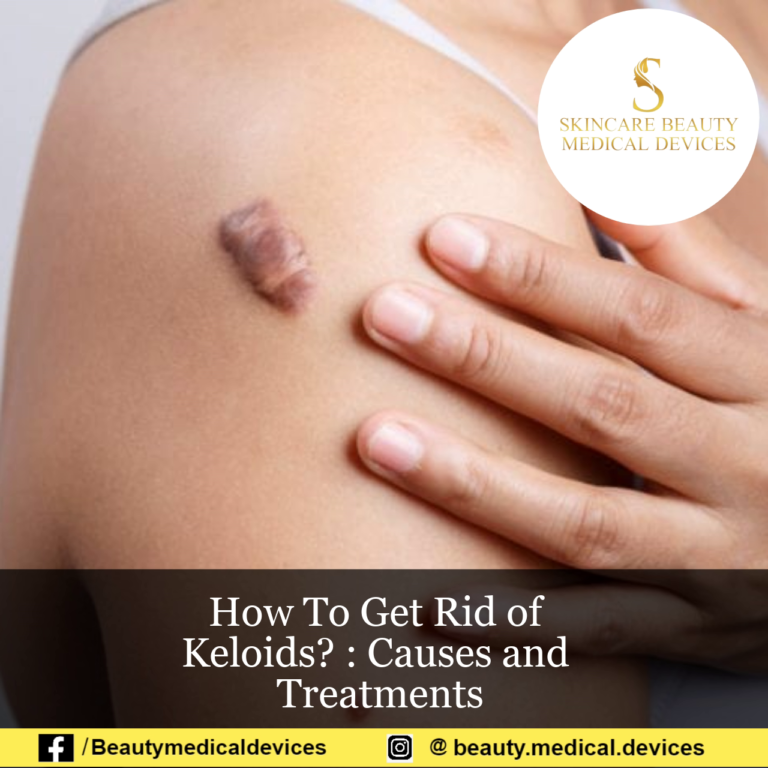
Keloids are a type of raised scar. They occur where the skin has healed after an injury. It can grow to be much larger than the original injury that caused the scar.

They are not at all common, but are more likely for people who have dark skin.

Anything that can cause a scar can cause a keloid. This includes being burned, cut, or having severe acne. Keloids can also develop after you get a body piercing, a tattoo, or have surgery. Keloids sometimes show up 3 months or more after your skin is injured. Some continue to grow for years.

Symptoms of keloids

Keloids can have the following characteristics:

  • Appear and grow slowly. It can take 3 months up to a year before you see the first signs of a keloid. Then it takes weeks or months for it to grow. Sometimes, they continue to grow slowly for years.
  • Begin as a raised pink, red, or purple scar. A keloid is usually a raised scar with a flat surface. The color tends to darken with time. It usually ends up being darker than the person’s skin, with the border being darker than the center.
  • Feel different than the surrounding skin. Some keloids feel soft and doughy. Others are hard and rubbery.
  • Cause pain, itching, or tenderness. When they are growing, some keloids may be itchy, tender, or painful to the touch. These symptoms usually stop once the keloid stops growing.

What causes keloids?

After your skin is injured, your cells try to repair it by forming a scar. In some people, the scar tissue keeps forming long after the wound heals. This extra scar tissue causes the raised area on your skin that is called a keloid. Doctors still aren’t sure why some people’s skin scars this way.

Read Complete Article at familydoctor.org

Also read: What Men Should Know About Acne

To know more about Skincare Devices and Beauty latest updates, please Like and Follow our Facebook Page and Instagram account…