

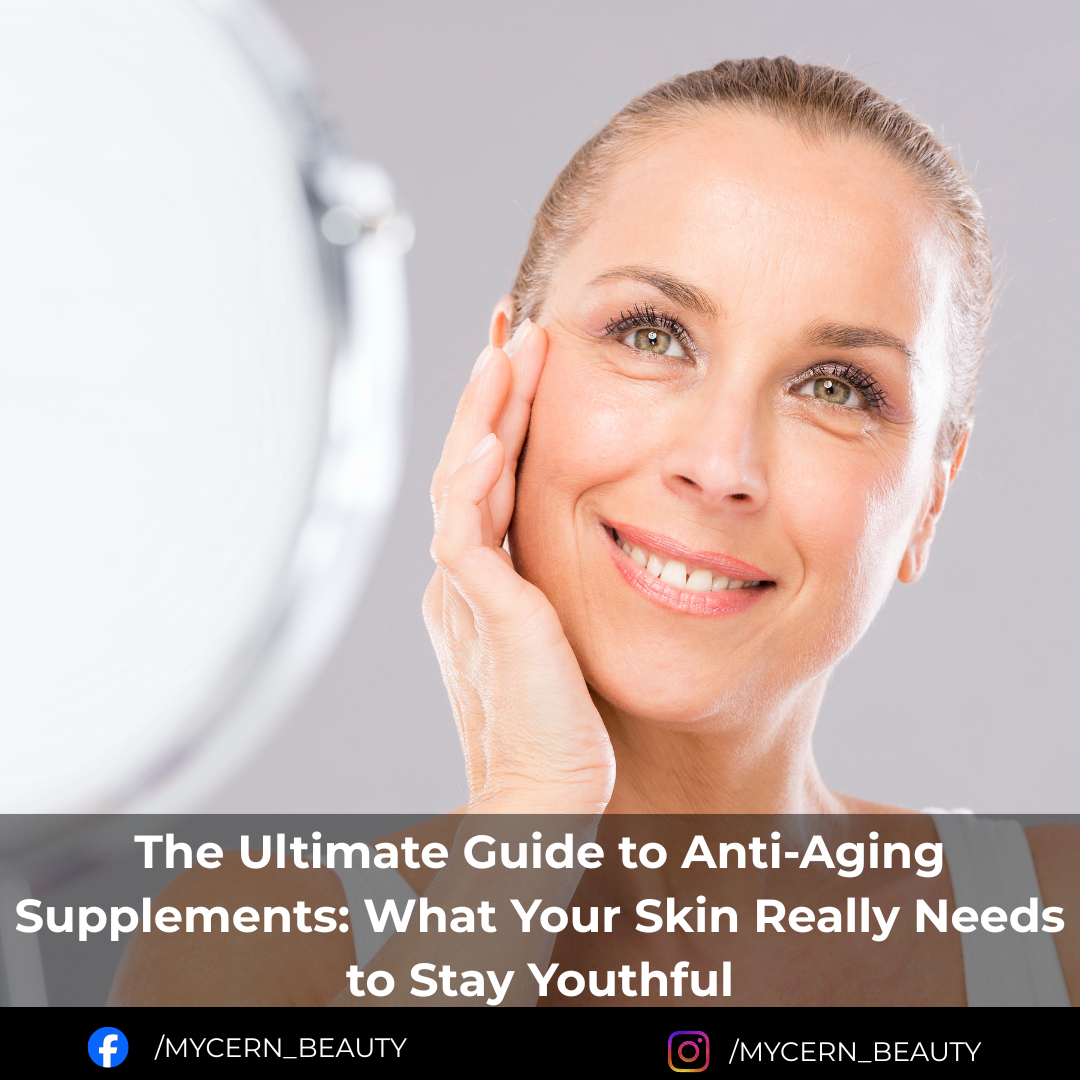
Aging is a natural process that affects every organ system in the body, including the skin. While biological aging cannot be stopped, scientific evidence supports the idea that targeted nutritional support, healthy lifestyle habits, and evidence-backed supplements can help maintain skin health, elasticity, hydration, and overall appearance with age.
This guide explores:
– The science behind skin aging
– How supplements can support skin health
– The most effective anti-aging supplements backed by research
– Tips for choosing quality products
– Lifestyle habits to amplify results
Why Skin Ages: Understanding the Science
Skin aging begins as early as the mid-20s and continues progressively throughout life. Key structural components such as collagen, elastin, and hyaluronic acid decline with age, contributing to loss of firmness, wrinkles, and dryness.
Factors Driving Skin Aging
Intrinsic Aging: Natural decline in cellular function, collagen production, and dermal thickness.
Extrinsic Aging: Environmental exposures like UV radiation and pollution accelerate aging via oxidative stress.
Lifestyle Factors: Inadequate sleep, poor nutrition, stress, and smoking can aggravate aging signs.
How Anti-Aging Supplements Help
Supplements cannot stop time or reverse aging, but certain nutrients support the biological processes that maintain skin structure and protect against damage:
- Support collagen formation
• Enhance hydration
• Protect against oxidative damage
• Strengthen the skin barrier
• Promote cellular energy and repair
Top 7 Anti-Aging Supplements Backed by Science
Collagen: The Foundation of Firm, Plump Skin
Benefits: Improved skin elasticity, reduced wrinkle depth, enhanced hydration
Research: Hydrolyzed collagen peptides show positive effects in as little as 8–12 weeks.
Hyaluronic Acid: Deep Hydration From Within
Benefits: Increased skin hydration, improved elasticity, reduced dryness
Research: Daily intake improves skin moisture and texture.
Antioxidants: Defending Skin From Accelerated Aging
Benefits: Neutralize free radicals, support collagen synthesis, protect against environmental stress.
Research: Key antioxidants include Vitamin C, Vitamin E, Resveratrol, and Polyphenols.
Omega-3 Fatty Acids: Strengthening the Skin Barrier
Benefits: Reduce inflammation, support skin texture and hydration.
Research: Found in fish oil, chia seeds, and flaxseed.
Coenzyme Q10 (CoQ10): Boosting Cellular Energy
Benefits: Reduced wrinkle appearance, support for cellular metabolism, protection against UV-induced aging.
Research: Research suggests improved skin smoothness and resilience.
Zinc: Supporting Skin Repair
Benefits: Promotes cell turnover, wound healing, and inflammation control.
Research: Essential trace mineral for healthy dermal function.
NAD+ Precursors (NMN/NR): Supporting Longevity at a Cellular Level
Benefits: Boost NAD+ availability, support energy metabolism and DNA repair.
Research: Supplements like NMN and NR aim to support aging processes at the cellular level.
How to Choose the Right Anti-Aging Supplement
When selecting supplements:
- Choose clinically studied forms (e.g., hydrolyzed collagen)
• Look for transparent ingredient lists
• Prefer products without artificial colors, fillers, or sugars
• Consider third-party tested products for quality assurance
Lifestyle Habits That Amplify Supplement Results
References
- Gupta, M., et al. (2014). Zinc Therapy in Dermatology: A Review. *Dermatology Research and Practice*, 2014, 709152.
- Hoppe, U., et al. (1999). Coenzyme Q10, a cutaneous antioxidant and energizer. *BioFactors*, 9(2-4), 371-378.
- Imai, S., & Guarente, L. (2016). NAD+ and sirtuins in aging and disease. *Cell Metabolism*, 24(4), 521-530.
- Minwalla, L. (2014). Hyaluronic Acid: A Key Molecule in Skin Aging. *Clinical Interventions in Aging*, 9, 1027-1048.
- Pilkington, S. M., et al. (2019). The Role of Omega-3 Fatty Acids in Skin Health. *Journal of Clinical Medicine*, 8(7), 1069.
- Proksch, E., et al. (2014). Oral supplementation of specific collagen peptides has beneficial effects on human skin physiology: a double-blind, placebo-controlled study. *Journal of Cosmetic Dermatology*, 13(1), 27-37.
- Pullar, J. M., et al. (2017). The Roles of Vitamin C in Skin Health. *Nutrients*, 9(8), 866.
Conclusion
There is no single supplement that magically reverses aging. However, using targeted nutrients backed by clinical evidence—alongside a healthy lifestyle—can help support skin structure, hydration, defense against oxidative stress, and overall appearance.
A thoughtful, evidence-based approach to supplementation and skincare is the best strategy for aging gracefully and maintaining skin health at any age.